


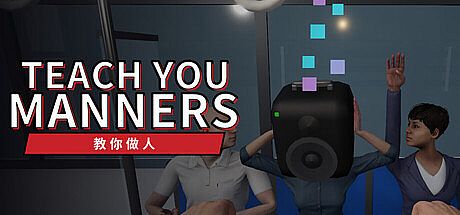


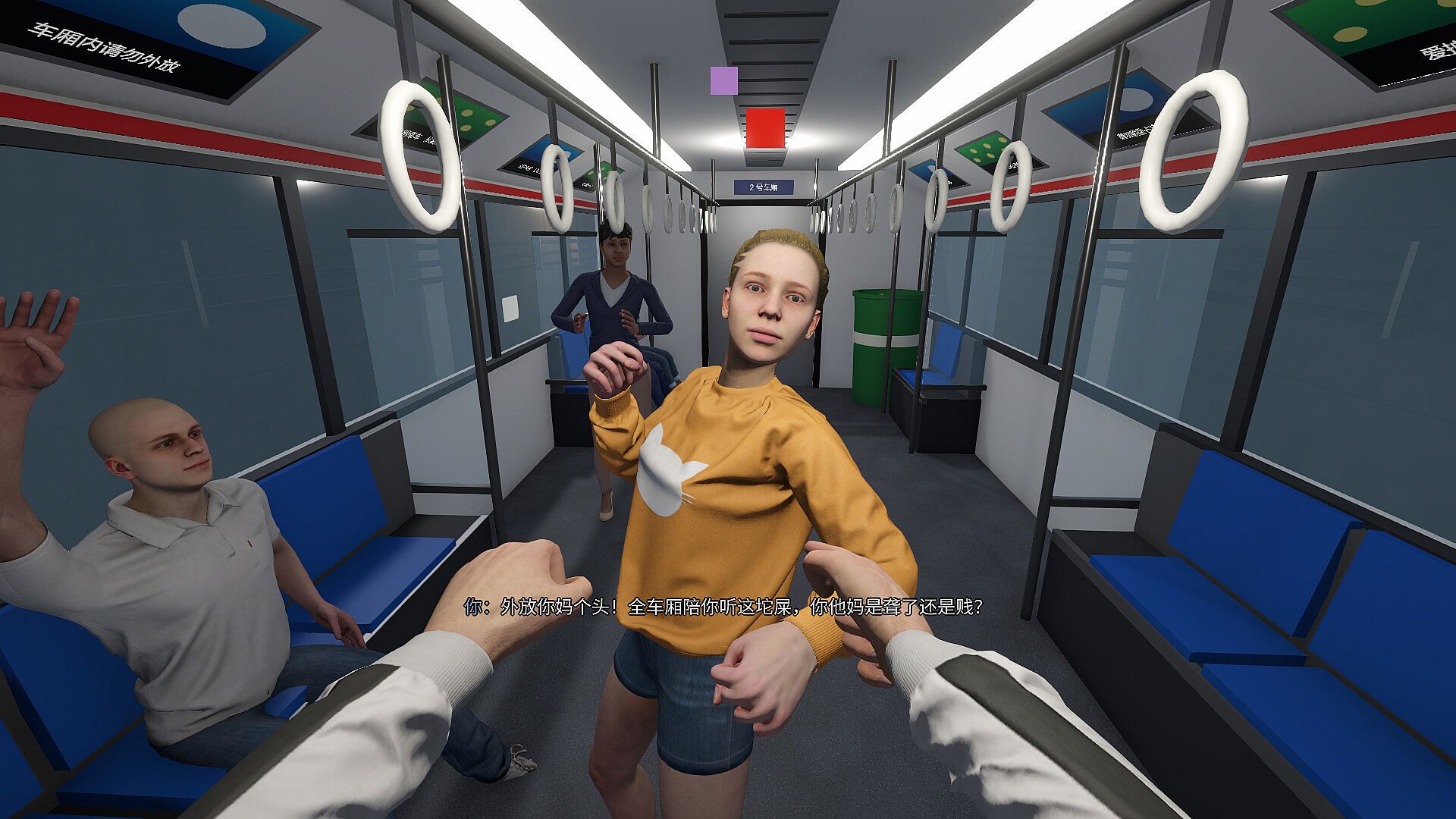
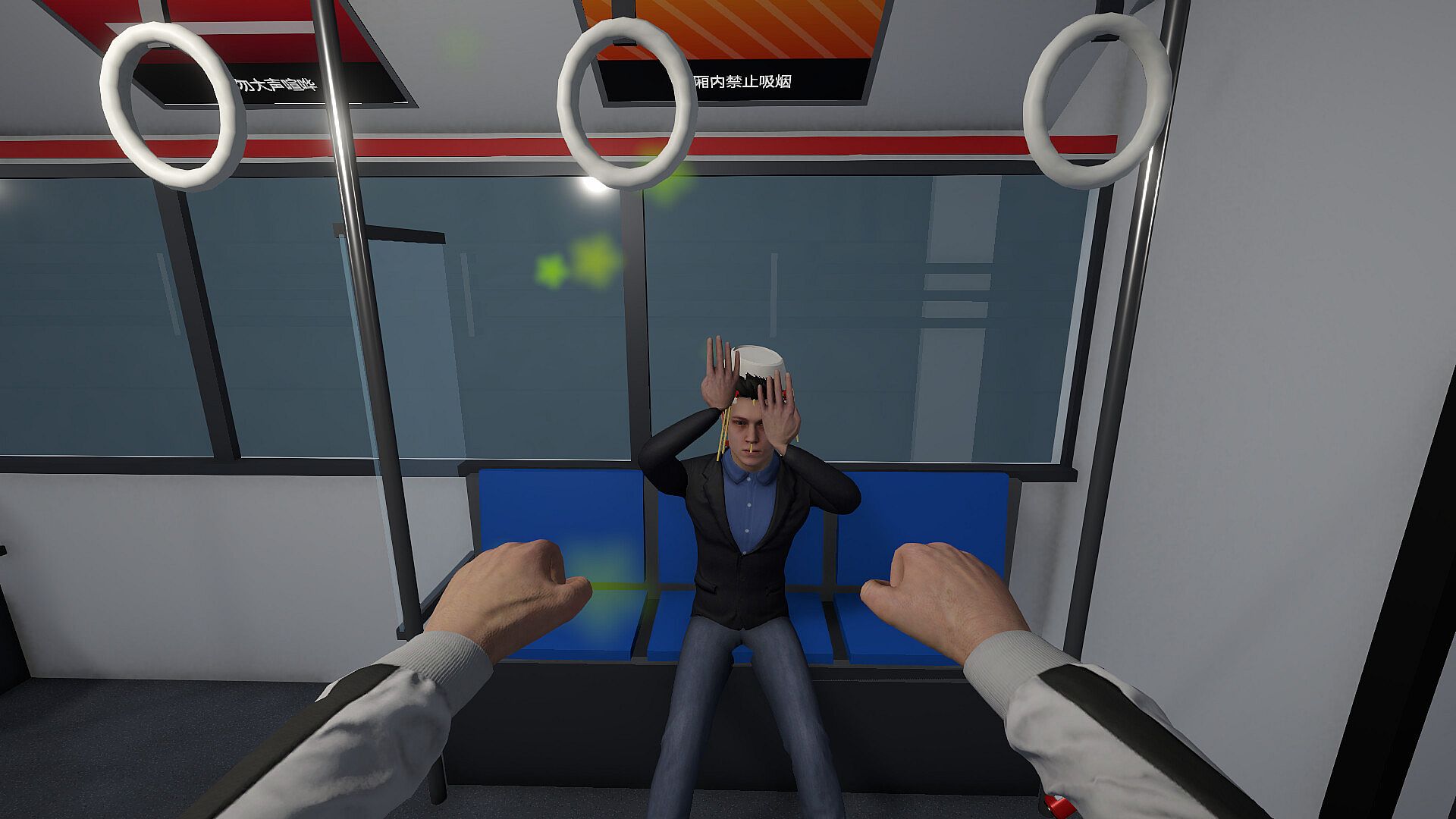
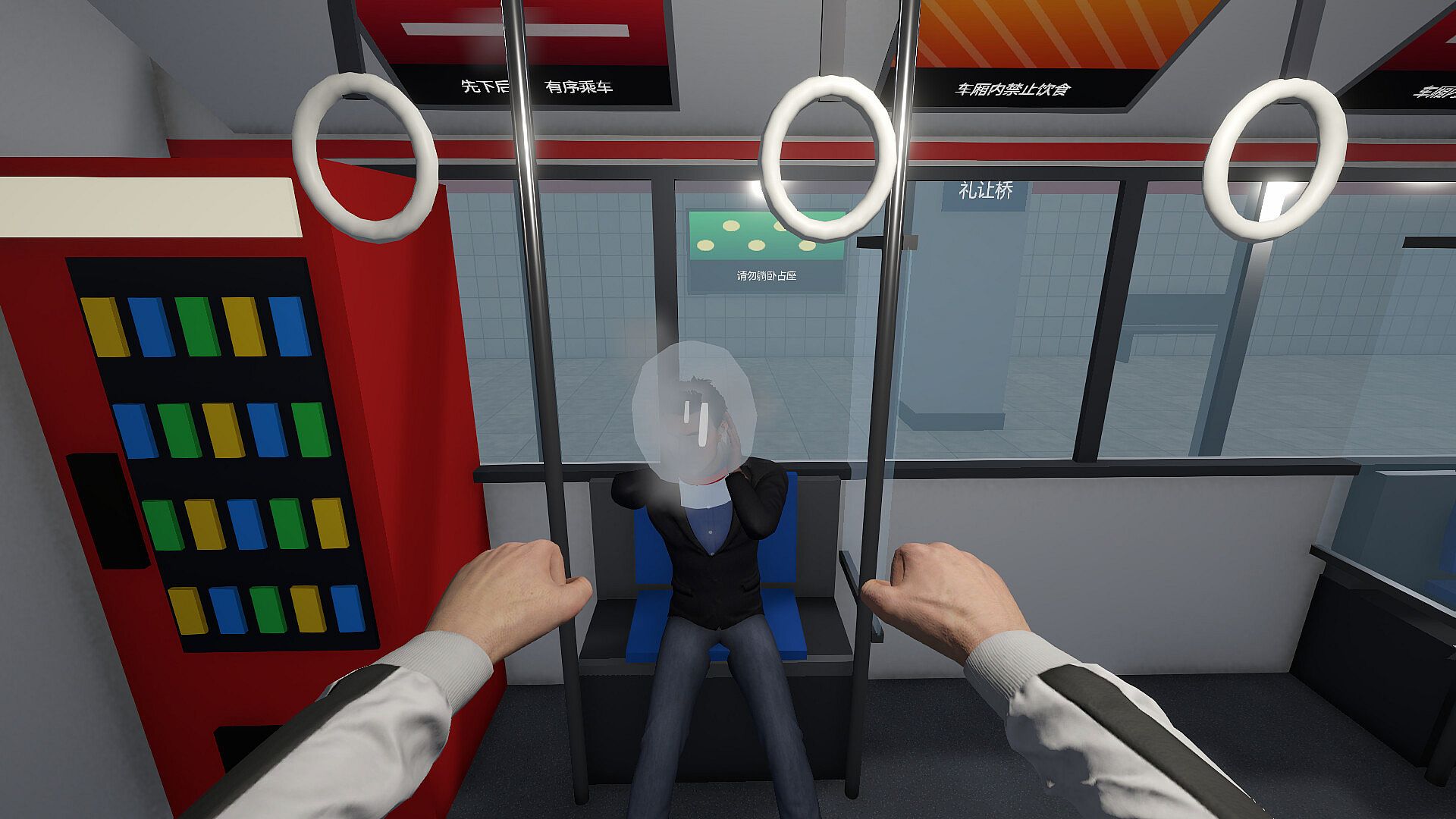
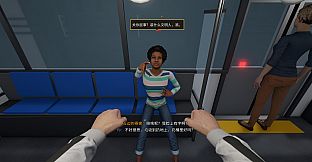
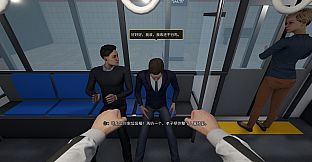
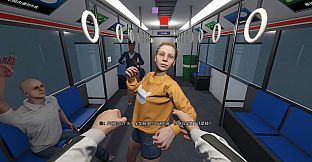
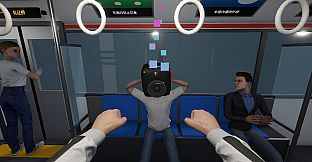
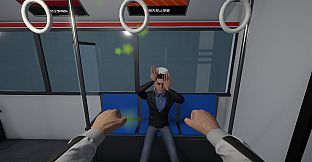
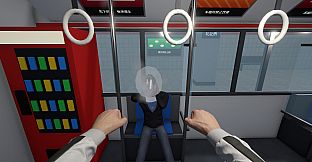
Teach You Manners is an indie RPG, casual, and simulation game set on PC in which players identify and confront mimics that disrupt a perfectly civil society through poor etiquette. These impostors blend into crowds of passengers but reveal themselves by actions such as blasting videos, hogging seats, smoking in restricted areas, slurping strong-smelling noodles, or littering. The core loop centers on observation followed by measured responses that range from conversation to direct confrontation.
Gameplay
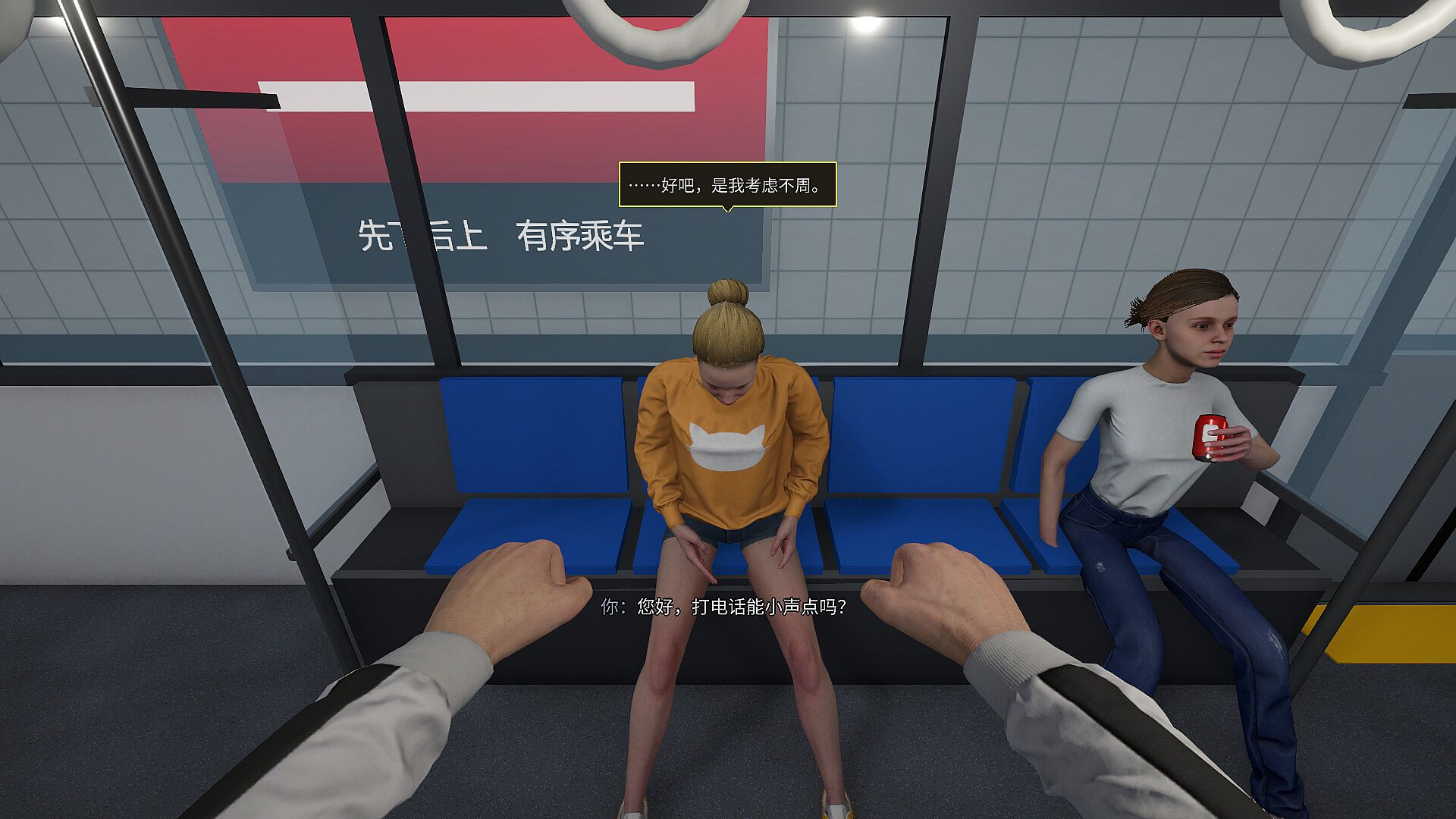
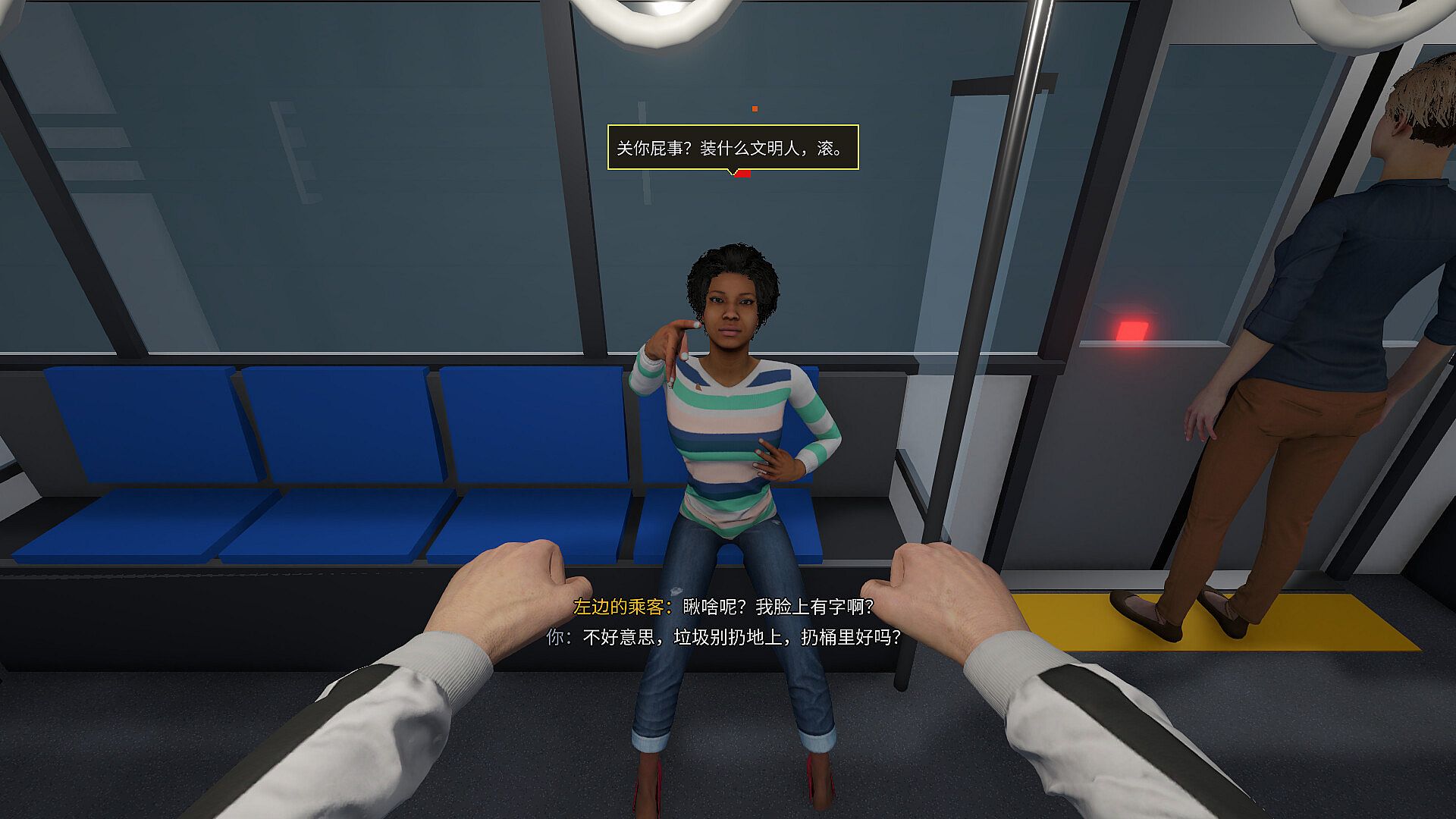
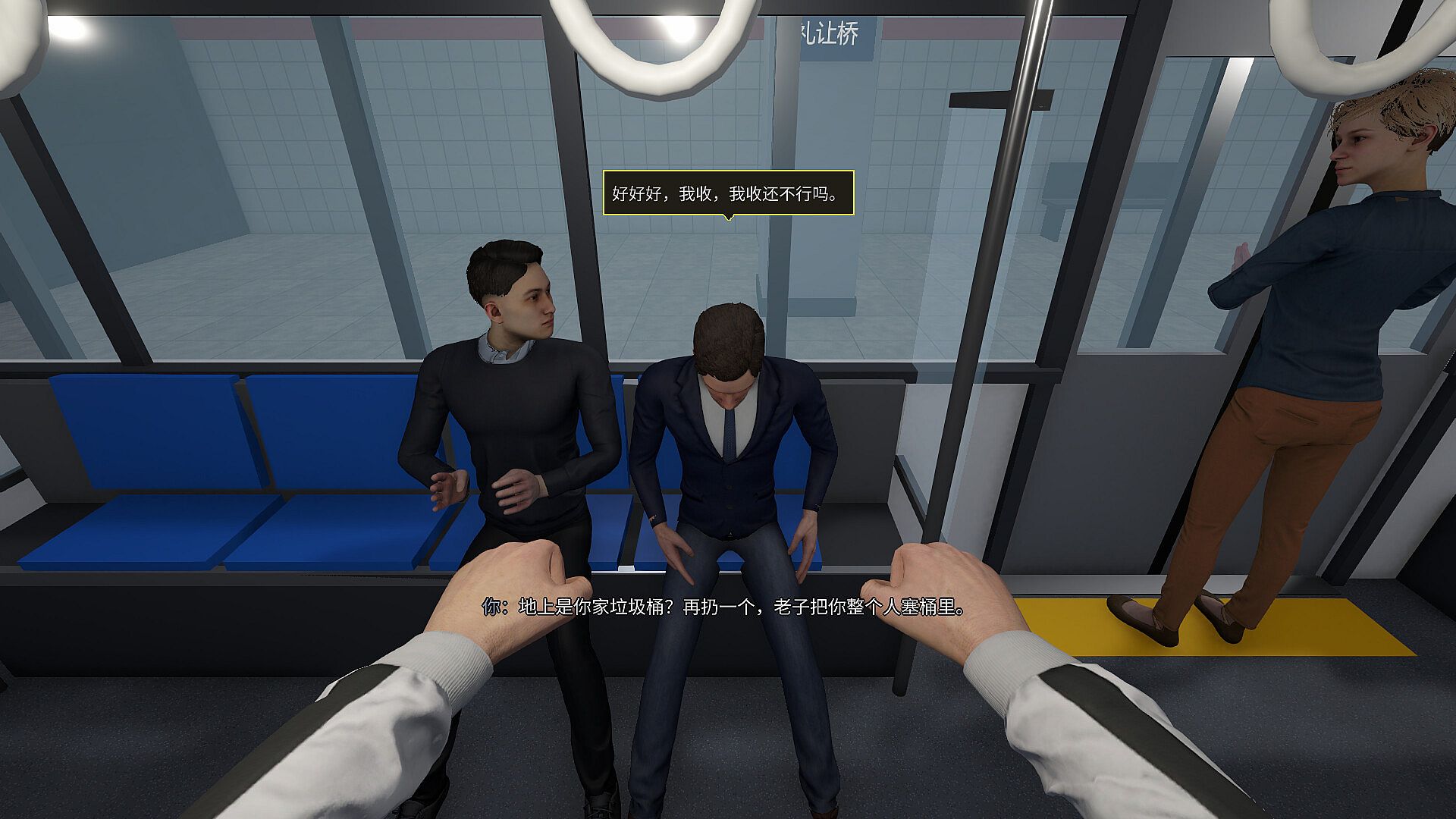
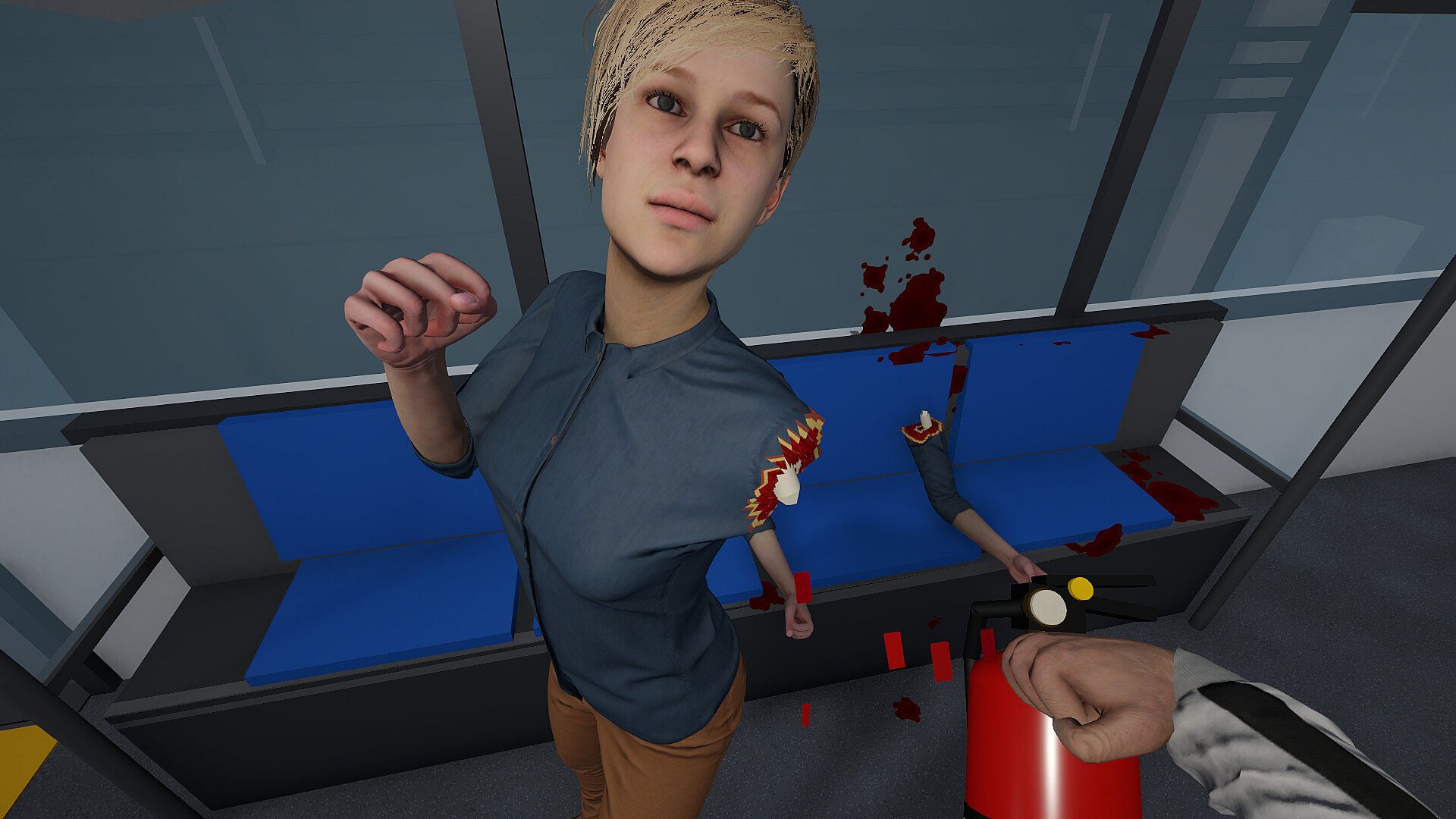
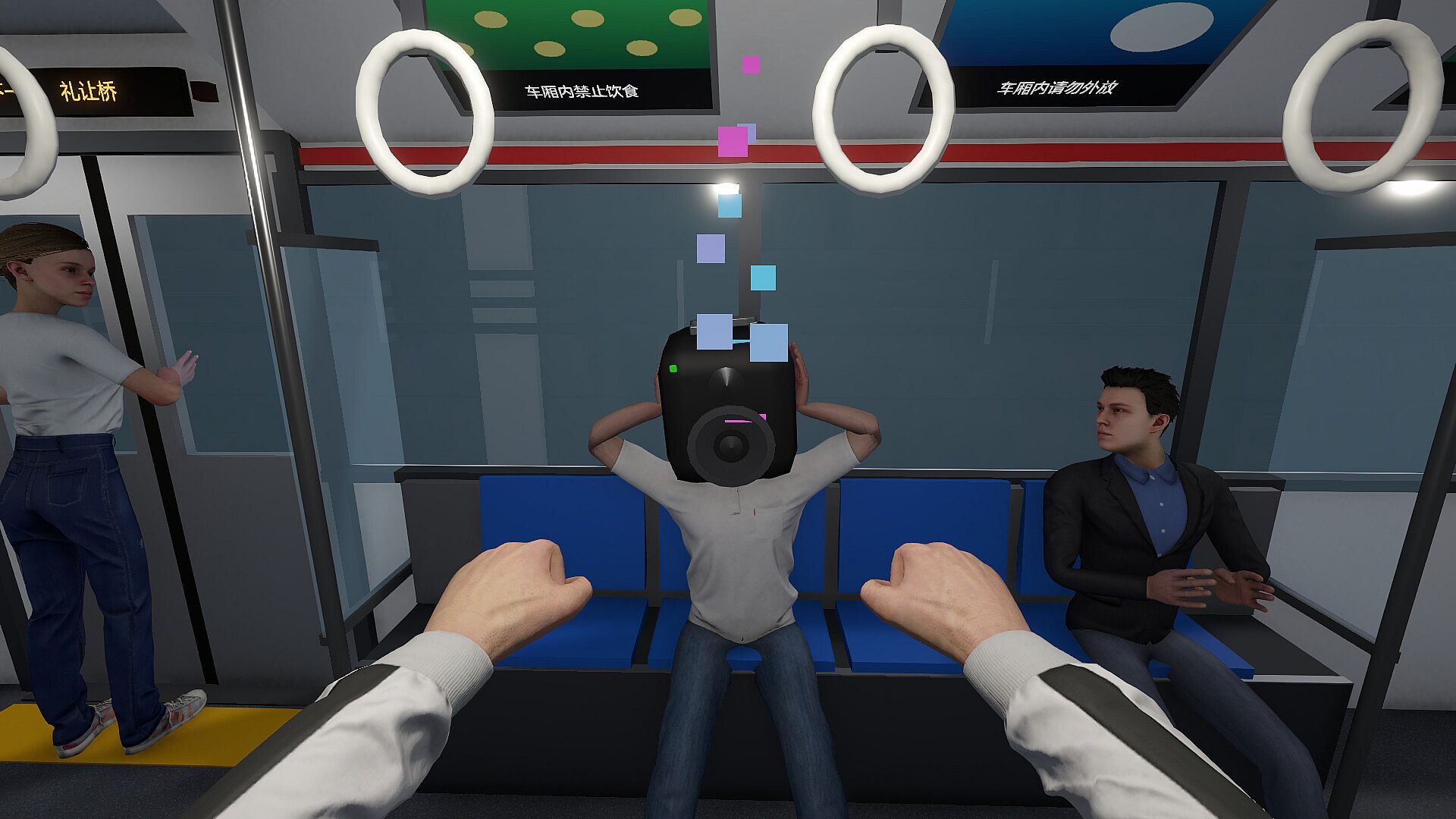
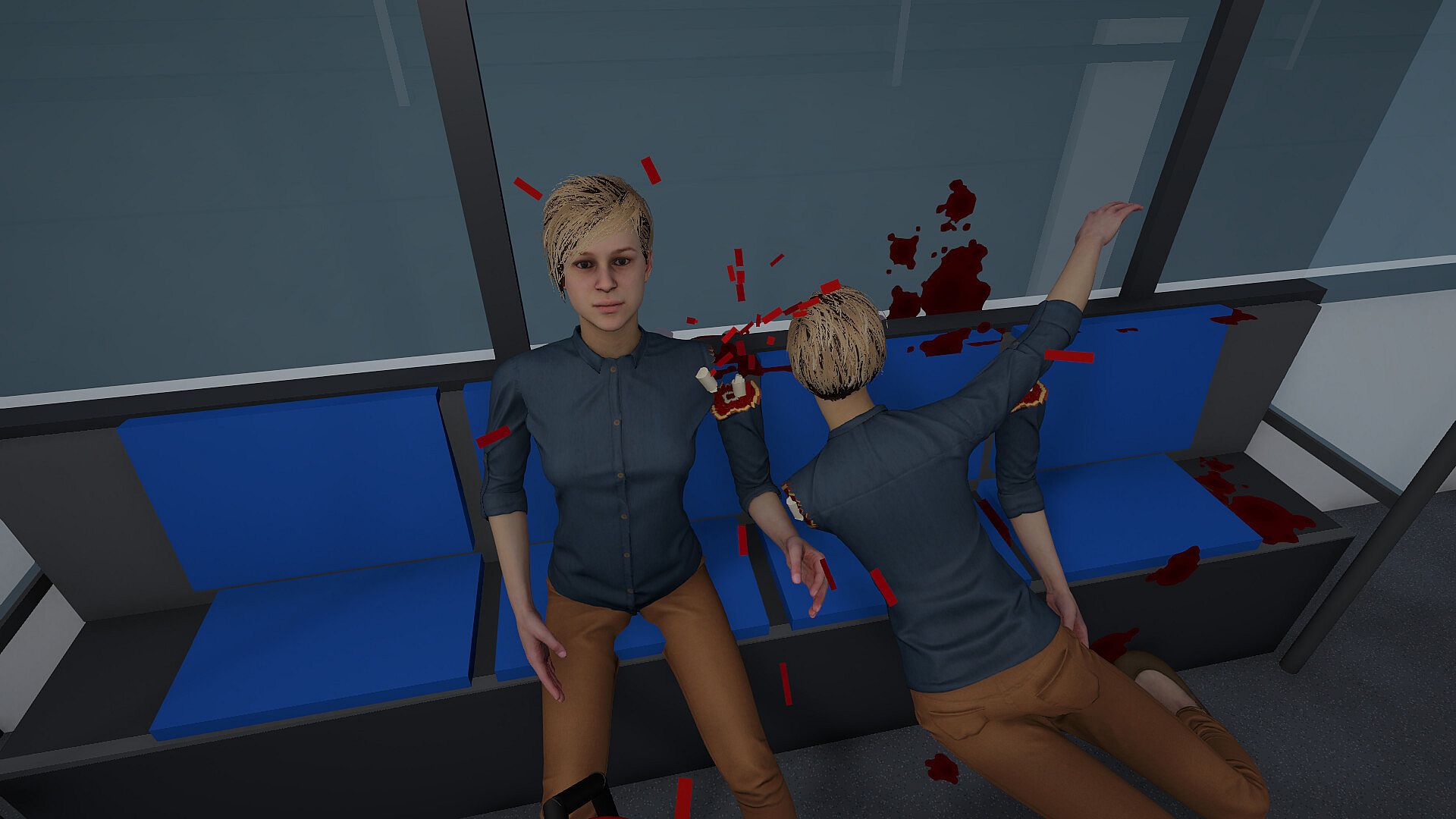
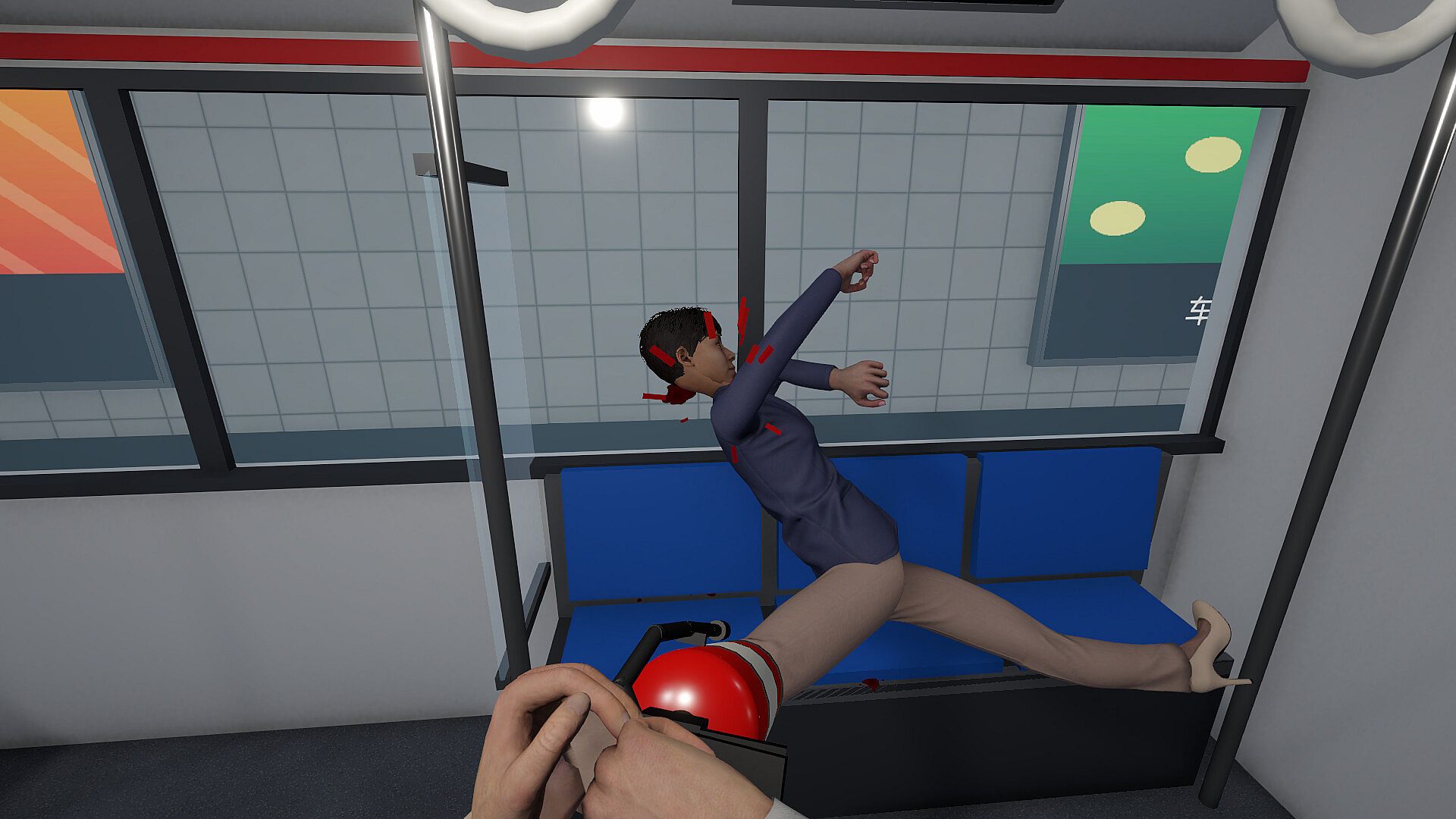
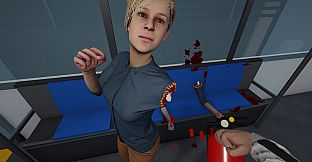
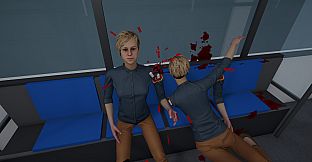
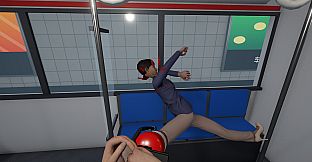
Players scan groups of passengers for behavioral cues that mark mimics apart from ordinary people. Mistargeting a real human triggers immediate negative consequences that reinforce careful identification. Interaction begins with dialogue options that attempt polite reform, where some mimics respond by adopting better habits while others remain defiant or argumentative. Escalation leads to verbal reprimands that can provoke retaliation or physical engagement using fists and nearby objects. Creative punishments match the offense directly, such as fitting a large speaker to a video blaster or inverting a bowl of noodles over the head of someone eating pungent food in public. Ragdoll physics produce exaggerated cartoon outcomes during fights, with optional toggles to disable blood and dismemberment effects while preserving all other mechanics. Mimics may counterattack when provoked, requiring sustained effort to subdue them until they submit or retreat. Bystander passengers react positively to successful corrections of mimics.
Game Modes
The experience supports solo play focused on individual encounters within passenger settings. Cooperative sessions allow two to four participants to coordinate actions, such as one player restraining a target while others apply corrective measures. Friends can join through direct invitations or by creating public sessions for open participation. No additional named modes exist beyond these single-player and co-op frameworks.
Core Mechanics and Features
Progression relies on identifying mimics accurately and choosing appropriate escalation levels during each encounter. Dialogue trees offer branching outcomes based on persuasion attempts, profanity, or immediate force. Environmental objects enable context-specific punishments that extend beyond standard combat. The simulation elements emphasize social observation and consequence management in everyday public spaces. Co-op emphasizes teamwork in restraint and application of force without altering the fundamental single-player systems. Settings provide customization for violence depiction without impacting core progression or interaction options.
Who the Game Appeals To
This title suits players interested in simulation and RPG elements combined with casual pacing and light strategy around social detection. Those who enjoy cartoon-style physics, creative problem-solving through tailored punishments, and optional multiplayer coordination will find the systems engaging. The emphasis on observation before action and the ability to adjust gore levels broadens accessibility for different preferences within the indie and casual genres.
Is It Worth Playing?
The game remains in development with a coming-soon status and no released version available for play or review at this time. Its described systems of mimic identification, layered interaction choices from dialogue to physical correction, and co-op support outline a focused experience centered on etiquette enforcement in a simulated public environment. Players seeking unconventional simulation mechanics and cooperative options may find the premise distinctive once released, though current details provide no confirmed player reception metrics or post-launch support information.











