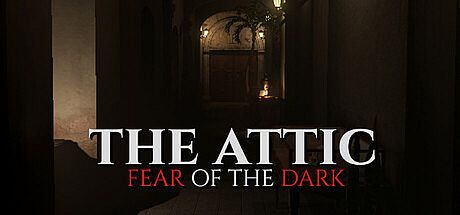


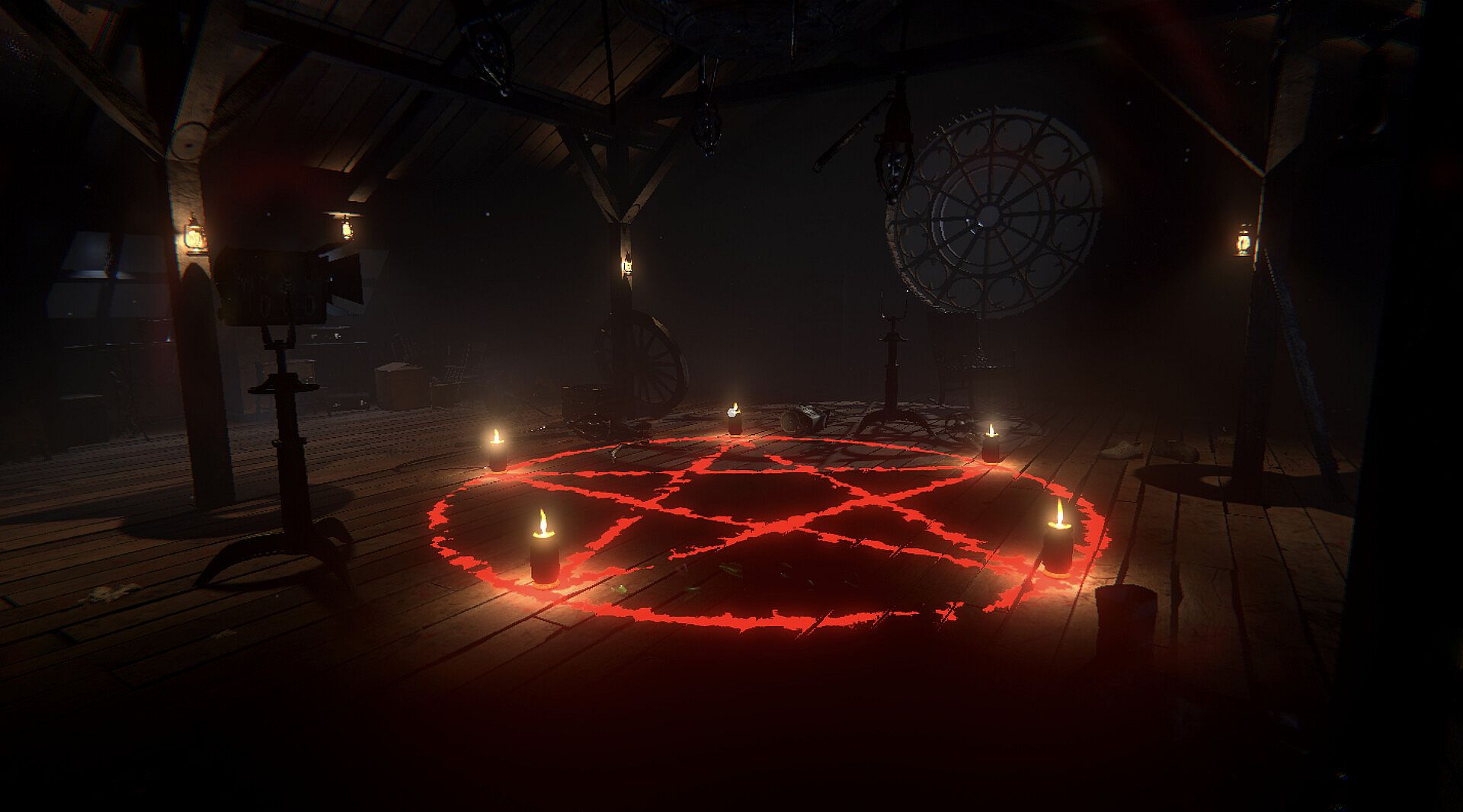
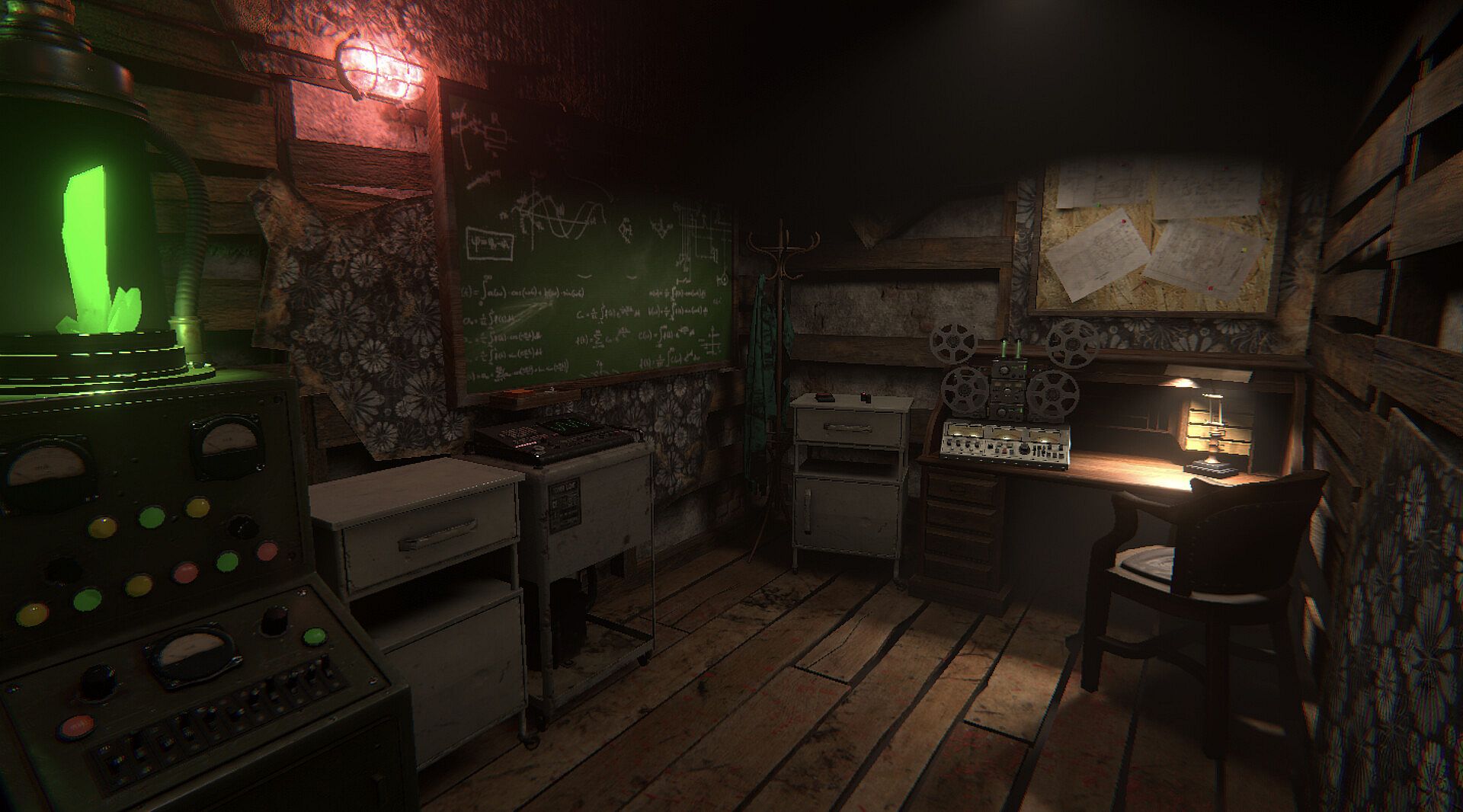
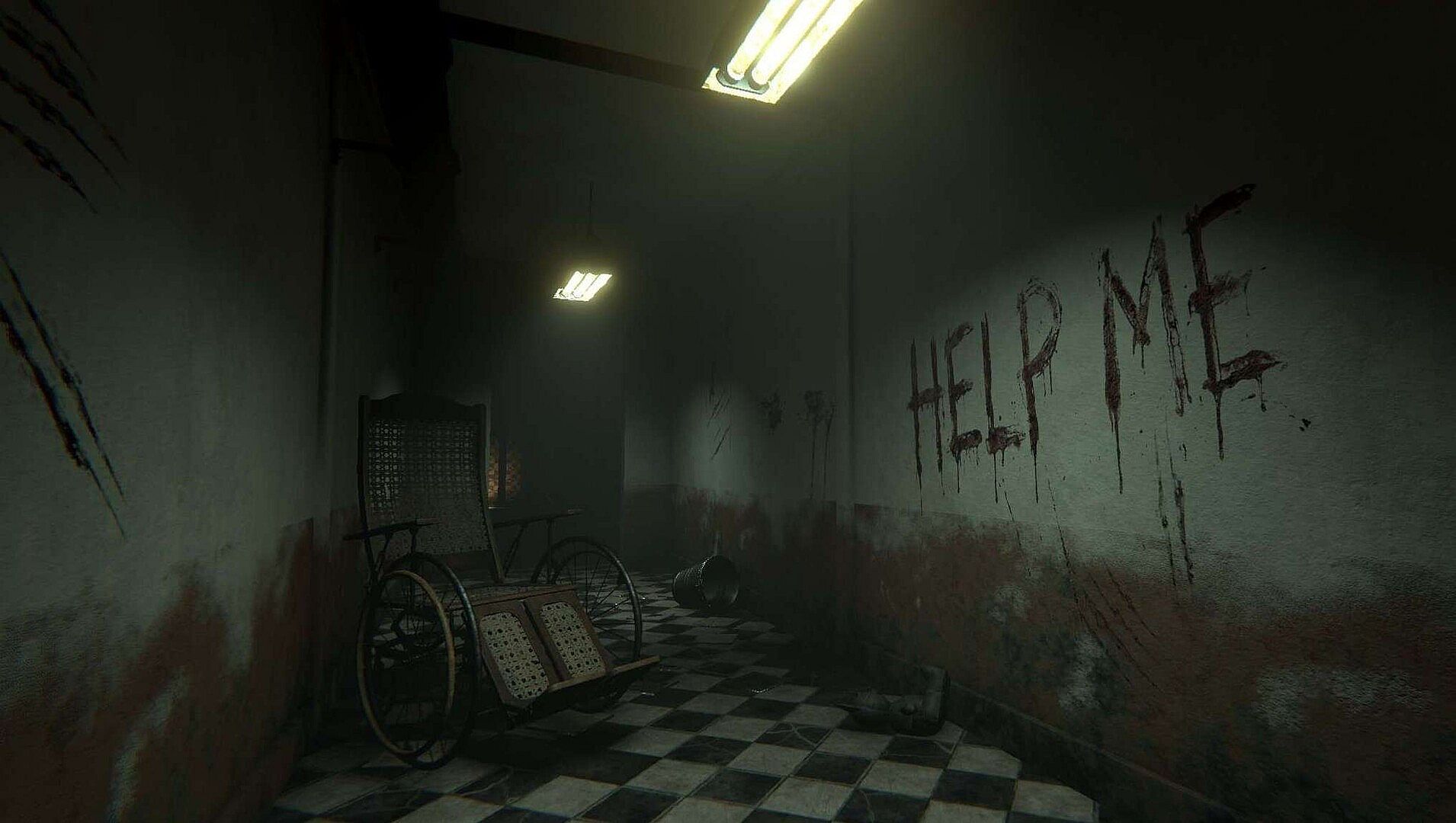
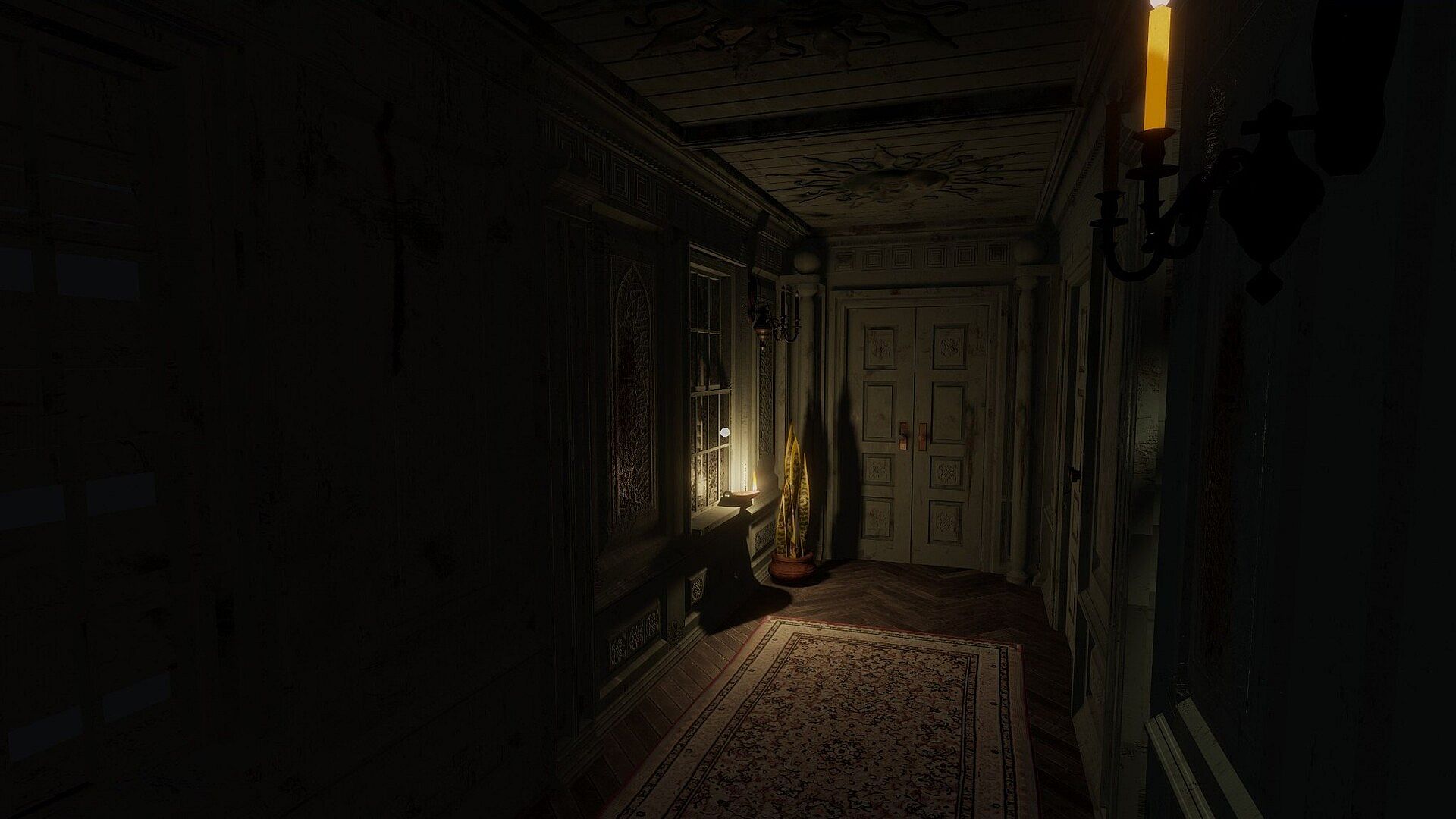
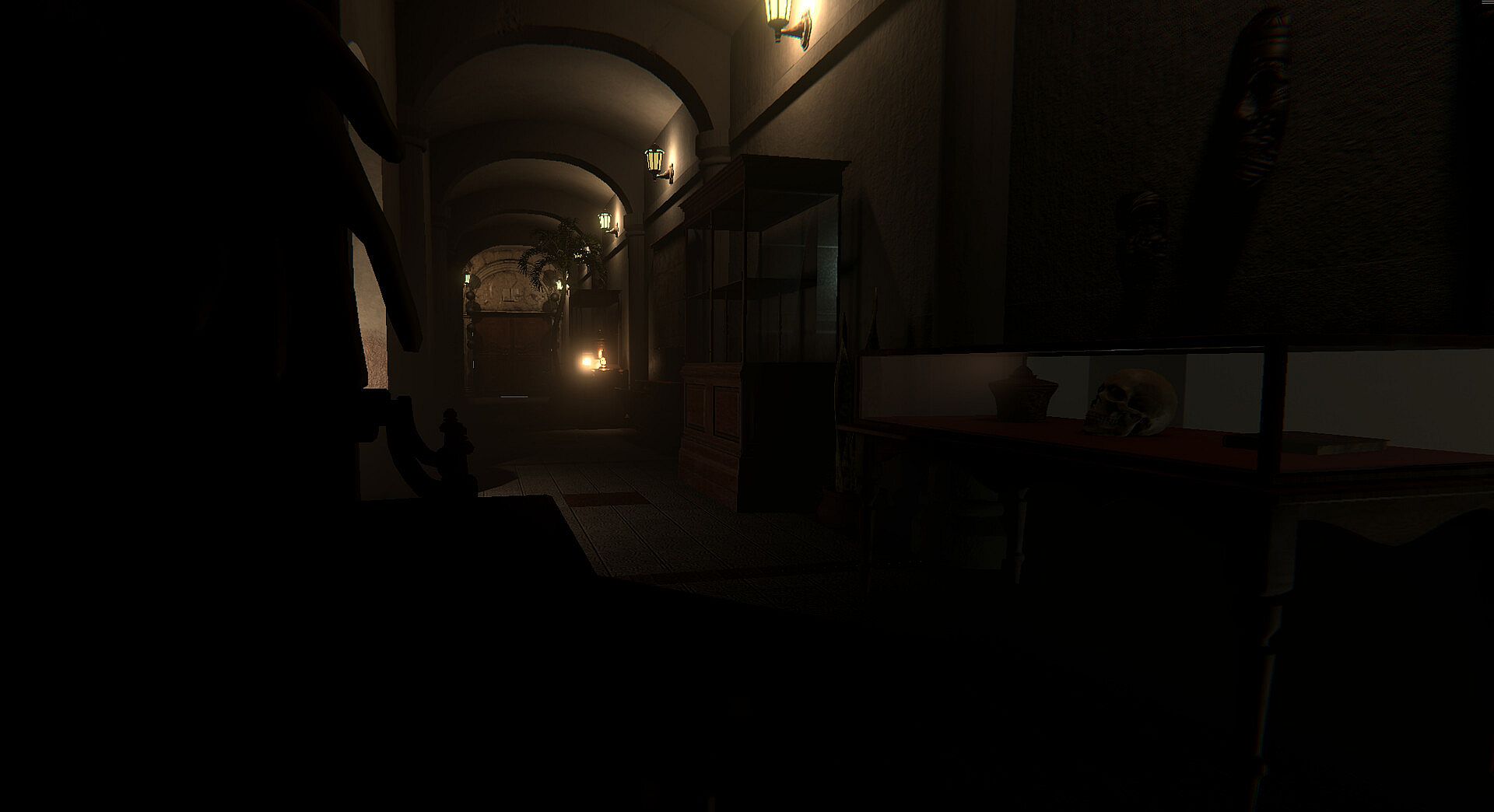
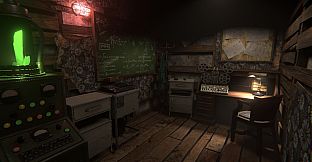
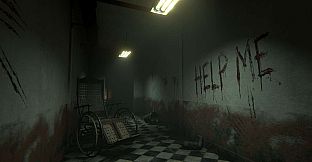
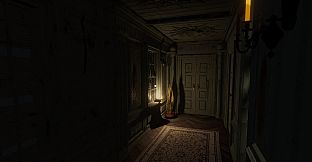
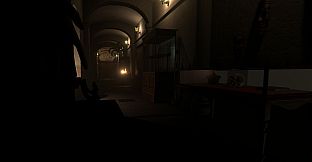
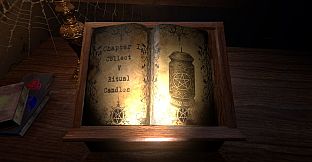
The Attic: Fear of the Dark is a first-person psychological horror adventure game developed as an indie title for PC. Set in the small town of Blackmoor amid dense beech forests and peat bogs, the experience places players inside an old family home on the village outskirts where past tragedies linger in every corner.
Gameplay
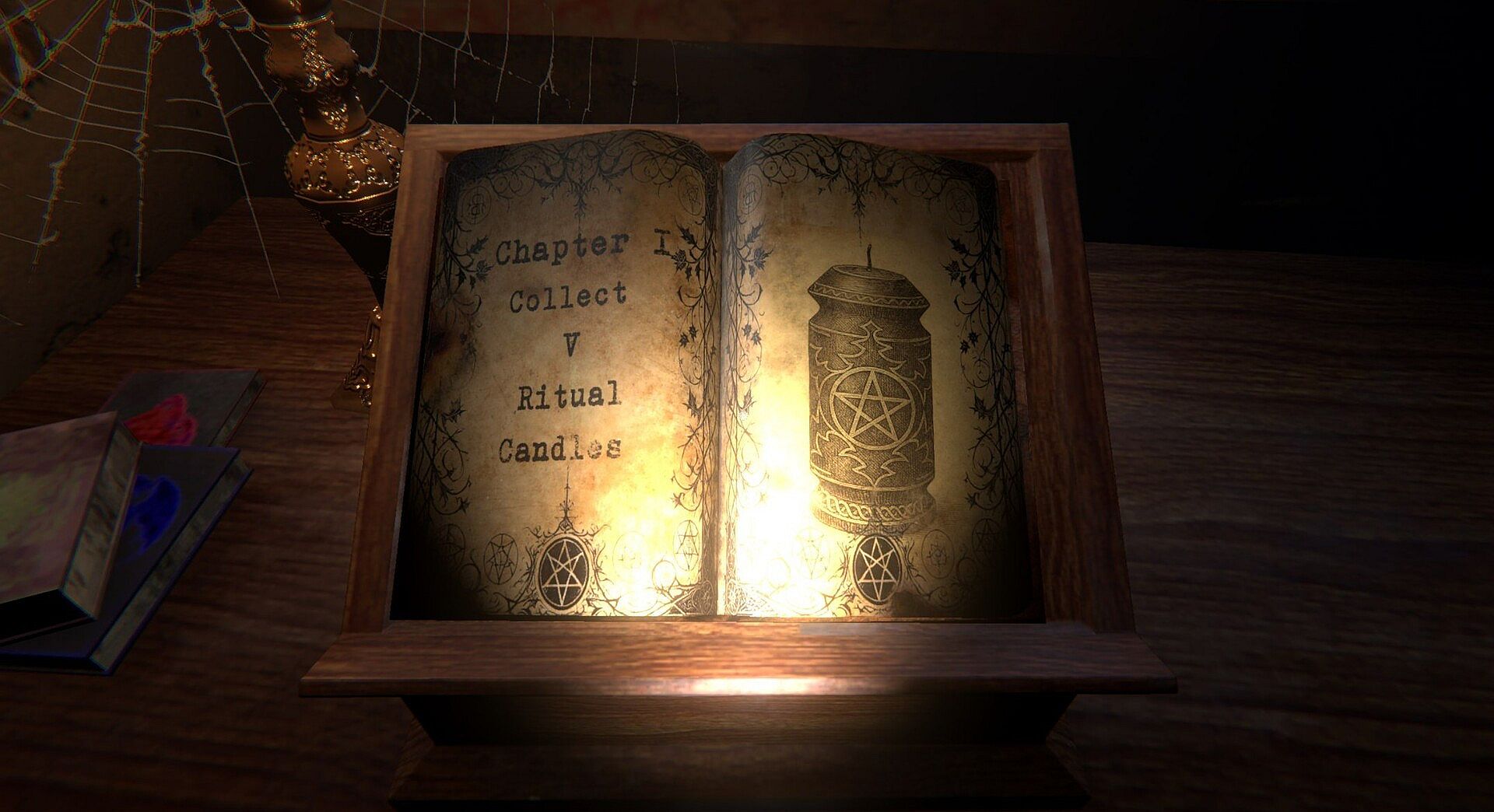
Players begin on the porch of the house and move through its forgotten rooms in search of answers about a family history marked by loss. Exploration forms the core loop, with attention required for every floorboard, shadow, and object that might conceal a clue. Puzzles draw directly from the family's past, requiring players to connect physical items with fragments of painful memories to progress. These challenges test observation and logic without relying on external guides or timers.
Dark visions interrupt the journey, blending reality with nightmare elements that grow more intense as secrets surface. Survival elements involve encounters with dark entities that lurk in the shadows, each behaving differently and demanding tactics such as hiding, careful movement, or finding alternate paths. A stress system tracks fear levels, where rising tension can trigger hallucinations that distort perception and make navigation harder. Calming techniques become necessary to maintain clarity during extended sessions in the house.
Game Modes
The game runs as a singleplayer experience centered on uncovering the truth about the protagonist's father. There are no separate competitive or cooperative modes, allowing uninterrupted focus on the narrative progression through the house. Players advance by collecting clues across multiple floors, with the structure encouraging repeated examination of spaces to reveal layered details about the tragedies that occurred there.
Progression ties exploration directly to puzzle solutions and memory fragments, building toward a confrontation with the central secret. The design keeps the emphasis on personal discovery rather than external objectives or leaderboards.
Atmosphere and Narrative
The setting draws strength from its contrast between past domestic warmth and present decay. Once filled with children's laughter and the scent of apple pie, the home now carries the smell of mustiness and the sound of an approaching storm. Flashbacks reveal the family's darker history through disturbing visions that intertwine with the present environment.
Sound and visual design heighten the sense of isolation. Every room contributes its own story, and the gradual blurring of real and imagined elements creates sustained tension. The narrative unfolds through environmental storytelling and puzzle outcomes rather than direct exposition, rewarding careful attention to details hidden throughout the property.
Key Mechanics
Core systems revolve around thorough searching for hidden objects and clues that advance the story. Psychological puzzles integrate family history elements, often requiring players to interpret memories alongside physical evidence. Entity encounters add a survival layer where observation of behavior patterns helps determine the best response in each situation.
Stress management influences gameplay directly, as elevated fear can produce hallucinations that alter how the environment appears. Finding ways to reduce stress preserves the ability to solve puzzles and navigate safely. These mechanics combine to create a loop of exploration, puzzle resolution, and threat avoidance that unfolds across the house's interconnected spaces.
Is It Worth Playing?
The Attic: Fear of the Dark suits players who prefer psychological horror built on atmosphere, memory fragments, and gradual revelation over frequent jump scares. Its focus on puzzle solving tied to personal history and the management of stress during entity encounters provides a deliberate pace that rewards patience and attention to detail. Those drawn to titles emphasizing emotional weight and blurred reality will find the singleplayer structure delivers a contained, focused experience centered on one family's tragic past. The game's indie scale keeps the emphasis on intimate exploration within the house rather than expansive worlds or additional content layers.