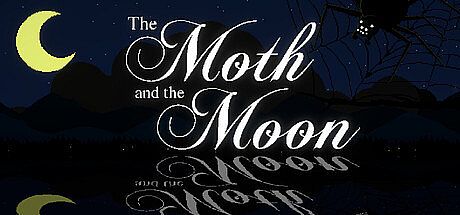


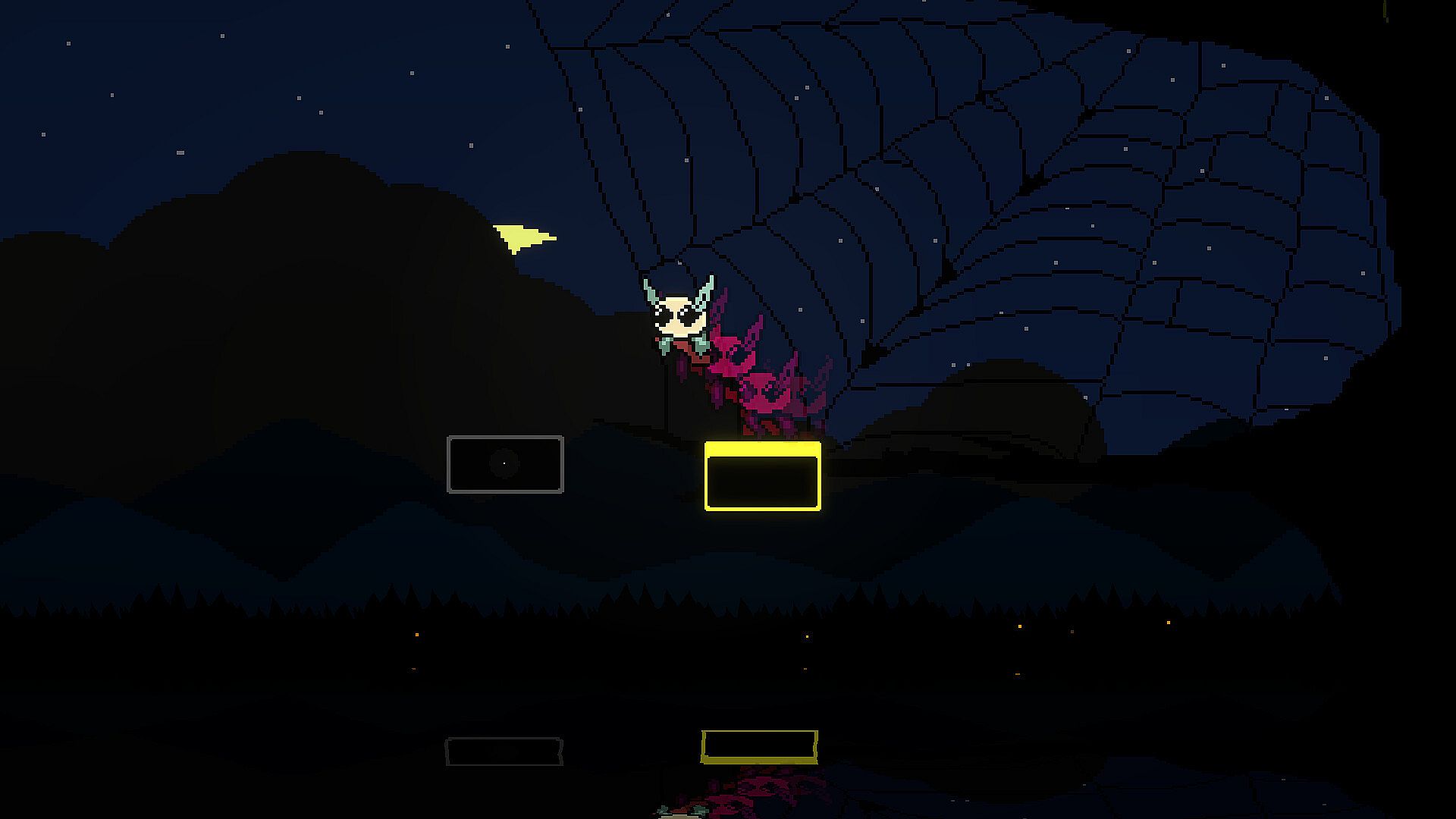
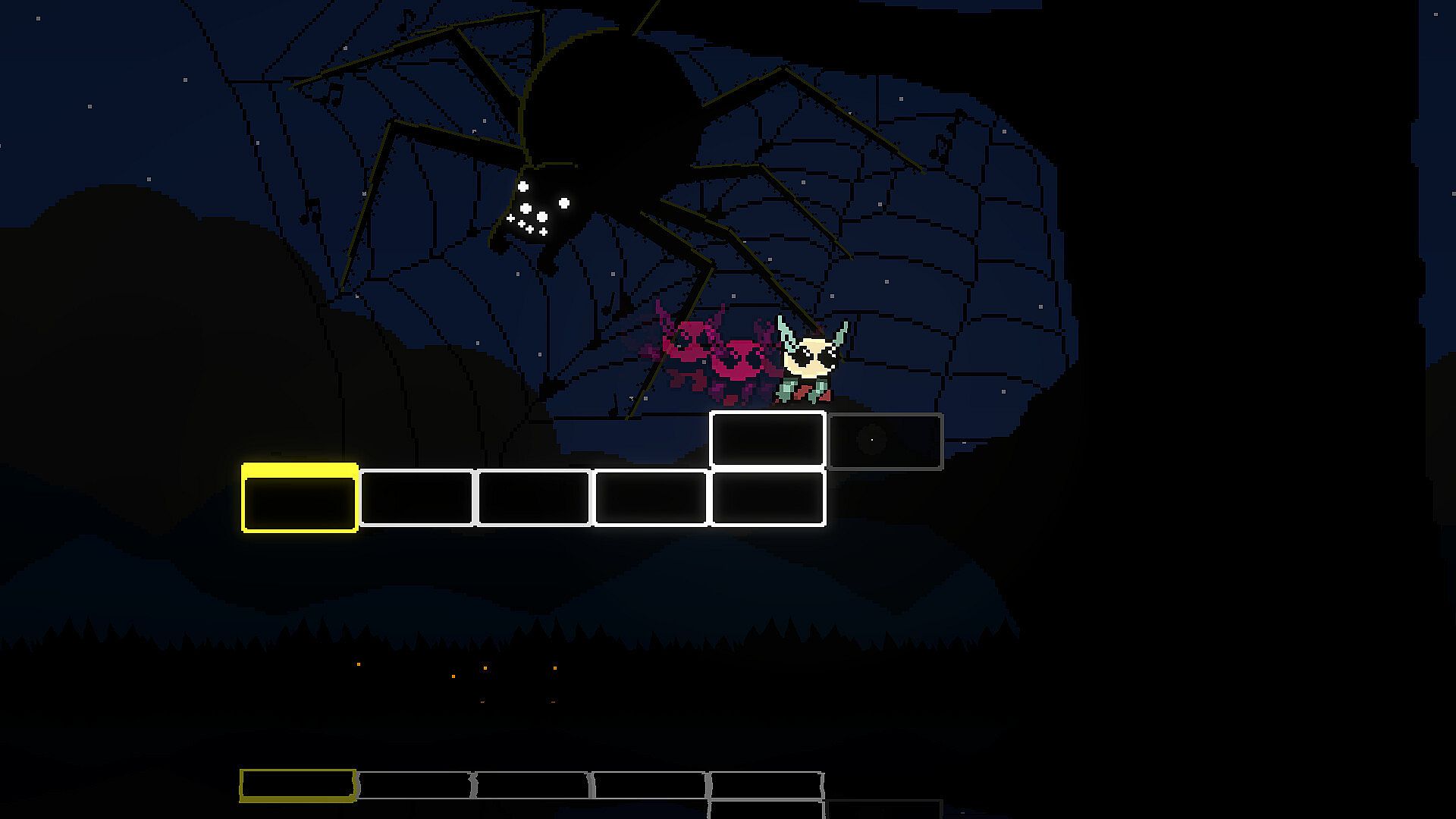
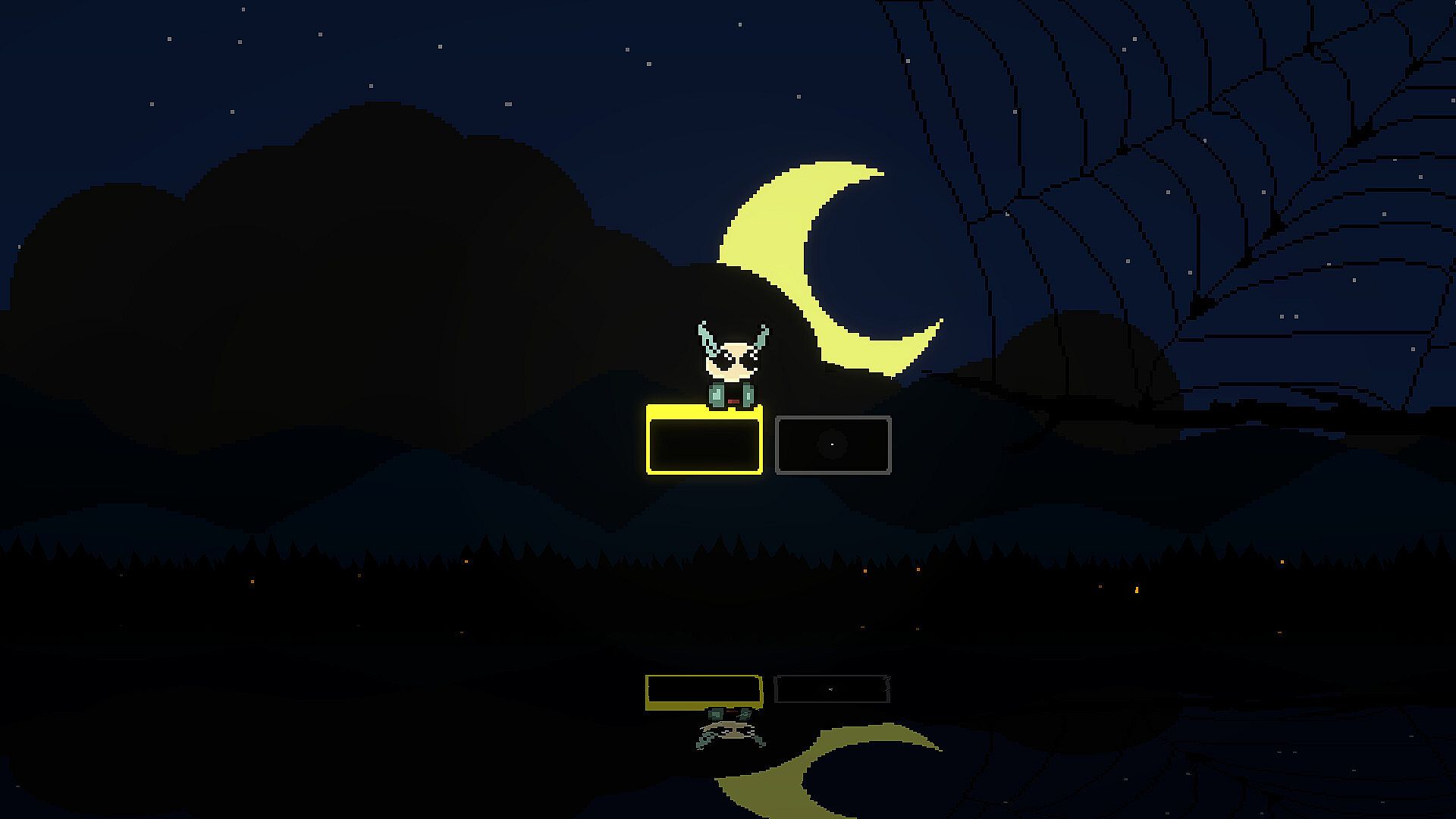

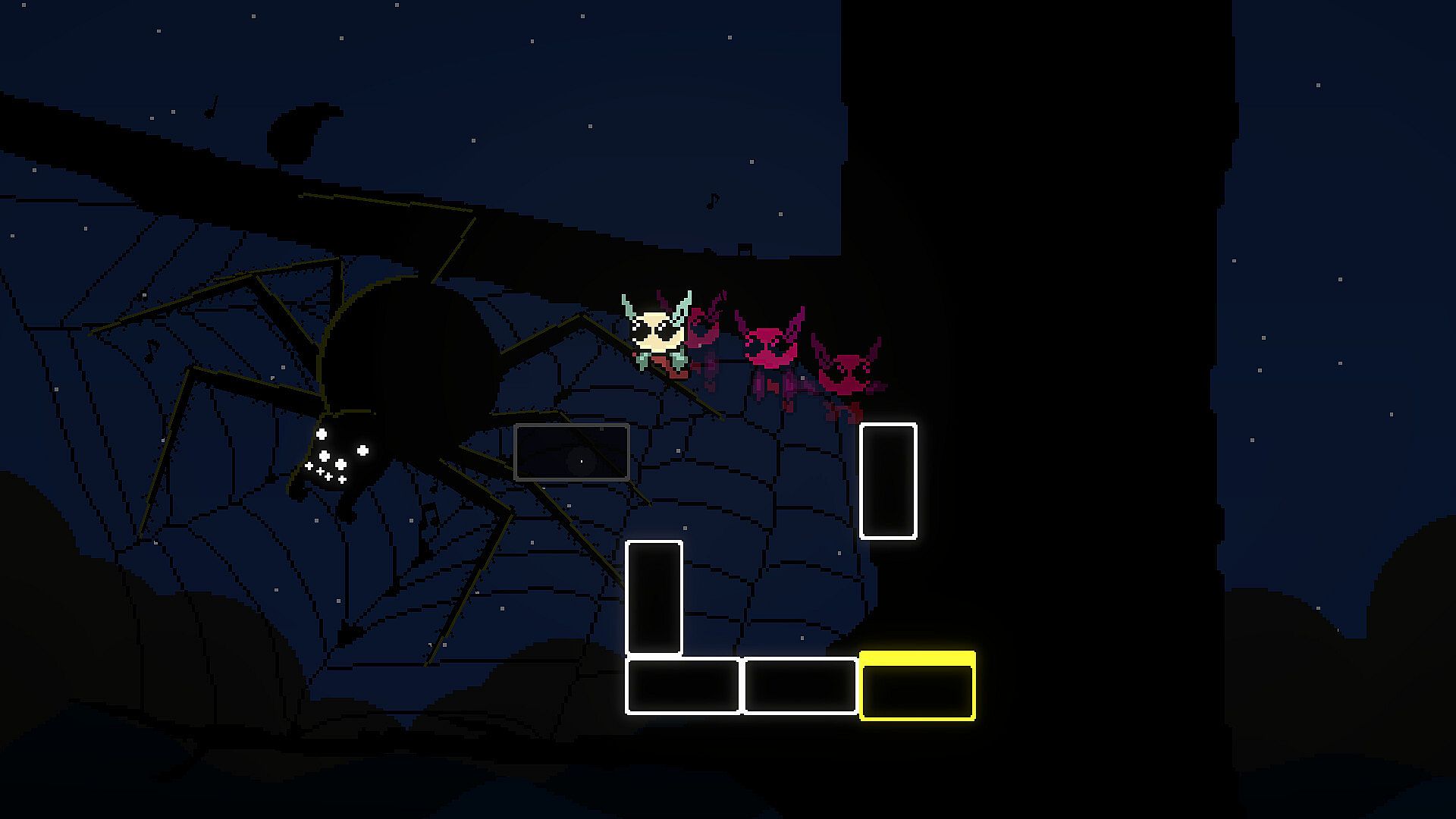




„The Moth and the Moon" ist ein Rhythmus-Platformer, der präzise Sprünge mit den Klängen von Debussys „Clair de Lune" verbindet. Spieler steuern eine kleine Motte über einen Waldsee und müssen jeden Sprung so timen, dass die Musik weiterläuft und das Stück vollendet wird. Im Kern geht es darum, räumliche Genauigkeit und rhythmisches Timing gleichermaßen zu beherrschen, während die Motte von Plattform zu Plattform fliegt.
Gameplay
Plattform-Action bildet das Fundament jeder Runde. Die Motte muss nacheinander auf verschiedenen Flächen landen, ohne ins Wasser zu fallen; jeder erfolgreiche Aufprall löst die nächste Note aus. Timing und Position sind gleich wichtig - verpasst man den Takt, bricht der Fluss ab und die Motte stürzt ab. Die Kulisse des Waldsees bleibt bewusst überschaubar: Entfernungen und Höhen verändern sich mit den musikalischen Phrasen und zwingen den Spieler ständig, die Flugbahn neu anzupassen.
Ein unerwarteter Begleiter taucht während des Weges auf und greift an entscheidenden Stellen ein. Diese Hilfe ist nahtlos in das Platforming eingebunden und lenkt nicht vom zentralen Rhythmus-Mechaniker ab. Das gesamte Erlebnis bleibt Singleplayer und konzentriert sich auf das persönliche Beherrschen der Komposition statt auf Wettbewerb oder Kooperation.
Spielmodi
Vier Schwierigkeitsstufen bestimmen den Anspruch. Im Easy-Modus wird der Zeitdruck verringert und die Landezonen werden großzügiger. Normal bietet eine ausgewogene Mischung aus Präzision und Zugänglichkeit. Hard verengt die Zeitfenster und bestraft kleinste Fehler spürbar. Virtuoso verzichtet ganz auf Checkpoints und verlangt fehlerfreie Durchläufe von Anfang bis Ende.
Jede Stufe besitzt ein eigenes Punktesystem, das in Online-Bestenlisten einfließt. Spieler können ihre Ergebnisse über alle Schwierigkeiten hinweg vergleichen und Fortschritte über mehrere Versuche hinweg verfolgen. Die verschiedenen Modi fördern Wiederholungen, weil sich Layout und Anforderungen je nach Tempo und Toleranz spürbar anders anfühlen.
Fortschritt und Anpassung
Wird eine Schwierigkeitsstufe abgeschlossen, schaltet sich eine neue Farbpalette für die Motte frei. Diese rein optischen Varianten ändern das Aussehen des Insekts, ohne die Mechanik zu beeinflussen. Der Fortschritt ist ausschließlich an den Abschluss geknüpft und verzichtet auf separate Sammelobjekte oder Nebenziele, damit der Fokus auf Timing und Plattform-Präzision bleibt.
Virtuoso ist der anspruchsvollste Modus: Ohne Checkpoints endet jeder verpatzte Sprung sofort. Die Stufe macht die kompromisslose Natur des Rhythmus-Elements besonders deutlich und gilt als klarster Maßstab für Können.
Lohnt sich das Spiel?
Das Spiel richtet sich an Spieler, die Rhythmus-Titel mit Platforming-Elementen bevorzugen und keine reinen Tastenfolgen erwarten. Die Singleplayer-Struktur und der Fokus auf wiederholte Durchläufe eignen sich sowohl für kurze Sessions als auch für längere Trainingseinheiten mit Blick auf Bestenlisten. Die vier Schwierigkeitsstufen bieten eine klare Steigerung für alle, die ihre Grenzen schrittweise austesten möchten.
Da der Titel noch in Entwicklung ist, für 2026 angekündigt wird und derzeit keine Nutzerbewertungen vorliegen, hängt die endgültige Einschätzung von der eigenen Bereitschaft ab, präzise Timing-Herausforderungen anzunehmen. Wer die Kombination aus musikalischer Progression und Platforming-Präzision schätzt, findet hier ein fokussiertes Erlebnis rund um ein vollständiges Klavierstück.