


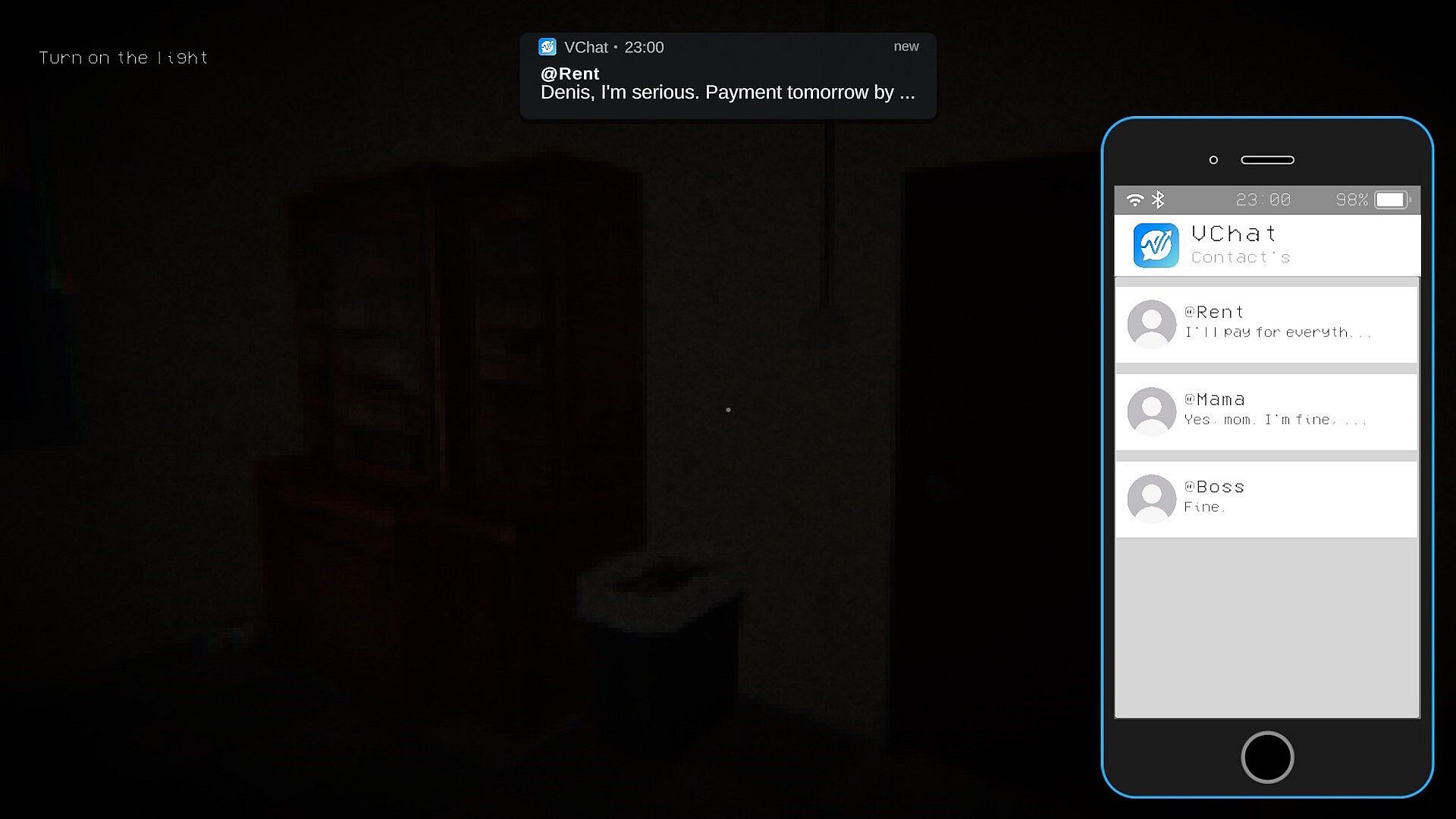
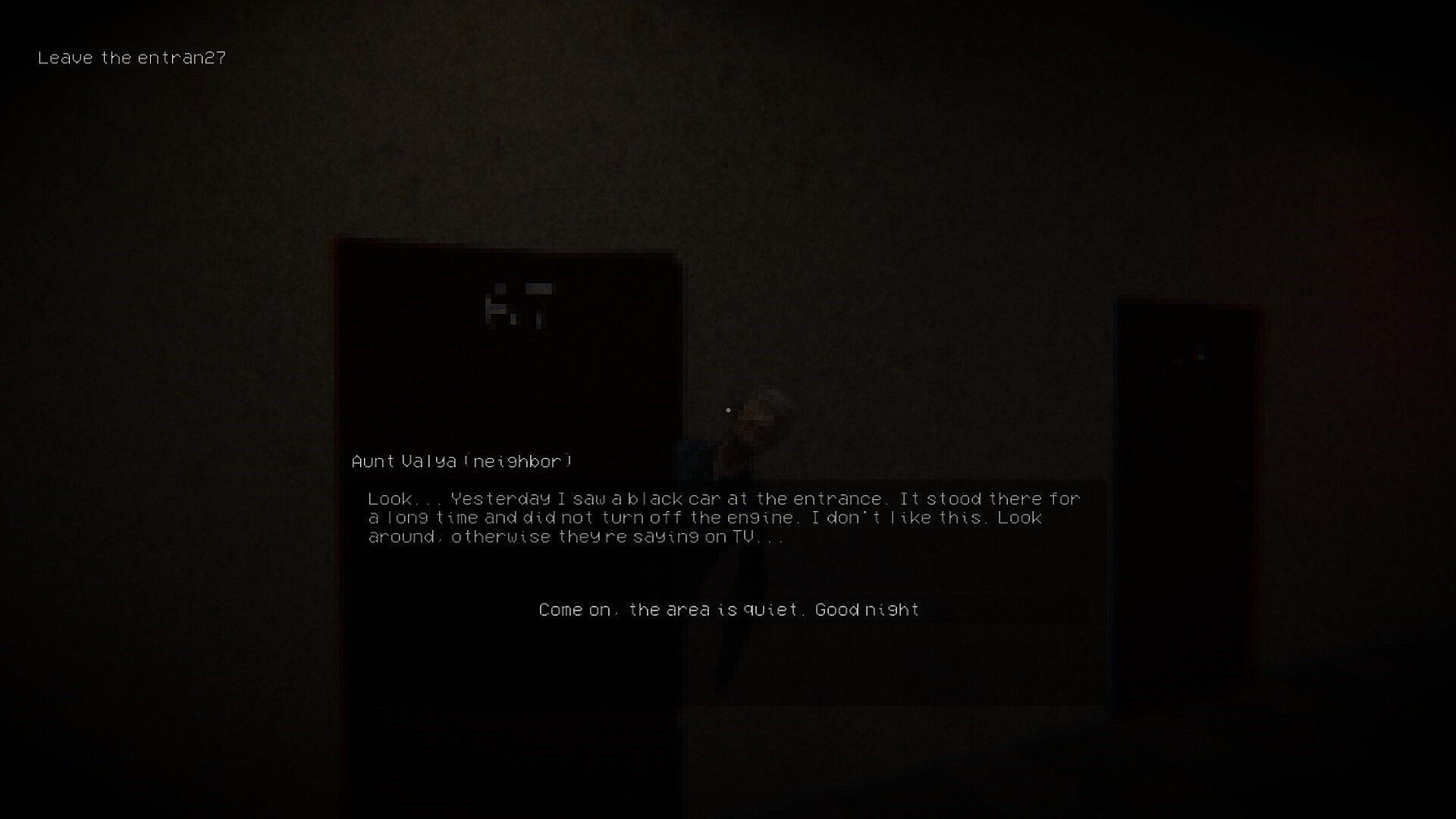
The Night Route is a single-player psychological horror title blending action, indie, RPG, and adventure elements on PC. Players step into the shoes of Denis, a student courier working the night shift to cover mounting debts, navigating the quiet residential districts of a sleeping city where ordinary routines quickly turn unsettling.
Gameplay
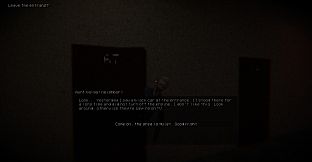
The core loop centers on delivering orders from a 24-hour diner into the maze of panel apartment buildings. Movement feels grounded and physical, with heavy breathing after exertion and unsteady hands when entering codes under pressure. No traditional health or resource meters appear on screen, forcing reliance on environmental awareness and quick reactions instead.
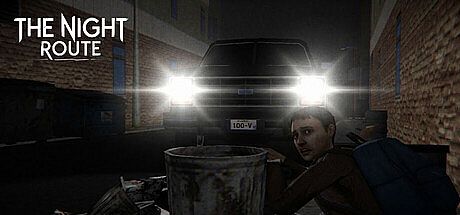
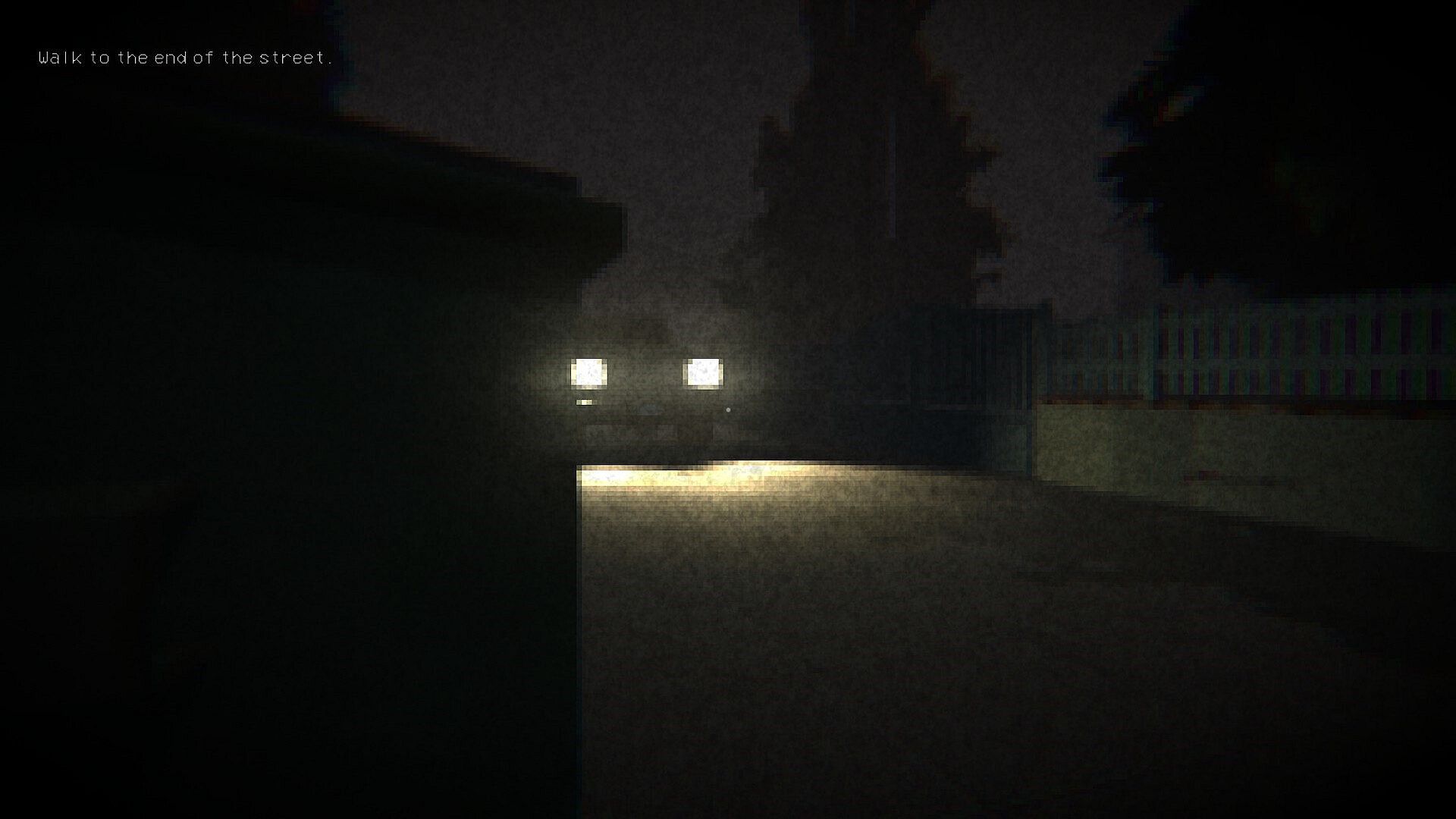
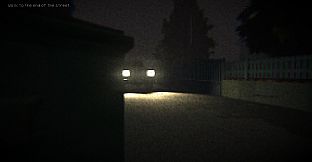
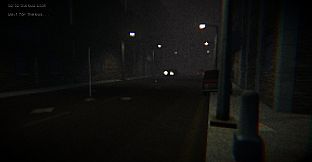
Sound design drives tension throughout each shift. Players listen for creaking swings, distant dog barks, slamming car doors, or approaching engine rumbles to gauge threats before they become visible. The black SUV emerges as a persistent stalker whose behavior shifts unpredictably, sometimes parking nearby, driving parallel paths, or simply idling with headlights trained on the player without immediate confrontation.
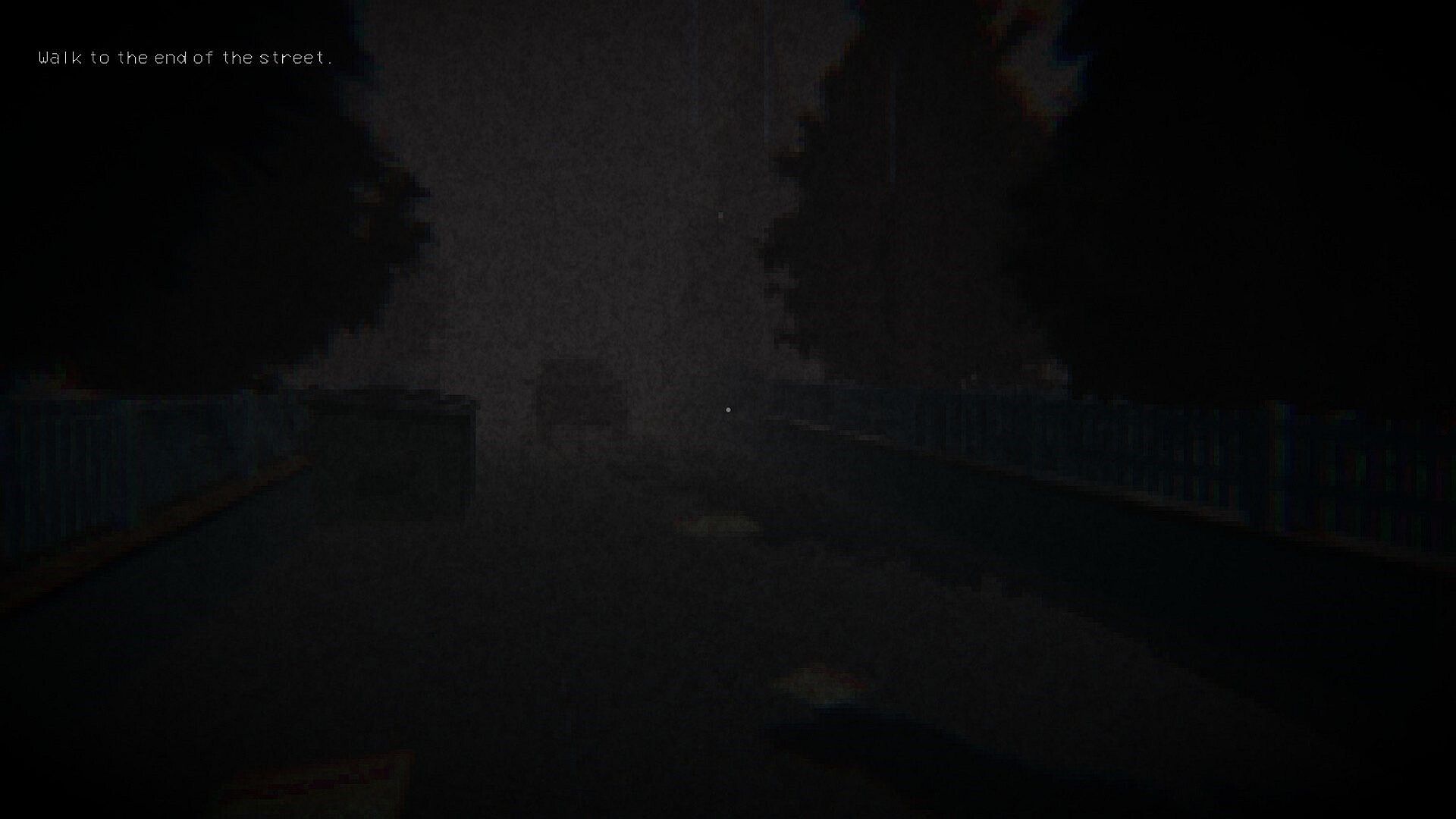
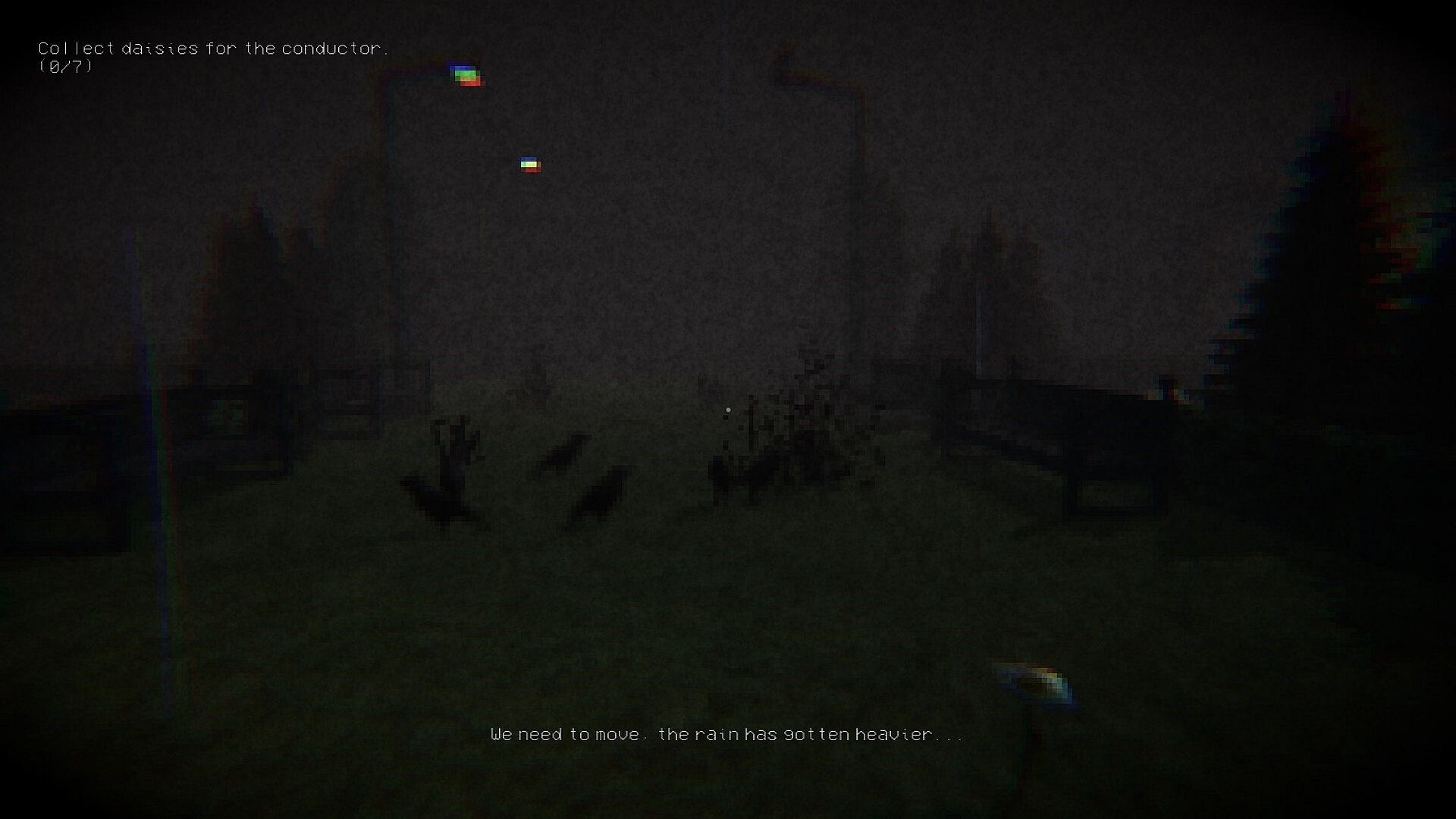
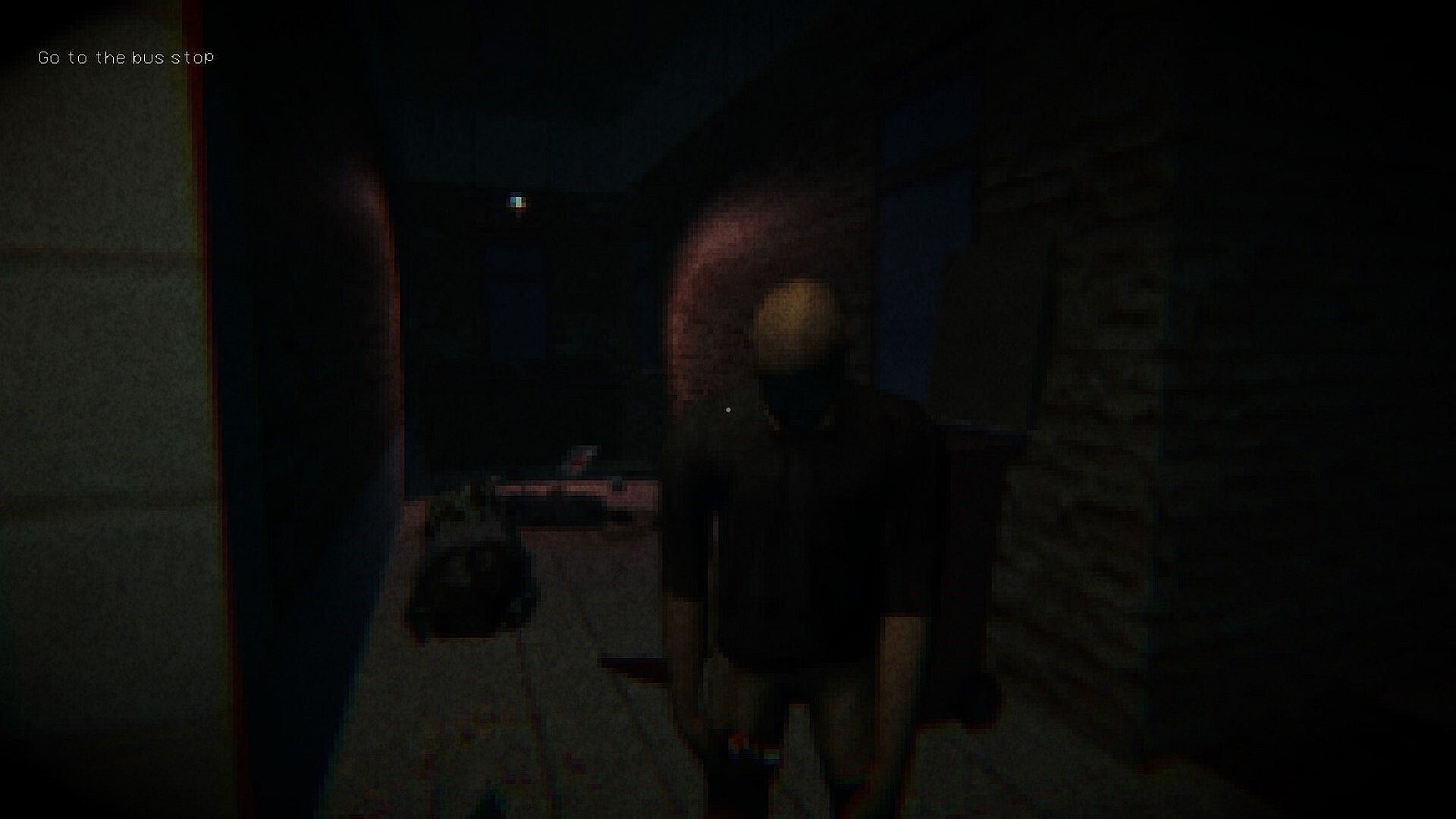
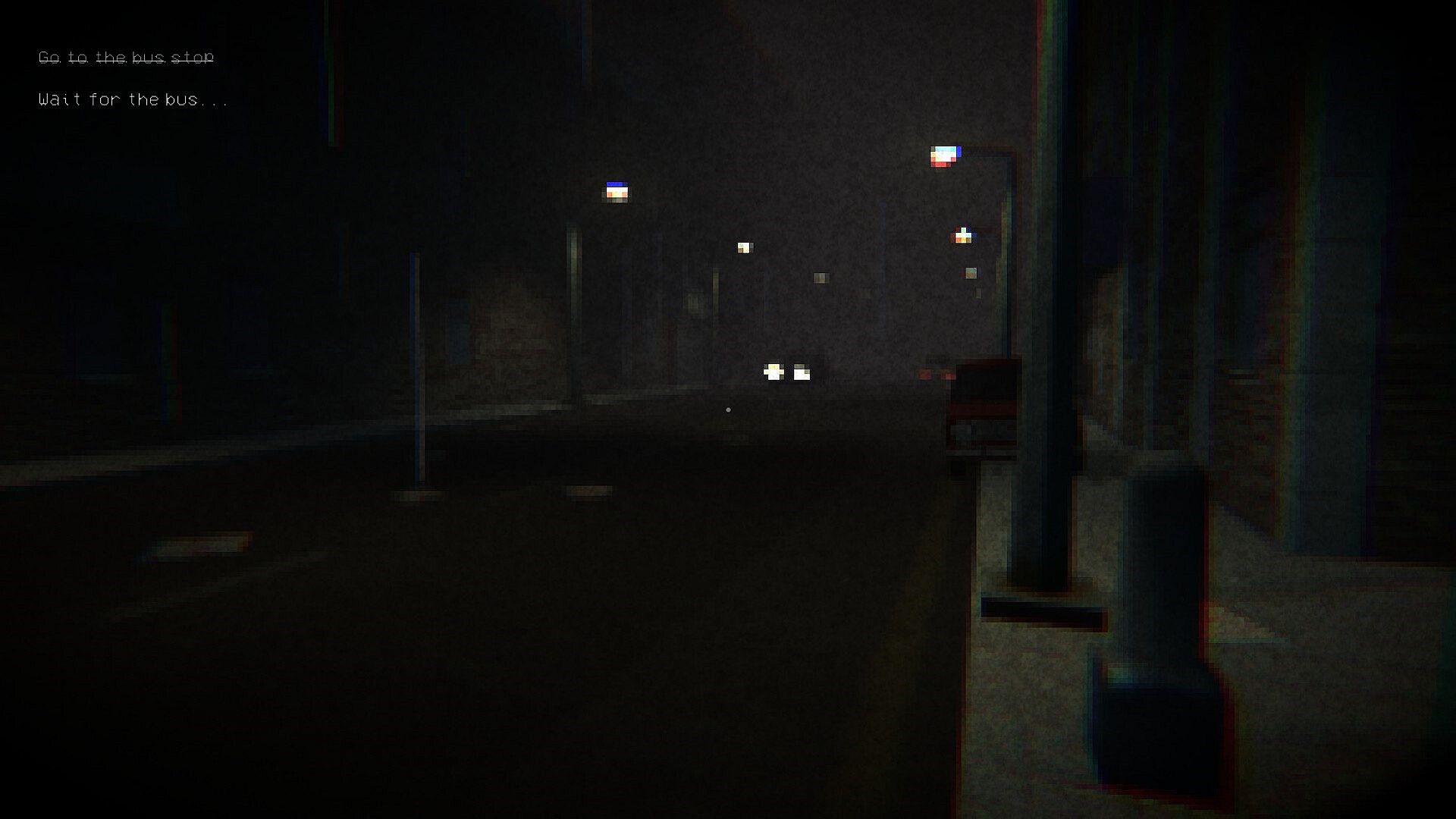
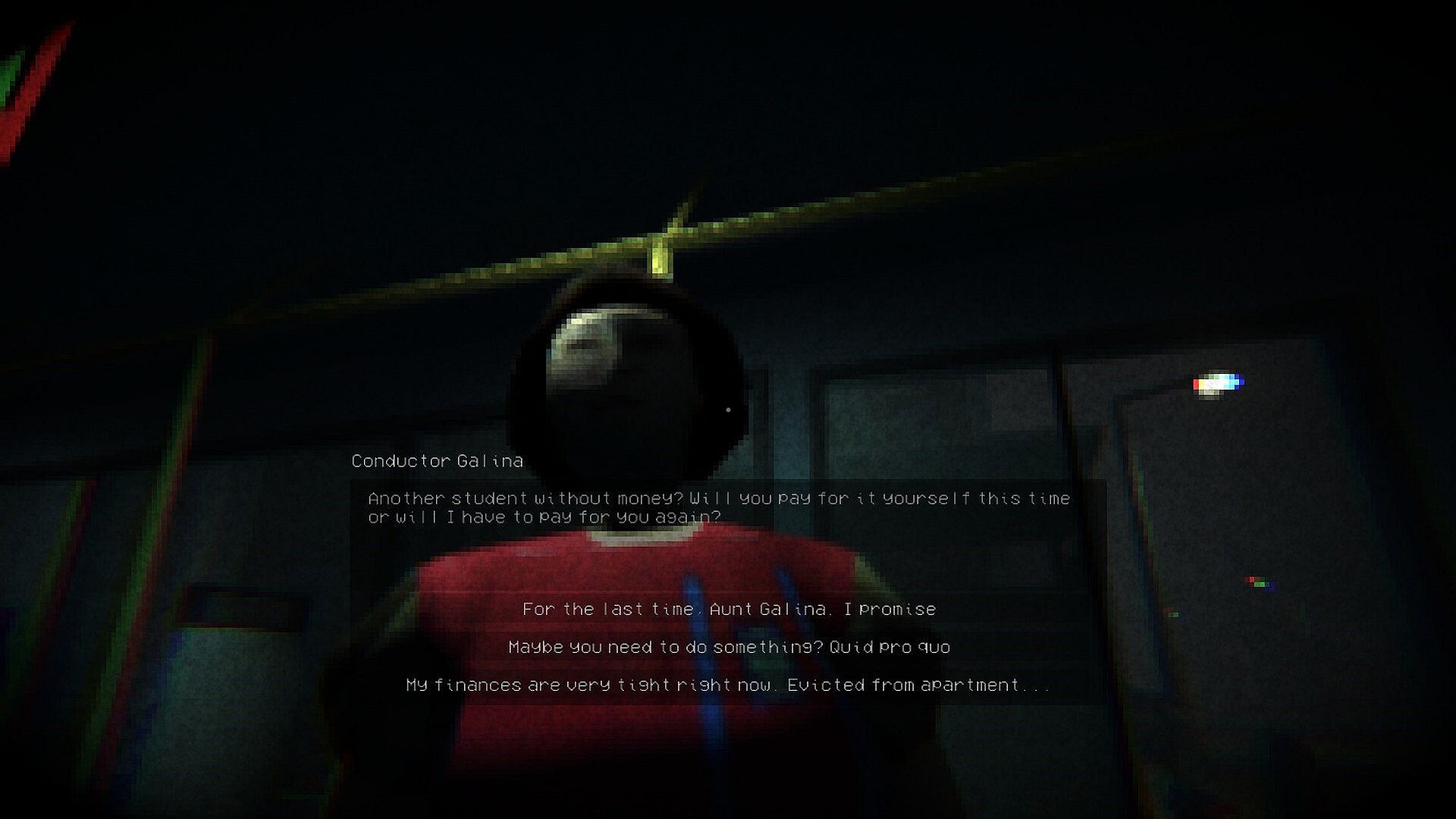
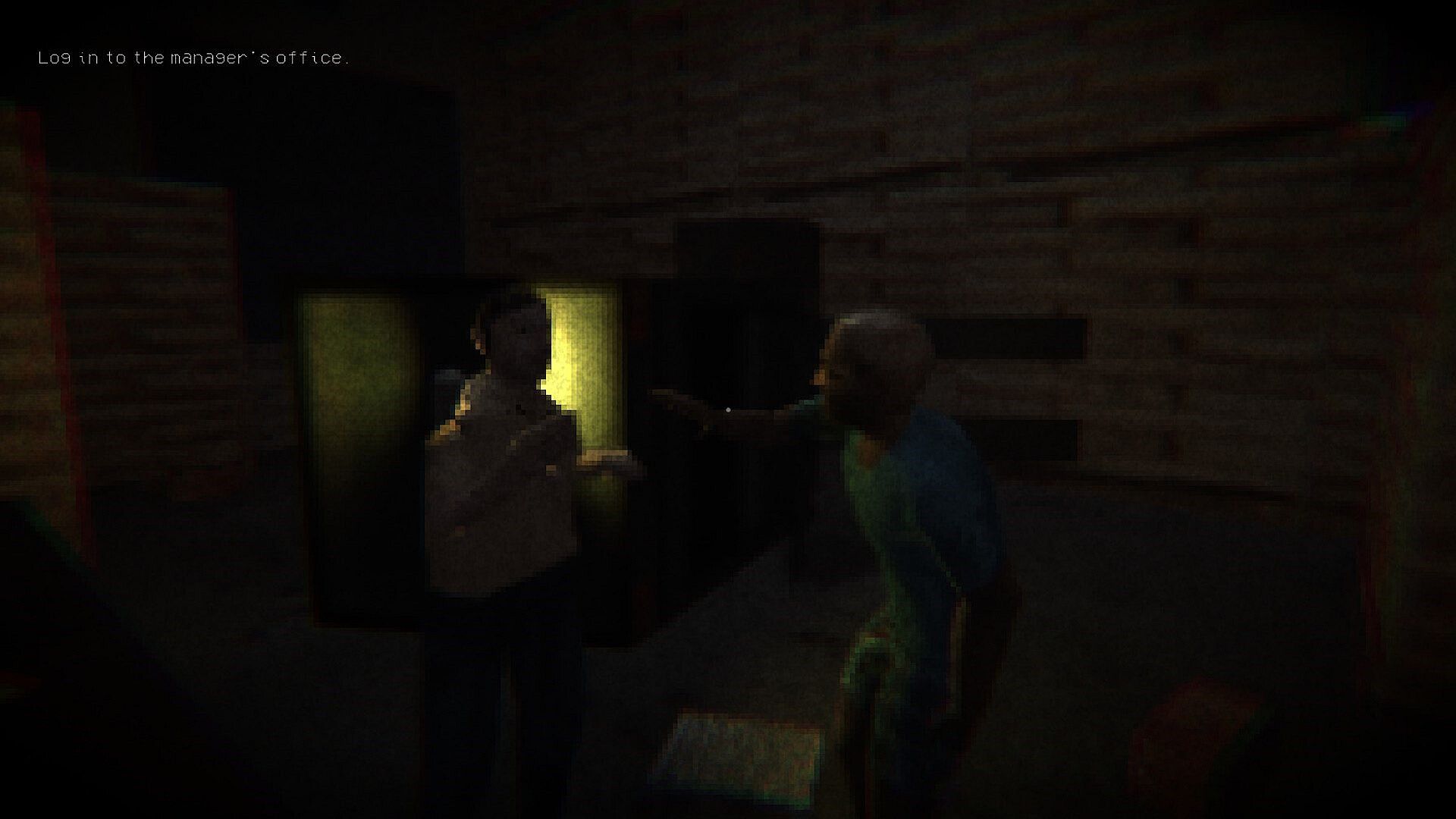
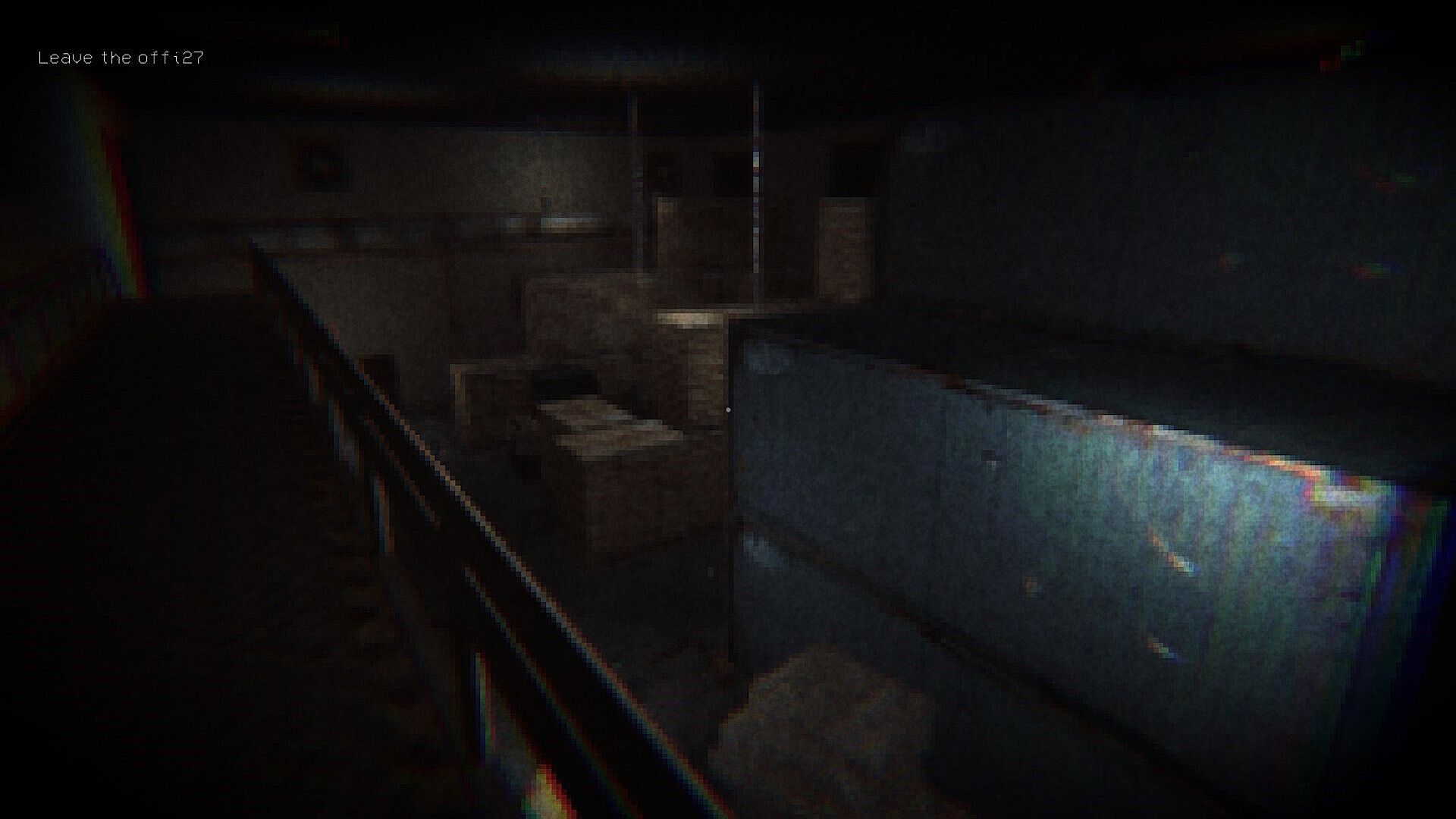
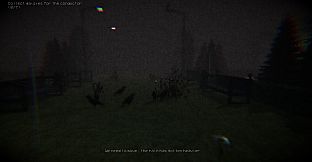
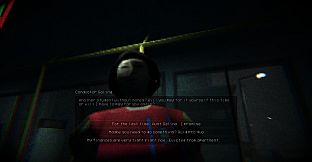
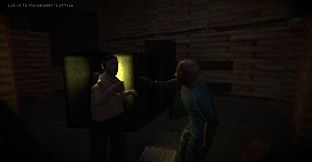
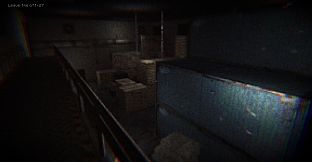
Visuals adopt PSX-style aesthetics complete with grainy textures, low-poly models, and subtle screen shake that evoke the uneasy mood of late 1990s and early 2000s urban nights. The setting emphasizes concrete jungles filled with abandoned sandboxes, overflowing trash bins, and dimly lit entryways, creating an atmosphere of isolation where everyday spaces feel hostile.
Game Modes
The Night Route presents a focused single-player campaign built around one continuous night shift. No separate multiplayer options, competitive modes, or branching campaign variants exist, keeping the experience tightly contained to the courier's route and the growing sense of pursuit.
Atmosphere and Setting
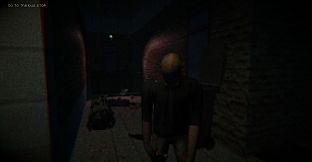
Residential blocks at night form the primary environment, where silence feels oppressive and the few visible residents avoid eye contact. The game avoids supernatural elements entirely, instead highlighting how an ordinary city can transform into a threatening space through human presence alone. The stalking SUV serves as the central antagonist, its actions remaining unpredictable to heighten paranoia without relying on scripted jumps or otherworldly threats.
Exploration stays purposeful, tied directly to order pickups and deliveries. Players venture deeper into the labyrinth of buildings while monitoring surroundings for signs of the pursuing vehicle, building dread through anticipation rather than overt action sequences.
Is It Worth Playing?
This title suits players who appreciate deliberate pacing, sound-driven tension, and realistic urban horror without fantasy trappings. The emphasis on imagination as the primary source of fear and the unpredictable stalker mechanic deliver a distinct experience for those seeking short, intense sessions focused on survival through awareness rather than combat or resource management.
Its PSX-inspired presentation and grounded mechanics create an accessible entry point for fans of indie psychological horror who prefer atmosphere over spectacle. The absence of traditional progression systems keeps the focus on the immediate route and the constant threat of pursuit, making each playthrough feel personal and high-stakes.