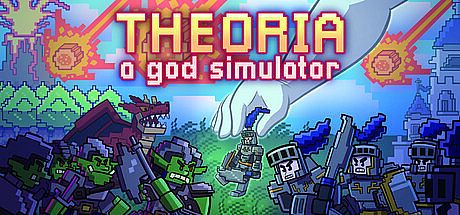


Theoria: A God Simulator places players in the role of an unrestricted deity in a simulation game set on PC. Civilizations develop independently across a living landscape, clearing forests to build villages and laying roads that connect settlements over time. Rulers inherit thrones and pass away from age, while borders shift through disputes, alliances form and fracture, and conflicts erupt without player direction.
Gameplay
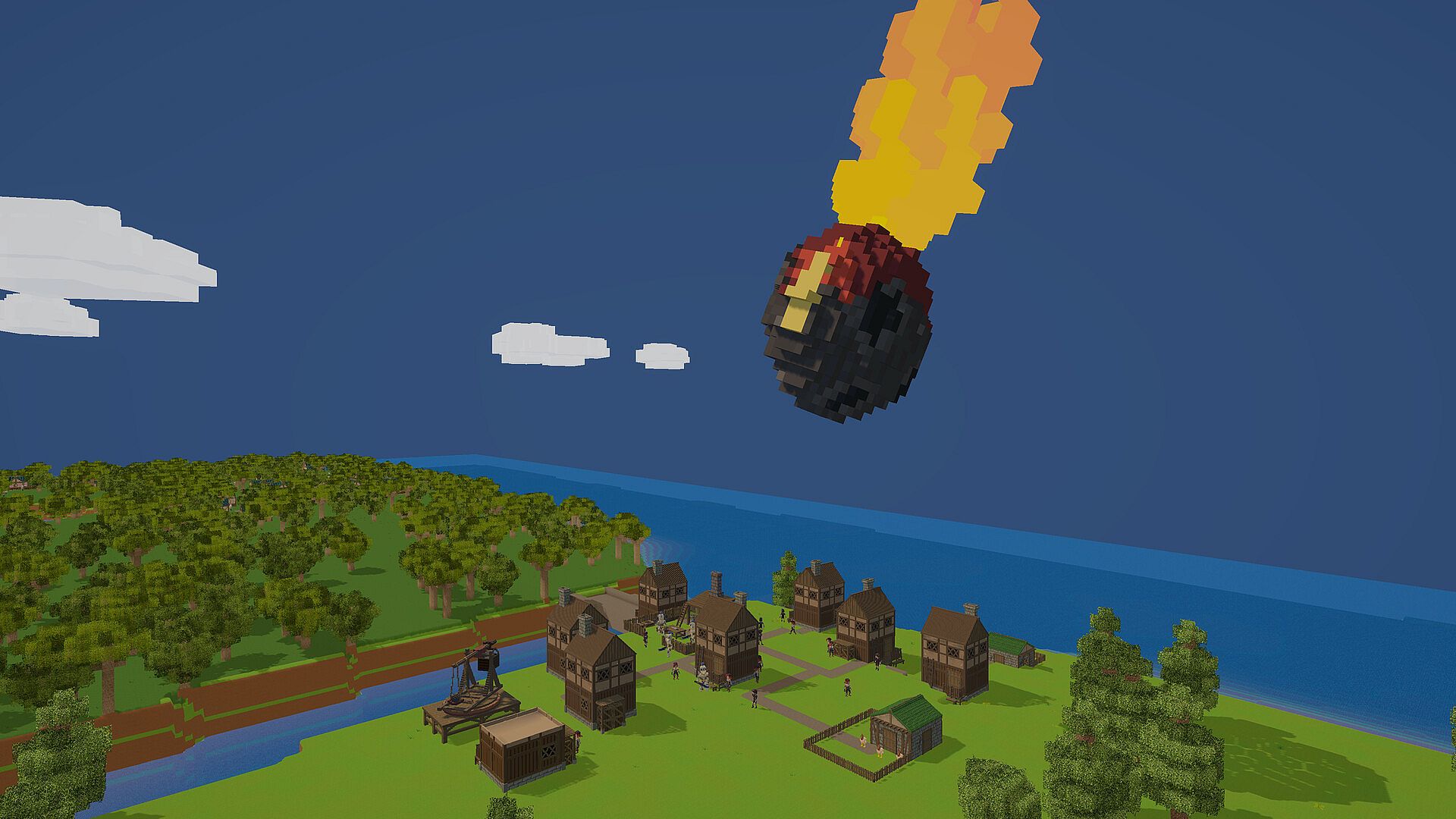
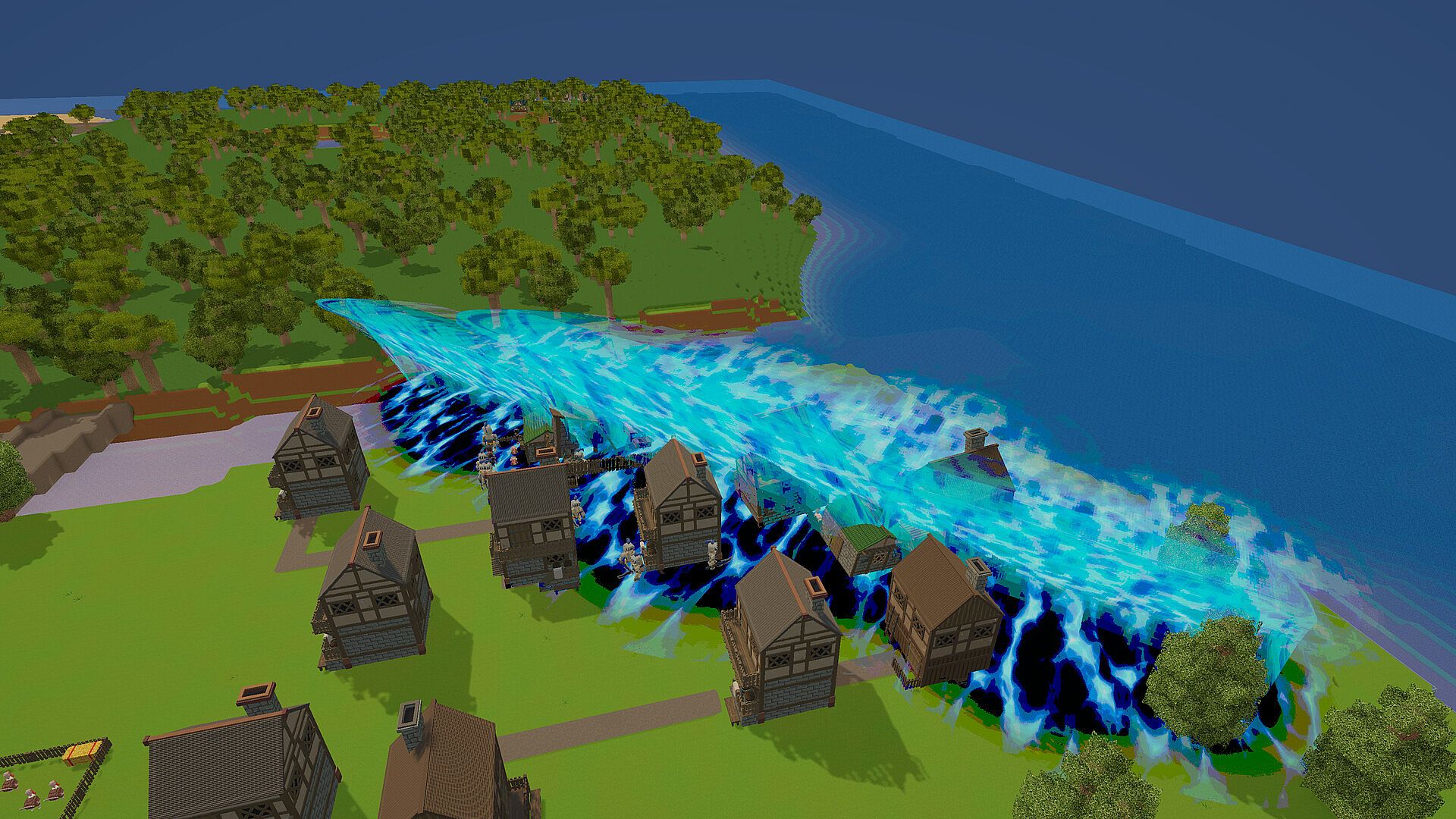
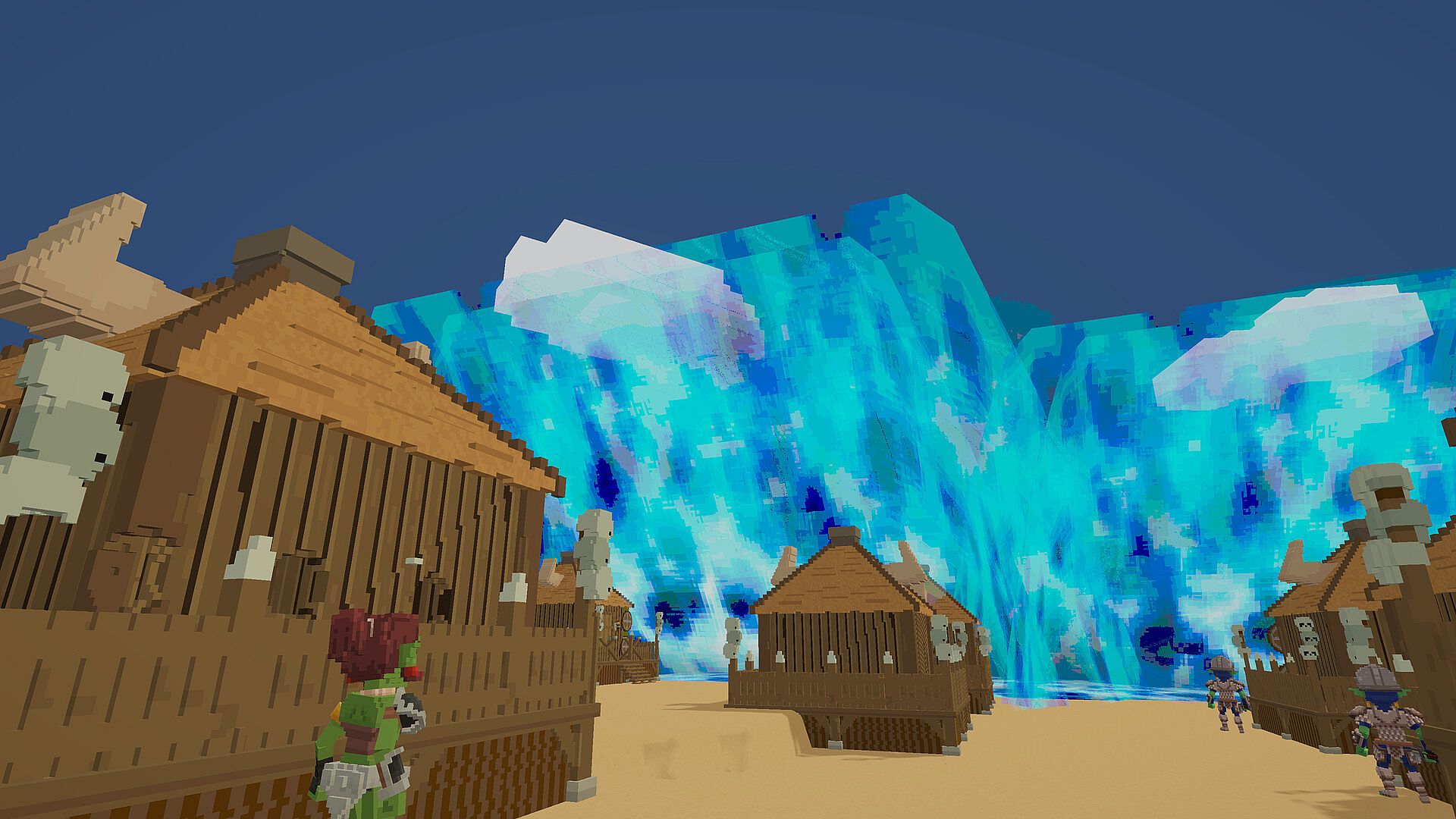
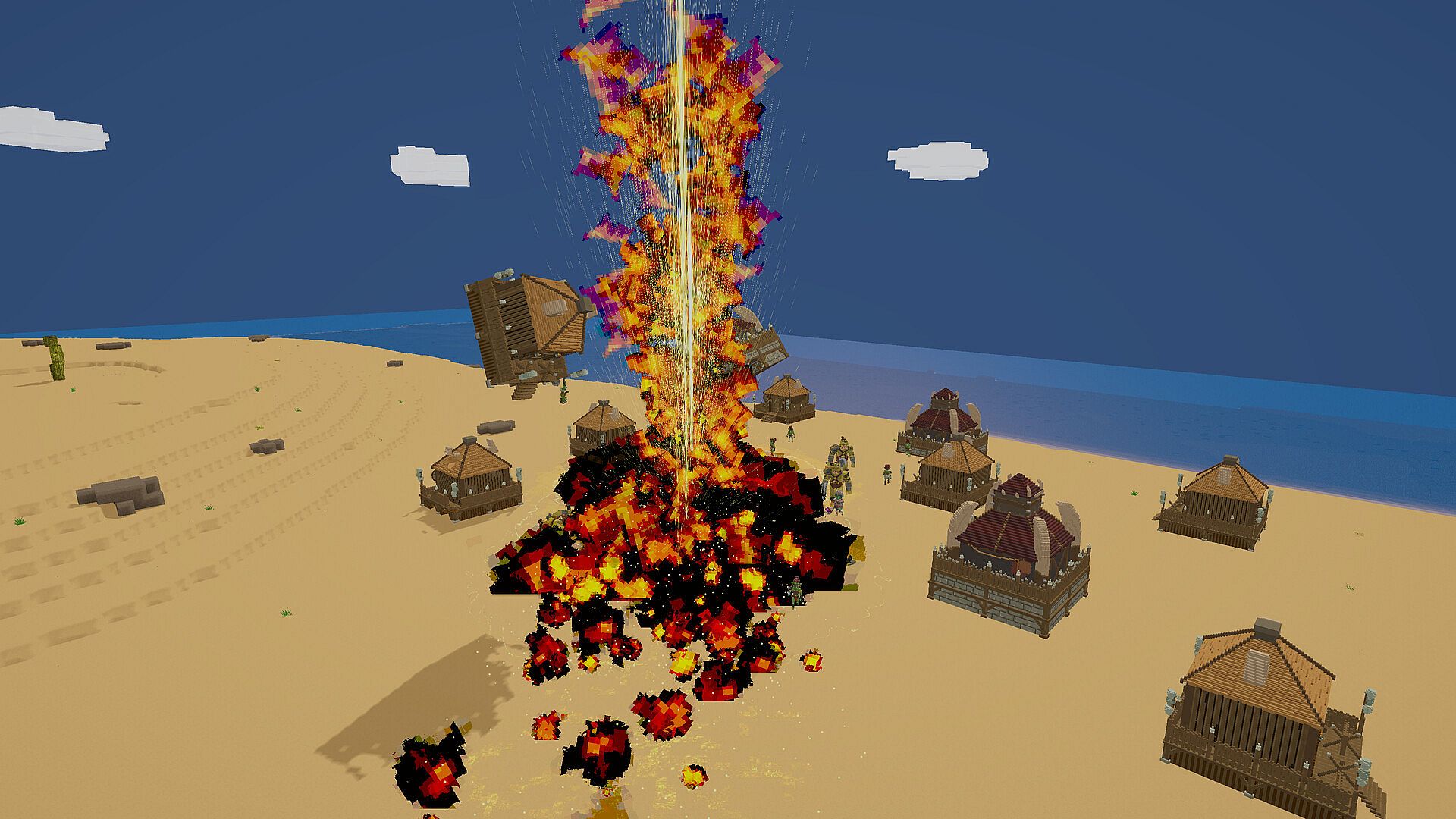
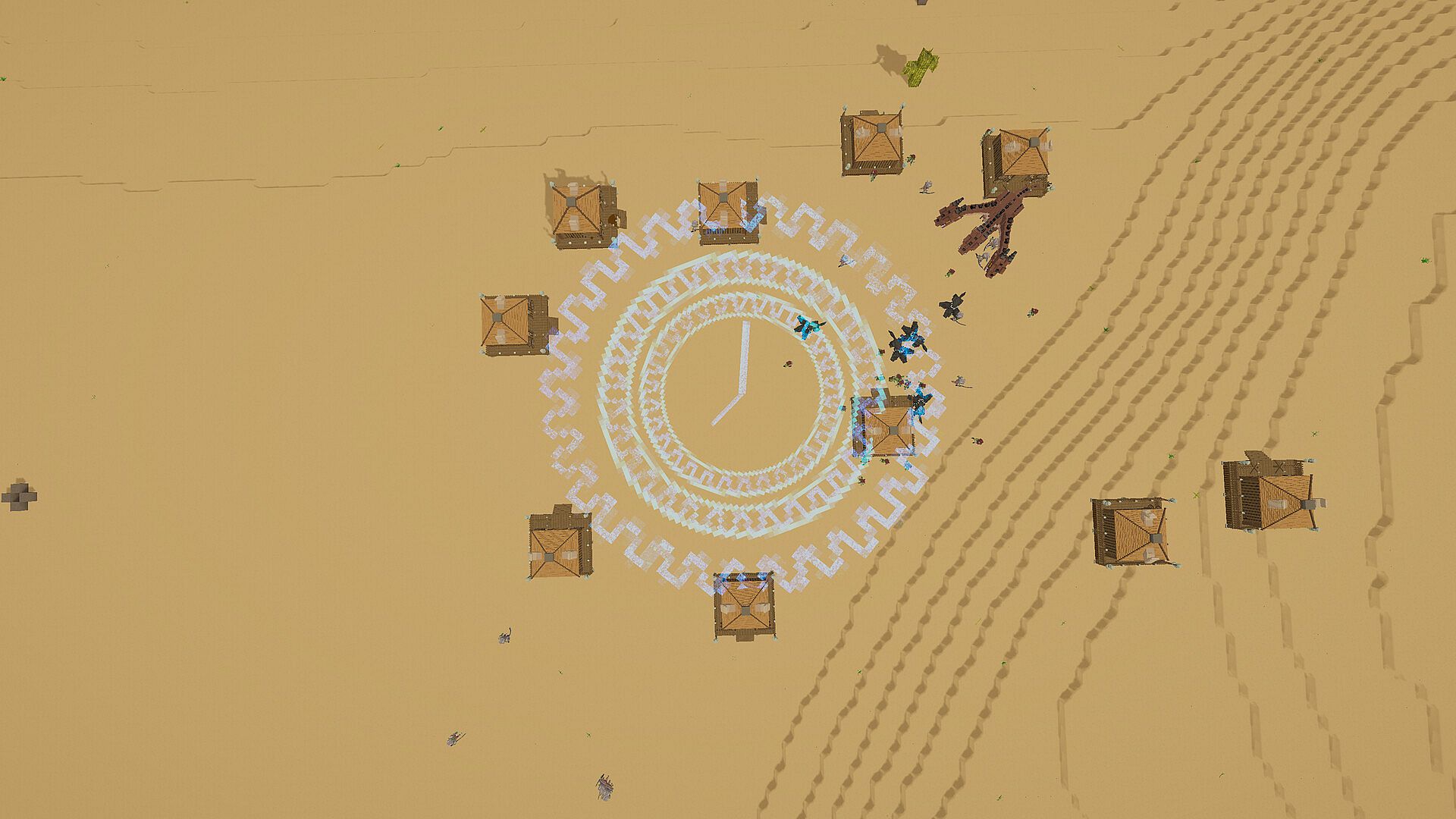
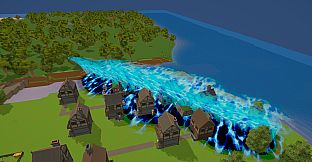
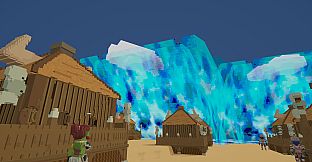
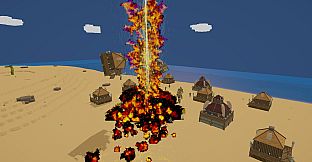
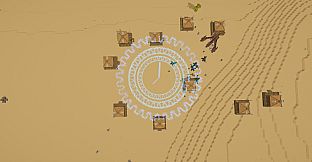
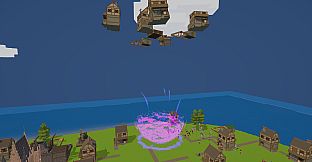
The core loop centers on observing autonomous societies that expand and interact on their own. These groups construct infrastructure, manage resources, and wage wars based on internal logic that continues regardless of intervention. Players influence events through targeted divine abilities such as summoning meteors, calling down lightning strikes, or generating tidal waves that reshape terrain and populations.
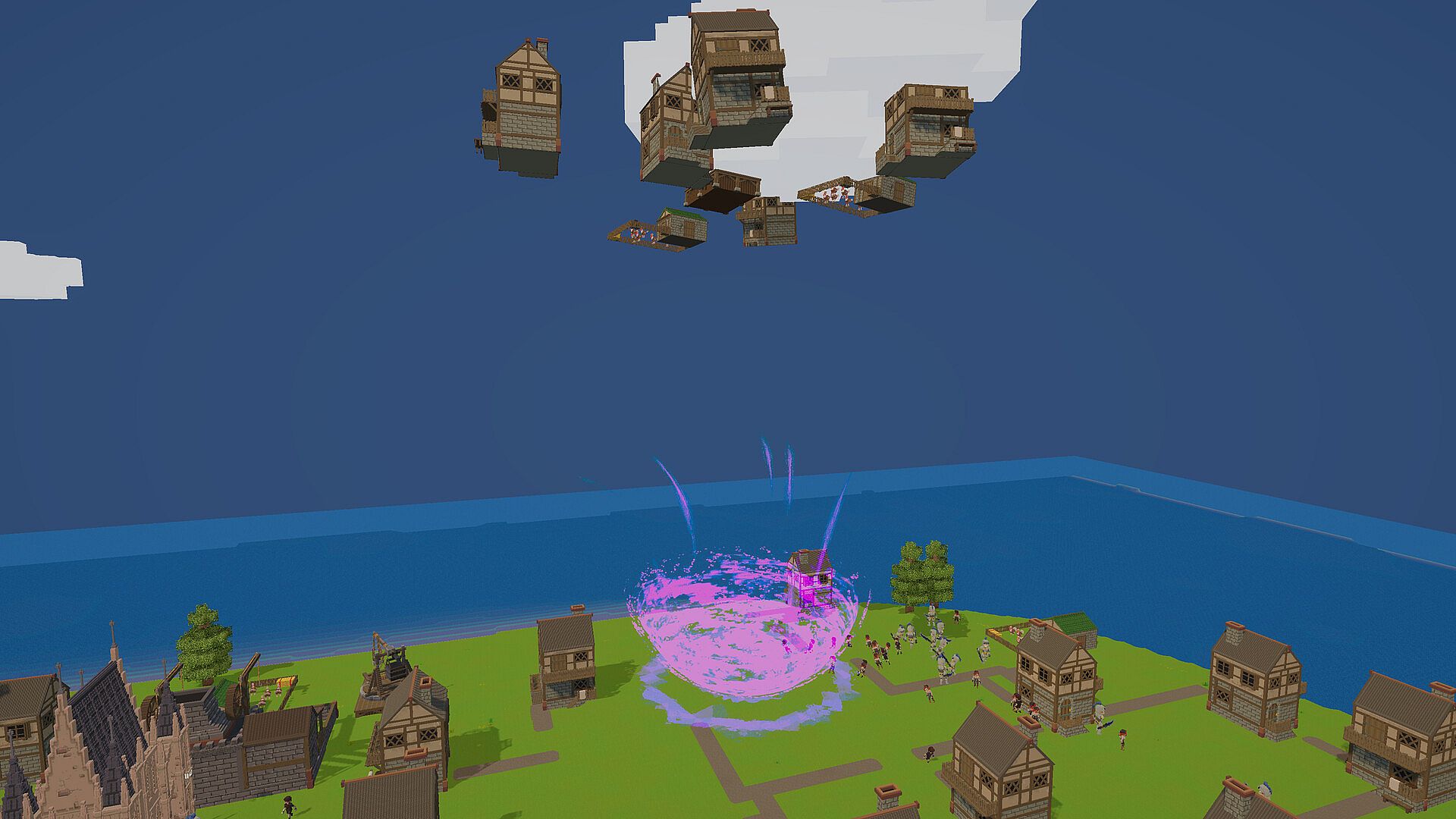
Direct manipulation extends further with the ability to lift objects or creatures from the environment and hurl them across distances, creating immediate and lasting alterations. Voxel-based destruction ensures that structures fracture realistically at the point of impact, leaving permanent debris and ruins rather than regenerating automatically. This system supports repeated experimentation with different scales of disruption.
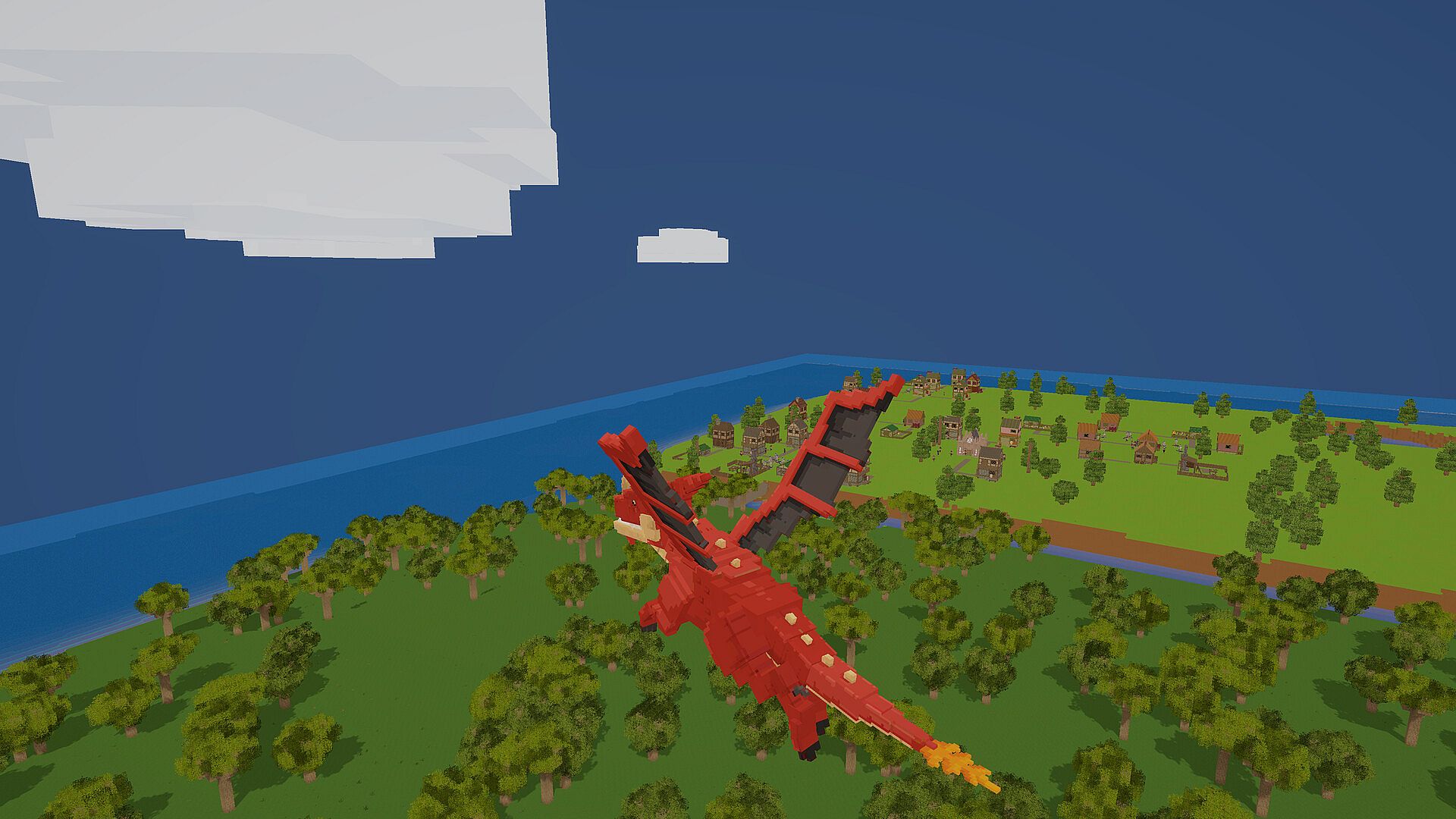
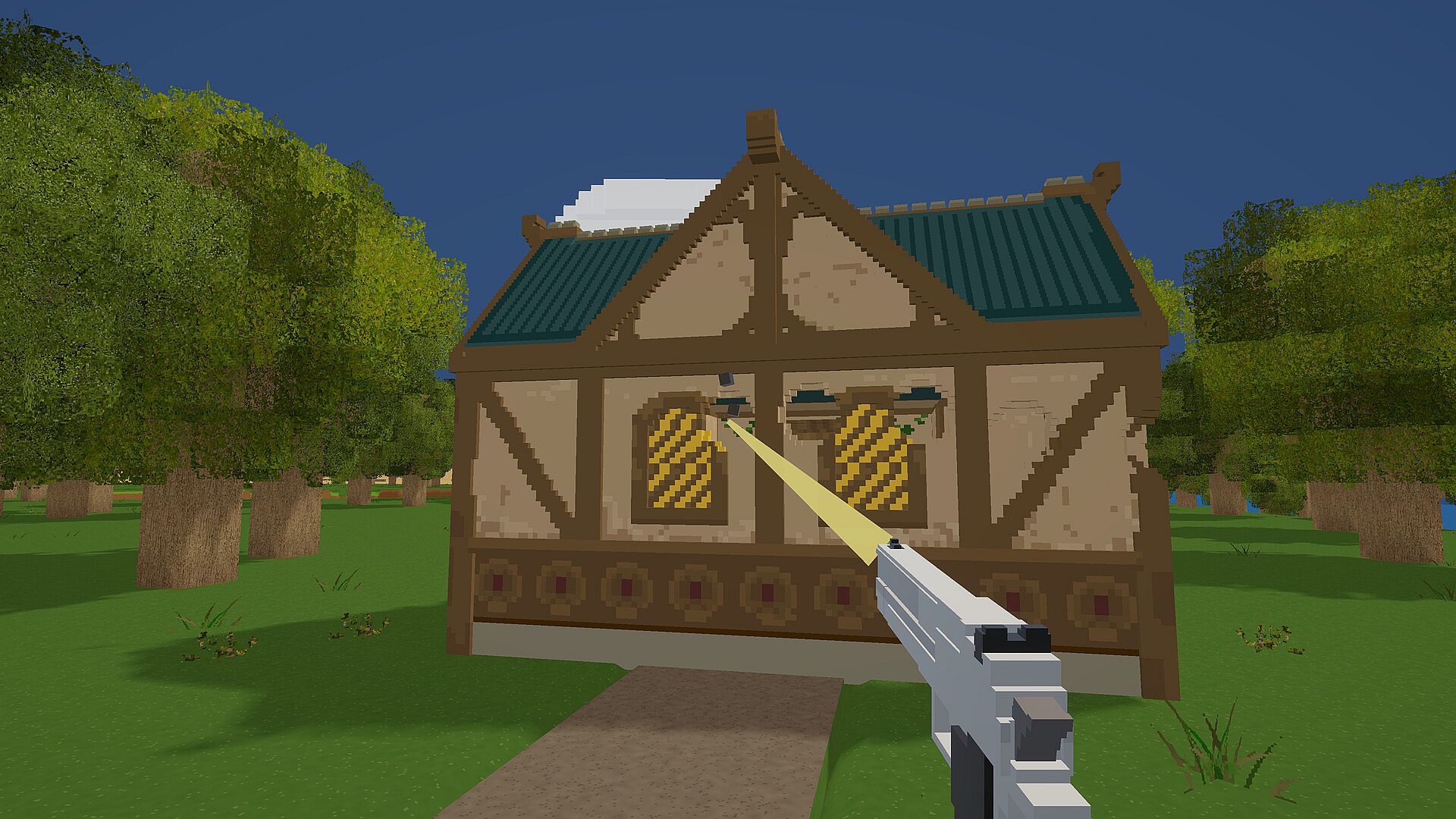
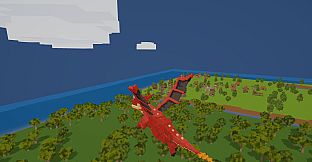
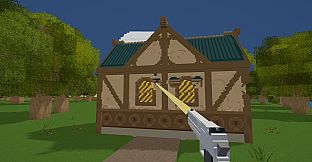
Personal involvement comes through possession mechanics that allow control of individual villagers in first-person view, enabling direct navigation and actions within the world. An alternative perspective lets players transform into a dragon capable of flight and area attacks that can level settlements built across generations. Changes from these actions remain in place, affecting future development of the affected regions.
Game Modes
Play unfolds in an open-ended simulation format without imposed victory conditions or time limits. The world evolves continuously as civilizations pursue their own paths, providing a sandbox environment for testing interventions at any scale. Players can alternate between broad oversight of multiple nations and focused actions on specific settlements or individuals.
Freedom to combine observation with hands-on changes defines the experience. One session might involve monitoring border conflicts from afar while another centers on possessing a single character to explore villages up close or assuming dragon form to test destructive capabilities against established kingdoms. The absence of structured objectives encourages repeated sessions that build on prior outcomes.
Is It Worth Playing?
Theoria suits players drawn to god simulation experiences that emphasize persistent world changes and multiple layers of interaction. Those who enjoy watching emergent stories unfold from independent AI-driven societies will find value in the hands-off observation elements, while the direct control options add variety for users seeking more active involvement.
The voxel destruction and possession features provide tangible feedback on actions, distinguishing the title from purely observational simulators. Availability on PC supports extended play sessions where players can return to the same world state after breaks, continuing experiments with new powers or perspectives. The overall design rewards curiosity about cause and effect in a setting that maintains momentum without constant input.