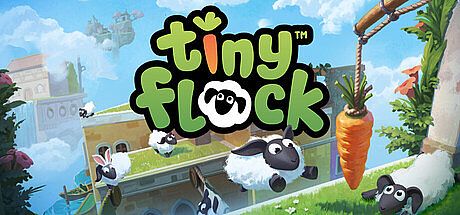


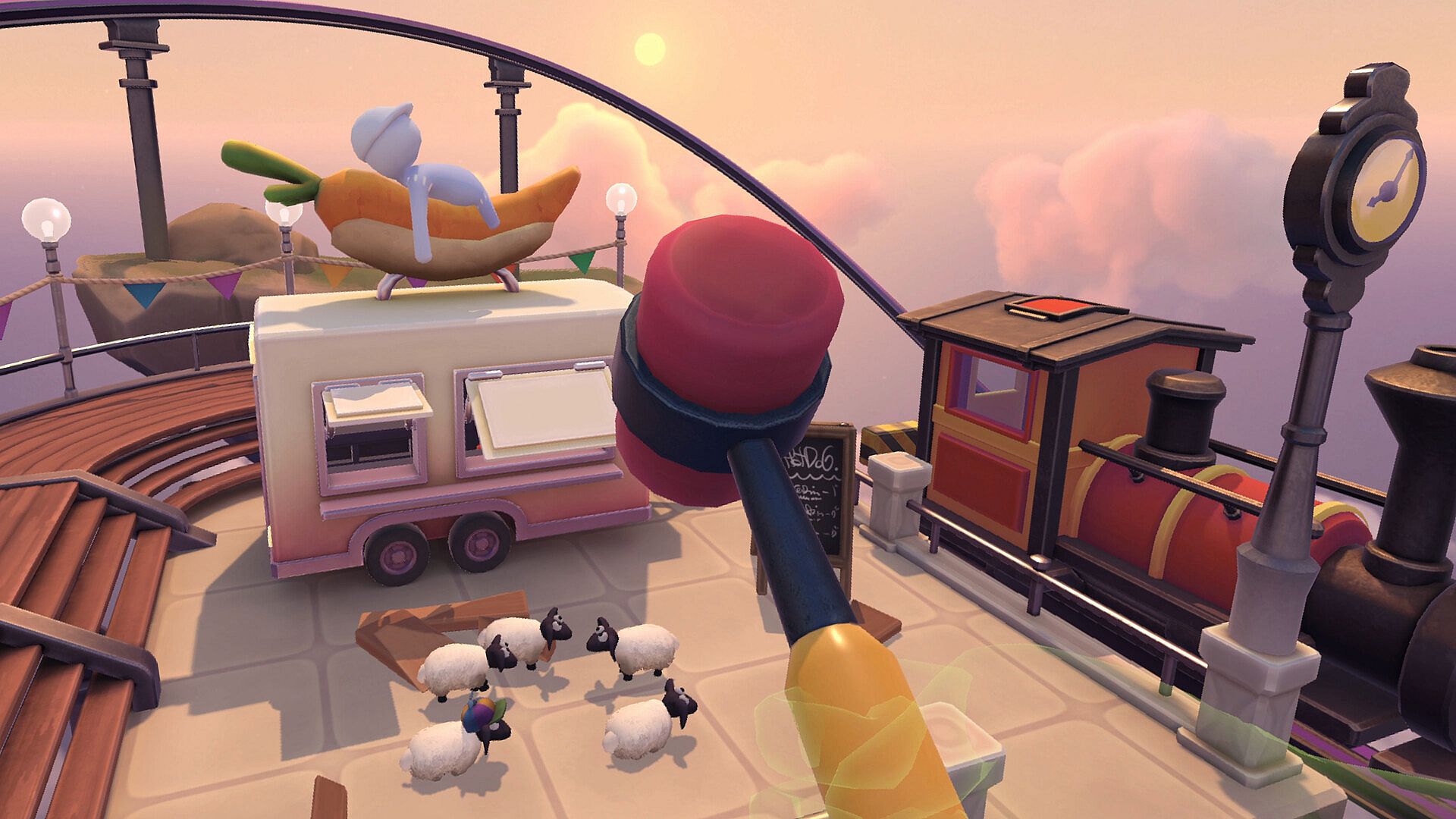
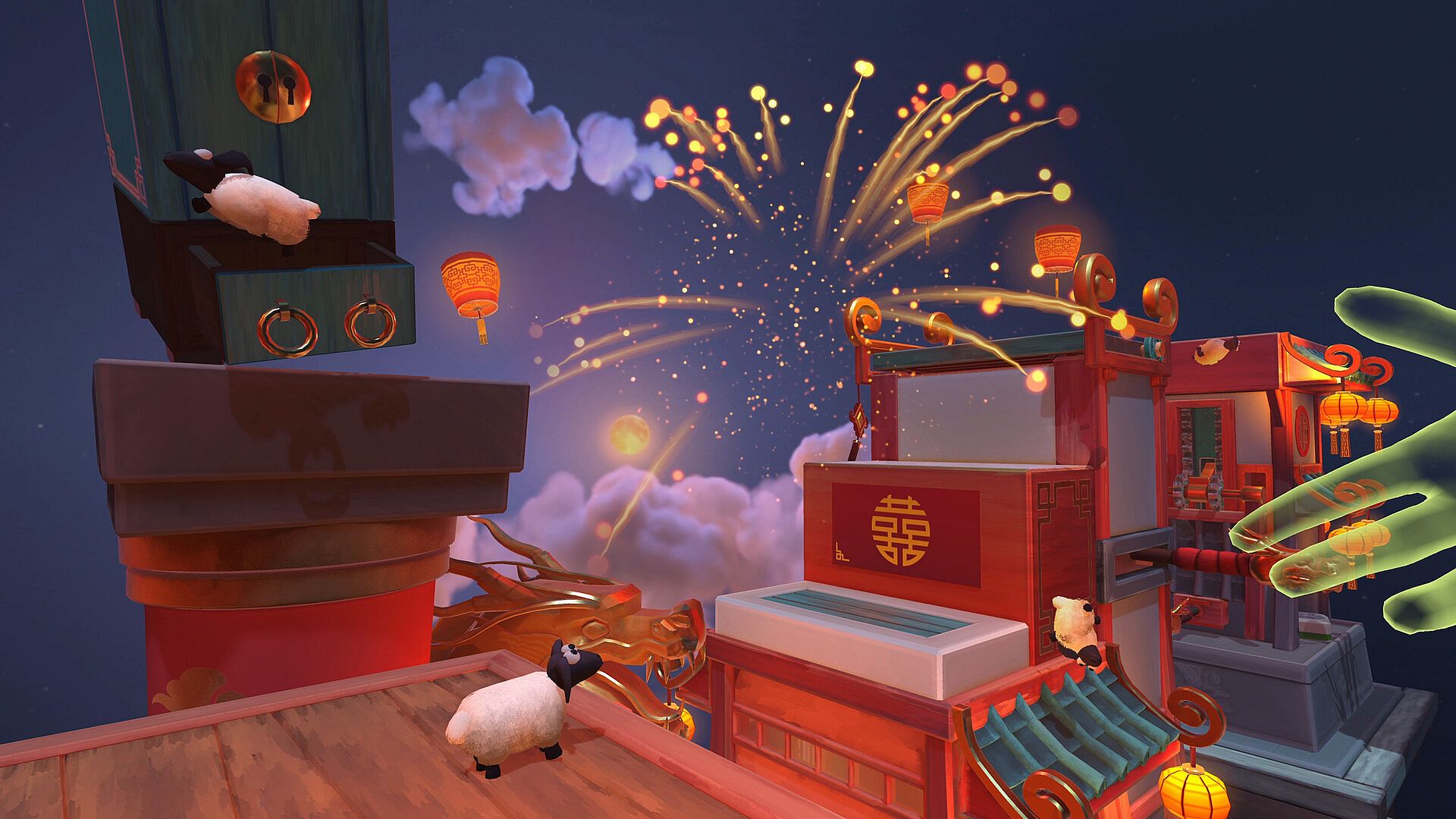
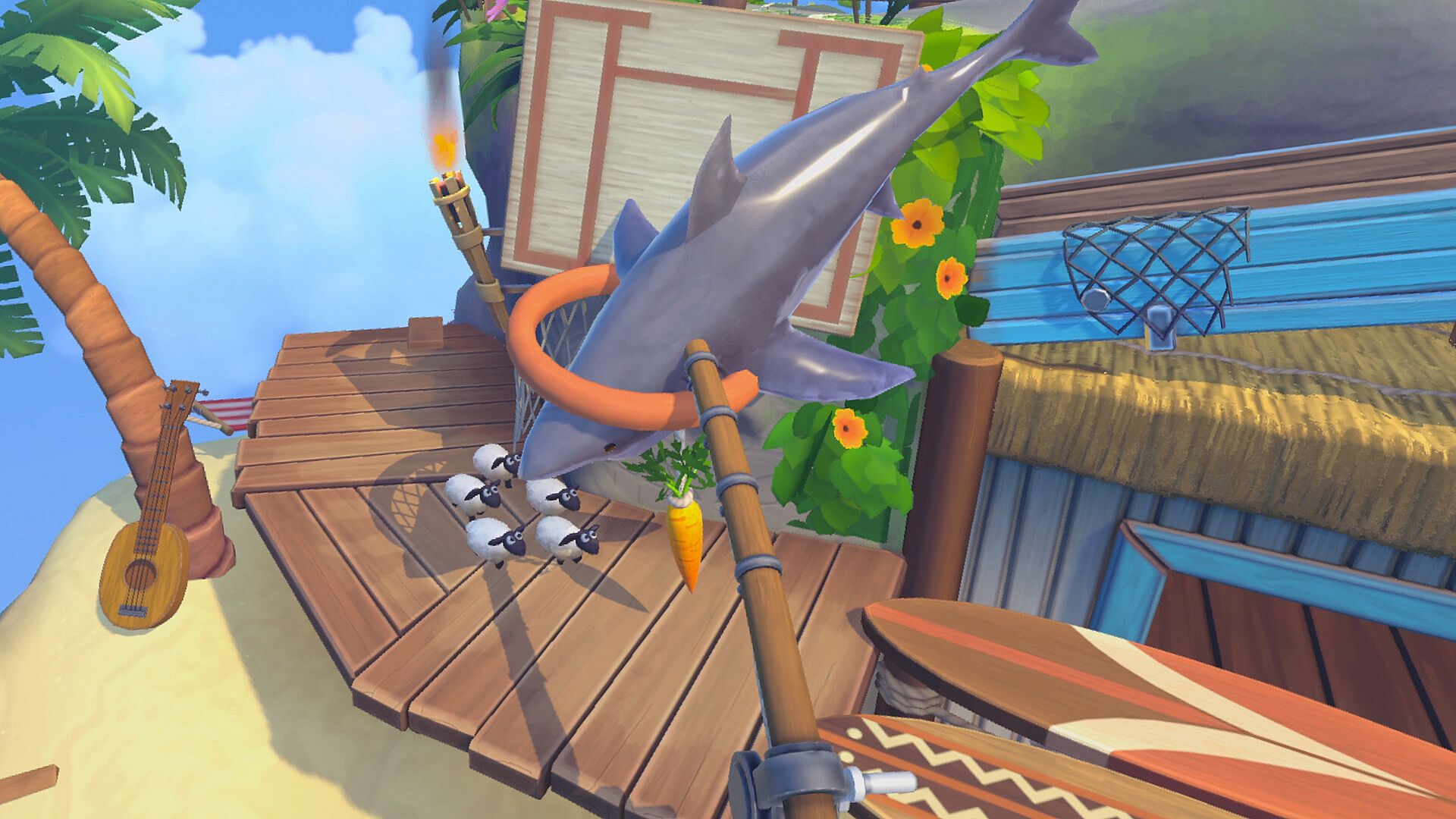
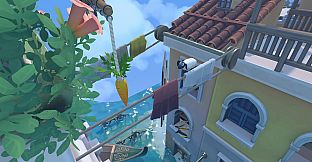
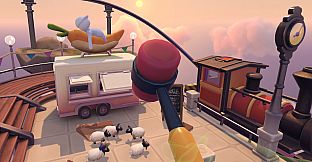
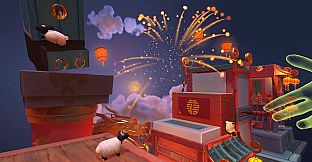
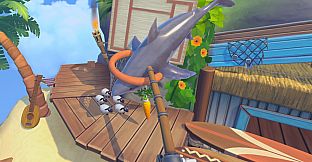
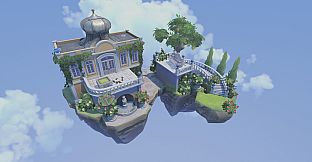
Tiny Flock versetzt Spieler in eine virtuelle Realität, in der es darum geht, eine kleine Schafherde durch unterschiedliche Umgebungen zu führen, indem man die Umgebung zu sicheren Wegen formt. Die Erfahrung dreht sich um physikalische Interaktionen, mit denen sich Objekte verschieben, stapeln oder verändern lassen, um Pfade zu schaffen und Hindernisse aus dem Weg zu räumen.
Gameplay
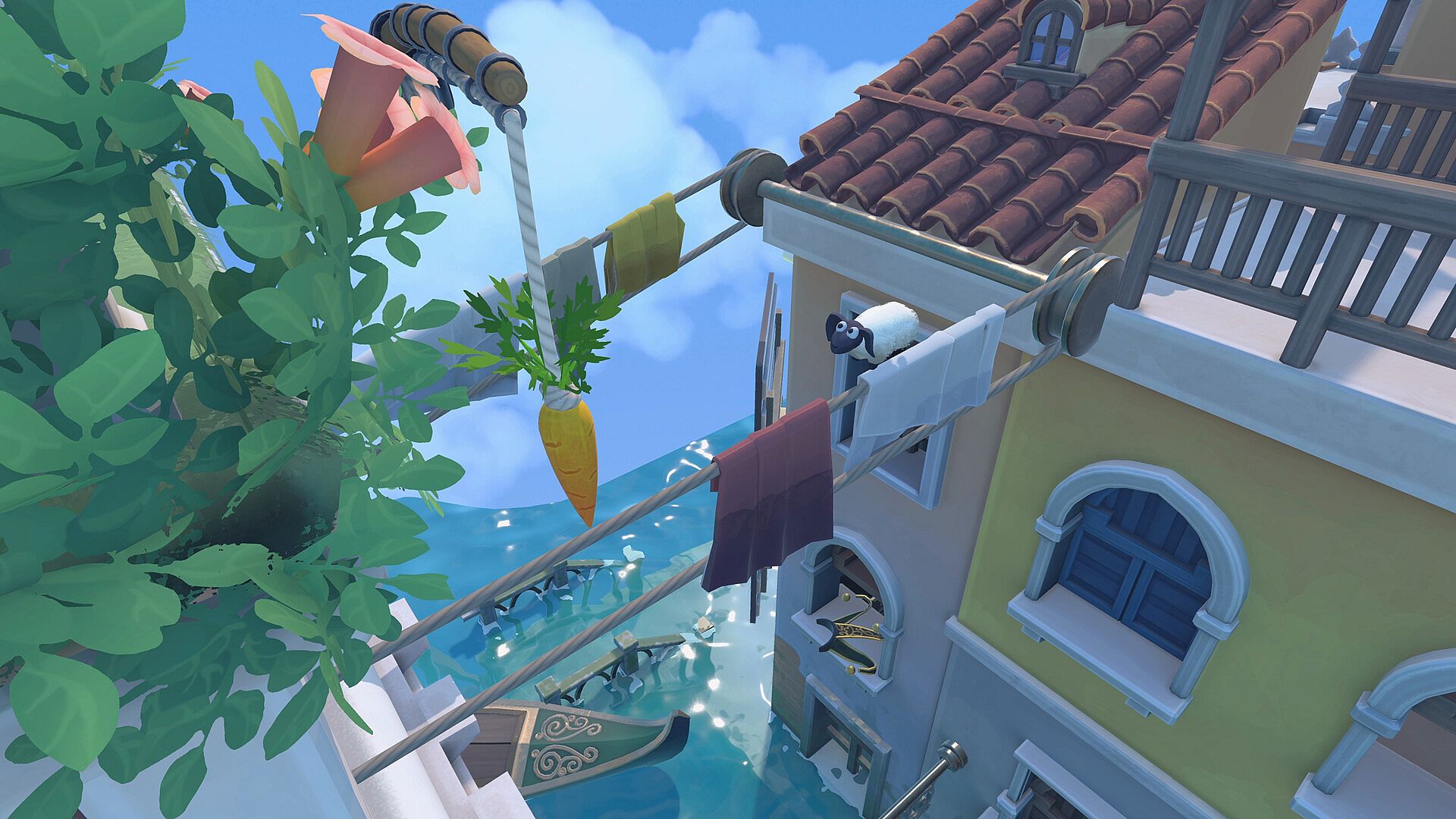
Die Kernmechanik basiert auf vollständiger Hand-Tracking-Unterstützung, sodass Nutzer Gegenstände direkt im virtuellen Raum greifen und bewegen können. Jedes sichtbare Element in einem Level reagiert auf Eingriffe - von Seilen und Hebeln bis hin zum Stapeln von Objekten zu Brücken oder dem Beseitigen von Trümmern durch gezielte Stöße. Die Schafe folgen dem Hirten ohne Abweichung, weshalb Positionierung und Timing entscheidend sind, wenn man Routen durch den dreidimensionalen Raum legt.
Die Physik fühlt sich stimmig und reaktionsschnell an und belohnt sowohl sorgfältige Planung als auch spontane Anpassungen. Spieler experimentieren frei mit den verfügbaren Werkzeugen und Objekten, bis eine funktionierende Passage entsteht. Pass-Through-Unterstützung blendet bei Bedarf die reale Umgebung ein und eröffnet weitere Möglichkeiten, ohne die Immersion zu stören.
Der Fortschritt erfolgt über aufeinanderfolgende Herausforderungen, bei denen Kreativität über eine vorgegebene Lösung entscheidet. Das System lädt dazu ein, dieselben Bereiche mehrfach zu bearbeiten, um alternative Wege oder flüssigere Techniken zu entdecken.
Spielmodi
Tiny Flock ist ein reines Einzelspieler-Puzzle-Erlebnis ohne separate Wettbewerbs- oder Koop-Modi. Alles spielt sich in einer festen Sammlung von Levels ab, die auf individuelles Experimentieren und Problemlösen ausgelegt sind.
Jede Stufe bildet ein eigenständiges Puzzle-Umfeld, ohne verzweigte Kampagnen oder zeitlich begrenzte Events. Der Wiederspielwert ergibt sich aus dem erneuten Besuch abgeschlossener Levels, um andere Ansätze auszuprobieren oder versteckte Elemente für Erfolge und Sammlerstücke zu finden.
Level und Interaktion
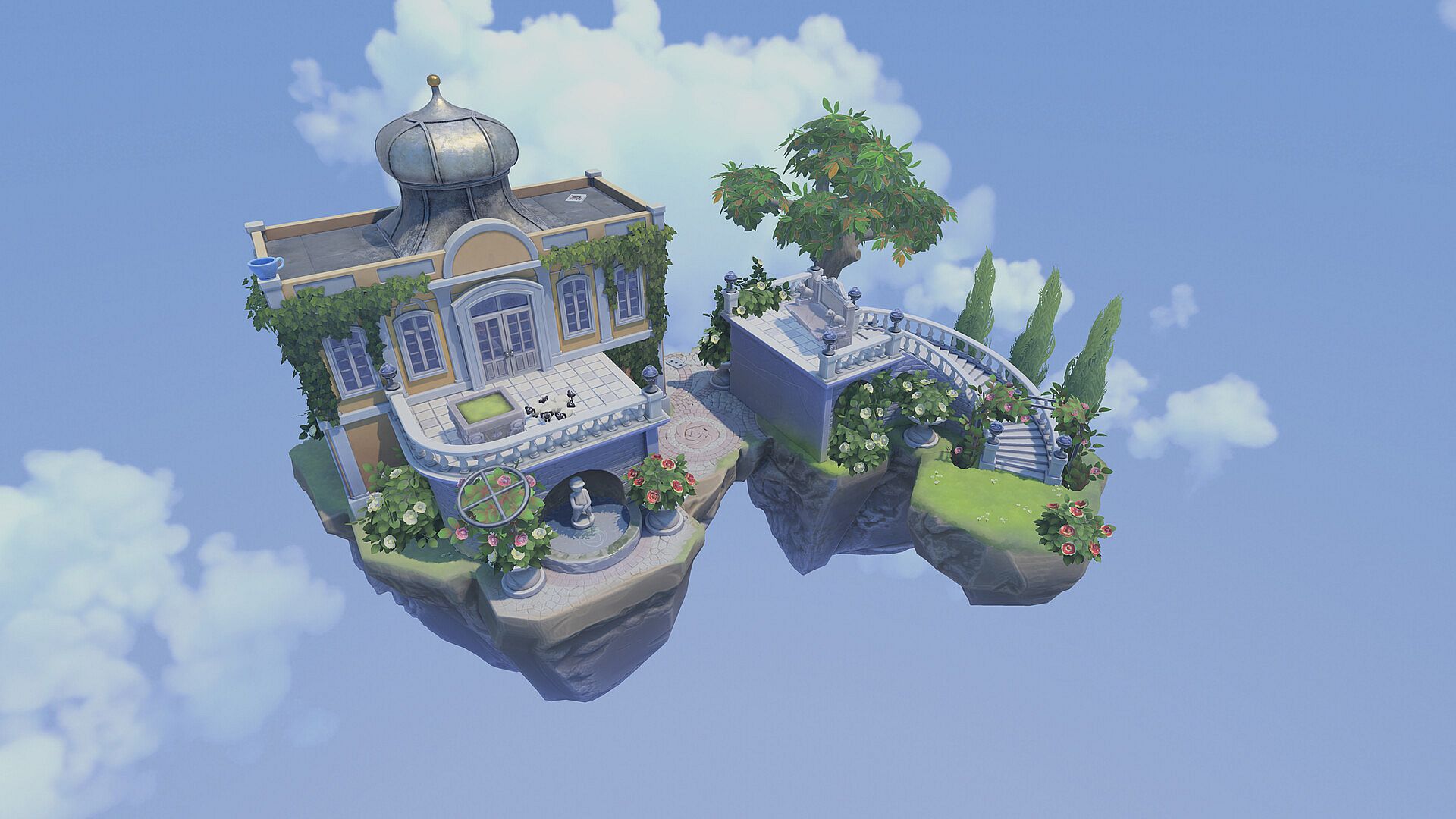
Einundzwanzig handgefertigte Dioramen-Welten bilden das komplette Herausforderungsset. Diese kompakten dreidimensionalen Szenen bieten dichte Interaktivität, bei der nahezu jede Oberfläche und jedes Objekt zur Pfaderstellung oder Hindernisbeseitigung beitragen kann.
Das Design konzentriert sich ausschließlich auf umgebungsbasierte Problemlösung, ohne zusätzliche Systeme wie Kampf, Ressourcenmanagement oder Charakterentwicklung. Die überschaubare Größe jedes Levels ermöglicht kurze Sitzungen und bietet dennoch Tiefe durch mehrere gültige Lösungen pro Puzzle.
Audio und Präsentation
Ein eigens komponierter Cellosoundtrack begleitet das Geschehen und schafft eine ruhige Atmosphäre, die zum entspannten Tempo der Rätsel passt. Die Grafik setzt auf klare, detaillierte Dioramen, die die haptische Qualität der Objektinteraktionen hervorheben, ohne unnötige Komplexität.
Das Hand-Tracking erlaubt präzise Gesten zum Greifen, Werfen oder Justieren von Gegenständen und verstärkt so das Gefühl, direkt in die Veränderung der Level einzugreifen.
Lohnt es sich?
Tiny Flock richtet sich an Spieler, die offene Physikrätsel in Virtual Reality schätzen und kreative Freiheit höher bewerten als feste Vorgaben. Die Betonung auf Experimentieren und mehreren Lösungen pro Level spricht alle an, die Ideen ohne Zeitdruck oder Gegner ausprobieren möchten.
Hand-Tracking und Pass-Through-Funktionen erweitern die Zugänglichkeit für Nutzer, die mit VR-Steuerung vertraut sind, während die begrenzte Levelanzahl das Paket für ein fokussiertes Durchspielen abrundet. Erfolge und Sammlerstücke bieten zusätzlichen Anreiz für alle, die zurückkehren, um ihre Ansätze zu verfeinern oder jedes Detail zu entdecken.
Wer sich zu entspannten Simulations- und Abenteuerspielen hingezogen fühlt, bei denen die zufriedenstellende Manipulation von Objekten im Mittelpunkt steht, wird das Kernspielgefühl konsistent und ansprechend finden. Der Verzicht auf Mehrspieler hält das Erlebnis intim und selbstbestimmt und passt zum gemütlichen Ton der Levels.