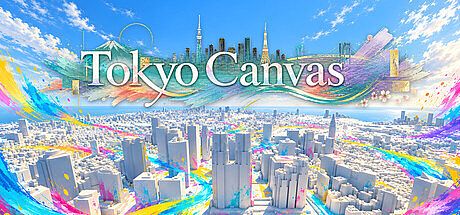


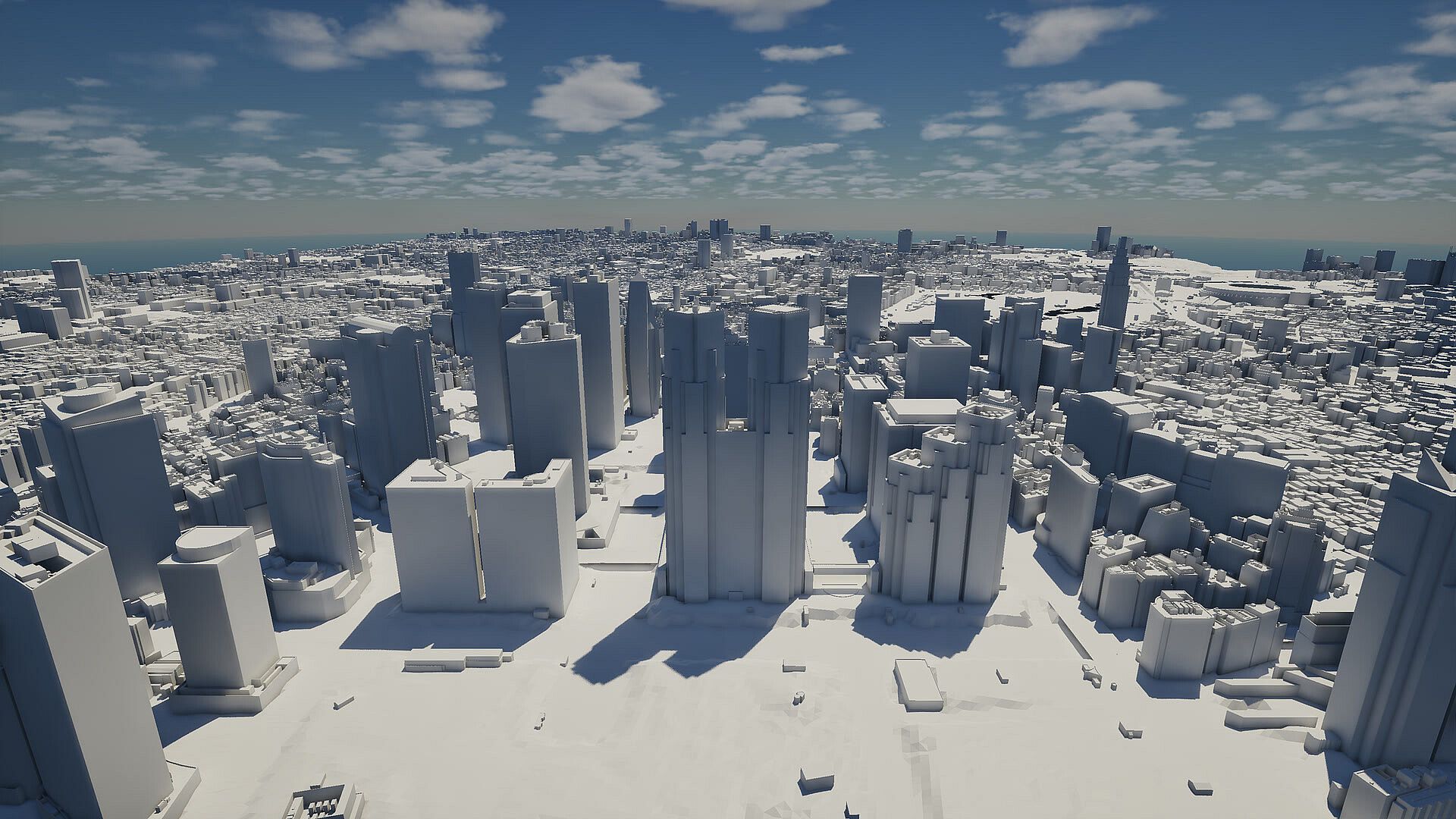
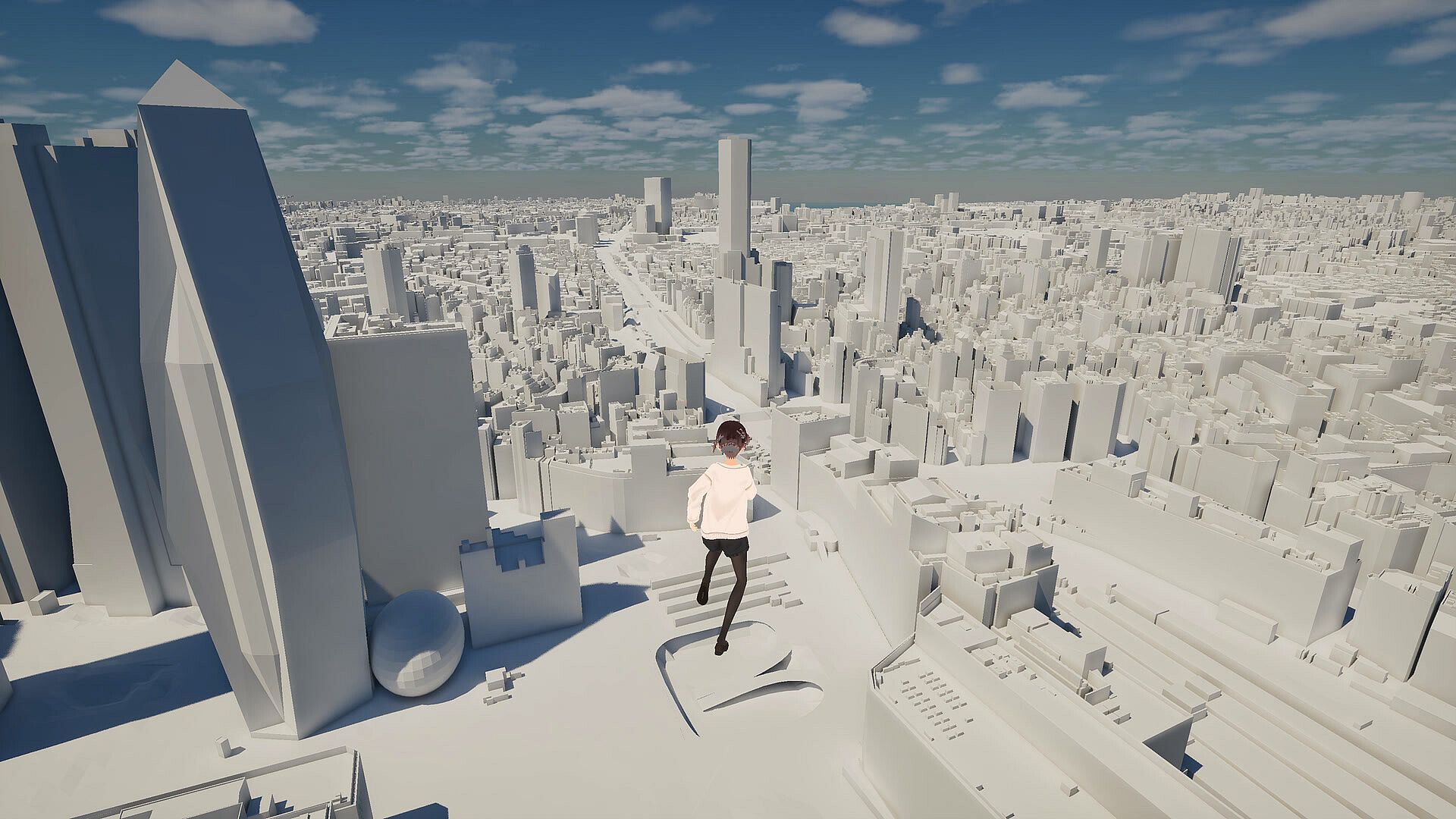
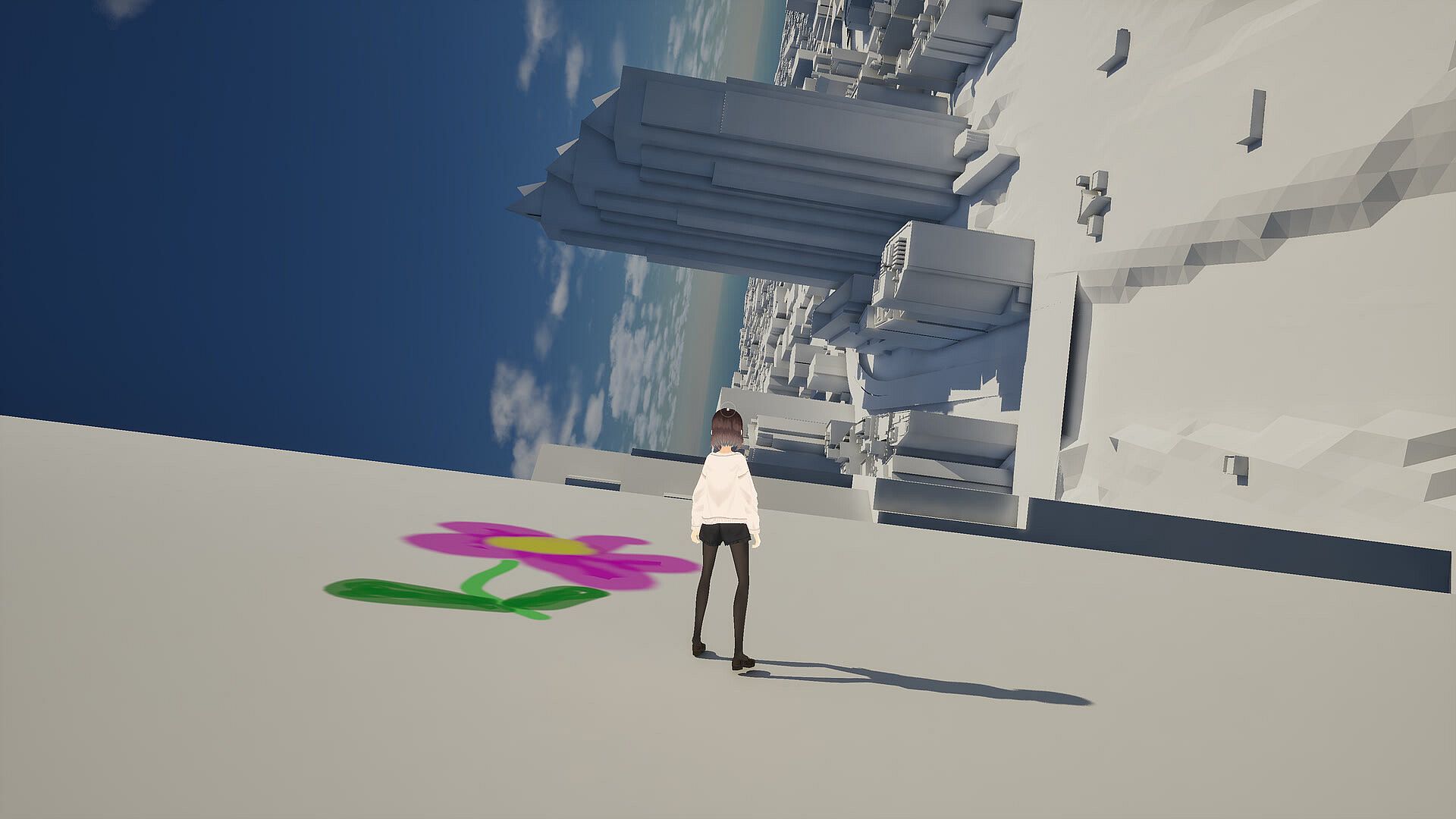
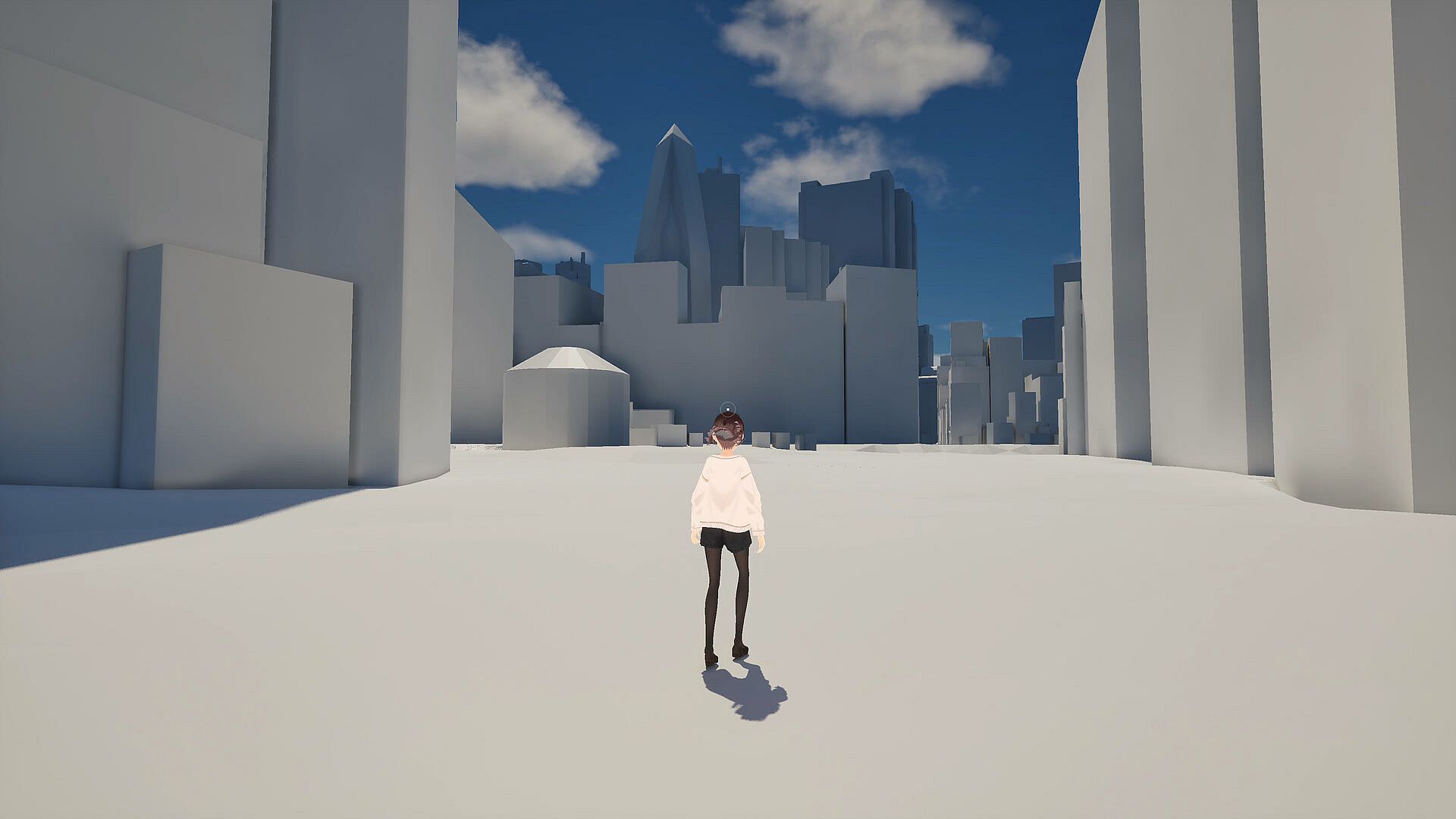
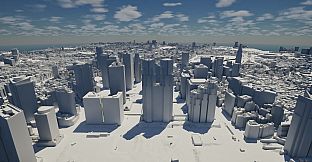
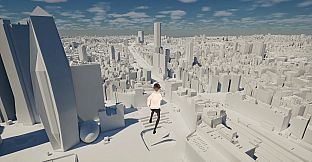
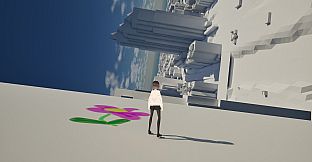
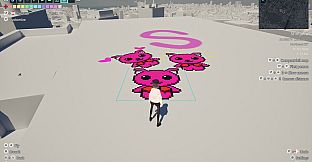
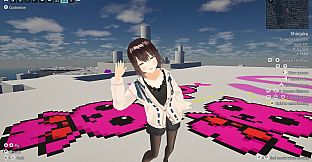
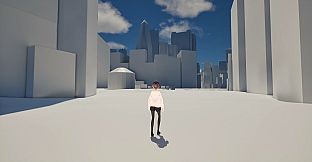
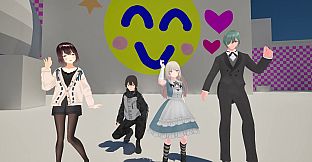
Tokyo Canvas is a sandbox simulation game for PC that places players in a recreated version of Tokyo across its 23 wards. The experience centers on freeform exploration and creative painting rather than structured objectives or competition. Users move through detailed city environments built from Project PLATEAU 3D city models, adjusting gravity to walk on walls and ceilings, warping to map points, or opening locations in an external browser for real-world comparison.
Gameplay
Core play involves selecting a ward and roaming the streets or rooftops at a personal pace. Players alter gravity direction to reach new surfaces, use flight for aerial movement, and pause or advance time to view morning light, sunsets, or night skies with accurate star placements from a real catalog and moon phases based on astronomical data. Constellation lines and names can be toggled for quiet observation from rooftops.
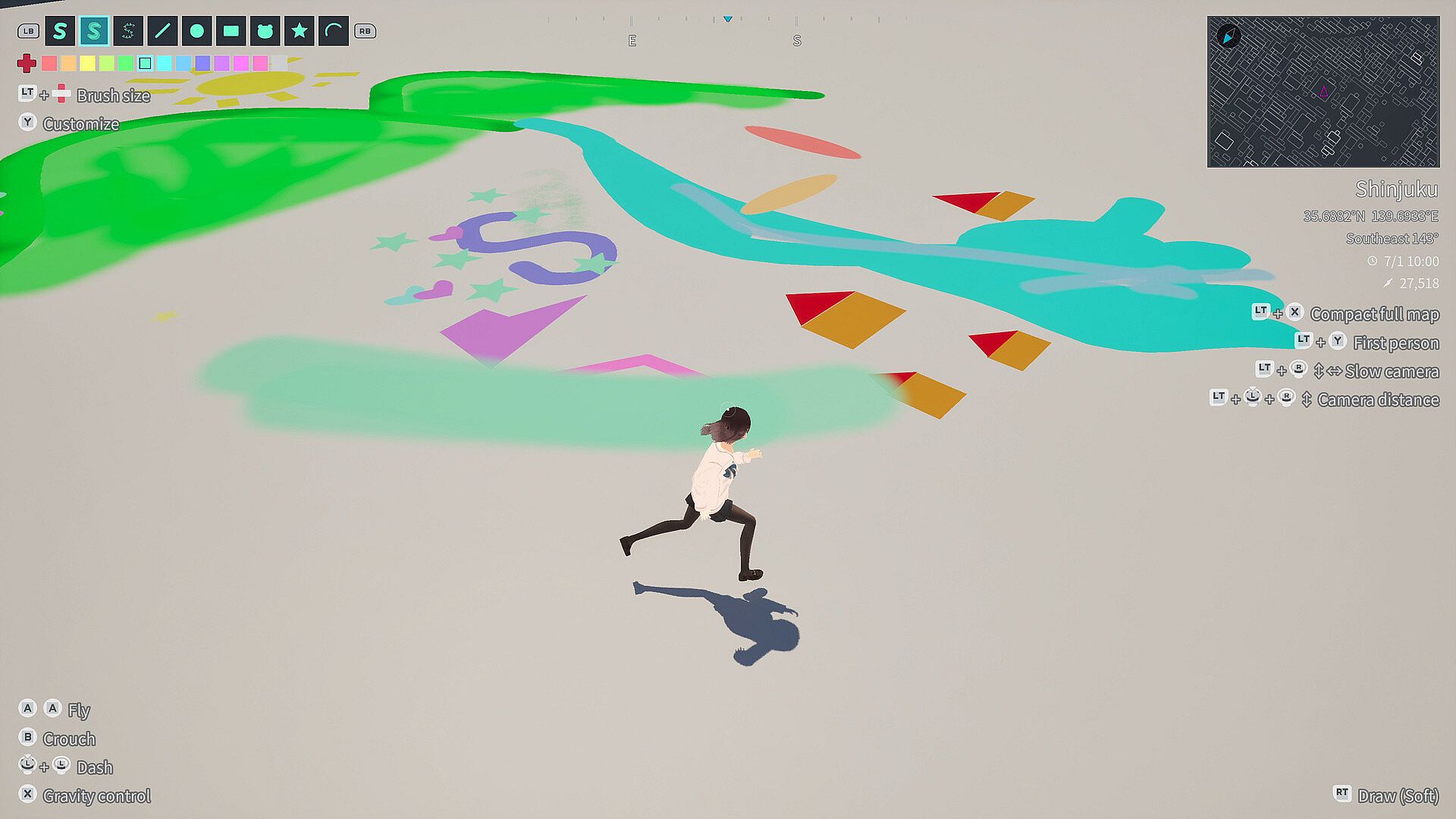
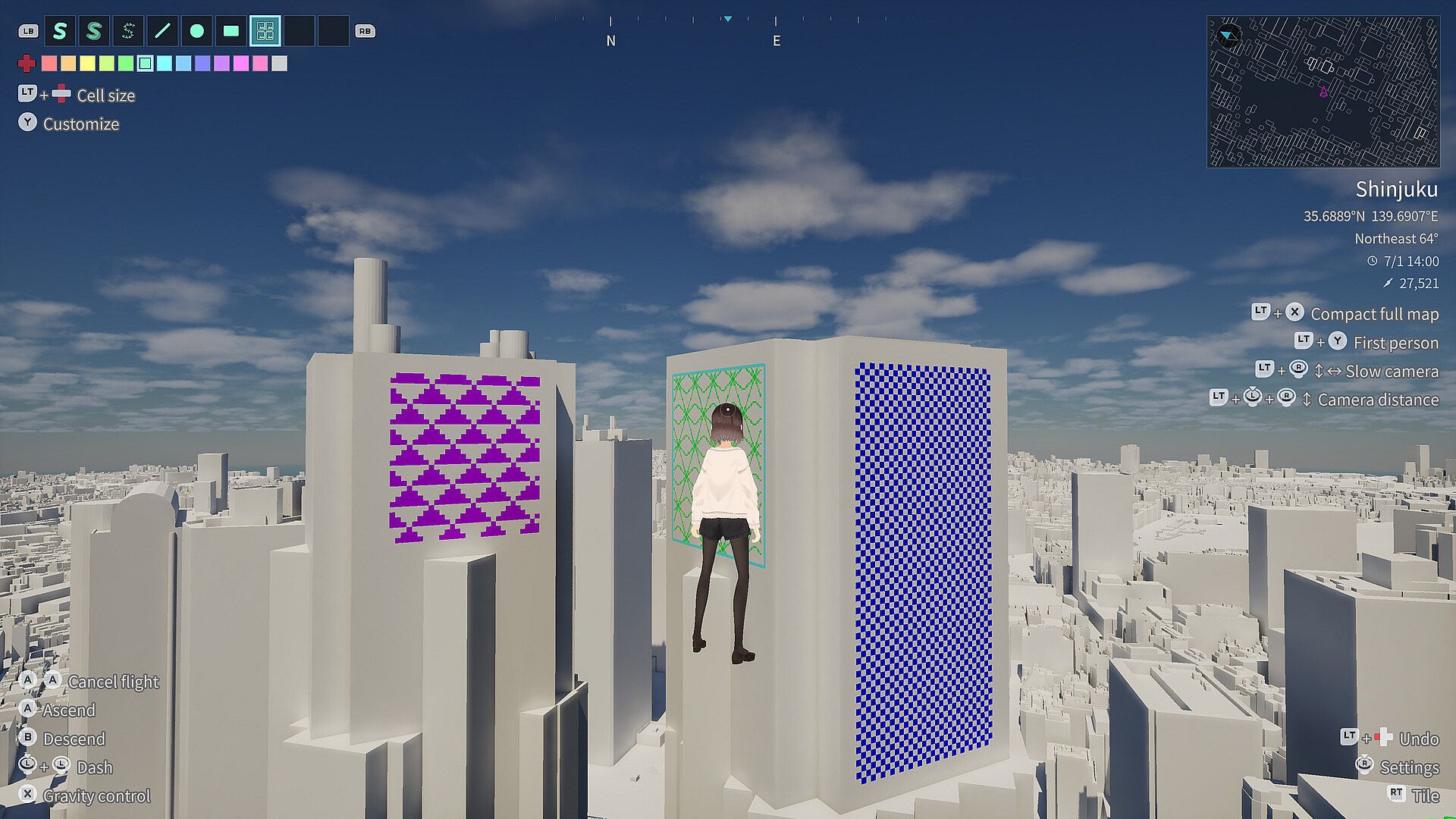
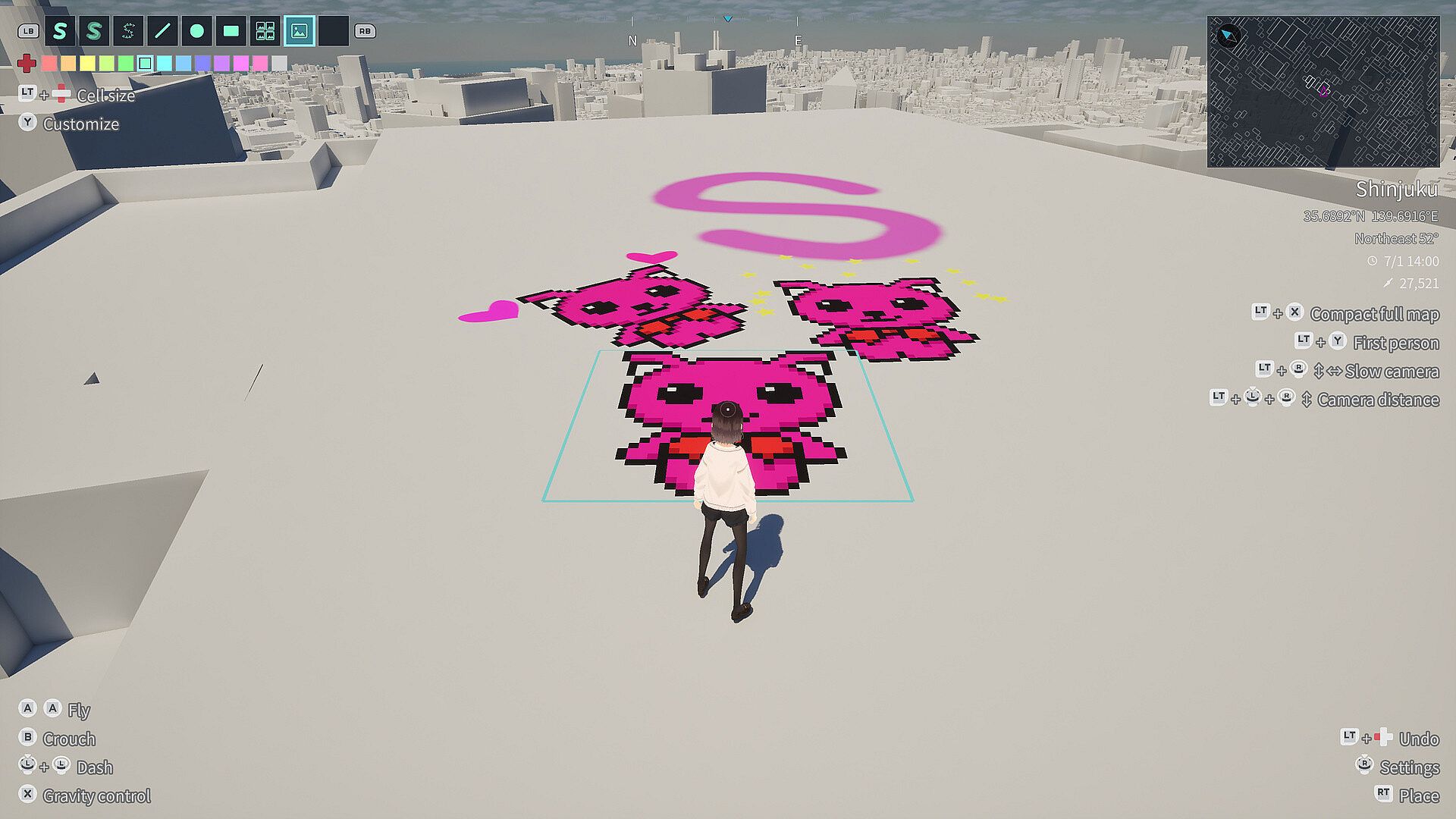
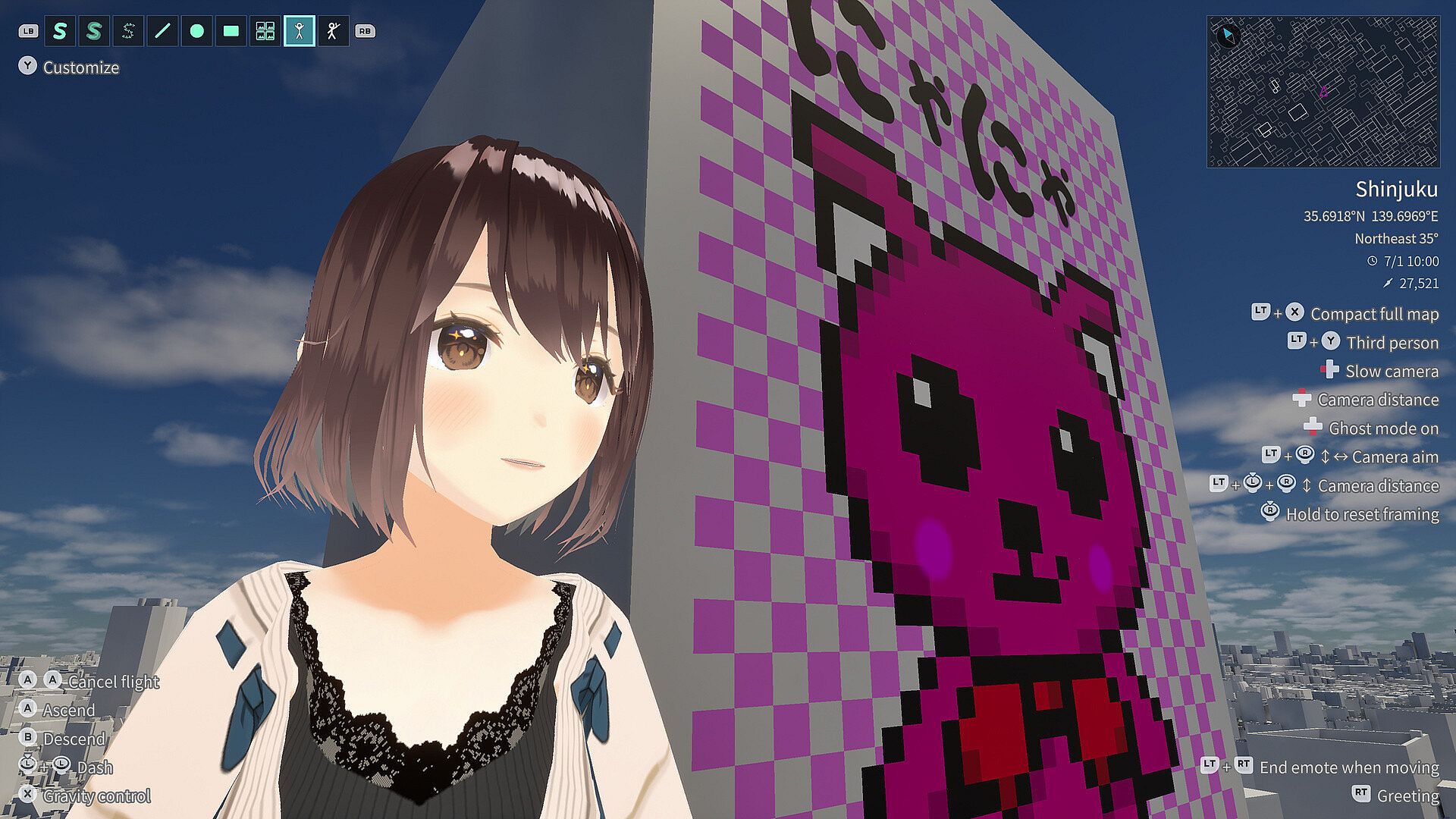
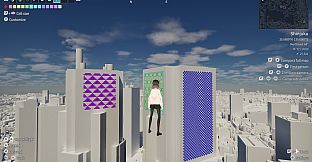
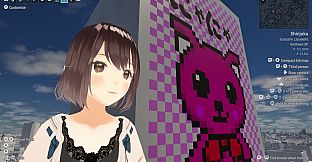
Painting forms the main creative outlet. Twenty-five tools support brushes, shapes, fills, stamps, and picture tiles for repeating patterns. Users draw lines along roads, cover buildings in designs, or import personal images. Nine customizable slots hold painting tools alongside emotes, cameras, and a clock. Creations save for later sessions, allowing incremental work on the same city.
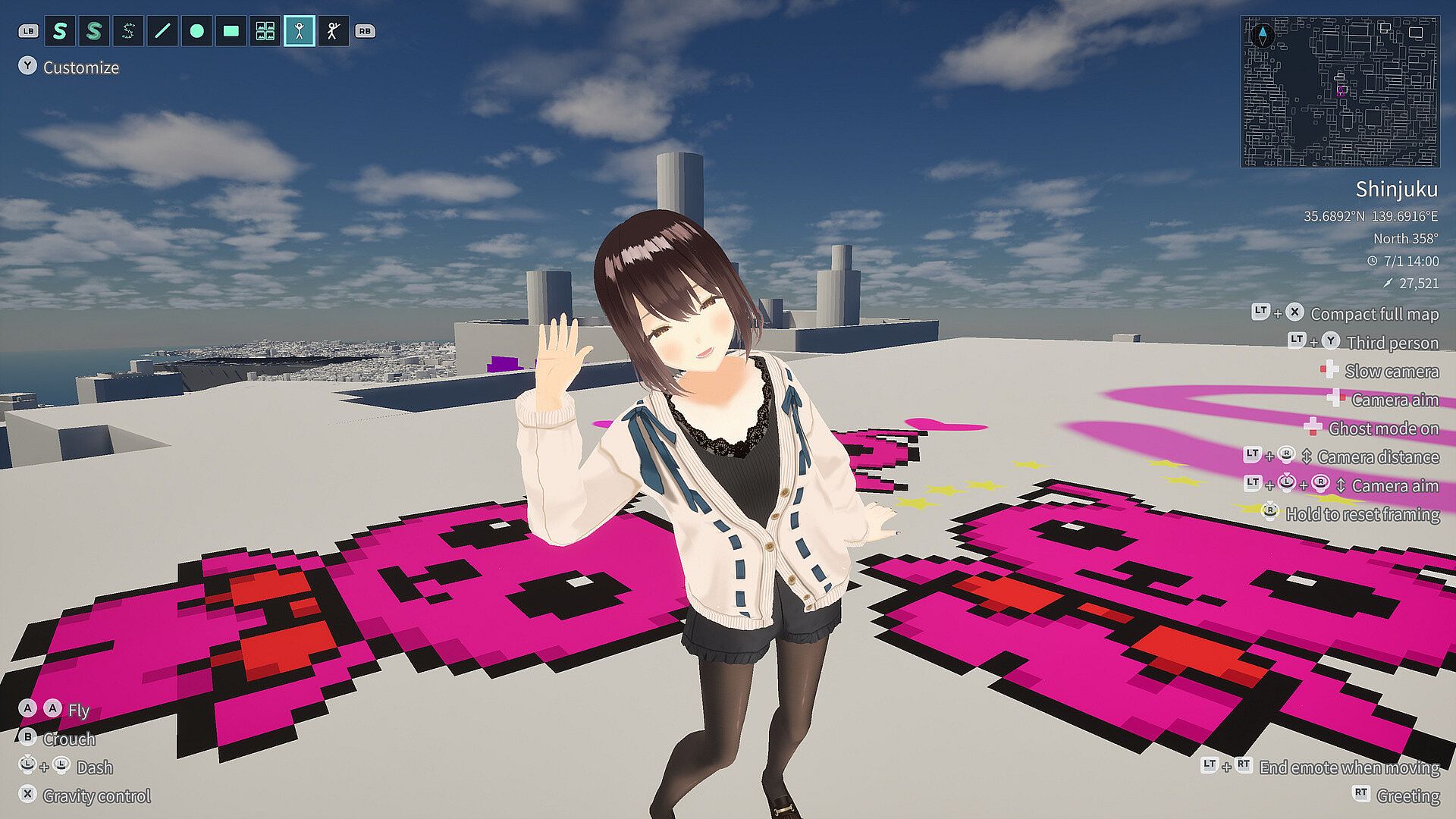
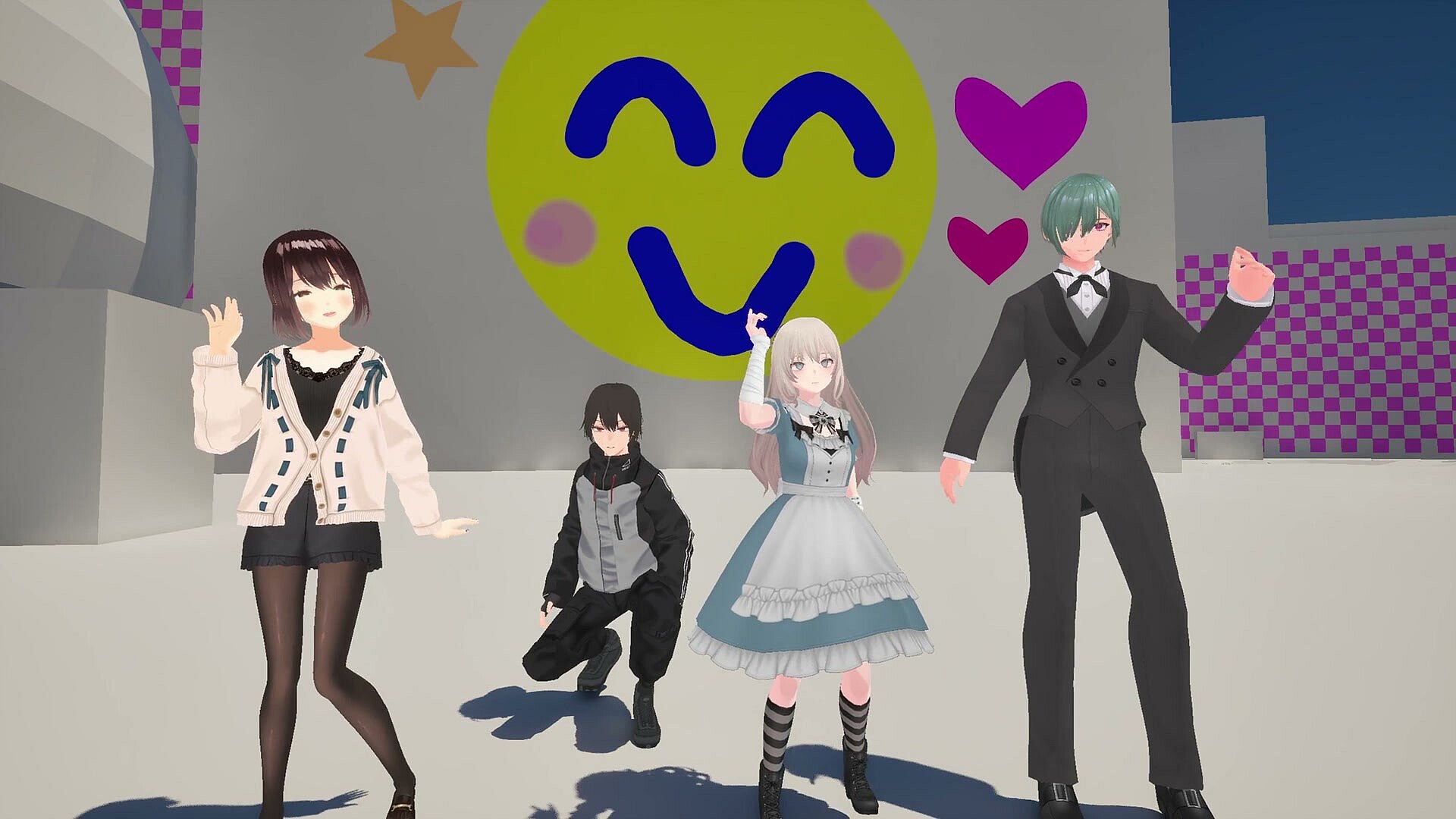
Avatars add personal expression. Twenty-six standard options suit different moods, while VRoid Hub integration lets players import custom models. Poses, dances, and view switches between first-person, third-person, and Theater mode help frame scenes. Theater mode supports automated aerial shots, orbits, and combined movements with character walking for shareable video captures.
Game Modes
The game operates primarily as an open sandbox without named competitive or story modes. Single-player sessions focus on individual exploration, painting, and sky watching across the wards. Time manipulation and gravity shifts create varied ways to interact with the same locations.
Multiplayer supports two to four players sharing one ward and canvas in real time. Voice chat enables collaboration on joint artwork or separate exploration within the shared space. Hosts control access through invites or codes, allowing friends or strangers to join.
Gallery functions extend the experience beyond live sessions. Painted cities and chosen skies publish as shareable works with unique codes. Others load these creations for solo visits or multiplayer play inside the published environment, turning personal output into communal spaces.
Exploration and Creative Tools
Navigation emphasizes freedom. Map-based warping places players high above chosen spots, while gravity inversion turns familiar architecture into new pathways. This setup encourages discovery of overlooked angles and surfaces for painting.
Tool variety supports both quick sketches and large-scale projects. Picture integration and tile repetition allow complex patterns without manual repetition. Saved progress ensures long-term projects remain accessible across multiple visits.
Is It Worth Playing?
Tokyo Canvas suits players seeking relaxed creative sandboxes over goal-driven gameplay. The combination of accurate Tokyo recreation, flexible painting tools, gravity mechanics, and real-time multiplayer sharing delivers a distinctive way to spend time in a virtual city. Those who enjoy building personal scenes, collaborating casually, or publishing custom environments will find consistent appeal in the open structure and persistent canvases. The absence of scores or timers keeps focus on individual pacing and shared moments.