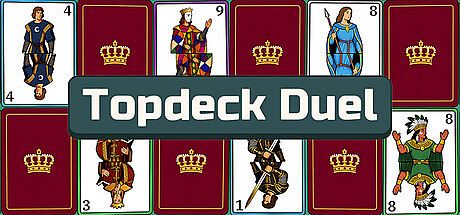


Topdeck Duel ist ein strategisches Einzelspieler-Kartenspiel im Roguelike-Stil für den PC, das einfache Zieh-Mechaniken mit taktischer Positionierung und dauerhaftem Fortschritt verbindet. Im Mittelpunkt stehen direkte Kartenduelle, bei denen das Ziel darin besteht, das komplette Deck des Gegners über mehrere Begegnungen hinweg zu erobern. Das Spiel kombiniert Zufall beim Ziehen mit gezielten Entscheidungen bei der Kartenanordnung und beim Ressourceneinsatz und spricht damit sowohl das Indie- als auch das Casual-Genre durch leicht verständliche Regeln und wiederholbare Durchläufe an.
Gameplay
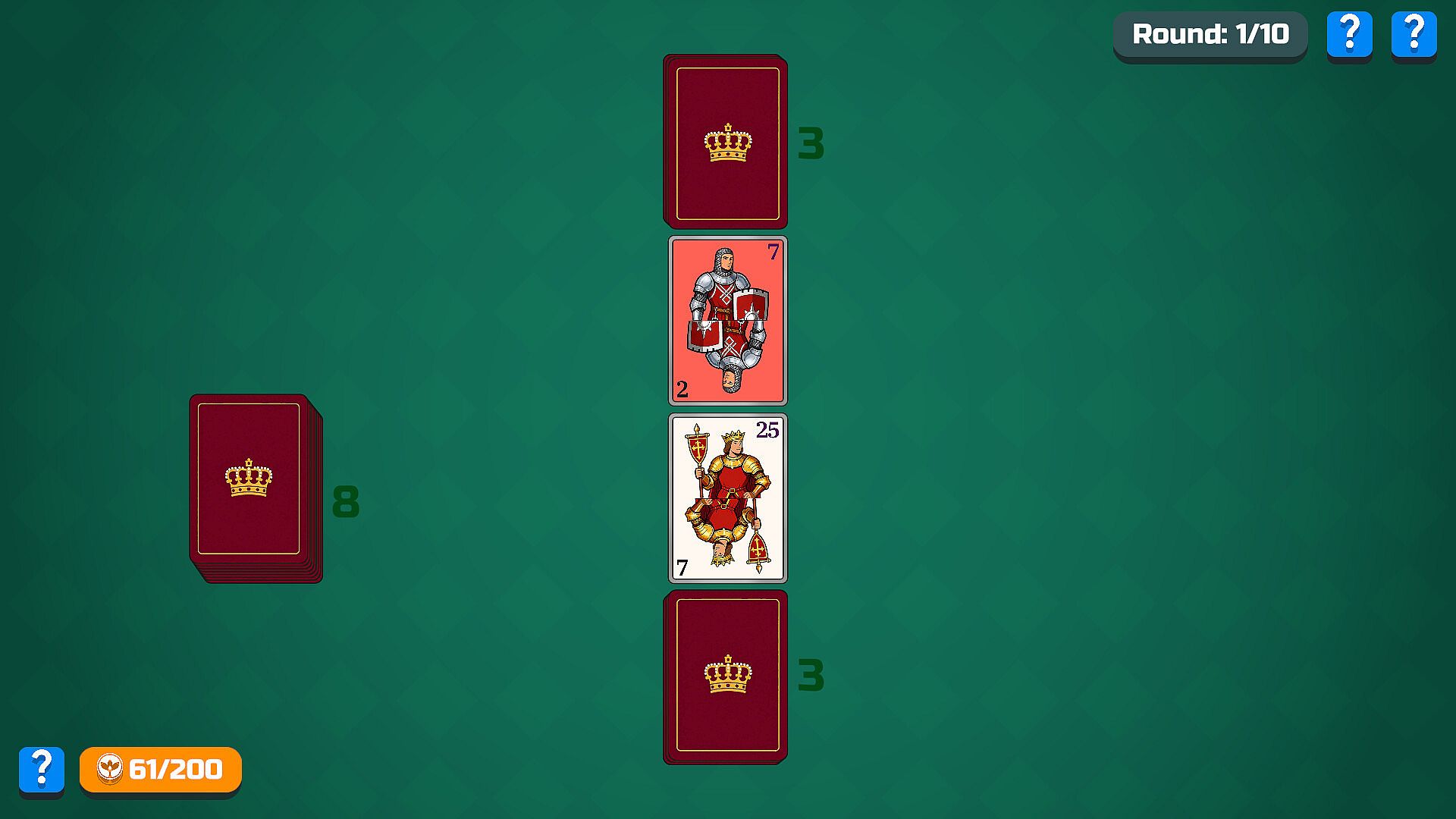
Der Kampf startet mit gleichzeitigem Ziehen der obersten Karten von Spieler und Gegner. Die höhere Stärke gewinnt beide Karten, bei Gleichstand beginnt die War-Phase, in der weitere Karten gezogen werden und das Ergebnis verstärken. Erfolge bauen eine eigene Sammlung auf, die innerhalb eines Durchlaufs erhalten bleibt.
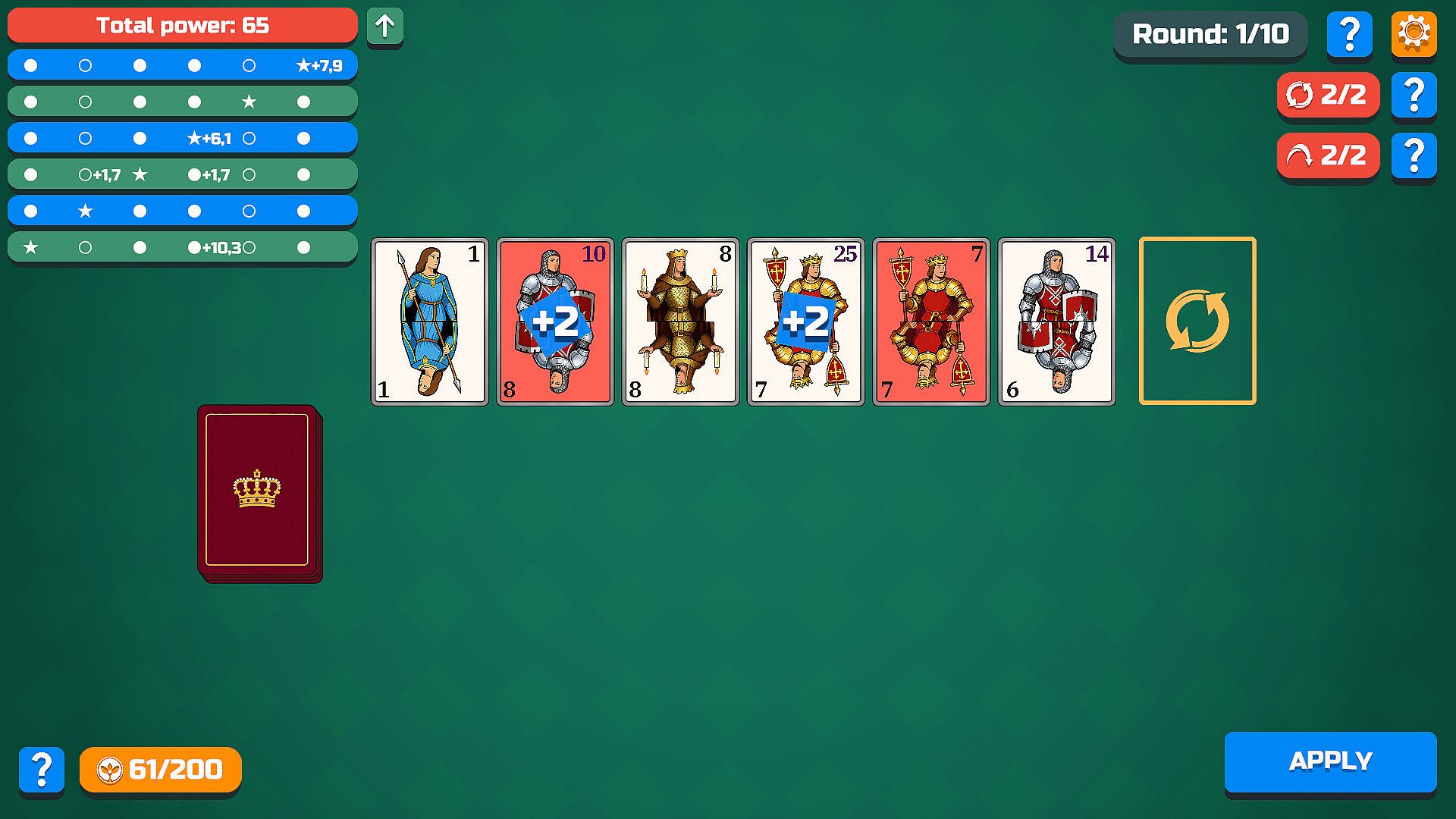
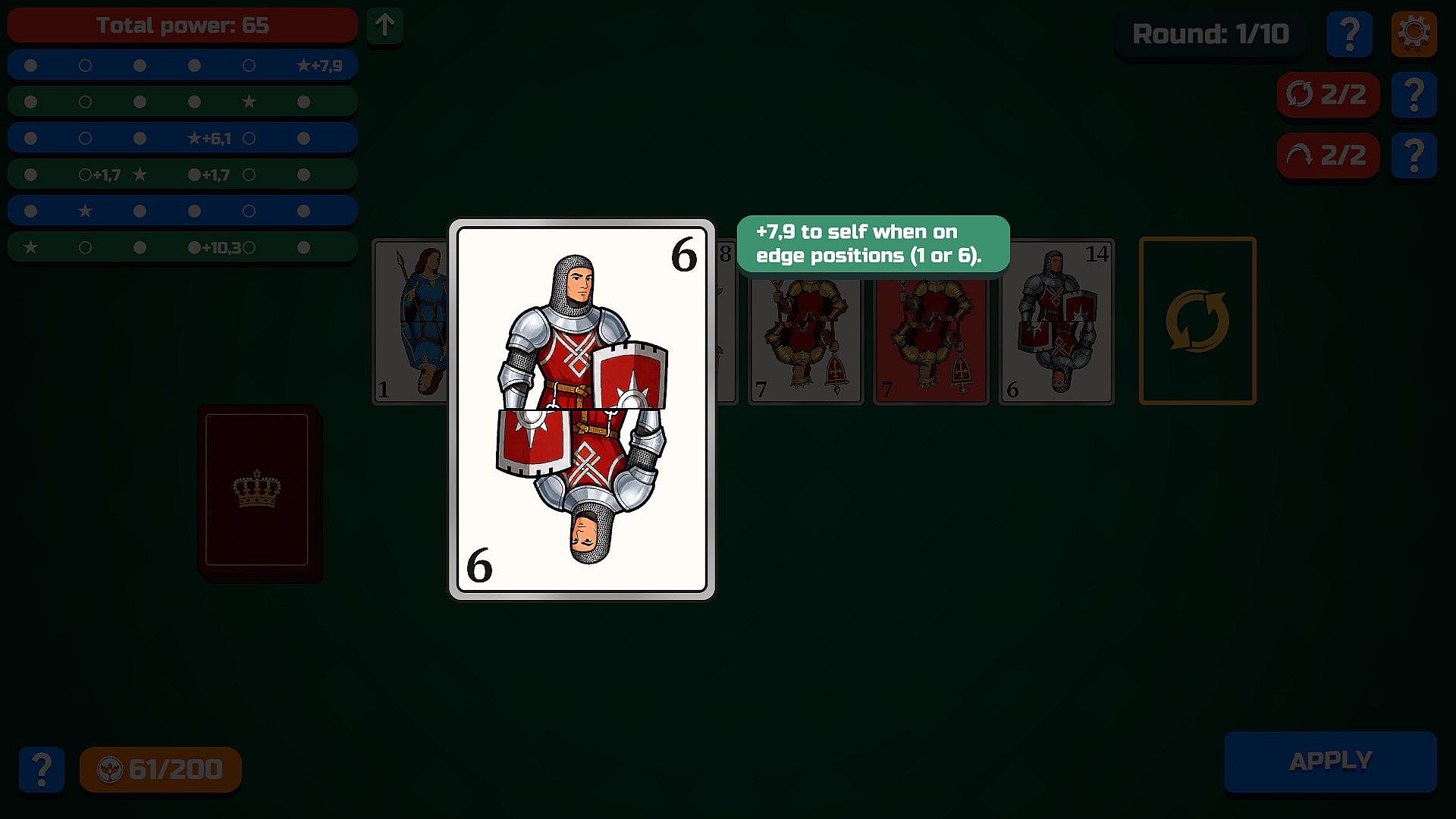
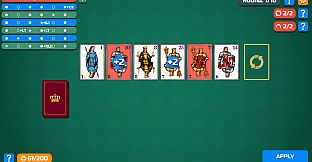
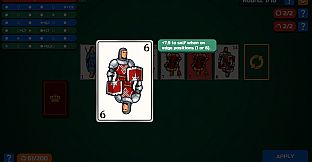
Nachdem genügend Karten gesammelt wurden, startet die Anordnungsphase. Zufällige Ziehungen aus dem Ablagestapel füllen ein Sechs-Felder-Brett, auf dem jede Karte einzigartige Effekte auslöst. Eigene Karten erzeugen Buffs, die Stärke erhöhen, während eroberte Gegnerkarten als Debuffs wirken und die Stärke verringern. Die Effekte hängen von Position, benachbarten Karten, gegnerischen Platzierungen und aktiven Debuffs ab und erfordern spontane Anpassungen.
Die Brettverwaltung nutzt die begrenzte Ressource Influence. Ungünstige Platzierungen beschleunigen den Verbrauch von Influence während laufender Kämpfe, und bei Null endet der aktuelle Durchlauf. Verfügbare Aktionen umfassen das Neurollen von Karten, das Tauschen von Positionen und die Vorhersage-Funktion, mit der kommende Gegnerkarten eingesehen werden können. Nach Siegen gehen Teile des besiegten Decks dauerhaft in die Sammlung über, doch diese behaltenen Gegnerkarten wirken weiter als Debuffs, bis sie verschmolzen oder verbrannt werden.
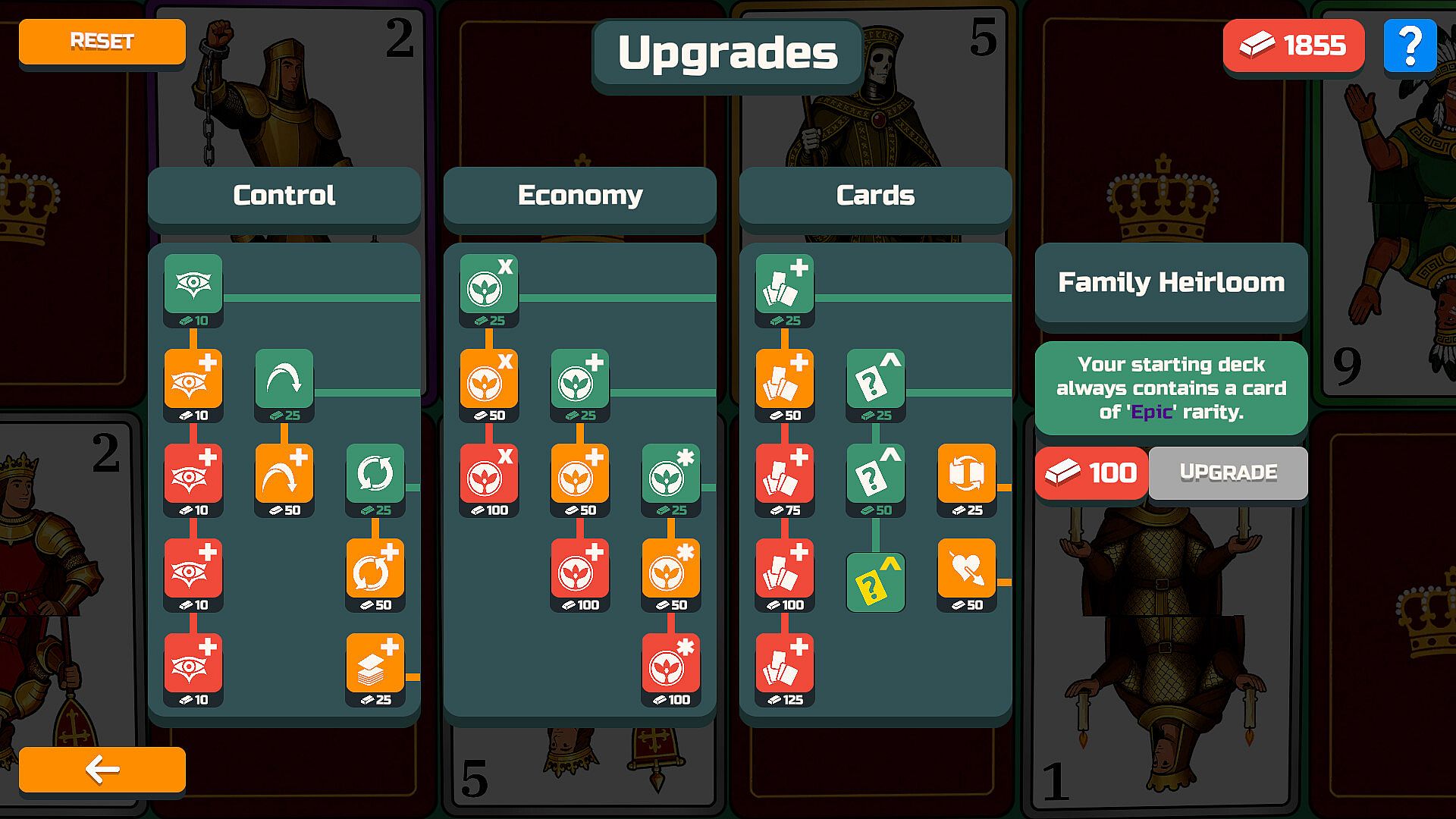
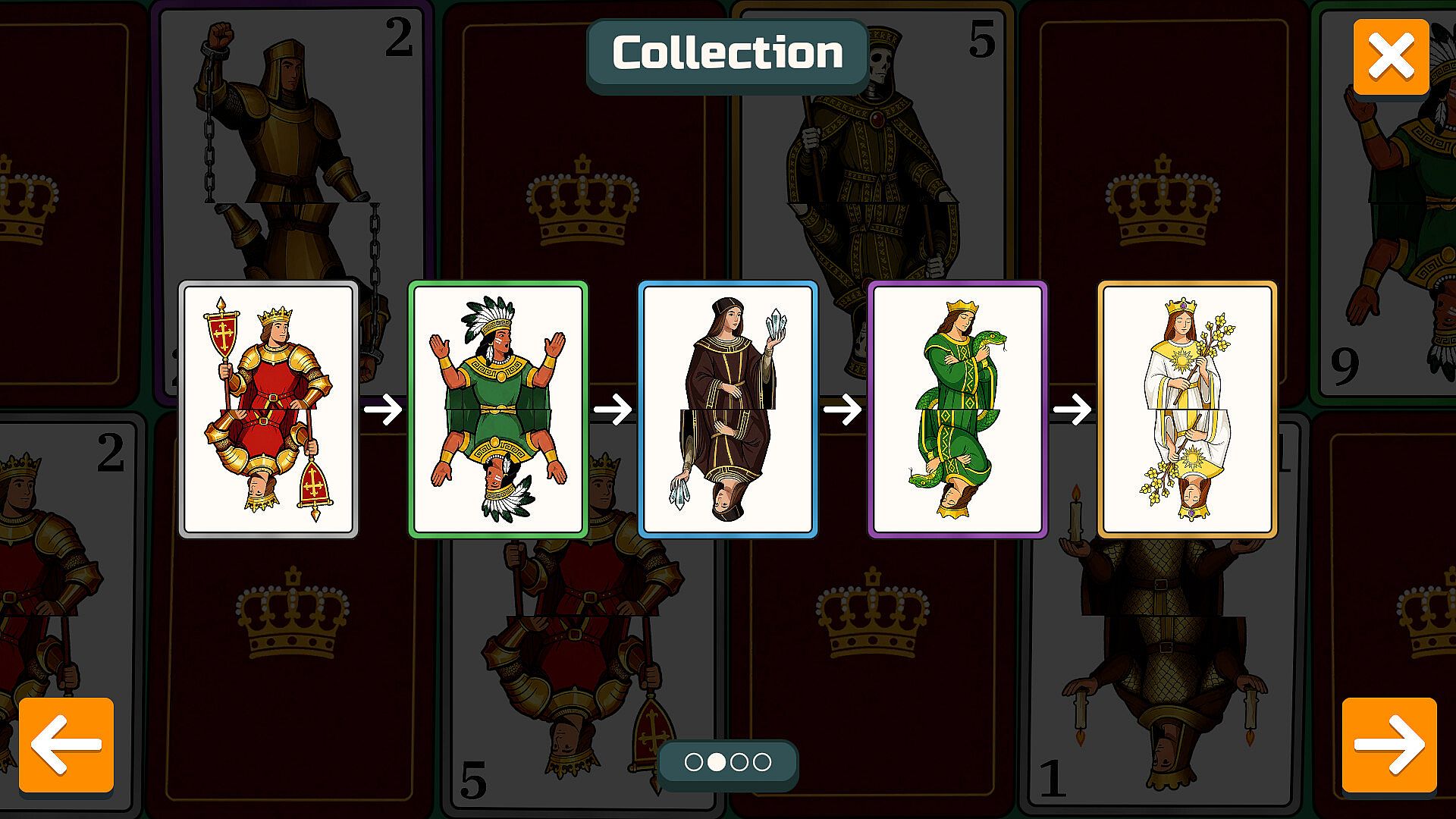
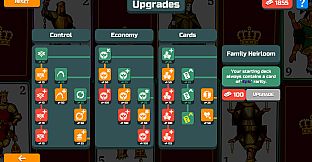
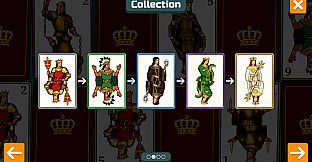
Beim Verschmelzen werden drei identische Karten zu einer Version höherer Seltenheit mit verstärkten Effekten kombiniert, die von Common bis Legendary reicht. Ungewollte Karten können verbrannt werden, um Influence zurückzugewinnen. Gold, das in Kämpfen gesammelt wird, bleibt zwischen Durchläufen erhalten und finanziert Meta-Upgrades in drei Kategorien: Tactics für neue Brettfähigkeiten, Economy für größere Influence-Vorräte und Deckbuilding für Startvorteile wie höhere Anfangsseltenheiten oder verbesserte Alchemie-Optionen.
Game Modes
Das Kernspiel besteht aus Roguelike-Durchläufen über zehn anspruchsvolle Level. Jeder Lauf erfordert es, ganze Gegnerdecks zu erobern und sich gleichzeitig an wechselnde Karteneffekte und Influence-Beschränkungen anzupassen. Fortschritts-Elemente ermöglichen es, gesammeltes Gold und Upgrades in nachfolgende Versuche mitzunehmen und so wiederholte Durchläufe mit sich weiterentwickelnden Strategien zu fördern.
Weitere Modi wie Mehrspieler oder separate Kampagnen sind nicht vorgesehen. Die Einzelspieler-Struktur konzentriert sich vollständig auf diese schrittweise aufgebauten Roguelike-Sitzungen, bei denen Deck-Erweiterung und Meta-Verbesserungen den zentralen Kreislauf bilden.
Key Mechanics and Progression
Durch das Verschmelzen steigen Karten in der Seltenheit auf und erhalten stärkere Effekte, die mit dem Investitionsaufwand skalieren. Positionsabhängige Interaktionen und das Management von Debuffs sorgen für zusätzliche Tiefe, sobald Gegnerkarten in die Sammlung gelangen. Influence fungiert als zentrale Begrenzung und macht jede Platzierungsentscheidung zu einem kalkulierten Risiko, das einen Durchlauf vorzeitig beenden kann.
Globale Upgrades, die mit aufgehobenem Gold erworben werden, bieten dauerhafte Vorteile. Erweiterungen in Tactics bringen neue Brettwerkzeuge, Economy-Erhöhungen verlängern die Positionierungsphasen und Deckbuilding-Verbesserungen optimieren die Startbedingungen sowie die Eroberung von Trophäen. Dieses System belohnt kontinuierliches Spielen, indem es die Optionen schrittweise erweitert, ohne die grundlegenden Herausforderungen zu verringern.
Is It Worth Playing?
Topdeck Duel richtet sich an Spieler, die Kartenspiel-Strategie schätzen, die direkte Kampfziehe mit taktischer Brettverwaltung und roguelike Risiko-Ertrags-Mechaniken verbindet. Das schrittweise Gold- und Upgradesystem unterstützt langfristiges Engagement durch wiederholte Durchläufe, bei denen jeder Versuch zu stärkeren Startpositionen und verfeinerten Taktiken führt.
Mit einer geplanten Veröffentlichung im Q4 2026 und dem Fokus auf Einzelspieler spricht das Spiel alle an, die zwanglose, aber durchdachte Sitzungen suchen, die auf der Anpassung an Karteneffekte und Ressourcengrenzen basieren. Fans von roguelike Deck-Building und Positionierungsrätseln finden den Kernloop ihren Vorlieben entsprechend, insbesondere wenn sie dauerhaften Fortschritt schätzen, der Ausdauer über mehrere Versuche hinweg belohnt.