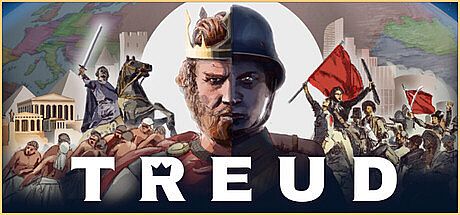


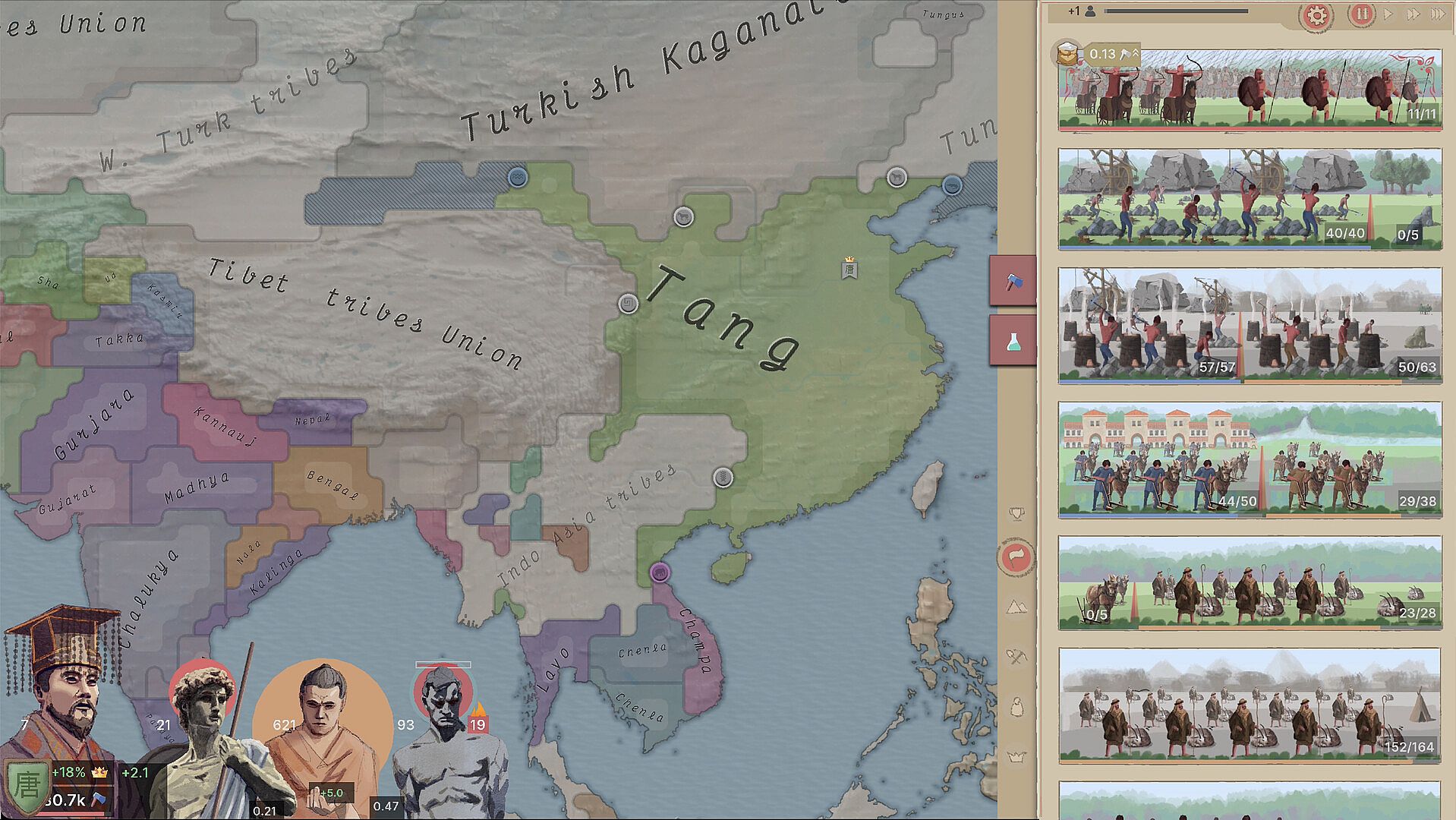
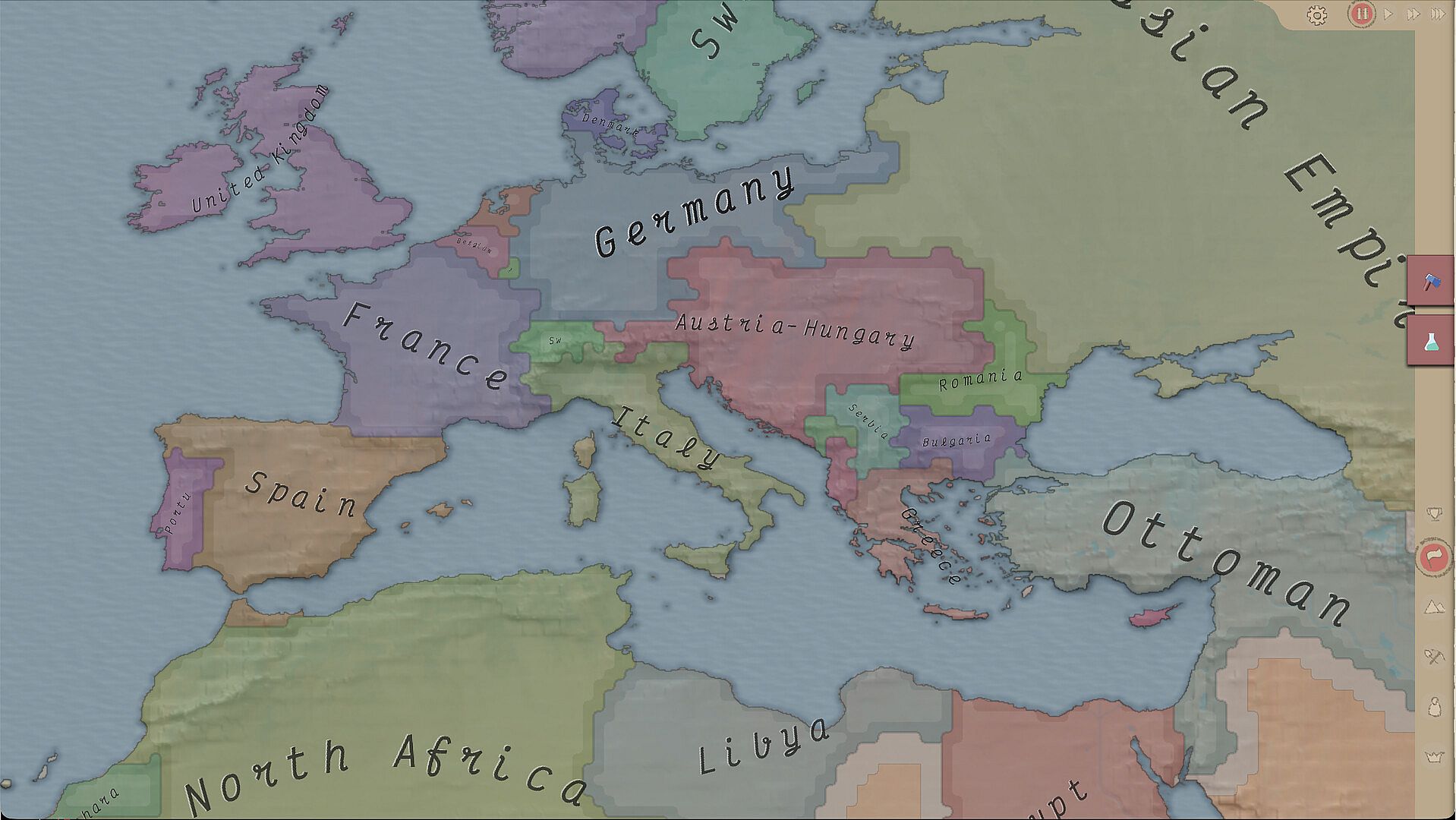
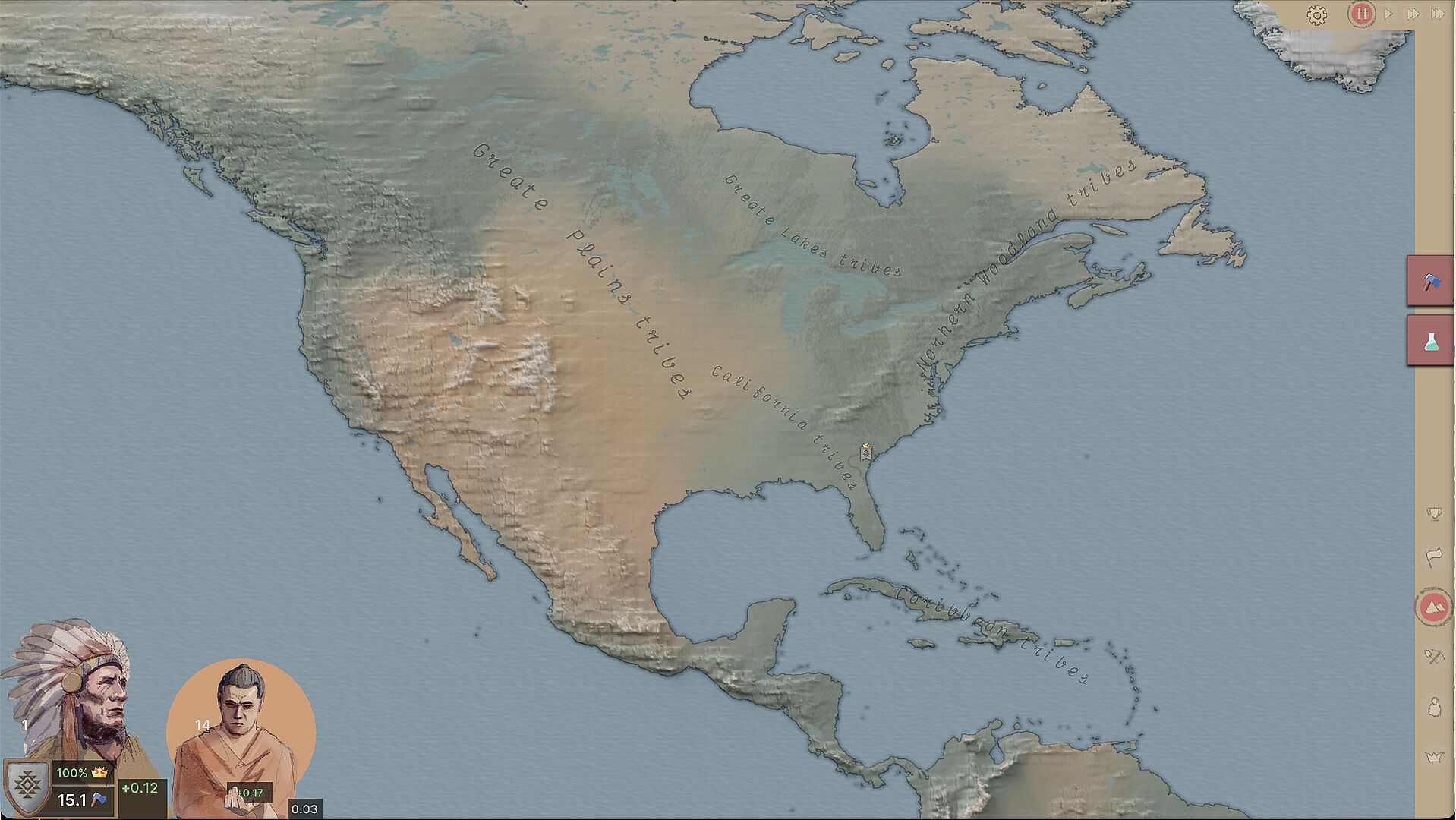
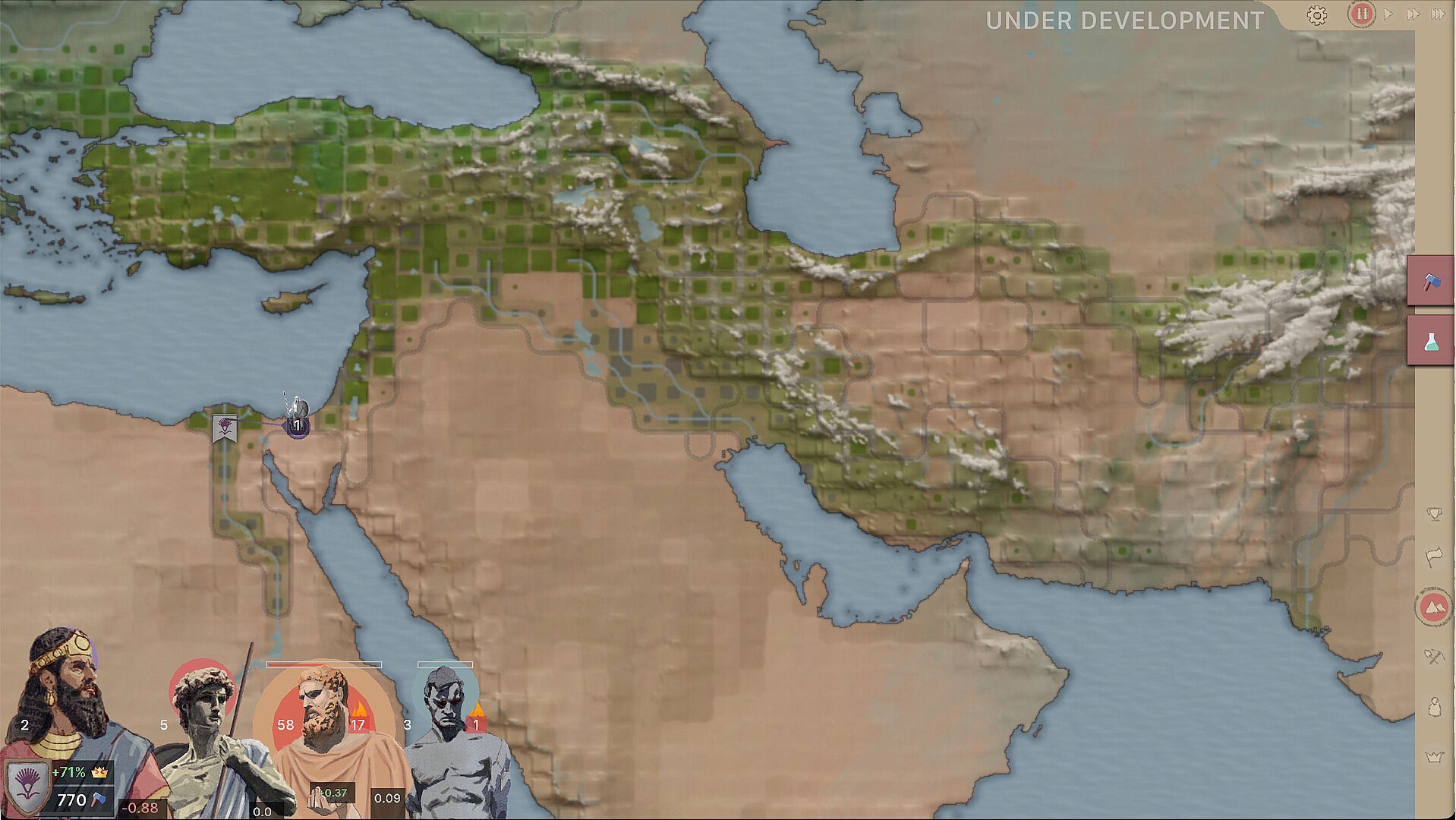
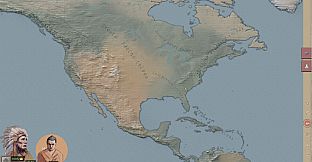
TREUD stands as a grand strategy game for PC that recreates historical development across twelve thousand years through interconnected systems. Players guide societies from early tribal structures toward more complex states by managing production, social relations, and territorial control without reliance on fixed scripts or events.
Gameplay
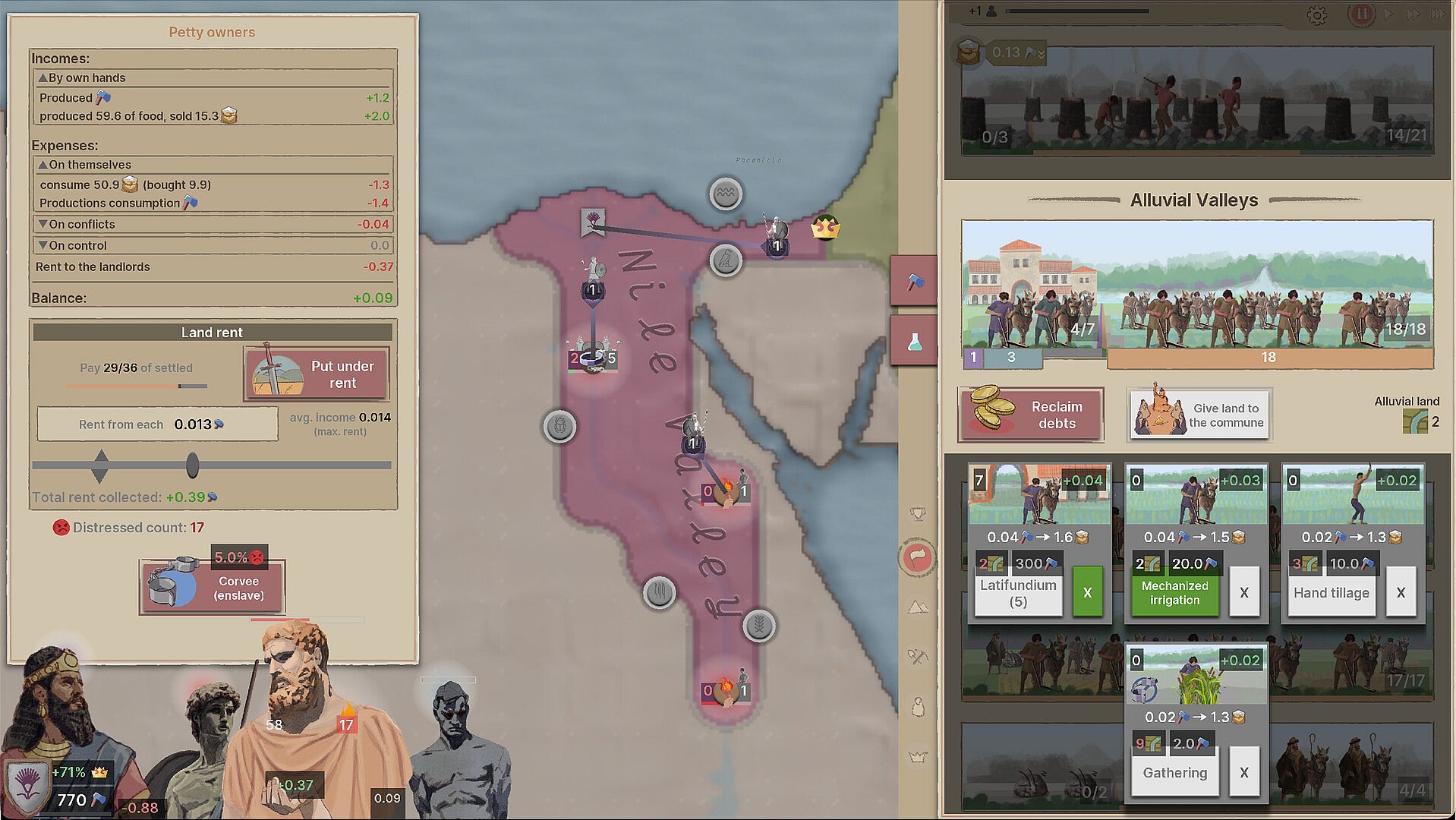
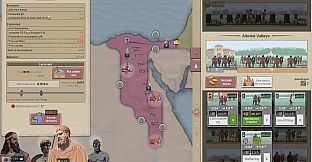
The core loop centers on directing the ruling class within a closed economy where every resource traces back to human labor. Food, tools, and materials circulate through markets shaped by supply, demand, and population income, with prices emerging dynamically rather than from preset values. Within tribes or planned systems, distribution bypasses markets entirely, yet broader interactions rely on exchange that must reach actual consumers to sustain wages or slave upkeep.
Society divides into distinct classes including landowners, petty owners, capitalists, slaves, and workers. The player embodies the interests of the dominant group and adjusts policies such as taxation, enslavement, or hiring to maintain stability. Unmet needs build discontent that can spark rebellions, while internal governance requires structures that secure profits and authority to prevent separatism or coups within the ruling stratum itself.
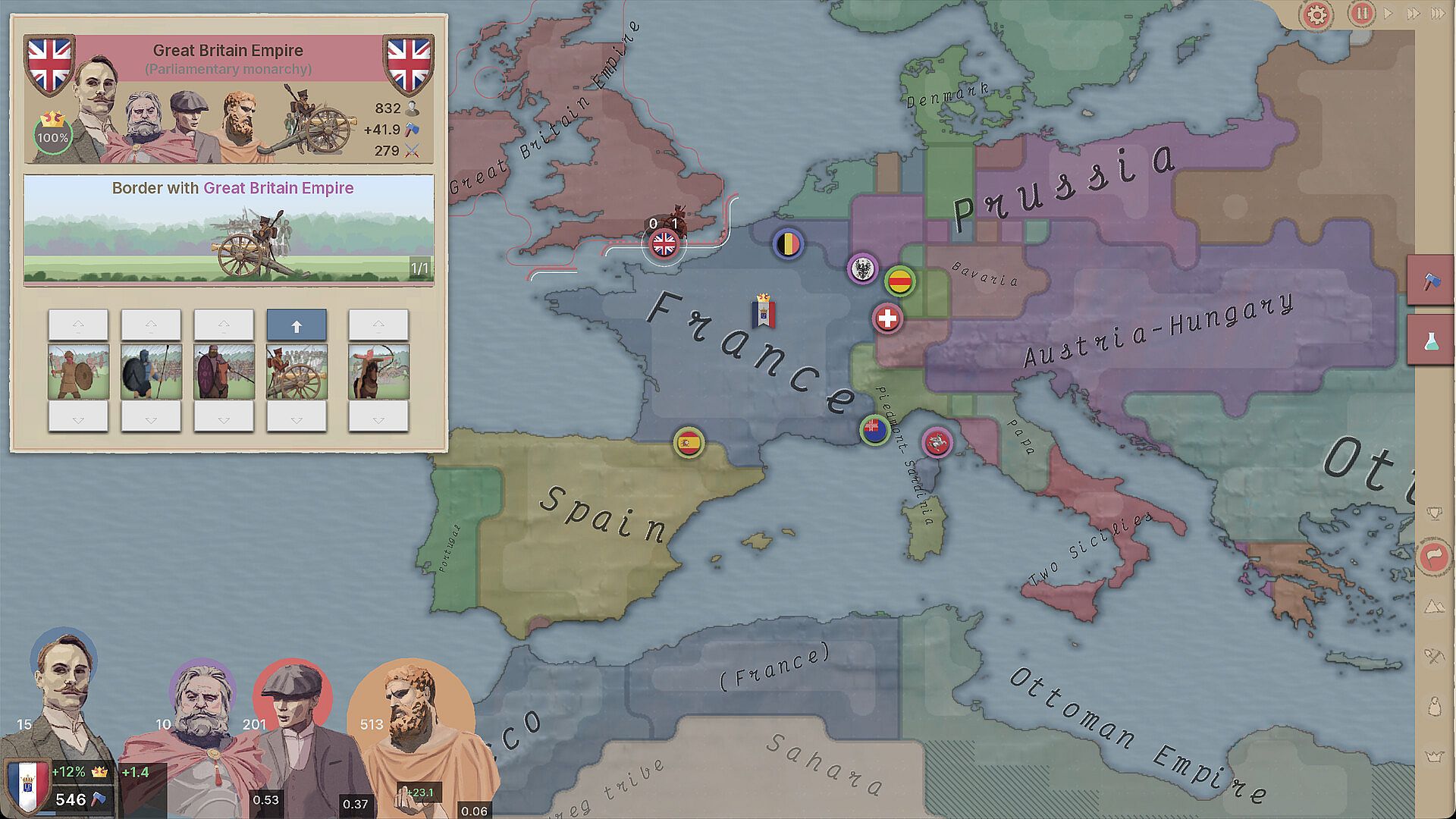
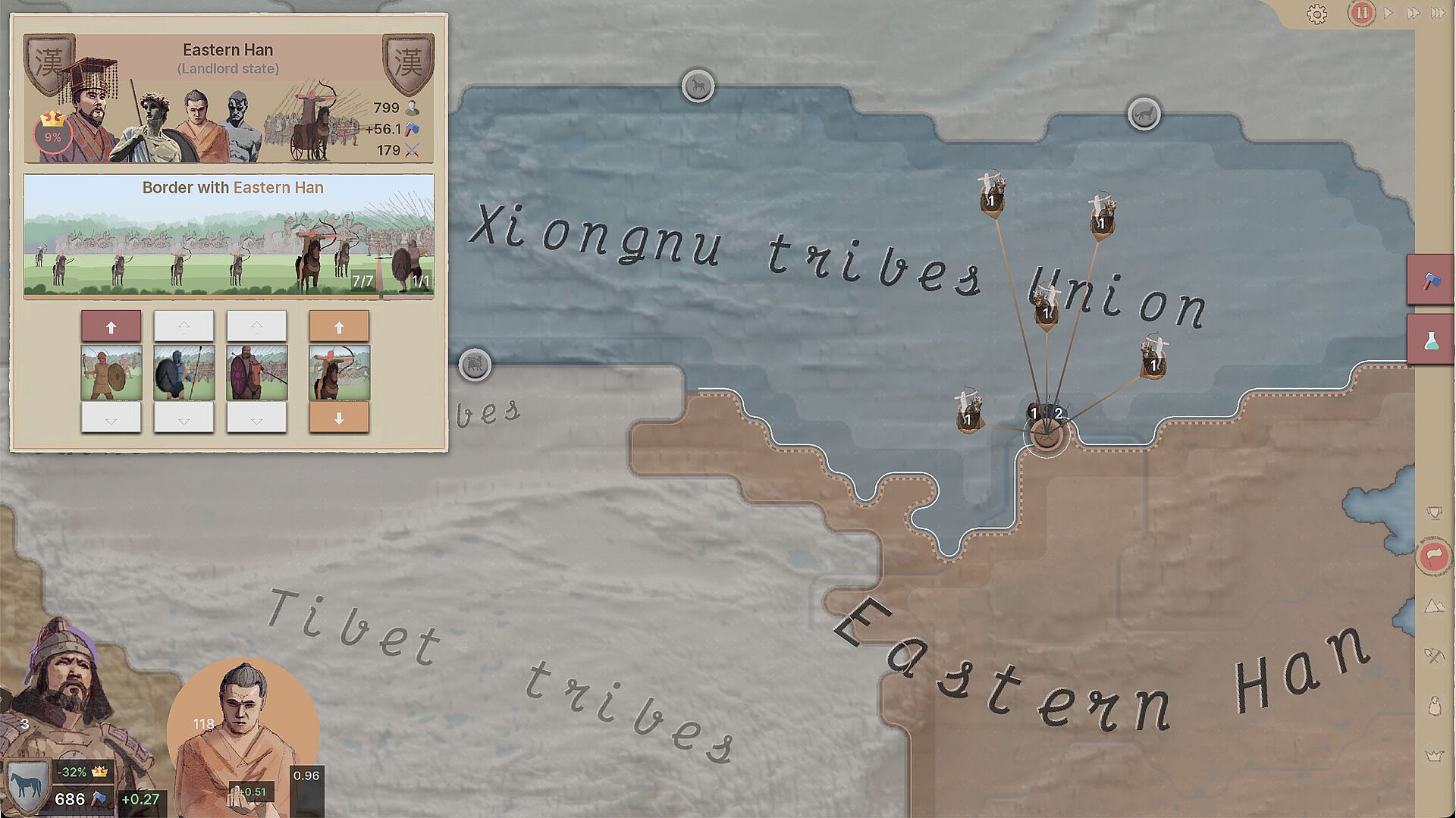
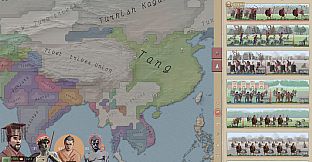
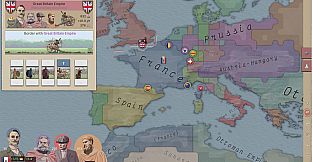
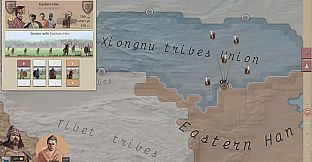
Military operations rely on fronts where armies receive allocation to secure borders and support diplomacy. Expansion brings economic gains through larger provinces, yet control systems factor terrain and infrastructure into distances, creating political limits that prevent unchecked growth. Investment in foreign territories or colonial establishment offers alternatives to direct conquest, especially under advanced capitalism where cheap labor abroad often proves more viable than annexation.
Game Modes
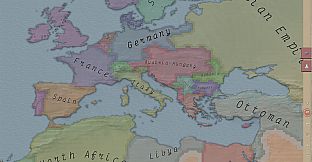
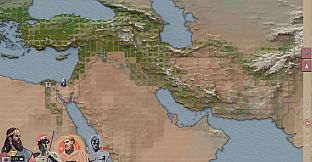
The experience unfolds entirely in single-player format. Systems generate outcomes across hundreds of tribes and states, allowing one society to evolve amid regional powers that rise and fall according to technological, agricultural, and demographic pressures rather than predetermined paths.
Economy and Class Systems
Production occurs through workplaces that the ruling authority can construct or seize from independent owners. Labor supply remains a constant concern, as classes shift roles across eras. Slaves handle basic tasks early on, while later industrialization bolsters capitalists who may challenge the existing power structure. Discontent management extends to maintaining vertical authority, with crises potentially escalating into full revolutions where play can continue under new leadership in separatist regions.
Is It Worth Playing?
Those drawn to detailed simulations of historical processes, economic interdependence, and class-based power struggles will find the systems here align closely with those interests. The absence of scripted narratives places emphasis on emergent outcomes driven by production, legitimacy, and military positioning. With release scheduled for 2027 and no reviews available yet, the title suits players who value depth in grand strategy over immediate accessibility or multiplayer options. Early indications from the described mechanics point to a focused single-player experience centered on long-term societal management.