


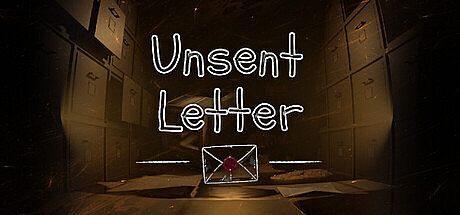


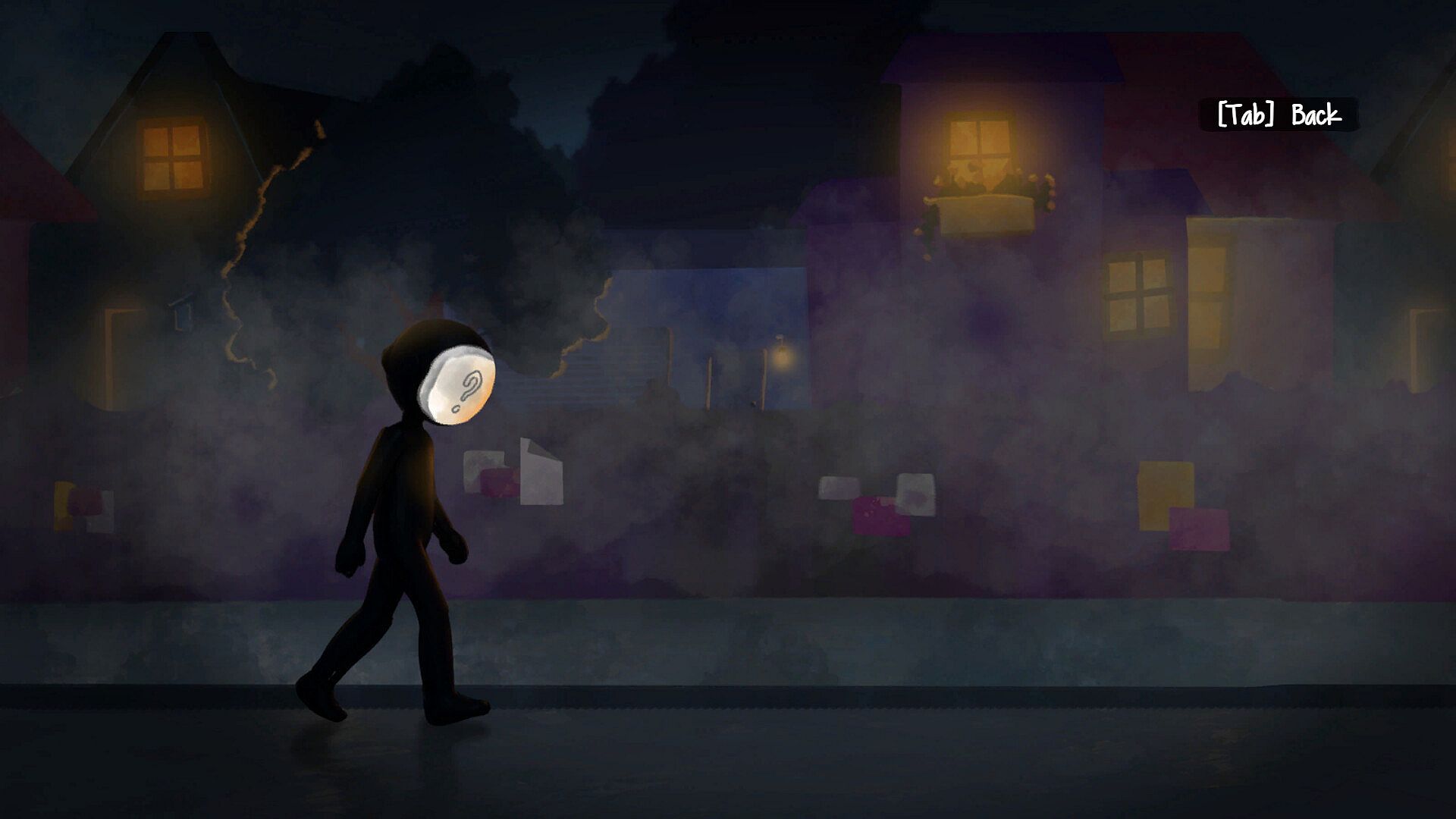
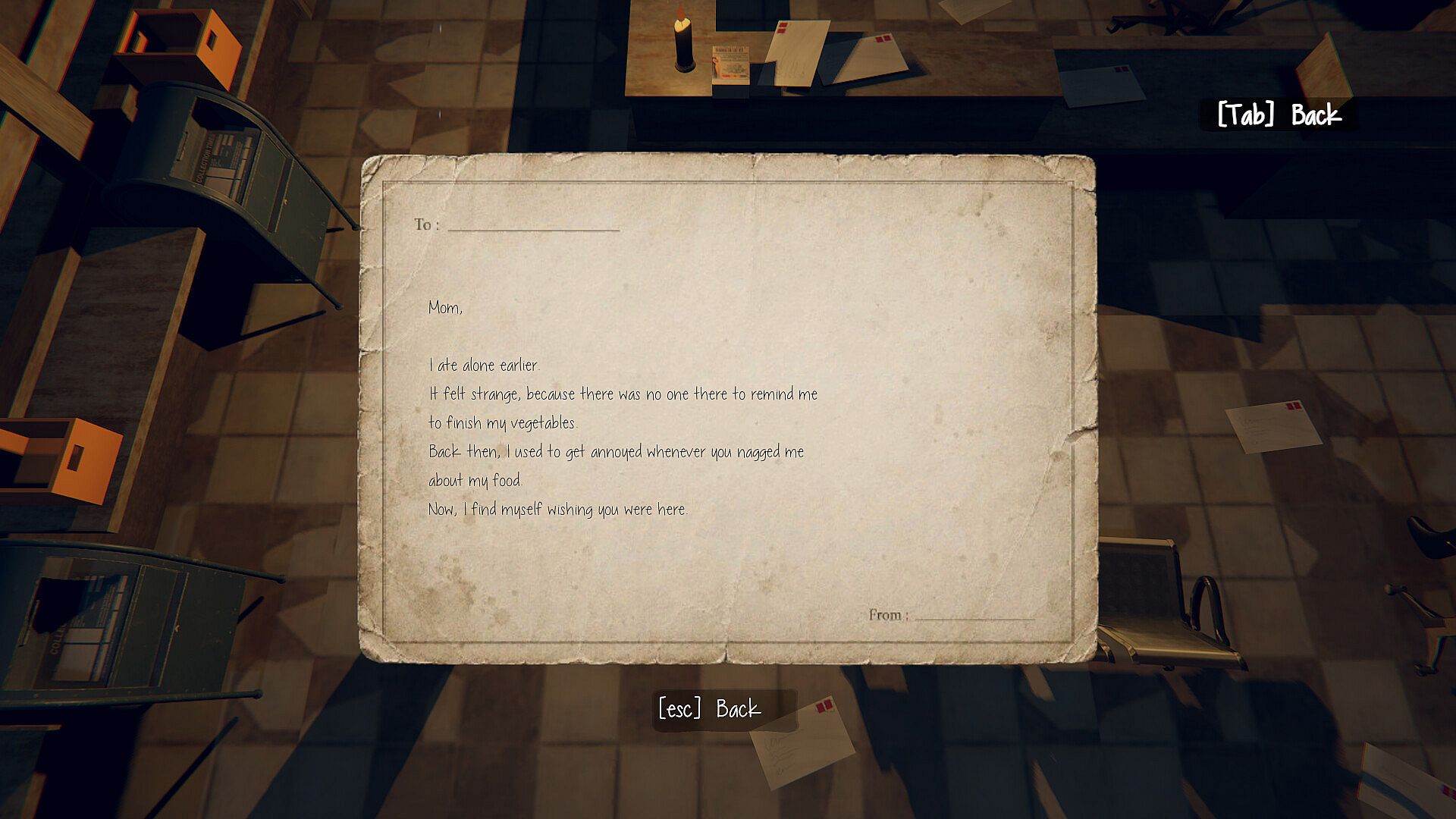
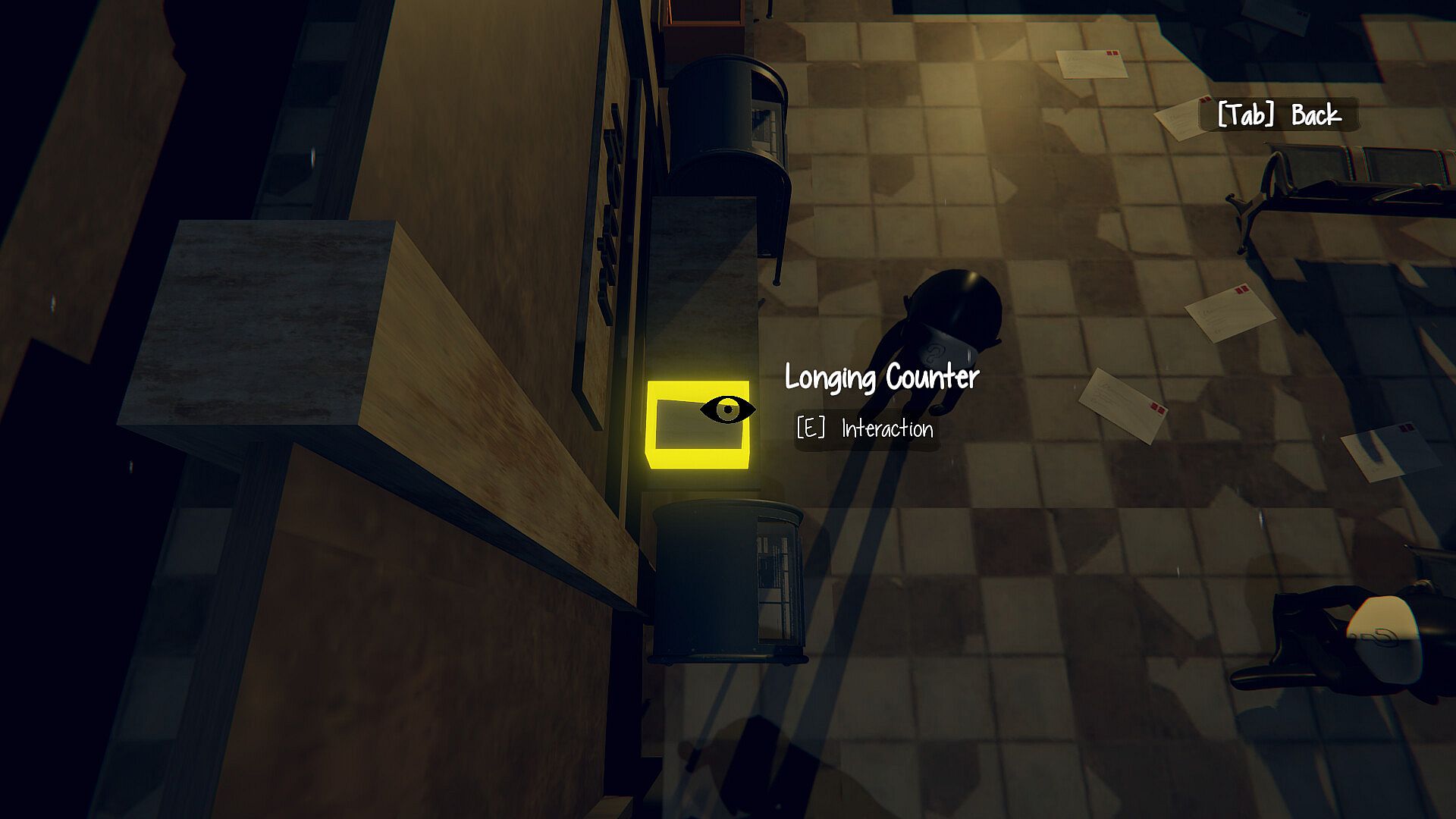
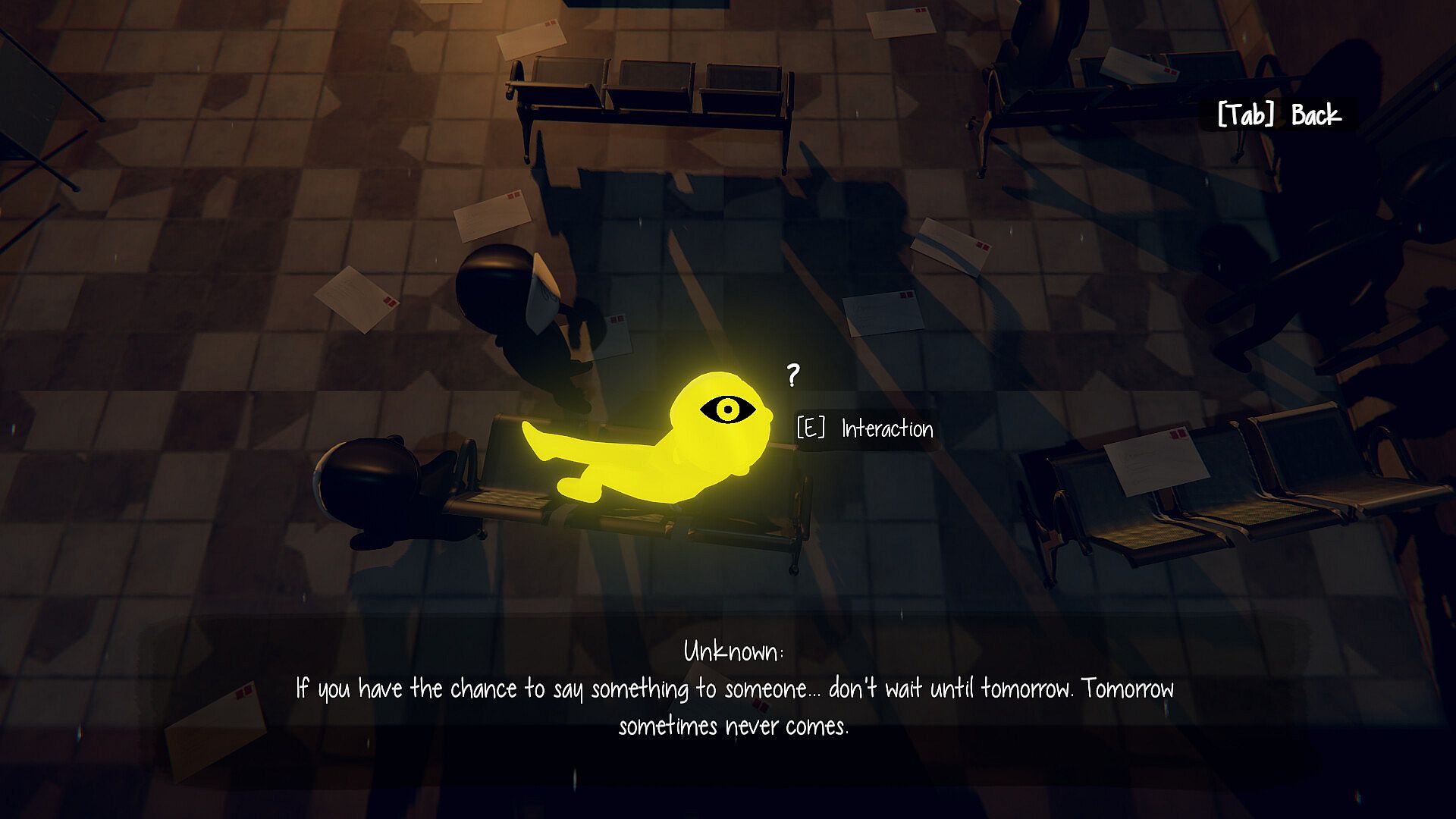
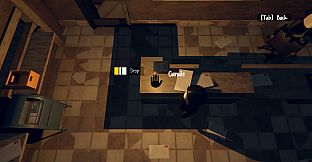
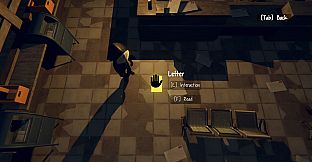
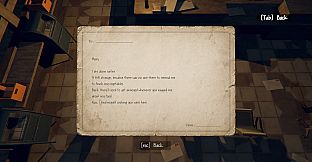
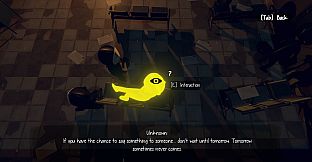
Unsent Letter is an indie adventure game built around psychological horror on PC. Players take on the role of Unknown inside a mysterious post office filled with rain, distant train sounds, and layers of forgotten correspondence. The core experience centers on uncovering the story of Raka and the family he lost through scattered letters, photos, tickets, and documents that gradually reveal a larger tragedy.
Gameplay
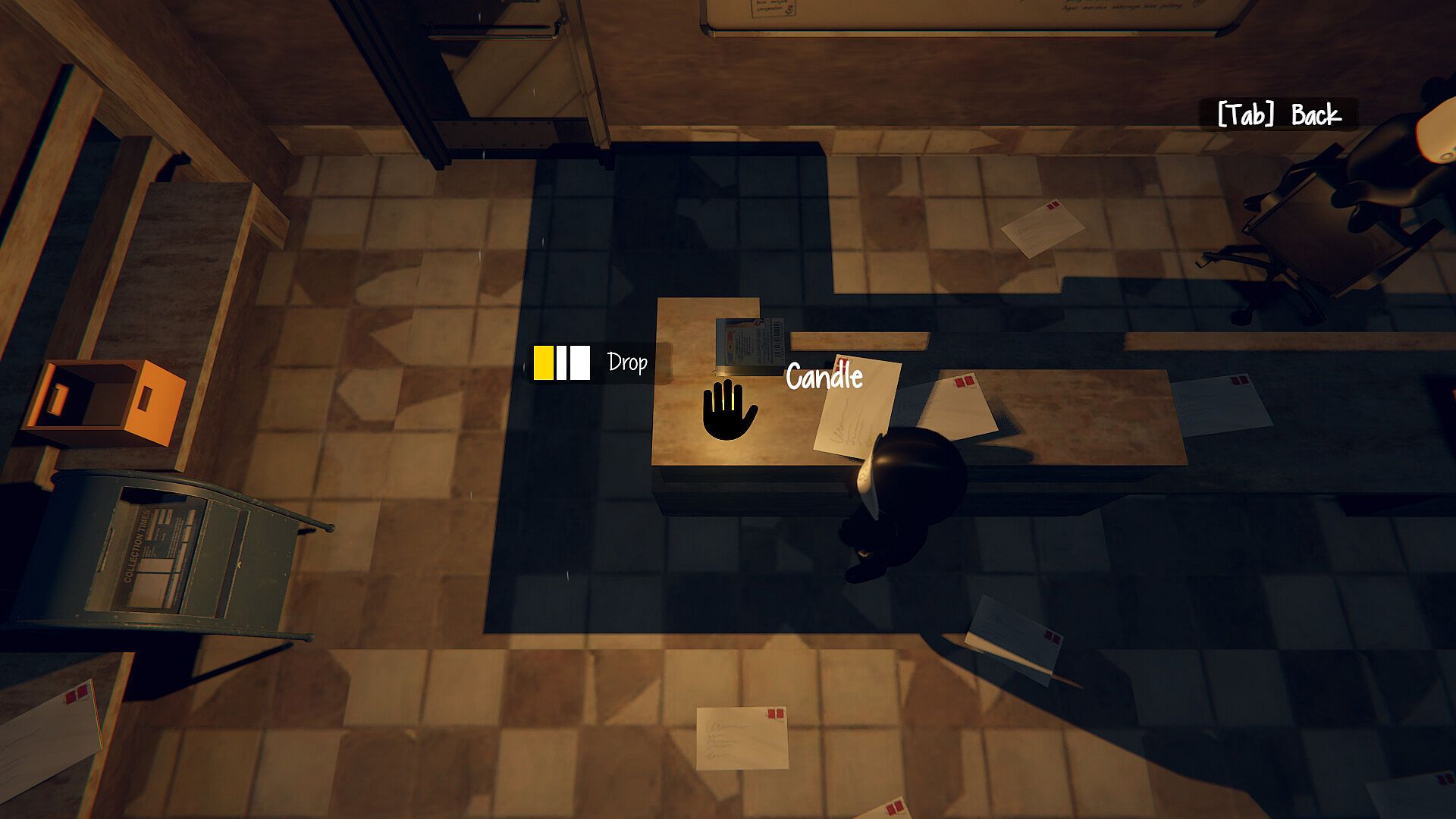
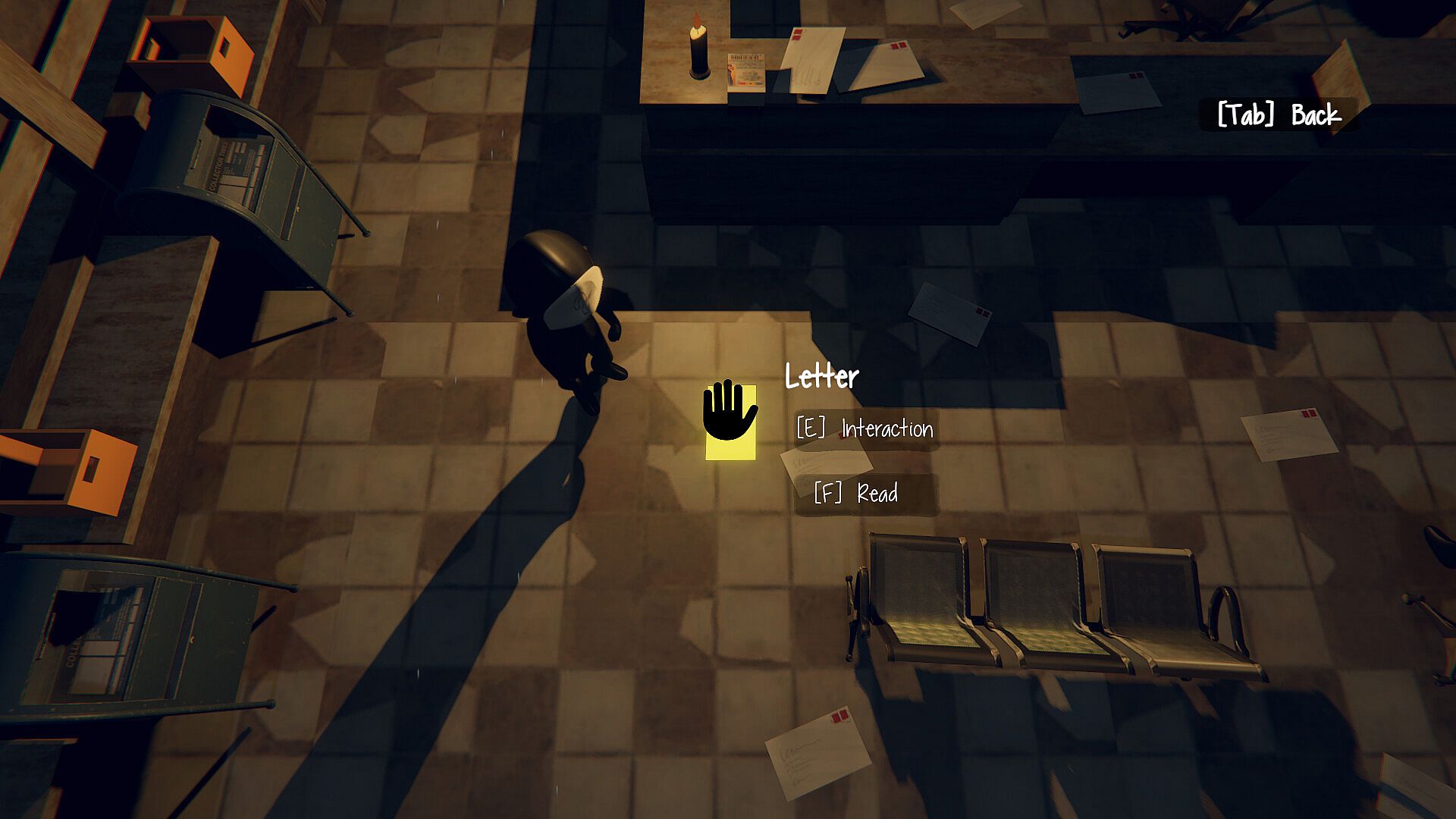
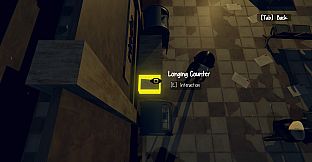
The gameplay loop revolves around careful exploration of the post office environment and the memories tied to it. Players search rooms and objects for clues while reading letters and messages that advance the narrative in fragments. Sorting these items into categories such as Apology, Hope, and Longing, then arranging them chronologically, unlocks further sections of the story. Puzzles draw directly from environmental details, clock times, dates, and the contents of documents rather than traditional mechanics. Switching between the perspective of Unknown in the present post office and Raka within his past memories adds layers to how information is gathered and interpreted. The 3D setting emphasizes dim lighting, persistent rain, flickering lamps, and ambient train rumbles to build tension through atmosphere alone.
Game Modes
The game operates as a single-player narrative experience with no separate multiplayer or competitive modes. Progression follows a linear story path that branches through player choices in how letters are sorted and interpreted. The structure encourages repeated playthroughs to connect all pieces and reach different conclusions, including the option to compose and send a final personal letter that concludes the journey.
Story and Narrative Structure
Nothing in the story is delivered through direct exposition. Instead, the tale of loss and regret emerges entirely from connecting letters, photographs, train tickets, and memory fragments. The central mystery builds toward a significant twist that reframes earlier events and relationships. Themes of words left unsaid and the weight of unresolved emotions drive the emotional core without relying on external threats or sudden shocks.
Atmosphere and Presentation
The world uses restrained visual and audio design to convey isolation. Dimly lit interiors contrast with the sound of steady rain and passing trains, creating a sense of quiet unease. Environmental details such as scattered objects and changing perspectives between the post office and memory sequences reinforce the focus on personal history and emotional distance. The final act allows players to contribute their own letter, providing a direct way to engage with the game's central idea of closure.
Is It Worth Playing?
Unsent Letter suits players who prefer story-driven psychological horror that prioritizes emotional depth and careful observation over action or jump scares. Its mechanics of sorting and connecting documents create a deliberate pace that rewards attention to detail and multiple play sessions. Those drawn to atmospheric single-player adventures centered on themes of loneliness and regret will find a focused experience that builds its impact through narrative discovery rather than spectacle. The game stands as a complete, self-contained title with no additional content required beyond the base story.











