






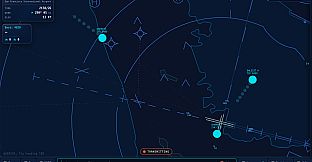
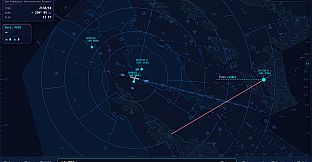
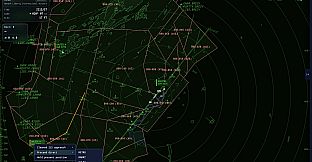
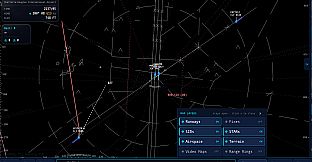
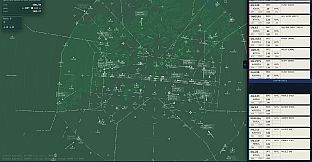
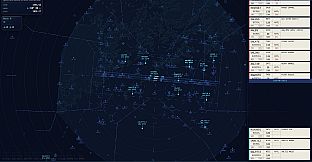
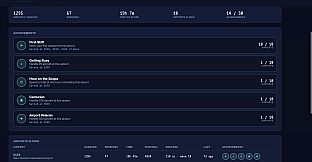
Vectorline: Air Traffic Control Simulator is a strategy, indie, casual, and simulation game for PC that places players in the role of an air traffic controller managing real-world airspace. The experience centers on authentic procedures for sequencing departures from runways, vectoring arrivals onto instrument landing system approaches, and maintaining safe separation between aircraft at all times. Built around realistic traffic patterns and airline schedules, the title emphasizes precise decision-making under pressure while remaining accessible for new players.
Gameplay
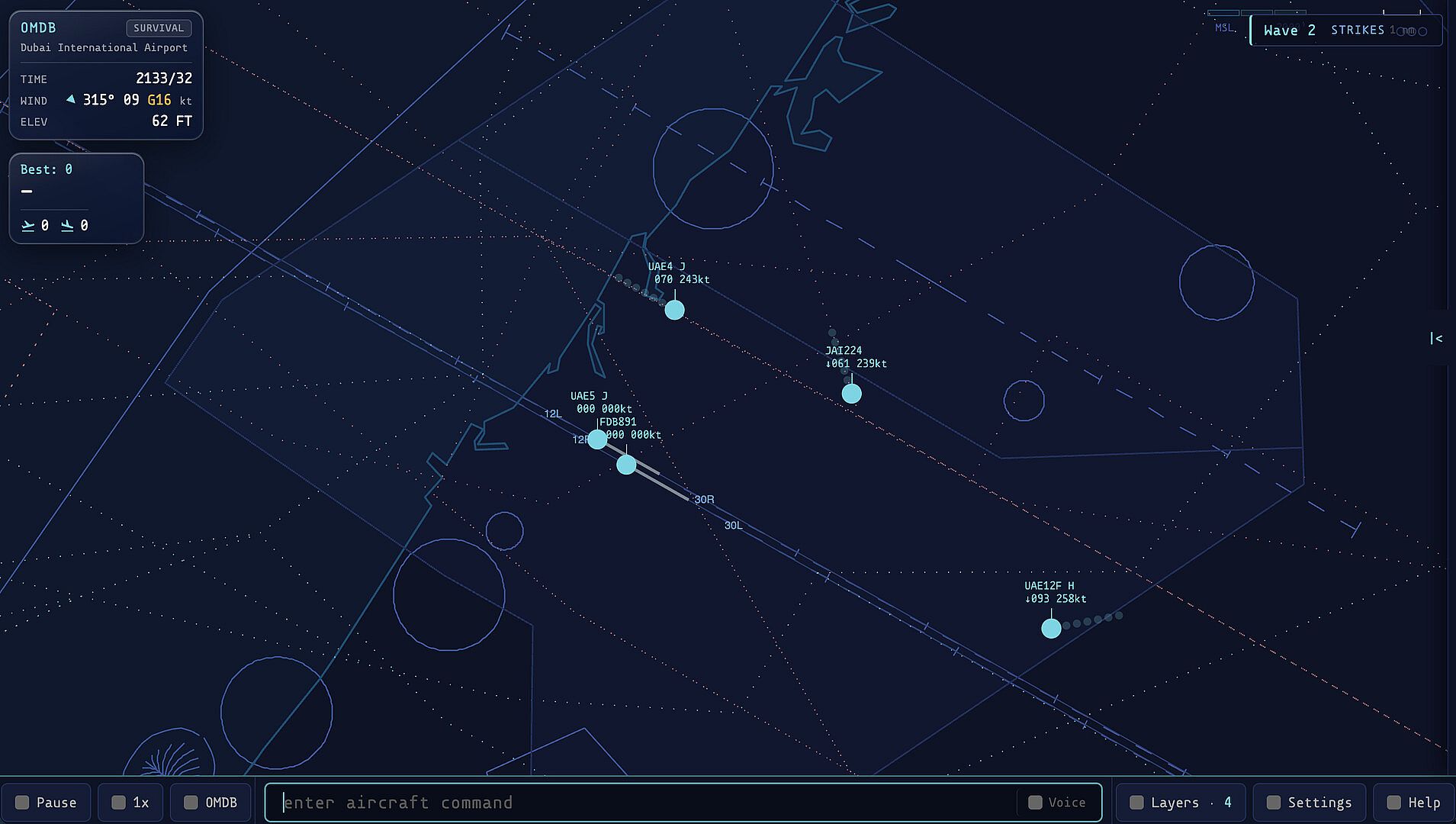
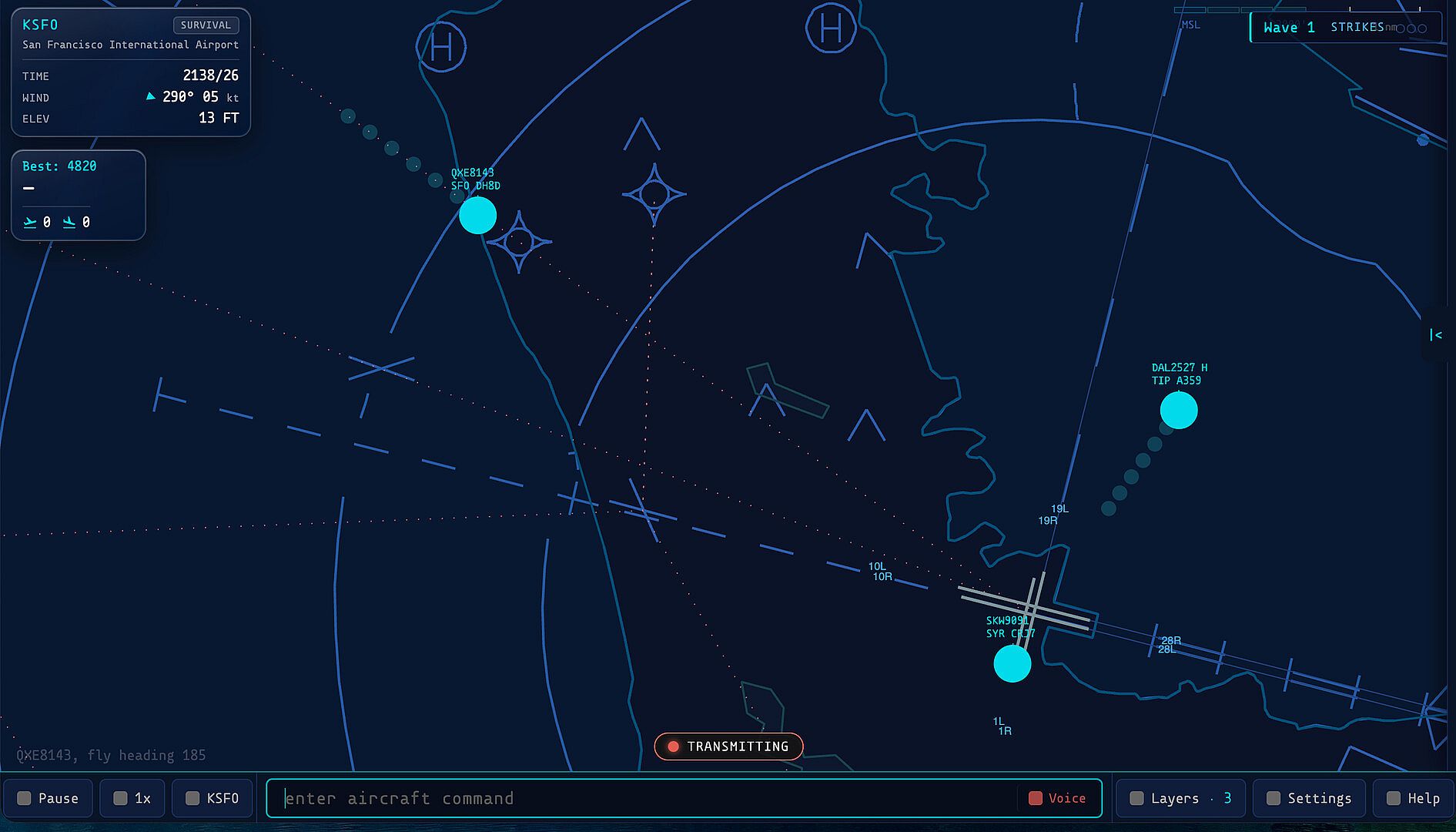
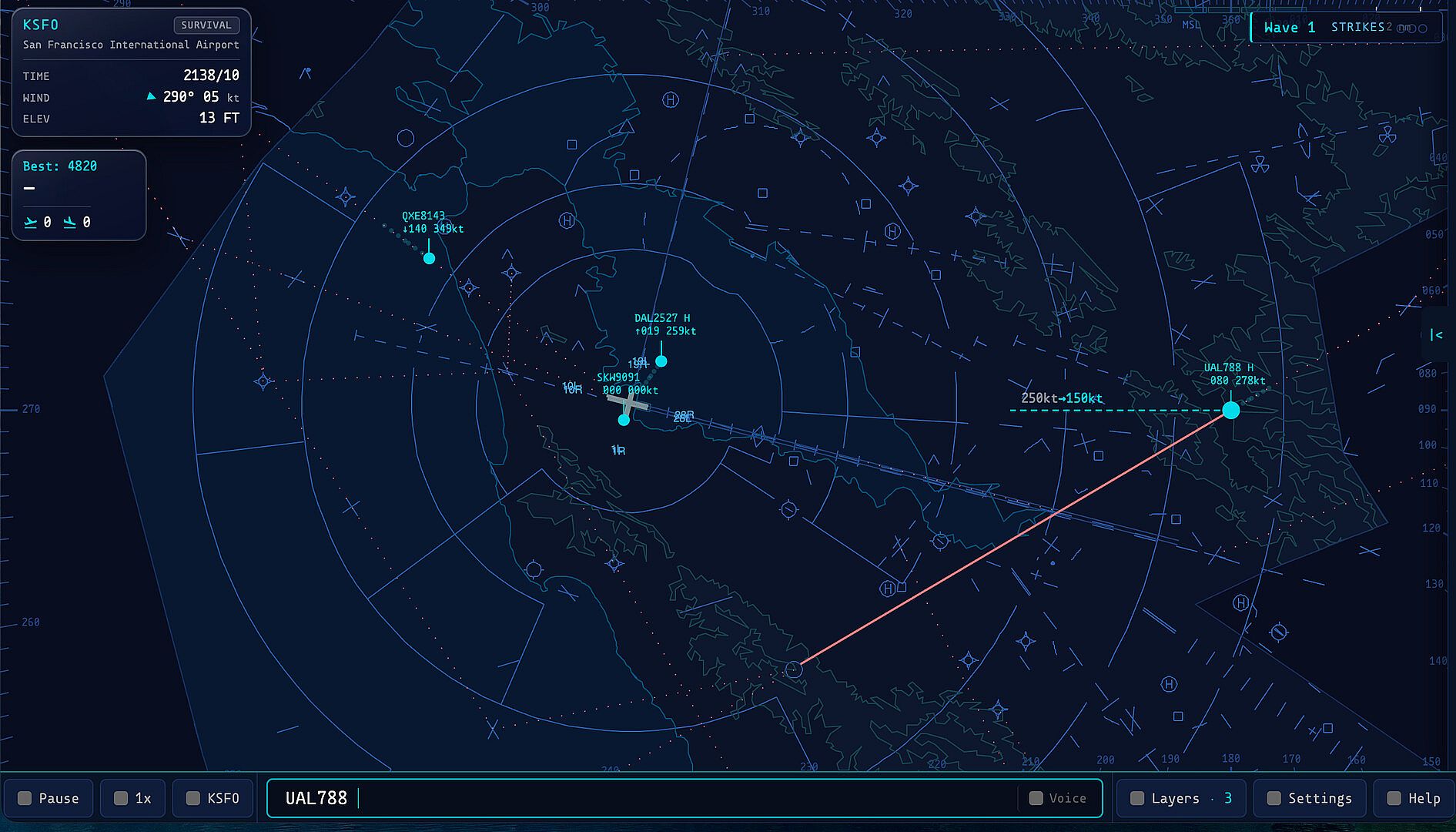
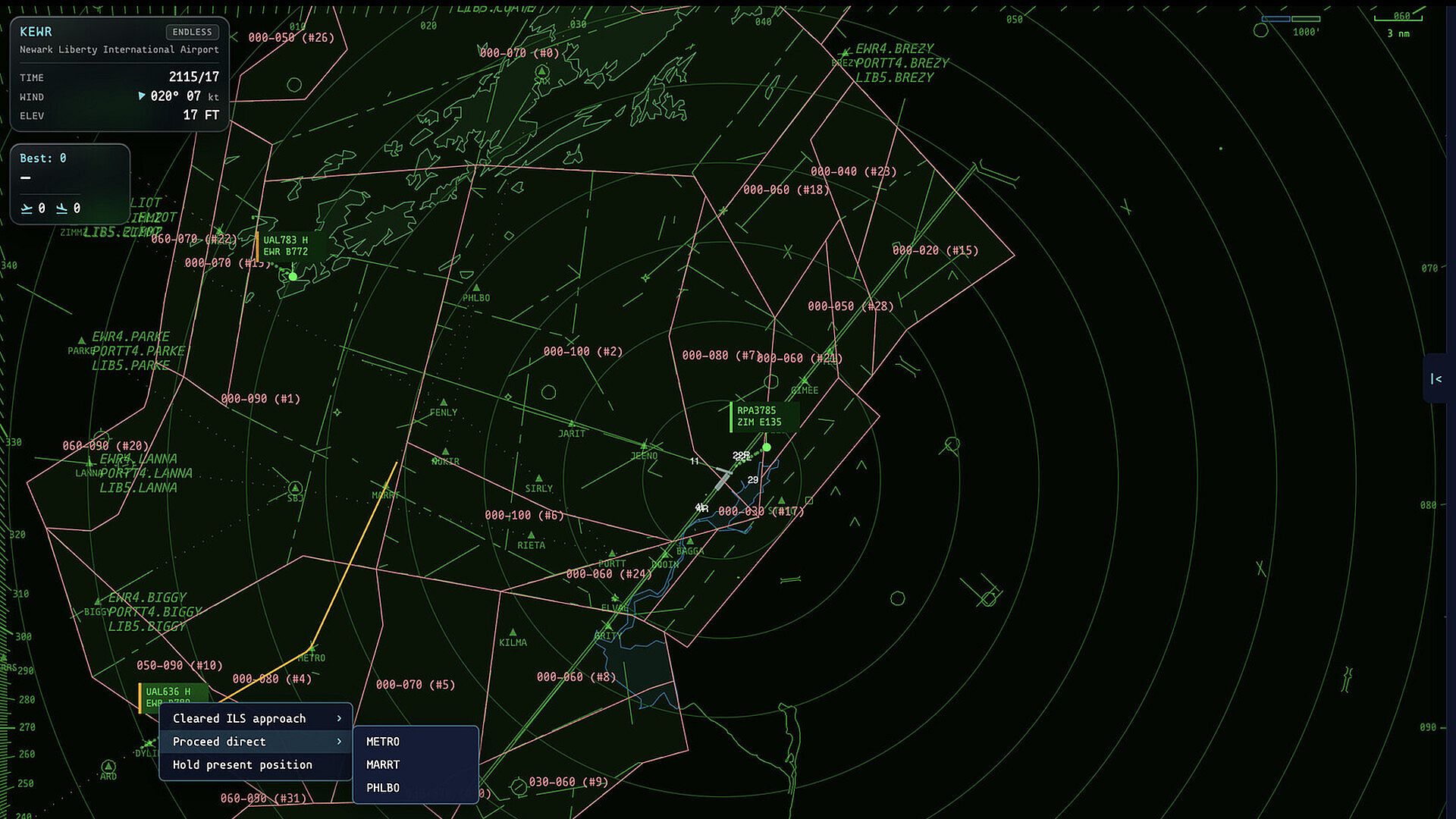
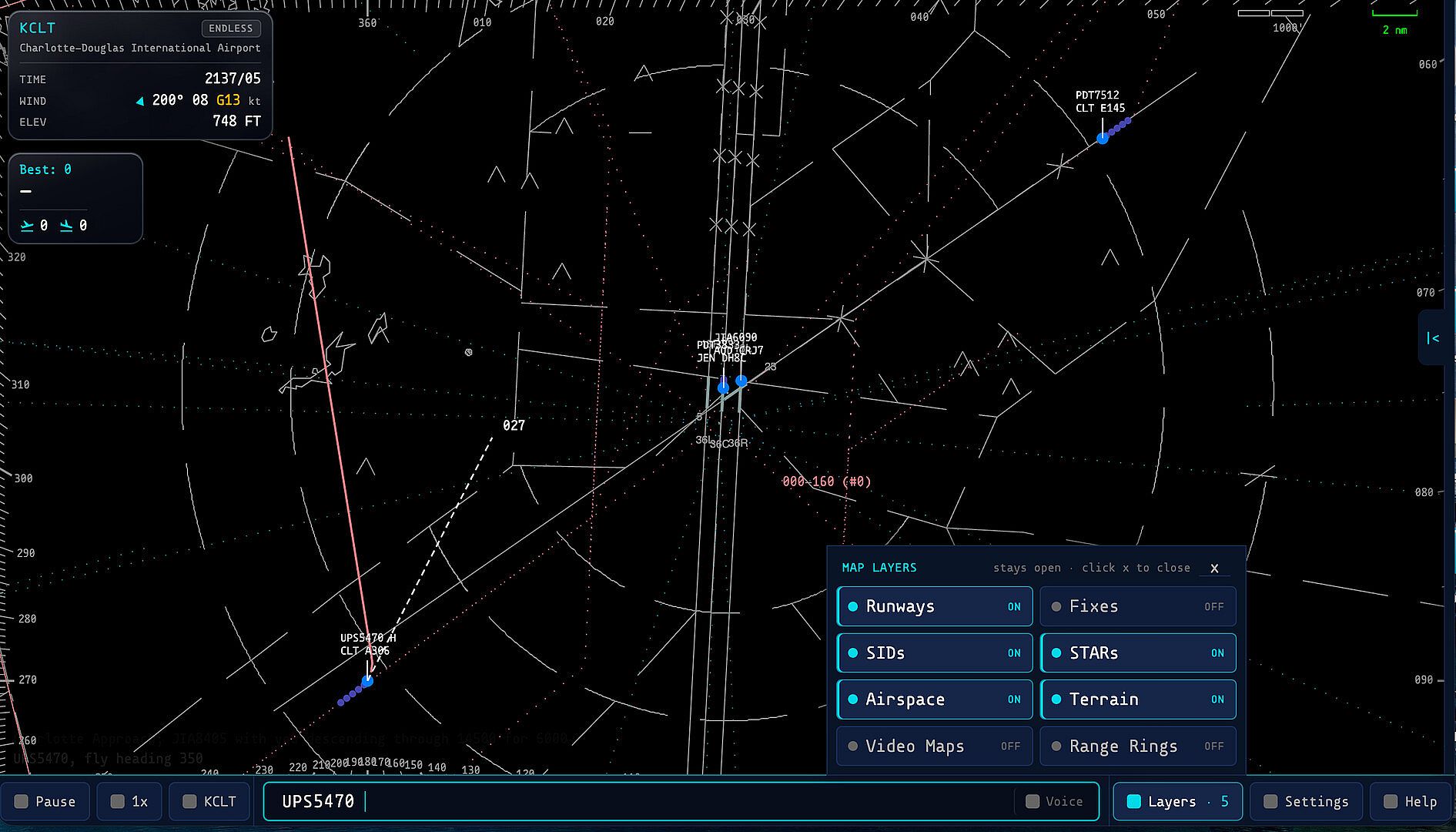
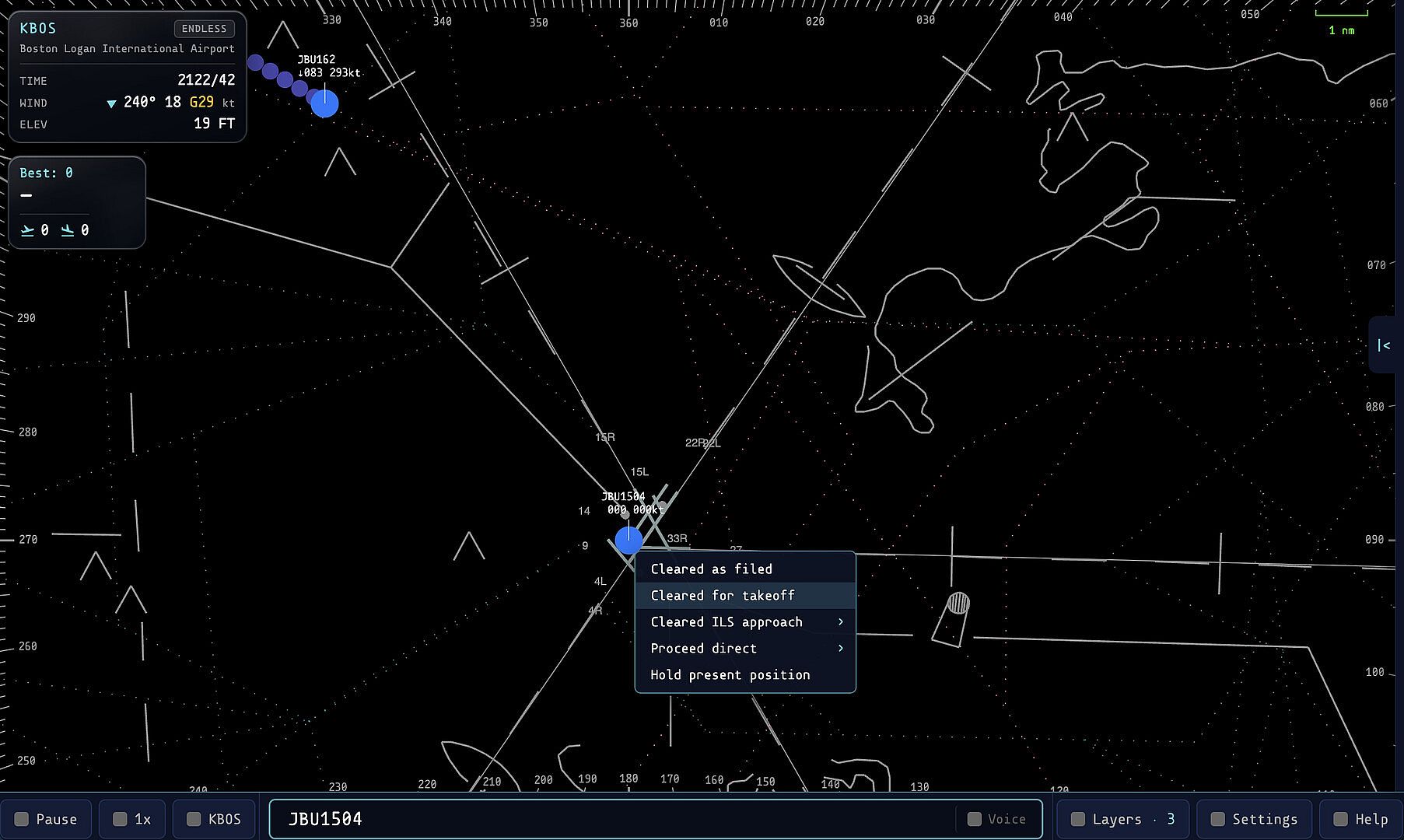
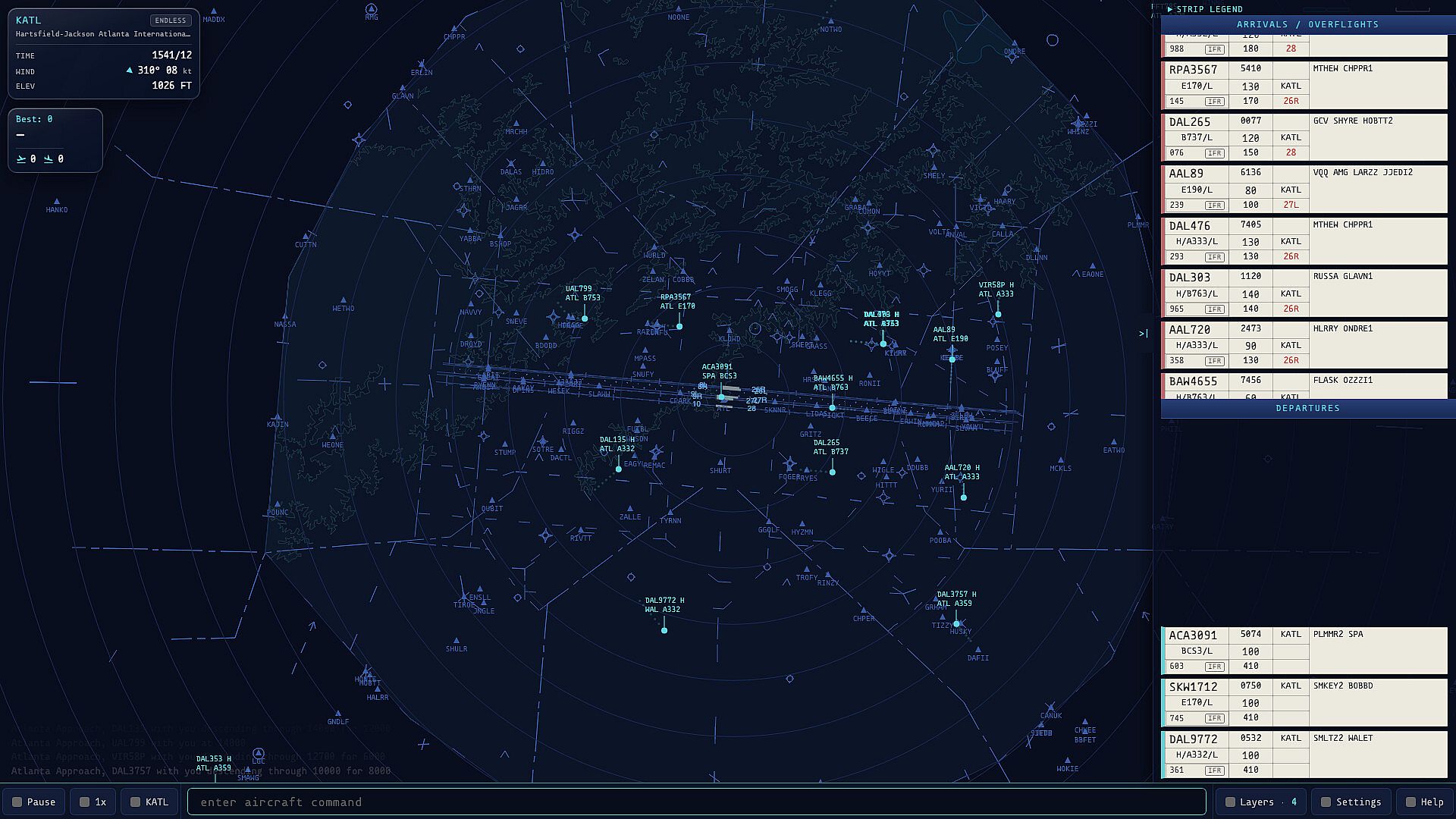
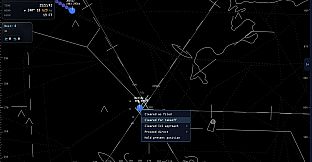
Core gameplay revolves around directing multiple aircraft through a combination of typed commands, mouse interactions, and optional voice input. Players issue clearances using standard ATC phraseology, such as directing a flight to a specific heading or altitude. The interface supports direct selection of targets followed by drag actions to adjust heading, with shift-drag options for altitude or speed changes. Right-click menus provide quick access to common instructions, allowing fluid control without constant typing.
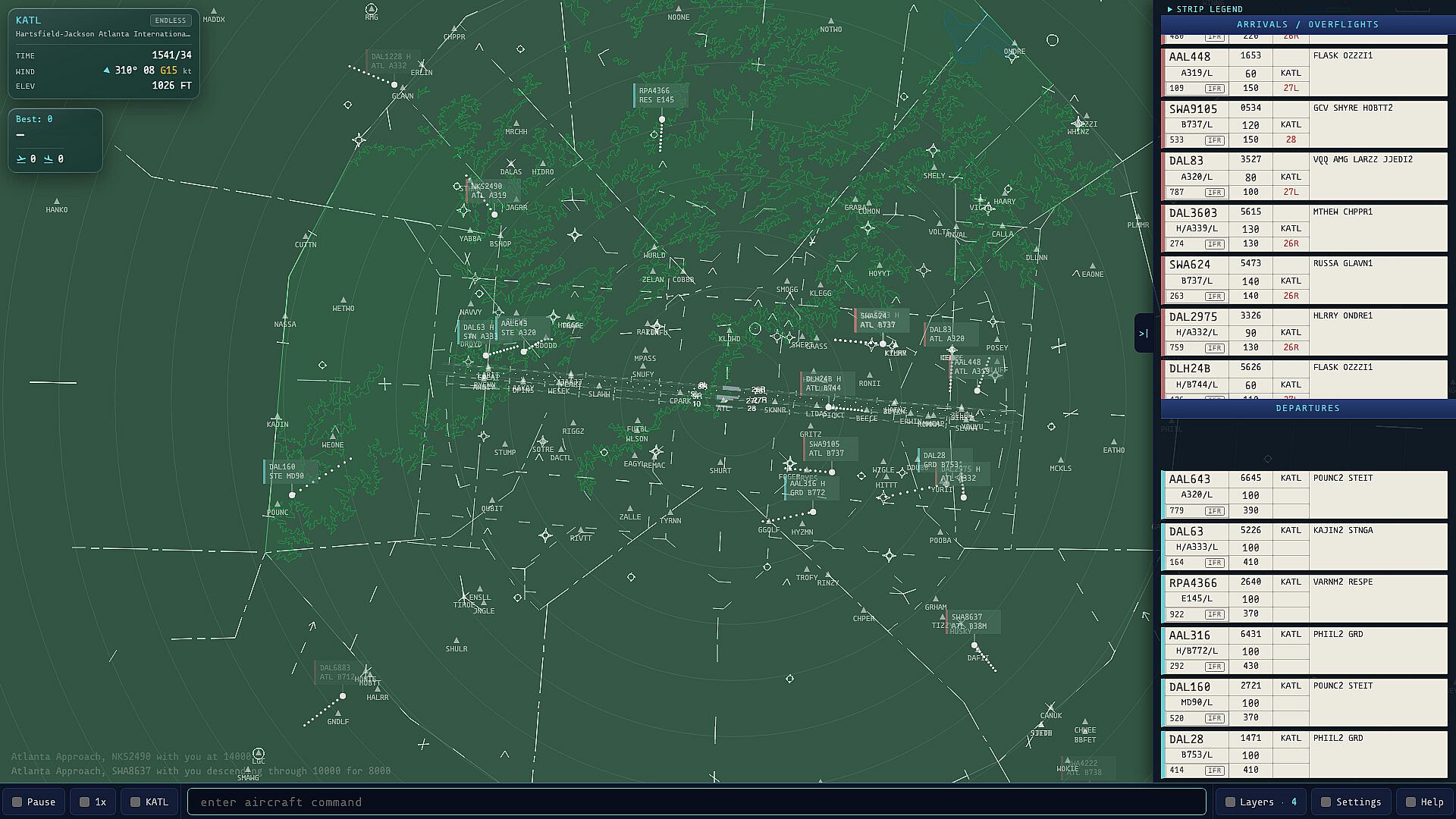
Voice recognition adds another layer by letting players speak clearances aloud, mirroring real controller workflows. Live hints appear during play to reinforce proper radar phraseology and syntax. Aircraft follow published standard instrument departures and arrivals, with vectoring used to align them for final approaches. Holding patterns can be assigned over actual navigation fixes, and traffic spawns according to realistic schedules tied to specific airlines and airports.
The simulation demands constant attention to separation standards while handling simultaneous arrivals and departures. Each airport presents unique runway layouts, airspace boundaries, and flow patterns that influence strategy. Sessions build intensity during peak periods, requiring rapid prioritization of departures, arrivals, and en-route traffic.
Game Modes
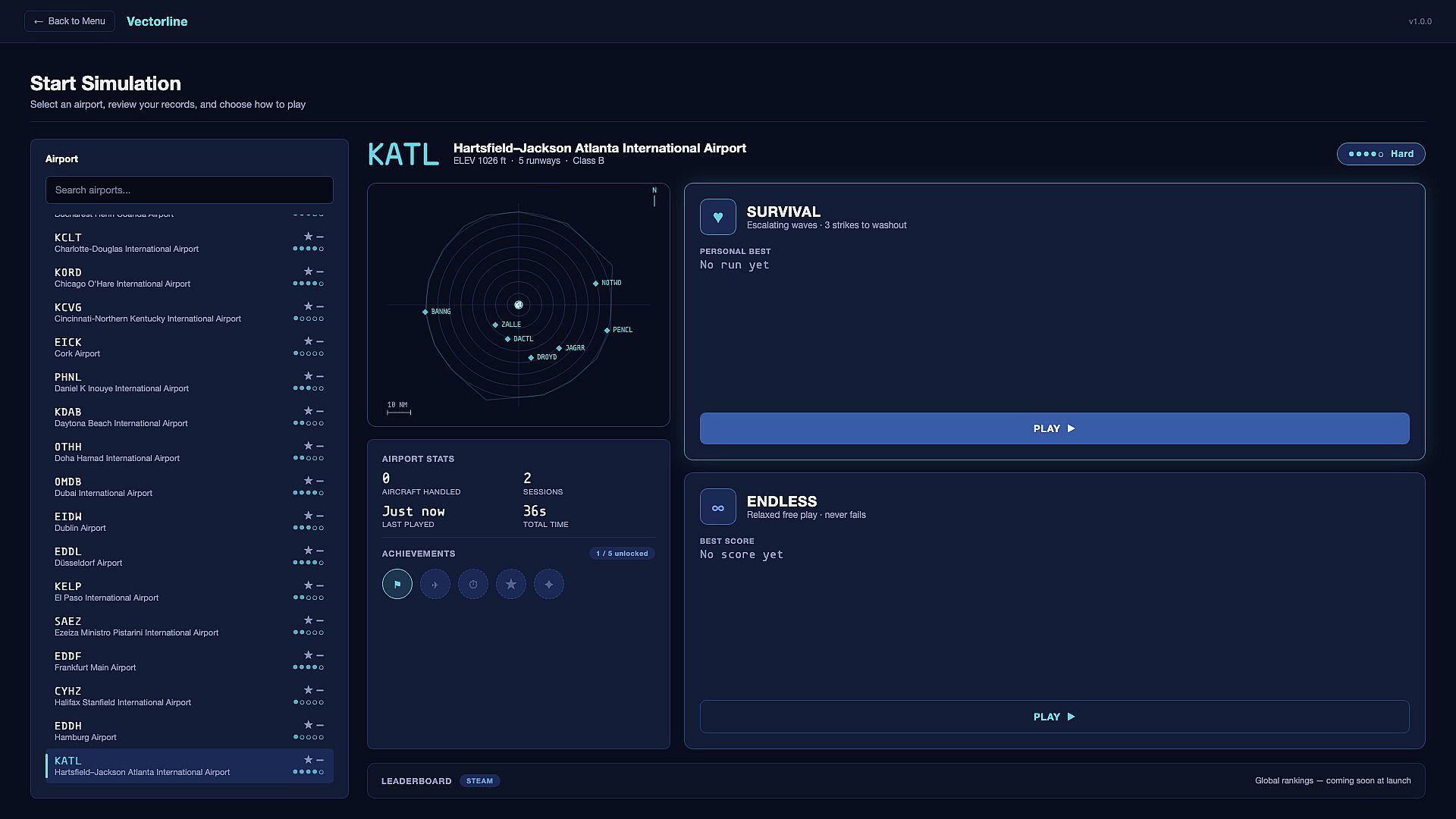
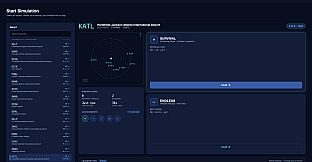
Play focuses on managing operations at dozens of real-world airports, each with distinct runway configurations, airspace sectors, and typical traffic volumes. Sessions vary by airport choice and the natural progression of scheduled flights, creating different challenges based on time of day or traffic density. Players handle full cycles of departures climbing out and arrivals descending on instrument approaches while integrating holding instructions when needed.
Control extends across multiple aircraft types and airlines, with procedures drawn from actual navigation data. The emphasis stays on single continuous management periods rather than segmented challenges, allowing players to experience the full rhythm of an airport's operations in one sitting.
Controls and Accessibility
Three input methods cater to different preferences and skill levels. Typing delivers precise, realistic syntax for advanced users. Click-and-drag mechanics provide an intuitive alternative that reduces the need to memorize commands. Voice input supports hands-free operation for those seeking the most authentic feel. On-screen hints guide phraseology throughout, helping newcomers build familiarity without interrupting the flow of traffic.
The design balances depth with approachability. New players can grasp basic vectoring and clearance issuance in a short time, while experienced users find ongoing challenge in optimizing flows during busy periods. No prior aviation knowledge is required, though the systems reward attention to detail and procedural accuracy.
Is It Worth Playing?
Vectorline suits players interested in management simulations, puzzle-like decision making, and aviation themes. Its combination of realistic procedures with flexible controls makes it suitable for both casual sessions and extended play. The variety of airports and traffic scenarios provides replay value through different operational environments and increasing complexity as traffic builds.
Those who enjoy strategy titles focused on resource allocation under time pressure will find the core loop engaging. The title avoids unnecessary complexity in its interface while delivering authentic ATC elements, resulting in sessions that feel productive and tense without overwhelming beginners. Availability on PC supports straightforward access for simulation enthusiasts seeking a focused air traffic control experience.











