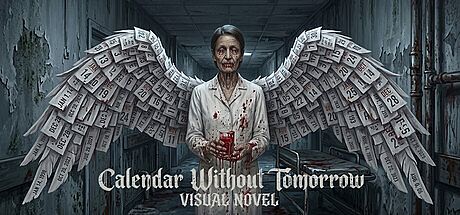


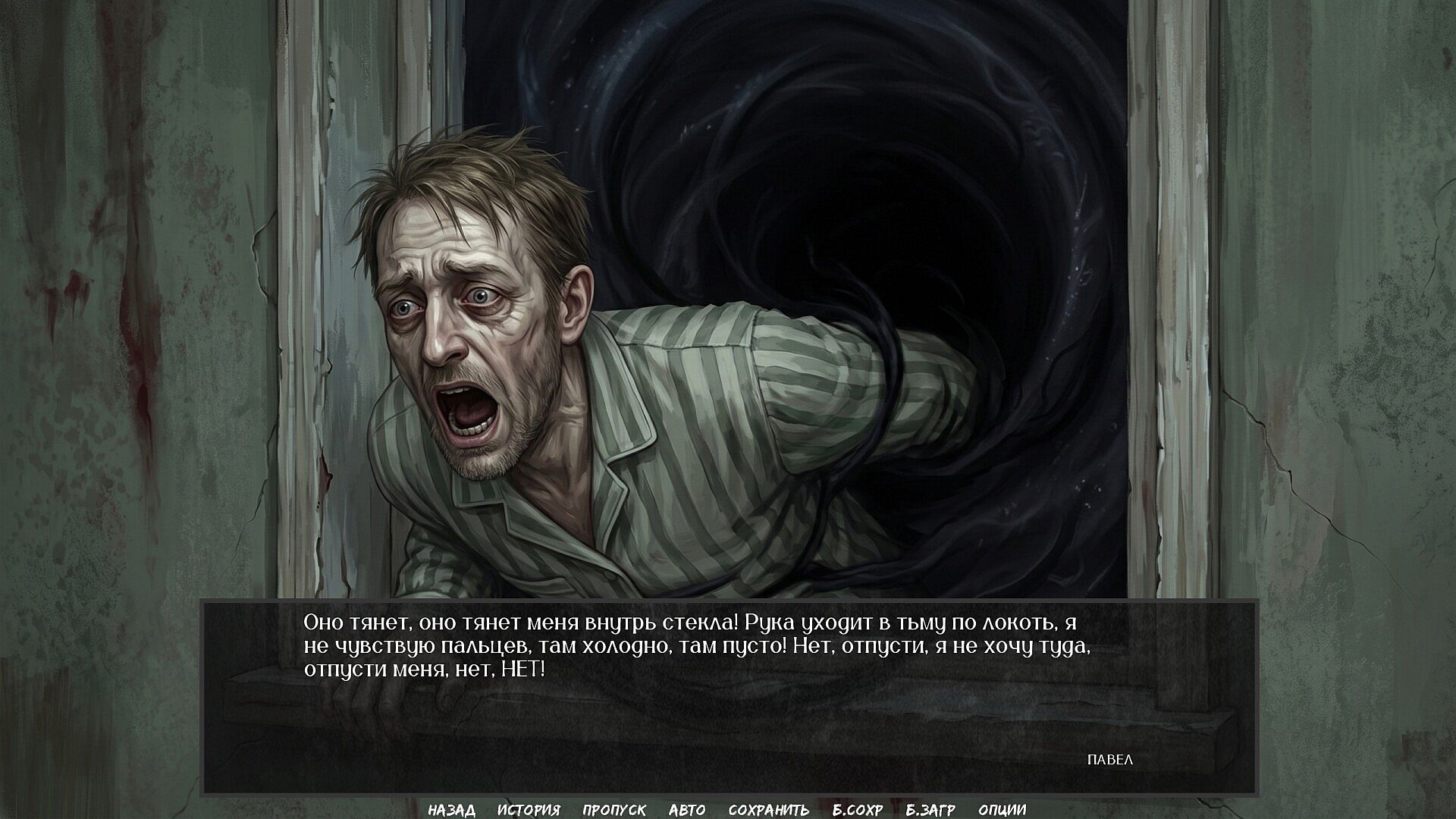
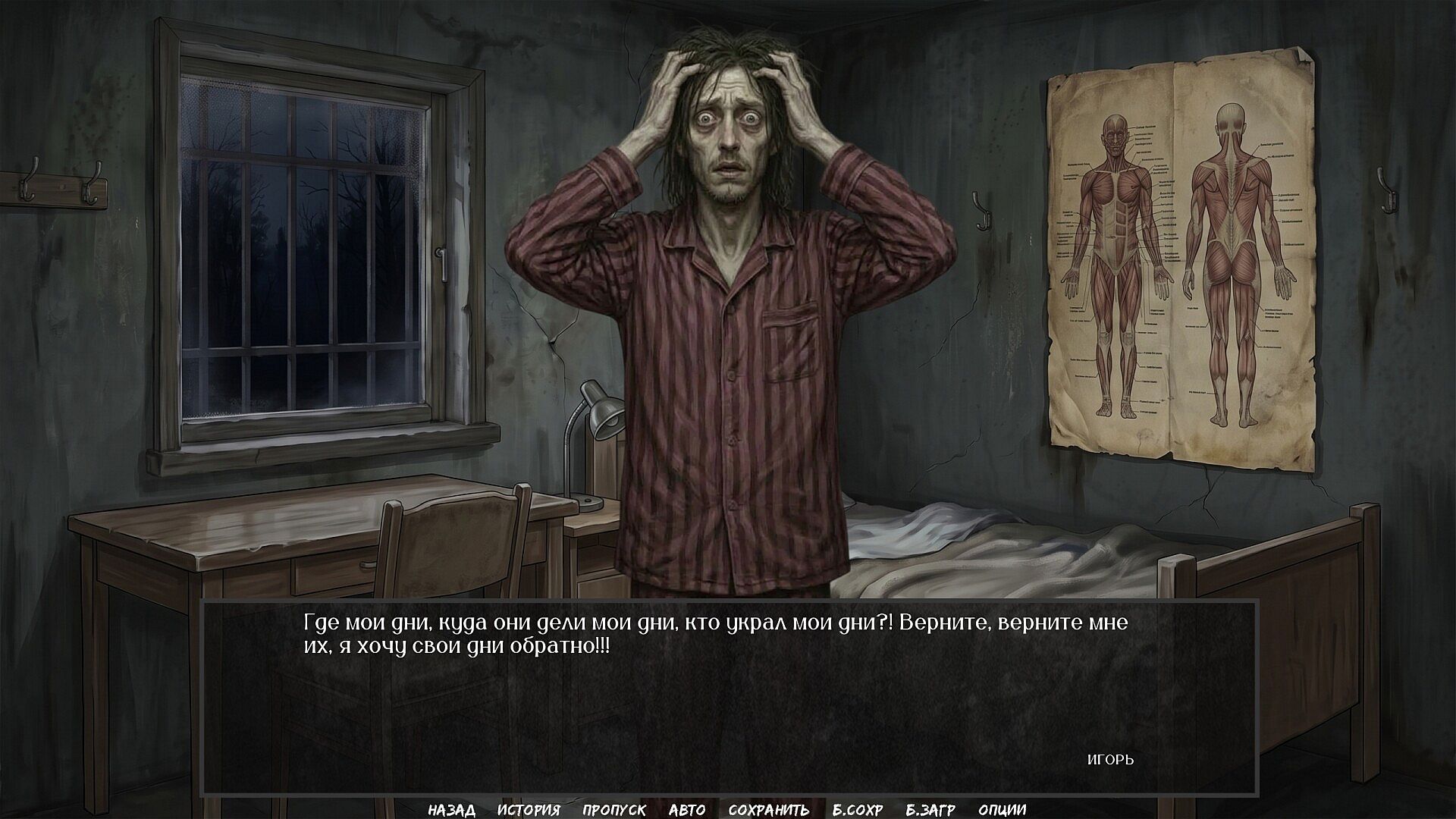
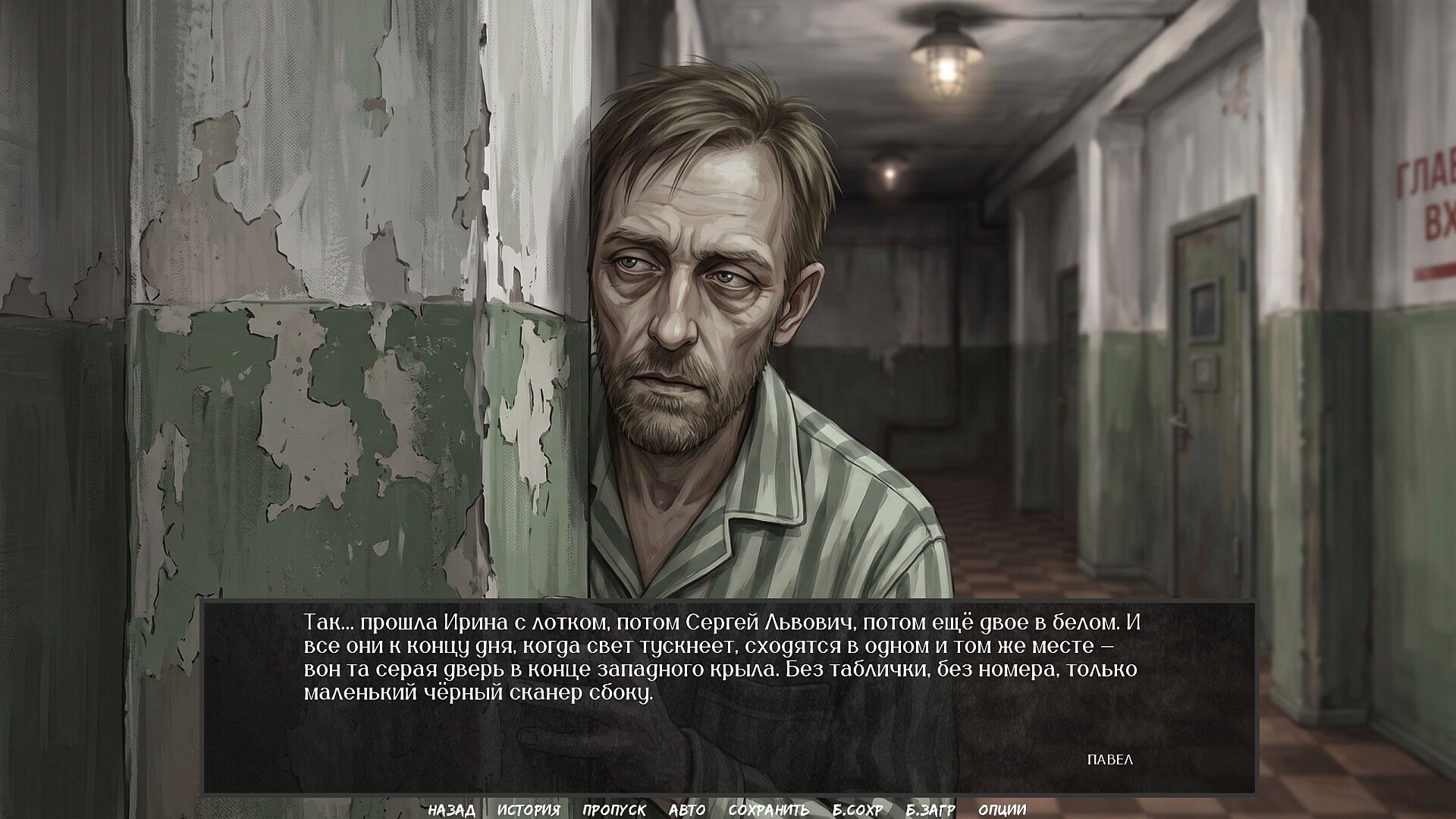
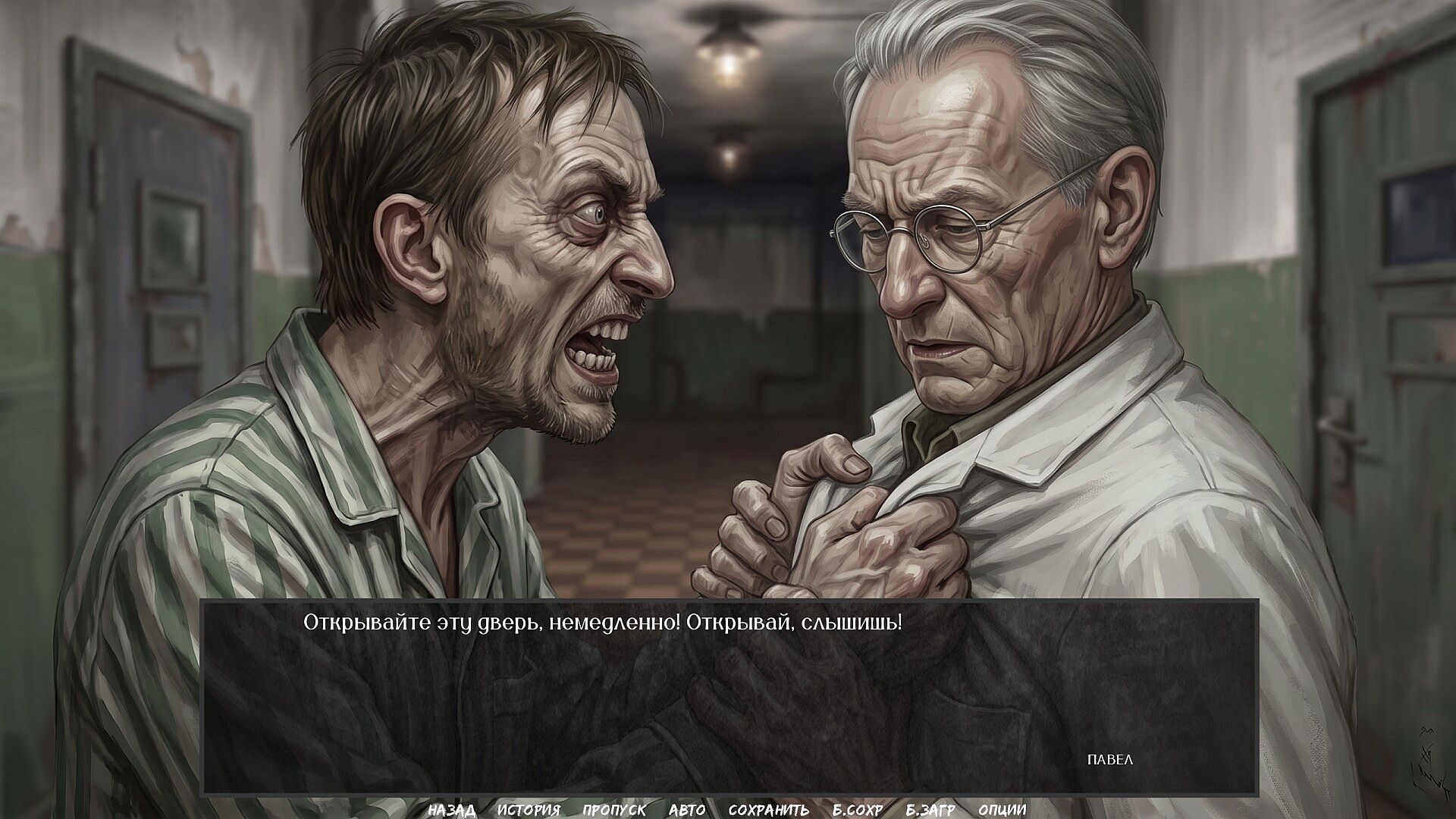
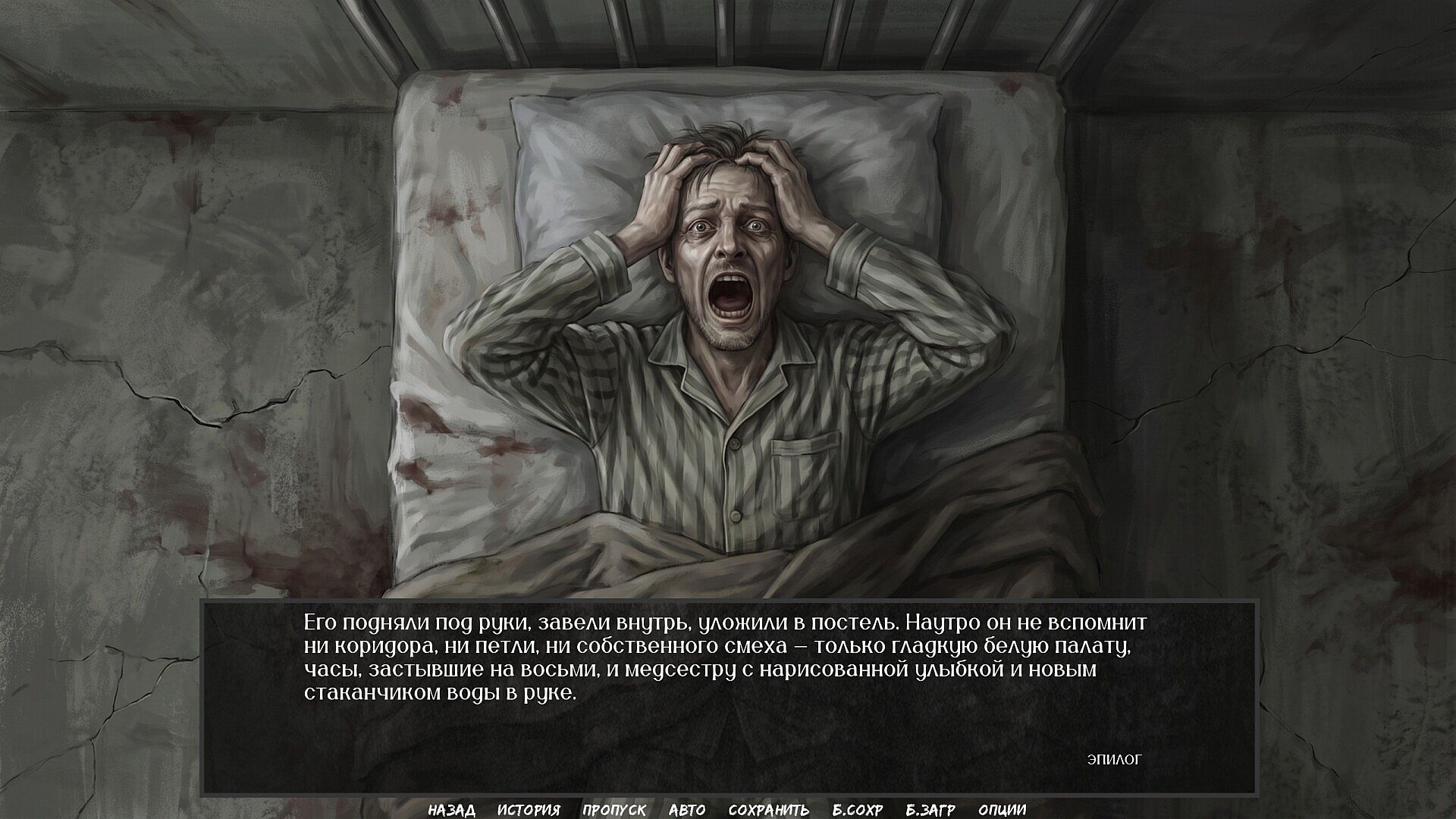
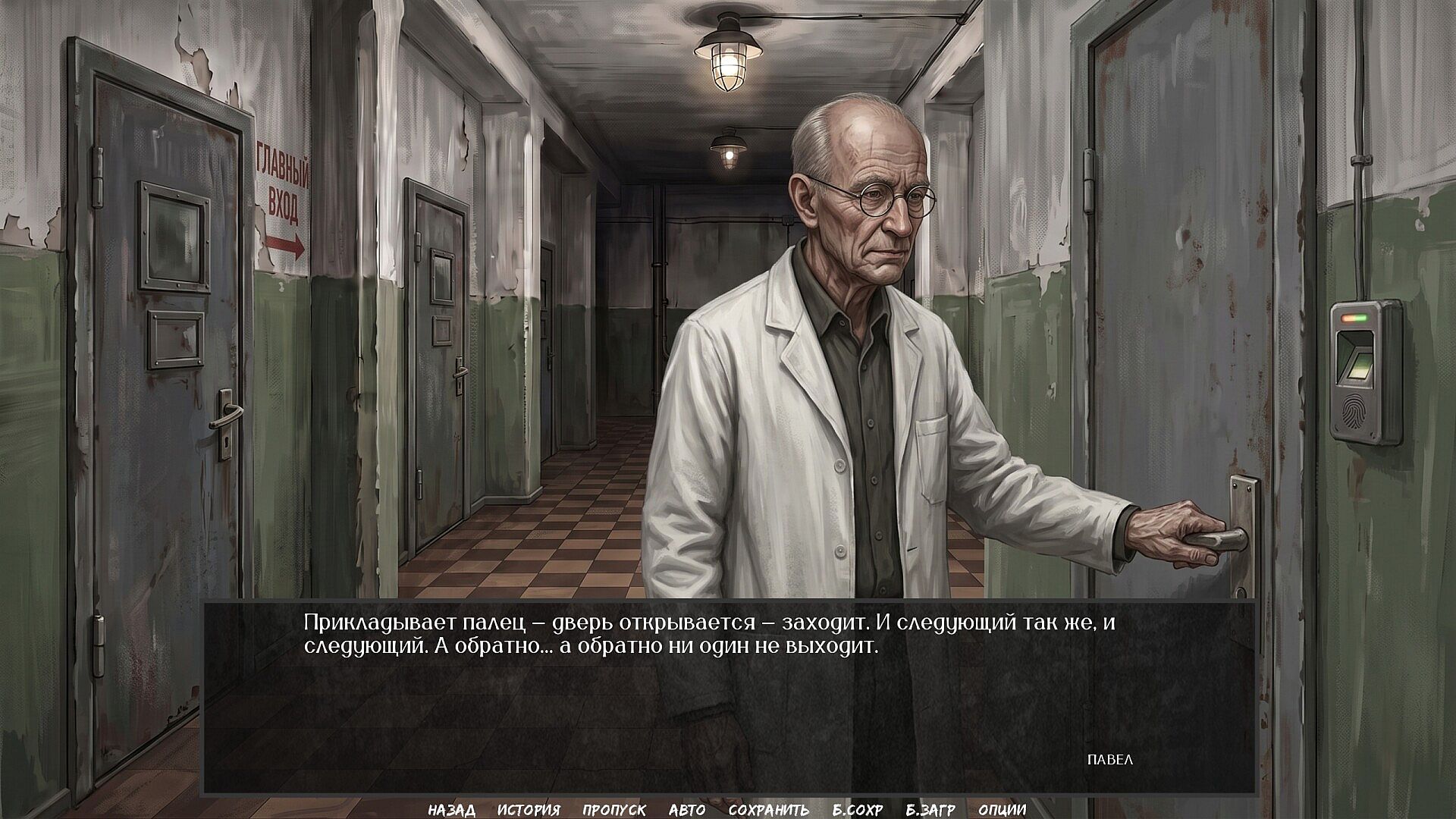
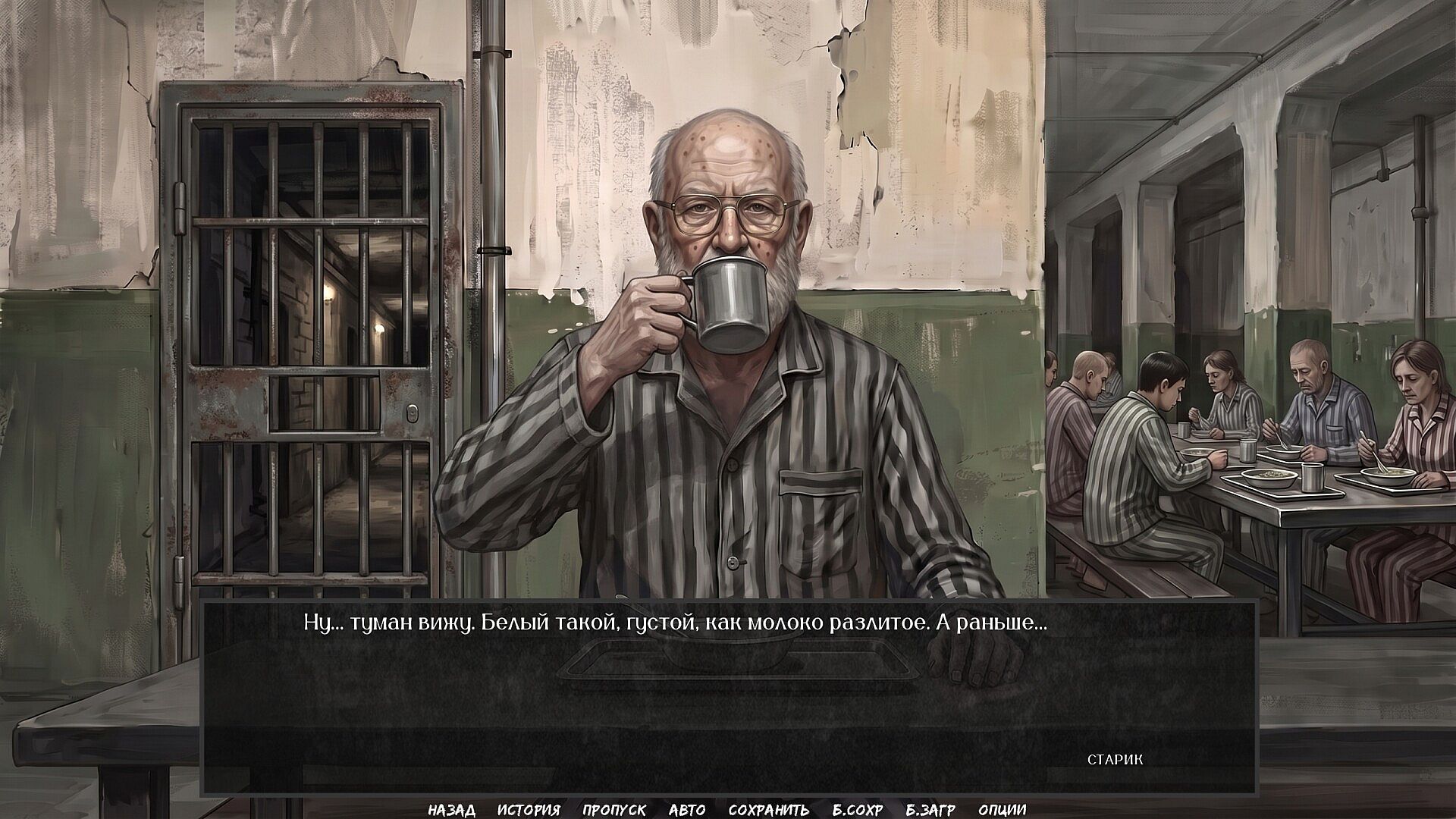
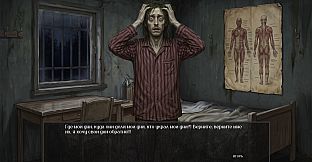
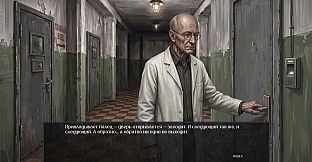
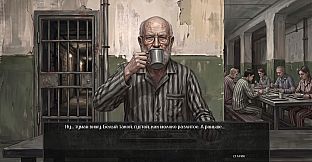
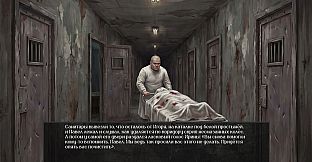
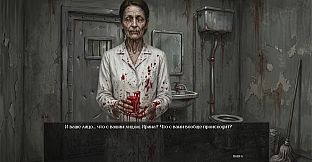
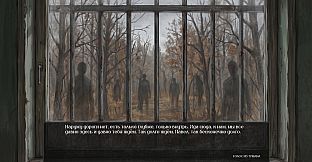
Visual Novel: Calendar Without Tomorrow is a psychological thriller presented as a visual novel on PC. Players awaken in a gloomy hospital room where time loops and memories fragment under the weight of recurring days. The experience blends choice-driven storytelling with surreal imagery to explore isolation, memory loss, and the erosion of reality itself.
Gameplay
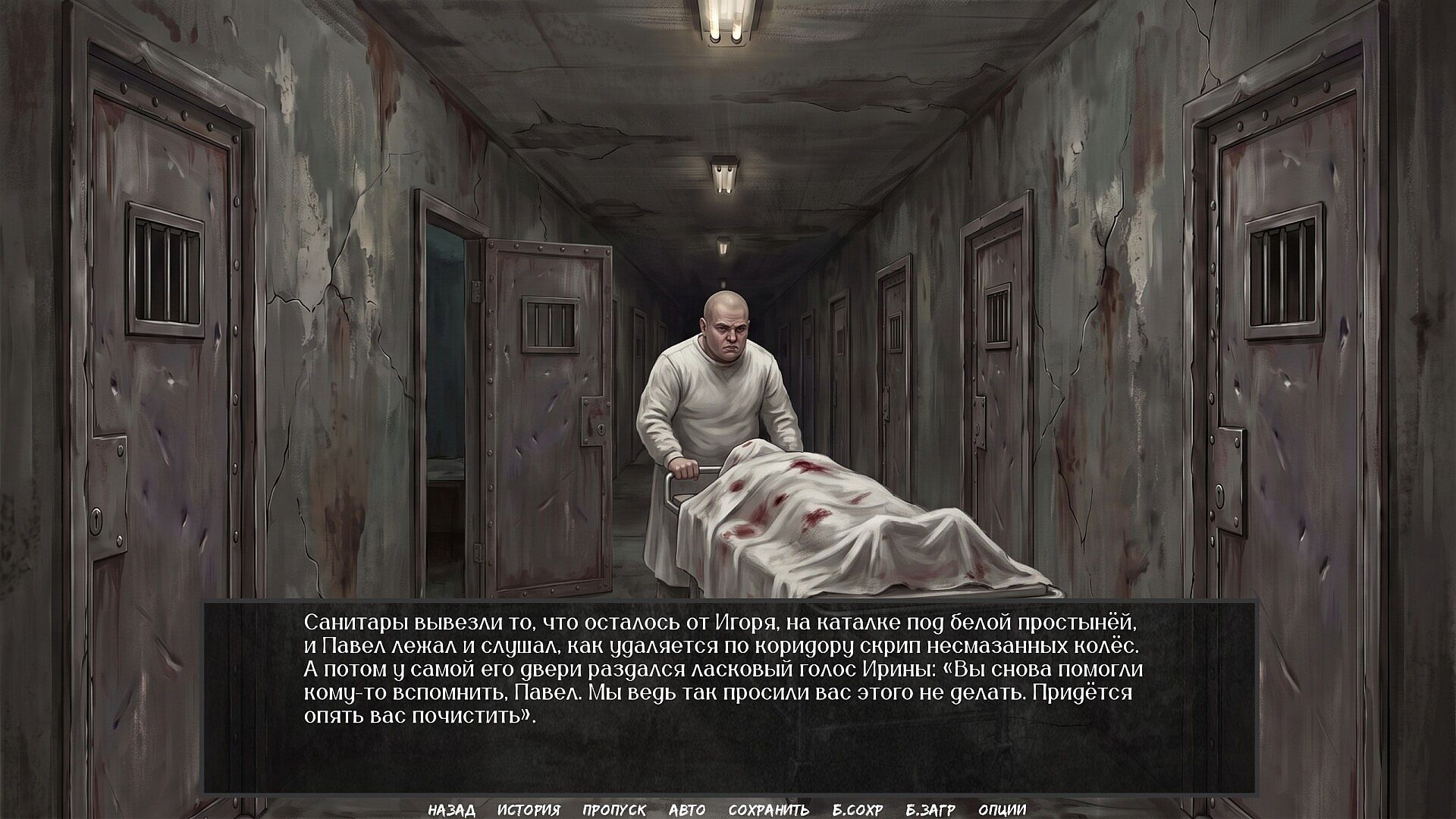
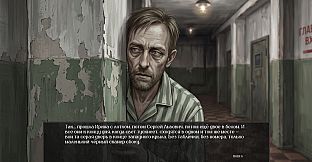
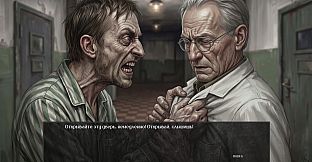
The core loop centers on navigating a hospital environment steeped in decay and unease. Mold creeps across walls under cold lighting while calendar pages and scattered documents serve as visual metaphors for the cyclical nature of events. Decisions determine which memories to retain or discard, manifesting as fragments and metaphors that advance the narrative. These choices directly influence the sequence of events and the emotional tone of each scene, building tension through oppressive shadows and unsettling symbols.
Sound design and an atmospheric soundtrack reinforce the sense of exhaustion and pressure. Players examine documents, interact with the surroundings, and confront recurring elements that shift based on prior selections. The visual style maintains a dark palette and heavy contrasts to emphasize solitude and the passage of time without resolution.
Game Modes
The game operates as a single-player interactive narrative without separate multiplayer or competitive structures. Progression relies entirely on player decisions that branch the story into distinct sequences of memories. Each path explores different combinations of kept or forgotten elements, leading to varied conclusions that reward repeated playthroughs through alternative routes and revelations.
Exploration focuses on uncovering secrets within the hospital setting, where the same locations and events recur but evolve according to choices made. This structure encourages careful consideration of which details to pursue or abandon, shaping the overall experience around personal interpretation of the unfolding events.
Narrative and Themes
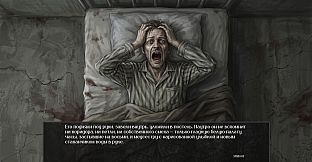
The plot unfolds through a series of memory fragments that players assemble or discard. Secrets emerge gradually as the loop persists, revealing layers of the protagonist's situation amid the hospital's surreal decay. Themes of traumatic memory, psychological pressure, and existential dread permeate the experience, with some paths incorporating elements of character death or suicide that carry heavy emotional weight.
Visual metaphors such as recurring calendar pages and documents underscore the cyclical entrapment. The atmosphere draws from medical horror and intense recollections, creating a sense of hopelessness that builds across play sessions. Multiple endings arise naturally from the decision points, each offering a different resolution to the intertwined threads of time and recollection.
Visual and Audio Presentation
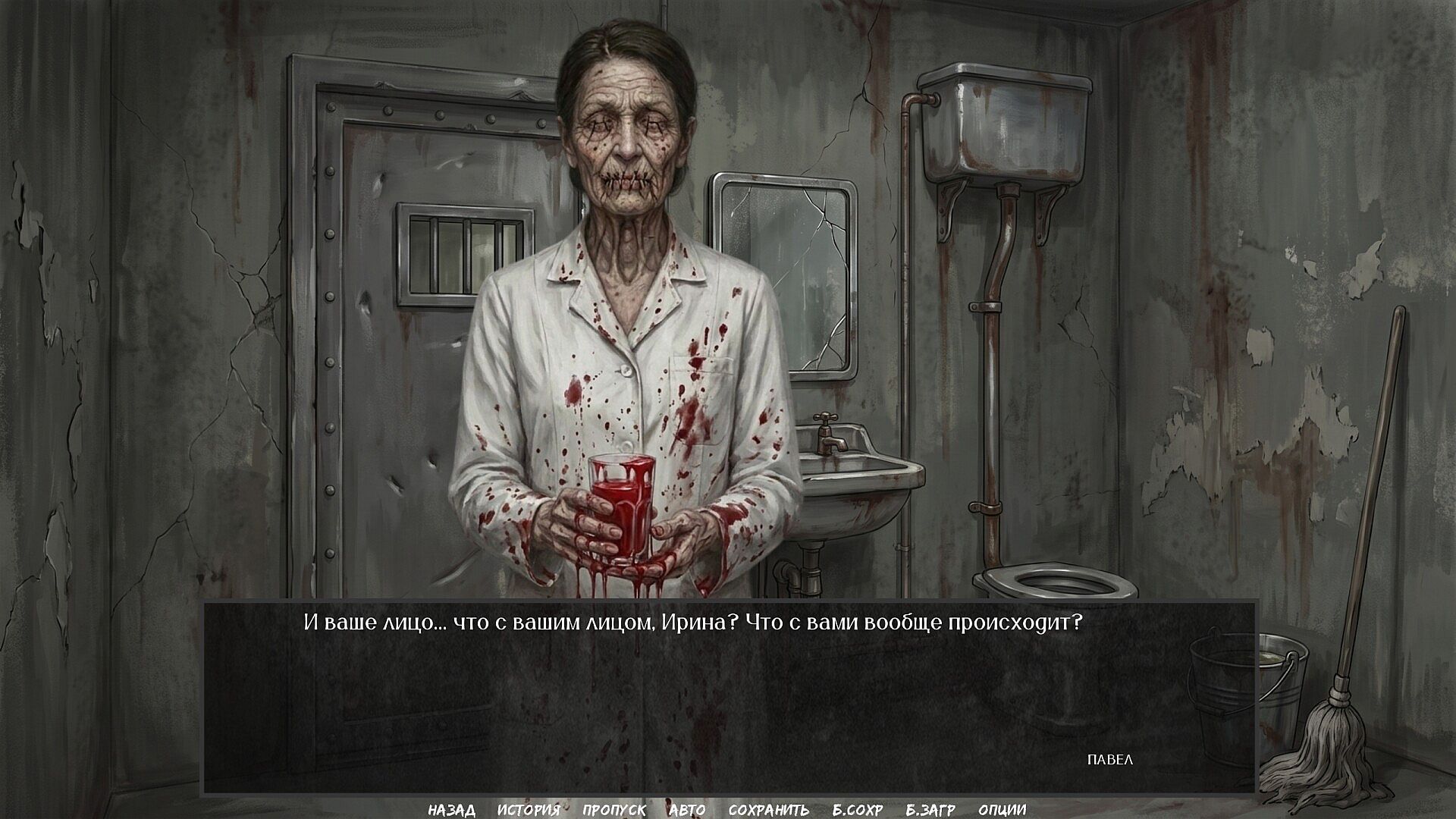
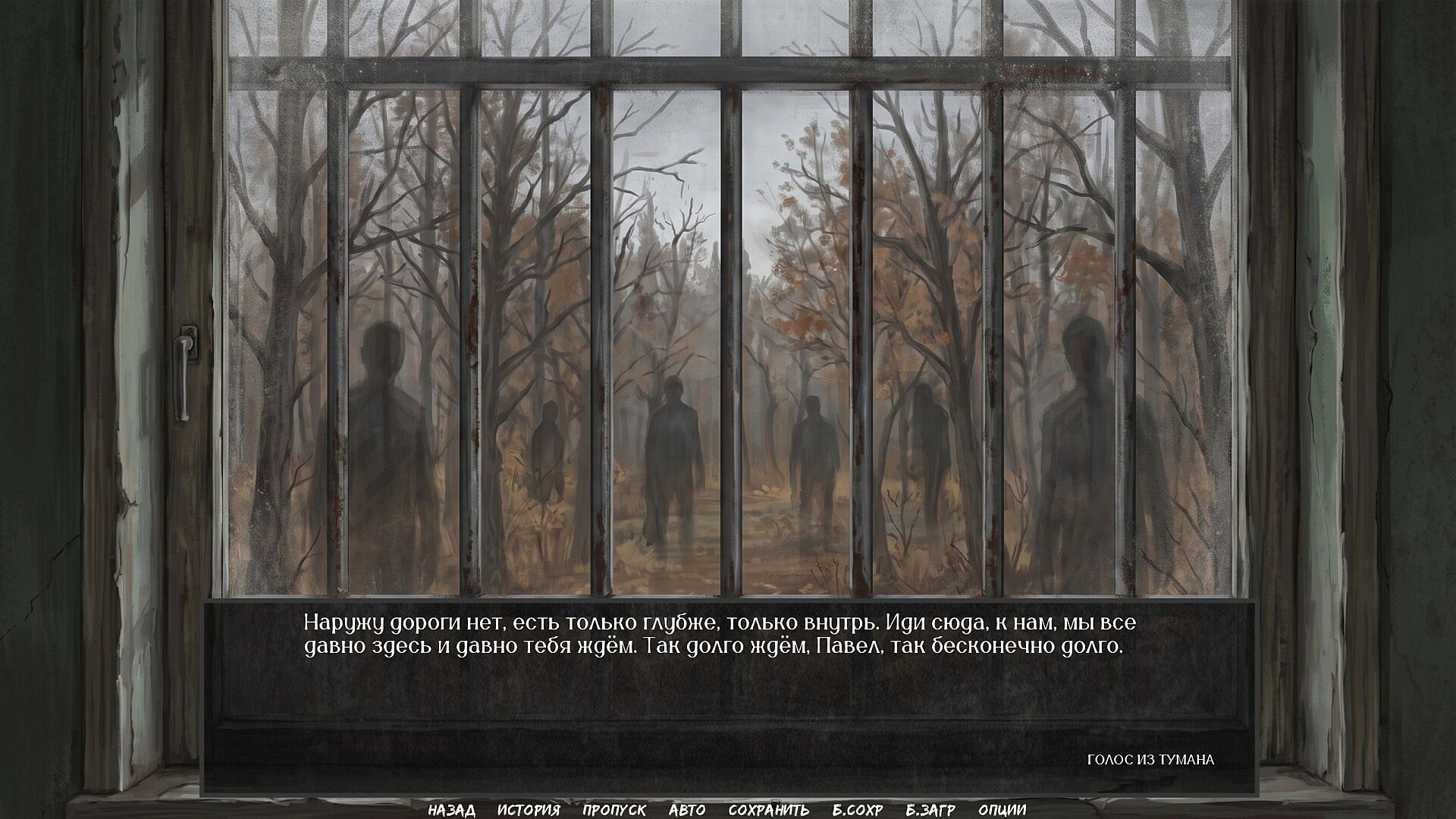
A cold color palette dominates the artwork, featuring heavy shadows, silhouettes, and environmental details like blood in certain scenes to heighten unease. The style prioritizes isolation through detailed depictions of the hospital's deteriorating state and bizarre memory symbols. This aesthetic supports the surreal tone without relying on bright or dynamic elements.
Audio elements focus on tension and immersion. The soundtrack and sound design align with the oppressive mood, using subtle cues to reflect the weight of recurring days and fading memories. These components work together to maintain a consistent feeling of exhaustion throughout the narrative.
Is It Worth Playing?
Calendar Without Tomorrow suits players interested in choice-based visual novels that emphasize psychological depth and atmospheric storytelling. The multiple endings and branching memory sequences provide replay value through exploration of different paths and outcomes. Those sensitive to themes of medical horror, traumatic memory, suicide, or intense emotional distress should approach with caution, as some endings deliver heavy consequences.
The experience delivers a focused single-player journey centered on narrative decisions rather than action or progression systems. Its strength lies in the interplay of visuals, sound, and player agency within the looping structure, making it a distinct option for those drawn to surreal thrillers with replayable branches.