


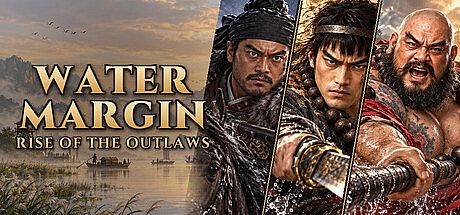


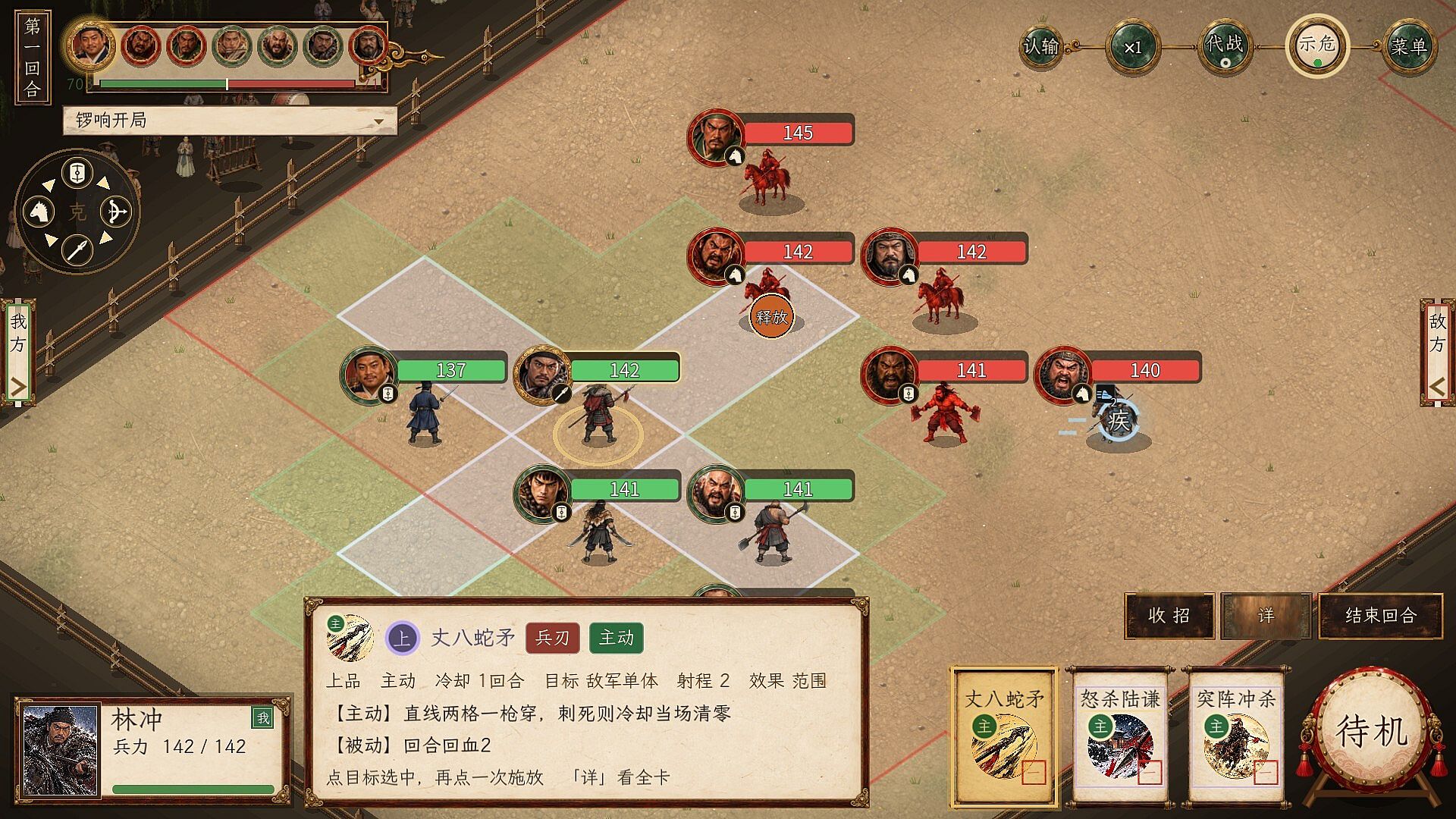
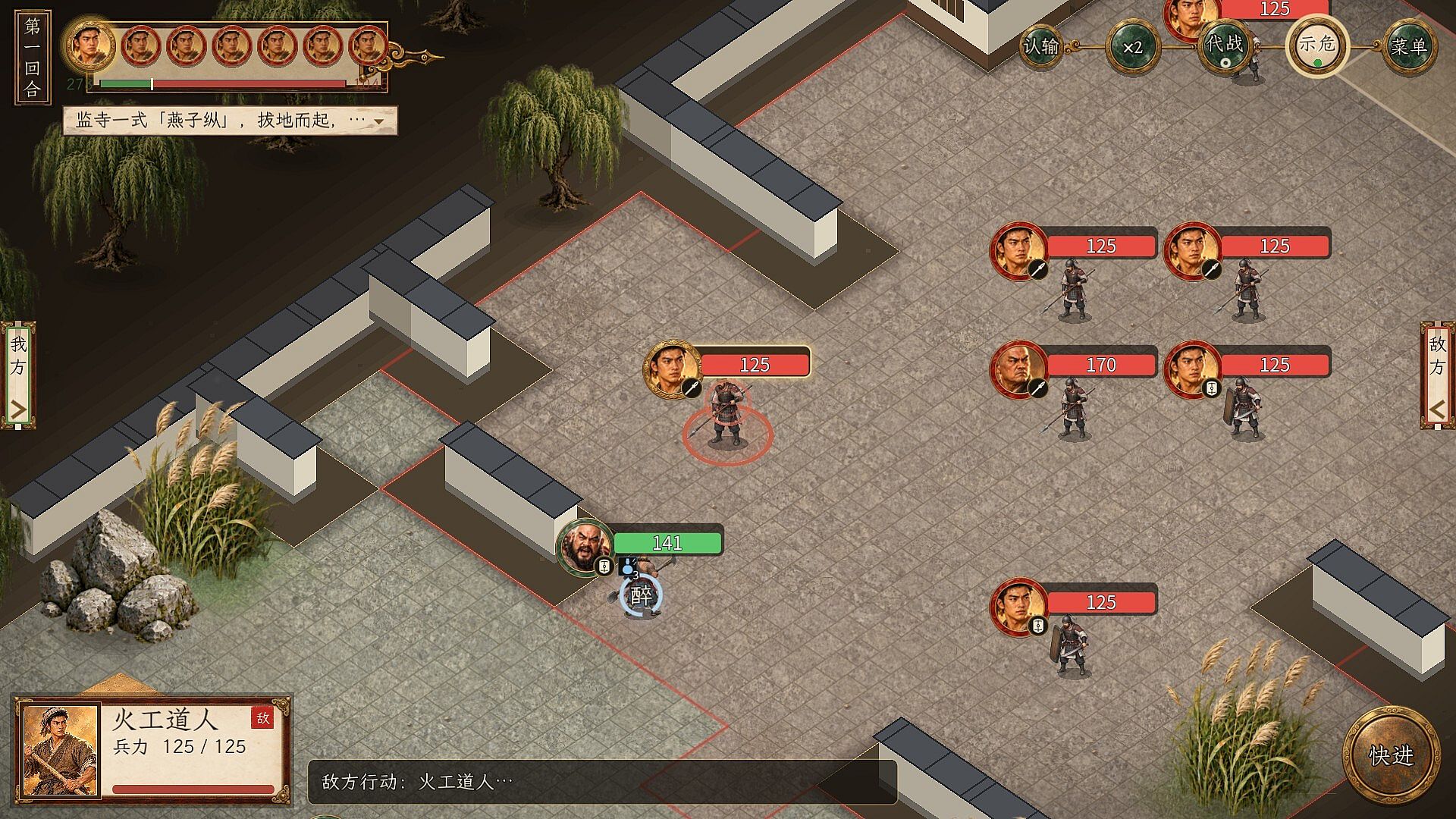

Water Margin: Rise of the Outlaws is a turn-based tactics game set on an isometric square grid. Players command outlaw heroes from the classic Chinese novel in battles that emphasize positioning, unit matchups, and environmental factors.
Gameplay
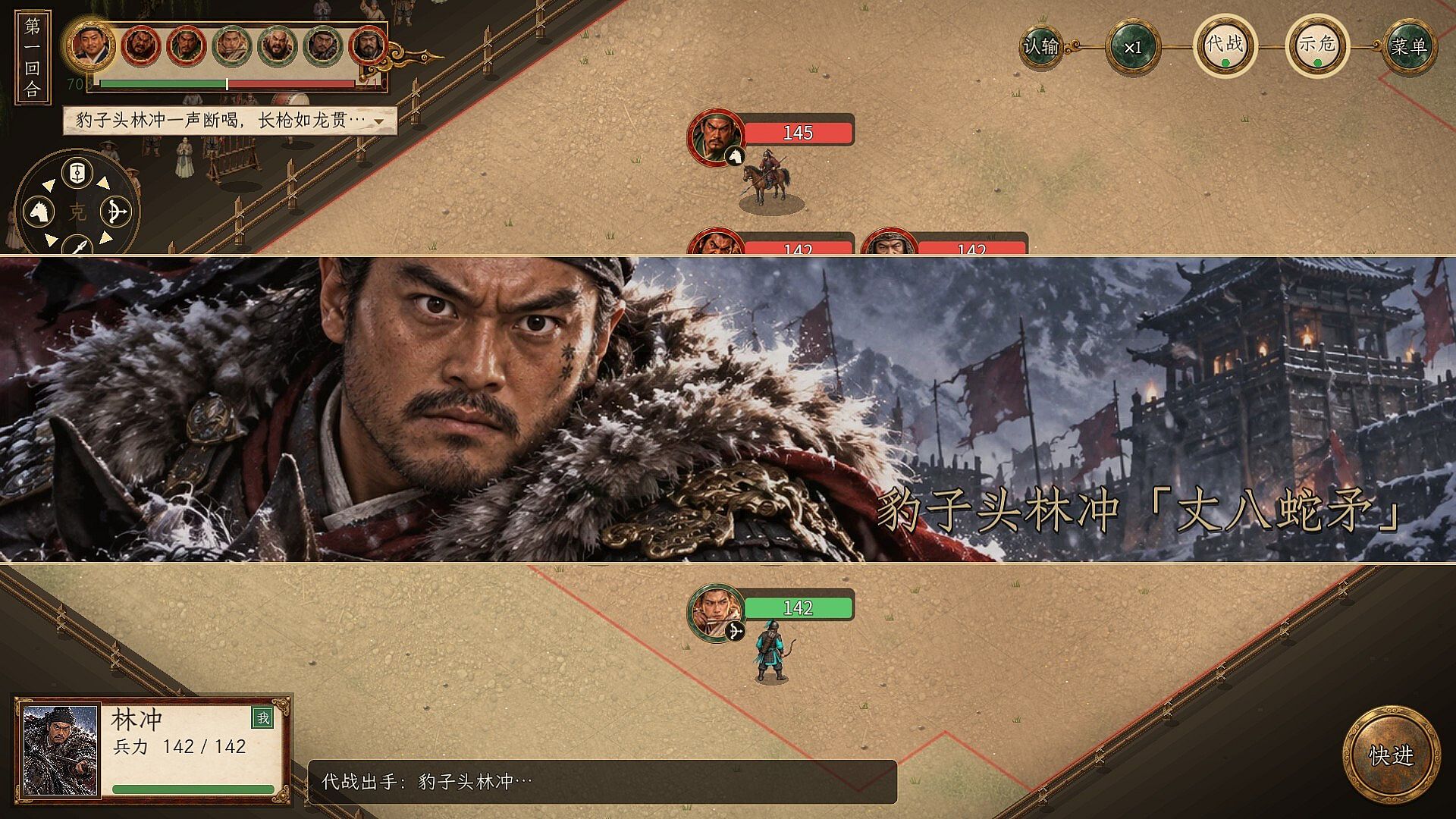
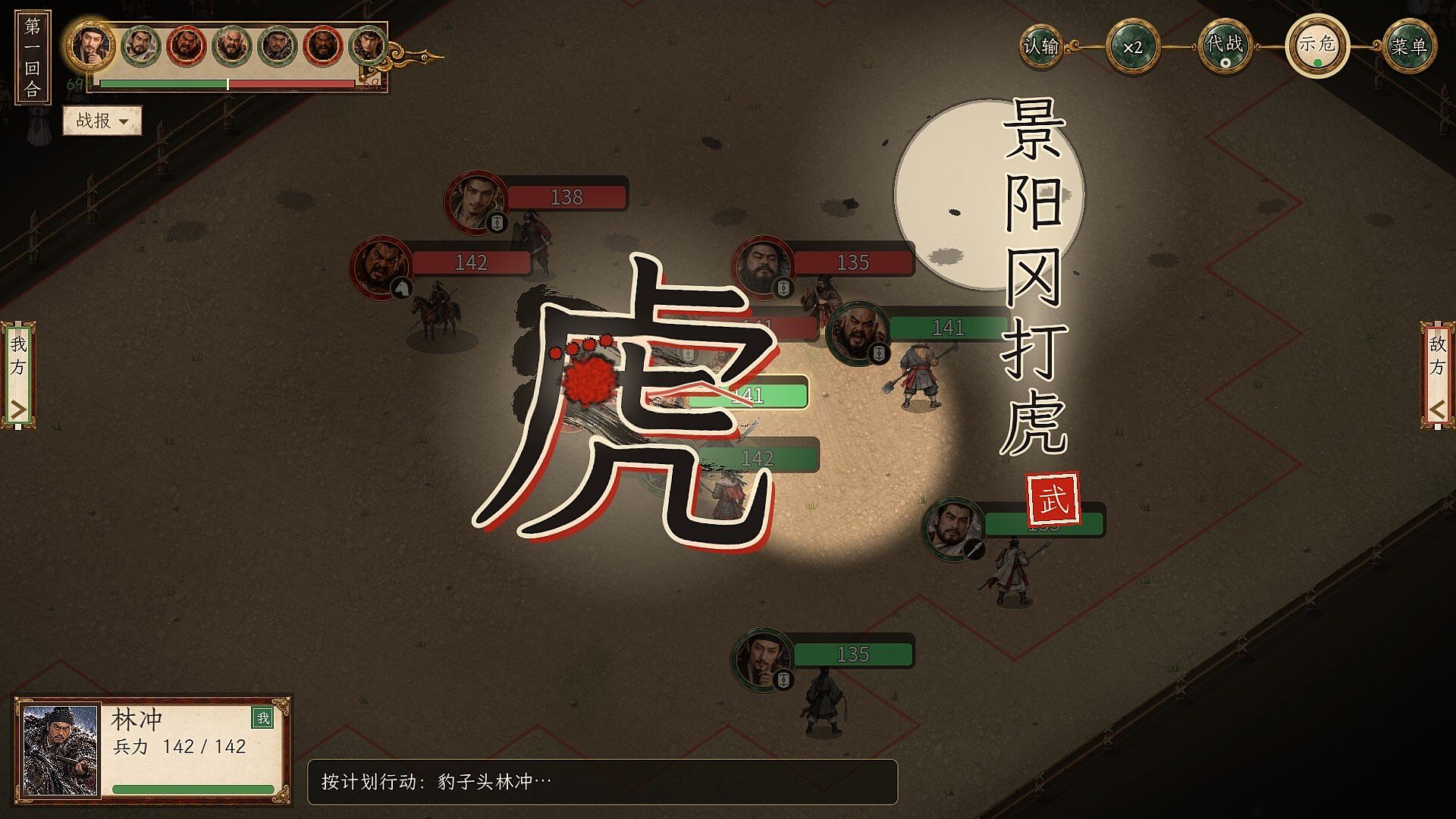
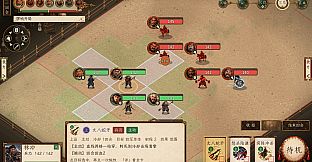
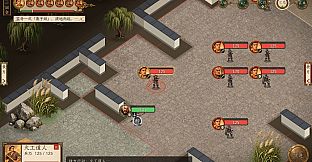
The core loop centers on moving units across the grid and selecting targets while accounting for exact troop losses before committing to an action. Standard units include cavalry, shield infantry, spearmen, and archers, each countering others in a rock-paper-scissors dynamic. Terrain such as reeds, thorns, fire, rocks, water, high ground, and pit traps alters movement, line of sight, and combat effectiveness.
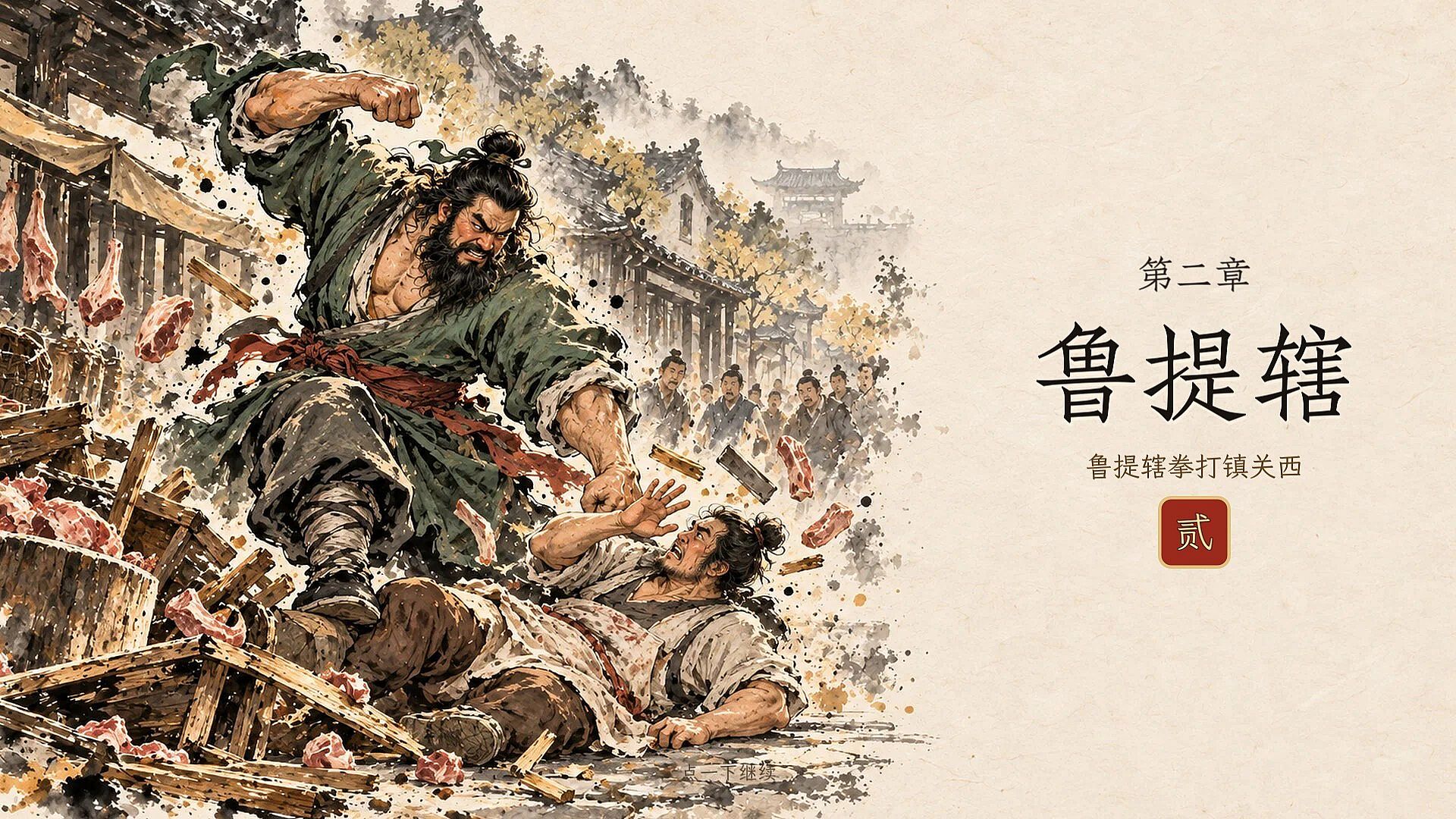
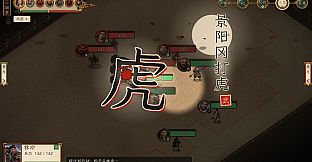
Heroes stand apart with three techniques drawn directly from their signature moments in the source material. Lin Chong wields the Serpent Spear, Wu Song slays the tiger on Jingyang Ridge, and Lu Zhishen uproots the willow tree. These abilities fall into four categories: active moves used on a turn, quick actions that allow a follow-up, passive effects that trigger automatically, and assault strikes that activate during movement. Damage splits between martial and strategic types, rewarding both aggressive fighters and careful planners. Status effects like stun, root, disarm, poison, bleeding, shields, and drunkenness appear on units with clear tooltips.
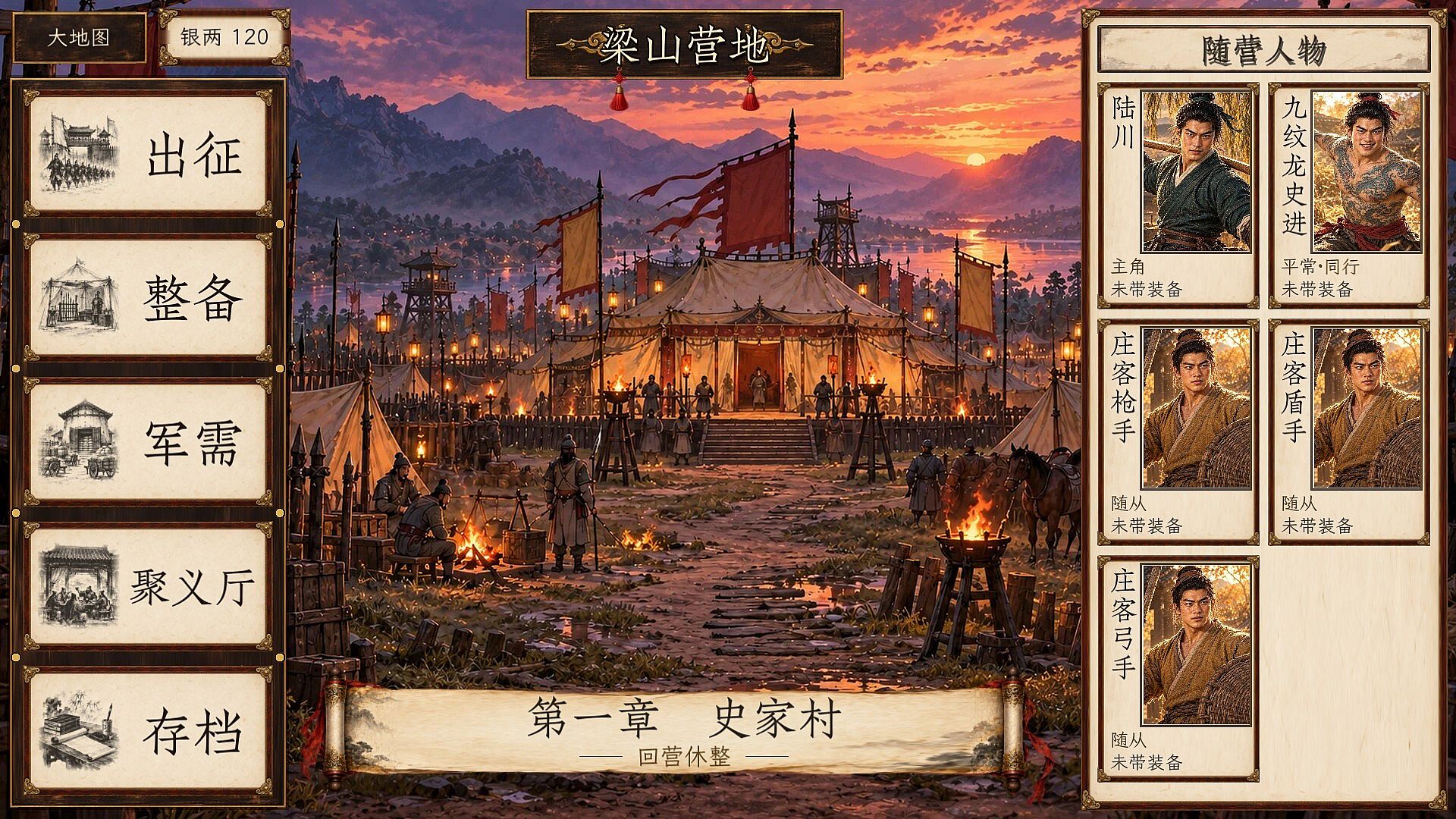
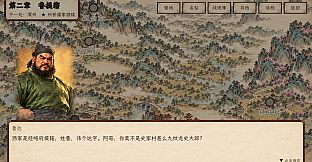
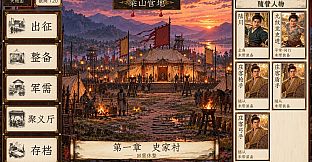
Between fights, players manage a camp where they select sortie teams, equip weapons, armor, and accessories, purchase supplies with silver, and interact with sworn brothers in the Hall of Loyalty. The visual style draws from Song-dynasty ink-wash and fine-line painting, featuring rice paper textures, lacquered wood, vermilion seals, and a blue-green landscape map alongside individual character portraits.
Game Modes
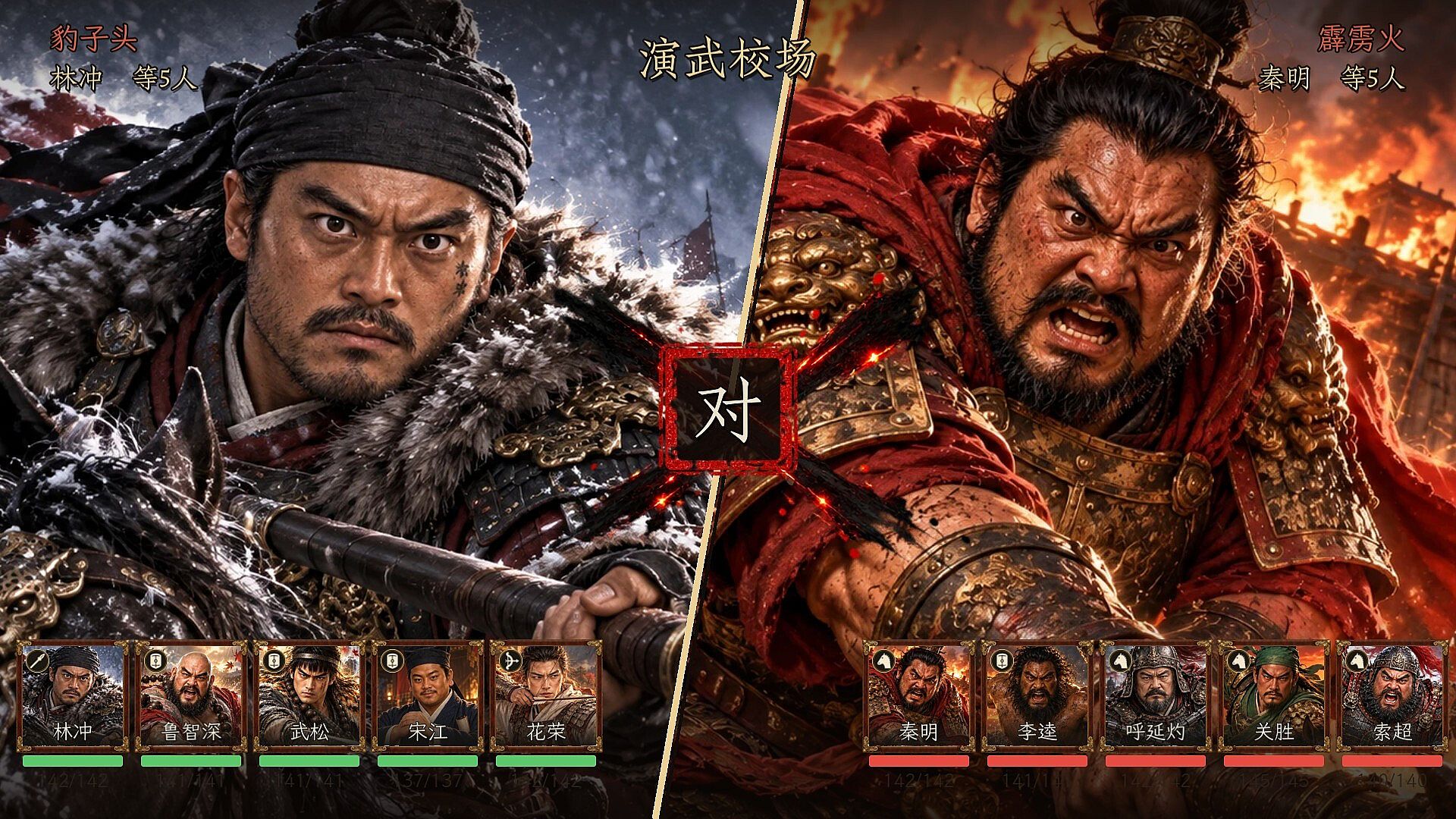
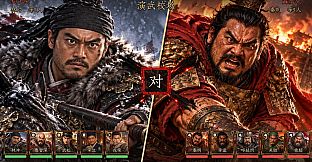
The Grand Tournament serves as the competitive arena mode. Players assemble a team of five heroes to face another five. Matches require eliminating the opposing side within fifteen rounds or holding the advantage in remaining troops at the end. Heroes receive rankings as Leaders, Mainstays, or Specialists and fill specific roles such as vanguard, defender, tactician, controller, healer, support, or blade. Three difficulty settings exist, and every match supports replays. Consistent performance with a hero unlocks family techniques that can be taught to others, expanding team options.
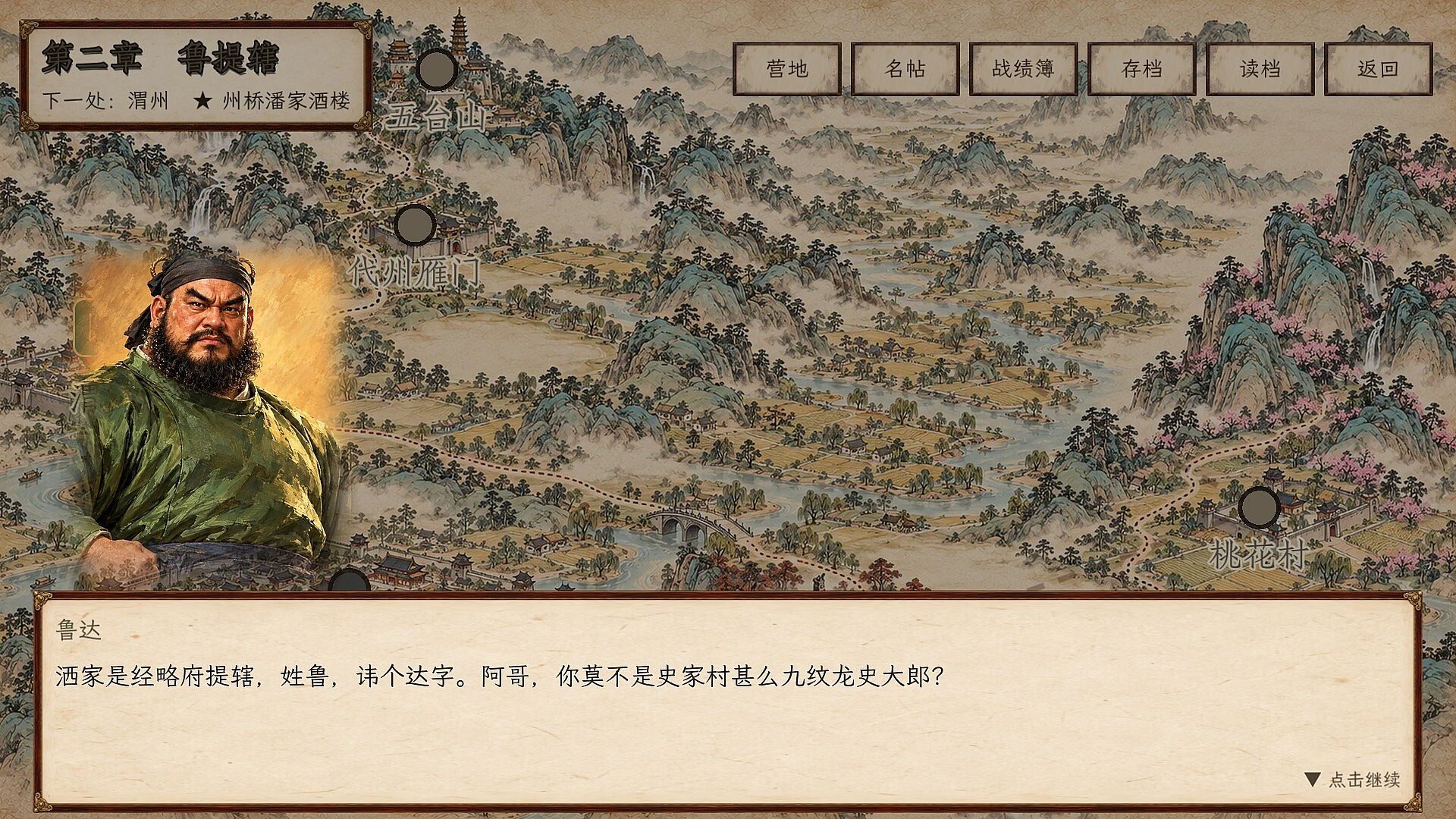
The story campaign adapts key scenes from Water Margin. Players create a young newcomer to the jianghu, customize name and appearance, and travel west from the capital. Early stops include training at Shi Family Village with Wang Jin and Shi Jin, witnessing Lu Da's confrontation in Weizhou, and progressing through Mount Wutai, Peach Blossom Village, and the Waguan Temple. Each battle carries a distinct objective such as holding a line, escorting allies, capturing a commander, breaking out, or dueling one-on-one. Performance receives an A, B, or C grade. Dialogue choices influence relationships tracked in a contact book, which in turn affects later events and available support.
Visual Style and Setting
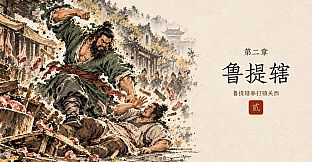
Every element reflects Song-dynasty aesthetics through ink-wash illustrations and fine-line details. Rice paper backgrounds, lacquered wood interfaces, and vermilion seals reinforce the historical atmosphere. The map uses a blue-green landscape style, while each appearing character receives a dedicated portrait. Unit animations and technique visuals incorporate ink effects and calligraphy cut-ins for signature moves.
Is It Worth Playing?
This title suits players who enjoy grid-based tactics with strong emphasis on unit counters, terrain manipulation, and hero abilities tied to literary source material. The single-player campaign offers structured progression through familiar novel scenes alongside relationship management that alters outcomes. The Grand Tournament provides repeatable 5v5 matches with replay value and team-building depth through unlocked techniques. Availability remains limited to Simplified Chinese at present, with a planned release in 2027. Those drawn to deliberate, readable combat systems and adaptations of classic Chinese literature will find the mechanics and presentation align closely with those interests.












