


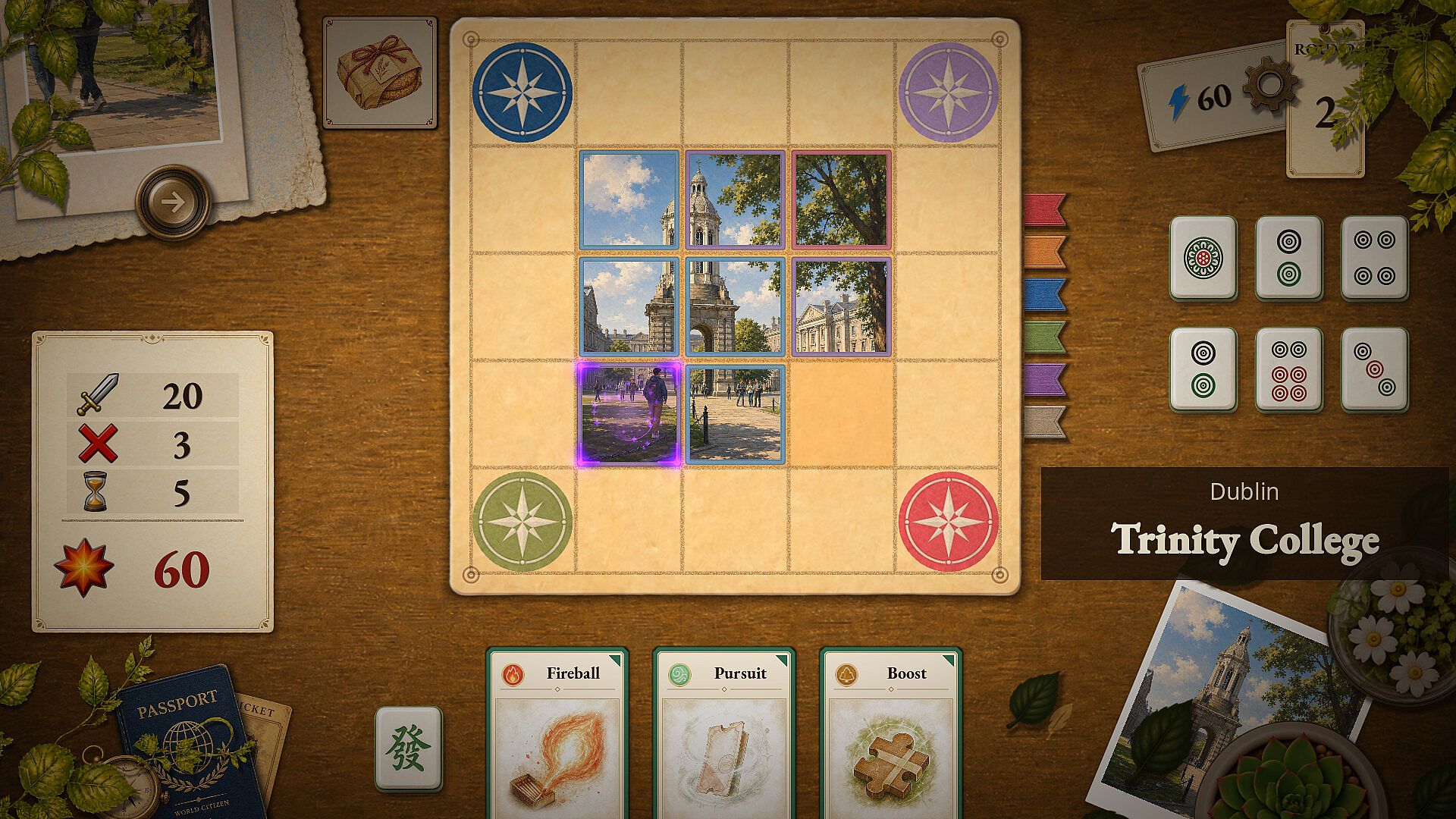
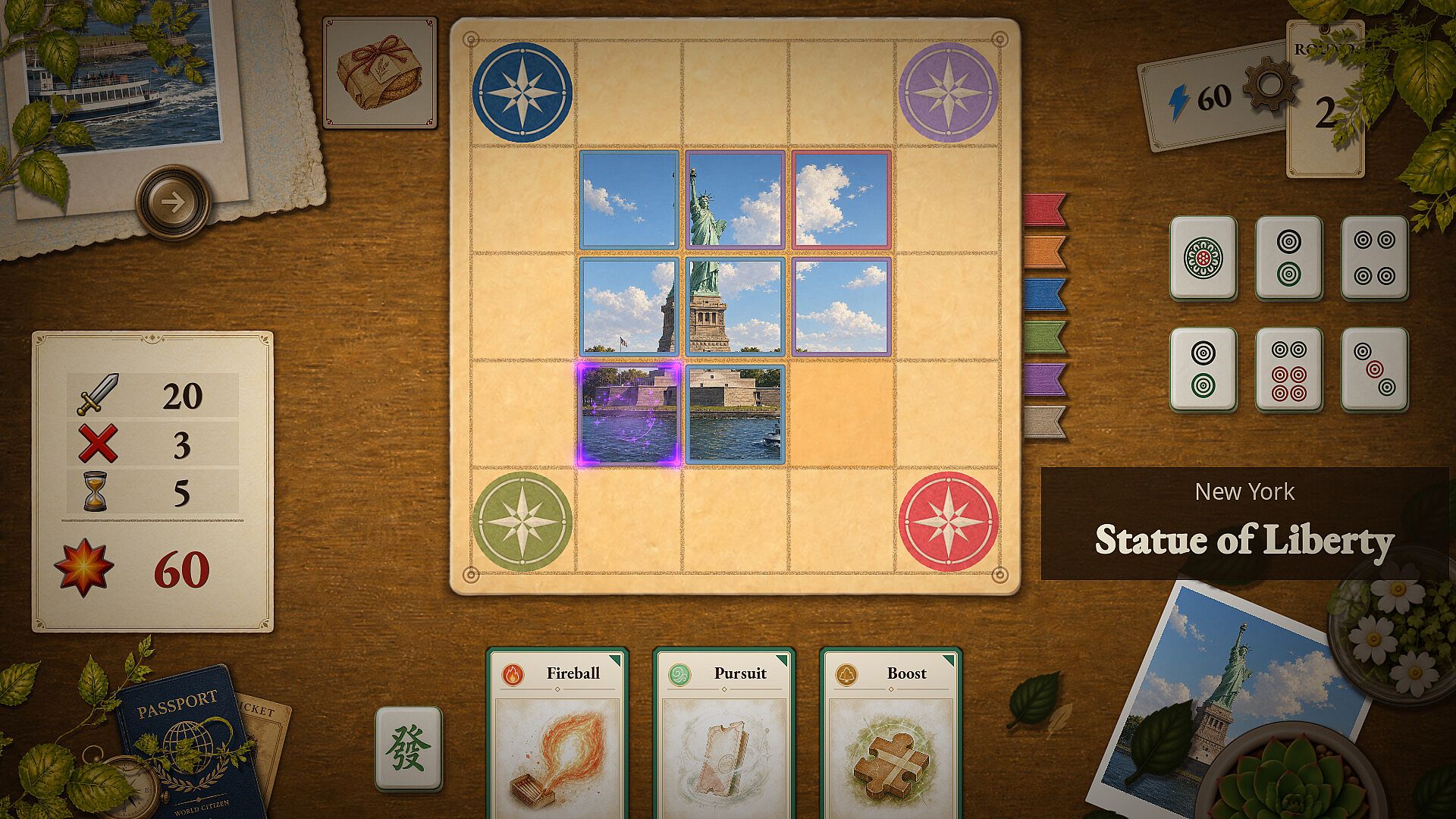

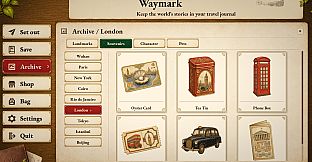
Waymark is a strategy indie casual game on PC that combines scenic puzzle assembly with deckbuilding elements in a travel journal framework. Players piece together famous landmarks from cities around the world while managing spells to overcome obstacles and gathering souvenirs along the way. The experience centers on careful planning of moves and card combinations rather than fast reflexes or complex narratives.
Gameplay
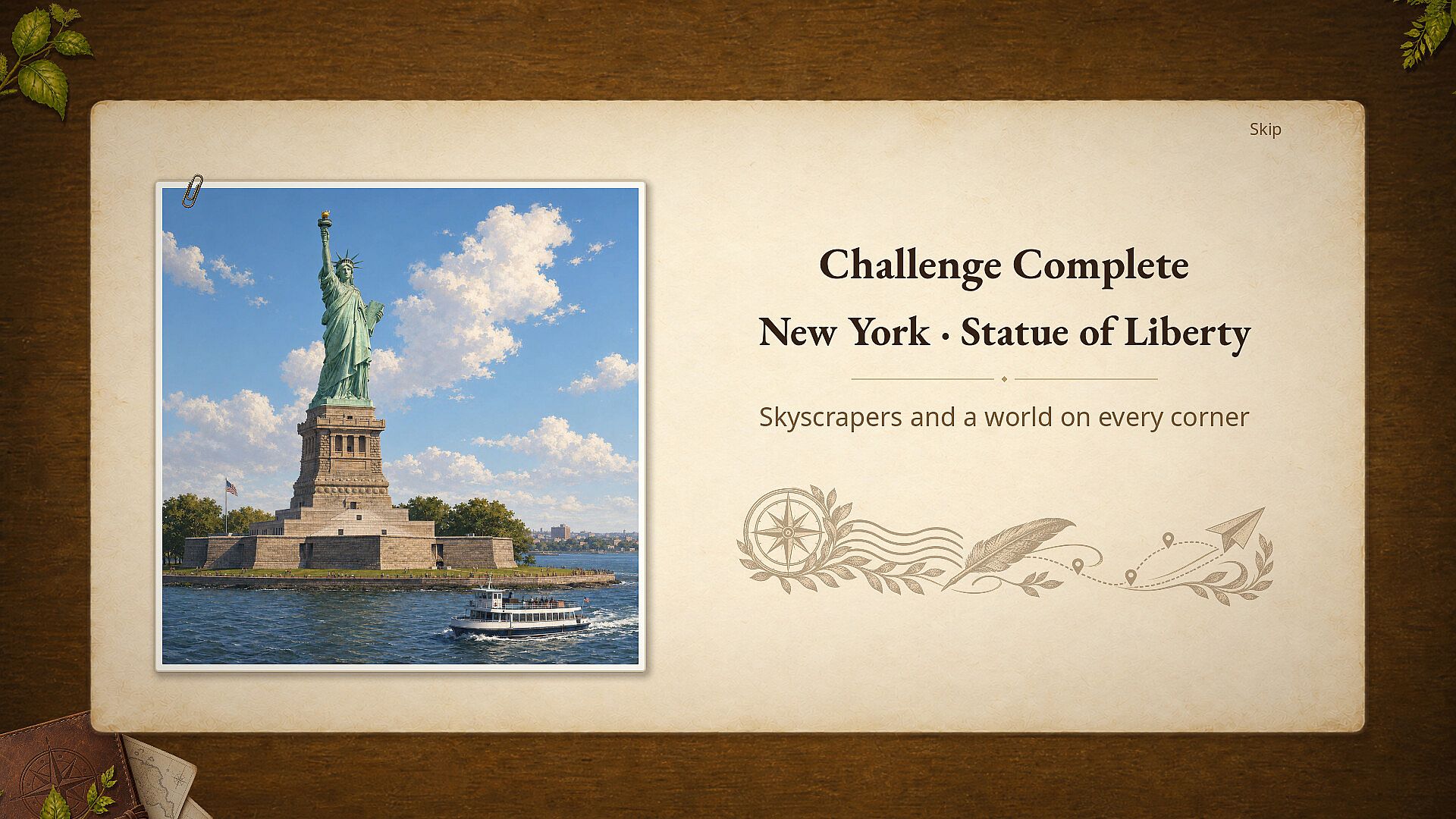
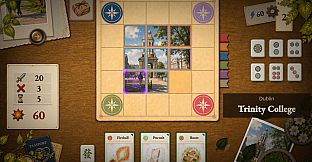
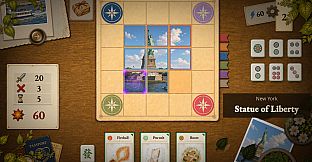
The core loop revolves around drawing puzzle pieces from an album and positioning them on a grid to form complete landmark scenes. Rotation and placement require attention to available energy, which limits actions and encourages efficient sequencing to leave space for subsequent pieces. Scenes range from New York bridges to London landmarks, turning scattered fragments into finished images through deliberate adjustments.
Deckbuilding adds a layer of preparation before each journey. Players select spells in advance to create a custom deck suited to their preferred style. In challenges, effects combine for chained buffs and attacks, where one action can activate multiple spells in sequence. A puzzle piece placement then delivers the final strike against monsters blocking progress. Experimentation with different spell selections reveals varied approaches to the same puzzles and encounters.
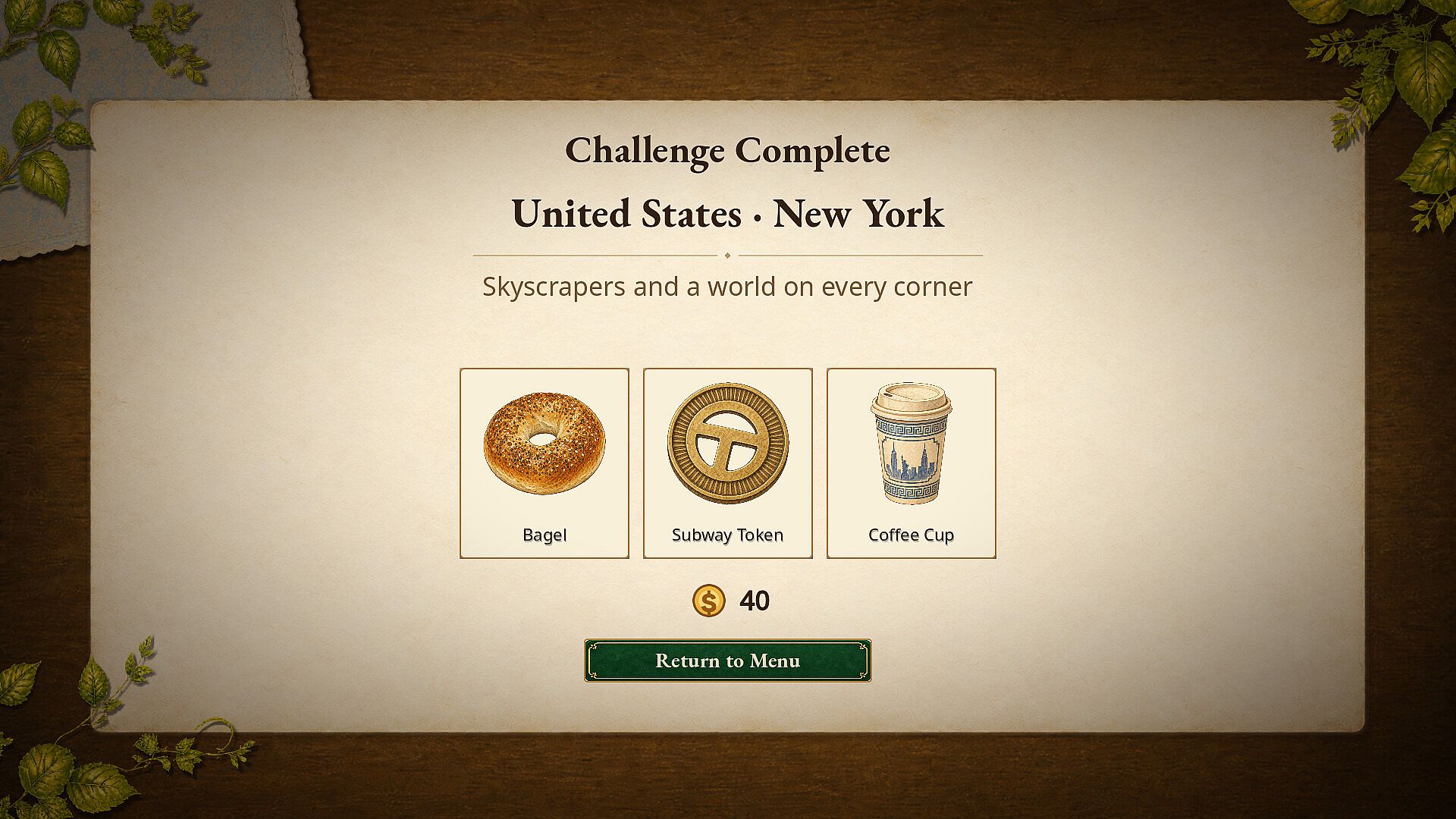
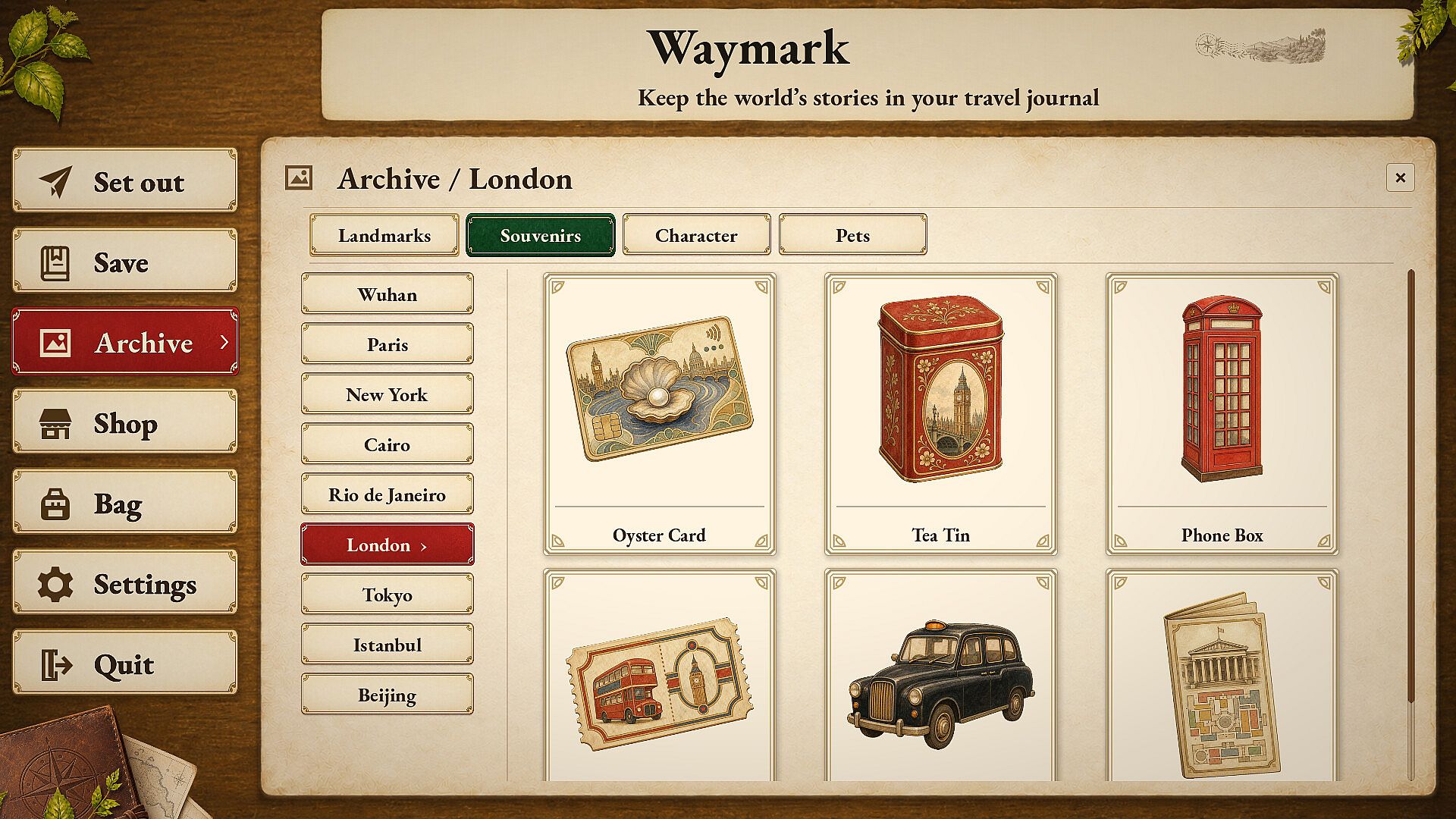
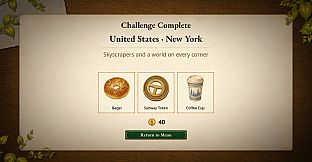
Souvenirs collected during city visits provide additional effects that support the current trip. These items integrate into the Archive alongside completed landmarks, creating a growing personal collection that persists across sessions. The system rewards repeated playthroughs by expanding available options without resetting prior discoveries.
Game Modes
Waymark focuses on solo journeys structured around individual city challenges. Each challenge presents a fresh set of landmark puzzles and monster encounters tailored to that location. Players prepare a deck beforehand and adapt during the run based on energy management and spell synergies.
Progress carries forward through the Archive, where discovered landmarks and souvenirs remain available for reference or future use. This setup supports multiple trips without requiring restarts of earlier content. The emphasis stays on single player exploration and collection rather than competitive or cooperative formats.
Key Mechanics and Progression
Energy management forms the foundation of puzzle solving, forcing players to balance immediate placements against future needs. Spell chaining introduces tactical depth, as buffs and attacks interact in ways that reward foresight and experimentation. Souvenir effects offer short term advantages during a specific challenge while contributing to long term collection goals.
The Archive serves as a central hub for reviewing progress. Landmarks and souvenirs accumulate over time, providing a sense of completion as more cities are visited. This structure suits players who enjoy methodical building of both decks and collections in a relaxed pace.
Is It Worth Playing?
Waymark appeals to those seeking a blend of puzzle assembly and light deckbuilding in a casual strategy package. The mechanics reward thoughtful planning over speed, making it suitable for sessions focused on steady progress through scenic challenges. Fans of indie titles that merge visual reconstruction with card based combat will find the systems cohesive and replayable through deck variation and souvenir collection.
Availability on PC supports straightforward access for strategy enthusiasts interested in travel themed puzzles. The persistent Archive encourages ongoing engagement without pressure from time limited events or multiplayer requirements. Overall, the game delivers a focused experience for players who value deliberate mechanics and incremental collection in a single player format.