


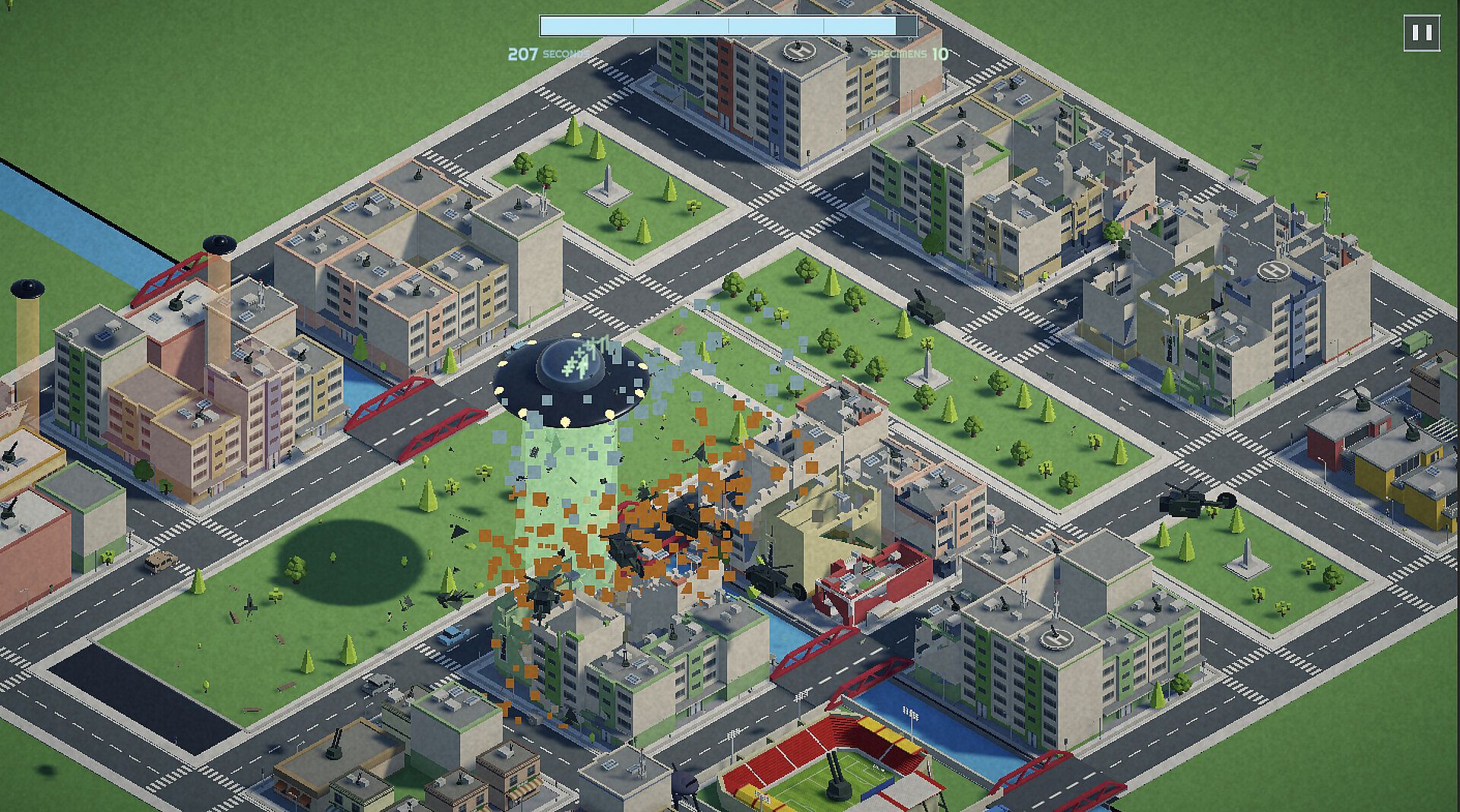
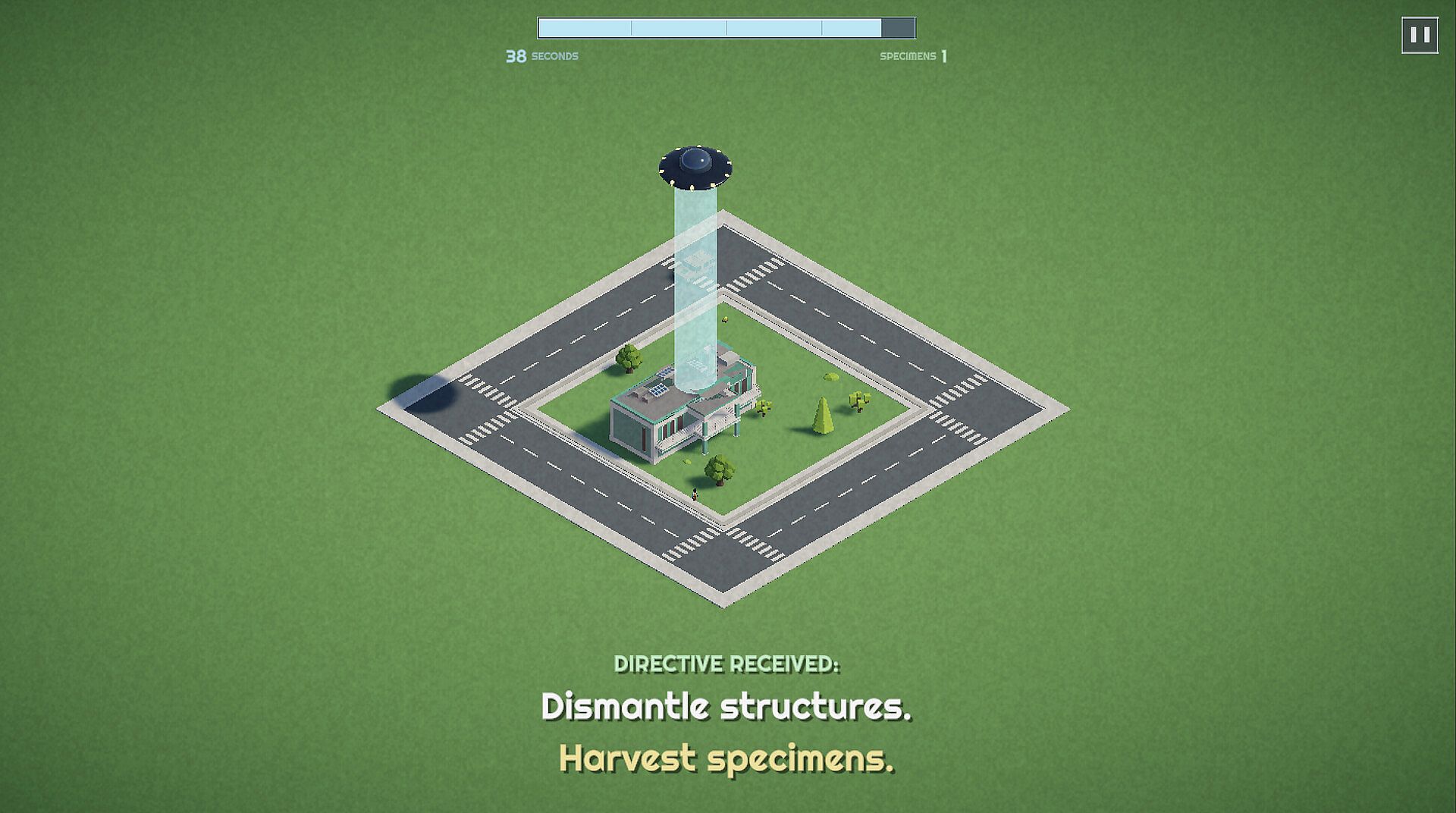
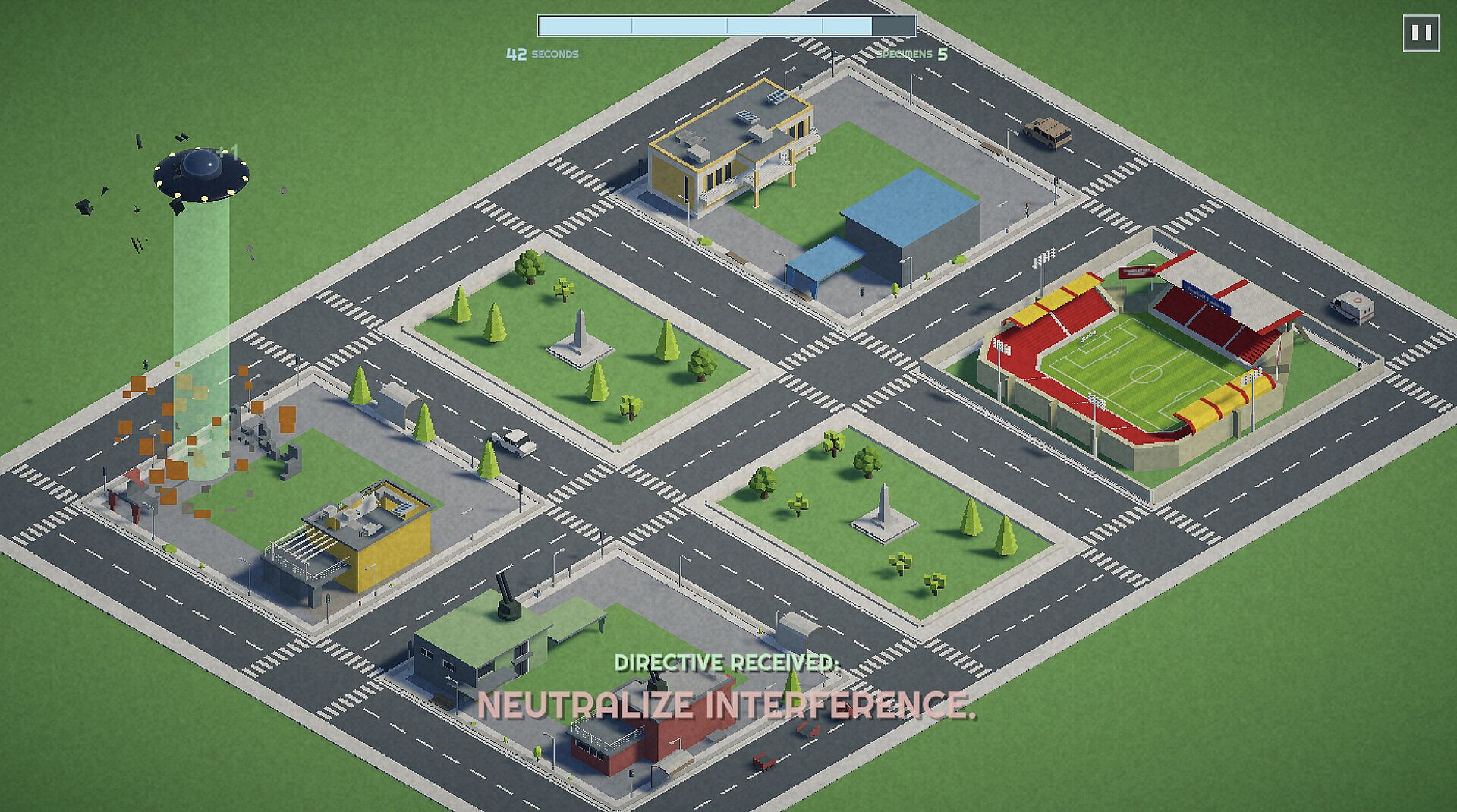
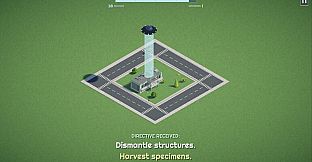
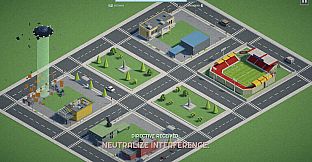

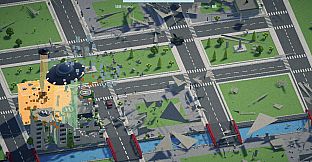
We come in Pieces is a strategy game that puts players in control of a flying saucer intent on dismantling mid-century cities. The core loop centers on destruction and resource gathering, where a tractor beam serves as the primary tool for carving through buildings and collecting biomass from fleeing residents. This biomass fuels an upgrade system that expands destructive capabilities over successive runs on larger urban areas.
Gameplay
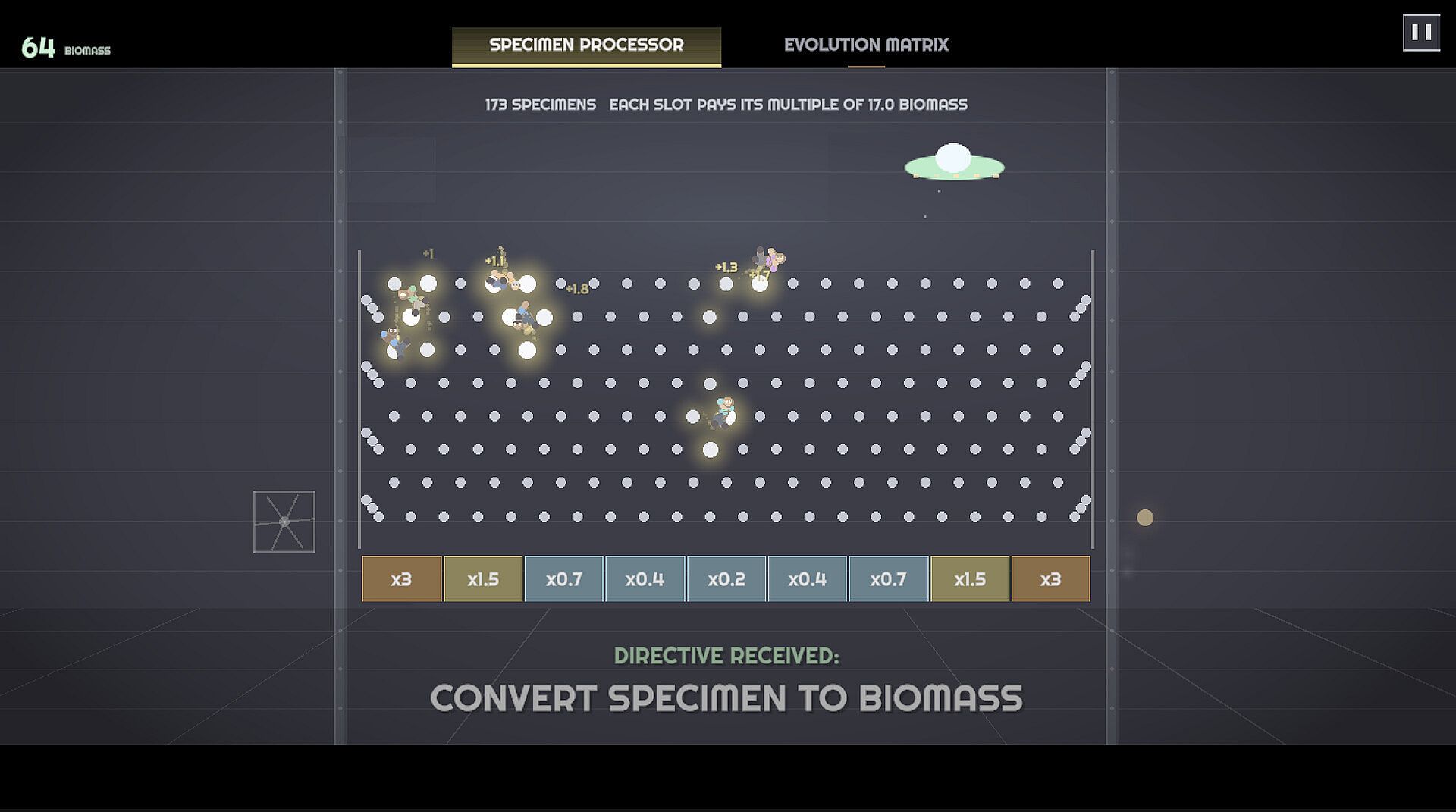
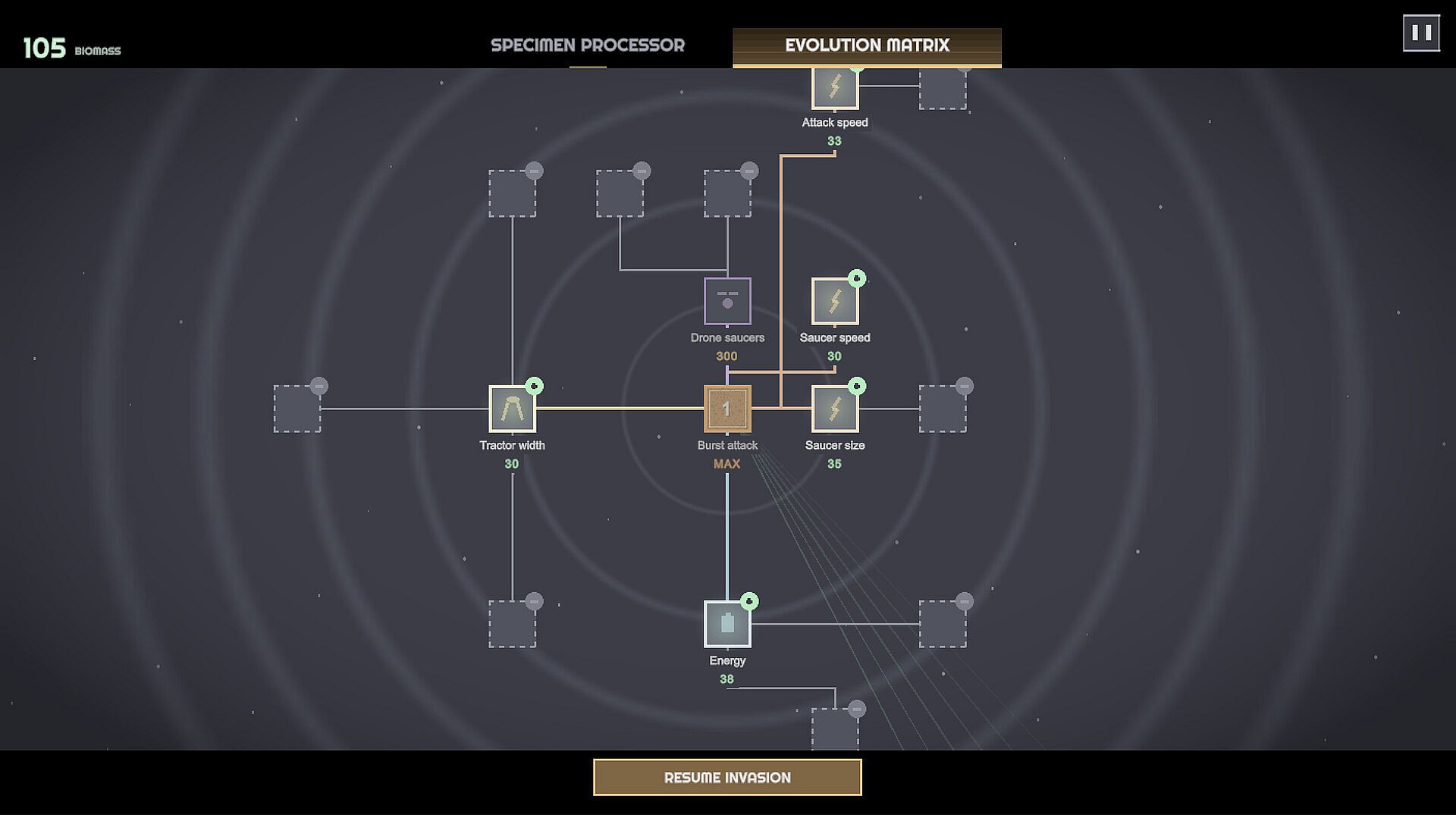
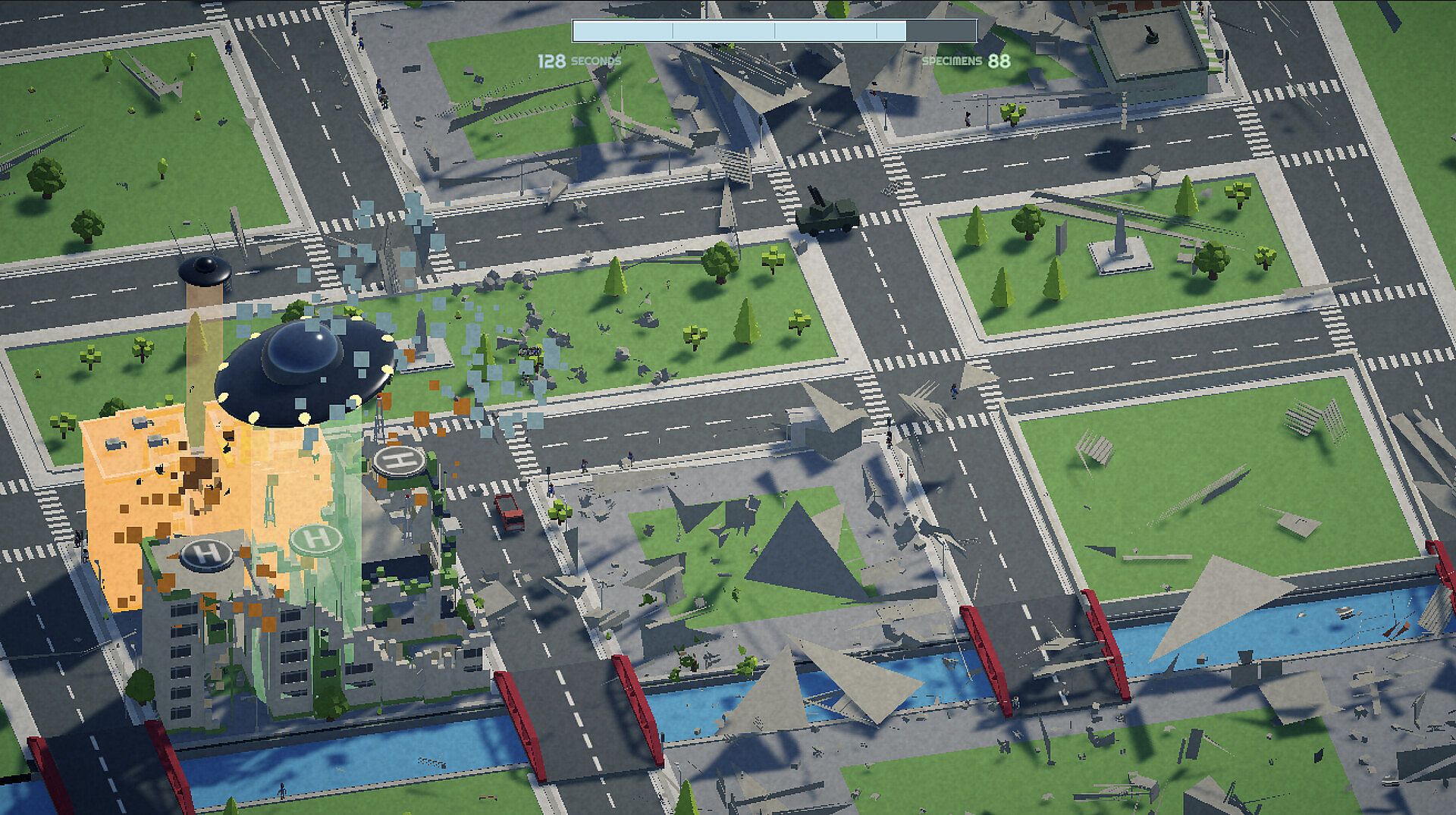
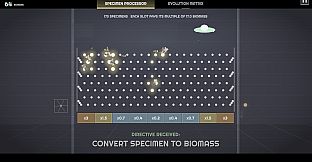
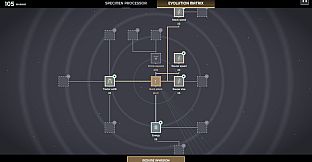
The experience revolves around real-time beam control that functions like a cursor. Players steer the beam across rooftops and structures to cause collapses, with roofs caving in and walls buckling under sustained focus. Once structures break apart, the beam collects the population below for processing. An onboard peg-board processor converts these harvests into biomass, which players then allocate in the Evolution Matrix. This upgrade tree unlocks enhancements such as burst attacks, beams that split and chain across targets, drone escorts, meteor storms, orbital sweeps from a mothership, and automated harvesting machines. The progression encourages repeated passes over cities, with each evolution making subsequent destruction more efficient and expansive. The casual pace suits short sessions while the strategy layer rewards planning beam paths and upgrade priorities to maximize biomass yield before moving to bigger targets.
Game Modes
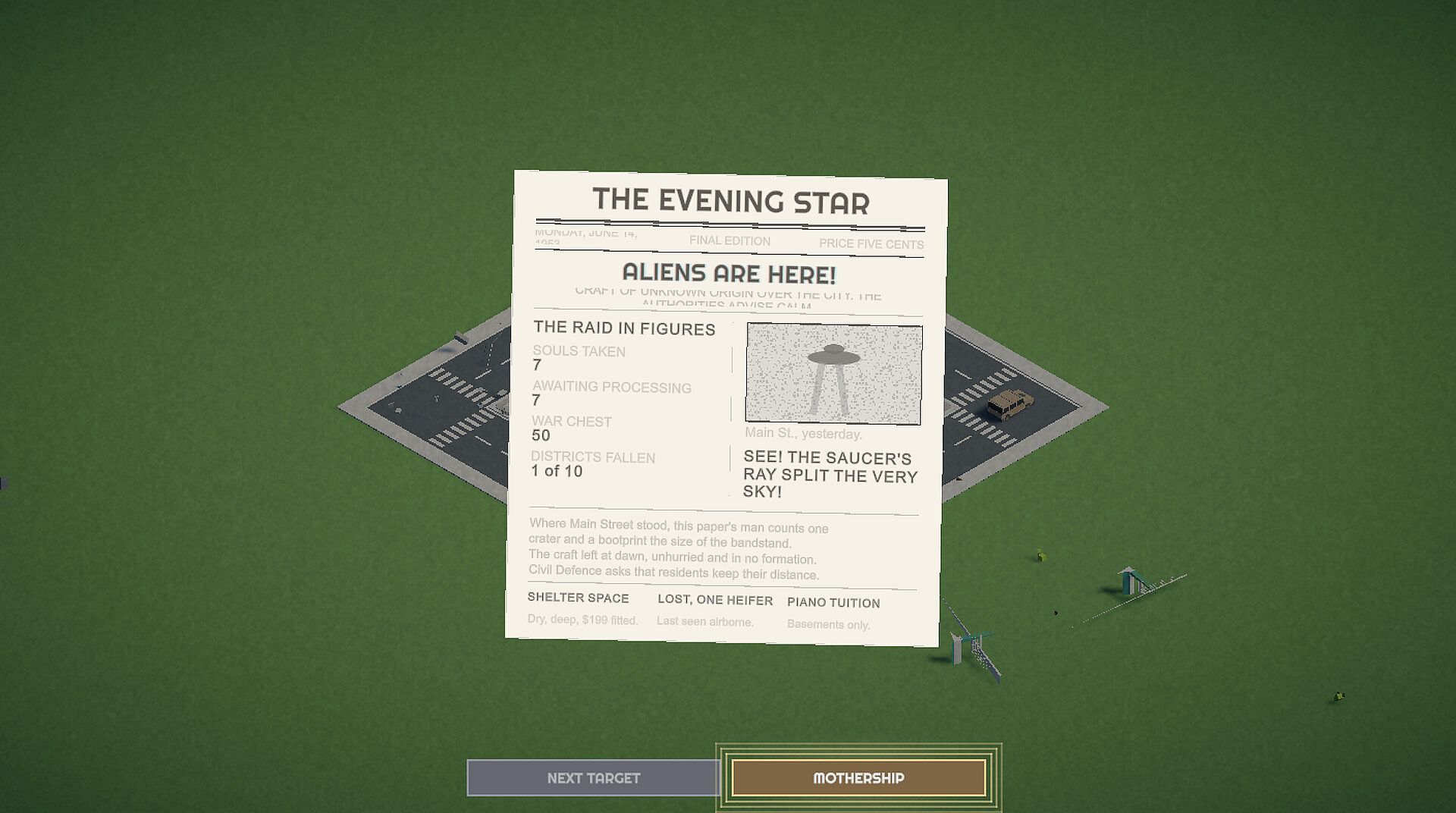
Play centers on a single-player campaign of city destruction that scales in size. Initial stages involve smaller, sleepy urban layouts where basic beam sweeps suffice to level blocks and gather initial biomass. Later stages shift to larger cities that demand more advanced beam techniques and upgrades to handle increased building density and population. The loop remains consistent across these stages: sweep and dismantle, harvest, process into biomass, and invest in the Evolution Matrix for stronger tools. No separate competitive or cooperative modes appear in the available details, keeping the focus on iterative improvement through destruction and evolution in progressively challenging environments.
Key Mechanics
Beam steering forms the foundation, allowing precise real-time carving of architecture without fixed patterns. Harvesting ties directly to population density, turning each successful sweep into raw material for the processor. The Evolution Matrix acts as the central progression hub, presenting a branching set of upgrades that alter how the saucer operates on future passes. Automated options like harvesting machines introduce passive elements, letting players observe or adjust strategy while systems run independently. These elements combine into a loop that emphasizes experimentation with beam modifications and upgrade combinations to optimize runs on larger maps.
Who It's For
The game appeals to players who enjoy casual strategy titles with a focus on creative destruction and incremental power growth. Those drawn to indie experiences that blend simple controls with layered upgrade decisions will find the beam-based gameplay and biomass economy engaging. Sessions can remain short for quick city sweeps or extend through upgrade experimentation, making it suitable for both relaxed play and deeper optimization. The absence of complex factions or multiplayer systems keeps the emphasis on solo progression through the Evolution Matrix and city-scaling challenges.
Is It Worth Playing?
Players seeking a straightforward strategy loop built around destruction and upgrades may find value in the beam mechanics and Evolution Matrix system. The progression from small cities to larger ones provides a clear sense of advancement as biomass investments yield more powerful tools. With its indie casual roots and PC availability, the game suits those who prefer focused single-player experiences over broad multiplayer features. Current details show no major updates or seasonal content, so the core loop stands as the primary draw for fans of harvest-and-evolve gameplay.