




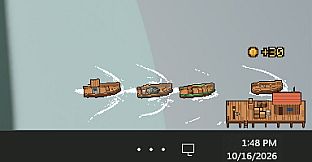
Wharflet is a casual strategy and simulation game for PC that places a self-running fishing operation directly on the desktop. Players watch as pixel-art waves roll across the background, small wooden skiffs head out to sea, and fish are caught and sold without constant input. The experience blends idle progression with light strategic decisions about fleet growth, all while the simulation continues behind other windows.
Gameplay
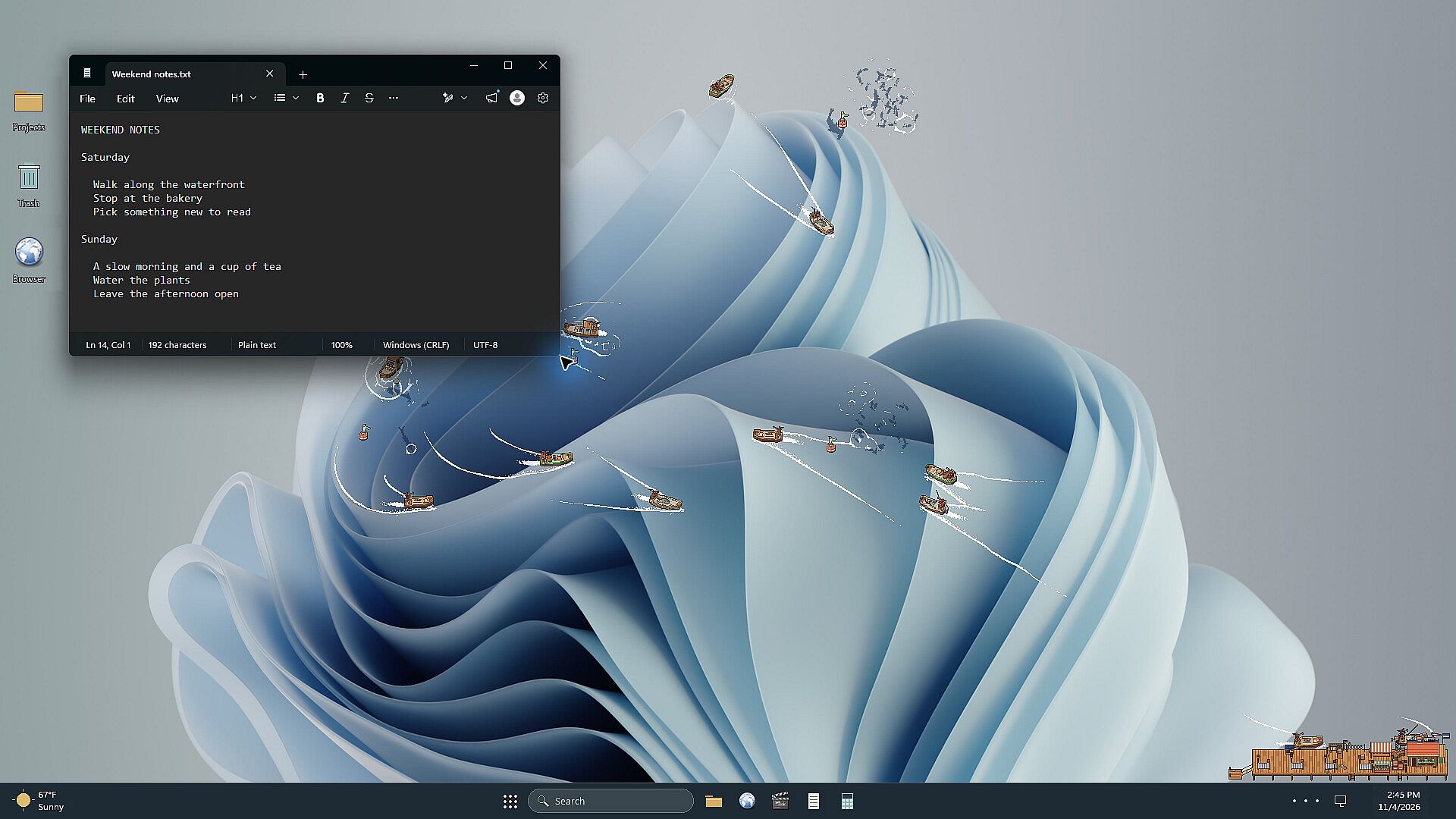
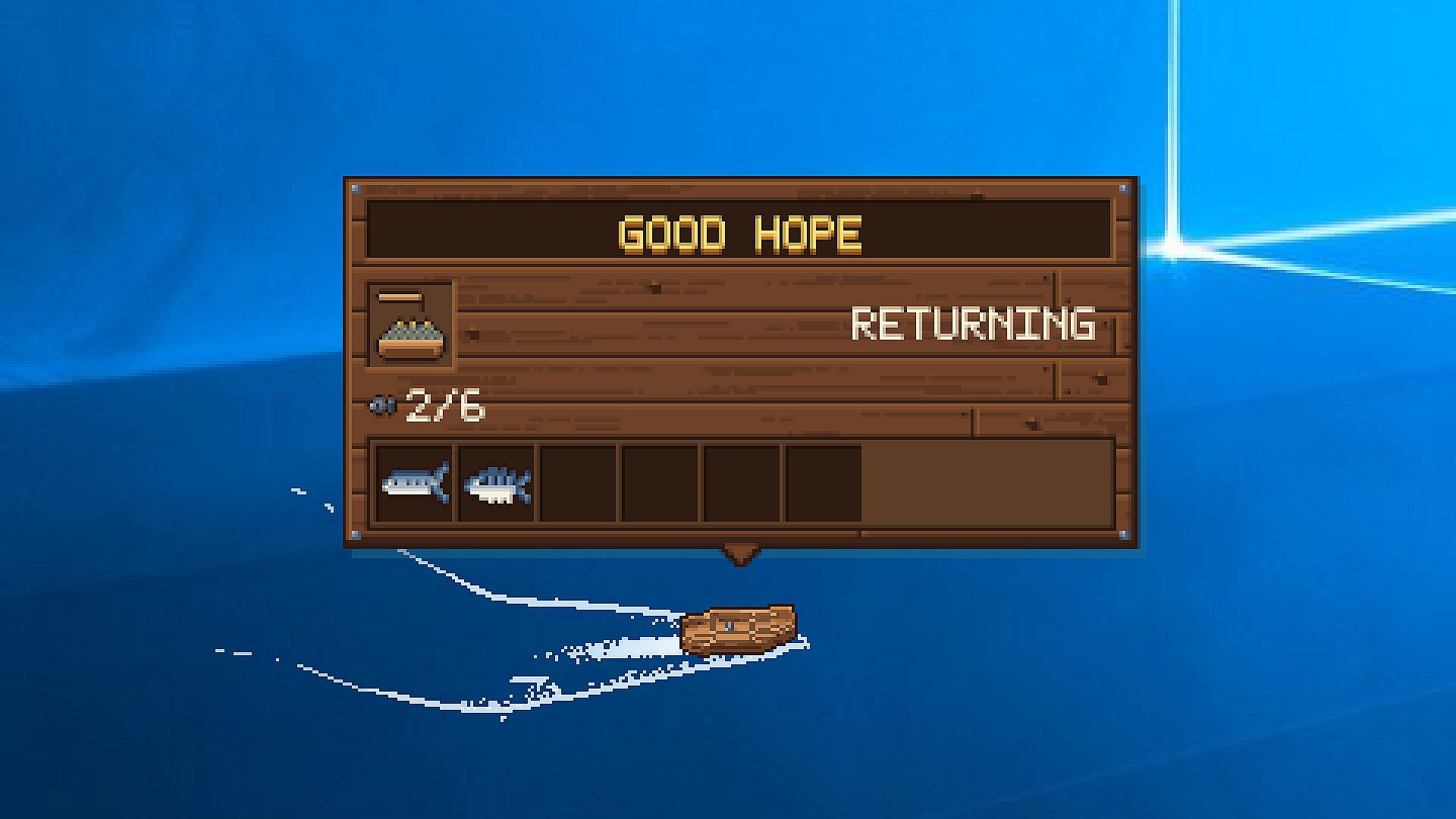
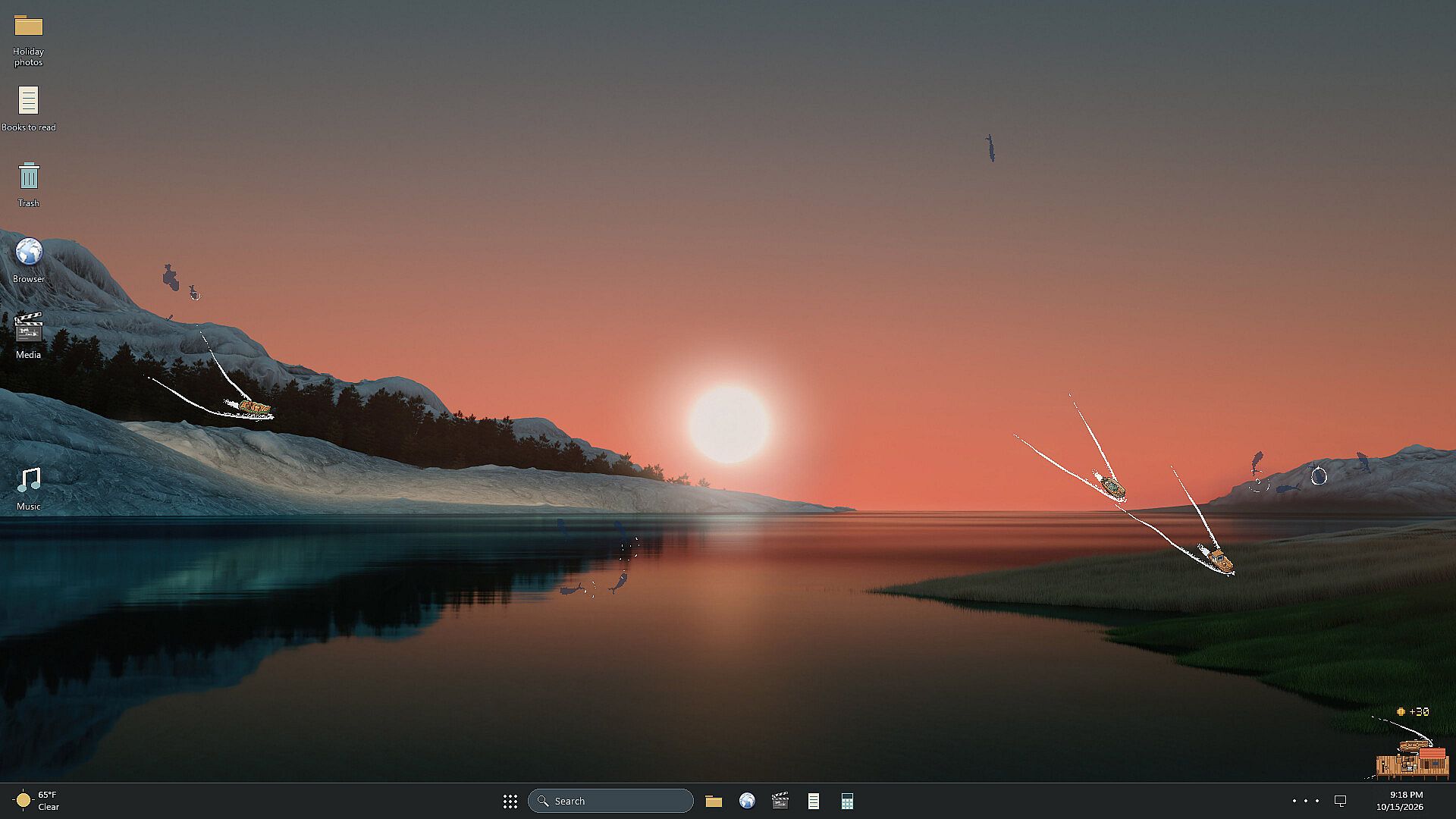
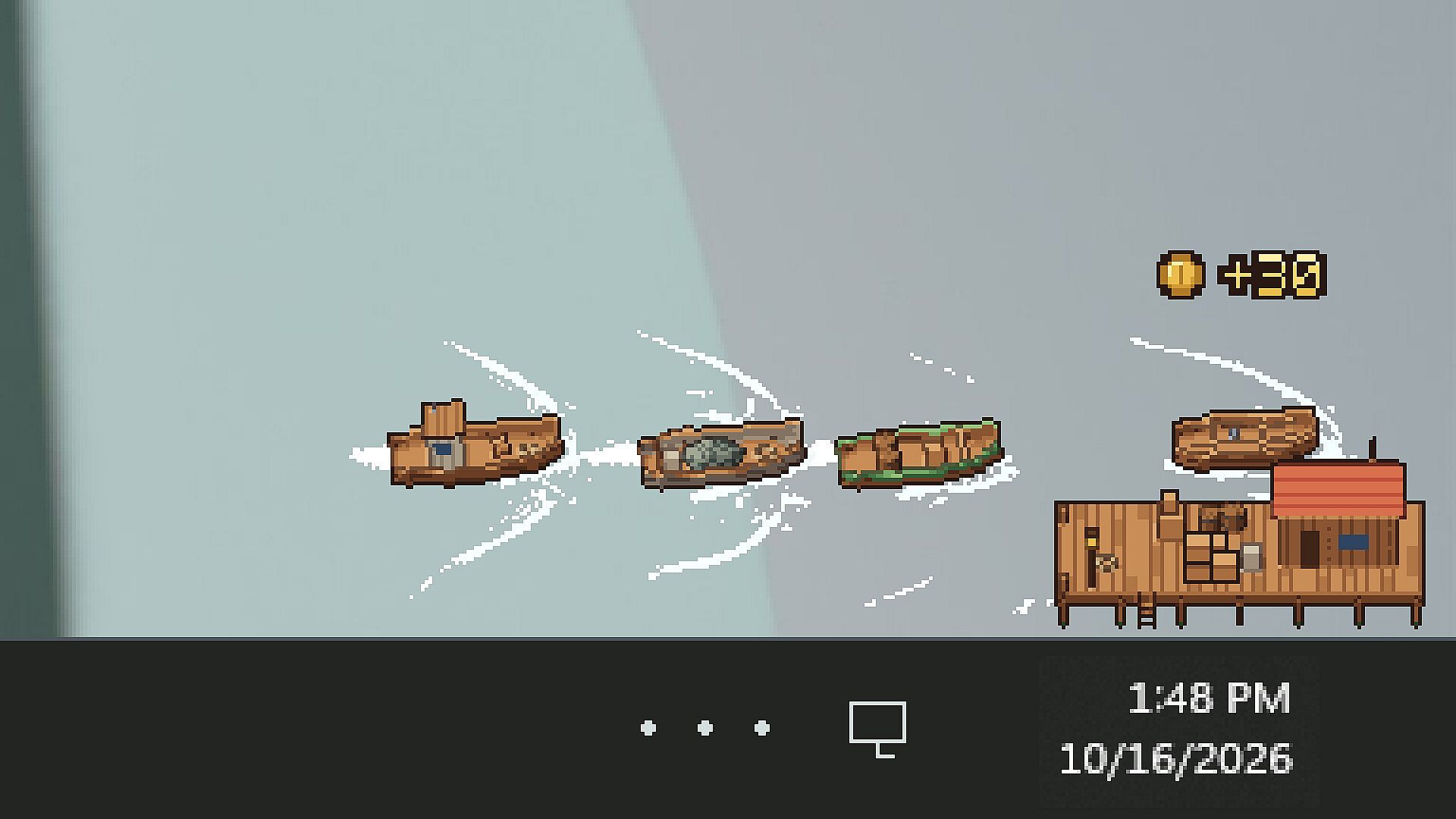
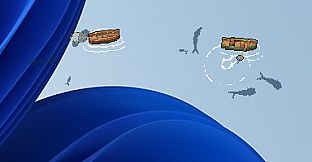
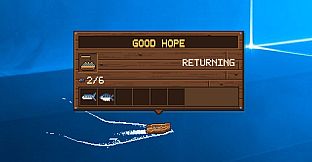
The core loop centers on a compact ocean scene that sits on the desktop. Shoals of fish swim through the water, a tiny dock anchors the operation, and pixel-art waves provide constant visual movement. Wooden skiffs depart on their own, travel across the simulated sea, return with catches, and deliver the haul to a market stall for sale. This automation removes the need for direct control over each trip.
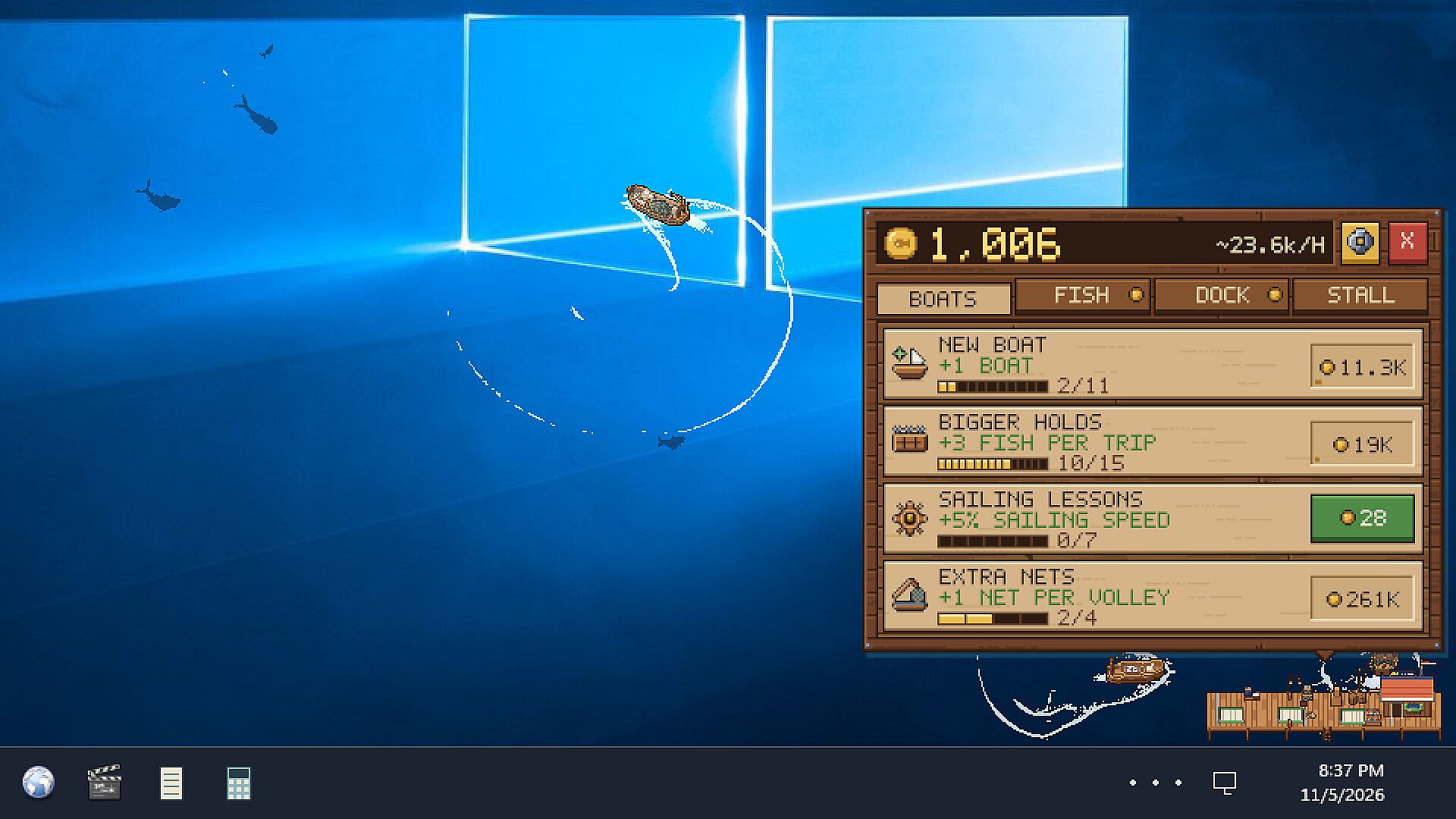
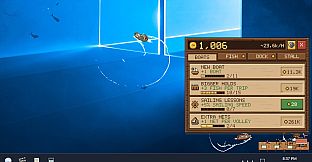
Progress comes through upgrades purchased at the player's own pace. Each upgrade expands the fleet or improves efficiency, allowing more boats to operate simultaneously or increasing the value of each sale. The system rewards steady observation rather than rapid clicking, fitting naturally into a workday as the simulation handles the routine tasks.
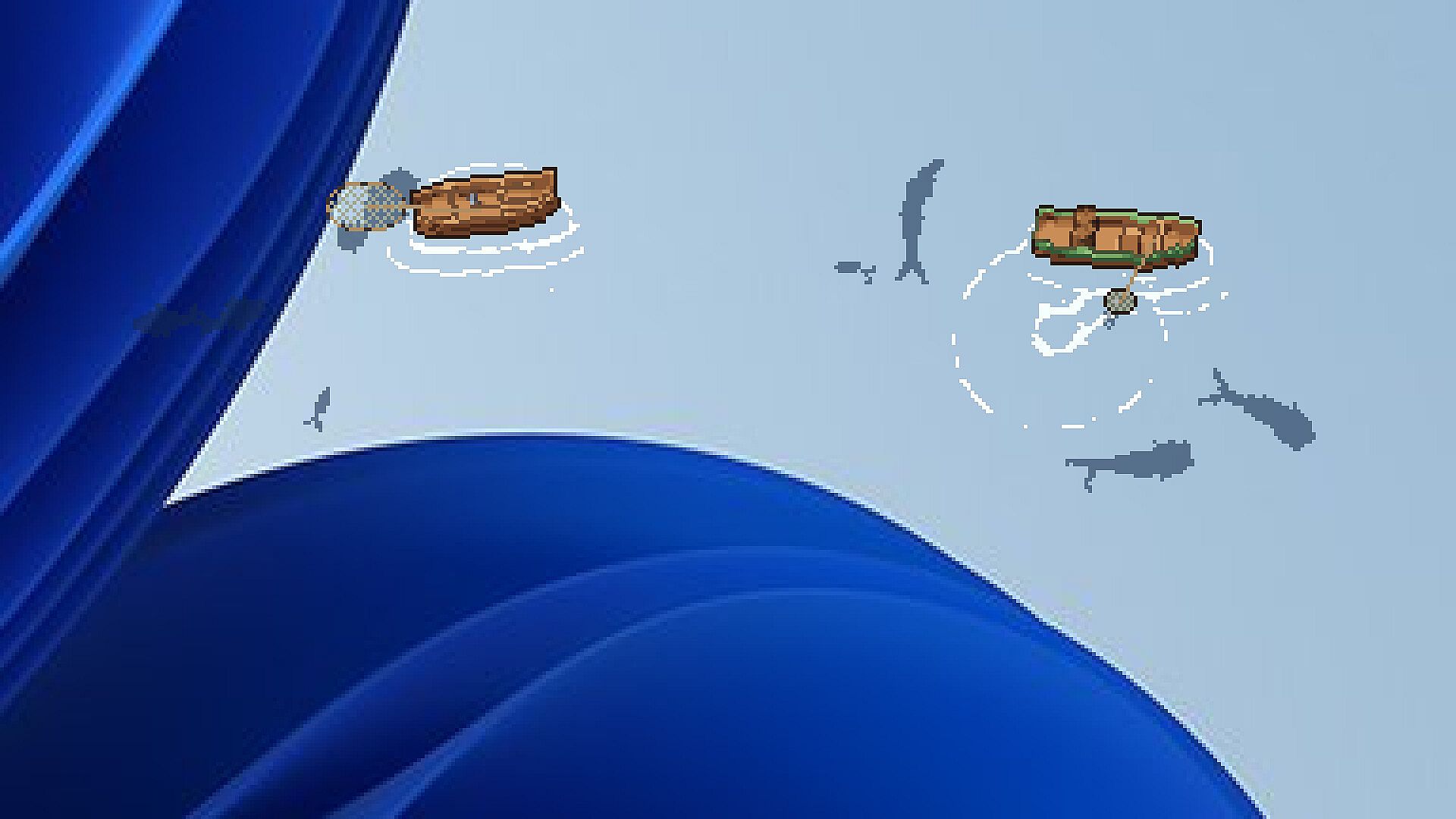
Visual details emphasize the pixel-art style throughout. Waves crest and recede with a full water simulation, skiffs bob realistically on the surface, and fish move in coordinated groups. The entire scene remains visible and active even when other applications occupy the foreground, turning the desktop into a living harbor.
Game Modes
Wharflet operates as a single continuous simulation mode. The background activity runs indefinitely once launched, with boats cycling through fishing and selling loops without player intervention. The only active choices involve timing and selection of upgrades to grow the fleet over time.
No separate competitive or story-driven modes appear in the experience. The focus stays on the relaxed, always-on harbor simulation that supports multitasking on PC. Players return to the desktop periodically to review progress and invest in new boats or improvements.
Visuals and Atmosphere
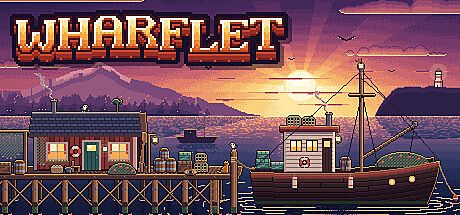
Pixel-art presentation defines the look of Wharflet. Every element, from the water surface to the individual fish and skiffs, uses a consistent retro-inspired style that remains clear even at small desktop sizes. The wave simulation adds gentle motion that keeps the scene lively without demanding attention.
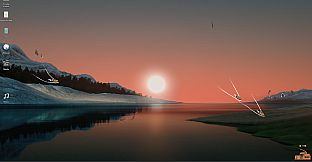
The atmosphere stays calm and productive. The ocean scene evokes a simple working harbor rather than dramatic seascapes, aligning with the casual simulation focus. Screenshots from Windows environments confirm the integration works cleanly alongside typical desktop workflows.
Who Wharflet Is For
The game suits players seeking a low-pressure strategy and simulation title that runs alongside daily computer use. Those who enjoy idle mechanics and gradual fleet expansion will find the automated boat cycles satisfying. It appeals especially to users who want a persistent visual element on their desktop without requiring full-screen commitment or intense focus.
Is It Worth Playing?
Wharflet delivers a straightforward idle simulation built around automated fishing runs and upgrade-driven growth. The lack of micromanagement lets the harbor operate independently, which matches the described design of bringing ocean activity to the background while work continues. Players who value relaxed progression and pixel-art visuals in a desktop-friendly format will likely appreciate the steady, hands-off loop.
The experience remains accessible on PC and requires no ongoing management once boats are active. For anyone interested in casual strategy simulations that emphasize observation over constant input, the title provides a consistent and undemanding alternative to more demanding management games. Those preferring active control or multiplayer elements may find the automation too passive, but the core concept aligns directly with users who want a living desktop scene that advances on its own.










