





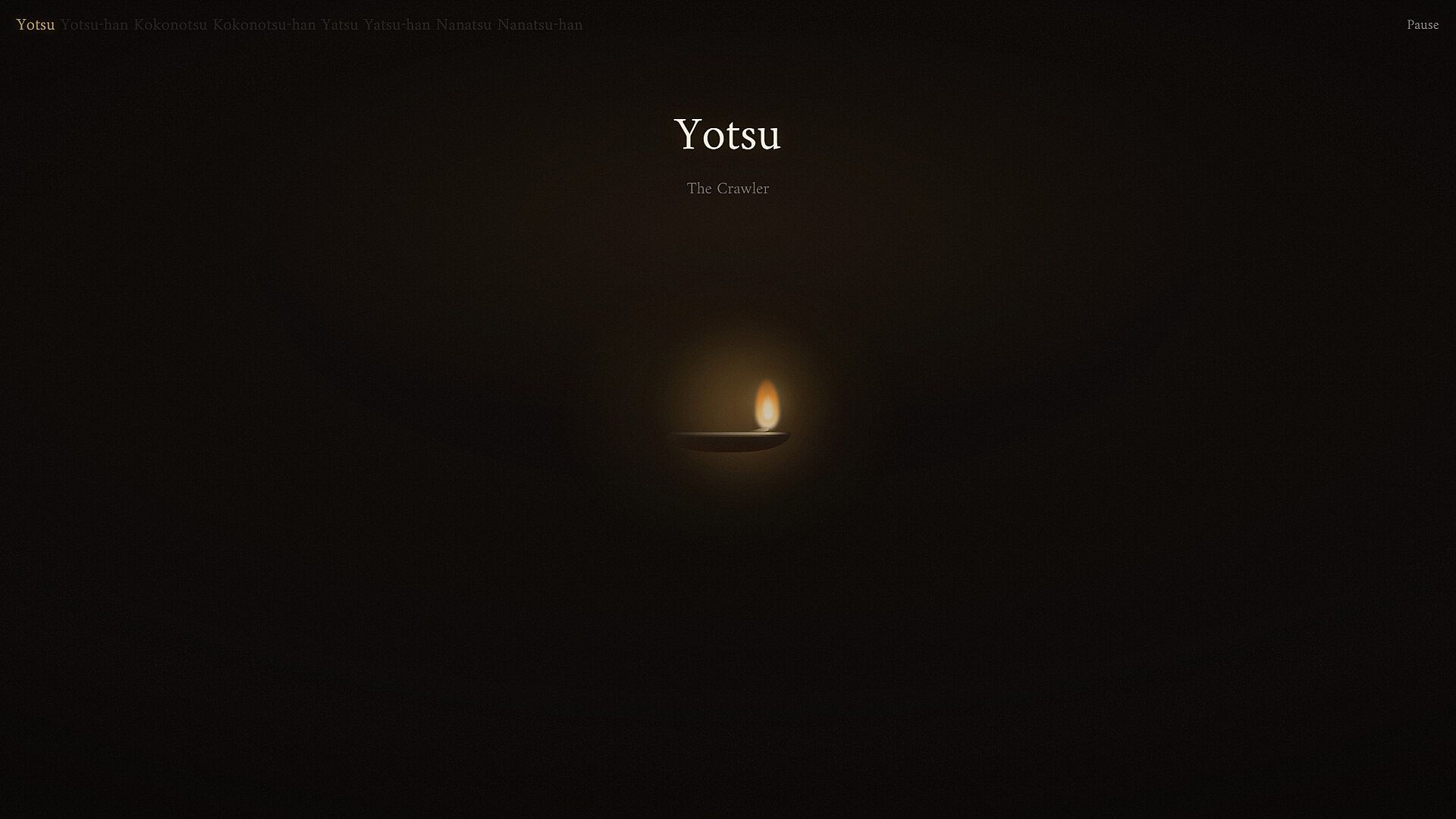







Yoban is an indie adventure game centered on a tense, audio-driven vigil in a rural Japanese setting. Players step into the role of a villager tasked with watching over a deceased childhood friend through the night, relying entirely on sound to identify and repel supernatural threats while obeying strict rules that keep the eyes closed and the body still.
Gameplay
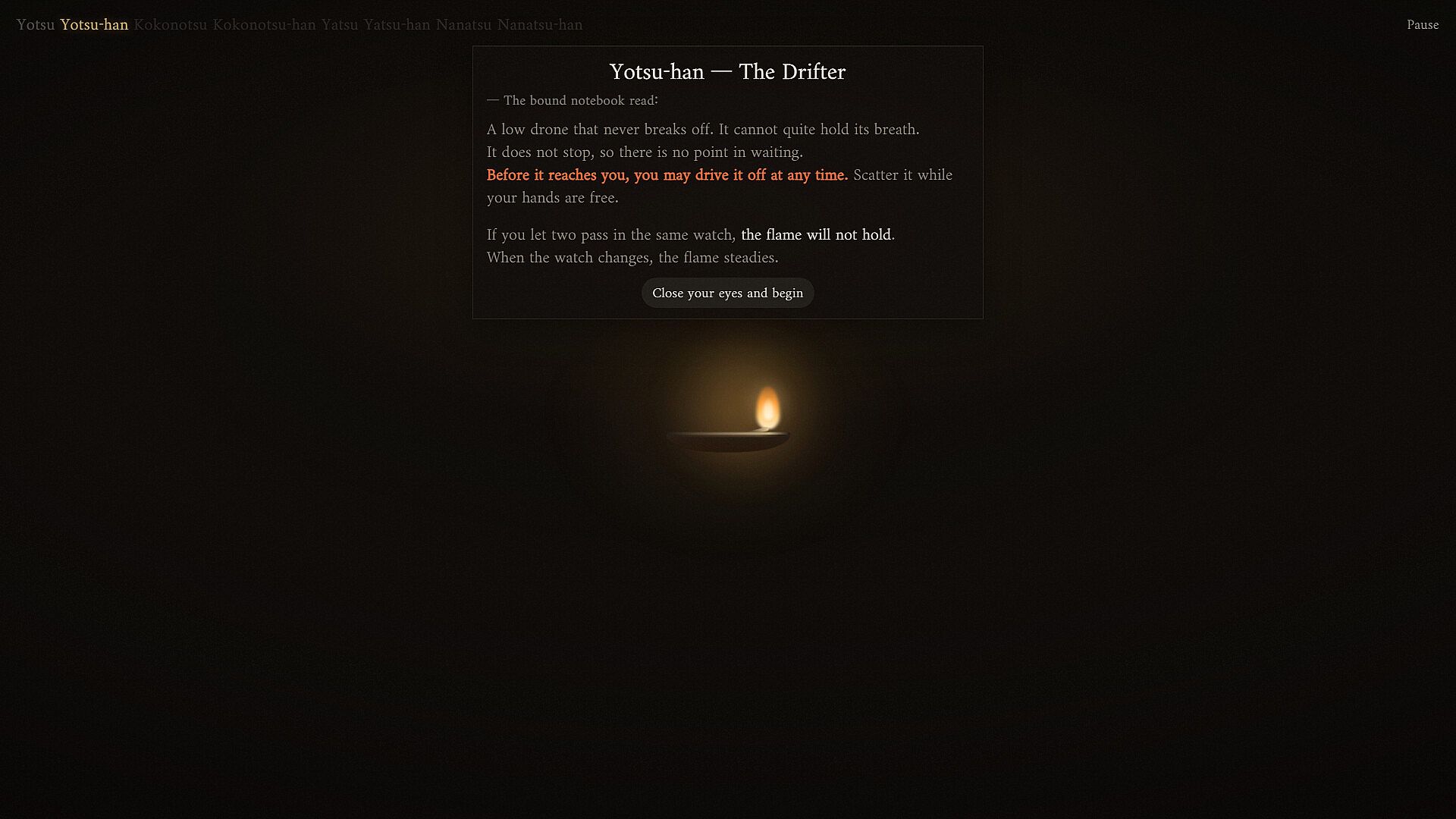
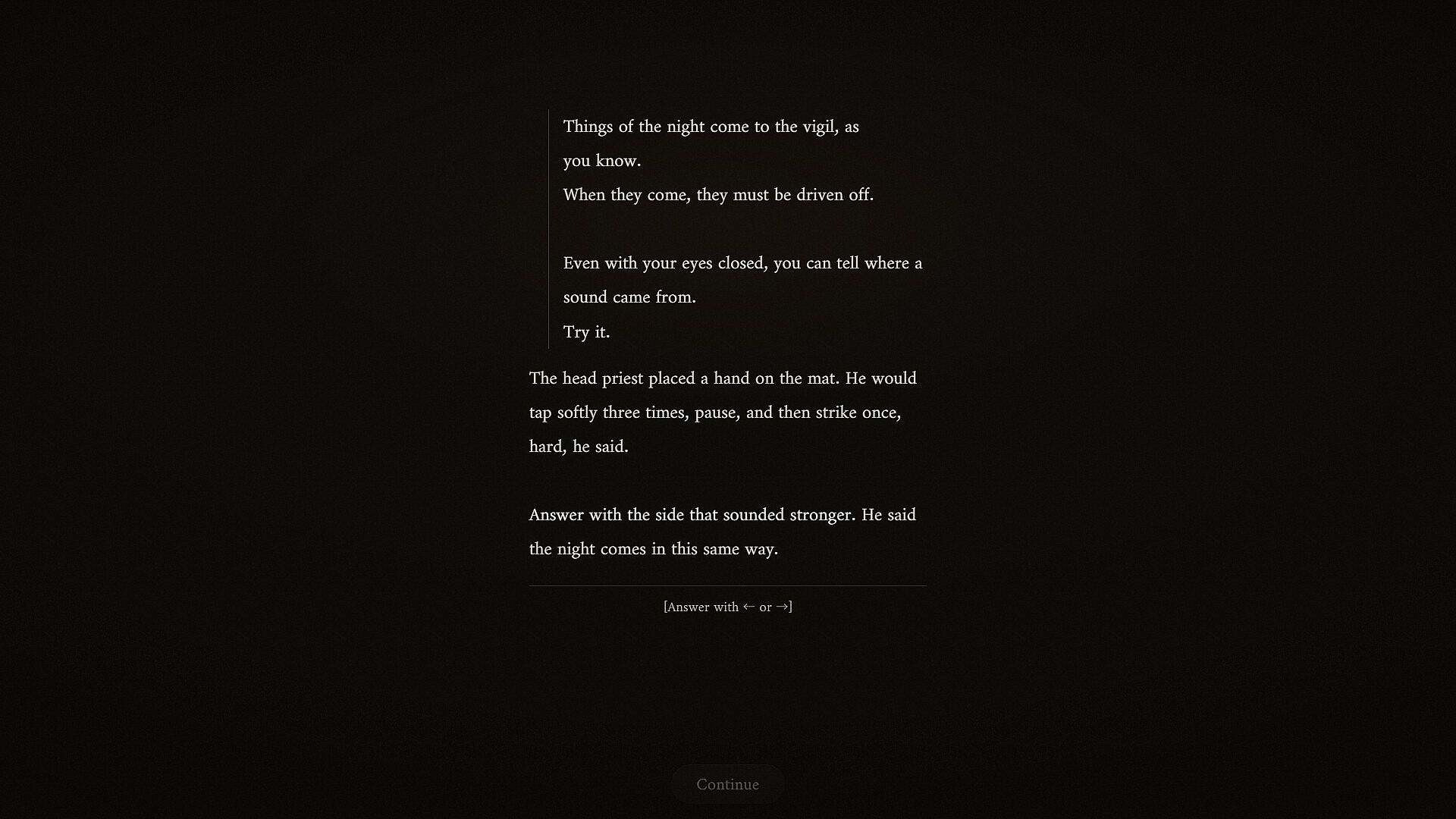
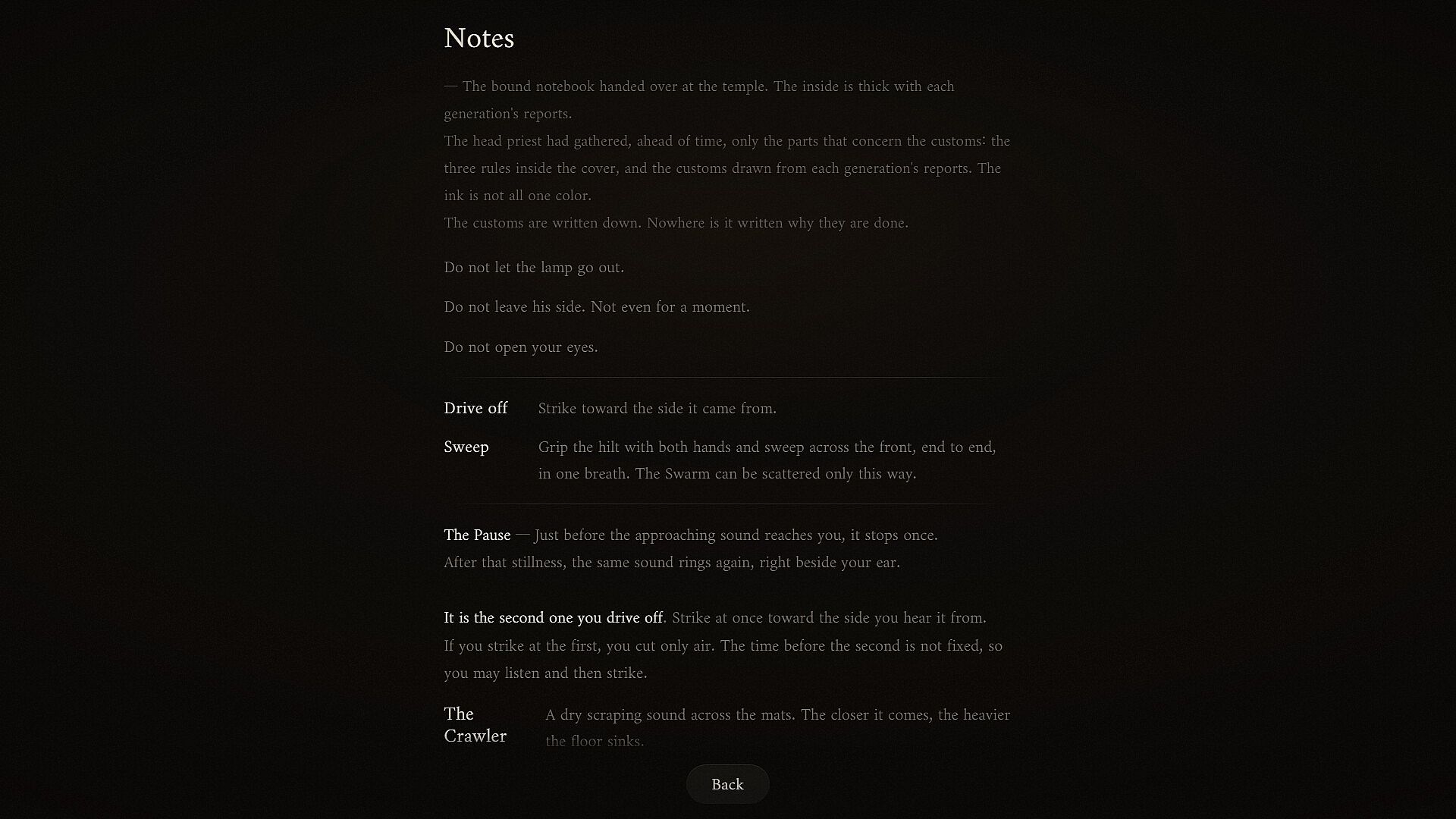
The core loop unfolds across eight watches spanning from late evening until dawn. With eyes shut, the player hears directional audio cues indicating where threats approach the body or the lamp. Stereo headphones or earphones prove essential for distinguishing left and right sounds accurately. A short sword serves as the primary tool for striking at single threats, while simultaneous approaches from both sides require a coordinated sweep. When danger targets the lamp itself, the sword must be set aside to shield the flame instead.
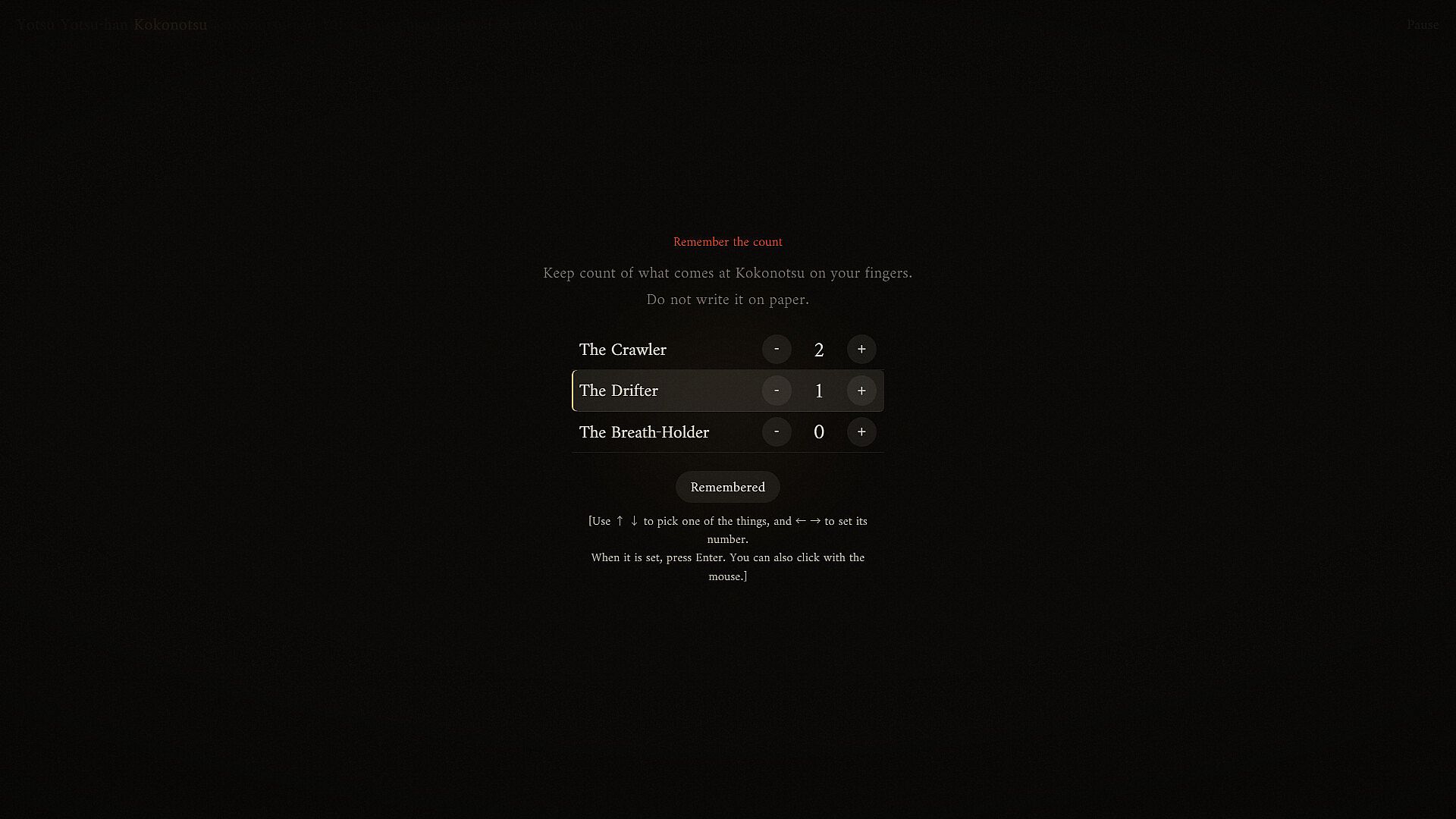
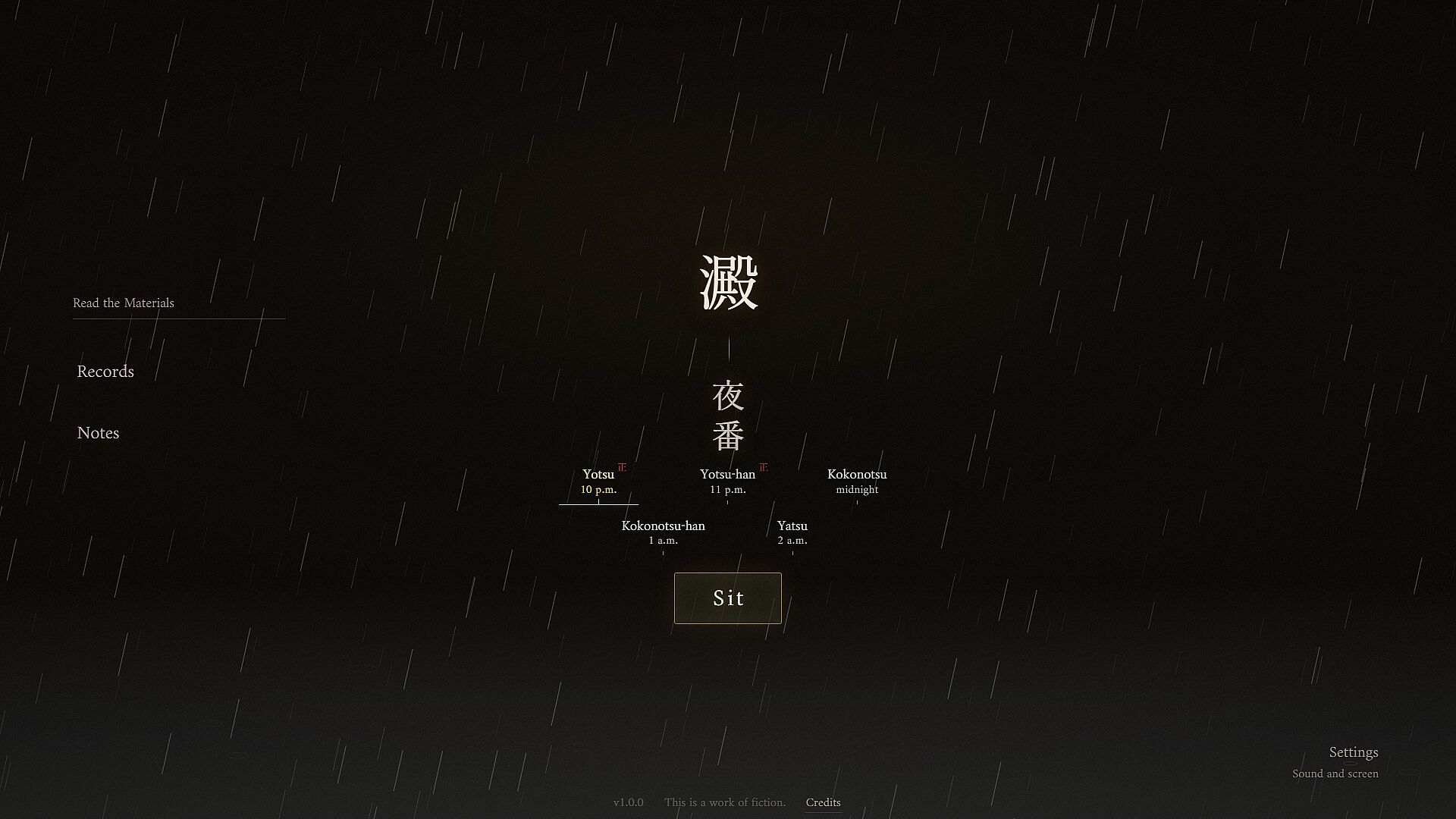
Each watch ends with a mental tally of encounters, tracked on the fingers since no writing materials are available. These counts become critical at daybreak when the village gathers to hear the report. The experience emphasizes careful listening, precise timing, and memory rather than visual exploration or combat sequences typical of other horror titles.
Keyboard controls handle all actions, with the mouse available for menu navigation and limited looking around. Sudden audio events heighten the atmosphere, and the narrative incorporates themes of death, drowning, and guilt through text descriptions. Multiple playthroughs unlock additional records and memories that reveal village history and prior vigils, encouraging repeated sessions to piece together the full story.
Game Modes
Yoban operates as a single-player experience with no multiplayer components. The main vigil forms the central activity, supported by five distinct endings that branch according to performance and choices made during the night. Two additional chapters become accessible once specific conditions are met across prior runs, expanding the narrative without altering the fundamental audio-based mechanics.
Progression relies on completing the full night while maintaining the lamp and accurately reporting counts. Different outcomes arise from how threats are handled and how many encounters occur, leading players to experiment with timing and responses on subsequent attempts. The structure keeps sessions focused and relatively short, suiting those who prefer contained horror stories over extended campaigns.
Narrative and Atmosphere
The story begins with a river flood claiming a life and places the player in the traditional role of the companion who must keep watch alone. Village customs dictate the prohibitions and the reporting ritual, framing the night as both a duty and a test. As records and memories surface through repeated play, questions about the vigil's origins and the village's past come into focus.
Audio design drives immersion, with environmental sounds like rain and river flow blending into the tension of approaching threats. The fictional setting avoids any real-world connections, allowing the horror to stem purely from the rules and the unknown presences in the dark. Text elements convey the emotional weight without relying on visual gore or jump scares beyond the sudden sounds.
Is It Worth Playing?
Yoban targets players drawn to short, atmospheric horror experiences that emphasize audio perception and memory over traditional visuals or action. Its single-player format and branching endings reward careful attention to sound cues and multiple attempts to uncover all narrative layers. The game remains unreleased with no player reviews available yet, so expectations should center on the described mechanics of directional listening, lamp protection, and count reporting.
Those who enjoy Japanese horror traditions and audio-centric gameplay will find a focused experience here. Stereo audio setup is strongly recommended to fully engage with the left-right distinction that defines success or failure. Availability on PC supports straightforward keyboard play, and the content warnings prepare players for themes of loss and responsibility. For fans of contained indie adventures that unfold through sound and deduction, the title offers a distinctive approach worth considering once it launches.











