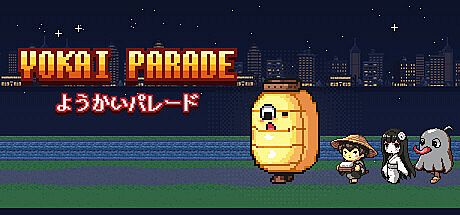


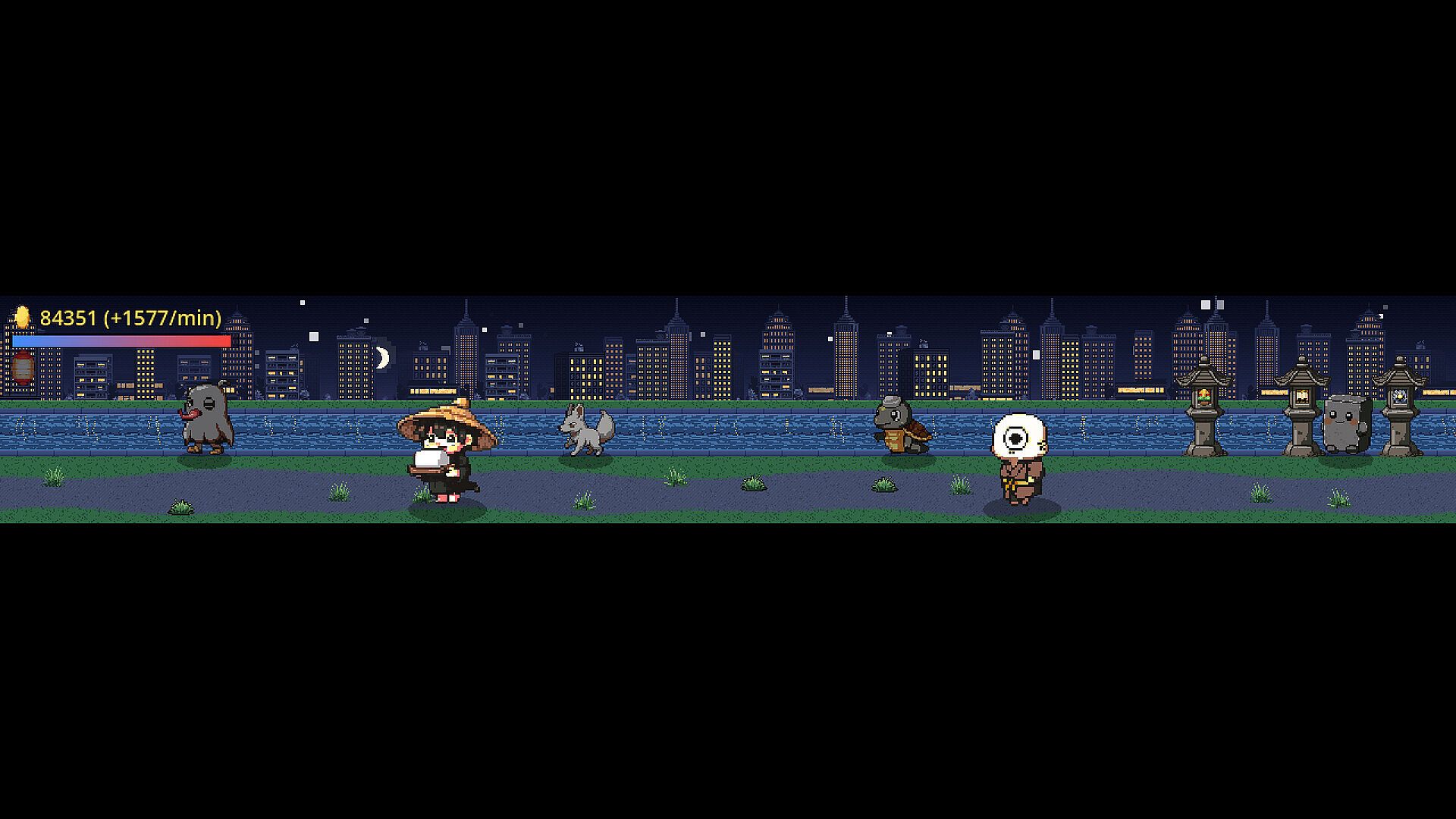
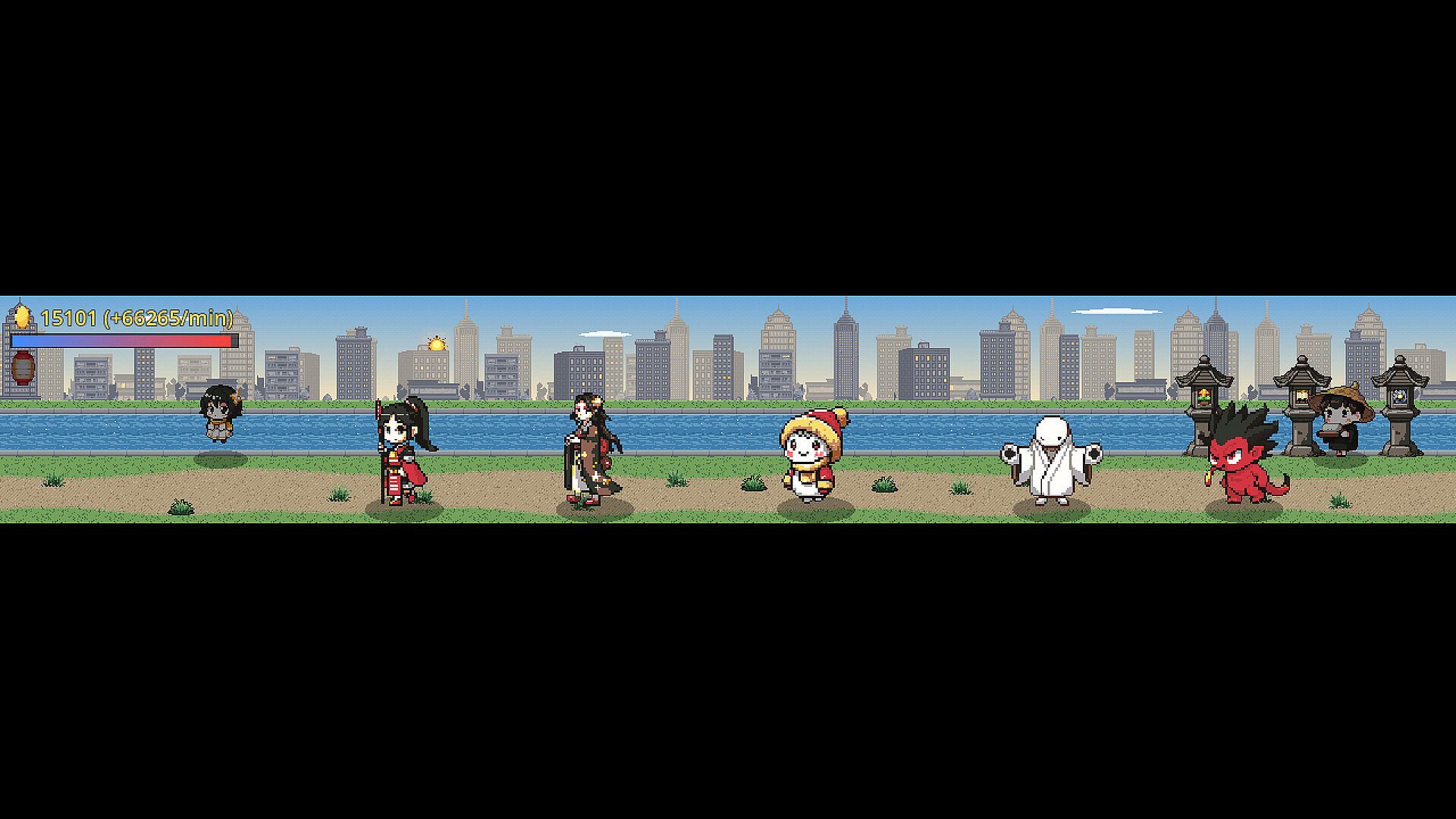
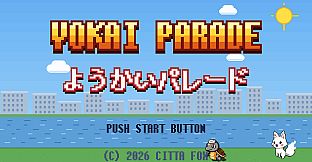
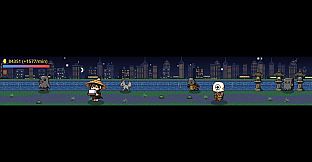
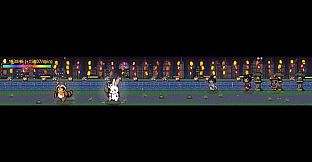
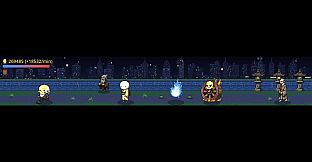
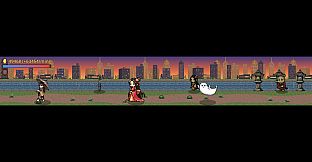
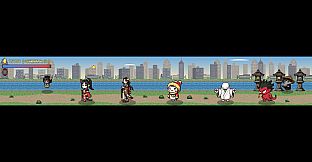
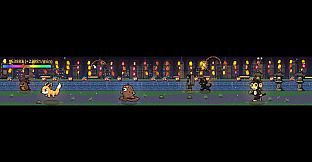
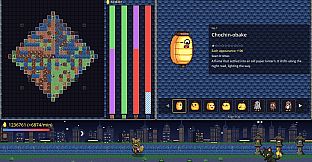
Yokai Parade is an indie casual simulation game for PC that runs as a resident idle experience along the bottom edge of the desktop. Players watch yokai figures amble past in a continuous parade while koban accumulate passively in the background. The core appeal lies in its minimal interaction style, allowing the game to operate without demanding attention during other tasks.
Gameplay
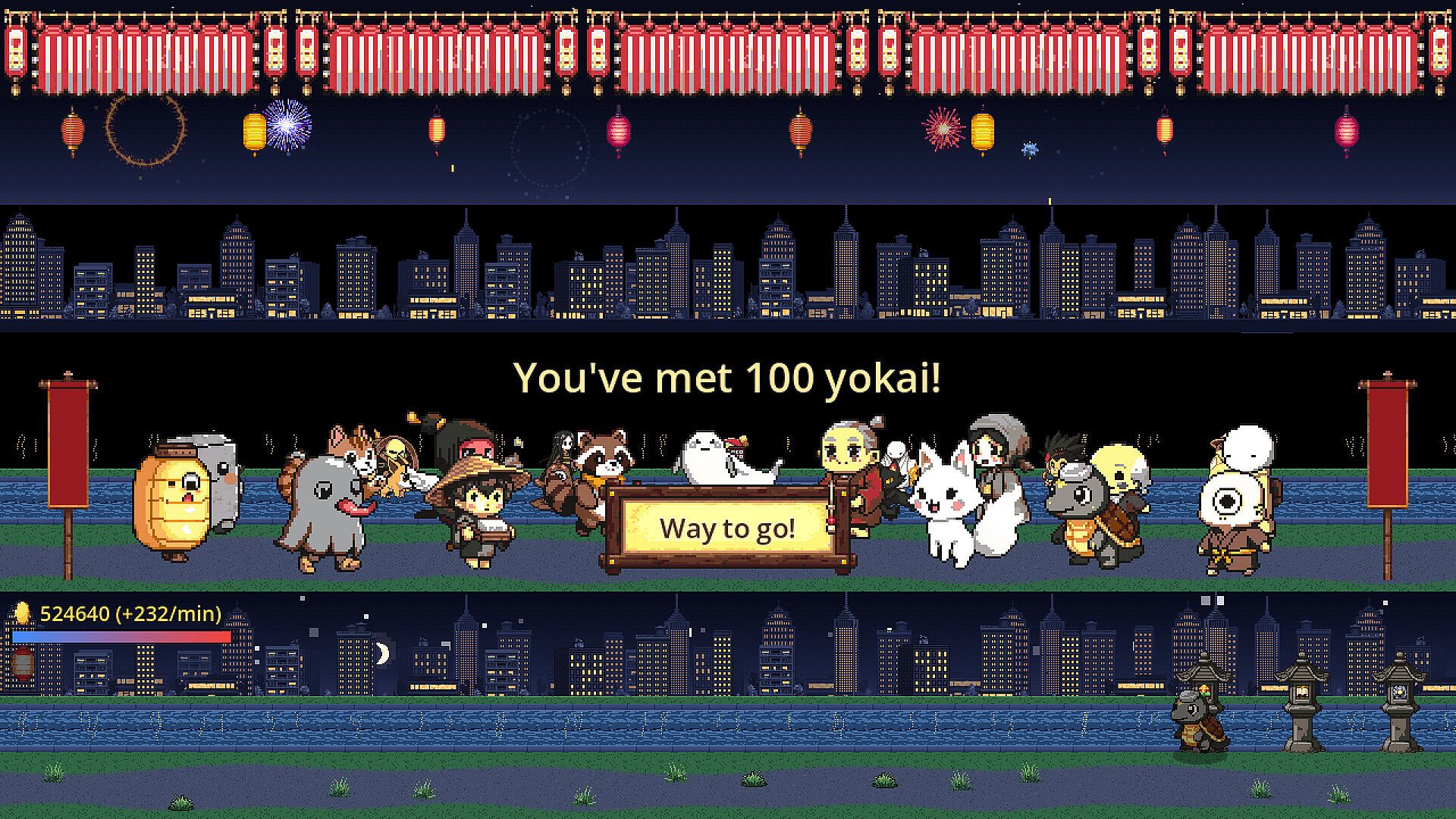
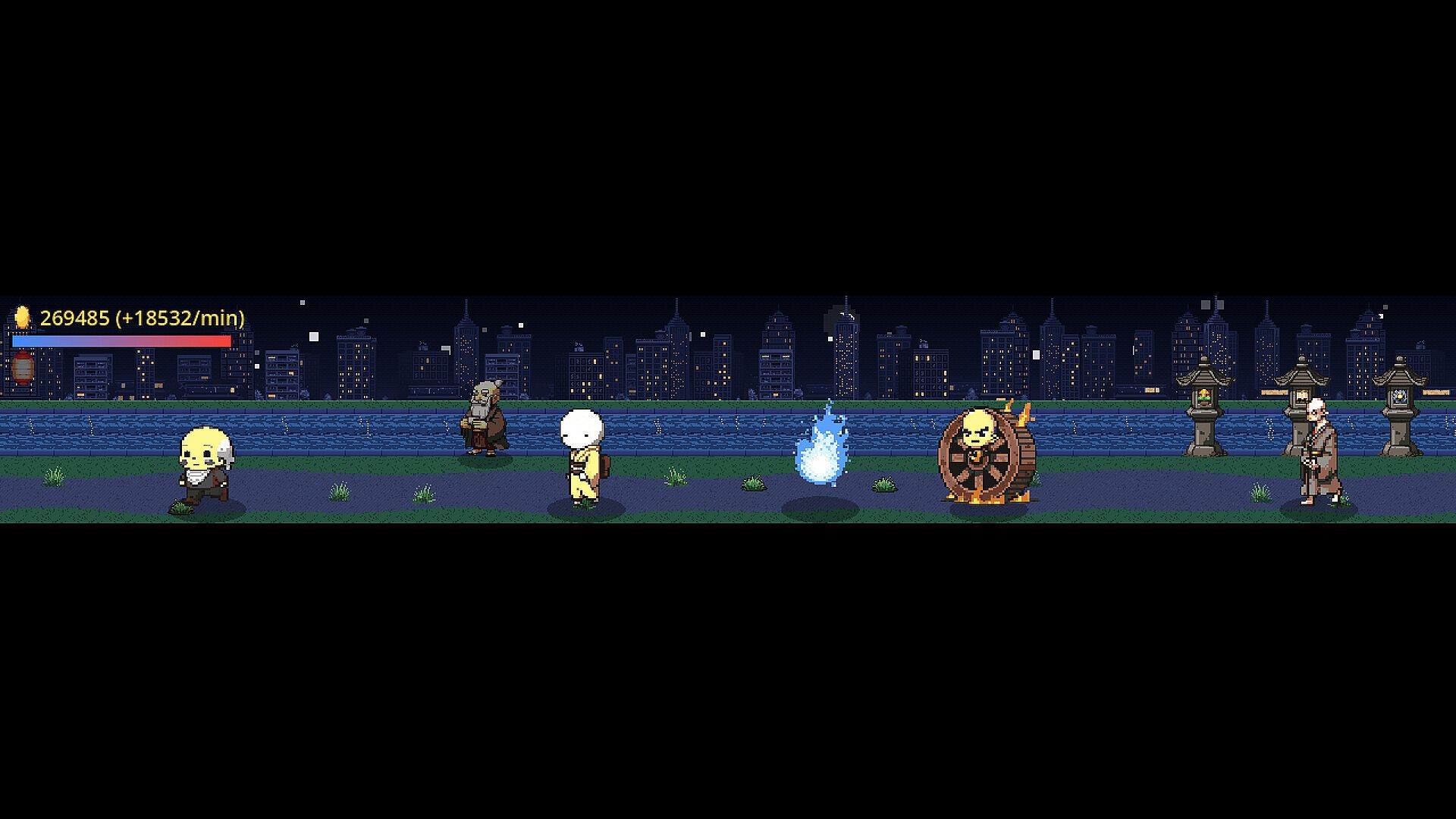
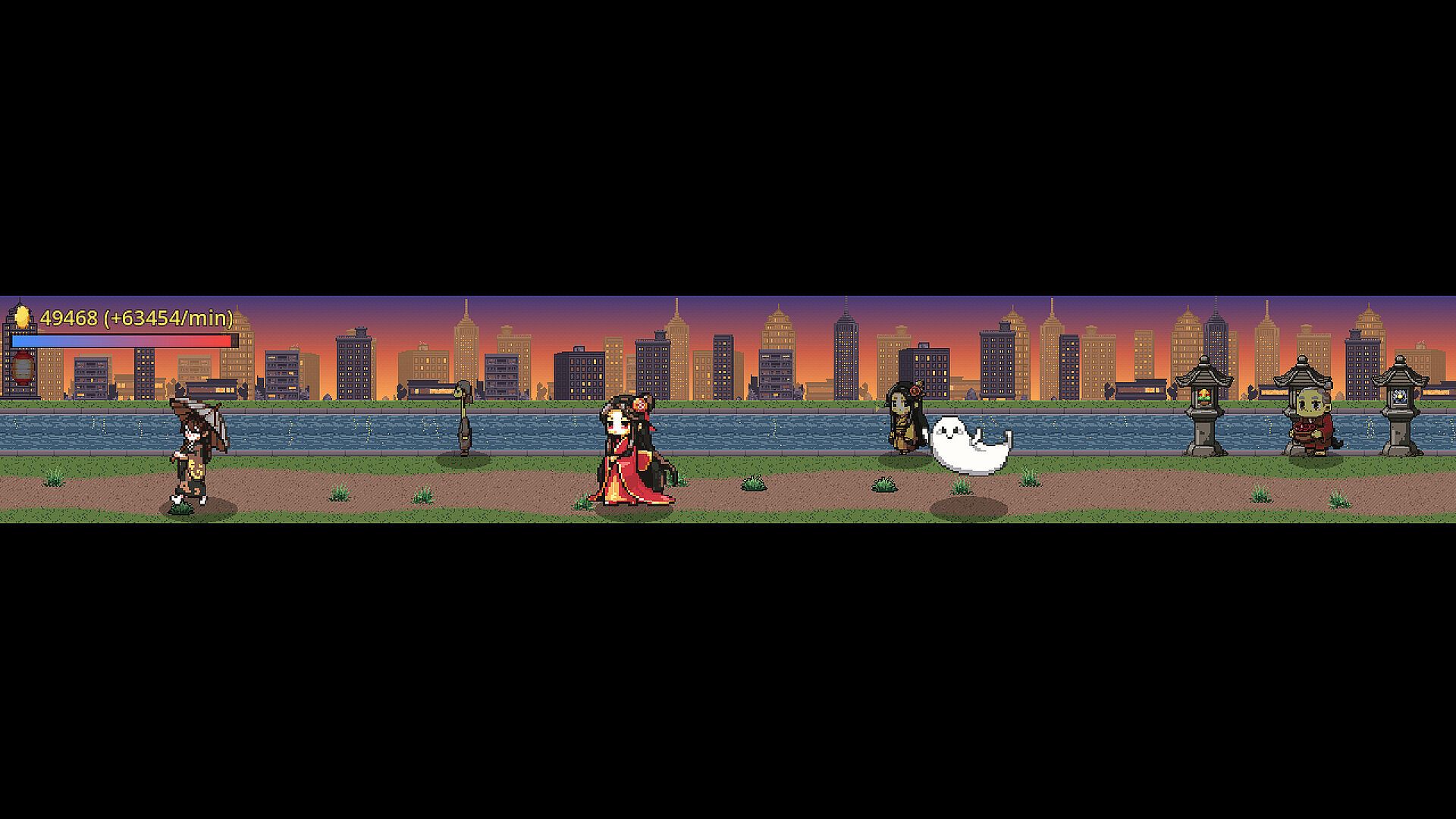
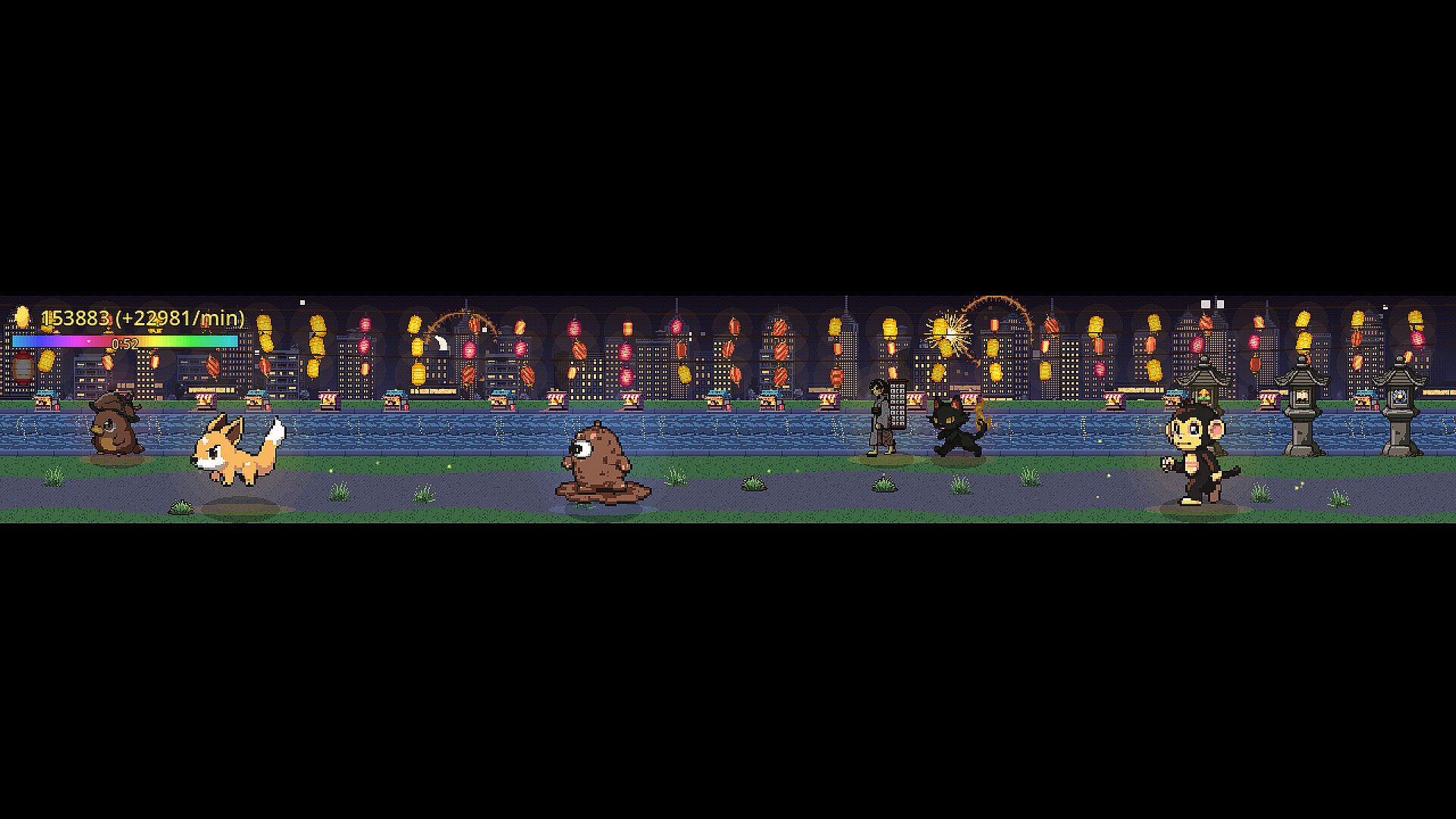
The parade features a rotating cast of yokai drawn from familiar folklore designs, including lantern ghosts, tofu carriers, and kappa. Each figure moves steadily across the screen, with variations in appearance that can shift based on the time of day or specific conditions. The system syncs directly with the PC clock, displaying morning skies during daytime hours and night skies after dark. The moon phase advances daily, and full moon periods introduce rarer encounters for those playing late.
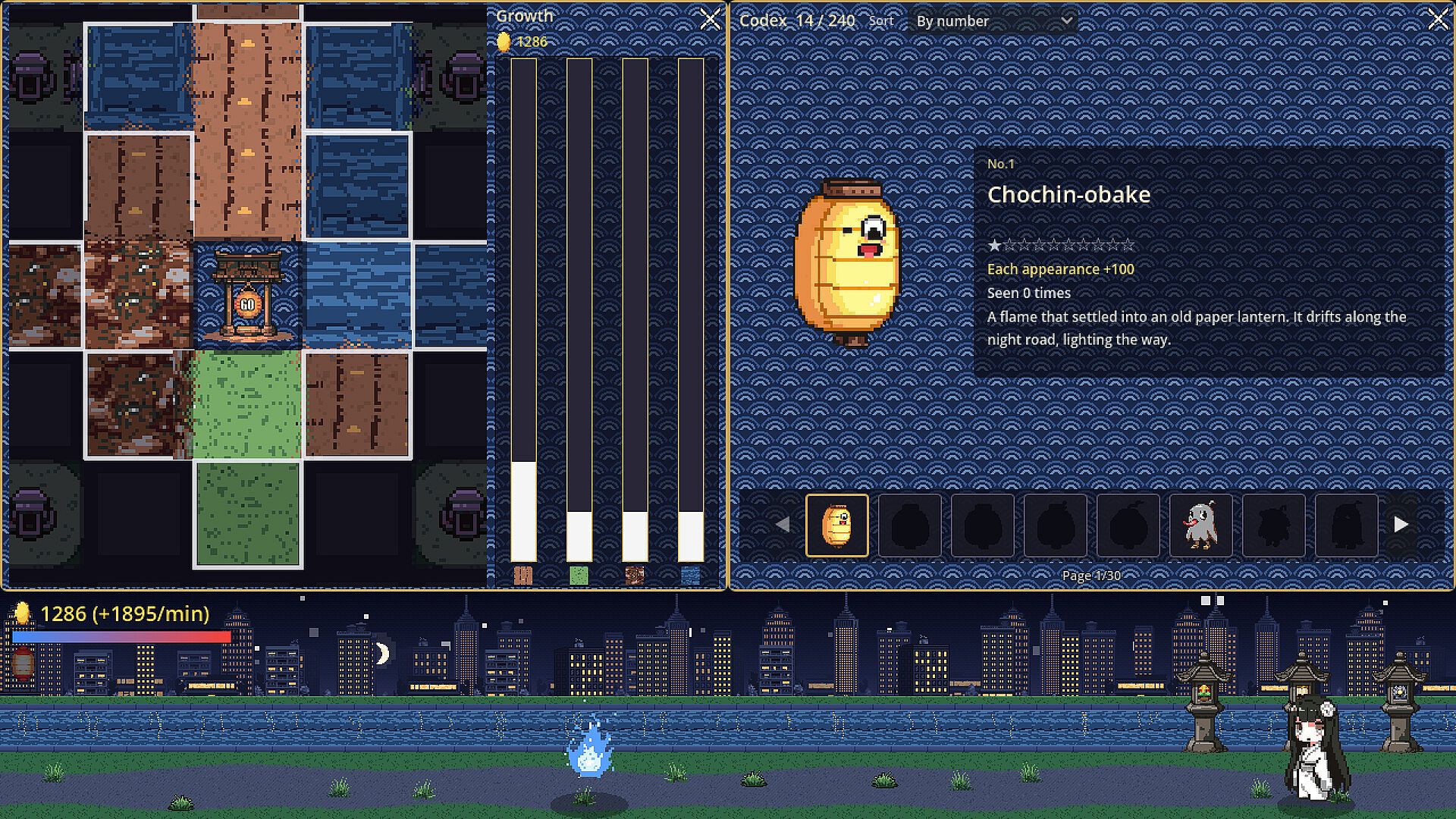
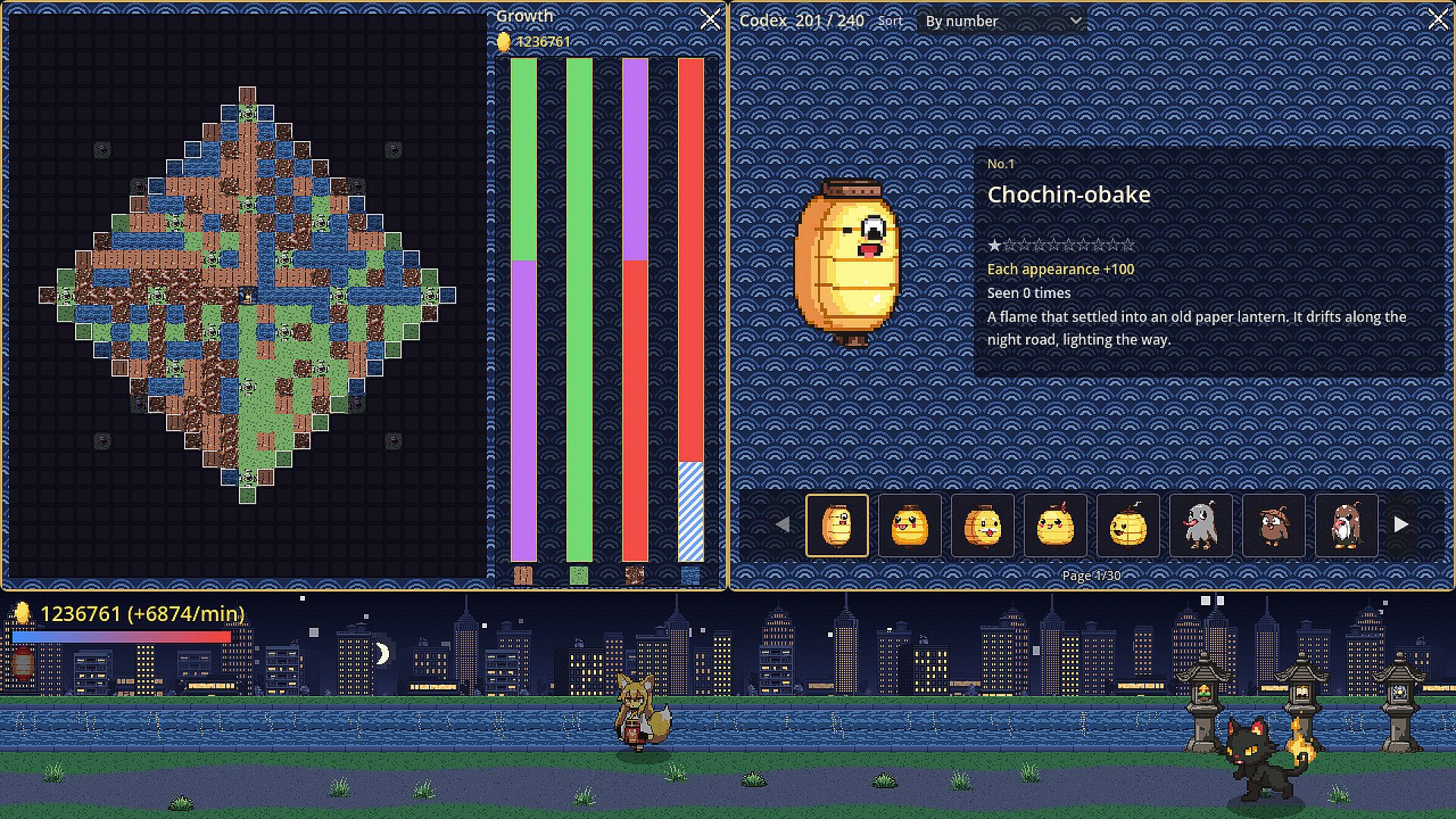
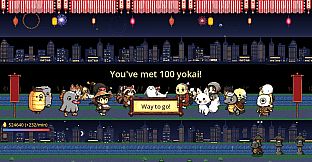
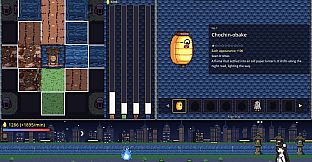
Progression centers on a growth board accessed by spending accumulated koban. Tiles reveal one at a time, expanding the parade's activity level and introducing rarer yokai over time. Purple tiles occasionally appear and may conceal shrines or torii gates that unlock additional encounters not available through standard viewing. The codex tracks observed yokai, noting alternate forms such as woman, elder, child, or more intense variants that appear under certain conditions. Regular sightings can be sealed to prioritize new entries, and reaching collection milestones triggers in-game celebrations from the yokai themselves.
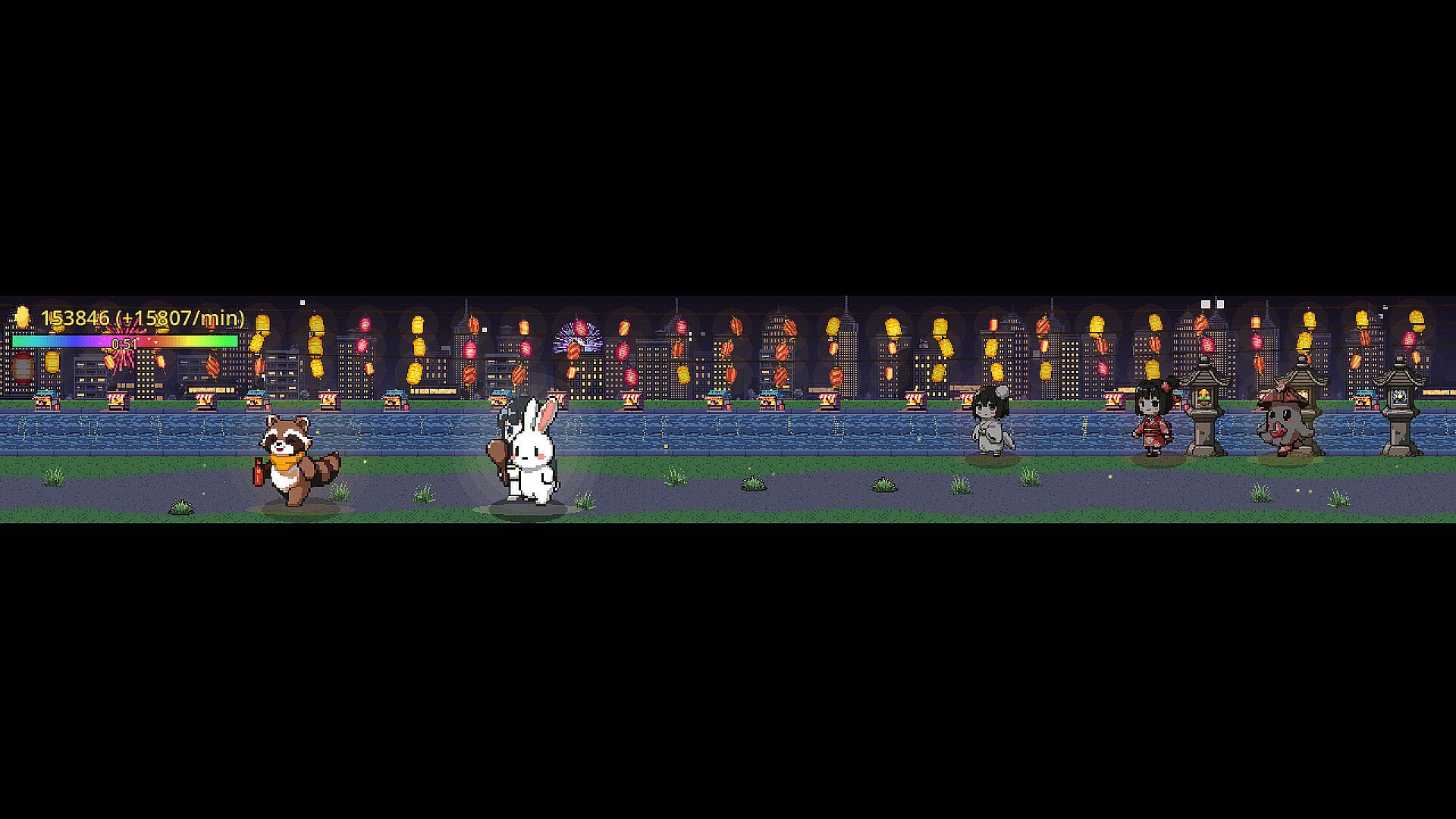
A festival gauge builds gradually as the parade continues. When full, it activates a night market event with fireworks, festival music, and increased koban rewards before returning to the standard parade. The experience emphasizes background operation, with the parade becoming less intrusive during focused work and continuing to generate koban even when the application is closed. Clearing the desktop background allows the parade to overlay directly on the wallpaper.
Game Modes
Yokai Parade operates as a single continuous idle loop without separate named modes. The primary activity involves passive observation of the parade combined with periodic board expansion and codex management. Time-based elements, including day-night cycles and moon phases, integrate into the core loop rather than functioning as distinct modes. Night owls can enable an always-night setting to adjust the visual presentation. The festival events occur naturally within the ongoing parade rather than as a selectable option.
All progression remains available through the same resident interface, with no competitive or multiplayer components. The design prioritizes uninterrupted background running, where koban collection and yokai variety increase steadily without player input beyond occasional board openings.
Visuals and Audio
Pixel art renders every element on screen, illuminated by lantern light that evokes a nostalgic night market atmosphere. The music adjusts to match the current time of day and intensifies during festival periods. A wordless four-panel comic provides basic guidance on the systems without interrupting the main view. The overall presentation stays subtle and consistent, supporting long-term background use without visual fatigue.
Is It Worth Playing?
Yokai Parade suits players seeking a low-pressure idle simulation that integrates into daily computer use rather than requiring dedicated sessions. Its strength lies in the passive koban accumulation and gradual codex filling, which reward consistent background running over active grinding. The time-synced visuals and festival events add subtle variety without complicating the core loop. Those who enjoy collection mechanics and ambient pixel art experiences will find the steady parade and milestone celebrations engaging over extended periods. The absence of failure states or competitive elements makes it accessible for anyone preferring relaxed, ongoing progression on PC.