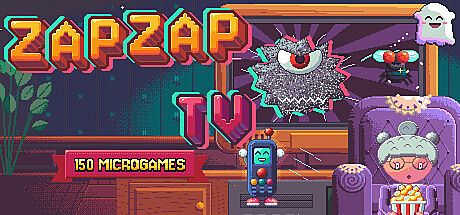


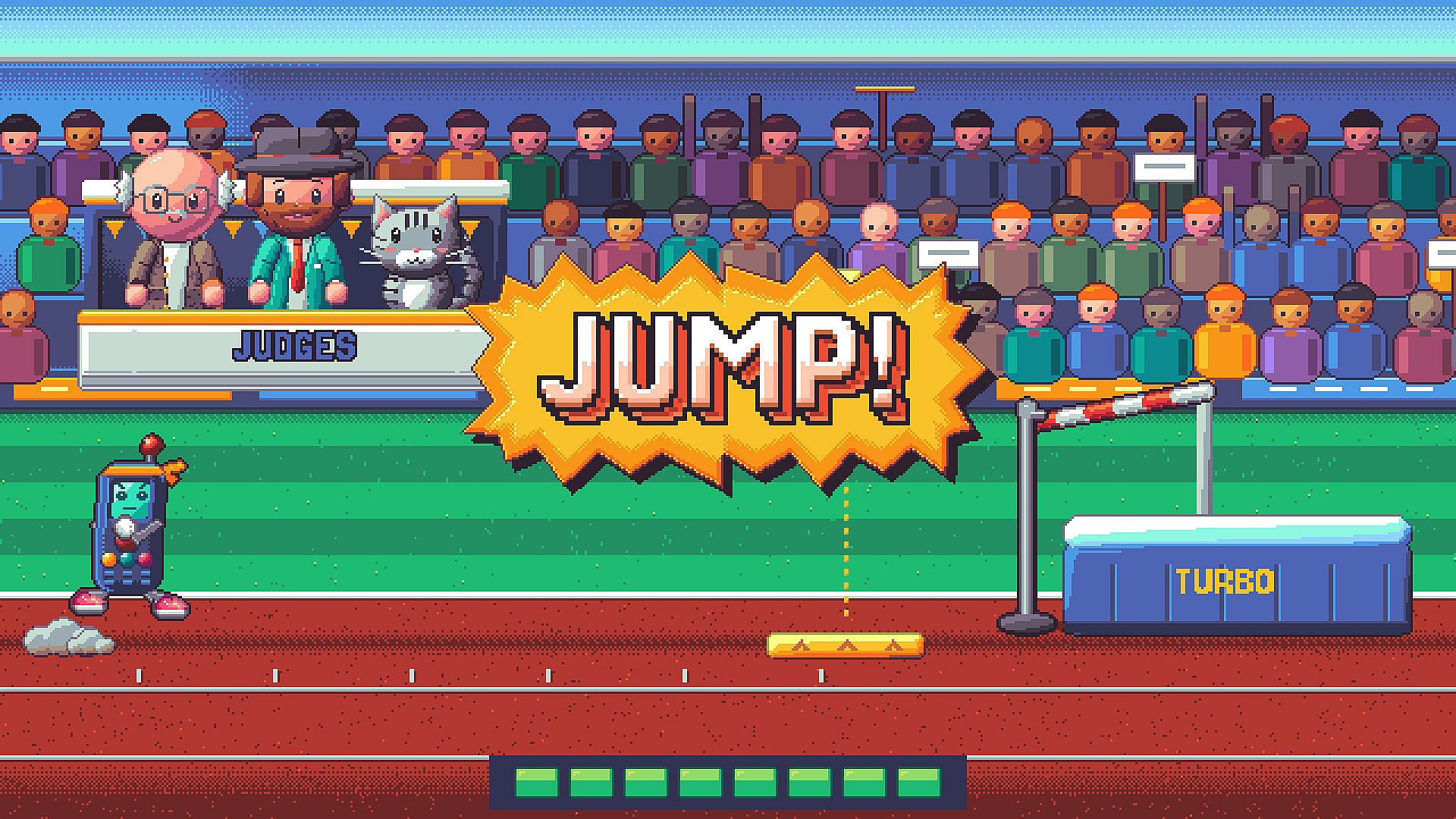
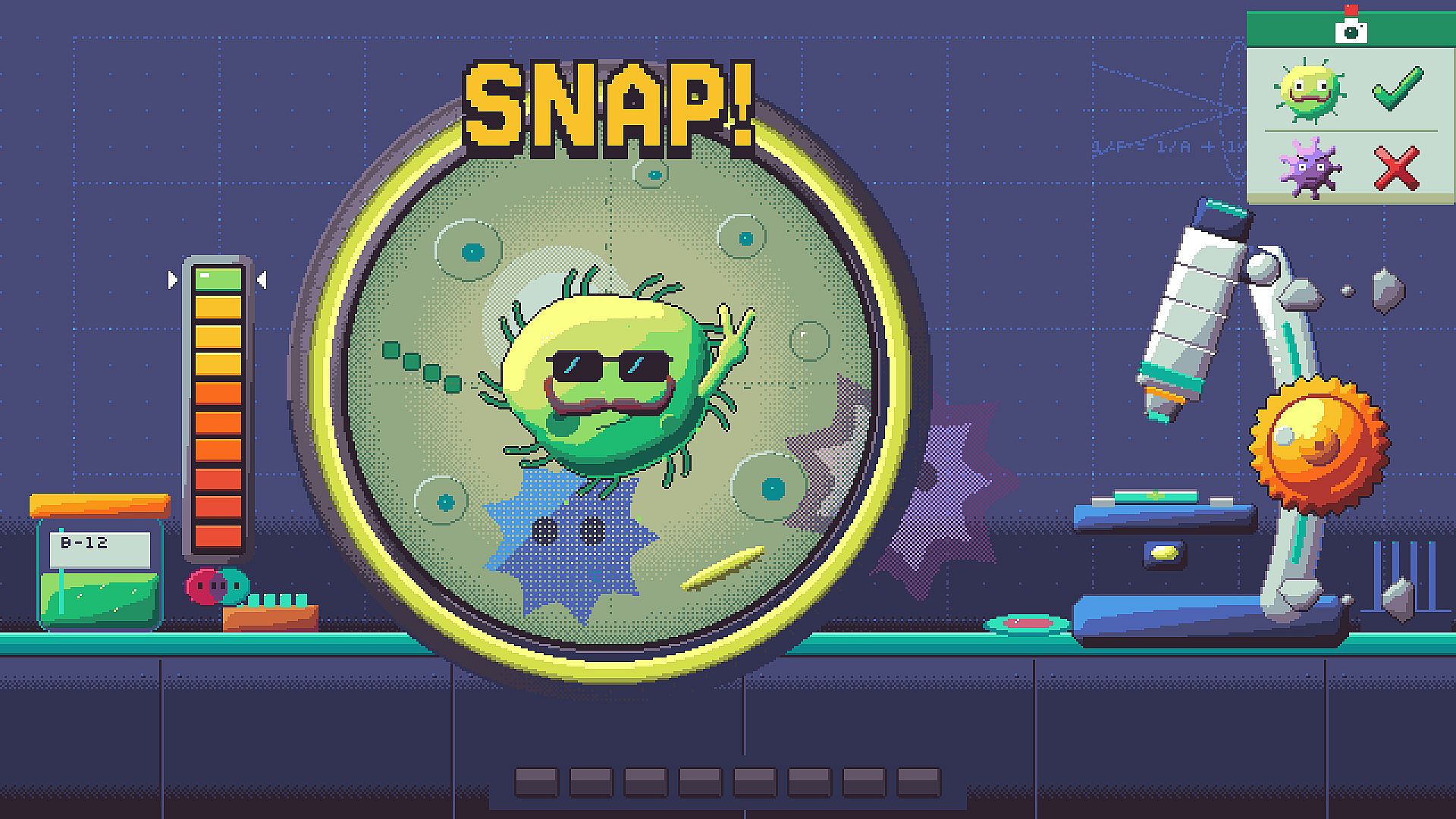
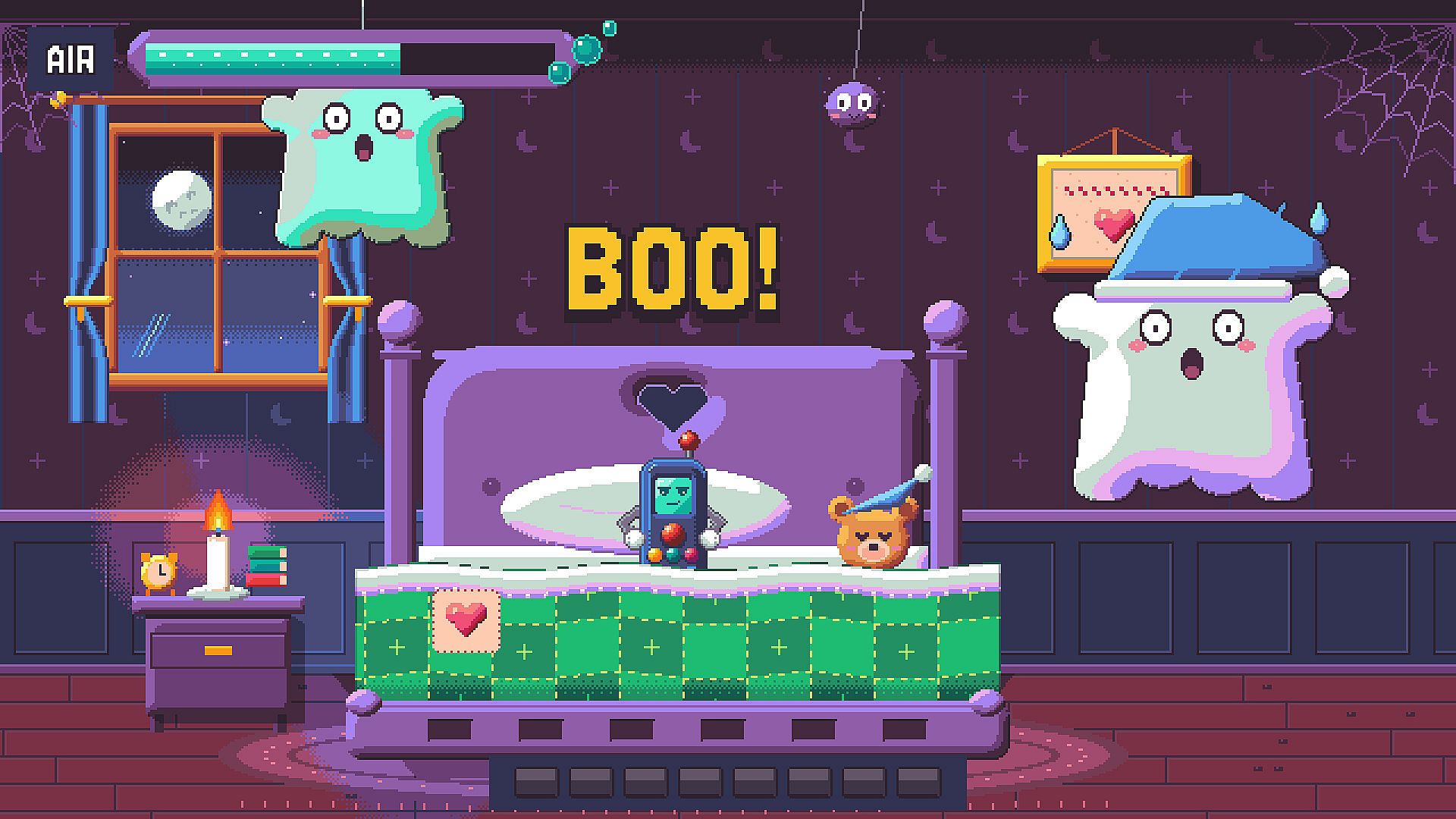
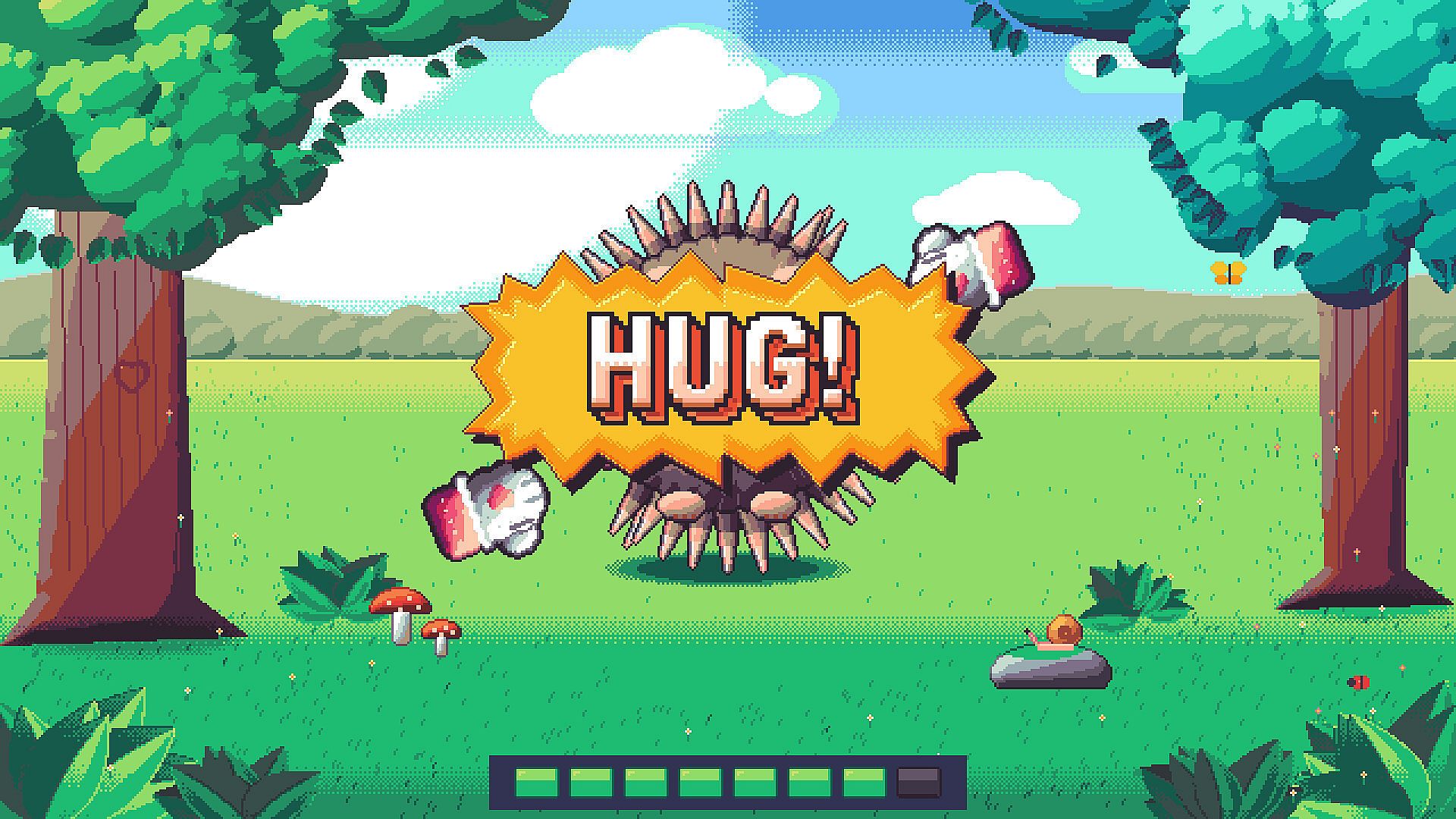
ZapZap TV: 150 Microgames is an action, indie, and casual title for PC that centers on rapid-fire microgames. Players control a television remote named Zapi to restore signal across hijacked channels by completing short challenges under tight time limits.
Gameplay
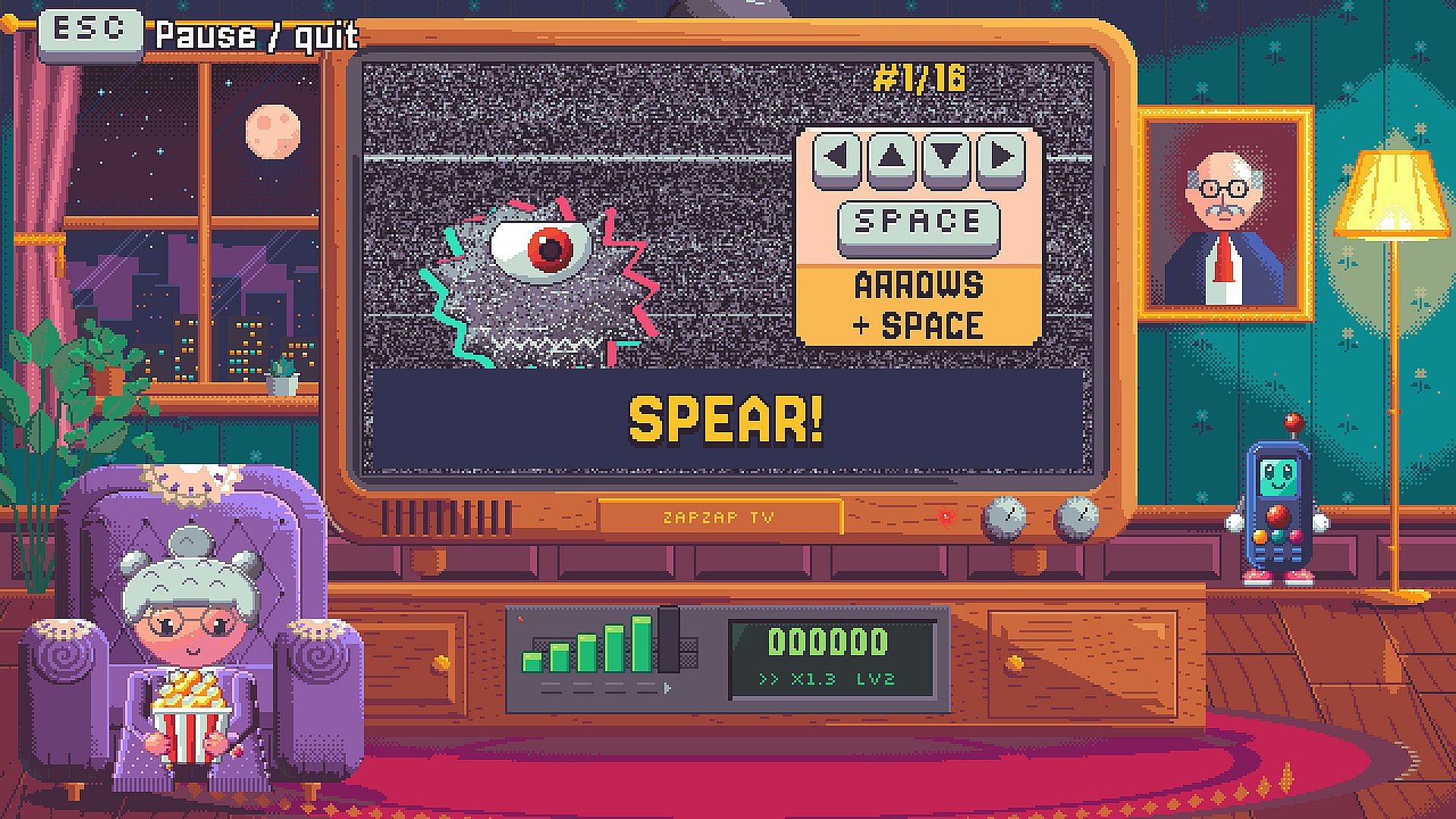
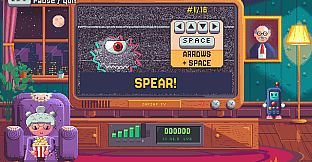
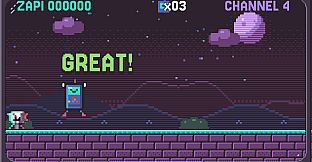
The core loop revolves around 150 distinct microgames, each lasting roughly five seconds. A card displays the required input before every challenge, using spacebar, arrow keys, a combination of both, or the mouse. All games support gamepad controls as well. Success depends on reading the instruction quickly and executing the action before the timer expires. Faster completions yield higher scores, and the overall pace accelerates as play continues.
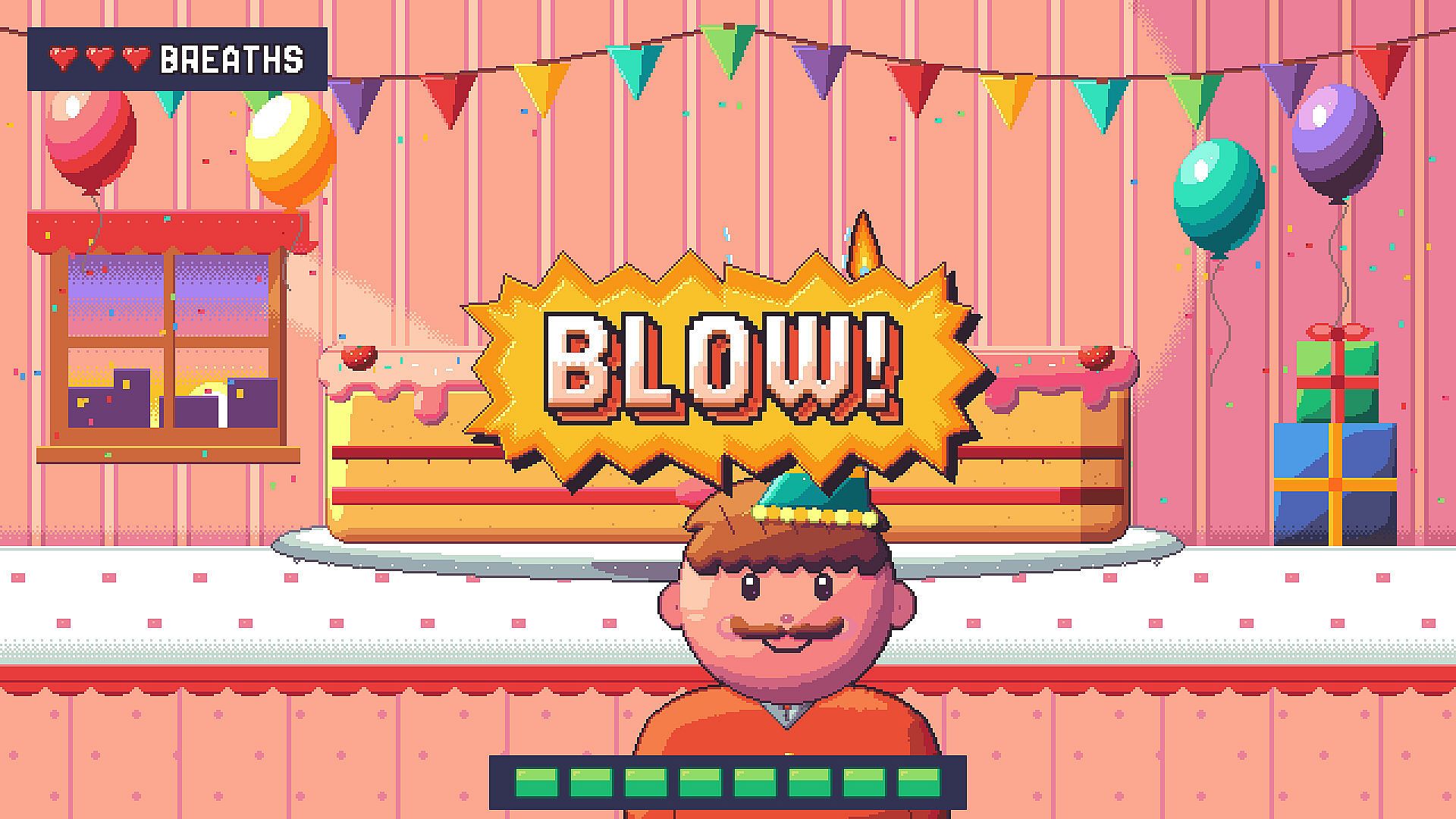
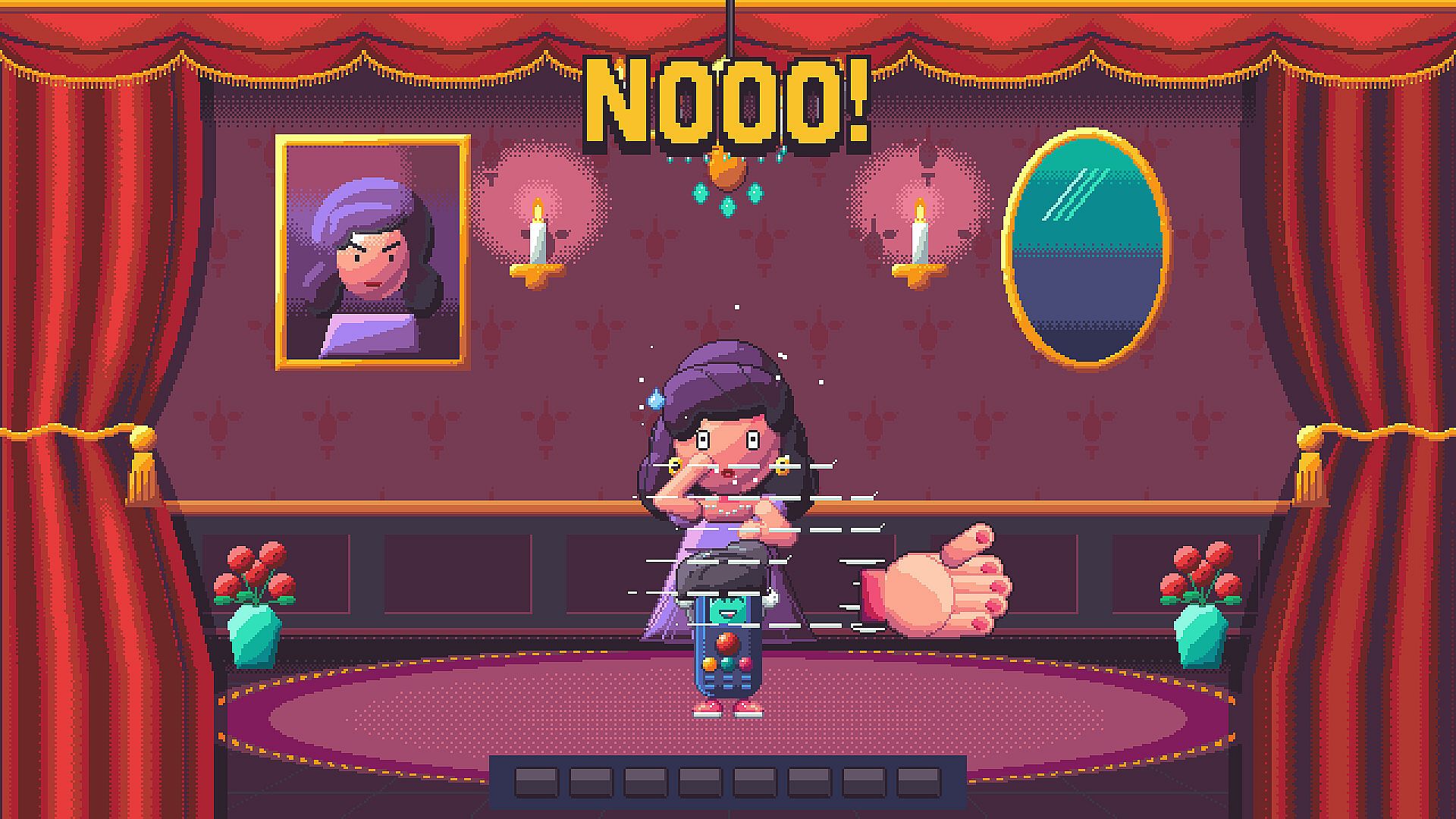
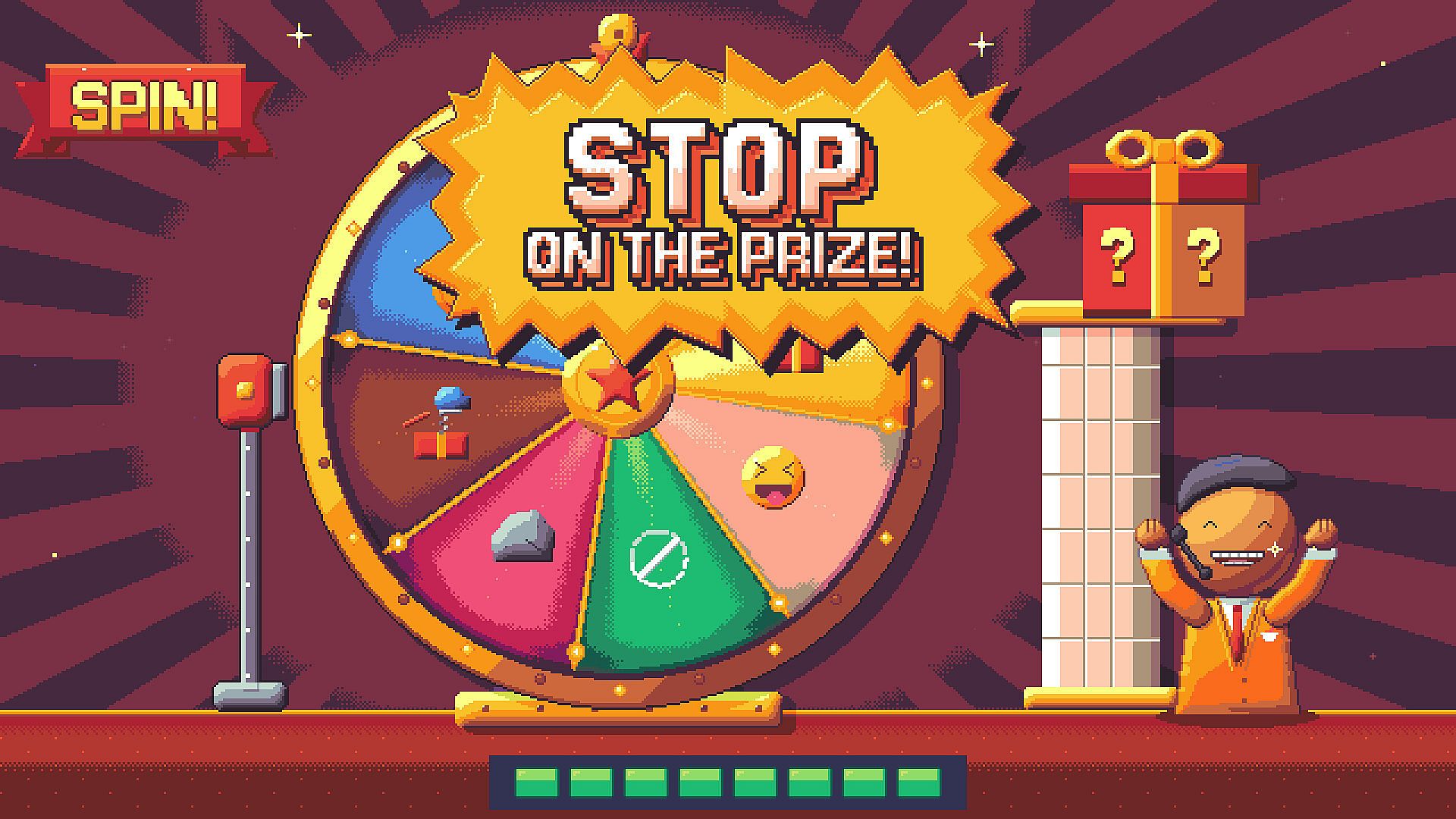
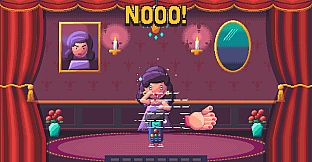
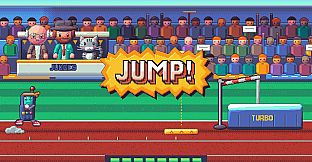
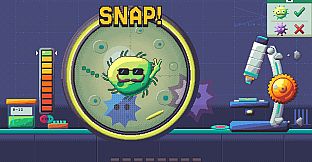
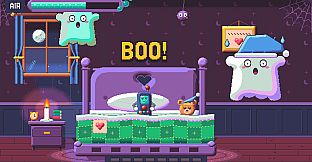
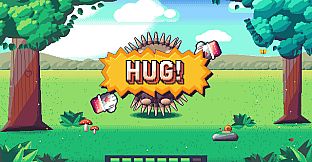
Each microgame features three progressive levels. The second level introduces a new twist to the mechanics, while the third adds further complications and increased speed. Examples include flipping an omelette at the precise moment it turns golden, swatting flies while avoiding a bee, dodging a slap during a soap-opera wedding scene, or tuning in a cat on screen. The variety spans everyday tasks, themed actions, and quick reflexes without requiring complex button combinations.
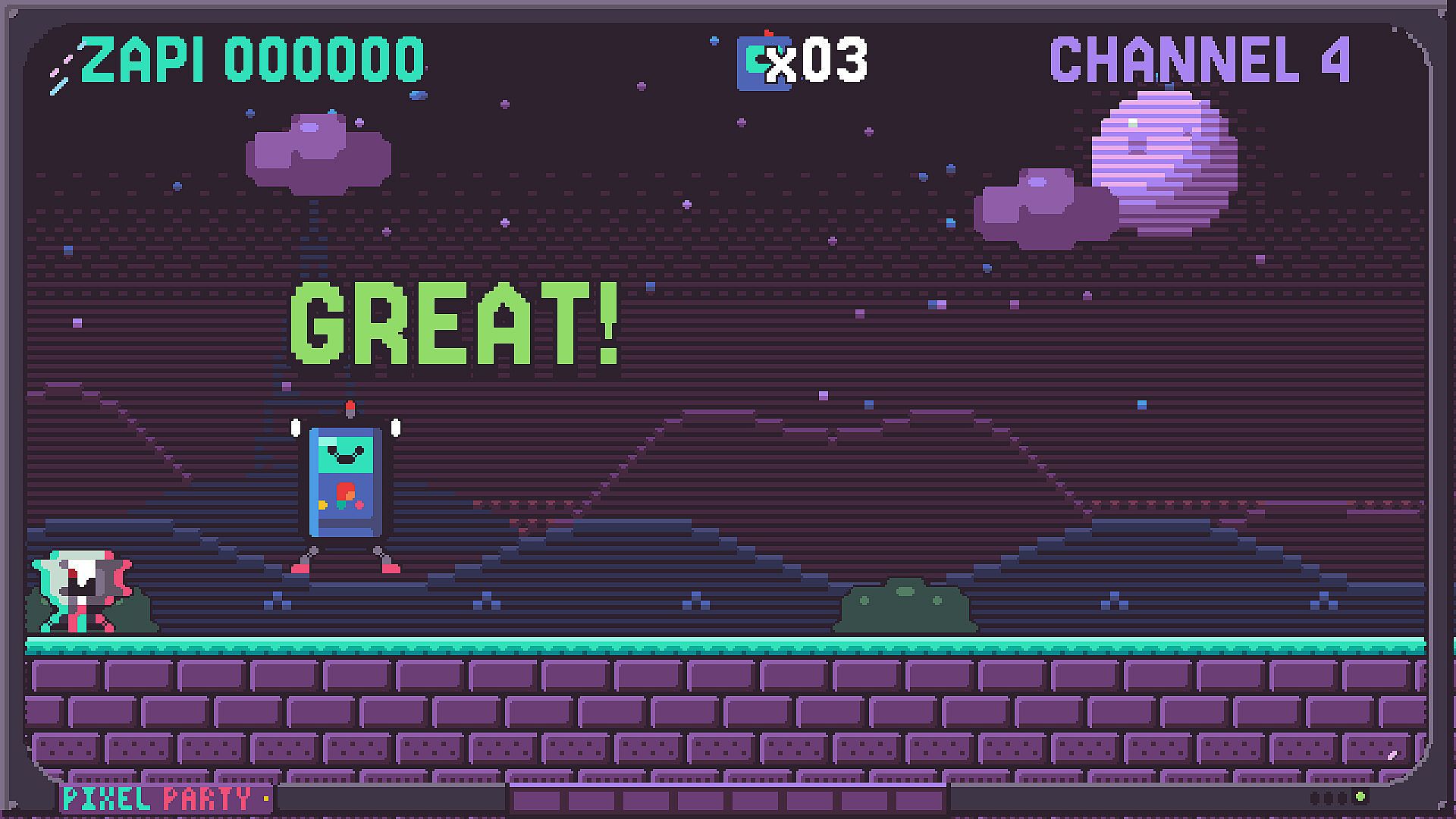
Visuals rely on original pixel art, and each of the nine main channels maintains its own distinct host, set design, color palette, and theme song. Channel 0 shifts everything into static interference. Every channel concludes with a longer boss-style microgame that involves managing hearts as a health resource.
Game Modes
Marathon mode compresses an entire evening of television viewing into an 8-to-10-minute session. It progresses through morning shows to the grand finale while announcing upcoming bosses in advance.
Remix mode supports endless runs at level 1, level 2, or level 3 difficulty, or focuses exclusively on bosses. The speed continues to rise, encouraging players to chase personal records.
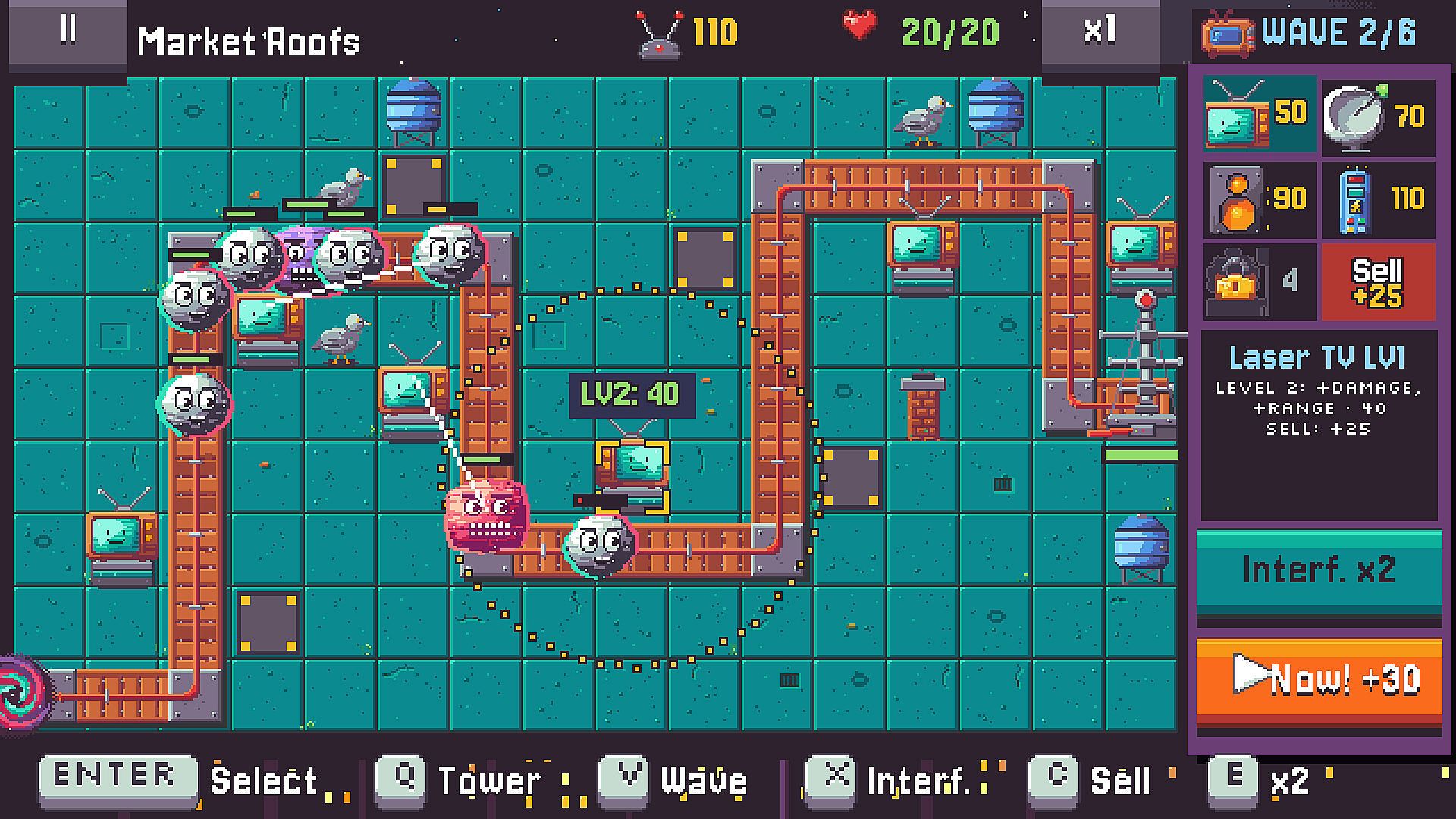
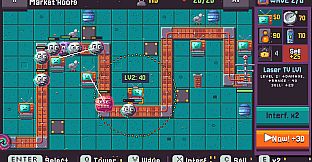
Antenna Defence functions as a tower-defense experience set on Grandma's rooftop. Players complete microgames before each enemy wave to strengthen the signal and can deploy an Interference ability that freezes all foes. Six different rooftops and five towers are available, with Grandma herself appearing as part of the setup.
The Video Library stores every microgame encountered during play, allowing targeted practice sessions to improve performance on specific challenges.
Multiplayer and Accessibility
Local couch play supports up to four participants through one-button duels such as quick draw, tug of war, balloon popping, hot potato, and musical chairs. Each player uses a single key on a shared keyboard or their own gamepad. Relay mode passes the controller between players for sequential microgame attempts, with the last player remaining declared the winner.
Online play with friends is available via Steam Remote Play Together. Three difficulty settings (Easy, Normal, Hard) adjust the challenge level, while optional hints and a reduce-flashes toggle accommodate different preferences. The game includes full support for English and Spanish.
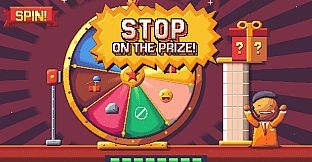
An original soundtrack accompanies the action, and a jukebox unlocks through earned ratings. Twenty-two achievements track progress, and ratings also allow purchases of four toys on the Shopping channel: Endless Zapping, Face Factory, TV Piano, and Paint the TV.
Is It Worth Playing?
ZapZap TV: 150 Microgames suits players who enjoy short, high-intensity reflex challenges and party-style sessions. The structure of 150 microgames with escalating difficulty and multiple dedicated modes provides substantial variety within a compact playtime. Local multiplayer options make it suitable for groups seeking quick, accessible competition on a single screen or shared keyboard.
Accessibility features such as adjustable difficulty, hints, and visual options broaden its appeal beyond hardcore players. The pixel-art presentation and channel-themed presentation maintain consistent theming across single-player campaigns and endless modes. With a planned release in November 2026 and no prior user reviews available, the experience stands on its described systems of rapid microgame execution, channel progression, tower defense integration, and couch duels. Those drawn to casual action games with strong local multiplayer elements and practice tools will find the package aligned with those interests.