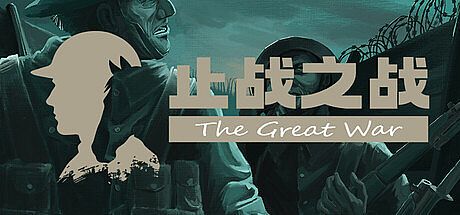


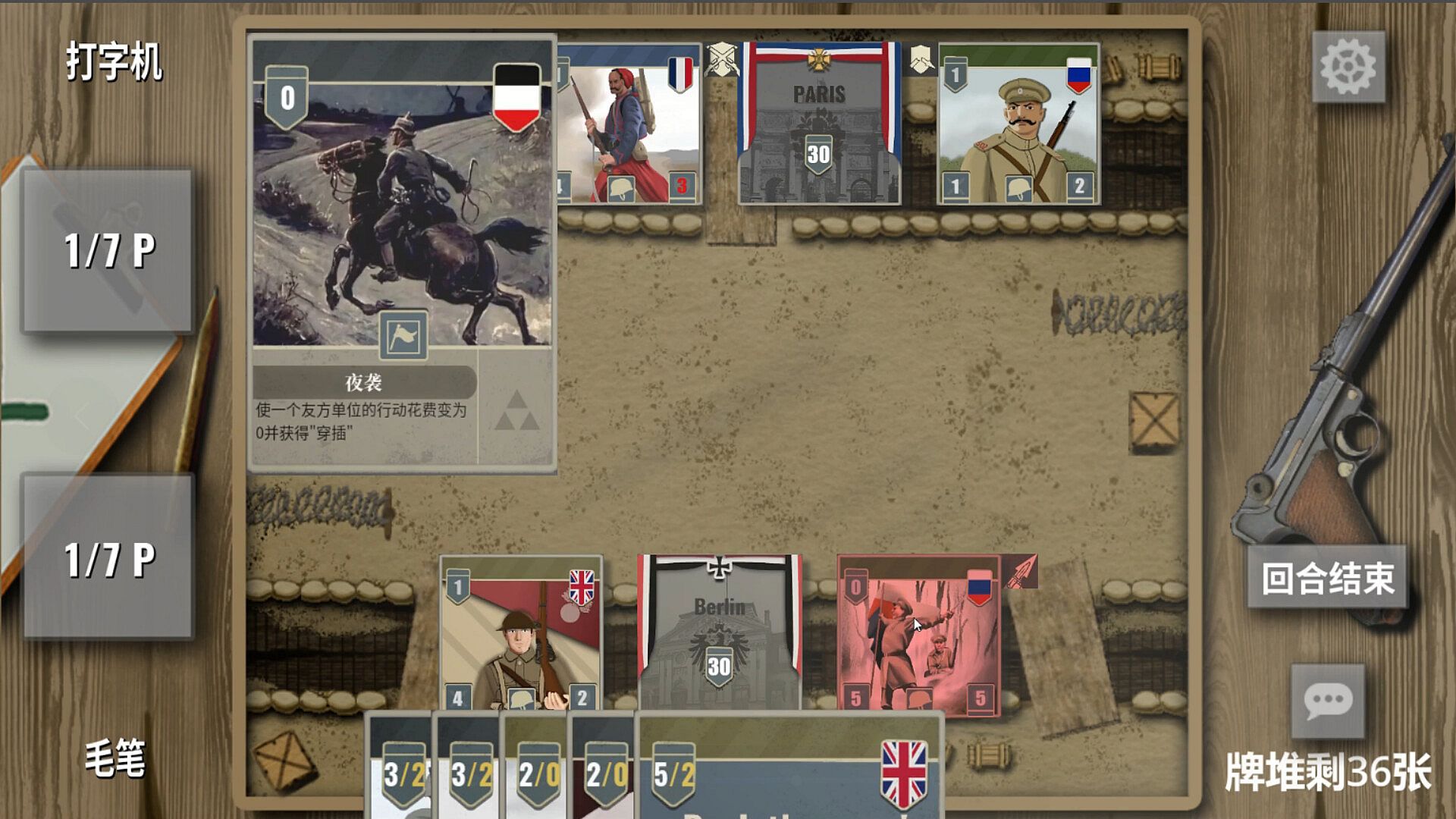
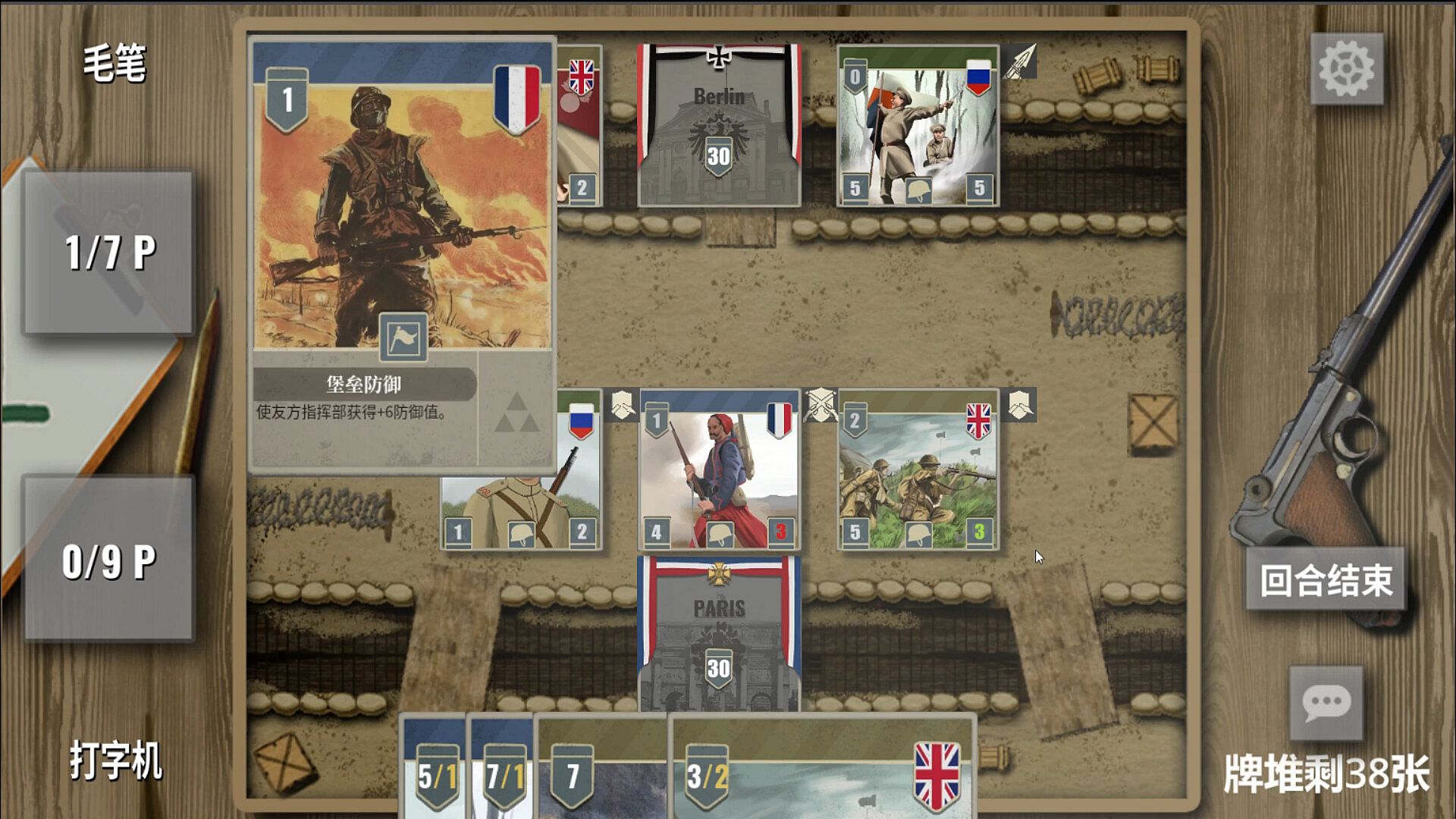
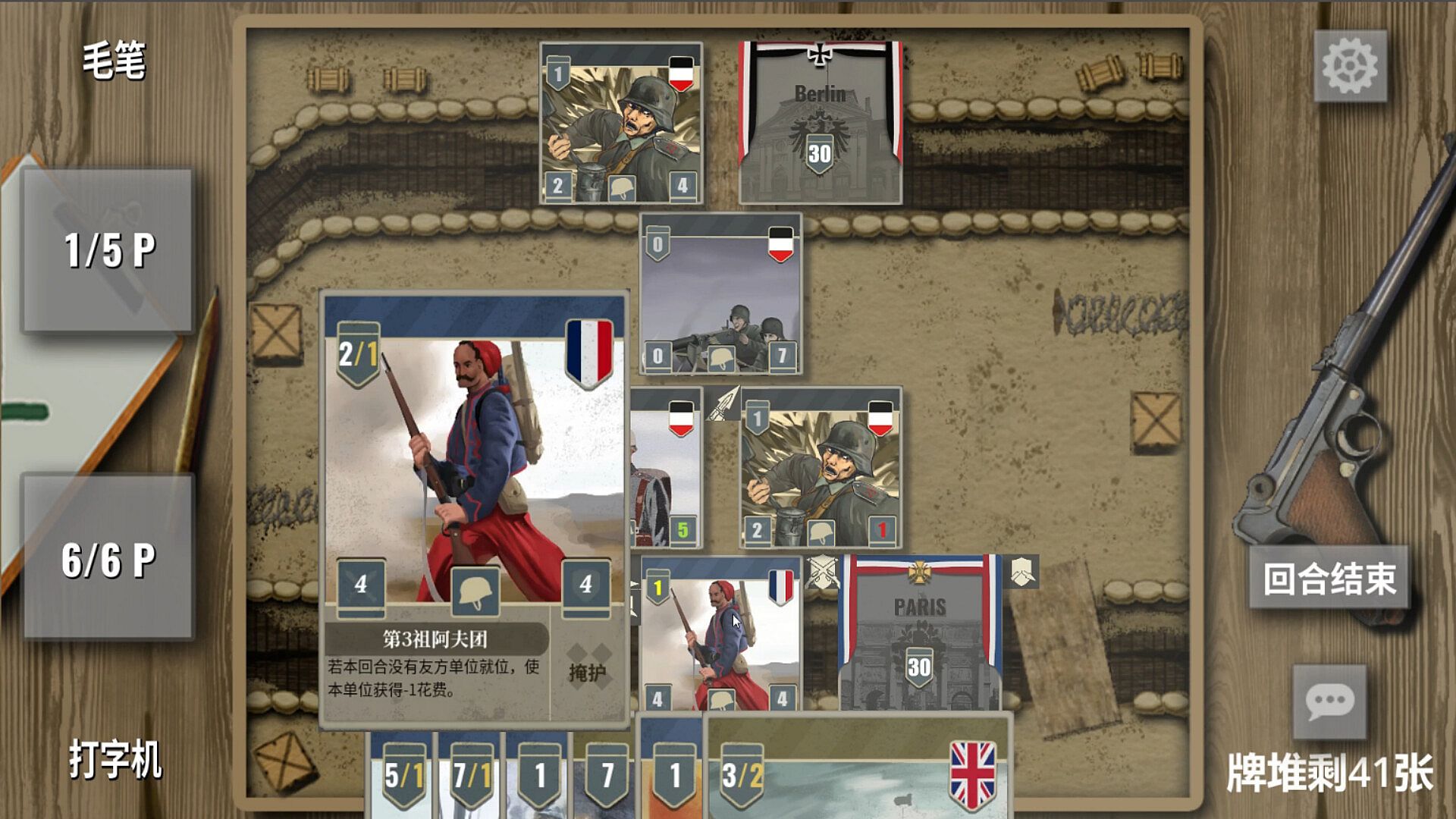
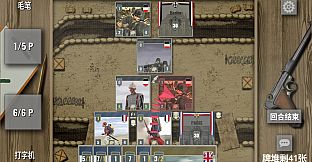
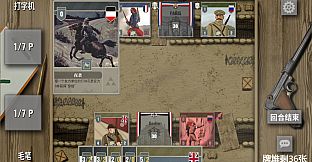
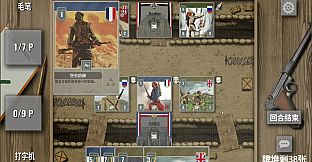
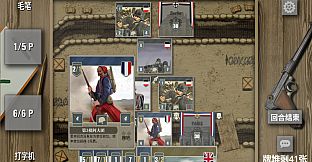
止战之战:The Great War is a free-to-play strategy card game built around World War I trench warfare. Players select from major nations of the era, assemble combat units through card play, and manage defensive lines under artillery pressure while pursuing national objectives.
Gameplay
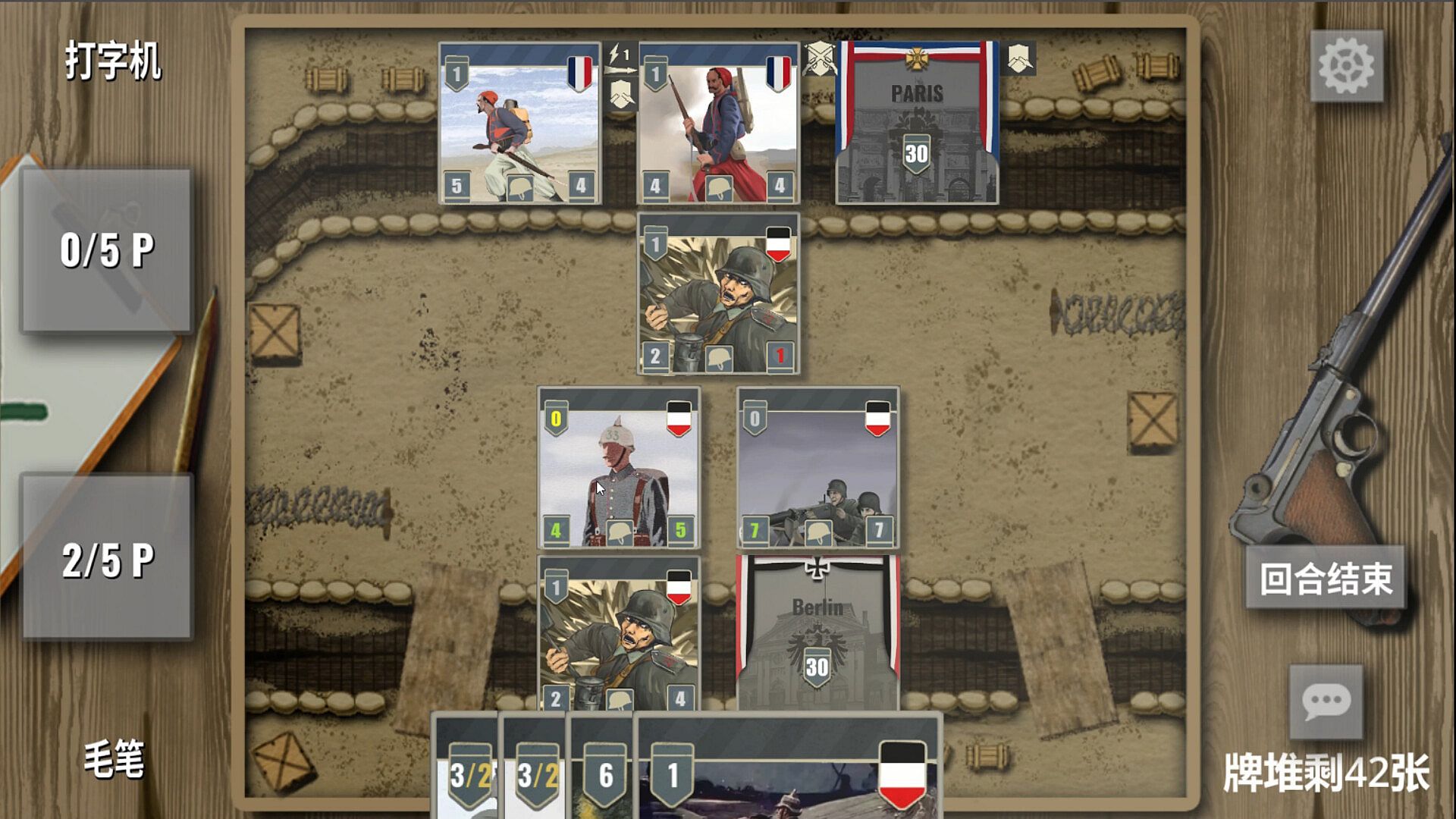
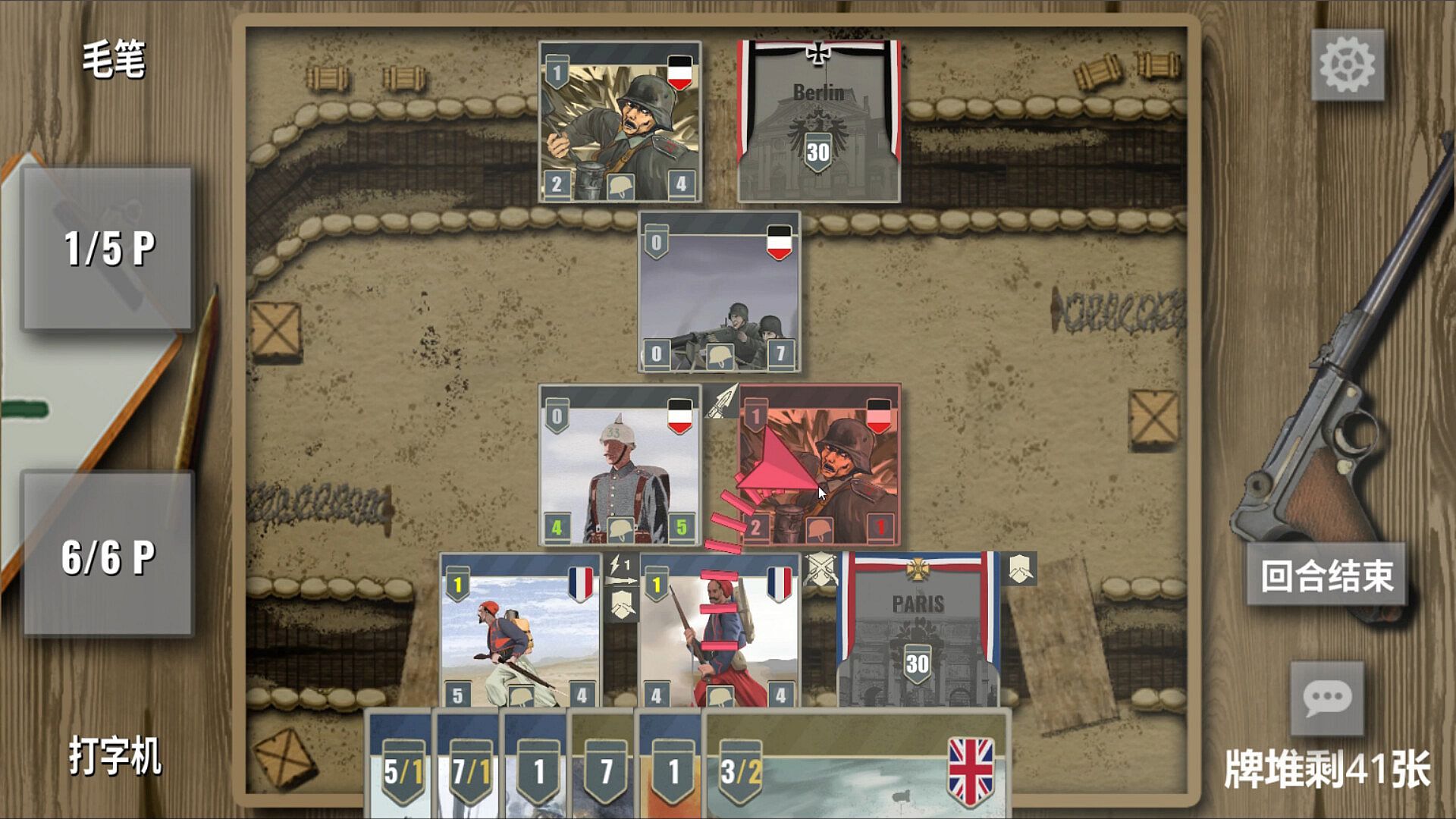
The core loop centers on card-driven decisions that simulate frontline command. Each participant begins by aligning with a chosen nation and forming temporary alliances that influence available resources and unit options. Cards represent infantry formations, support elements, and tactical maneuvers, allowing players to reinforce trench positions or attempt breakthroughs against opposing lines.
Combat emphasizes attrition and positioning rather than rapid maneuvers. Artillery barrages and gas effects appear through specific card resolutions, forcing careful timing to avoid exposing units to concentrated fire. Cavalry charges from the early war period transition into later mechanized attempts, highlighting the shift in battlefield realities. The system tracks unit losses and positional control, reflecting the high cost of advances across contested ground.
National faith and military honor function as thematic anchors rather than abstract scores. Decisions that align with historical doctrines for a given faction can unlock additional card synergies or defensive bonuses, while deviations carry risks of reduced cohesion. The muddy, static nature of trench fighting is conveyed through restricted movement options and persistent defensive advantages for entrenched units.
Game Modes
Play revolves around competitive matches where two or more players contest control of key sectors. Alliance formation occurs at the start of each session, determining which nations contribute cards to a shared pool. Matches progress through phases of unit deployment, artillery exchanges, and attempts to seize or hold trench segments.
Single sessions allow focused practice on unit assembly and position defense without external pressures. Multiplayer encounters introduce variable alliance dynamics and opponent strategies that alter the pace of engagements. The structure supports repeated playthroughs that explore different national combinations and their impact on sustained defense or offensive pushes.
Historical Context and Mechanics
The game recreates the transition from cavalry dominance to industrialized warfare through card effects that reward or penalize certain unit types based on era progression. Early charges succeed against unprepared lines but falter under machine-gun and artillery coverage represented in later card sets. Trench systems provide layered protection that must be eroded through sustained pressure rather than single decisive actions.
Life in the lines appears in the fragility of individual units and the cumulative toll of repeated engagements. Comrades fall as cards are expended or positions overrun, underscoring the desolation of prolonged stalemate. Players experience the tension between preserving forces and committing them to costly assaults that mirror documented operations of the period.
Is It Worth Playing?
The game suits players who enjoy deliberate strategy card titles centered on historical conflicts and positional warfare. Its free-to-play model removes financial barriers, allowing direct evaluation of the trench-focused mechanics and alliance systems. Those drawn to themes of attrition, national identity, and the brutal realities of World War I will find consistent alignment between the card interactions and the source material.
Because the title operates as a non-profit project, ongoing development prioritizes core systems over frequent expansions. Sessions reward thoughtful card management and alliance planning more than reflexive play. Individuals seeking fast-paced action or broad customization may prefer other genres, while those interested in WWI simulation through cards will appreciate the emphasis on defensive stands and incremental gains.