




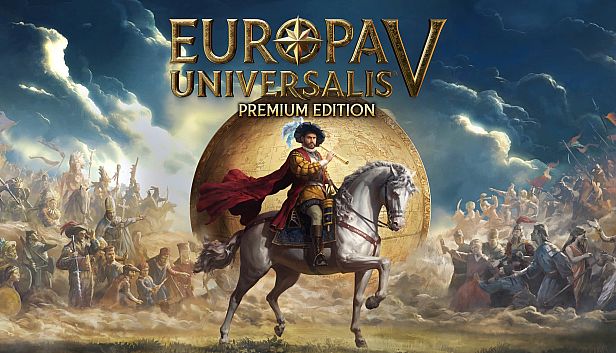






















Europa Universalis V is a grand strategy game set across nearly five centuries of history, from the mid-14th century through the early 19th century. Players select from hundreds of nations and guide their development in a detailed simulation that emphasizes long-term planning across economic, diplomatic, and military fronts. The experience centers on balancing internal stability with external ambitions in a world where resources, populations, and logistics shape every outcome.
Gameplay
The core loop revolves around directing a nation's growth through successive eras. Economic systems track dozens of resources and trade flows while accounting for climate variations and supply lines that affect production and movement. Diplomacy operates with layered negotiations that influence alliances, treaties, and rivalries over extended periods. Military operations incorporate revised logistics that require careful management of supply chains and terrain effects during campaigns.
Internal politics add another layer through estate management. Nobles, clergy, and burghers compete for influence, and rulers must allocate privileges or impose restrictions to maintain order. Crown authority decisions determine how much power stays centralized versus delegated, with imbalances risking unrest or reduced efficiency. Population modeling tracks demographics and societal changes that feed into broader national development.
These elements combine into a sandbox where choices compound across decades. A decision on trade policy might alter resource availability for military efforts years later, while estate concessions could stabilize or destabilize regions during expansion phases. The simulation runs continuously, with events and pressures emerging from the interplay of systems rather than scripted sequences.
Game Modes
Europa Universalis V supports single-player campaigns that allow full control over one nation's trajectory without external interference. These sessions emphasize personal pacing and experimentation across the full historical span. Multiplayer sessions enable several participants to manage separate nations simultaneously, introducing competition and cooperation that alter diplomatic and military calculations in real time.
Both formats draw from the same underlying systems, so core mechanics remain consistent. Single-player focuses on solitary achievement against the simulation, while multiplayer highlights interactions between human-controlled entities. No additional named variants appear in the base experience.
Key Systems and Mechanics
Logistical depth requires attention to supply routes and regional control, which affects how effectively armies operate far from home territories. Economic modeling incorporates multiple resource types and climate influences that shift production viability across the map. Diplomatic tools extend beyond simple alliances to include nuanced agreements that evolve with ongoing relations.
Estate balance mechanics force ongoing attention to domestic factions. Granting too much power to one group can strengthen short-term capabilities but create long-term vulnerabilities. Population and demographic tracking influences everything from workforce availability to cultural shifts that affect national identity and stability over centuries.
Current State and Updates
The game launched in November 2025 and received a patch addressing balance and performance in early 2026. Ongoing development continues to refine the simulation depth that defines the title. Players encounter a mature product with the foundational systems intact and incremental improvements applied since release.
Is It Worth Playing?
Europa Universalis V suits players who enjoy extended sessions of strategic oversight and historical simulation. Its combination of economic sophistication, diplomatic detail, and logistical considerations rewards methodical approaches over quick resolutions. Those drawn to grand strategy titles that unfold across hundreds of years will find substantial replay value through varied nation starts and policy paths.
Reception has been generally favorable among critics and players who appreciate the simulation complexity. The title maintains active support with patches that address community feedback. Availability on PC makes it accessible to the primary audience for this style of game. Individuals seeking lighter or faster-paced experiences may find the pace and depth less aligned with their preferences, while dedicated strategy enthusiasts often report high engagement from the interconnected systems.


