




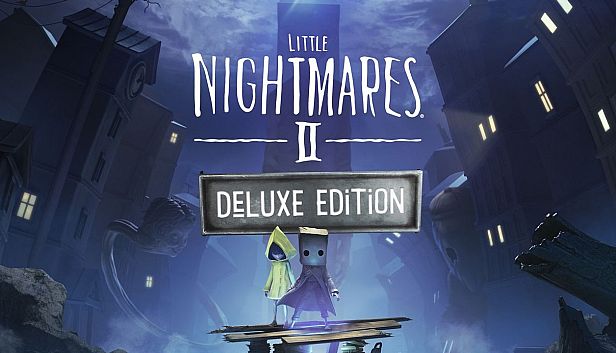
























Little Nightmares III is a puzzle-platform horror adventure game developed by Supermassive Games and released on PC in October 2025. Players control young protagonists navigating unsettling environments filled with grotesque threats and intricate obstacles. The experience emphasizes careful movement, environmental interaction, and tension built through limited visibility and sound design.
Gameplay
The core loop revolves around navigating detailed, dimly lit spaces while solving spatial puzzles and avoiding detection. Players manipulate objects, climb structures, and time actions precisely to progress through interconnected areas. Stealth forms a key element, requiring observation of enemy patterns and use of cover or distractions. Platforming sequences demand accurate jumps and timing, often combined with puzzle elements that test spatial awareness. The horror atmosphere arises from the world design rather than direct confrontation, with sound cues and visual details heightening unease during exploration.
Controls support both keyboard and mouse or controller input on PC, allowing responsive movement and interaction prompts. Lighting and camera angles play roles in revealing or concealing threats, encouraging players to adjust positioning frequently. Progression feels deliberate, with checkpoints placed to maintain momentum after setbacks.
Game Modes
The game supports a single-player campaign that follows the main story path through its levels. This mode focuses on solo navigation and puzzle resolution without external assistance.
Two-player online co-op allows a second participant to join and control the companion character. Both players must coordinate actions, share tasks during puzzles, and assist each other in platforming or evasion sequences. The co-op integrates directly into the existing level structure rather than altering it into separate competitive formats.
Story and Atmosphere
Narrative delivery occurs through environmental storytelling and character actions rather than extensive dialogue. The setting presents a distorted version of familiar places twisted into nightmarish forms, populated by oversized or malformed inhabitants. Visual style combines detailed textures with a muted color palette to reinforce isolation and dread. Audio design layers ambient noises, footsteps, and distant threats to maintain constant awareness.
Player choices in movement and timing influence how encounters unfold, though the overall path remains linear with branching exploration options in some sections. The experience builds toward larger set pieces that combine multiple mechanics at once.
Current State and Updates
Post-launch support includes patches addressing multiplayer stability and general gameplay refinements. These updates have refined co-op synchronization and adjusted certain puzzle or movement elements based on player feedback. The base experience remains accessible as a complete campaign on PC with no additional requirements beyond the initial purchase.
Is It Worth Playing?
Reception has been mixed, with praise directed at the consistent atmosphere and visual presentation alongside criticism of pacing and technical consistency in some areas. The single-player campaign suits those who prefer methodical puzzle-platforming in a horror context. Co-op adds a layer of shared problem-solving that appeals to players seeking a collaborative session with one other person.
It fits best for audiences familiar with atmospheric adventure games who value environmental detail over fast action or extensive combat. Those interested in the series' signature tension and visual style may find the co-op option a worthwhile addition for repeated playthroughs or shared sessions. Availability on PC ensures straightforward access with standard hardware requirements met by most modern systems.


