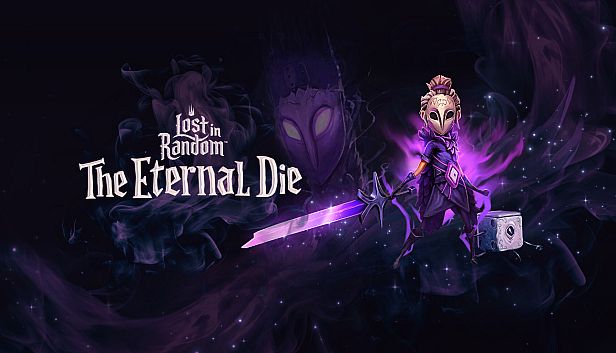







Lost in Random: The Eternal Die is a single-player action roguelike that places players in control of Queen Aleksandra as she navigates procedurally arranged challenges inside a corrupted realm known as the Black Die. The game blends fast-paced combat with strategic layering through its core systems, creating runs that reward careful planning alongside quick reactions. Set in the same gothic fairytale universe as its predecessor, this title shifts focus to repeatable dungeon crawls where each attempt builds toward greater capability through permanent upgrades earned between failures.
Gameplay
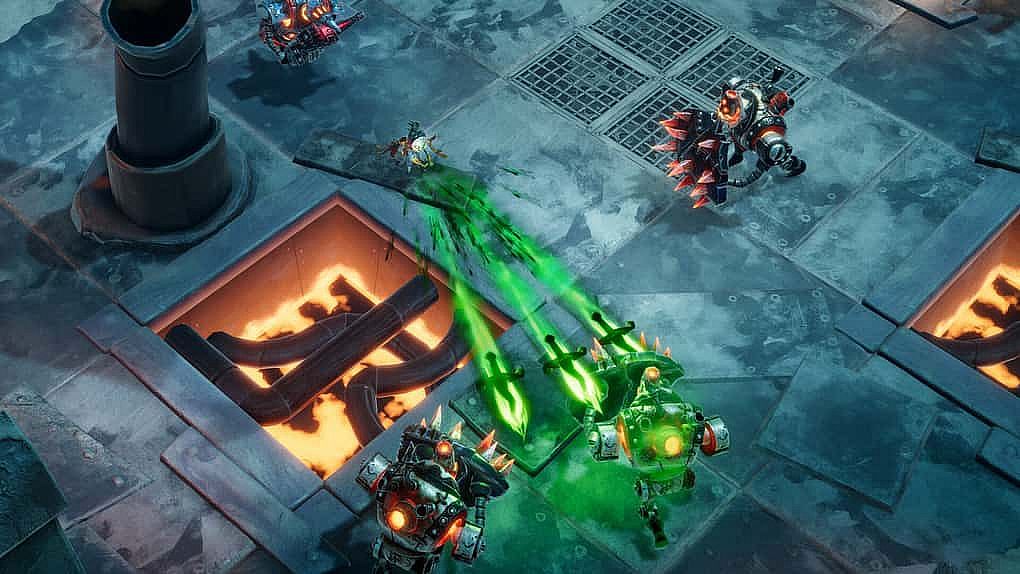
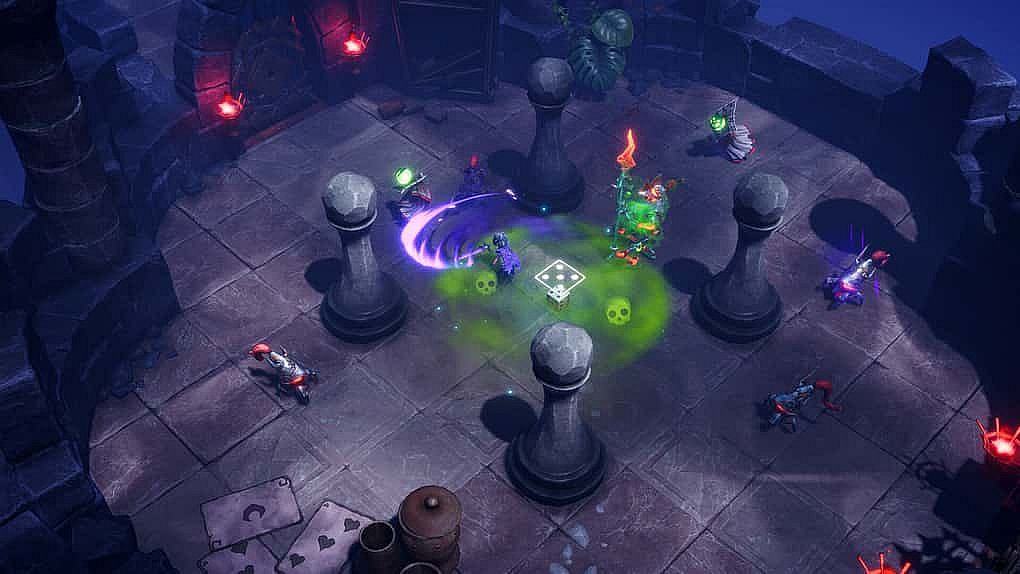
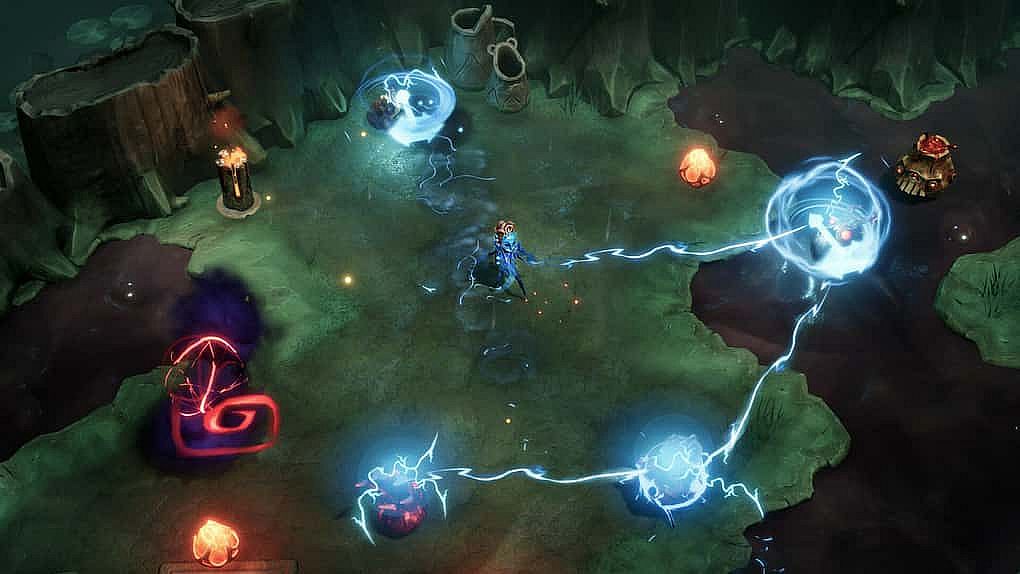
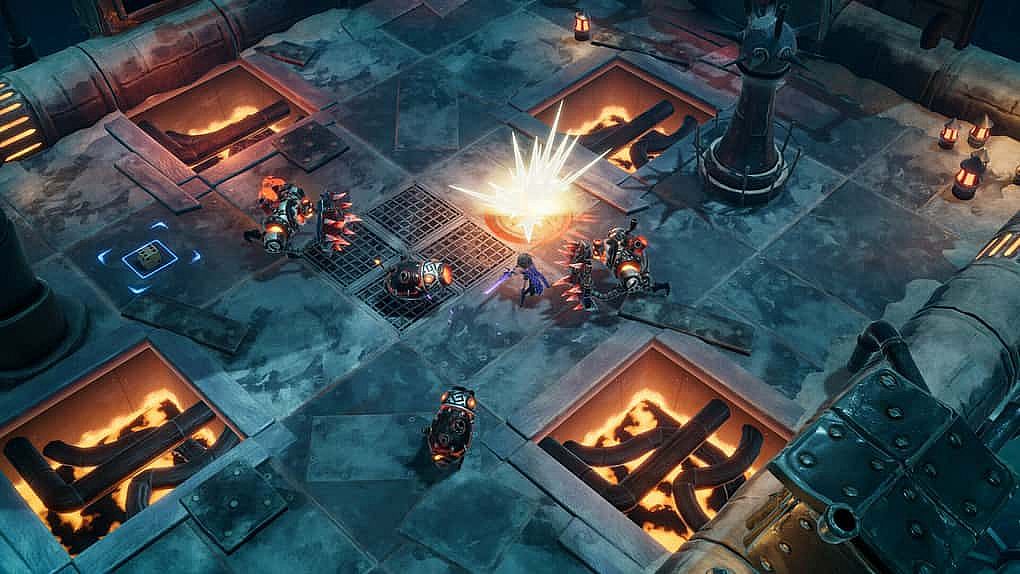
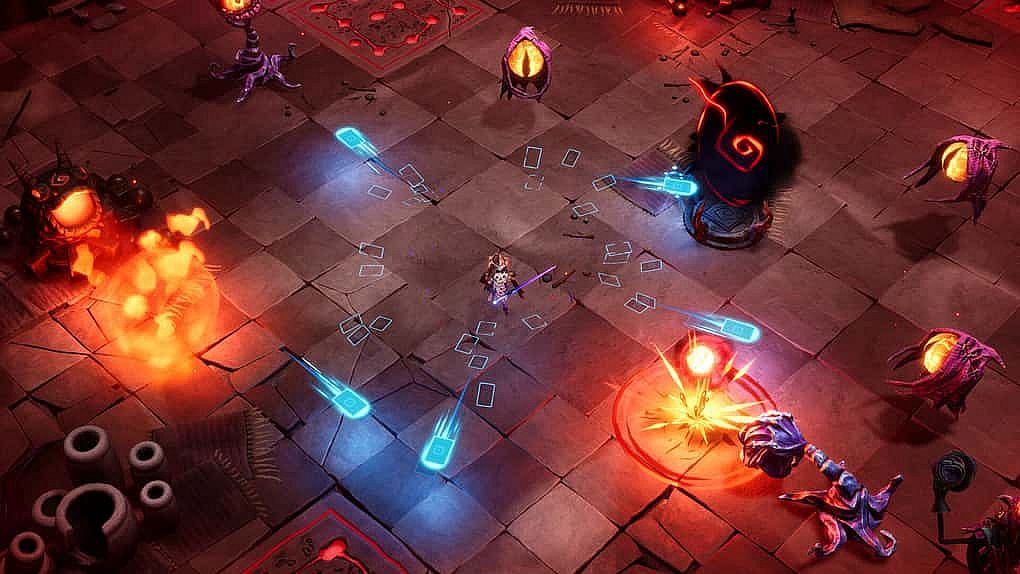
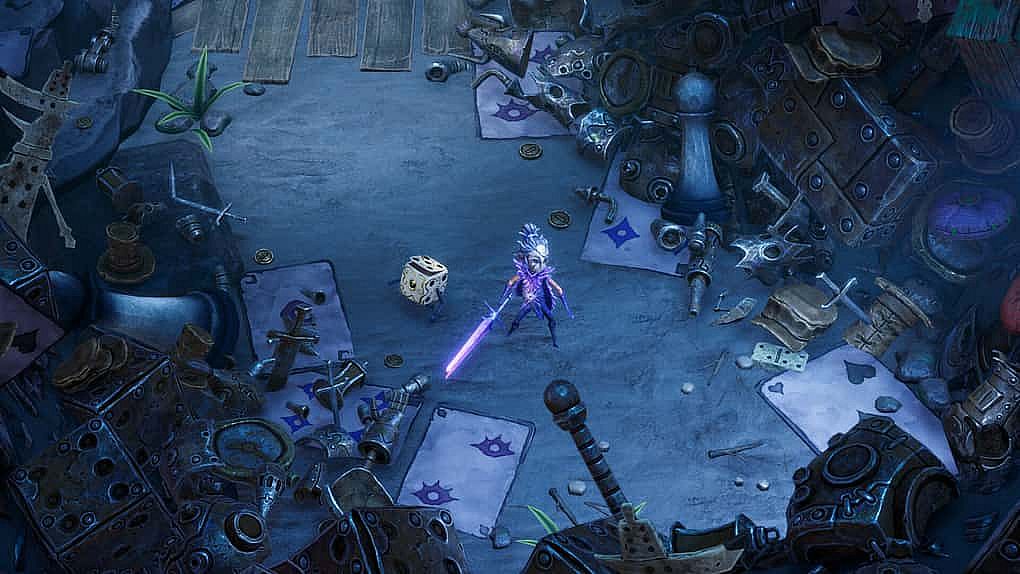
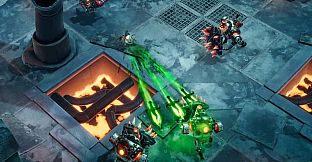
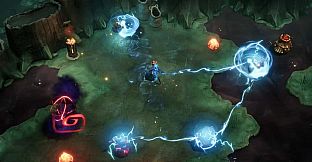
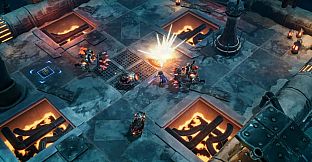
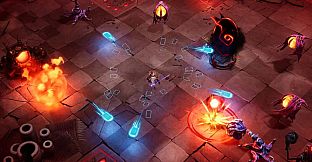
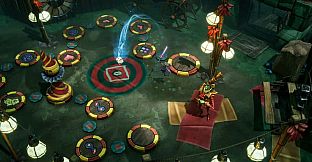
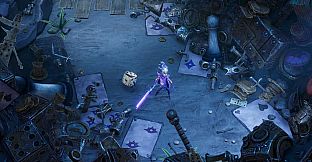
Combat unfolds in an isometric view across rooms filled with enemies, traps, and occasional side challenges. Aleksandra wields one of four weapons at the start of each run, beginning with the sword and unlocking the bow, hammer, and lance through progression. Each weapon supports basic strikes and charged attacks that can be further customized via upgrade paths unlocked outside of runs. A living die companion named Fortune serves as a throwable projectile whose damage and effects scale with the number rolled upon impact, introducing variability that players must account for during engagements.
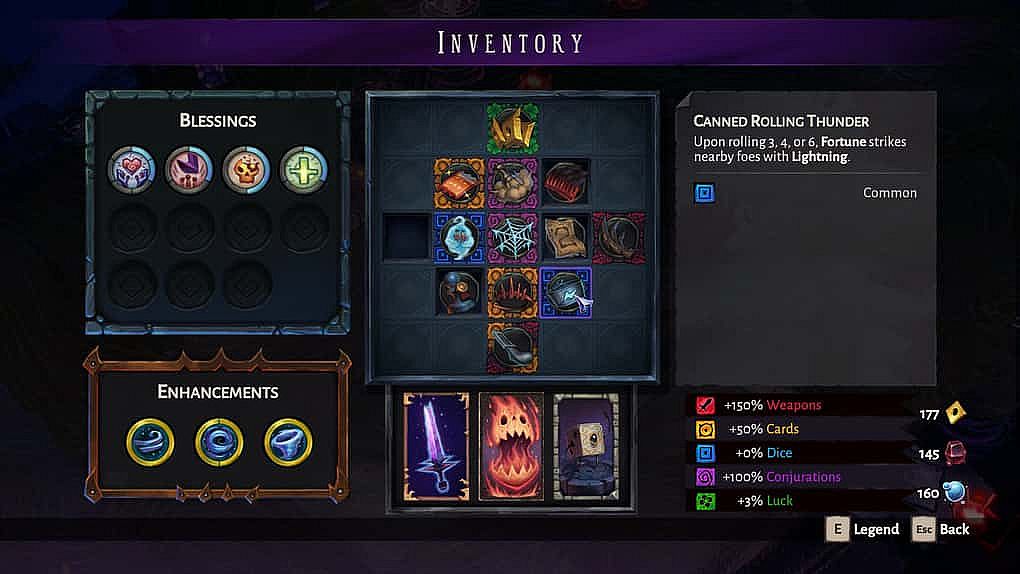
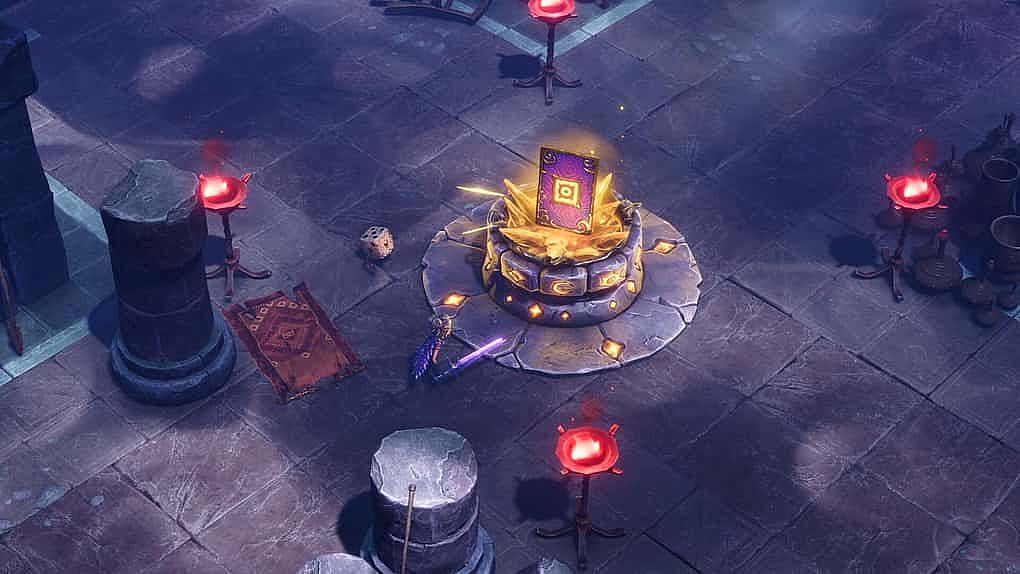
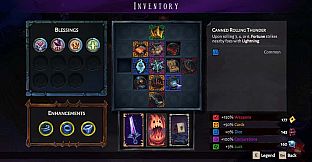
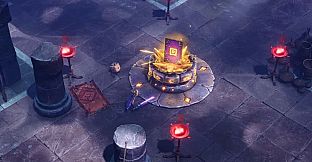
Special abilities come from cards selected during a run, limited to one active at a time and offering effects such as projectiles or area impacts. The standout mechanical layer involves relics collected after clearing rooms. These items carry one or more colors and fit onto a grid inventory. Aligning three or more of the same color grants a substantial stat bonus for the remainder of the attempt, turning relic selection into a match-three puzzle that influences build strength. Additional currencies gathered in runs fund permanent improvements to weapons, health, and other attributes back at the central hub area called the Sanctuary.
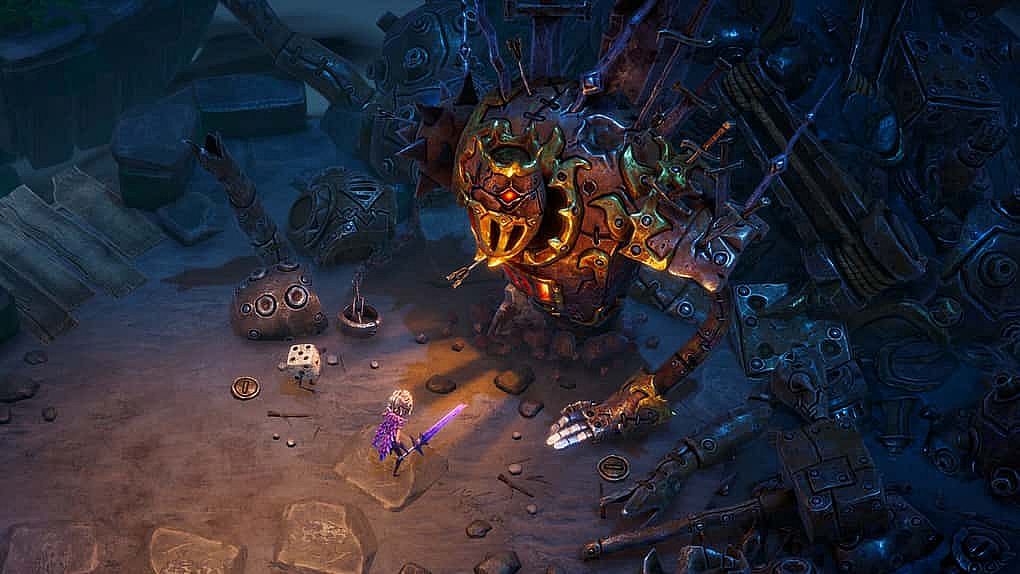
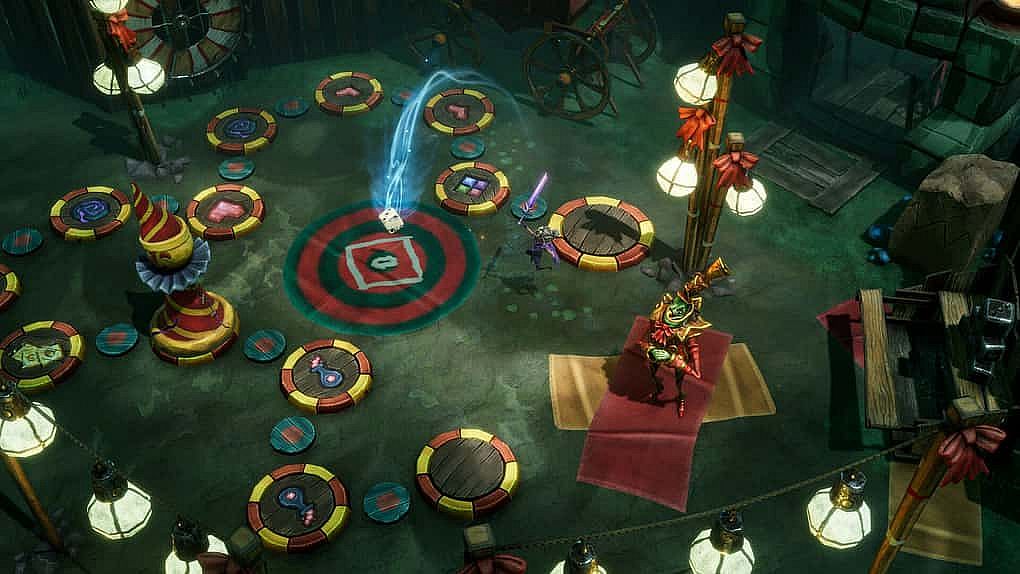
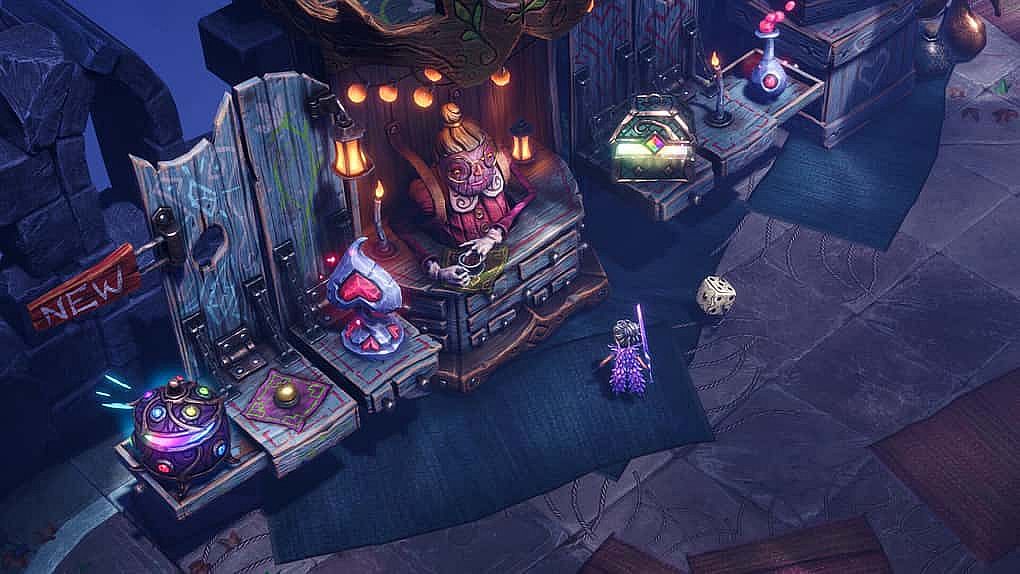
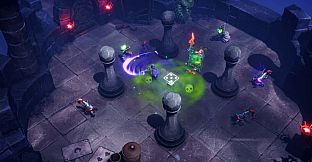
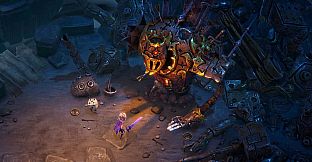
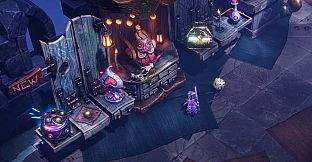
Four distinct biomes form the backbone of each attempt, each ending with a boss encounter that demands pattern recognition and adaptation. Room variety includes direct fights, environmental hazards, vendor interactions, and brief minigames that tie back into the dice theme. Runs emphasize momentum, with death returning the player to the Sanctuary to spend earnings on lasting enhancements before trying again.
Game Modes
The experience centers on a single-player roguelite structure with no separate multiplayer options. Every session follows the same core loop of entering the Black Die, progressing room by room through randomized layouts, and pushing toward the final confrontation. Difficulty adjustments exist through an easy mode that strengthens meta-progression and starting health, allowing broader accessibility without altering the fundamental challenge of learning enemy patterns and optimizing relic placements.
Between attempts, the Sanctuary functions as a persistent hub for weapon upgrades, story interactions, and preparation. No distinct game modes branch off from the main roguelite campaign, keeping the focus on iterative improvement across repeated runs rather than separate competitive or cooperative formats.
Progression and Visual Style
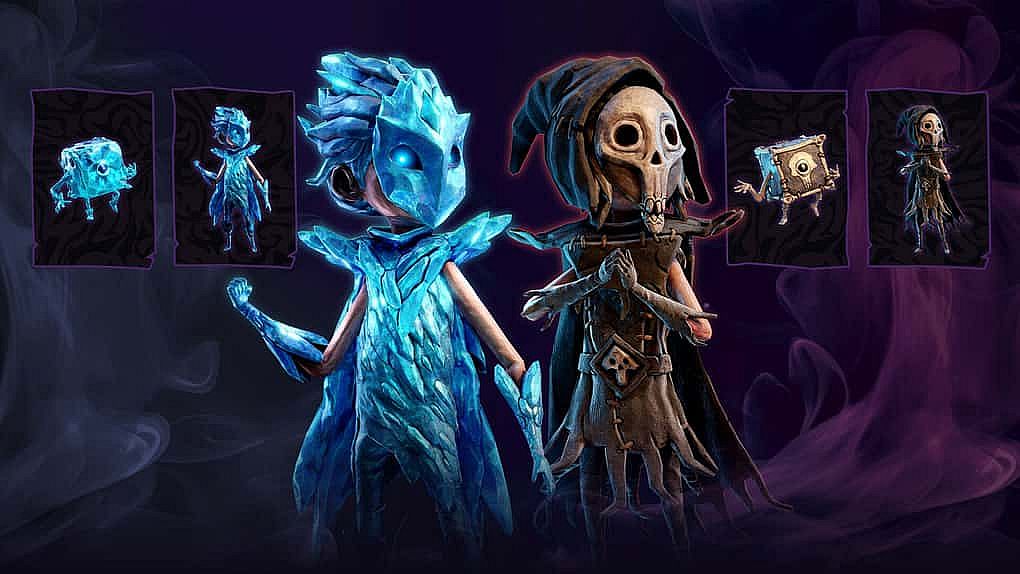
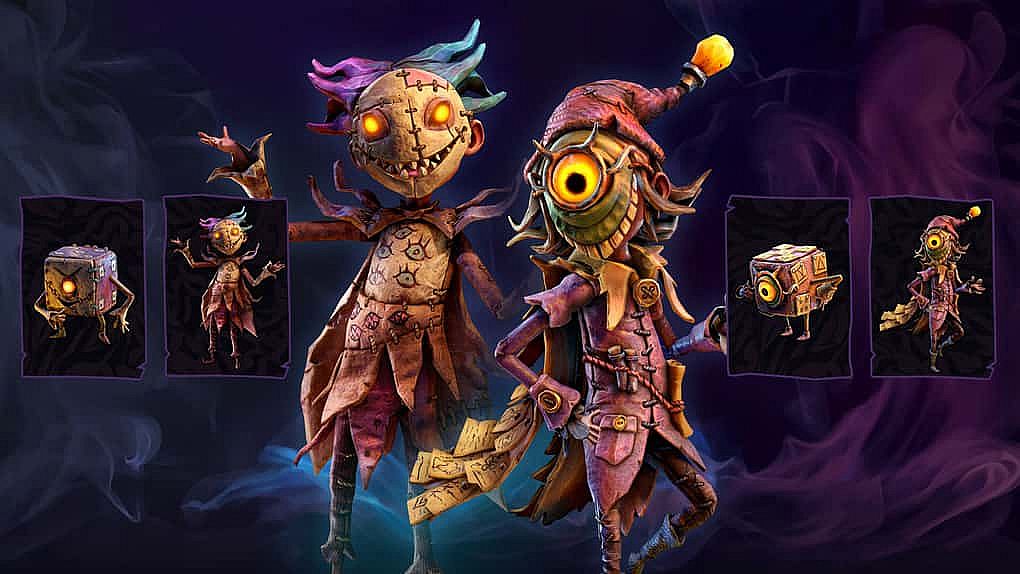
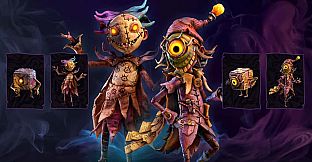
Meta-progression drives long-term engagement as players unlock additional weapon paths and passive blessings using resources like Cinder. These changes carry across runs, gradually reducing the sting of early failures while encouraging experimentation with different weapon and relic combinations. The art direction maintains a stark, expressive aesthetic with bold color contrasts and detailed character models that evoke a twisted storybook atmosphere.
Four biomes provide visual and mechanical distinctions, leading to a gauntlet of minibosses before the primary antagonist. The overall presentation supports fluid movement and readable attacks, helping players maintain flow during intense sequences without relying on excessive visual clutter.
Is It Worth Playing?
Reviews highlight responsive combat and the innovative relic grid as strengths that deliver satisfying depth for those who enjoy roguelites with layered decision-making. The match-three element on relics adds a strategic dimension that differentiates runs, while permanent upgrades provide tangible reasons to persist through setbacks. Some players note repetition in later stages and a narrative that serves more as background than a driving force.
This title suits fans of isometric action roguelikes who appreciate systems that reward both in-run tactics and out-of-run planning. Its single-player focus and emphasis on mastery over multiple attempts make it a solid choice for anyone seeking a self-contained experience with meaningful build variety. The Complete Edition bundles additional content around the core game, though the fundamental loop stands on its own for dedicated players.