




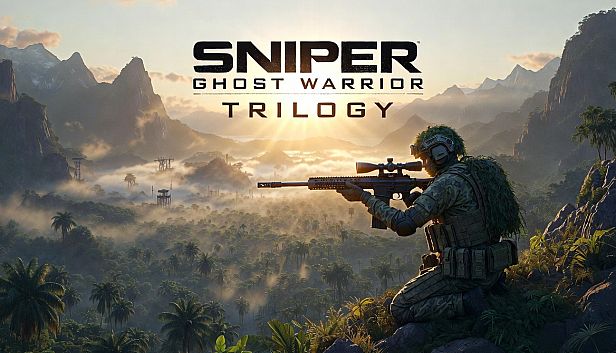











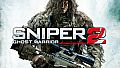
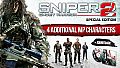

Sniper: Ghost Warrior Trilogy vereint drei taktische Shooter-Kampagnen, die sich auf präzises Scharfschießen und verdeckte Operationen in eigenständigen Singleplayer-Geschichten konzentrieren. Das Paket bietet fokussierte Erlebnisse mit realistischer Ballistik, Umwelteinflüssen wie Wind und Geschossabfall sowie einer Mischung aus Langstrecken-Eliminationen und Nahkampf-Entscheidungen. Die Missionen belohnen sorgfältige Positionierung, Timing und die passende Waffenwahl statt hektischer Run-and-Gun-Taktiken.
Gameplay
Im Mittelpunkt stehen Scharfschützengewehre, bei denen Entfernung, Flugbahn und äußere Bedingungen berücksichtigt werden müssen. Bullet-Cam-Sequenzen zeigen erfolgreiche Treffer, während Aufklärungswerkzeuge helfen, Ziele und Bedrohungen zu erkennen. Schleichansätze ermöglichen lautlose Ausschaltungen oder das Umgehen von Patrouillen, und einige Abschnitte führen in direkte Gefechte mit Sturmgewehren oder Pistolen. Im dritten Teil sorgt eine Open-World-Struktur für mehr Freiheit bei der Zielannäherung, unterstützt durch ein Fertigkeitensystem in drei Kategorien, das Schussstabilität, Bewegungslautlosigkeit oder Kampfeffektivität je nach Spielverhalten verbessert. Wetter- und Tageszeitwechsel beeinflussen in späteren Missionen Sichtweite und Wachsamkeit der Gegner.
Spielmodi
Die Singleplayer-Kampagnen bilden den Hauptteil des Erlebnisses. Sie kombinieren lineare und semi-offene Missionen mit Scharfschützenzielen, Infiltration und gelegentlichen größeren Feuergefechten. In den ersten beiden Teilen gibt es zudem kompetitive Multiplayer-Modi, die auf Langstreckenkämpfe in abwechslungsreichem Gelände mit Deckung setzen. Dazu gehören Team- und Free-for-All-Formate, bei denen Positionierung und Geduld entscheidend sind. Der dritte Teil konzentriert sich auf den Solo-Modus und verzichtet weitgehend auf Online-Funktionen.
Campaign Structure and Progression
Jeder Titel erzählt eine in sich abgeschlossene Geschichte um verdeckte Operationen, deren Aufträge von einzelnen Ausschaltungen bis hin zu koordinierten Angriffen reichen. Spieler verwalten begrenzte Ressourcen und passen ihre Ausrüstung den Missionsanforderungen an. Im Open-World-Abschnitt des letzten Teils sorgen Nebenaktivitäten für zusätzliche Spielzeit durch weitere Ziele und Erkundung. Die Steuerung legt Wert auf bewusstes Zielen und Bewegen, mit Optionen zur Schwierigkeitsanpassung für strengeren Realismus ohne Hilfen wie regenerierende Gesundheit.
Technical Aspects and Presentation
Grafik und Performance entsprechen den jeweiligen Veröffentlichungszeiträumen der Einzeltitel, wobei der neuere Teil von einer verbesserten Engine mit größeren Umgebungen und dynamischen Effekten profitiert. Das Sounddesign hebt unterdrückte Schüsse und Umgebungsgeräusche hervor, die das Situationsbewusstsein unterstützen. Die Sammlung läuft auf dem PC mit Standardsteuerung und Anzeigeoptionen, die auf taktisches Gameplay ausgelegt sind.
Lohnt es sich?
Die Trilogie richtet sich an Spieler, die methodisches Scharfschießen gegenüber schnellem Action bevorzugen und Wert auf Singleplayer-Kampagnen mit klaren Zielen legen. Die Resonanz lobt das kernige Schussgefühl, kritisiert jedoch die KI, das Tempo mancher Missionen und technische Schwächen der älteren Teile. Als preisgünstiges Bundle bietet die Sammlung gutes Preis-Leistungs-Verhältnis für Genre-Fans, die mehrere Kampagnen ohne Live-Service-Elemente erleben möchten. Wer veraltete Mechaniken oder ein poliertes Multiplayer-Erlebnis sucht, wird die Erfahrung jedoch als uneinheitlich empfinden.


