




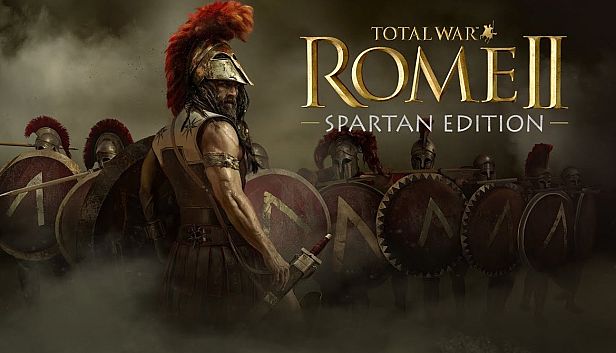













Total War: Rome II Spartan Edition is a grand strategy game for PC that combines turn-based empire management with real-time tactical battles set in the classical world. Players take control of ancient factions to expand territories, manage resources, and engage in large-scale conflicts across a detailed campaign map. The Spartan Edition bundles the core experience with additional content focused on Greek states, making it a complete package for those drawn to historical strategy gameplay.
Gameplay
The core loop revolves around overseeing a faction on the campaign map through turns that cover seasons and years. Decisions involve constructing buildings in settlements to boost economy, public order, and military output while researching technologies that unlock new units and improvements. Armies move across provinces, where diplomacy, trade agreements, and espionage play roles in shaping relations with neighboring powers. When conflict arises, battles shift to real-time control of thousands of soldiers, emphasizing formation tactics, terrain advantages, and unit counters in large-scale engagements.
Resource management requires balancing food production, wealth generation, and manpower to sustain expansion without internal unrest. Naval elements allow control of sea lanes for trade and invasions, adding another layer to strategic planning. The system rewards careful long-term planning alongside quick adaptation during battles, where positioning and morale can turn the tide.
Game Modes
The primary experience centers on the Grand Campaign, where players guide a chosen faction from a starting position toward dominance over the known world through conquest and alliances. This mode features an expansive map covering Europe, North Africa, and the Middle East, with dynamic events that influence faction relations and available objectives.
Wrath of Sparta provides a focused campaign set during the Peloponnesian War, limiting the map to Greece and nearby regions while offering four playable Greek factions. This mode emphasizes regional rivalries and shorter campaign arcs compared to the broader Grand Campaign. Additional content expands playable options in the main mode with specific Greek factions integrated into the larger conflict.
Factions and Mechanics
Sparta stands out among available factions due to its inclusion in the bundled content, alongside Athens and Epirus for the Grand Campaign. Each faction brings distinct starting positions and unit rosters suited to different playstyles, such as heavy infantry emphasis or cavalry focus. Mechanics include province development through building chains, army recruitment tied to regional resources, and political systems that manage internal stability and succession.
Battle mechanics highlight unit variety with infantry, cavalry, missile troops, and siege equipment, where terrain and flanking maneuvers prove decisive. Campaign progression incorporates agent actions for sabotage or influence, alongside fleet operations for maritime control. These elements create interconnected systems where choices on the map directly affect battlefield outcomes.
Is It Worth Playing?
The game receives ongoing support through the Pantheon Updates series, which delivers free improvements to battles, campaign systems, visuals, and bug fixes without adding new factions or units. This keeps the experience current for players who value refined strategy mechanics in a historical setting. The Spartan Edition delivers extra Greek-focused campaigns and factions that enhance replayability for those interested in that era.
It suits players who prefer deep strategic layers over fast-paced action, particularly those drawn to managing empires and commanding large armies in ancient contexts. The combination of turn-based oversight and real-time combat provides substantial depth, with the bundled content offering immediate access to varied starting scenarios. Those seeking a complete historical strategy title on PC will find the edition a solid entry point given the accumulated updates and focused additions.


