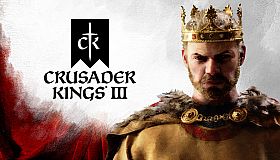


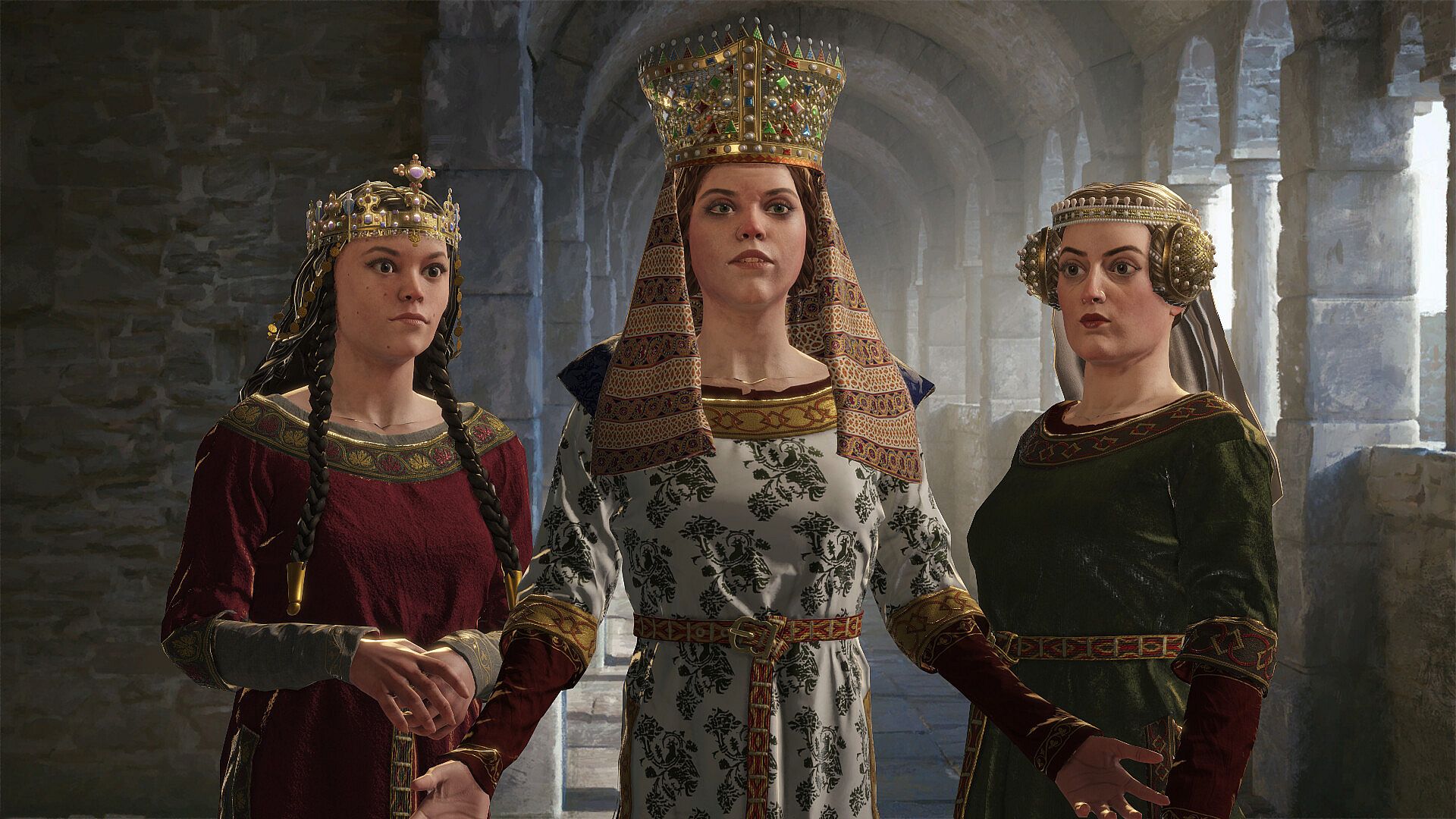
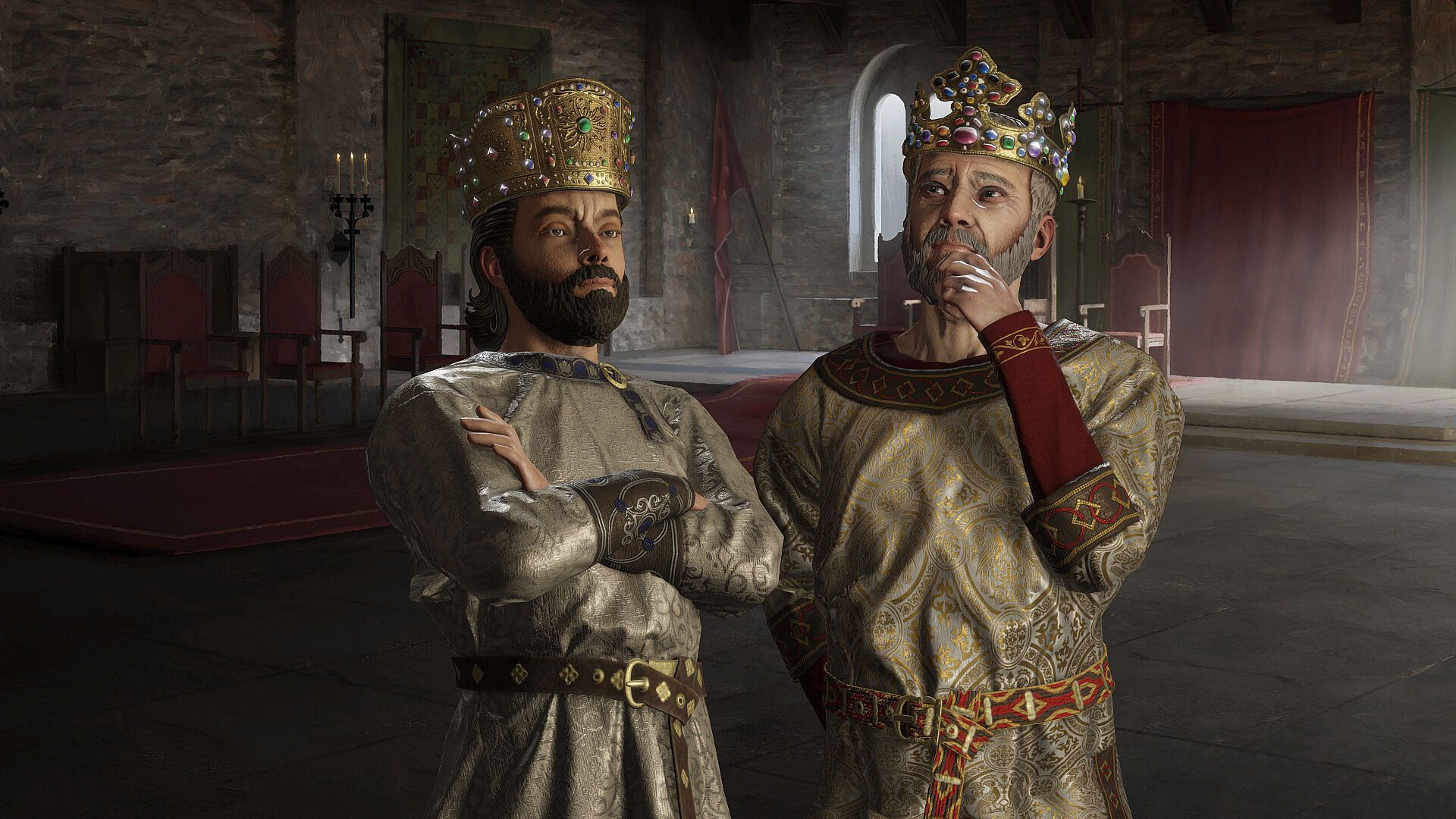
Crusader Kings III ist eine umfassende Mischung aus Grand Strategy und Rollenspiel, in der Spieler über Jahrhunderte hinweg mittelalterliche Dynastien in Europa und darüber hinaus lenken. Im Mittelpunkt steht die Verwaltung von Herrschern, ihren Familien und Reichen - geprägt von komplexen politischen Beziehungen, persönlichen Verstrickungen und territorialer Kontrolle, dargestellt durch detaillierte 3D-Porträts und eine lebendige Weltkarte.
Gameplay
Im Zentrum steht eine charakterbasierte Entscheidungsfindung, die sowohl persönliche Hinterlassenschaften als auch große Reiche formt. Herrscher wählen Lebensschwerpunkte wie Diplomatie, Kriegskunst, Verwaltung, Intrige oder Gelehrsamkeit und schalten damit Fertigkeitsbäume frei, die Werte und Handlungsmöglichkeiten beeinflussen. Diese Entscheidungen bestimmen, wie Anführer mit Vasallen umgehen, Intrigen planen oder langfristige Ziele wie kulturelle Reformen und religiöse Bekehrungen verfolgen.
Im Krieg kommen verschiedene Einheitentypen zum Einsatz: Abgaben, die aus der Bevölkerung rekrutiert werden, professionelle Men-at-Arms, die Ressourcen kosten, sowie Ritter mit individuellen Fähigkeiten. Belagerungen und Feldschlachten erfordern sorgfältige Vorbereitung, während das Reichsmanagement stets Stresslevel, Druckmittel und Bündnisse im Blick behalten muss, die sich durch Ereignisse schnell verändern können.
Ein weiterer zentraler Aspekt ist der Dynastieaufbau. Erbfolgegesetze, Stammbäume und generationenübergreifende Planung sichern den Fortbestand der Macht. Am Hof gilt es Intrigen zu durchschauen, Räte zu besetzen und kulturelle Entwicklungen voranzutreiben - aus alltäglicher Herrschaft entstehen so immer neue Geschichten.
Spielmodi
Crusader Kings III bietet Einzelspieler-Kampagnen, in denen eine Dynastie ab einem frei wählbaren Startdatum vollständig kontrolliert wird - ob als tiefgehende Alternativgeschichte oder als detailgetreue Nachbildung der Epoche. Im Mehrspielermodus lässt sich das System kooperativ oder kompetitiv mit anderen teilen, wobei gemeinsame Reiche oder rivalisierende Häuser neue diplomatische und kriegerische Dimensionen eröffnen.
Beide Modi basieren auf denselben Systemen, bieten jedoch Optionen zur Anpassung von Regeln - von historischer Genauigkeit bis hin zu freieren Verläufen. Eine Session kann sich über Jahrhunderte erstrecken, wobei der Wechsel zwischen Charakteren innerhalb einer Dynastie den Spielfluss über Generationen hinweg erhält.
Grafik und kulturelle Elemente
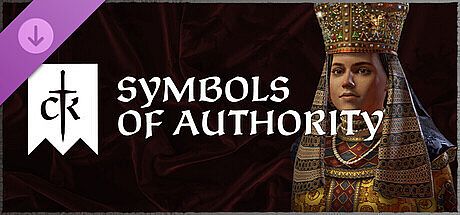
Besonderes Augenmerk liegt auf dem Erscheinungsbild der Charaktere: Frisuren, Bärte und Kopfbedeckungen orientieren sich an historischen Vorbildern verschiedener Kulturen. Dadurch erhalten Herrscher aus Regionen wie dem Oströmischen Reich oder Mitteleuropa eine eigene visuelle Identität, die sich nahtlos in die Simulation einfügt, ohne die Spielmechanik zu verändern.
Die Startdaten 867, 1066 und 1178 eröffnen unterschiedliche Zugänge in die mittelalterliche Welt, jeweils mit eigenen politischen und technologischen Rahmenbedingungen, die Strategien und Ereignisse maßgeblich beeinflussen.
Lohnt sich das Spiel?
Crusader Kings III wird durch regelmäßige Erweiterungen und Patches kontinuierlich erweitert. Die Resonanz fällt durchweg positiv aus - Spieler loben vor allem die Tiefe der Charakterinteraktionen und die hohe Wiederspielbarkeit des Sandbox-Prinzips. Wer sich für detailliertes Dynastiemanagement, politisches Taktieren und historische Rollenspiele interessiert, findet hier langfristigen Mehrwert durch die laufende Weiterentwicklung und die aktive Community.
Das Spiel richtet sich an Spieler, die langfristige strategische Planung mit emergentem Storytelling verbinden möchten, statt schnelle Action zu suchen. Die Kombination aus Simulation und Rollenspiel bietet anhaltenden Spielspaß für alle, die komplexe Beziehungen und generationenübergreifende Hinterlassenschaften schätzen.