


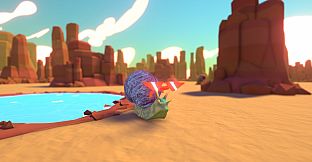
Feed the Forest is a single-player incremental simulation game set in a barren desert where players control a snail tasked with restoring life to the wasteland. The core experience centers on planting vegetation, gathering resources, and expanding a growing ecosystem while feeding a mysterious worm-like entity known as the forest. Developed by the worker-owned cooperative Indoor Sunglasses, the title blends satisfying progression systems with light satirical elements around themes of growth and resource management.
Gameplay
Players begin as a basic snail navigating empty desert terrain. Movement plants bushes that produce berries, which convert into juice, the primary resource fed to the forest. Water serves as a planting currency that refills from nearby sources, and early upgrades focus on increasing carry capacity, movement speed, and collection range. The snail can roll for faster travel once unlocked, allowing efficient coverage of larger areas.
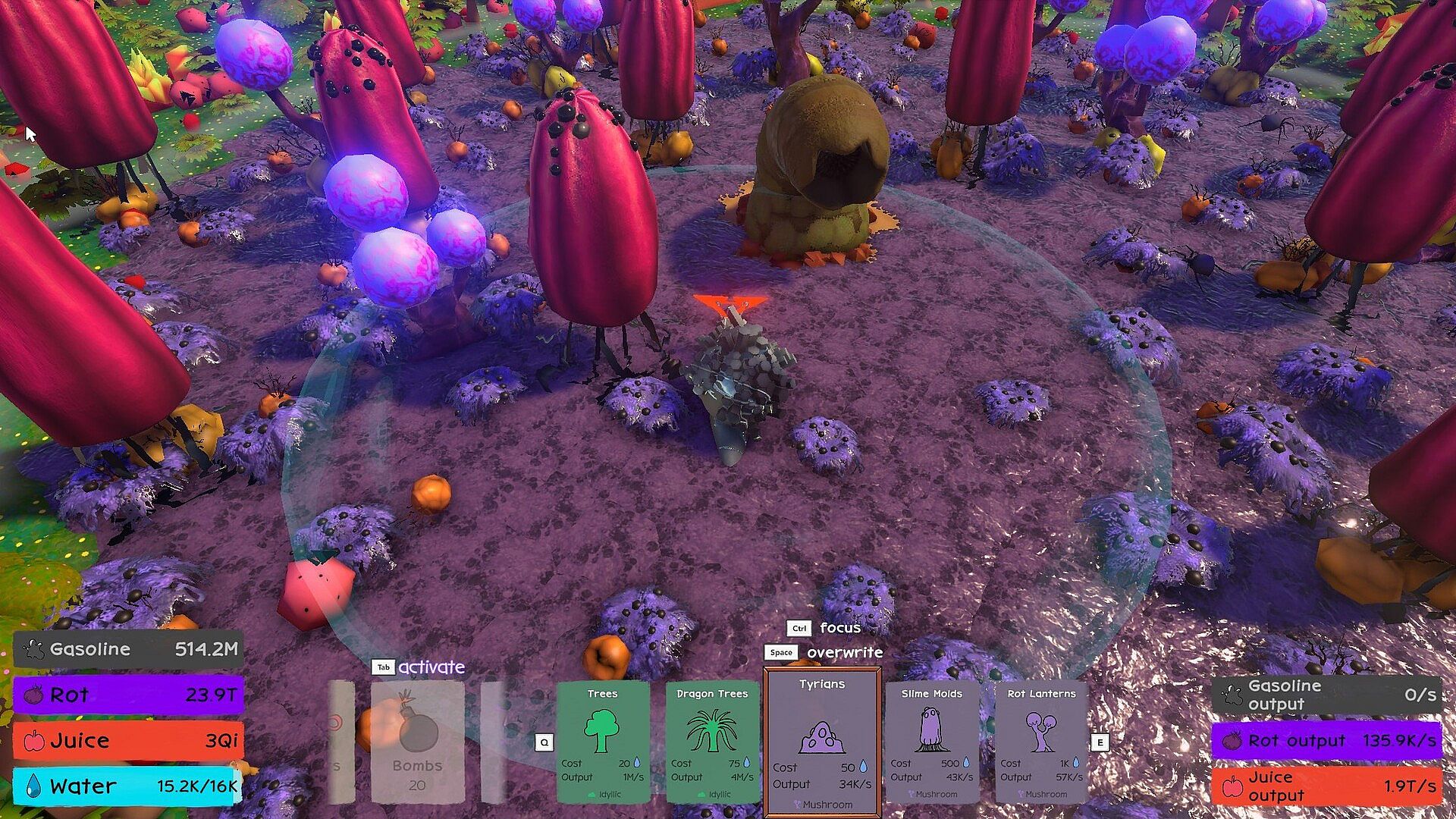
Progression expands through a shop system run by the forest worm, offering upgrades that boost production efficiency and unlock new plant types such as trees. A separate wizard vendor provides tools like bombs for clearing unwanted plants and reconfiguring layouts. Helper snails can be hired to automate collection and planting tasks, supporting both active playstyles where players direct growth and more passive approaches that let the system run with minimal input. Multiple resource types appear over time, including rot, gasoline, and blood as a variant of juice, requiring players to balance production chains for optimal output.
Prestige mechanics allow a reset that carries forward certain benefits, enabling exponential scaling across runs. Plant layouts can be optimized for automation, with options to mix varieties in the same areas after relevant upgrades. The game emphasizes hands-on interaction early on before shifting toward larger-scale management as the forest expands.
Game Modes
Feed the Forest operates as a single-player experience without separate multiplayer or competitive modes. The entire game unfolds in one continuous desert environment where progression builds through iterative planting, upgrading, and resource cycles. Players advance by completing the forest's demands for juice while unlocking new capabilities that transform the landscape from sparse bushes into dense, high-value vegetation.
Core activities revolve around exploration for new plant unlocks, layout experimentation with bombs for adjustments, and prestige resets that restart the map with retained advantages. No distinct named modes exist beyond this unified loop, though the addition of helper snails introduces flexibility between direct control and automated growth phases.
Supporter Pack Benefits
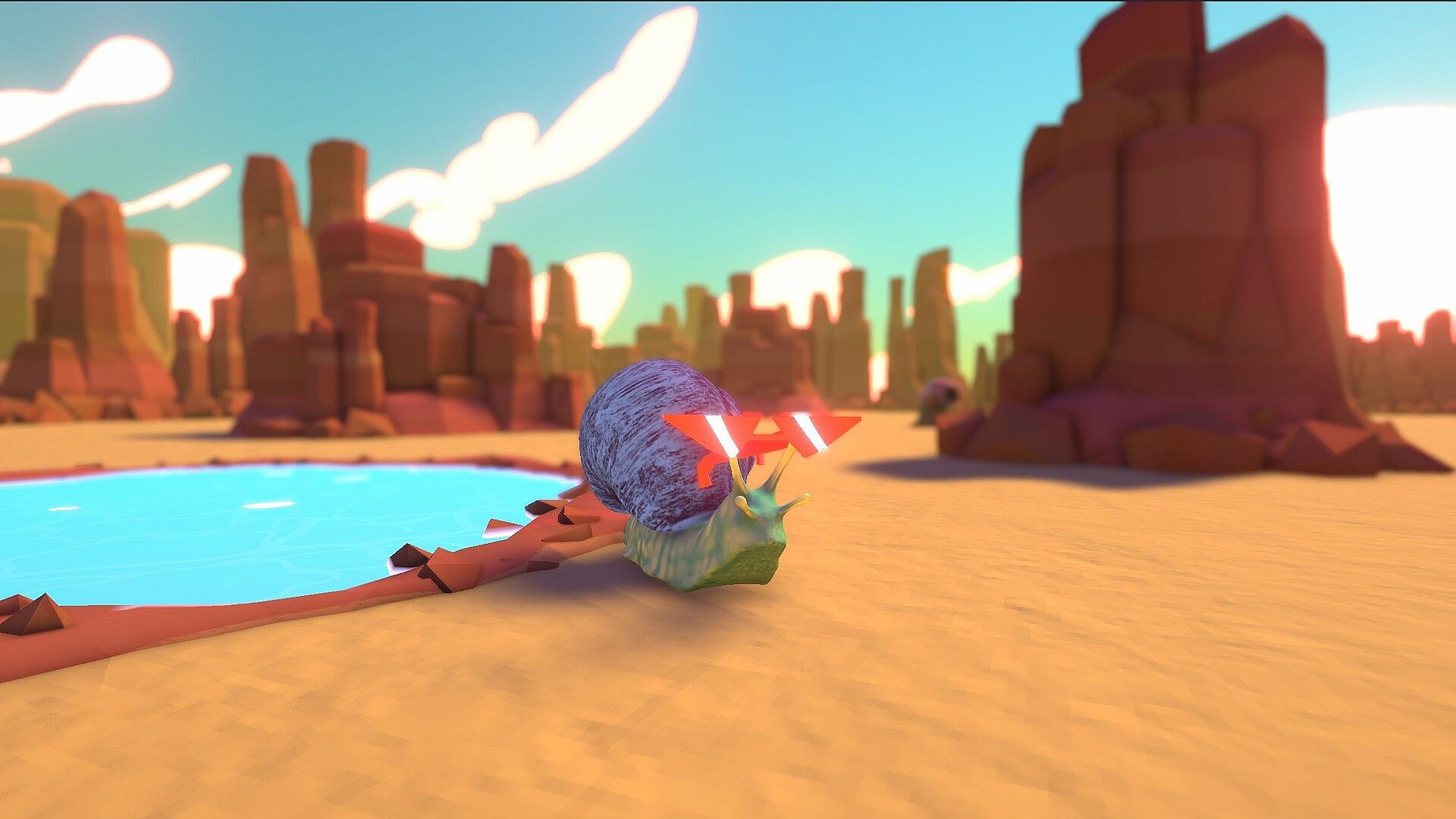
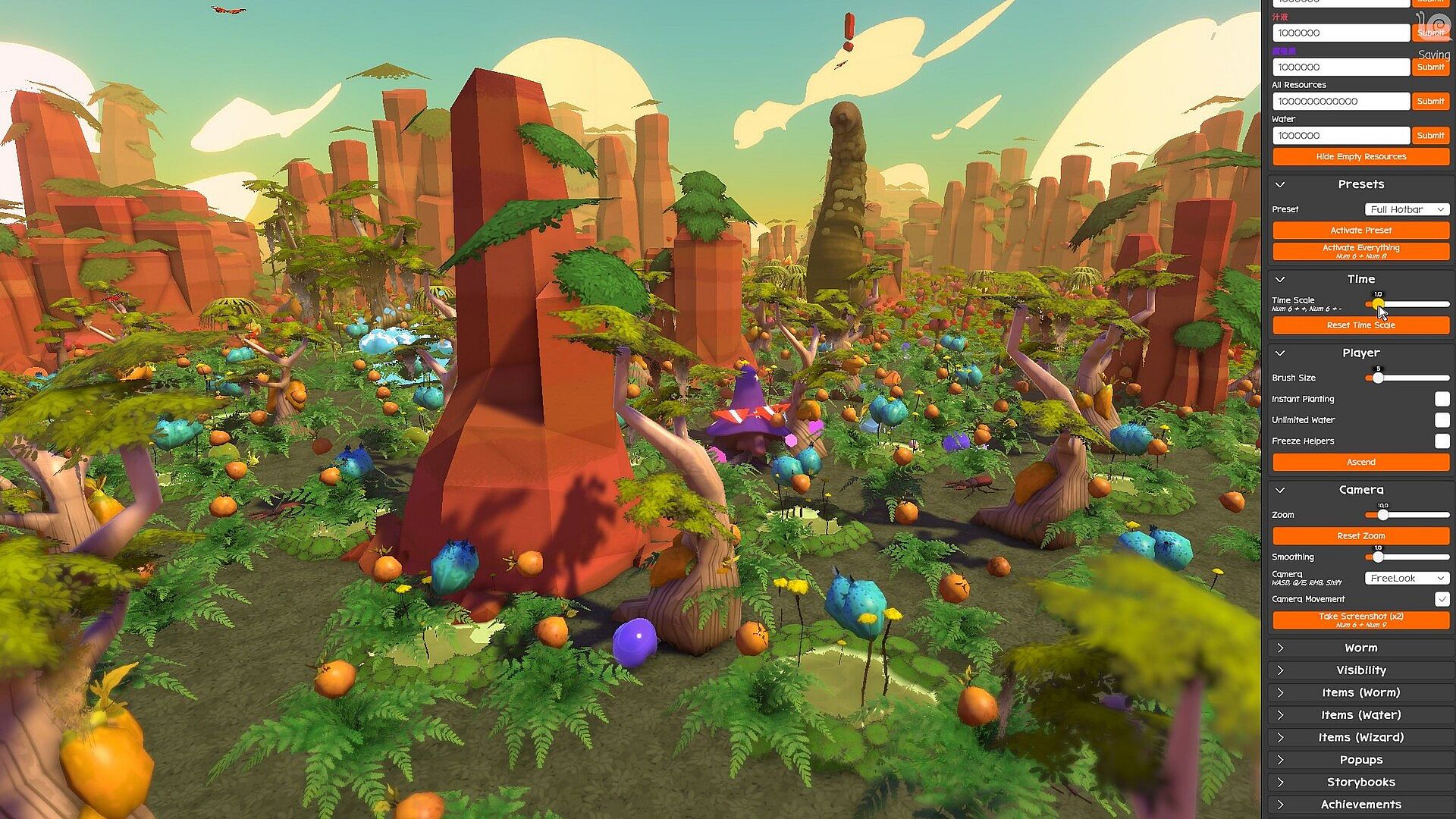
The Supporter Pack for Feed the Forest provides access to internal developer cheats once the base game is completed. These include instant unlocks, adjustable game speed, unlimited water, music controls, and additional options activated by pressing 6 and 7 on the numpad after finishing the main content. The pack also adds a new camera mode and equips all snail skins with sunglasses that function both indoors and outdoors.
Purchasing the pack directly supports the three-person team behind Indoor Sunglasses, a worker-owned cooperative based in Denmark and Lithuania. The developers emphasize democratic ownership structures and aim to create entertaining games infused with values around solidarity and resistance to concentrated power. Revenue from the pack helps fund future projects while keeping the studio independent from corporate ownership.
Is It Worth Playing?
Feed the Forest appeals to fans of incremental and simulation games who enjoy active participation in growth systems rather than purely idle mechanics. The title delivers a clear progression arc from basic planting to complex automation and prestige layers, with helper snails providing meaningful quality-of-life improvements. Demo feedback has been strongly positive, reflecting satisfaction with the core loop and visual feedback during forest expansion.
The game suits players comfortable with exponential scaling and layout optimization, though those seeking traditional story-driven or combat-focused experiences may find the resource focus narrower. As a recently released title from a small independent studio, it offers ongoing potential for updates that build on the existing upgrade and plant variety systems. The Supporter Pack serves as an optional way to access cheats and cosmetic options while contributing to the developers' model of cooperative game creation.