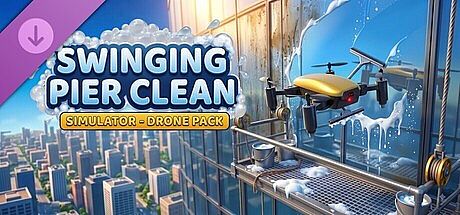


Swinging Pier Clean Simulator is an indie simulation game focused on high-altitude building cleaning from a physics-driven scaffold. Players manage balance, momentum, and team coordination while removing grime with water, foam, and pressure tools on PC.
Gameplay
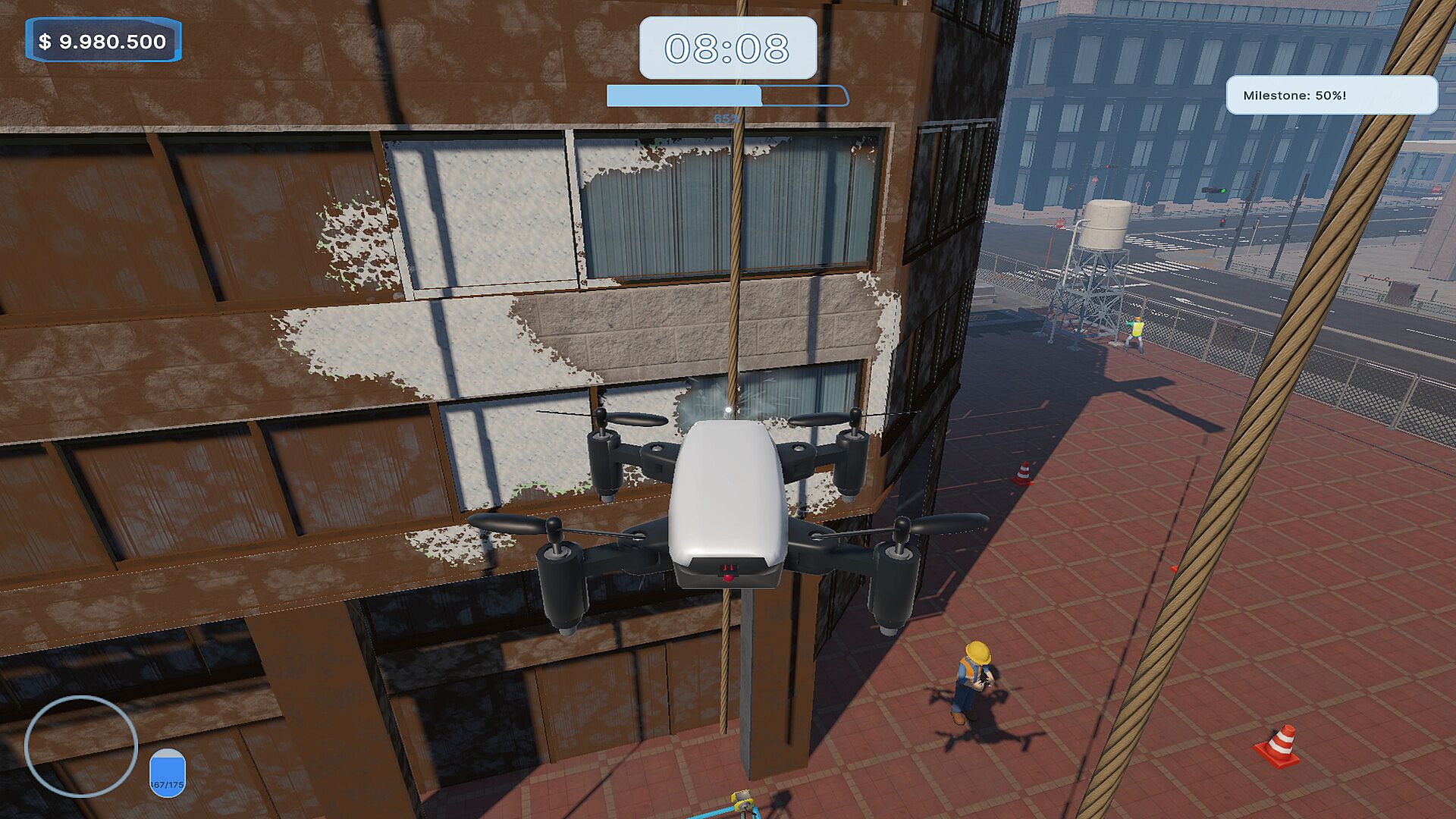
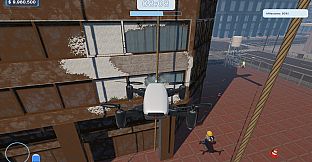
The core loop centers on operating a swinging scaffold suspended from skyscrapers. Every player movement shifts the platform's tilt and swing, requiring careful positioning to reach dirty surfaces without losing balance or sending teammates off the edge. Cleaning involves applying foam and high-pressure water to remove layered dirt, with realistic per-surface grime that responds to tool use. The experience supports solo sessions for a steady, methodical pace or group play where coordination determines success on larger jobs.
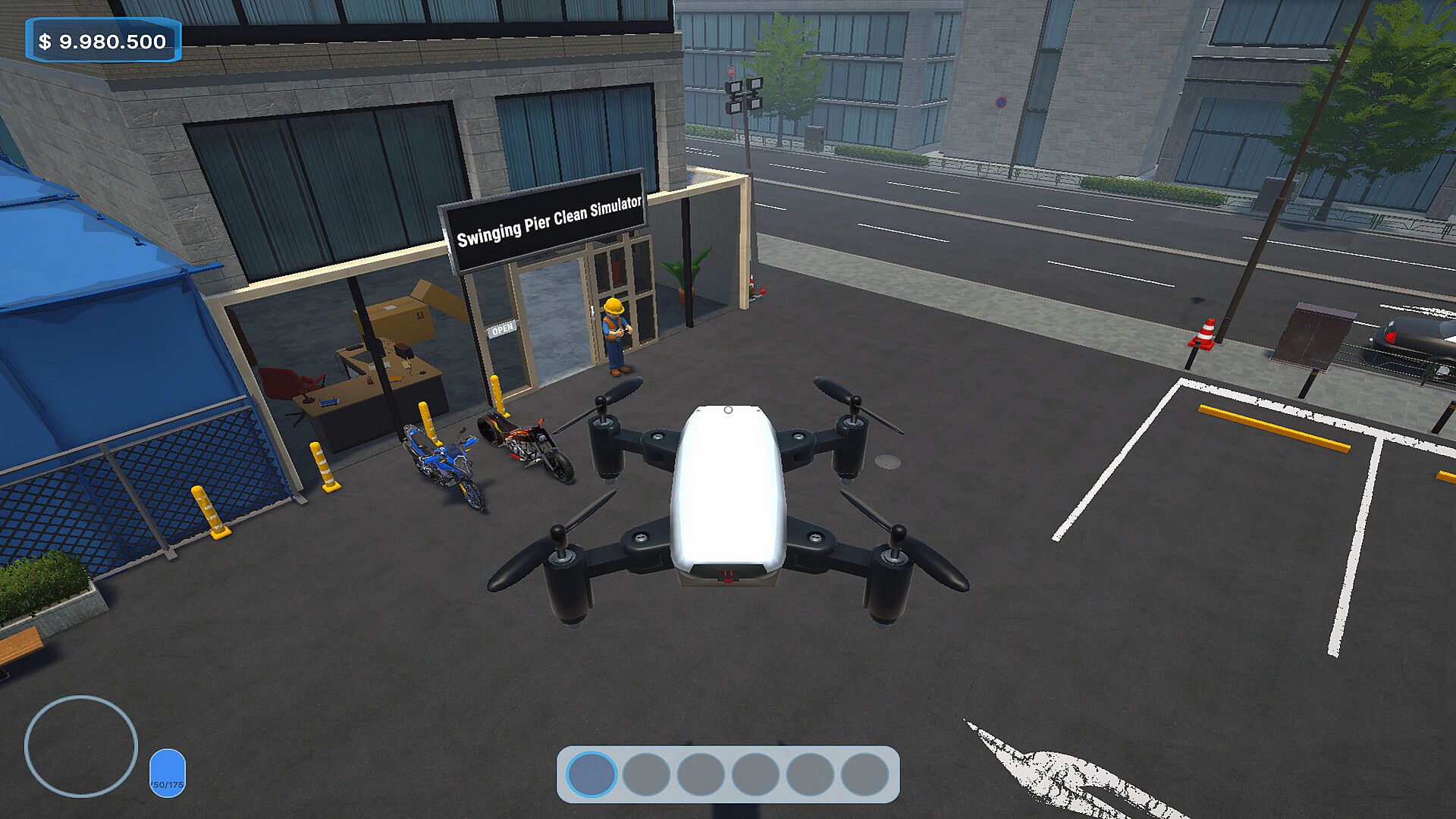
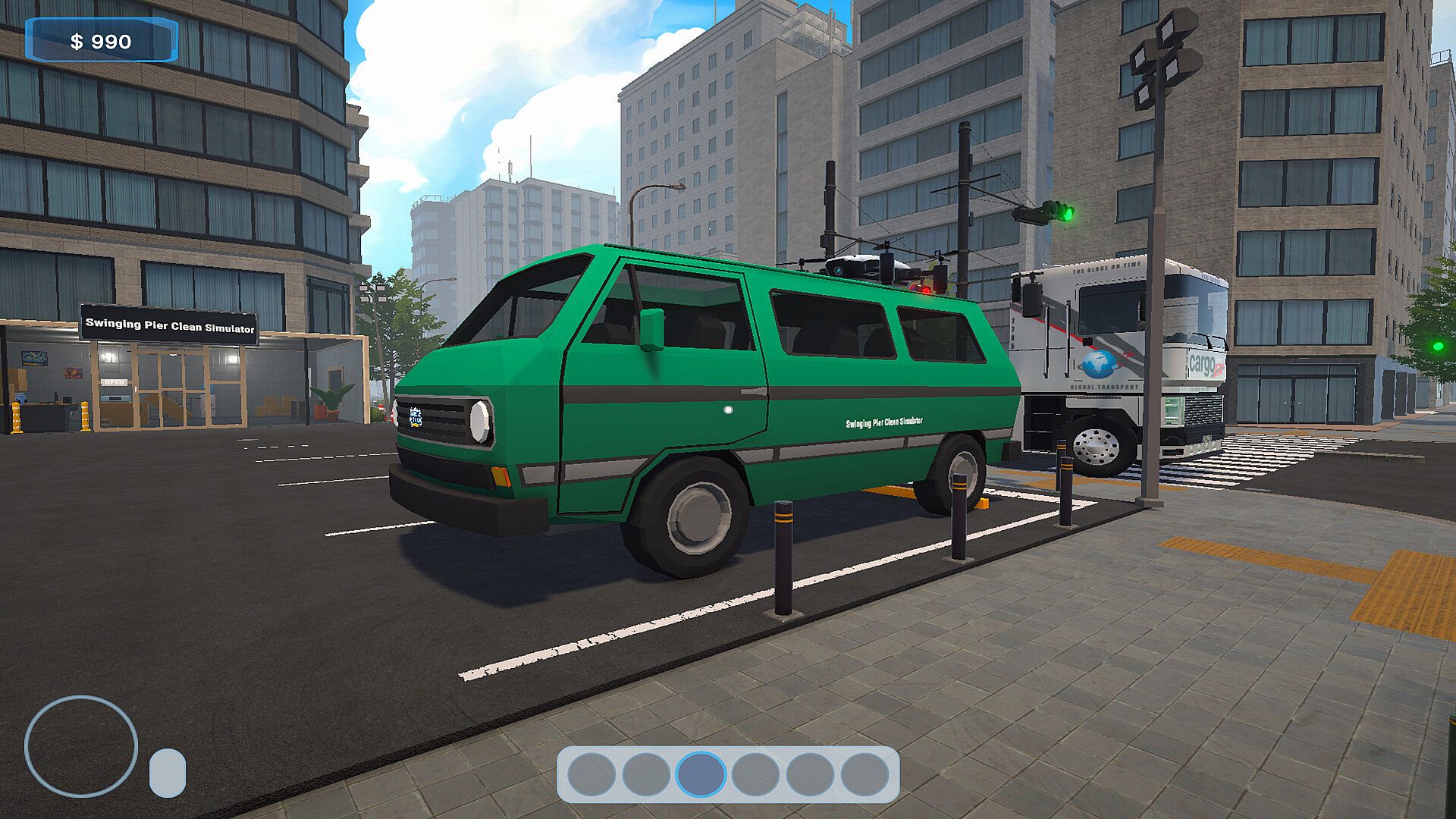
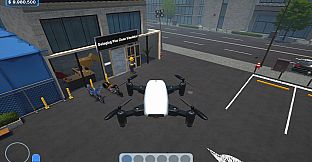
The Drone Pack expands reach with a roof-launched drone that deploys from the active vehicle at job start and returns when complete. Controls allow steering above the scaffold to access elevated or awkward spots. Three spray modes handle different tasks: Water for basic rinsing, Foam for breaking down stubborn buildup, and Air for clearing debris like bird droppings while potentially displacing other players if aimed poorly. The drone covers twice the area of handheld tools and holds five times the tank capacity, with left-click spraying and right-click refilling from the vehicle supply.
Nine drone models exist, starting with the included Seagull and others available through in-game purchases. Durability decreases with falls, and repairs happen via tablet interface or at the garage. Controls remain fully rebindable, and the pack requires the base game. Co-op sessions let all players see active drones, though only owners control them, and dedicated 2v2 support allows drones on team vehicles.
Game Modes
Solo play emphasizes relaxed, meditative cleaning shifts where one person handles the full scaffold and vehicle setup without external interference. Multiplayer co-op supports up to four players online, turning the same physics and cleaning systems into shared challenges where weight distribution and timing matter for group progress.
2v2 modes introduce competition on the same scaffold framework. Teams work to clean the most area within time limits, but the physics setup opens opportunities for direct interference, such as using air blasts or positioning to affect opponents. The drone's air mode fits naturally into these sessions for both cleaning boosts and tactical pushes.
Progression and Systems
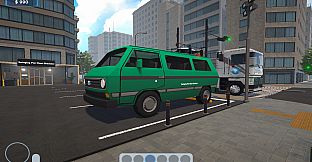
Jobs begin with vehicle selection and loadout, leading into scaffold deployment and cleaning phases. The Drone Pack integrates directly by appearing on the vehicle roof for immediate use. Maintenance systems track drone condition, with falls reducing durability and requiring repairs or replacements at the garage. In-game currency from completed work funds additional drone models beyond the base Seagull.
Co-op visibility ensures teammates can follow drone activity even if they lack the pack, while ownership restricts control. This setup keeps sessions accessible for mixed groups while rewarding individual purchases with personal tools.
Is It Worth Playing?
The game appeals to players who enjoy physics-based teamwork and satisfying cleaning mechanics in an indie simulation package. Its upcoming release in Q4 2026 means current interest centers on the demonstrated scaffold physics and co-op potential rather than finished content volume. Those drawn to deliberate, momentum-driven tasks or light competitive sabotage in 2v2 will find the core loop distinctive. The Drone Pack adds vertical options and area coverage that complement the base scaffold work without altering the fundamental balance and cleaning focus. Availability remains tied to the base game purchase, with no demo support for the pack itself.