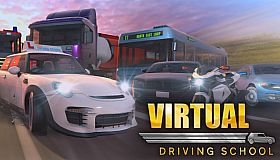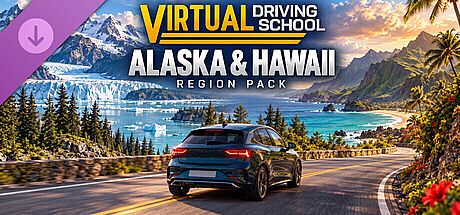


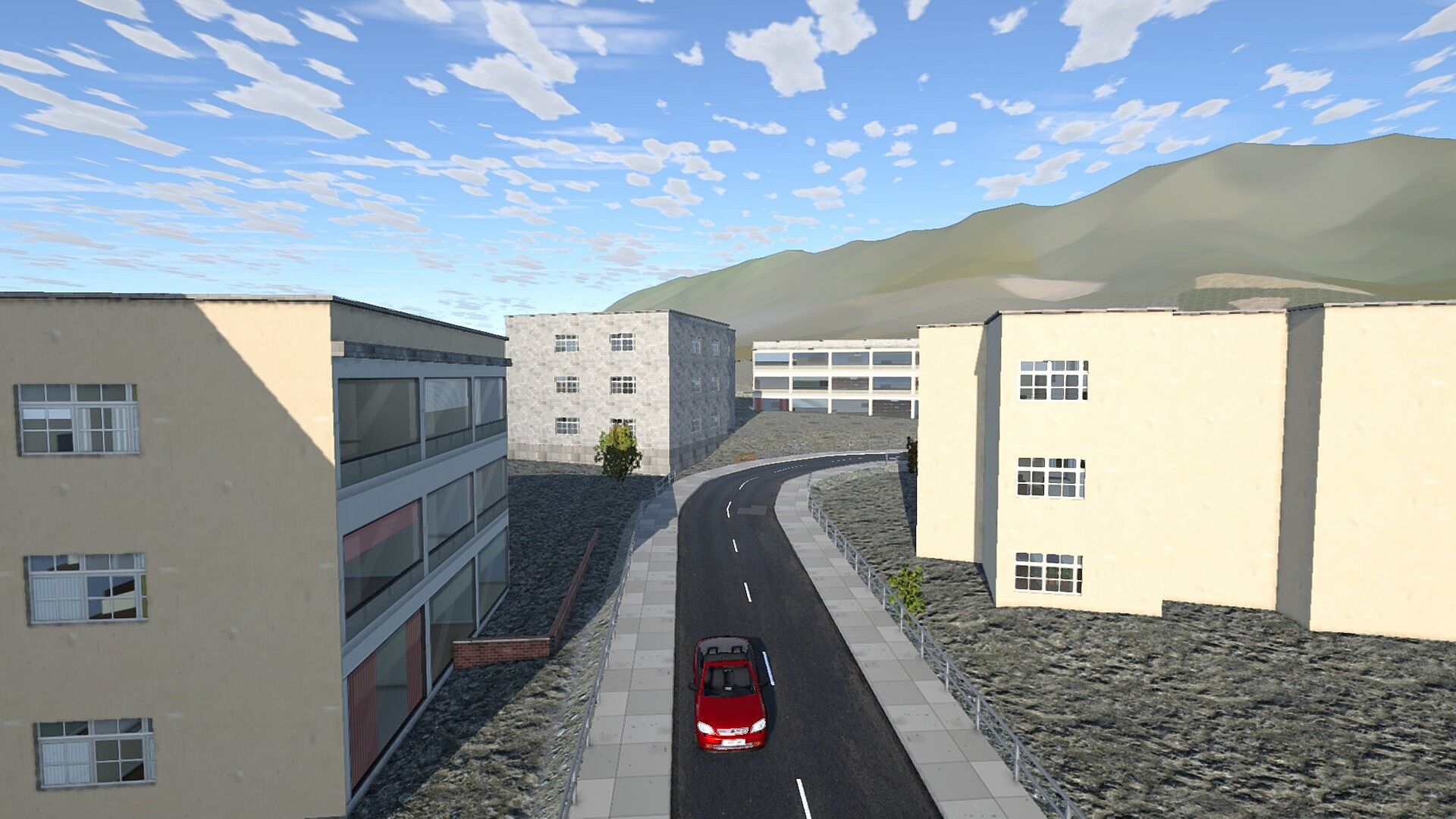
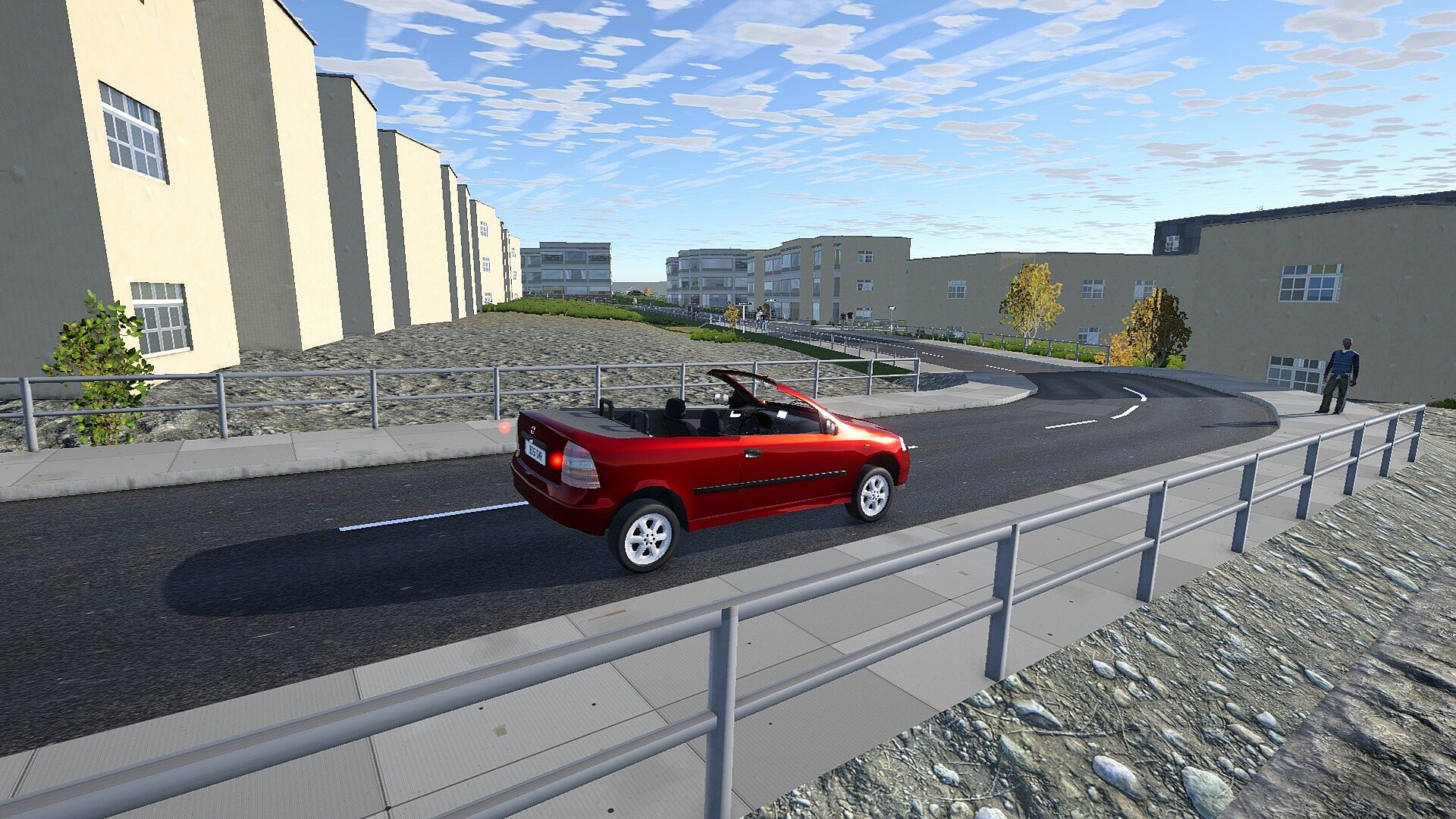
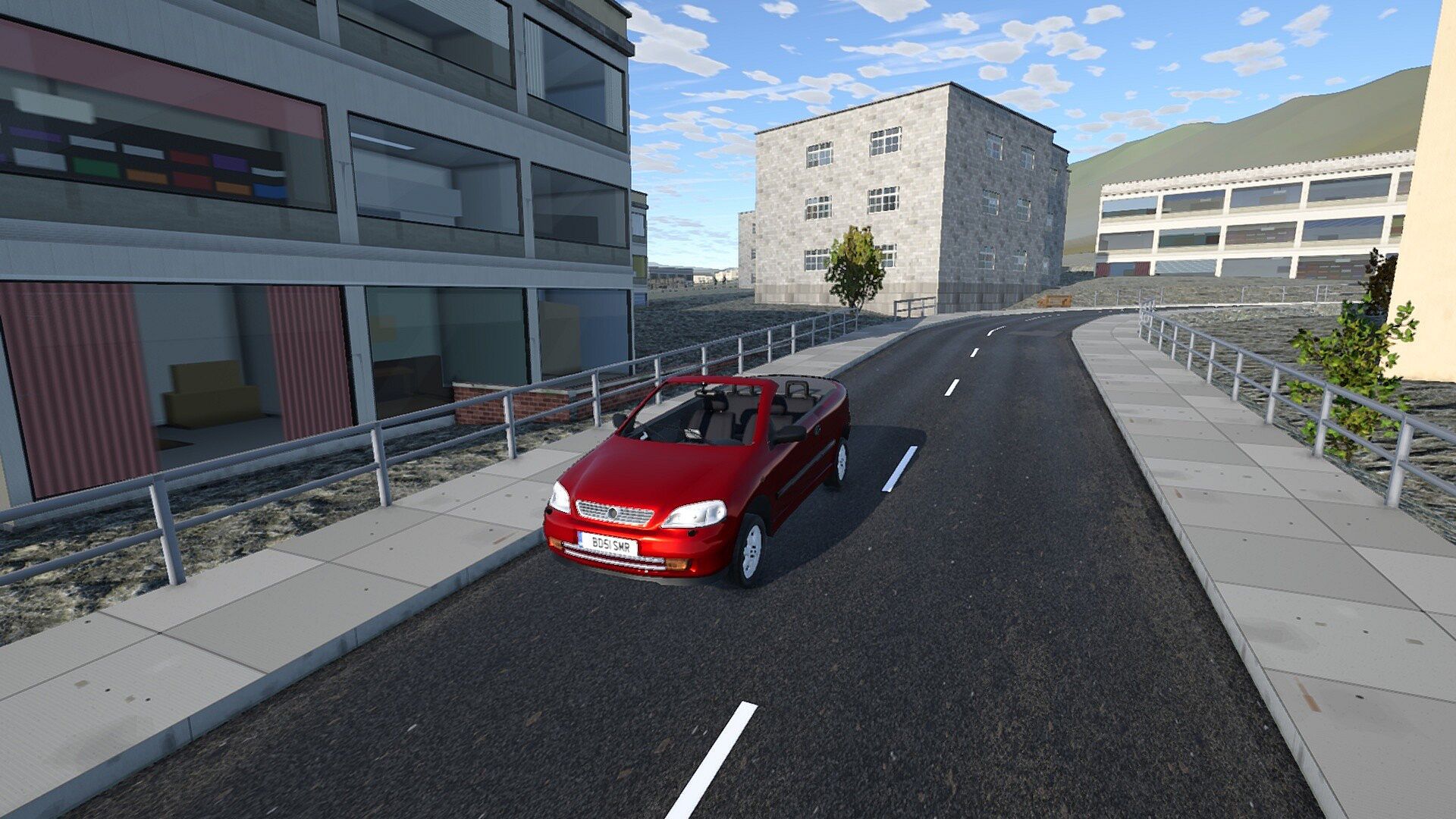
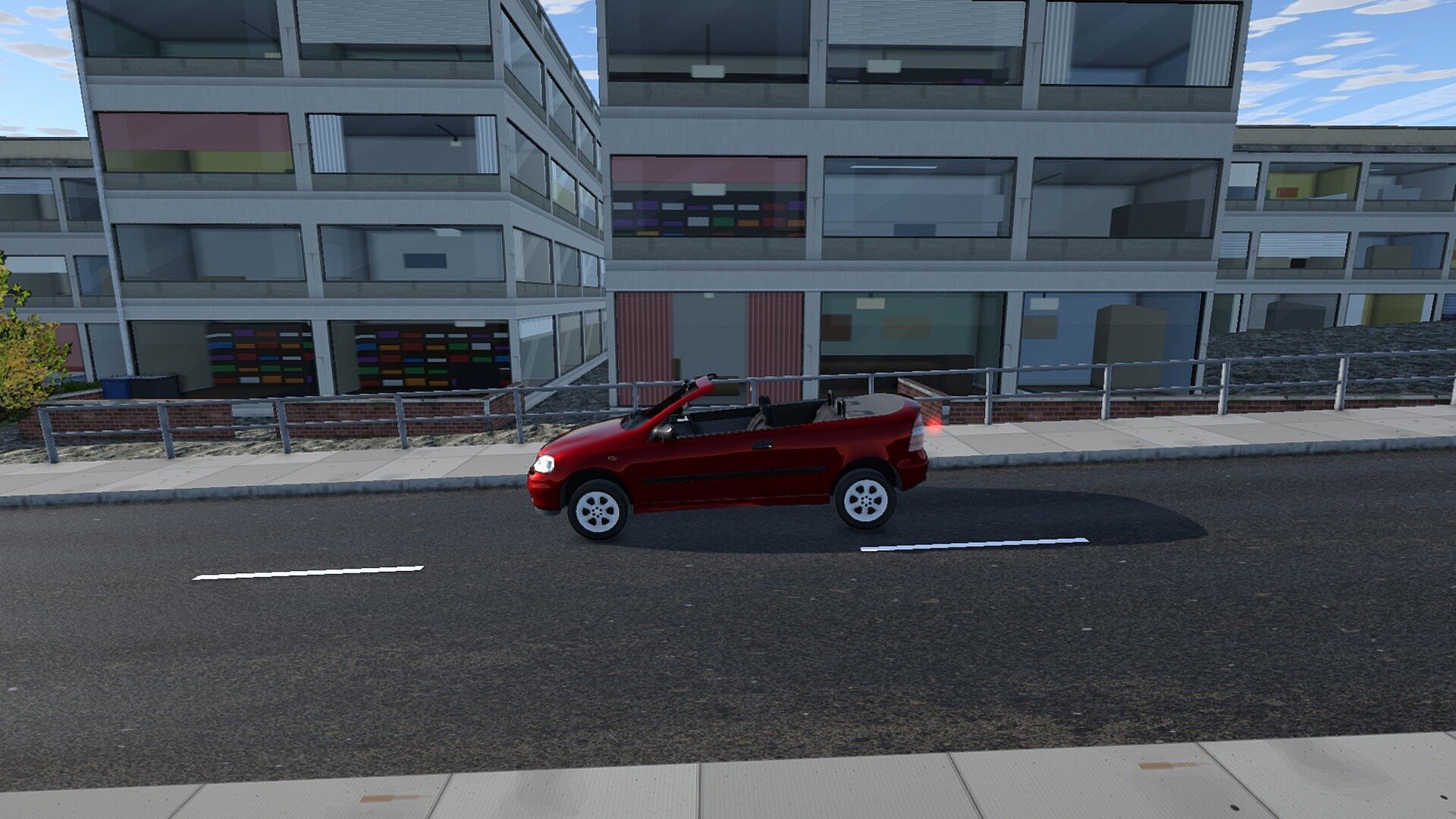
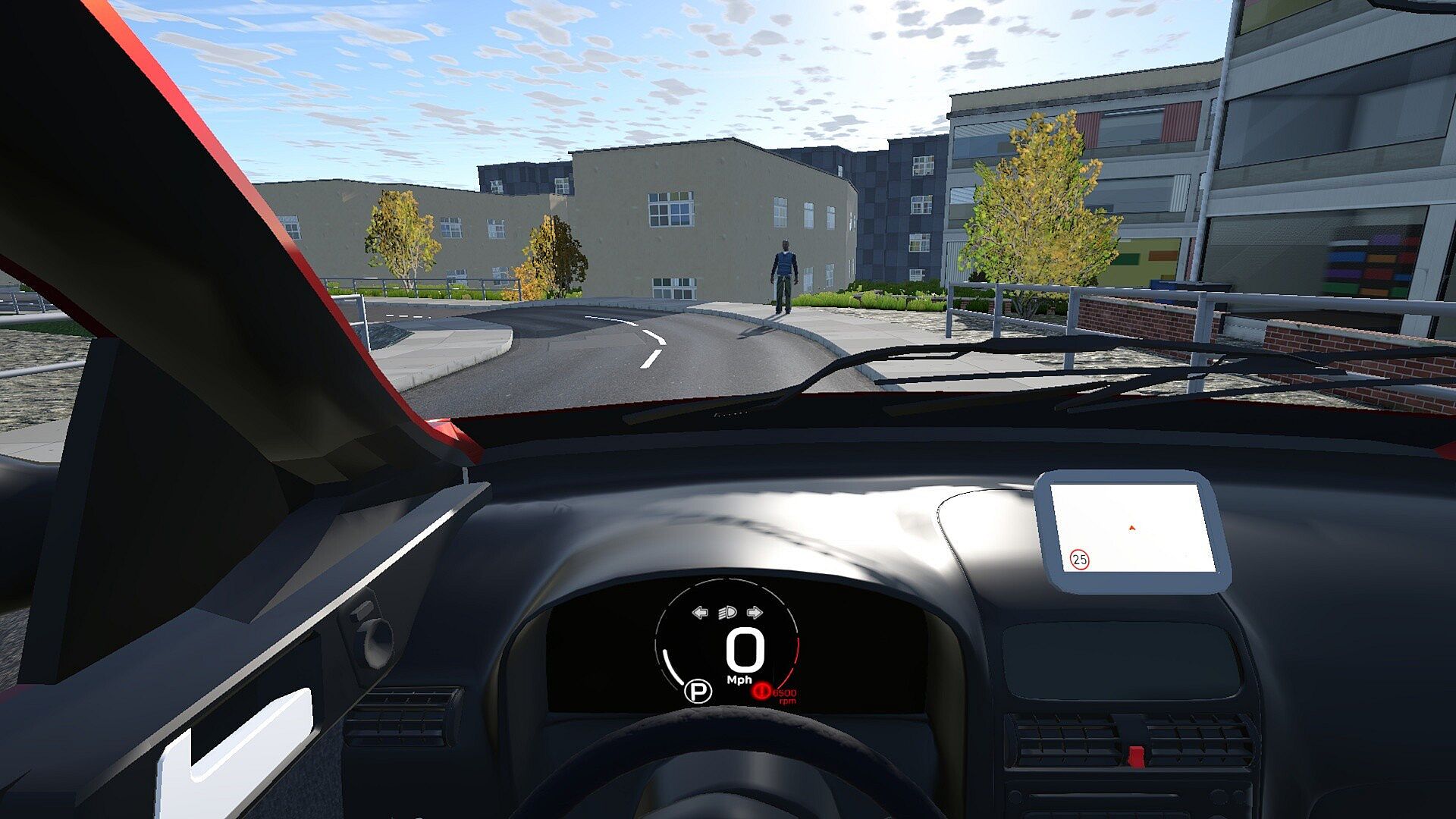
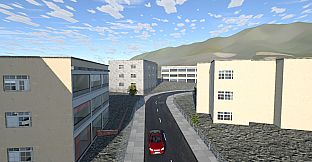
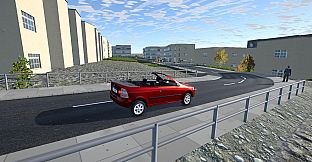
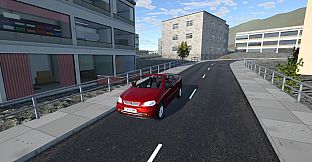
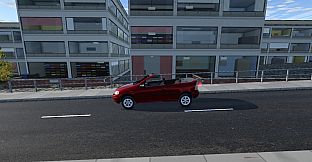
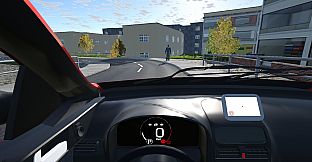
Virtual Driving School is a PC simulation game centered on realistic driving practice and skill development. Players progress through structured lessons before tackling longer assessments and open exploration in varied environments. The Alaska and Hawaii Region Pack expands the available map areas for custom drives, drawing from real-world data to generate roads, junctions, buildings, and landscapes.
Gameplay
The core loop revolves around short, repeatable drills that isolate specific maneuvers such as gear changes, clutch control, hill starts, roundabouts, and hazard responses. These sessions last one to three minutes and allow unlimited retries without time pressure. Once fundamentals are practiced, longer routes introduce dynamic traffic, pedestrians, and changing conditions including day, night, rain, snow, or fog.
Vehicle handling emphasizes realistic physics with weight transfer during braking and cornering. Players can select from arcade, intermediate, or expert presets, or customize controls fully. Support extends to steering wheels from major brands, pedals, gamepads, and VR setups. Regional road-rule presets adjust signage, lane markings, speed limits, and driving side to match US, UK, EU, or AU/NZ standards.
The Alaska and Hawaii Region Pack integrates directly into the custom drive system. Users select any start point and destination on the map, then follow satnav guidance or explore freely. Road layouts and surrounding scenery generate on the fly from source map data, supporting the base game's weather and time-of-day options throughout the drive.
Game Modes
Tutorials and lessons deliver focused drills across categories such as basic control, junctions, traffic lights, roundabouts, lane discipline, speed management, and pedestrian interactions. Progress is tracked with check marks for each mastered topic.
Tests and licences consist of 30 to 40 minute assessed drives that record major and minor faults in real time. An instructor-style evaluation provides detailed breakdowns at the end, covering mirror checks, blind spots, following distance, signaling, and obstacle clearance. Passing unlocks additional career options.
Guided drives offer curated five to ten minute routes that combine multiple hazards and road types. Free drive and custom drive modes let players explore cities, rural roads, and motorways at their own pace. The region pack specifically enhances custom drive by adding Alaska and Hawaii as selectable areas with full map generation.
Career modes include taxi driving for five-star ratings and tips, delivery routes that reward clean and timely performance with points, and bus routes that require hitting every stop safely. These become available after completing the relevant licence tests.
Exploration and Progression
Map coverage in the Alaska and Hawaii pack depends on available source data, so scenery fidelity varies by location. An internet connection is required to download the regional data in game, with file size differing by region. The pack includes a seven-day in-game trial period before purchase.
Players advance by completing lessons, passing tests, and improving scores in career modes. An in-game editor allows creation of custom routes and hazards that can be shared. Recent updates have refined traffic and pedestrian AI for more consistent behavior and added a full driving test mode with live fault tracking.
Is It Worth Playing?
Virtual Driving School appeals most to those seeking deliberate practice of real-world driving skills rather than arcade racing. The short lesson format supports repeated focus on weak areas, while longer tests simulate exam conditions with precise scoring. The Alaska and Hawaii Region Pack provides additional variety for custom drives once the base game is owned.
Reception has been mixed, with praise for the educational concept and wheel support alongside criticism of occasional bugs, particularly in VR calibration and AI pathing. Current player numbers remain low. The built-in seven-day trial for the region pack allows direct testing of the new maps before committing. Those who value structured skill-building in a simulation environment will find the most benefit, especially when using supported hardware like steering wheels.