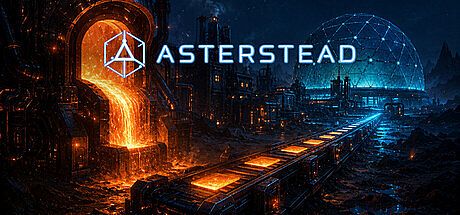


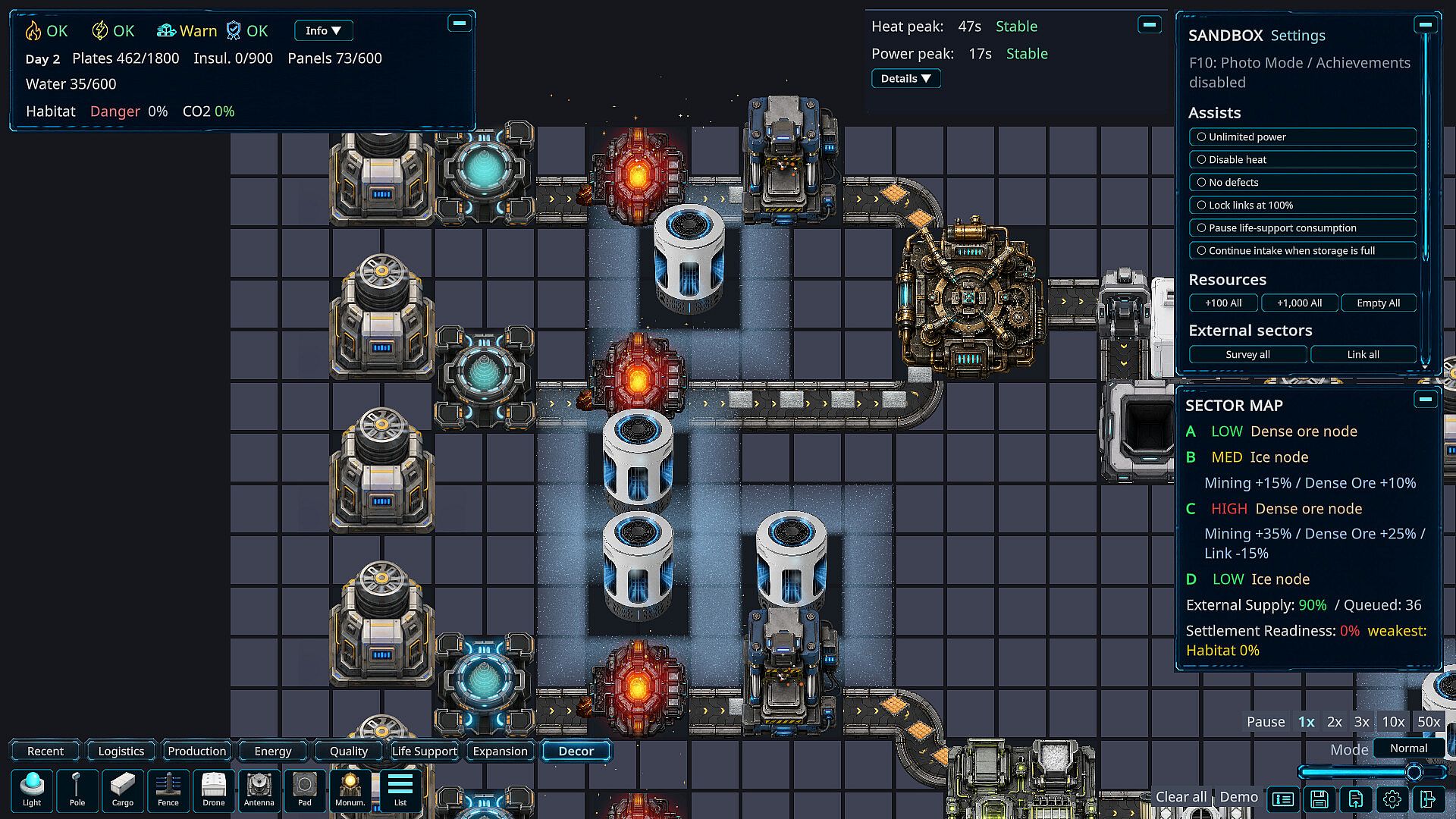
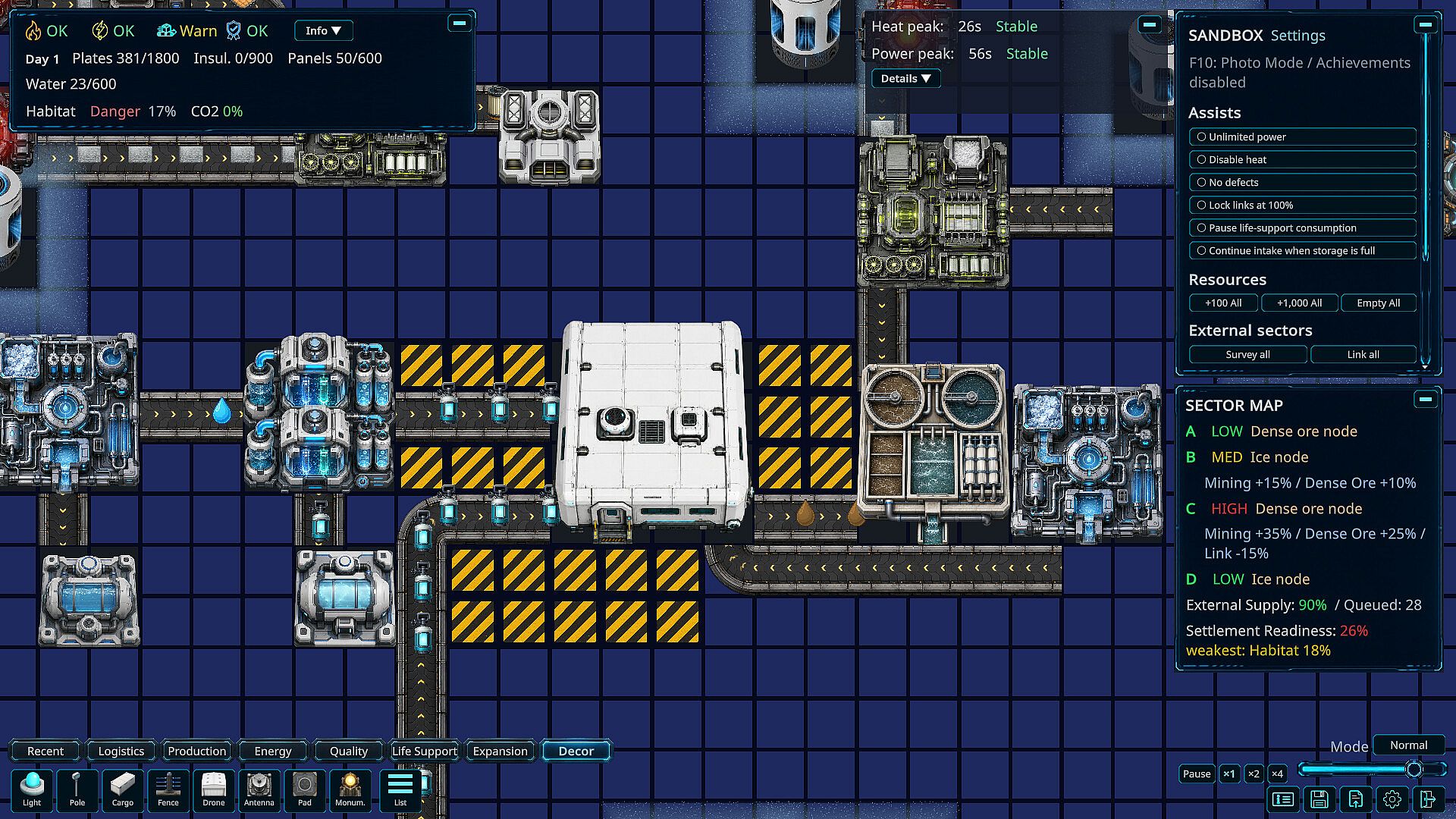
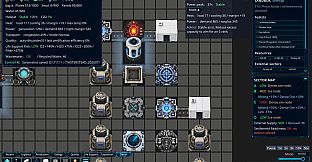
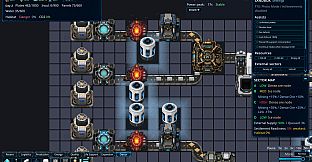
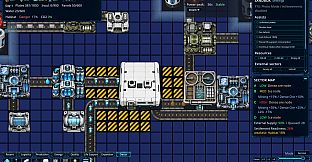
ASTERSTEAD ist ein Indie-Automatisierungsspiel für den PC, bei dem es um den Aufbau und die Optimierung einer unbemannten Siedlung auf einem fernen Planeten geht, noch bevor die ersten Kolonisten eintreffen. Im Mittelpunkt steht die Verwaltung von Ressourcenabbau, Fertigung, Lebenserhaltung und Logistik über vernetzte Systeme, die wachsenden Belastungen und gezielten Stresstests standhalten müssen. Der Fokus liegt auf sorgfältiger Planung, iterativer Anpassung und langfristiger Stabilität - nicht auf schnellen Reaktionen oder Kampf.
Gameplay
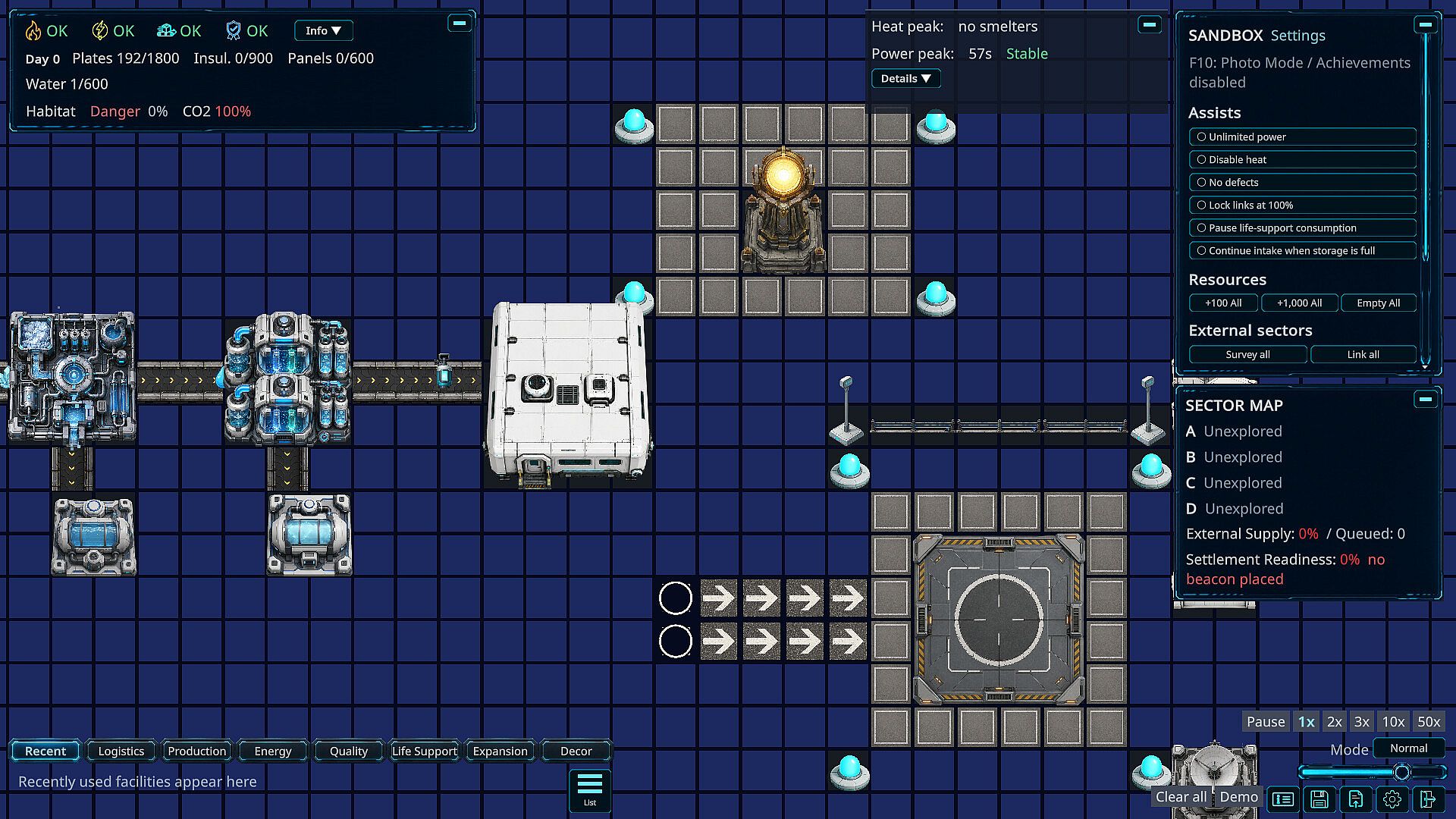
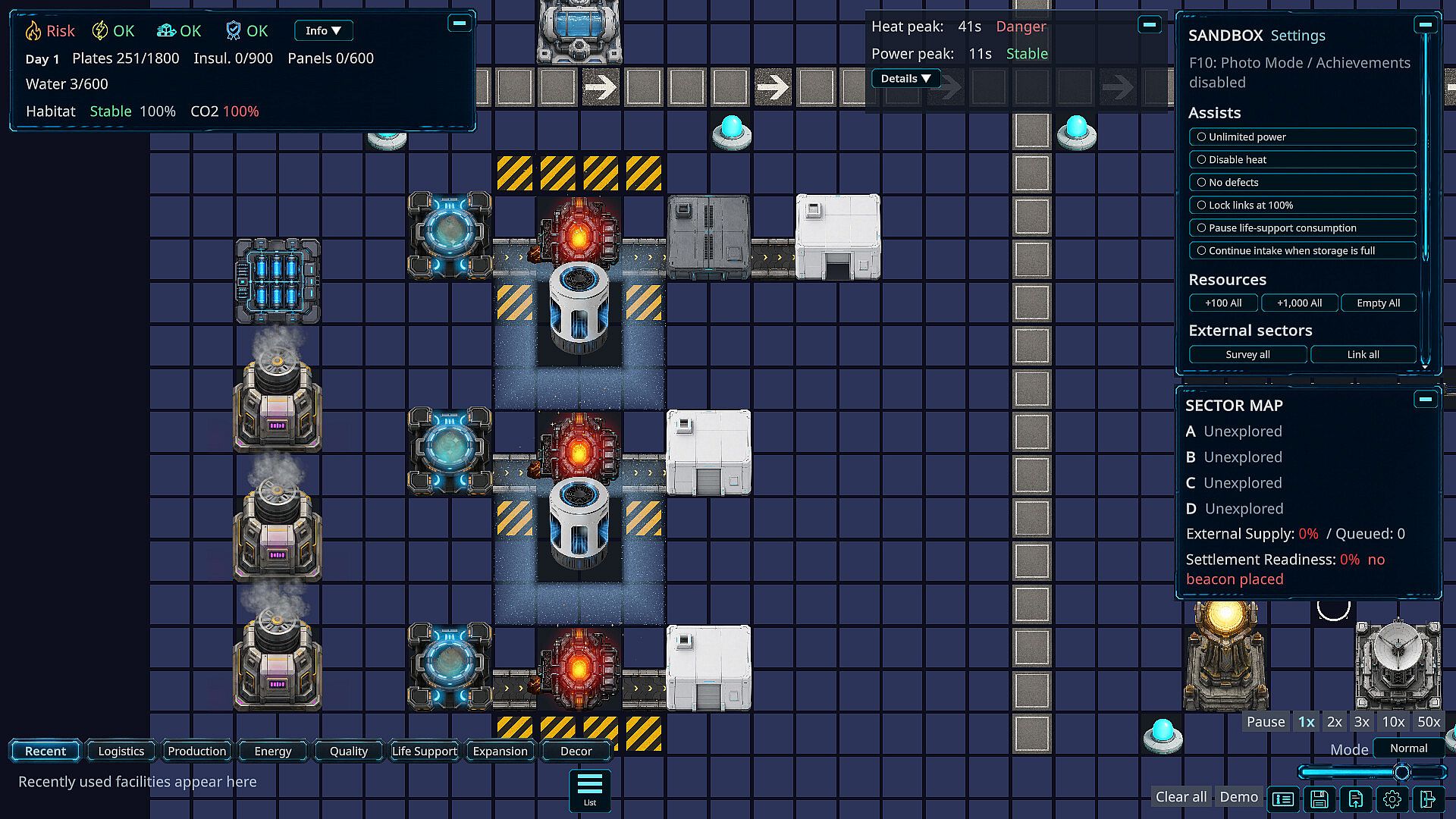
Im Kern dreht sich alles darum, Anlagen auf einem Raster zu platzieren und sie über Förderbänder zu Produktionsketten zu verbinden. Bergbauanlagen fördern Erz und Eis, die in Verarbeitungsanlagen zu Strukturplatten, Isolierung, Habitatpaneelen, sauberem Wasser und Sauerstoff verarbeitet werden. Weitere Schritte umfassen die Elektrolyse zur Sauerstoffgewinnung, die Behandlung von CO₂ und Abwasser sowie eine Qualitätsprüfung, die Fehler aussortiert, bevor sie in die Versorgungskette gelangen.
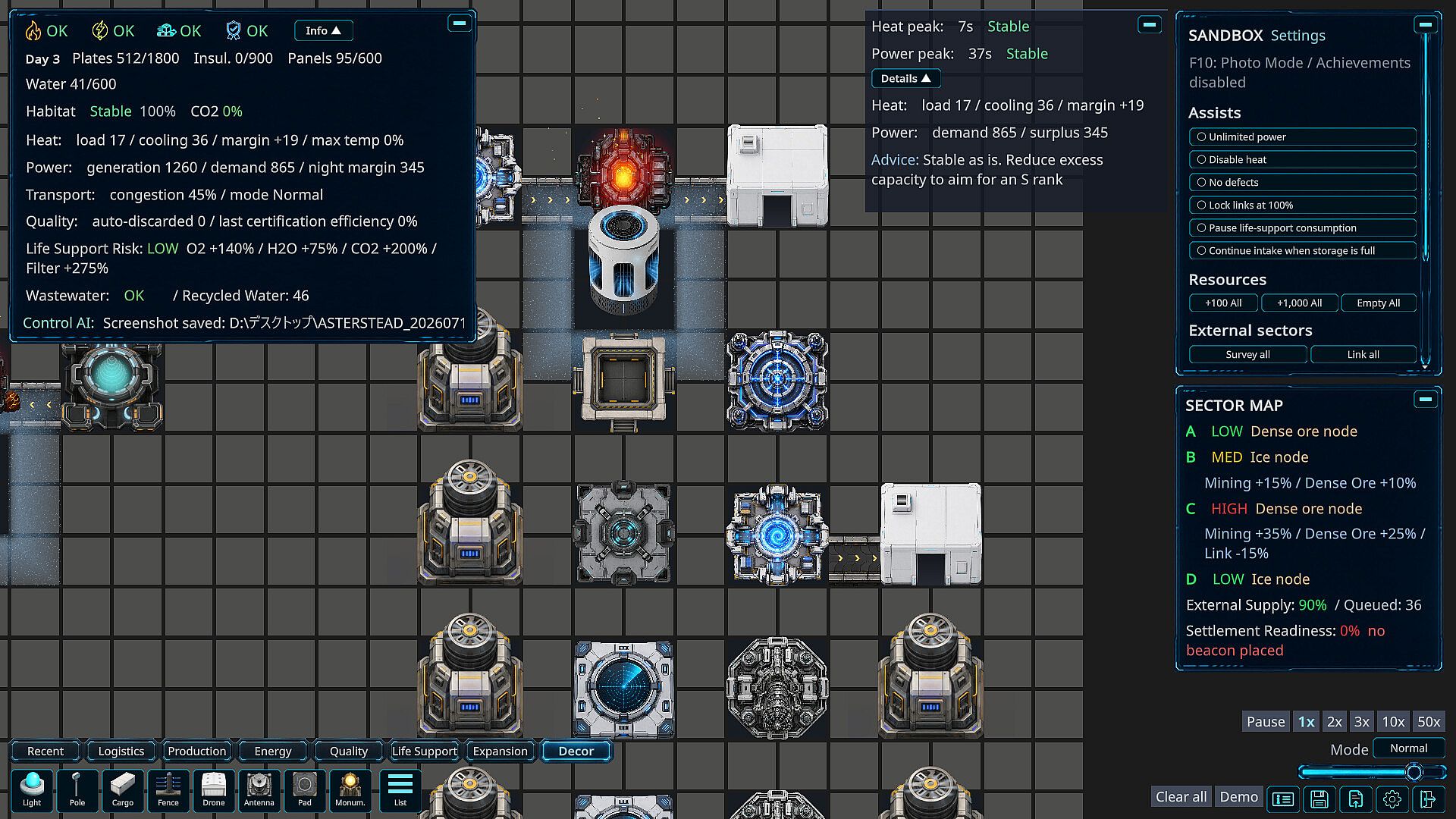
Stromverbrauch und Wärmeentwicklung erfordern ständige Überwachung. Anlagen beziehen ihre Energie aus dem Netz, und unkontrolliertes Wachstum kann zu Überlastungen oder Abschaltungen führen. Kühlsysteme und Notstromquellen sorgen für den Betrieb, während Puffer und redundante Leitungen Spielraum bei hoher Last schaffen. Abgelegene Sektoren erweitern das System: Importports und Verbindungsknoten koppeln die Hauptbasis an externe Ressourcen, deren Stabilität und Ertrag variieren.
Jedes größere System trägt zur Gesamtbereitschaft bei. Es reicht nicht, nur die Produktionsgeschwindigkeit zu maximieren - erst das Zusammenspiel von Durchsatz, Speicher, Qualitätskontrolle und externer Versorgung entscheidet, ob die Siedlung realen Belastungen standhält. Die Simulation überwacht diese Werte kontinuierlich, sodass Diagnose und Anpassung zentrale Aufgaben sind.
Spielmodi
Die Kampagne führt durch mehrere Phasen, die jeweils mit Zertifizierungssequenzen enden. Diese Tests setzen gezielte Belastungen wie erhöhten Strombedarf, CO₂-Spitzen, Importverzögerungen oder Dauerbetrieb des gesamten Systems. Da die Tests deterministisch sind, können Spieler pausieren, Fehler analysieren, Kapazitäten erweitern und mit verbesserten Layouts erneut antreten. Ein abschließender Grand Run prüft alle Systeme über einen längeren Zeitraum auf Stabilität, bevor die Basis für Kolonisten freigegeben wird.
Im Sandbox-Modus stehen alle Anlagen und Dekorationen von Anfang an uneingeschränkt zur Verfügung. Baukosten entfallen, und einzelne Simulationsregeln lassen sich ein- oder ausschalten. Manuelle Stresstests, Beispielbasen und anpassbare Ressourcenparameter ermöglichen sowohl funktionale Tests als auch rein gestalterische Bauten. Die zugrunde liegenden Systeme für Strom, Wärme, Logistik und Lebenserhaltung bleiben aktiv, solange sie nicht explizit deaktiviert werden.
Siedlungssysteme und Fortschritt
Die Lebenserhaltung bildet einen geschlossenen Kreislauf, der stets im Gleichgewicht bleiben muss. Eis wird zu Wasser aufbereitet, das zur Sauerstoffgewinnung gespalten wird, während CO₂ und Abwasser aus den Habitatmodulen verarbeitet werden, um eine Anreicherung zu verhindern. Mit dem Wachstum der Basis von einfacher Materialverarbeitung hin zu einem vollständigen Siedlungsnetzwerk steigt die Komplexität und damit der Bedarf an Reservekapazitäten.
Externe Verbindungen eröffnen risikobehaftete Entscheidungen. Sichere Sektoren liefern konstante Importe mit geringer Störanfälligkeit, während ertragreichere Gebiete das Verbindungssystem stärker belasten und Stabilisatoren oder Puffer erfordern. Die Endbewertung jeder Phase richtet sich nach der schwächsten Komponente, sodass isolierte Optimierungen selten ausreichen.
Lohnt sich das Spiel?
ASTERSTEAD richtet sich an Spieler, die methodische Automatisierung, Produktionsketten-Design und die Analyse systemischer Zusammenhänge über längere Zeiträume schätzen. Die deterministischen Zertifizierungen belohnen iterative Verbesserung und sorgfältige Kapazitätsplanung statt Reaktion auf unvorhersehbare Ereignisse. Der Verzicht auf Kampf oder zeitkritische Mechaniken lenkt den Fokus auf Layout-Effizienz und Widerstandsfähigkeit in Bezug auf Strom, Wärme, Qualität und Versorgungsreserven.
Neben der strukturierten Kampagne steht ein umfassender Sandbox-Modus zur Verfügung, der sowohl gezielte Tests als auch freies Gestalten ermöglicht. Wer Singleplayer-Erlebnisse mit Schwerpunkt auf langfristiger Stabilität und Systemintegration sucht, findet hier passende Mechaniken. Als kürzlich erschienenes Spiel überzeugt es derzeit vor allem durch sein Kernkonzept, nicht durch umfangreiches Community-Feedback.