






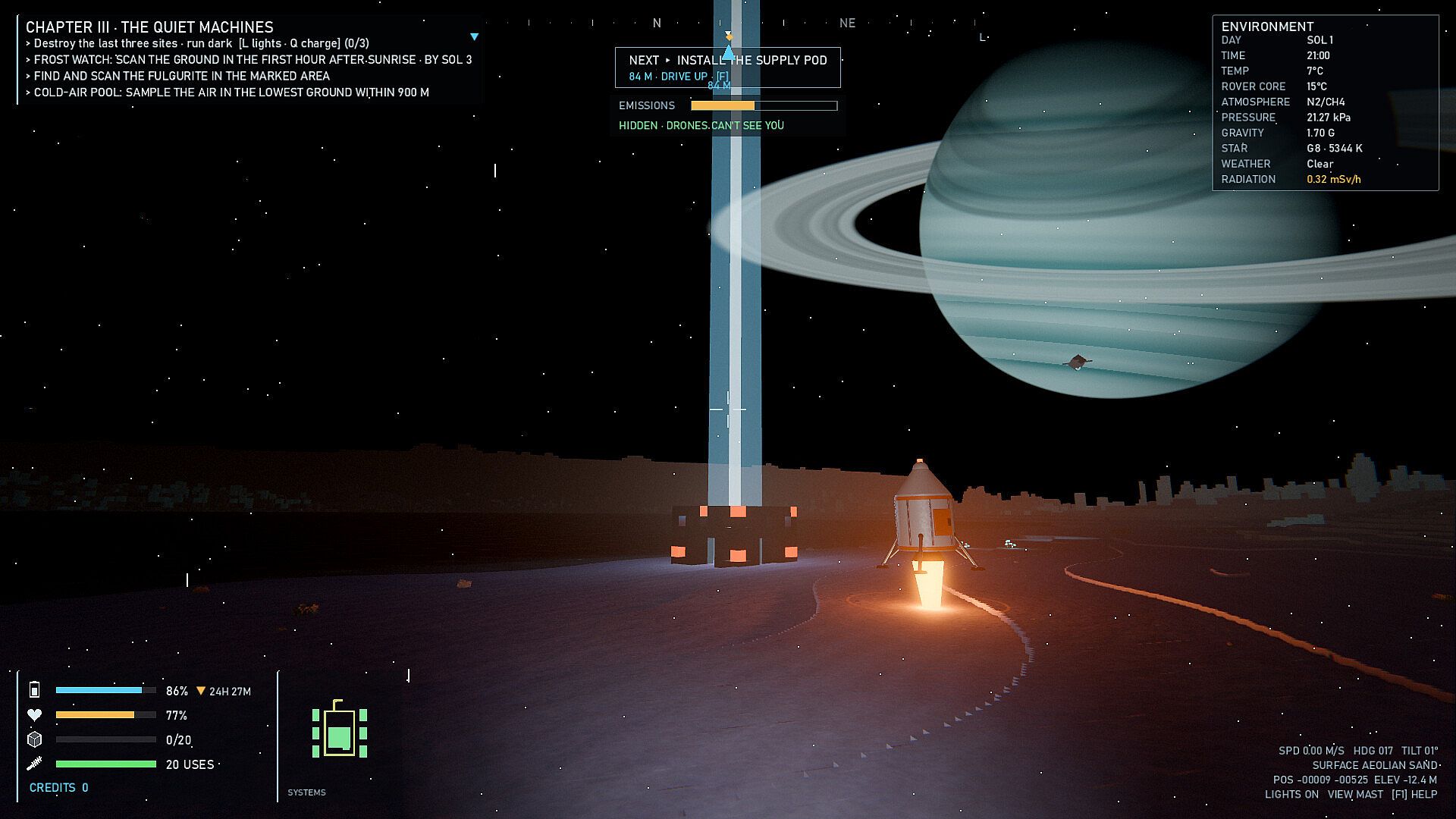
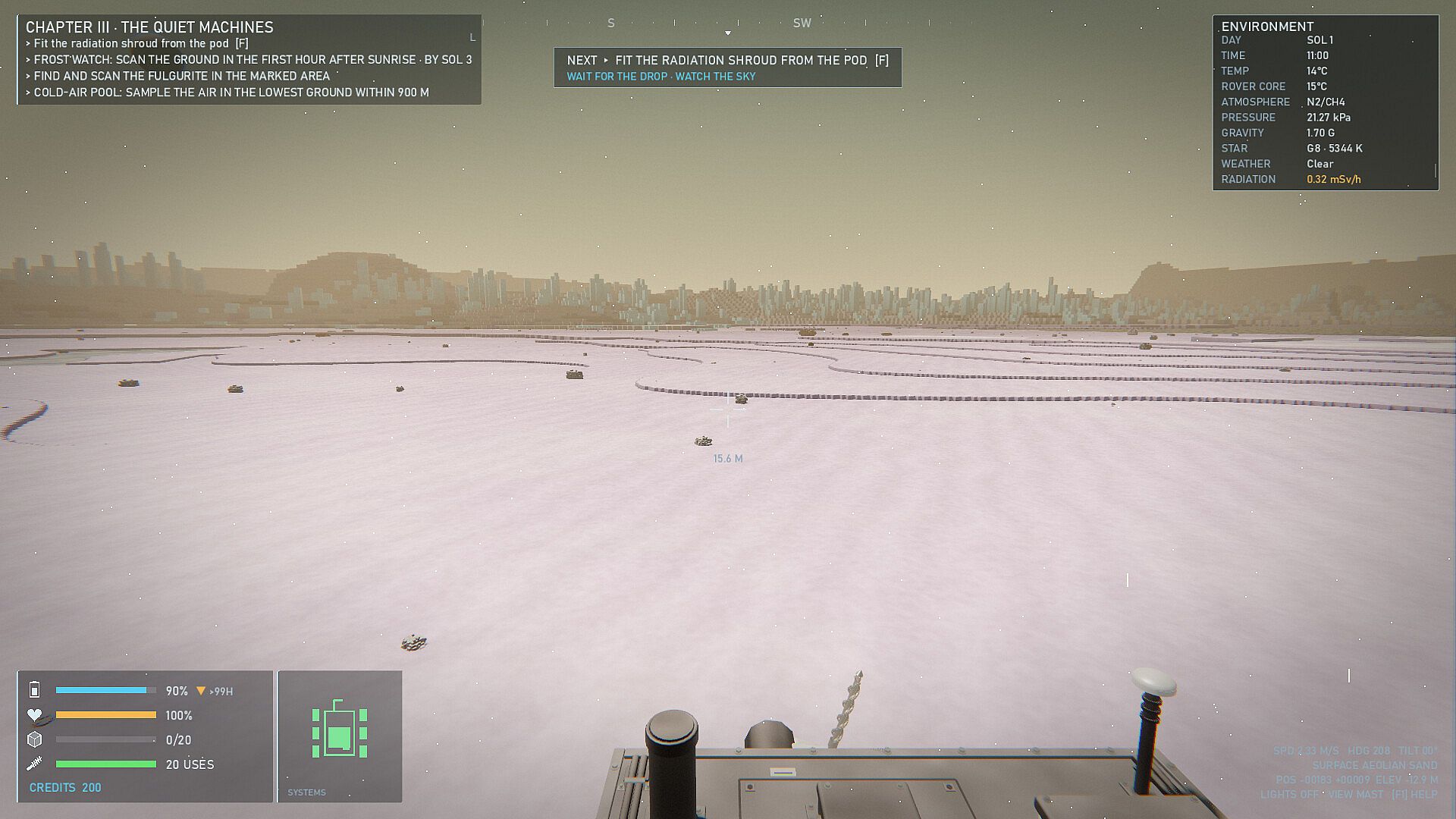
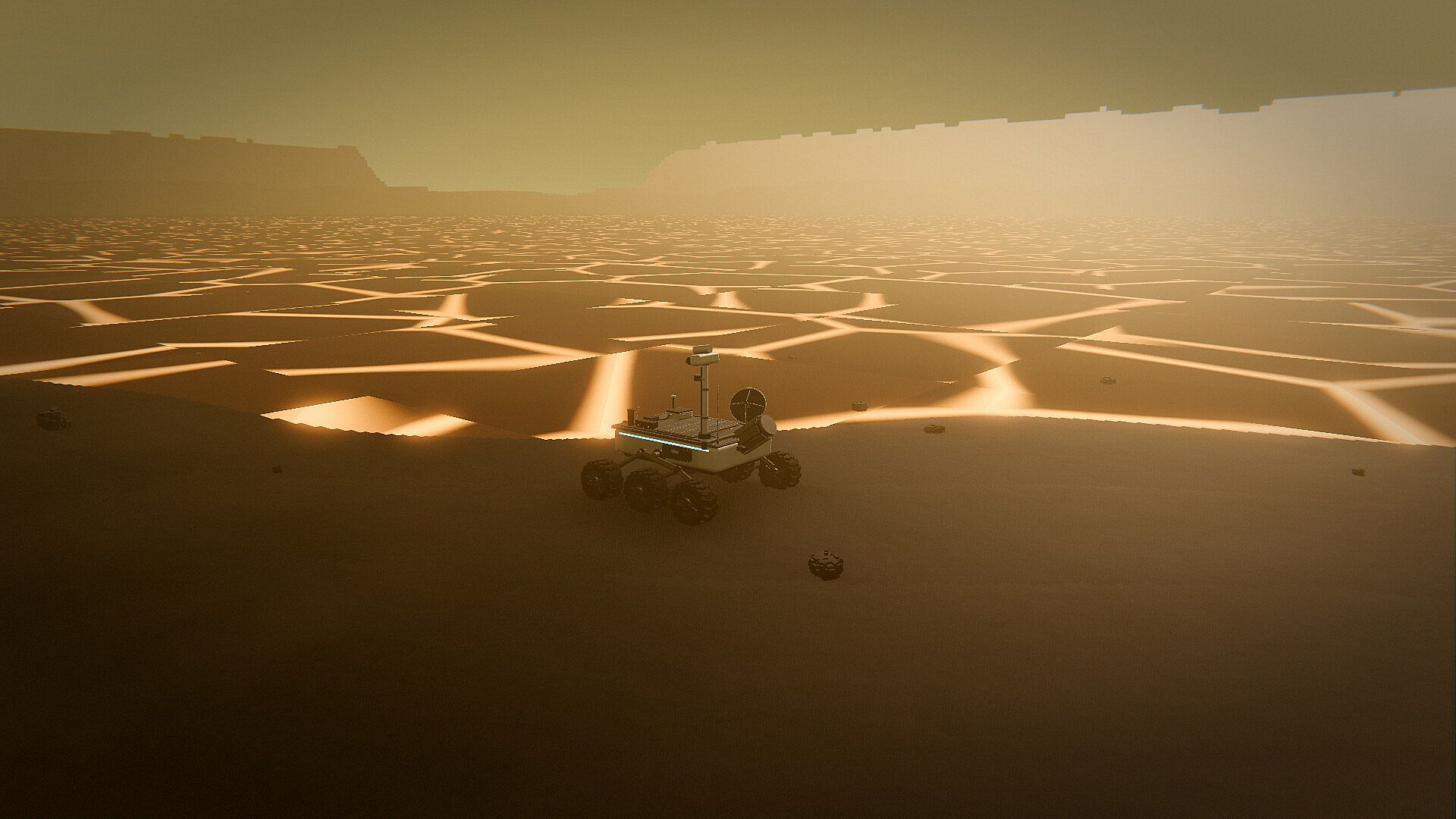
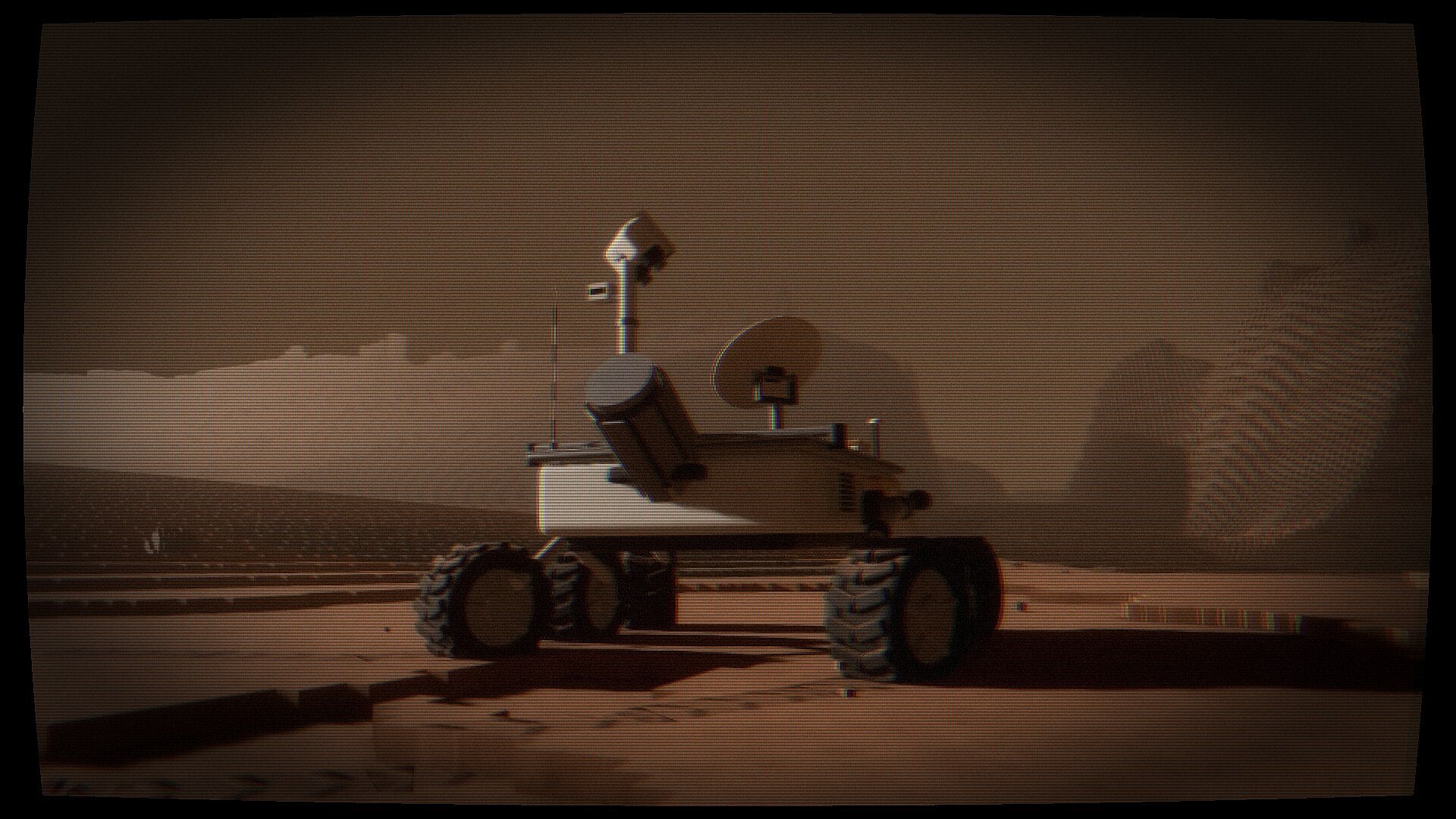
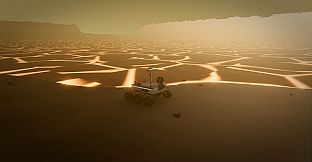
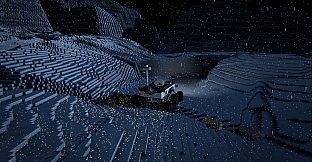
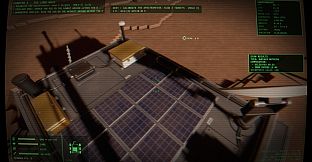
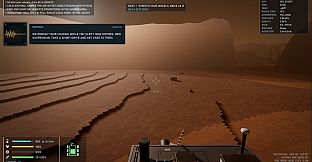
Auriga is a single-player simulation and adventure game set on procedurally generated planets where players control a single rover. The core experience centers on careful driving, scientific exploration, and survival across harsh extraterrestrial environments, beginning with a classified 1988 Mars discovery and extending into far-future planetary surveys.
Gameplay
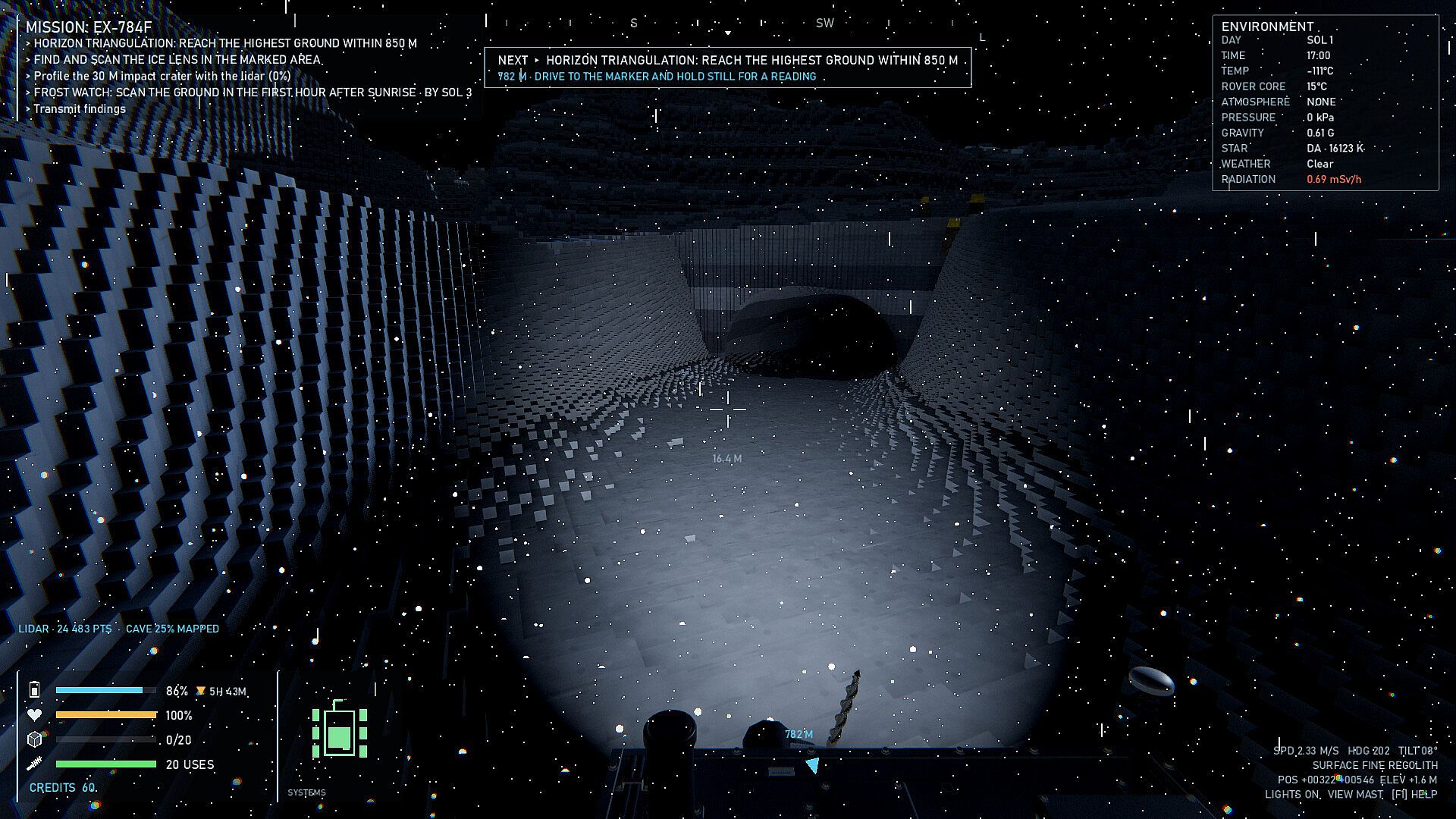
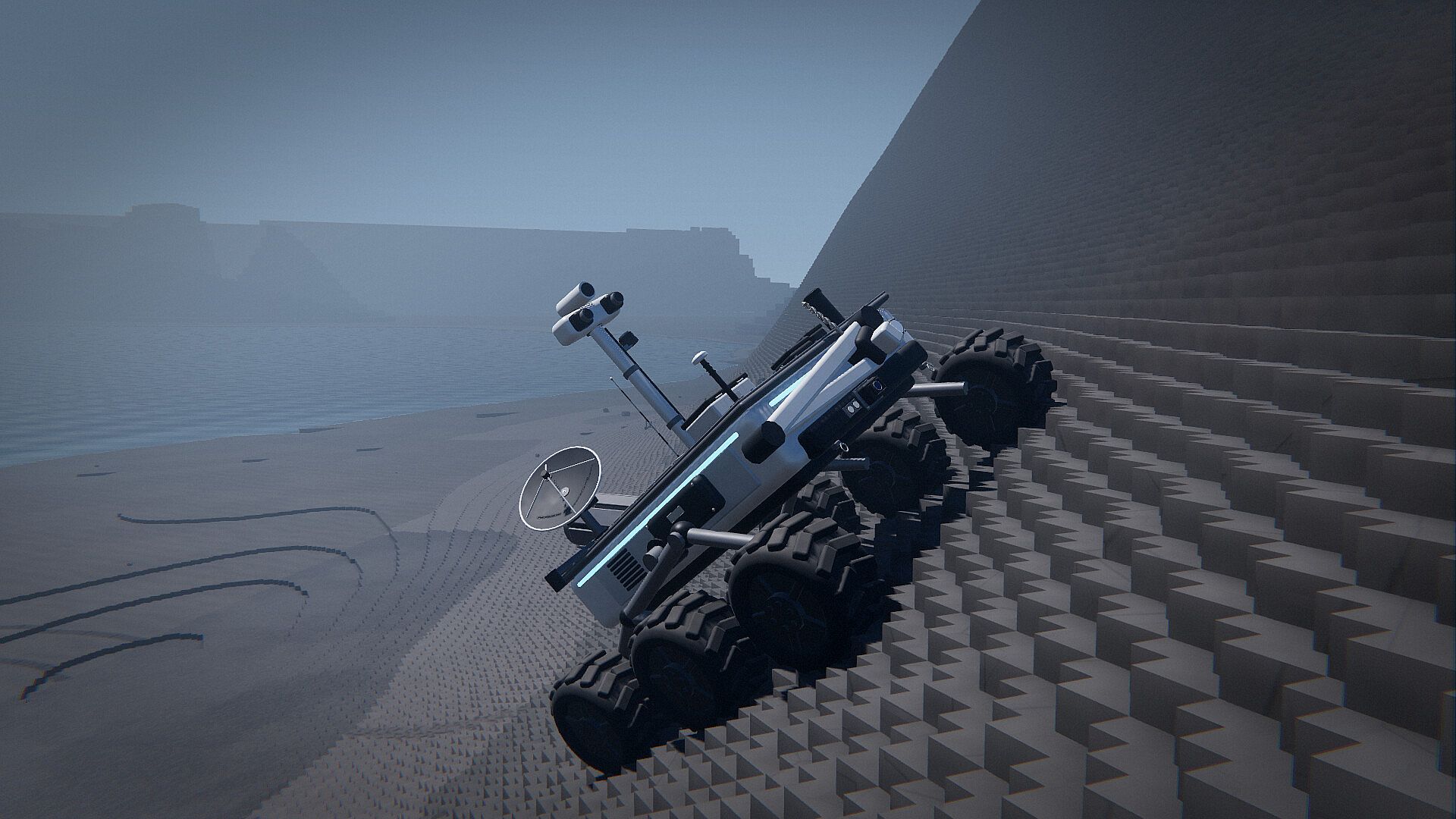
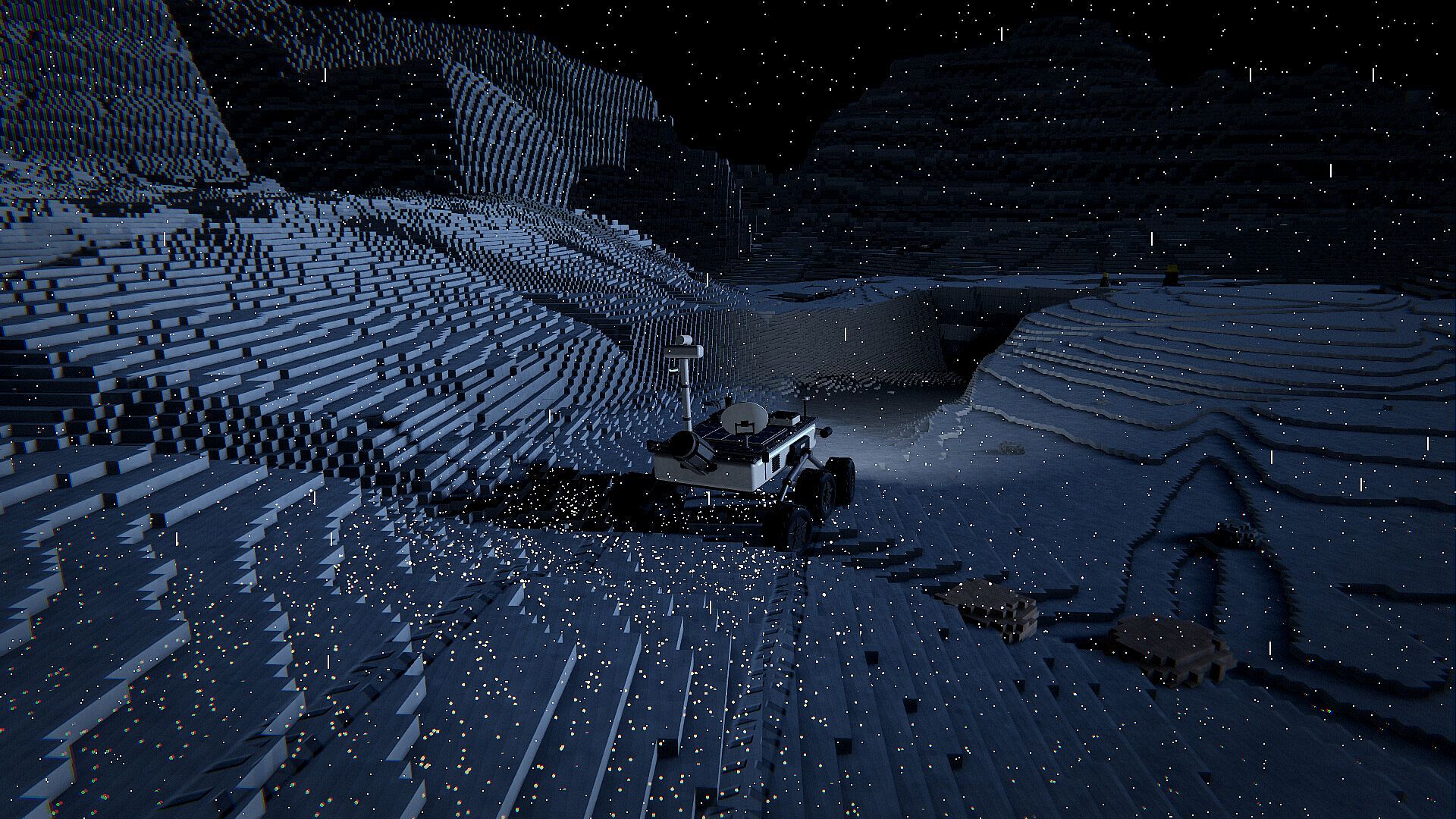
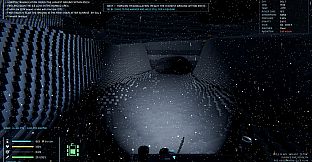
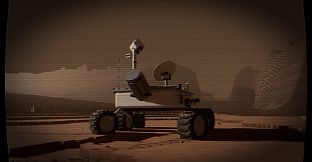
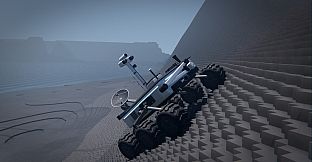
The gameplay emphasizes deliberate movement and resource management. Players drive a rover equipped with rocker-bogie suspension that handles slopes and loose surfaces realistically, where wheels can slip in sand or detach on ledges. Instruments include scanners for unusual formations, drills for sample collection, cameras for landscape documentation, and a spinning lidar for mapping caves and craters. Power systems require balancing solar panels during daylight hours against battery reserves at night, with an optional radioisotope generator for sunless worlds. Hazards such as radiation, temperature extremes, high-pressure atmospheres, acid storms, and geological dangers must be assessed prior to landing on any world.
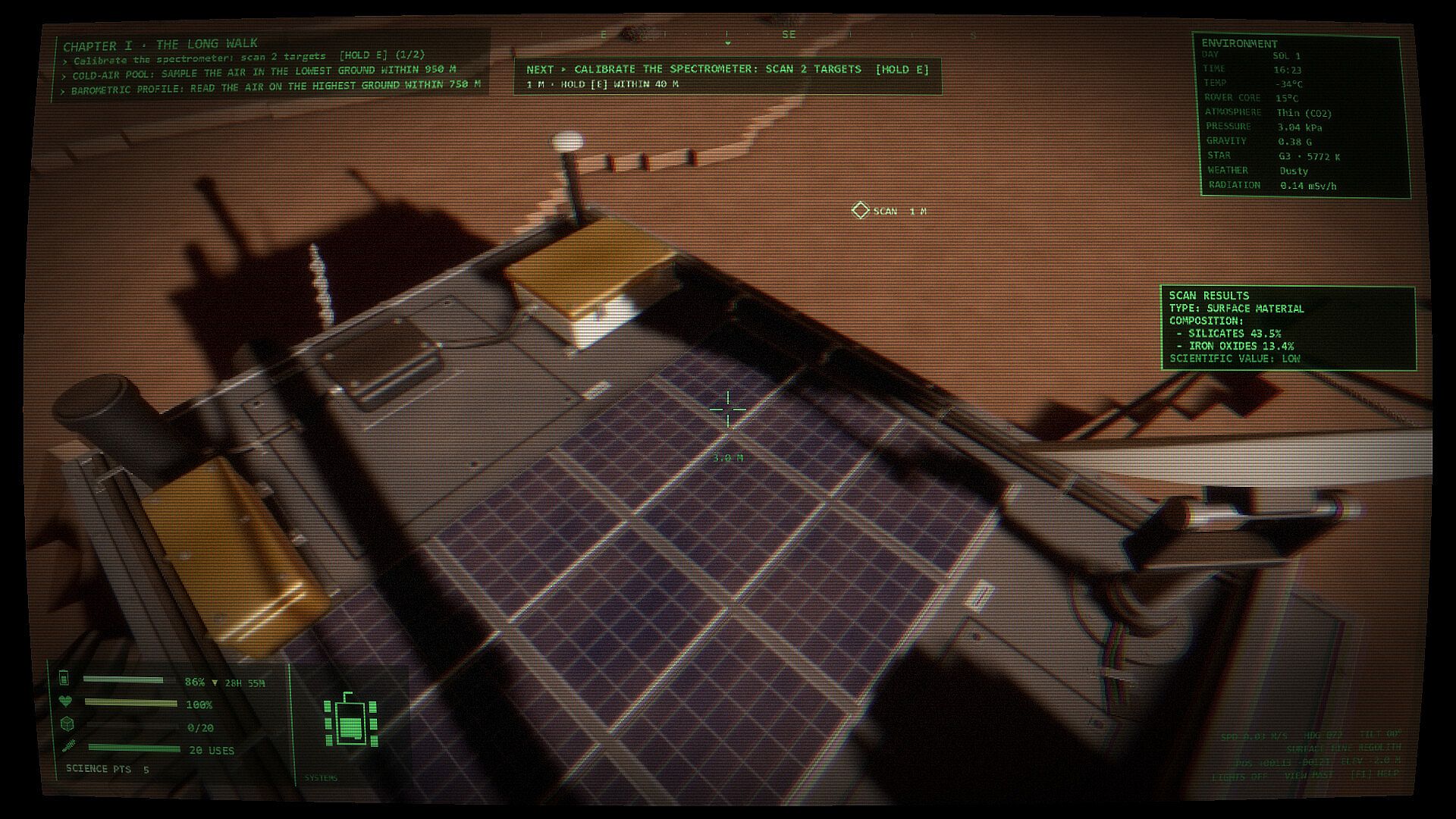
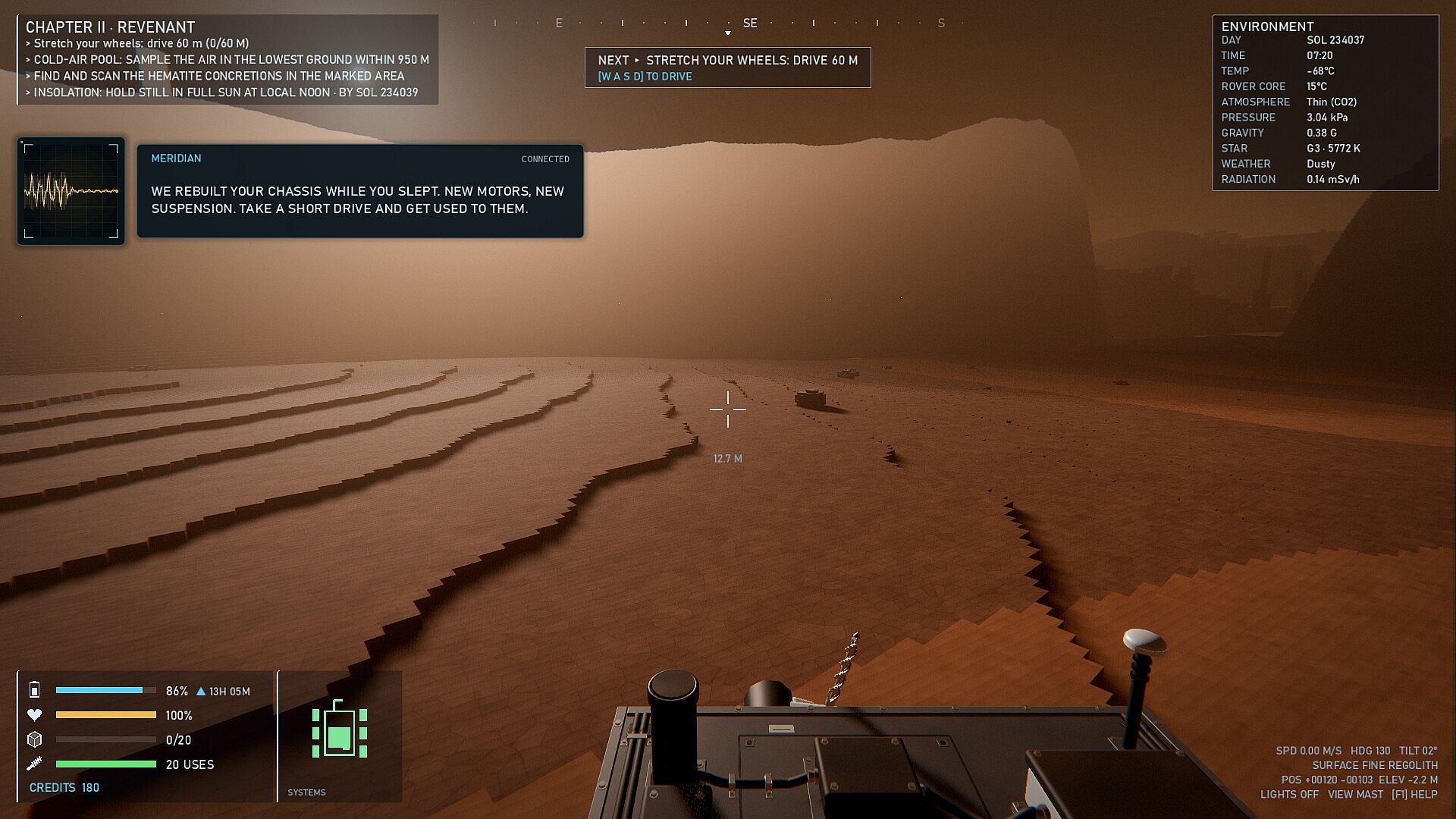
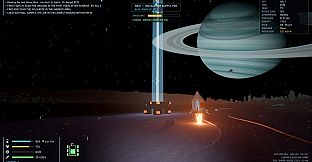
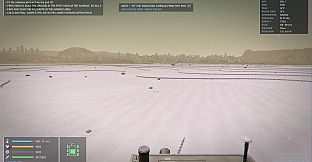
Terrain consists of voxels that players can modify using a blade attachment, tunnel boring, or demolition charges. The rover operates in two distinct technological eras: the original 1988 configuration with limited green-phosphor displays and mechanical sounds, or a revived 2338 version featuring upgraded sensors, supply drops, and an AI companion named Meridian. Procedural generation creates unique planets with varying gravity, atmospheres, day lengths, weather patterns, and geological features, from icy surfaces to lava fields and methane seas. Players inspect candidate worlds via a rotatable globe before committing to a landing.
Game Modes
Three modes define the structure of play. Survey mode focuses on completing contracts for credits that fund upgrades and supply drops. Free Roam allows unrestricted exploration across generated worlds. Hardcore mode imposes permanent consequences, ending the run if the rover is lost. Players can chain multiple worlds into extended expeditions, selecting destinations sequentially while observing relativistic effects during interstellar travel.
Story and Progression
The narrative unfolds across three chapters. Chapter I follows the initial 1988 survey mission that uncovers an anomalous discovery. Chapter II shifts to the rover's reactivation centuries later amid a transformed civilization. Chapter III explores dormant self-replicating probes and their unknown origins. Outside the story campaign, endless procedural worlds support contract-based progression where credits purchase enhancements and orbital deliveries.
Is It Worth Playing?
Auriga suits players who enjoy methodical simulation experiences with strong emphasis on physics, instrumentation, and procedural variety. The deliberate pace and single-rover focus reward patience and planning over fast action. With a planned release in December 2026 and no user reviews available yet, the game remains in pre-launch development by NonAverageStudio. Those interested in realistic rover mechanics, voxel terrain interaction, and self-generated planetary systems will find the described systems aligned with the provided details. Availability will depend on the final launch window and system requirements, which include Vulkan support and modest hardware for the low preset.











