

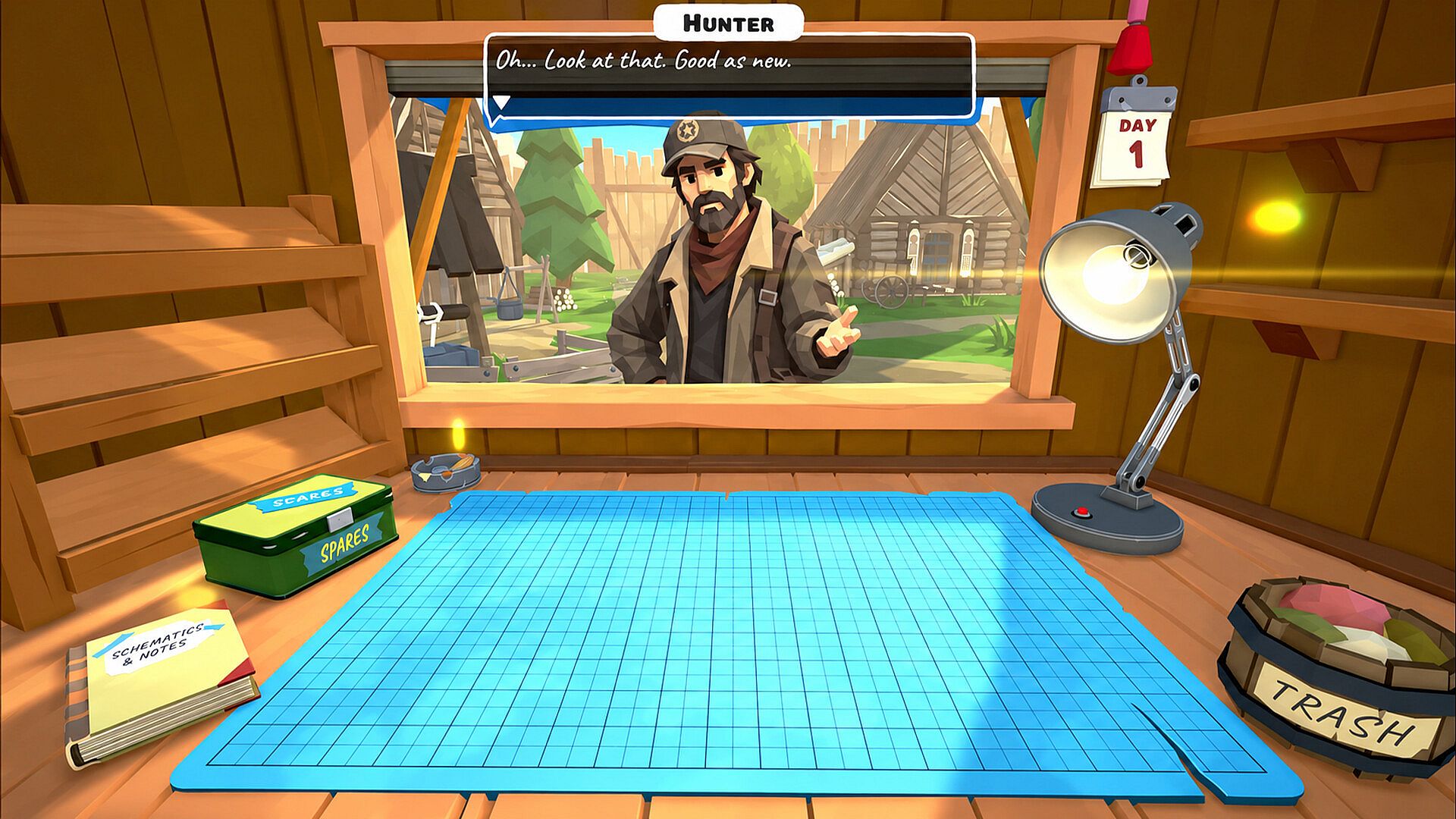
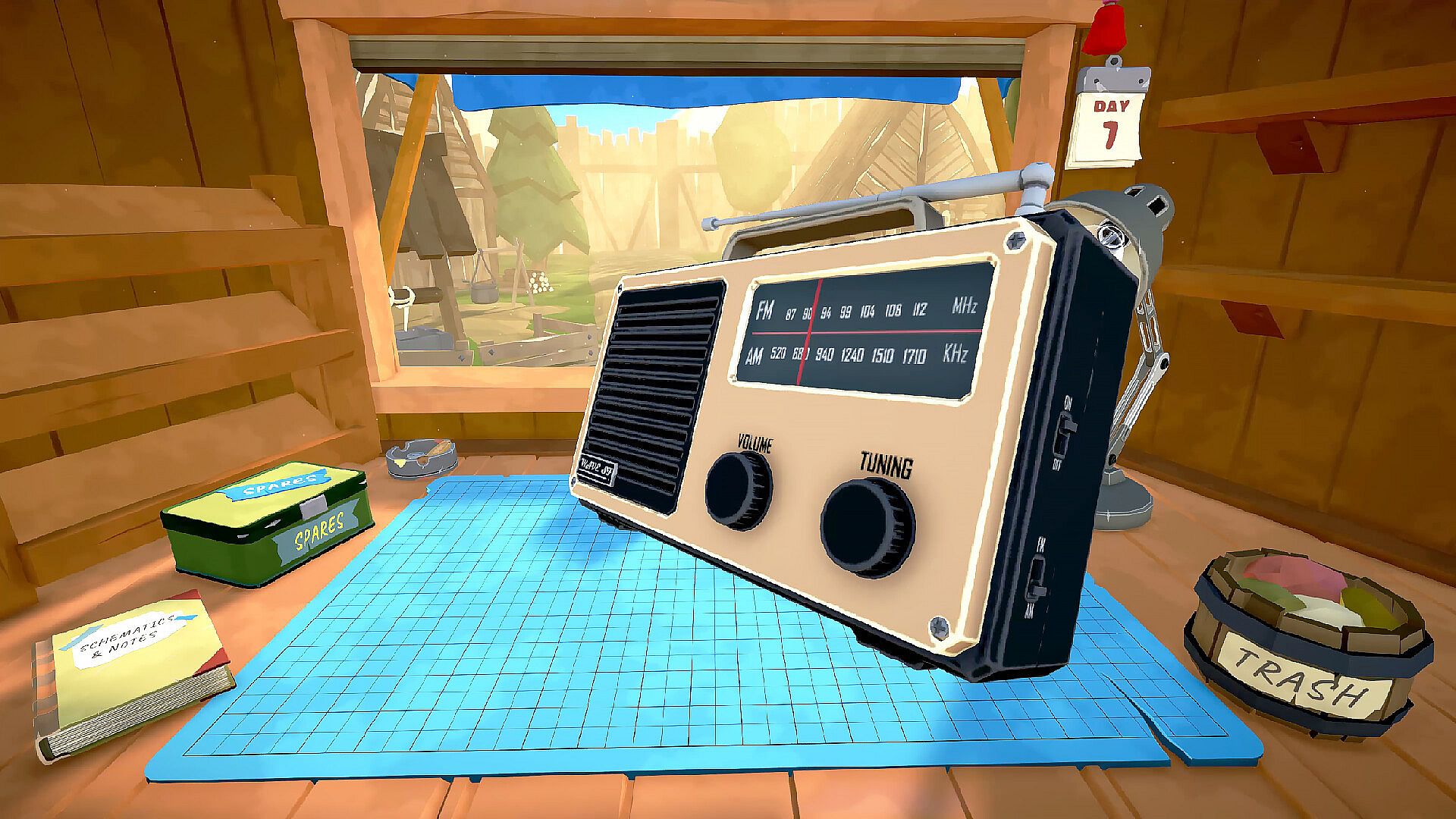
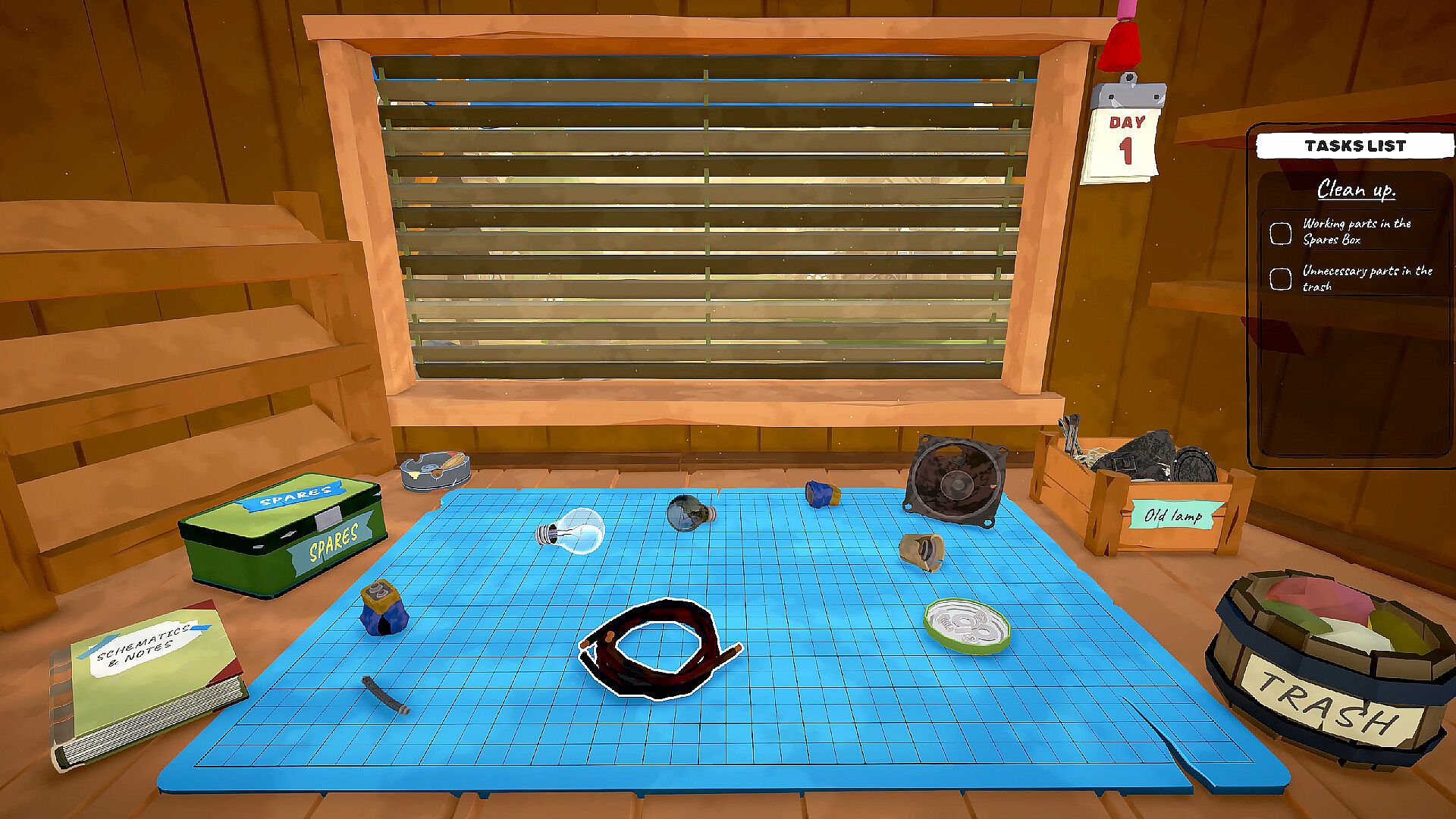
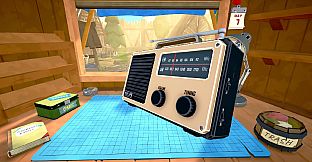
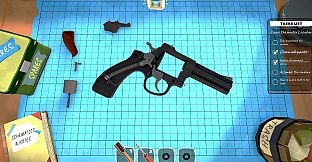
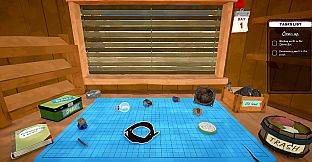
Beyond Repair is an indie simulation adventure game set in a post-apocalyptic world where players manage a repair workshop amid the ruins of civilization. Survivors bring broken electronics, tools, and gadgets to the bench, and the core loop centers on restoring these items through detailed disassembly, cleaning, and reassembly processes. The experience emphasizes hands-on craftsmanship in a quiet settlement, blending management of daily jobs with gradual exploration of the surrounding world and its inhabitants.
Gameplay
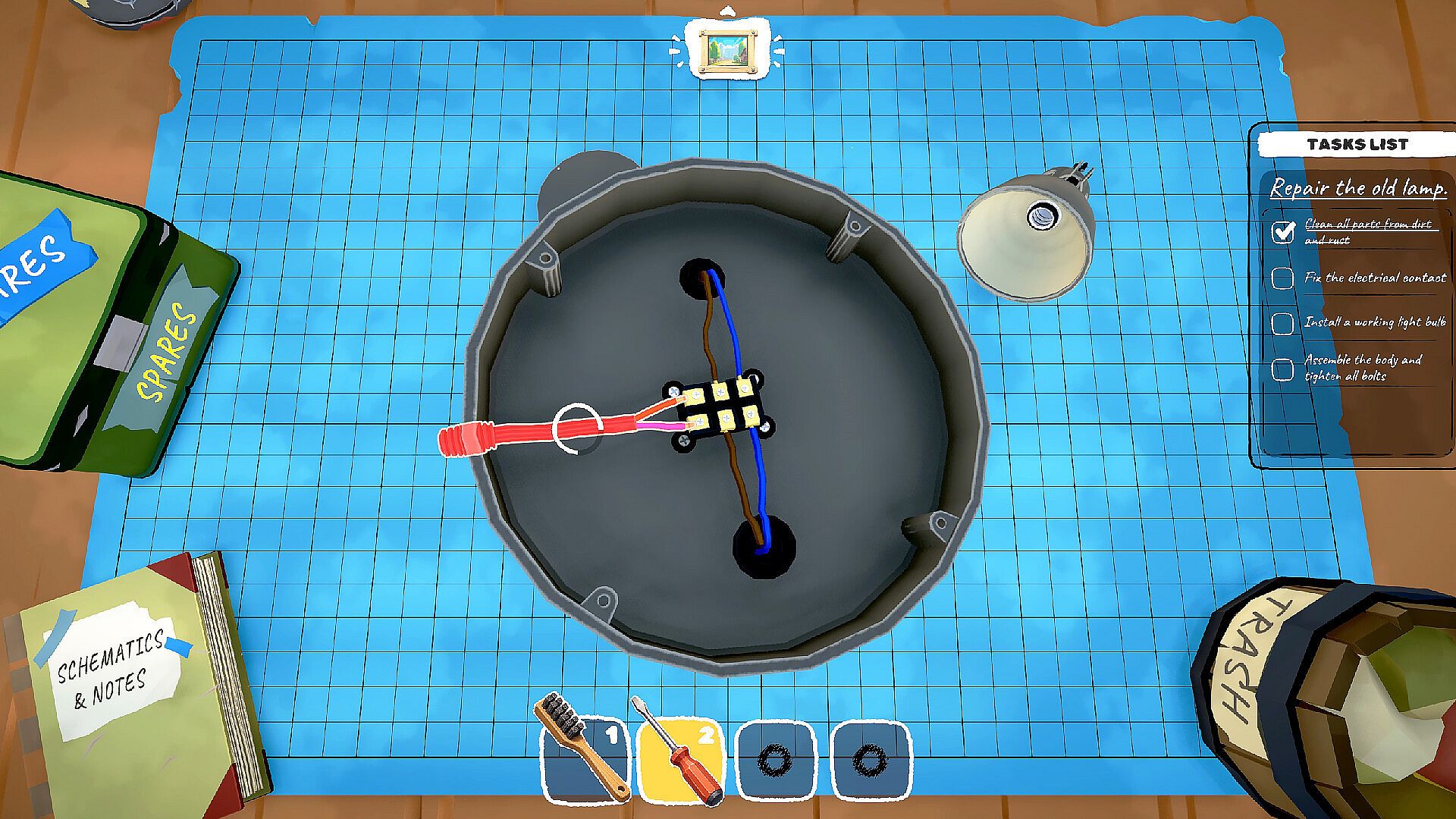
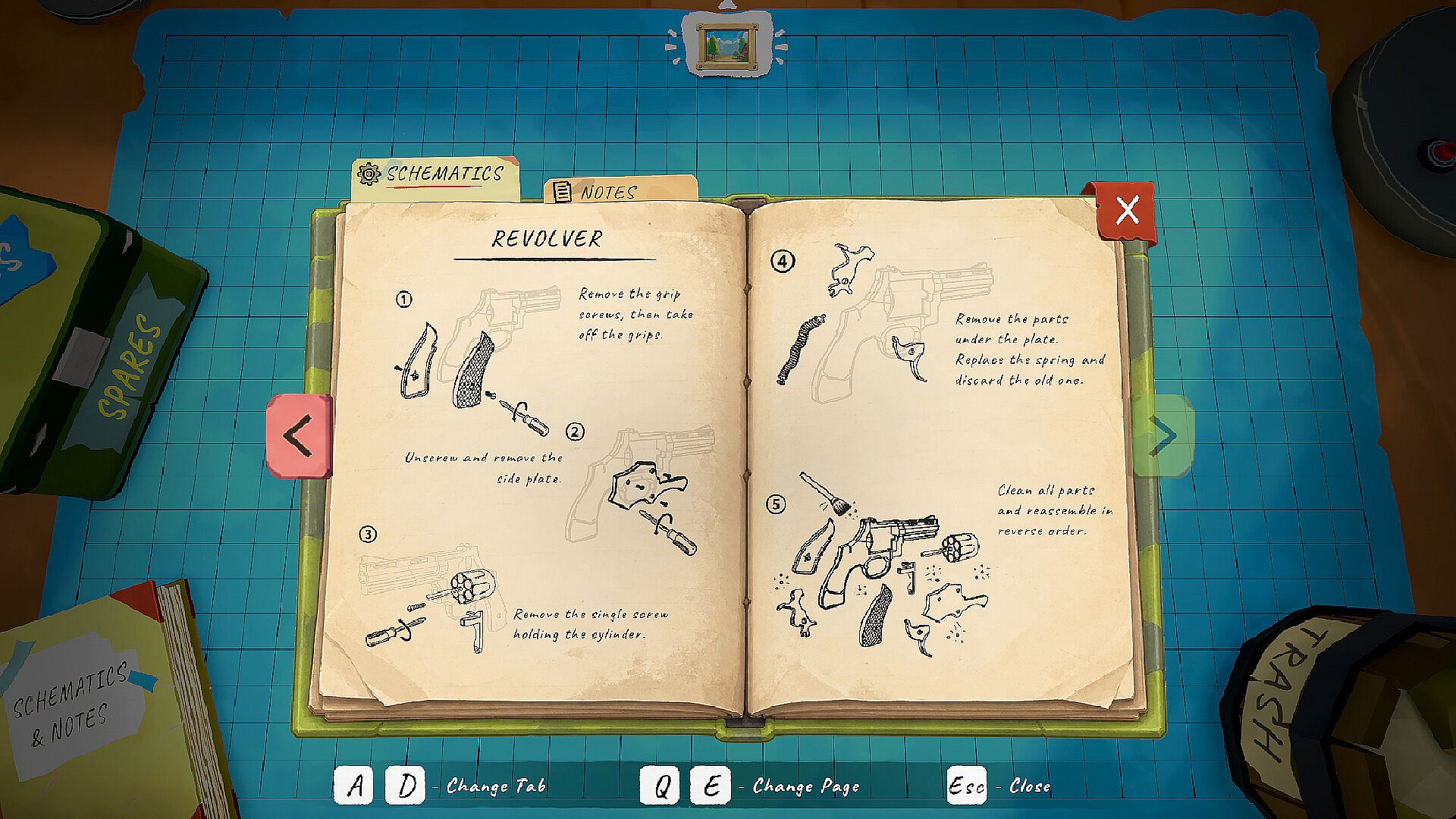
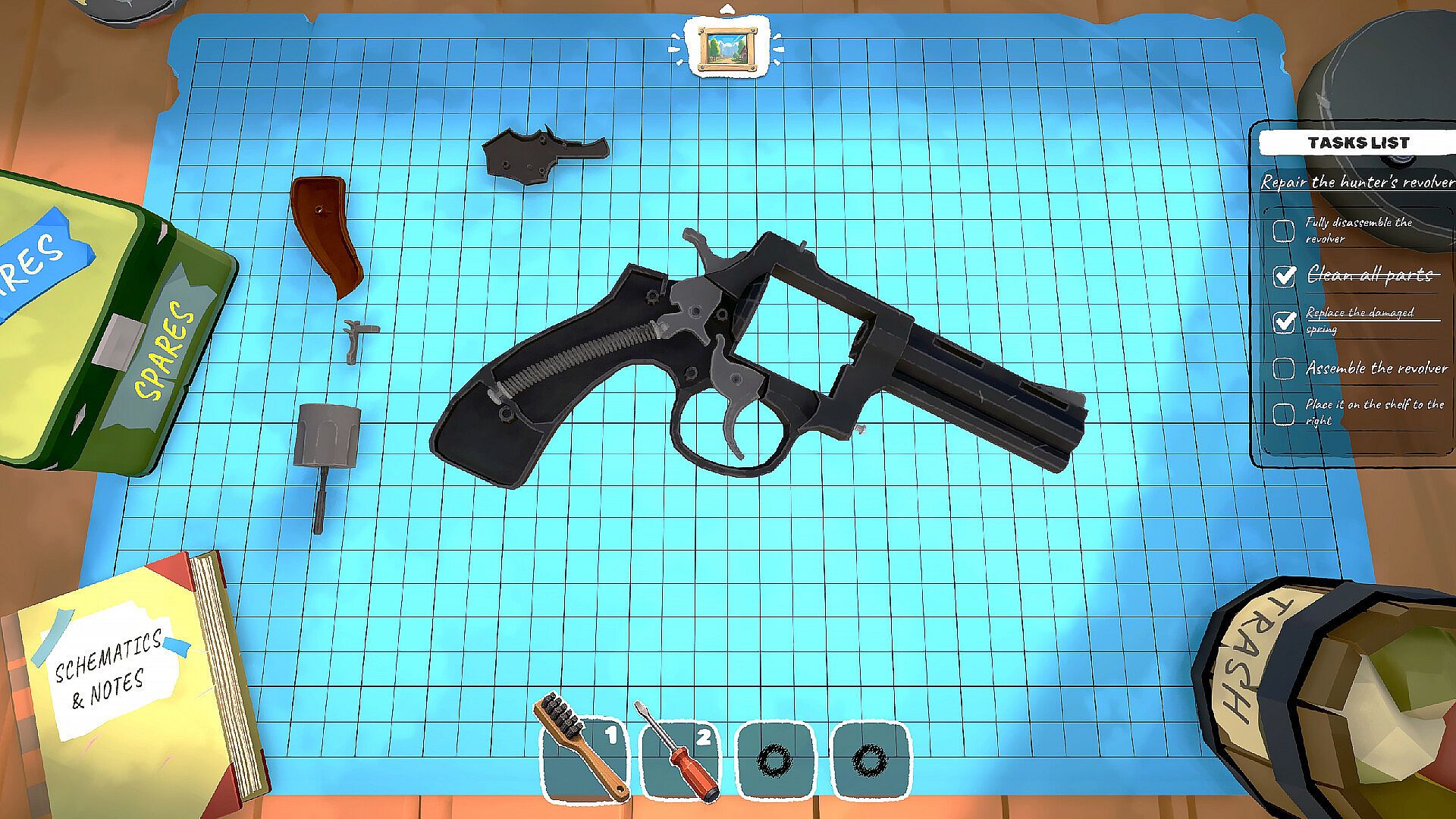
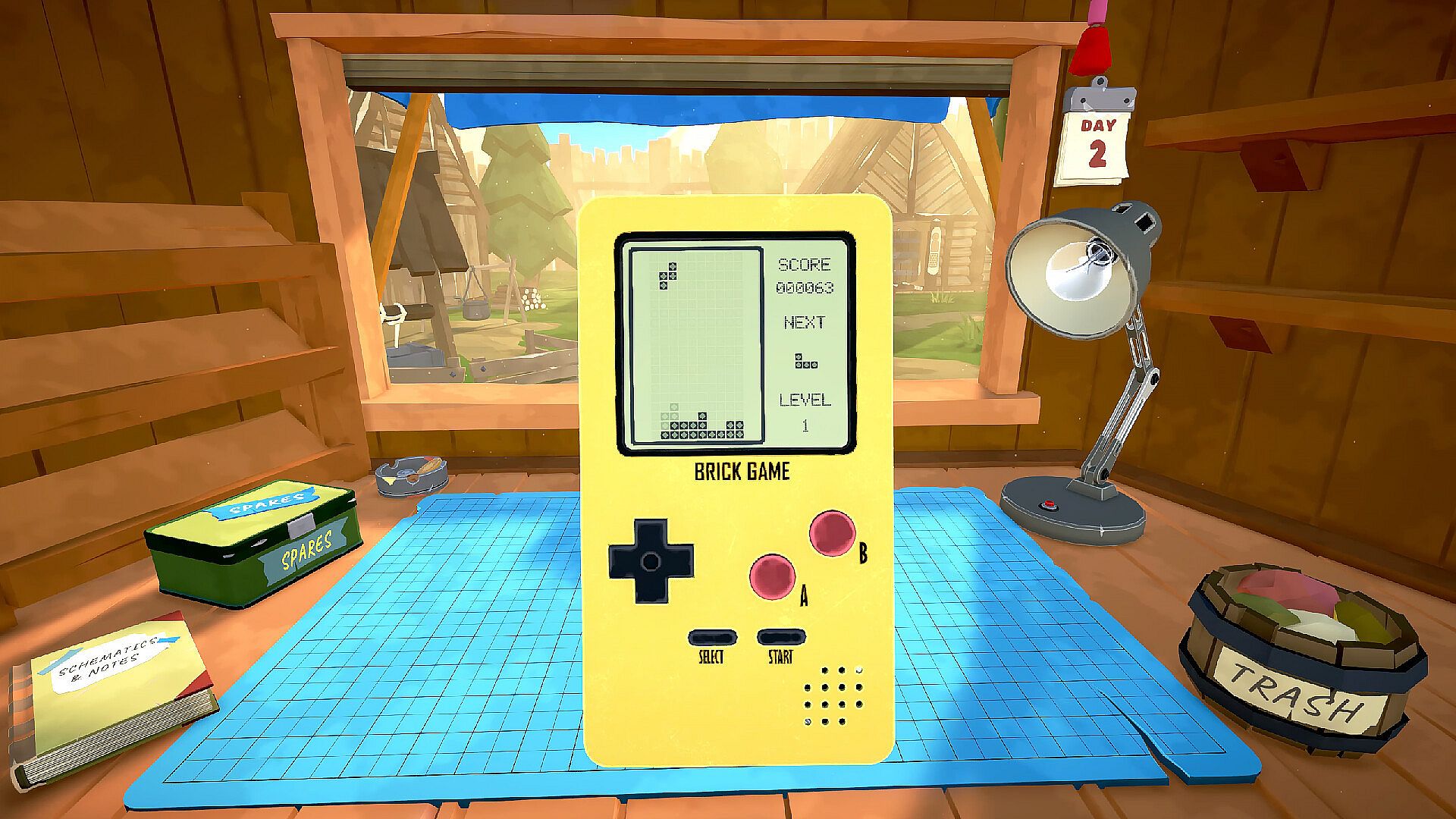
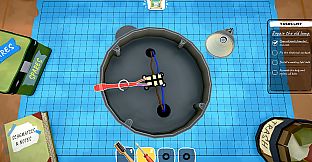
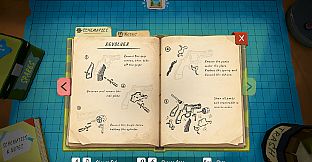
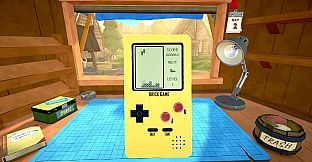
The central activity involves examining objects brought by customers or found through trade. Players inspect damage, remove components piece by piece, clear away rust and debris, identify faults, and apply repairs using available tools and schematics. Different devices require distinct approaches, from basic mechanical fixes on lamps to more intricate work on electronics. Progress comes from completing jobs that generate income, which funds tool upgrades and workshop expansion. Some restored items stay in the shop for personal use, such as powering up an old handheld console to play recovered games. Trading with merchants adds variety by supplying parts or new objects, while conversations with locals reveal stories that shape decisions about which repairs to accept.
Time passes at a measured pace without pressure to complete objectives quickly. The workshop serves as a hub where players organize inventory, review notes, and prepare for incoming work. Learning the internal structure of each gadget builds familiarity, turning repeated tasks into more efficient routines. The post-apocalyptic backdrop influences the types of items that appear, favoring forgotten technology from before the collapse.
Game Modes
Beyond Repair operates as a single-player experience with no separate multiplayer or competitive modes. The structure revolves around the ongoing operation of the workshop, where daily customer interactions and repair tasks form the primary loop. Players decide which jobs to pursue based on available resources and personal interest, creating a flexible flow that mixes routine maintenance with occasional discoveries. Trading sessions and story elements from visitors integrate naturally into the core simulation without branching into distinct campaigns or scenarios.
Exploring the Settlement and Beyond
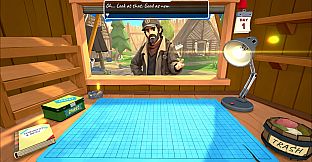
Interactions extend past the workbench through meetings with hunters, traders, and other residents who share details about life outside the settlement. These encounters influence workshop decisions and provide context for the objects under repair. Collecting and displaying restored items gradually fills the space, while merchant visits introduce opportunities to acquire specialized tools or unusual finds. The world reveals itself slowly through these exchanges rather than through direct travel or combat systems.
Is It Worth Playing?
Fans of cozy simulation games focused on methodical repair work and light management will find a strong match in the hands-on disassembly and restoration mechanics. The single-player format suits those seeking a relaxed pace with meaningful progression through tool upgrades and customer relationships. Since the game remains in development with a coming-soon status on its primary platform, prospective players can follow updates for the eventual release. The combination of post-apocalyptic atmosphere and tactile crafting appeals particularly to enthusiasts of indie adventure titles that prioritize atmosphere and craftsmanship over action or competition.