


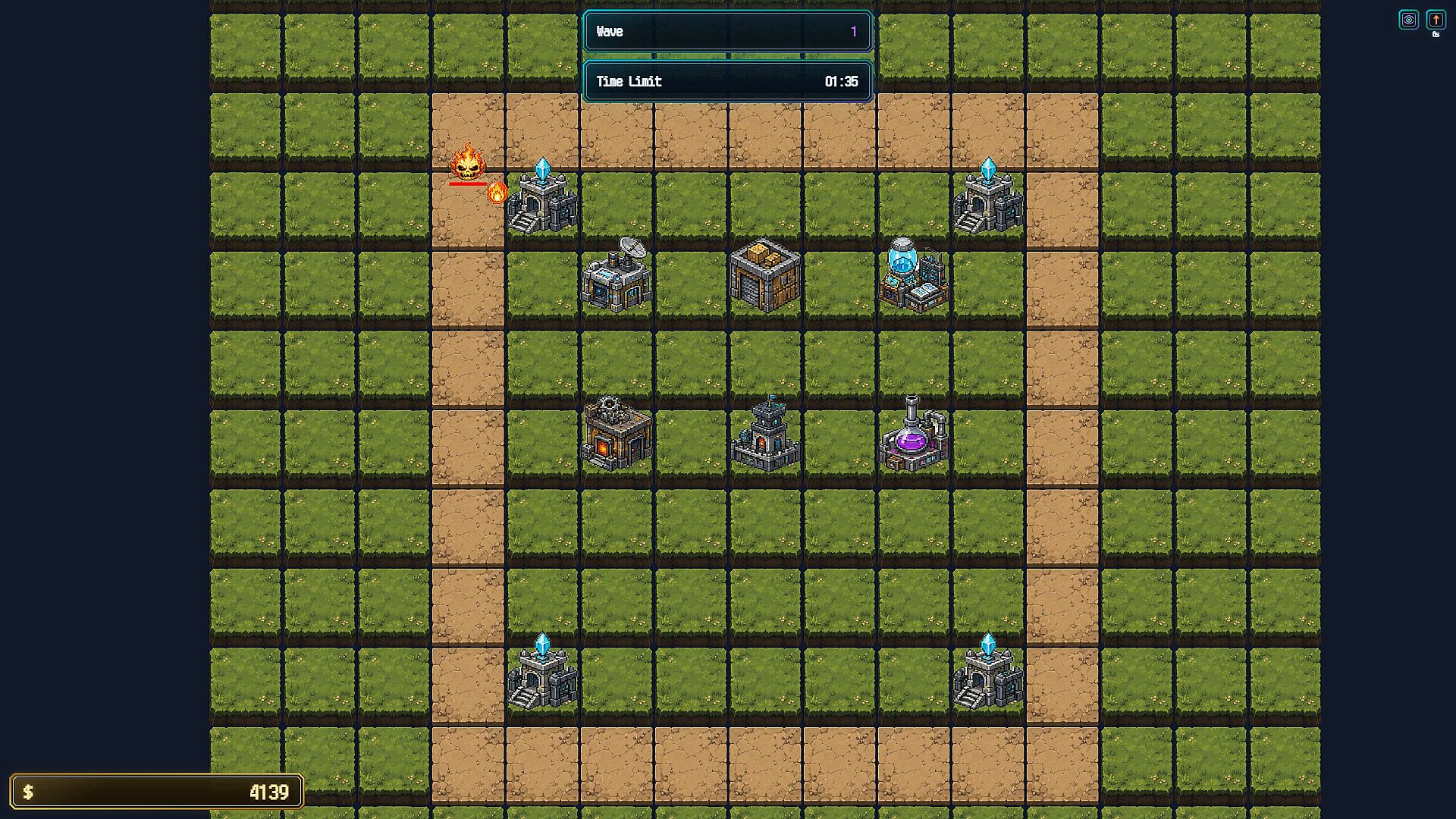
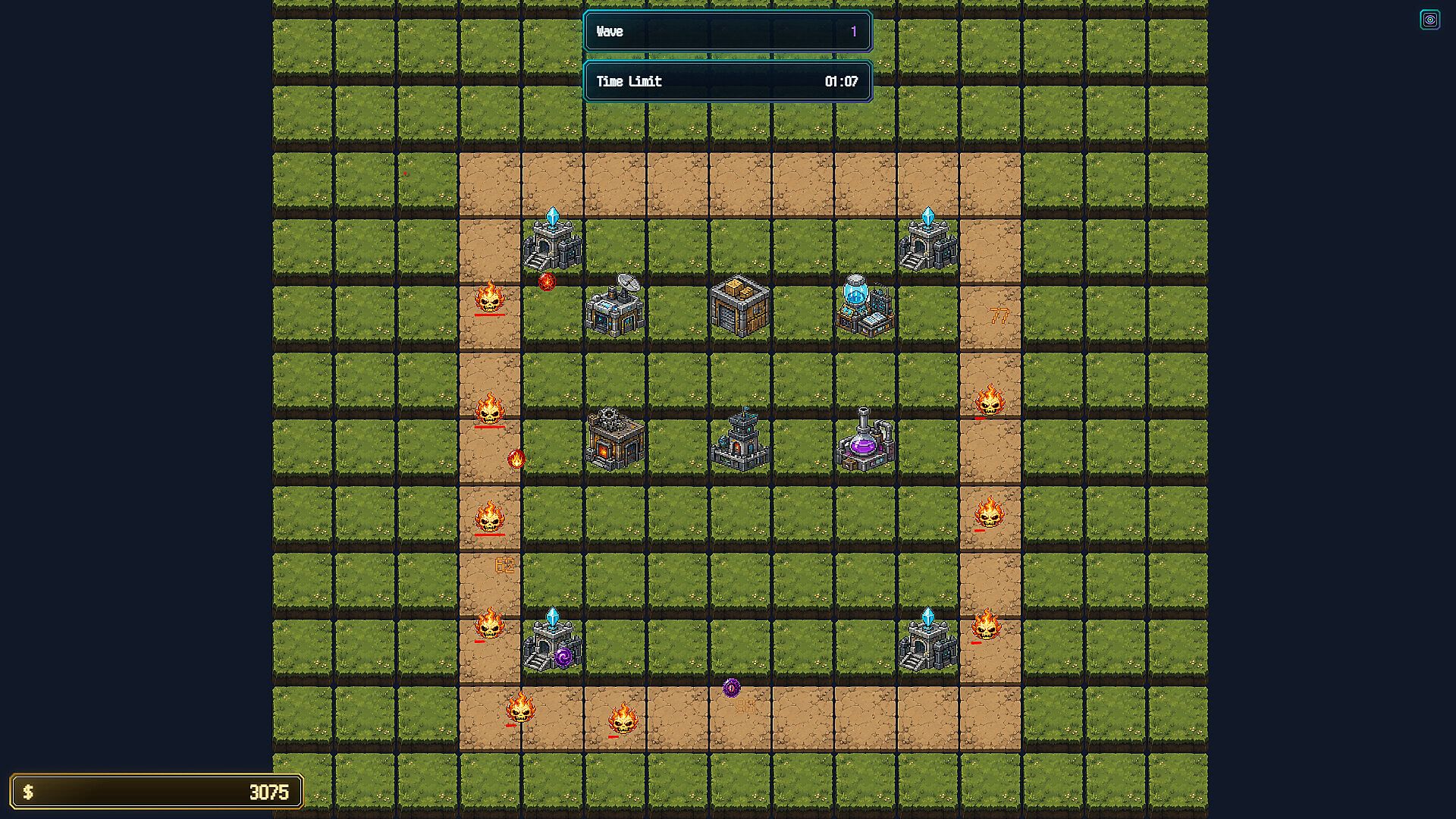
Card Shelter Defence is a strategy indie tower defense game for PC that centers on card-based recruitment and placement to withstand successive enemy assaults. Players manage resources while positioning cards in shelters and combining them strategically to adapt defenses across different battlefields.
Gameplay
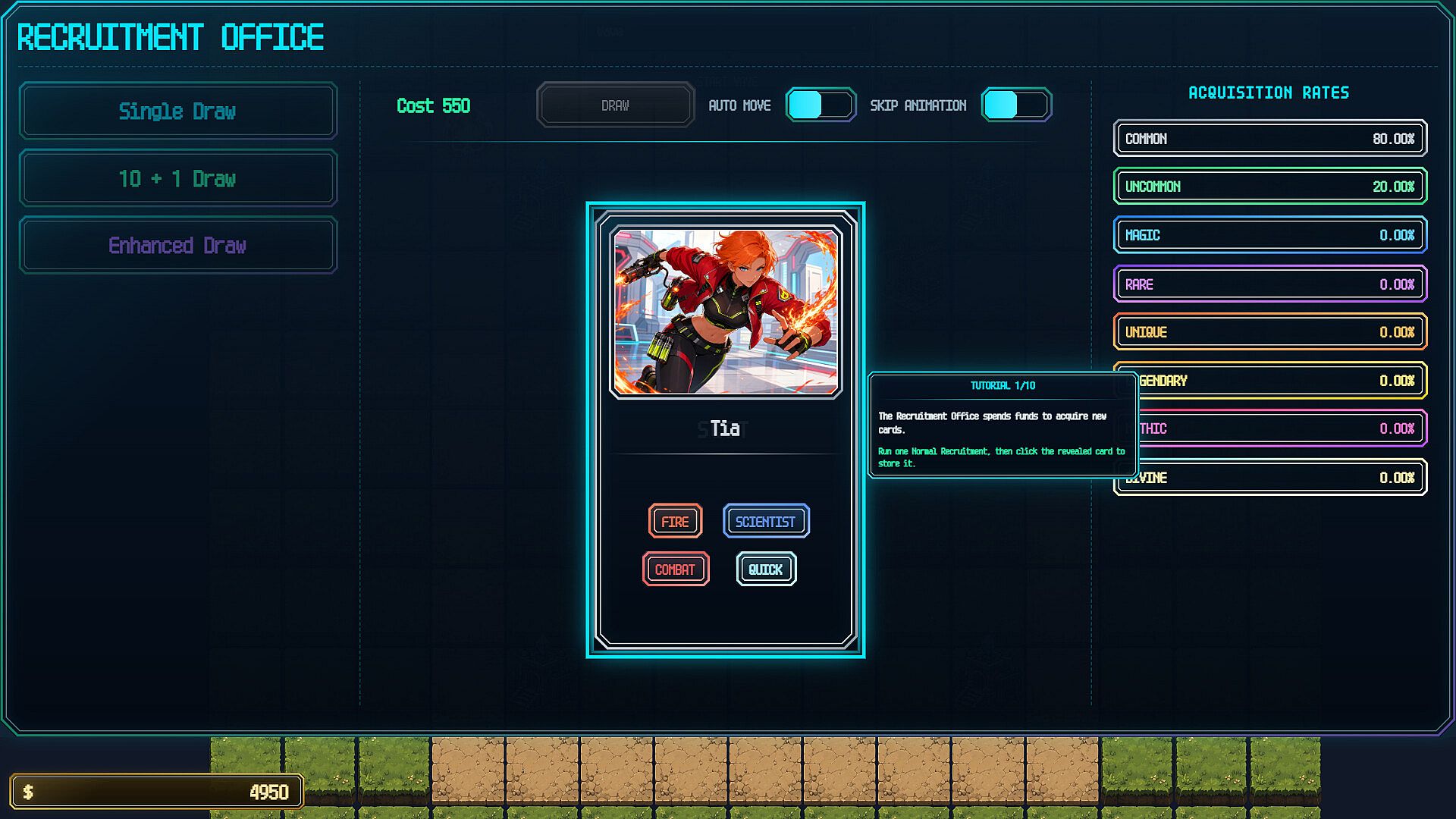
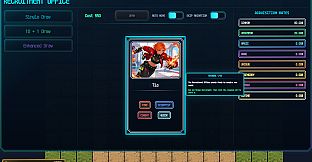
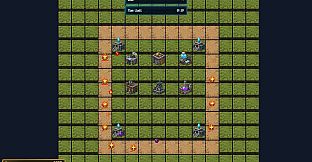
The core loop revolves around recruiting cards using available funds and then assigning them to defensive positions. Each card carries distinct attributes, jobs, and roles that influence how they contribute to protection against incoming waves. Limited resources require careful spending decisions, as overcommitting early can leave later stages vulnerable.
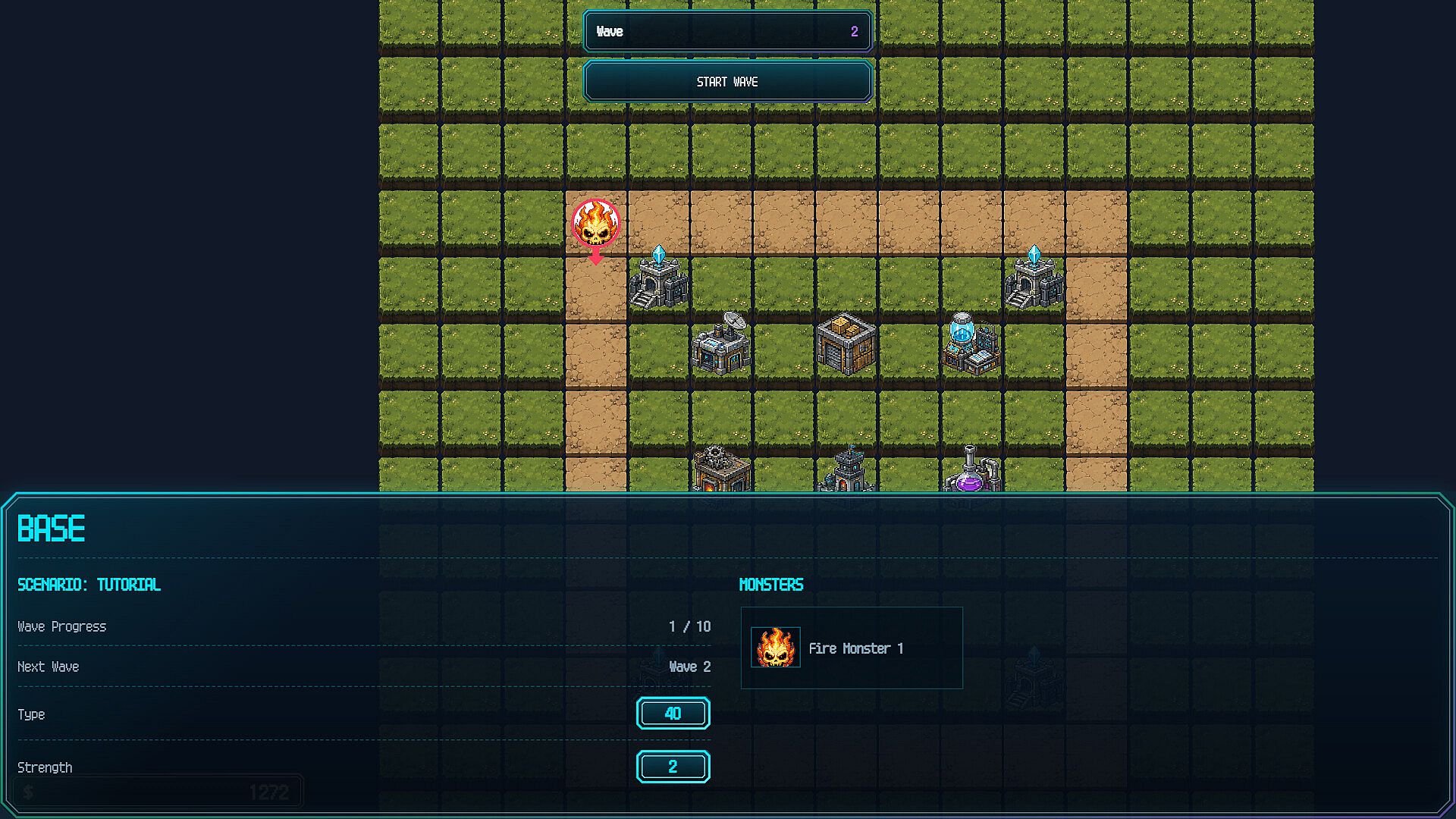
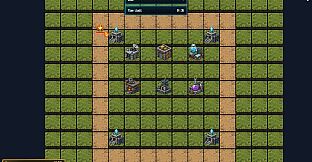
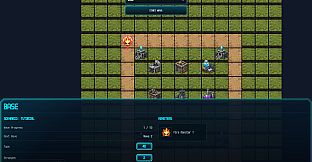
Before each assault, players review wave details including enemy composition and strength. This information guides adjustments to card placements and facility operations. Defensive buildings receive ongoing management to maintain effectiveness throughout the engagement.
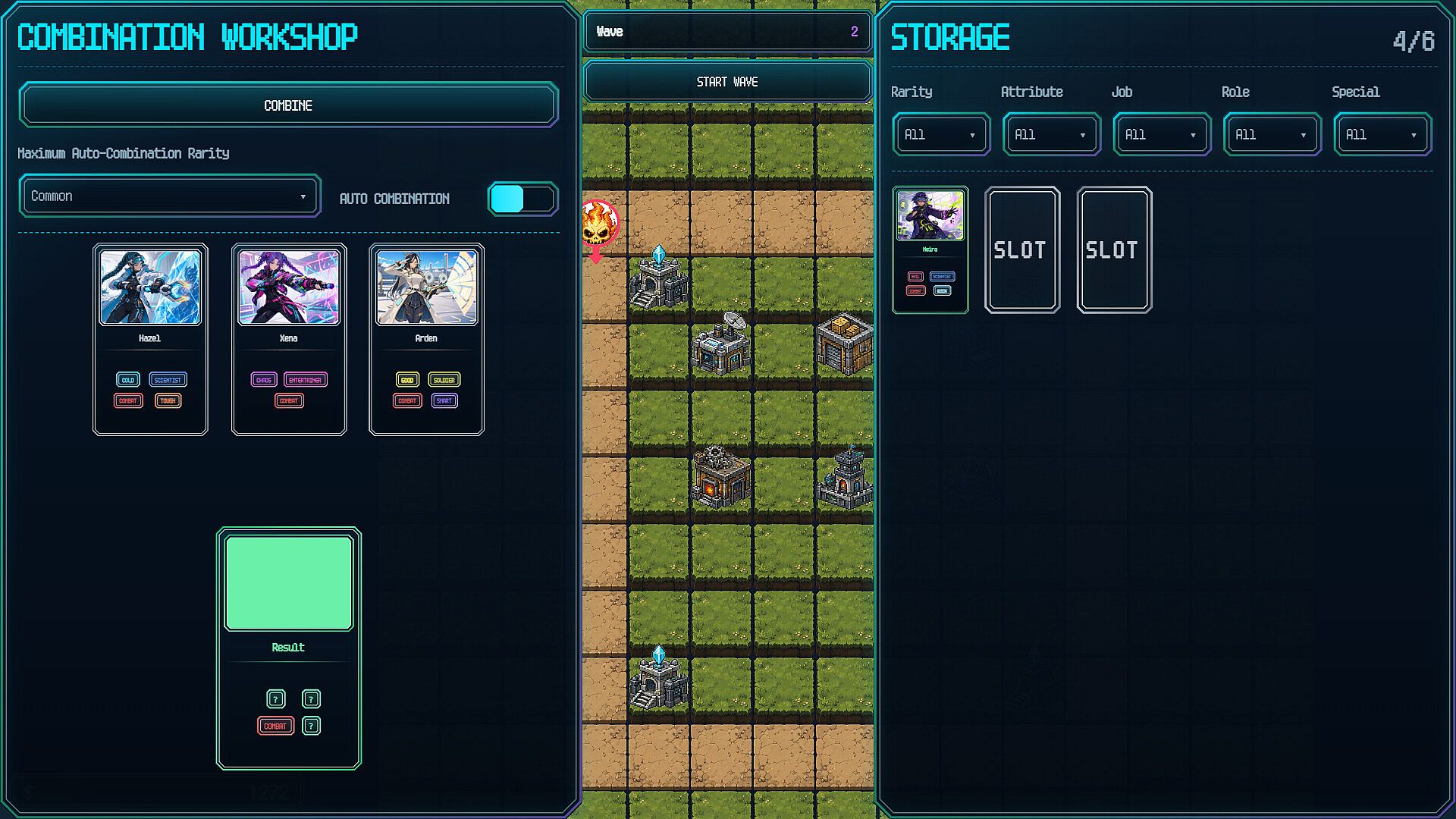
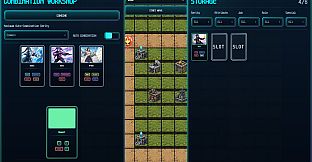
Card combination forms a key system where three cards merge into a single new card. This process allows storage reorganization and creates stronger defensive options. An automatic combination feature can handle routine merges, freeing attention for tactical choices during active waves.
Game Modes
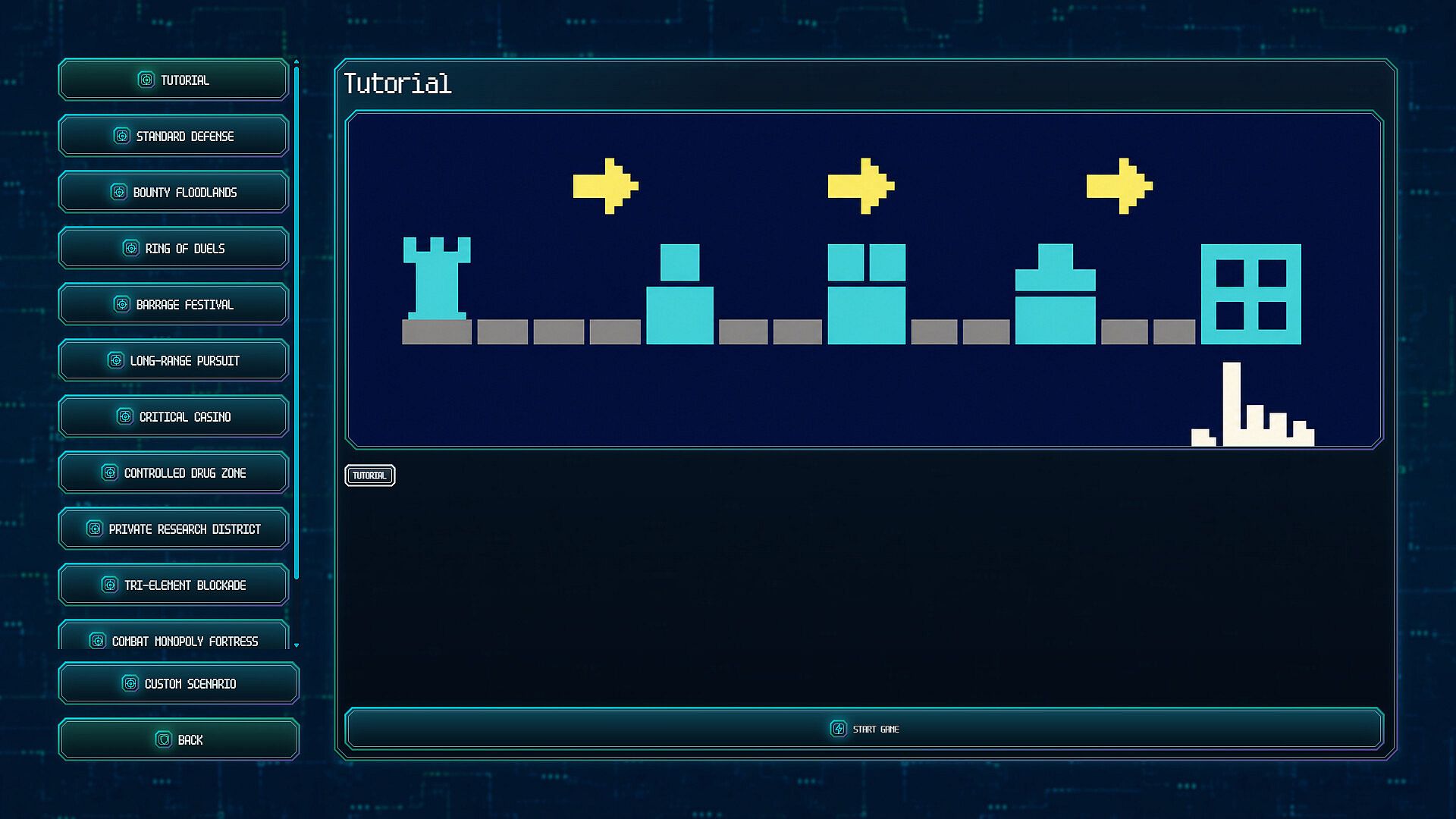
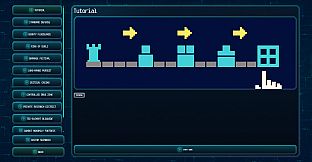
Scenarios provide the primary structure for play. Each scenario establishes its own set of rules and battlefield layout, offering varied challenges from the outset. A dedicated tutorial scenario introduces the fundamental systems before players select more complex options.
Progression through scenarios encourages repeated attempts as players refine card recruitment and assignment strategies. The ruleset differences between scenarios alter resource availability and enemy behaviors, promoting experimentation with different card combinations and shelter configurations.
Core Mechanics and Strategy
Resource management ties directly into recruitment rates, where players weigh immediate needs against long-term defensive potential. Cards with complementary attributes benefit most from the three-card combination process, leading to specialized units suited for particular threats.
Adaptation remains central because wave information arrives in advance. Players shift card assignments and activate or upgrade facilities based on the specific enemies approaching. This preparation phase separates successful defenses from those overwhelmed by unexpected strengths in later waves.
Storage organization after combinations prevents clutter and ensures quick access to useful cards. The automatic option reduces manual repetition while still allowing manual overrides for precise control over which cards merge at any given time.
Is It Worth Playing?
Card Shelter Defence suits players who enjoy deliberate strategy in tower defense formats combined with card collection and synthesis elements. The emphasis on pre-wave planning and resource allocation rewards thoughtful preparation over rapid reactions.
Those seeking single-player experiences with clear progression through distinct scenarios will find consistent depth in adjusting tactics to each battlefield's rules. The indie focus keeps the mechanics streamlined around recruitment, assignment, and combination without unnecessary complexity.
Overall, the game appeals to strategy enthusiasts comfortable with iterative refinement of defensive setups. Its systems encourage multiple scenario runs to explore how different card roles interact under varying conditions.