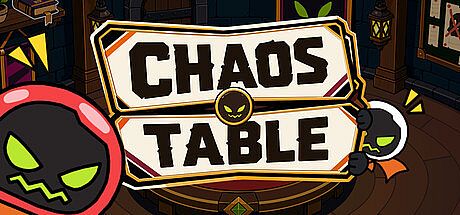


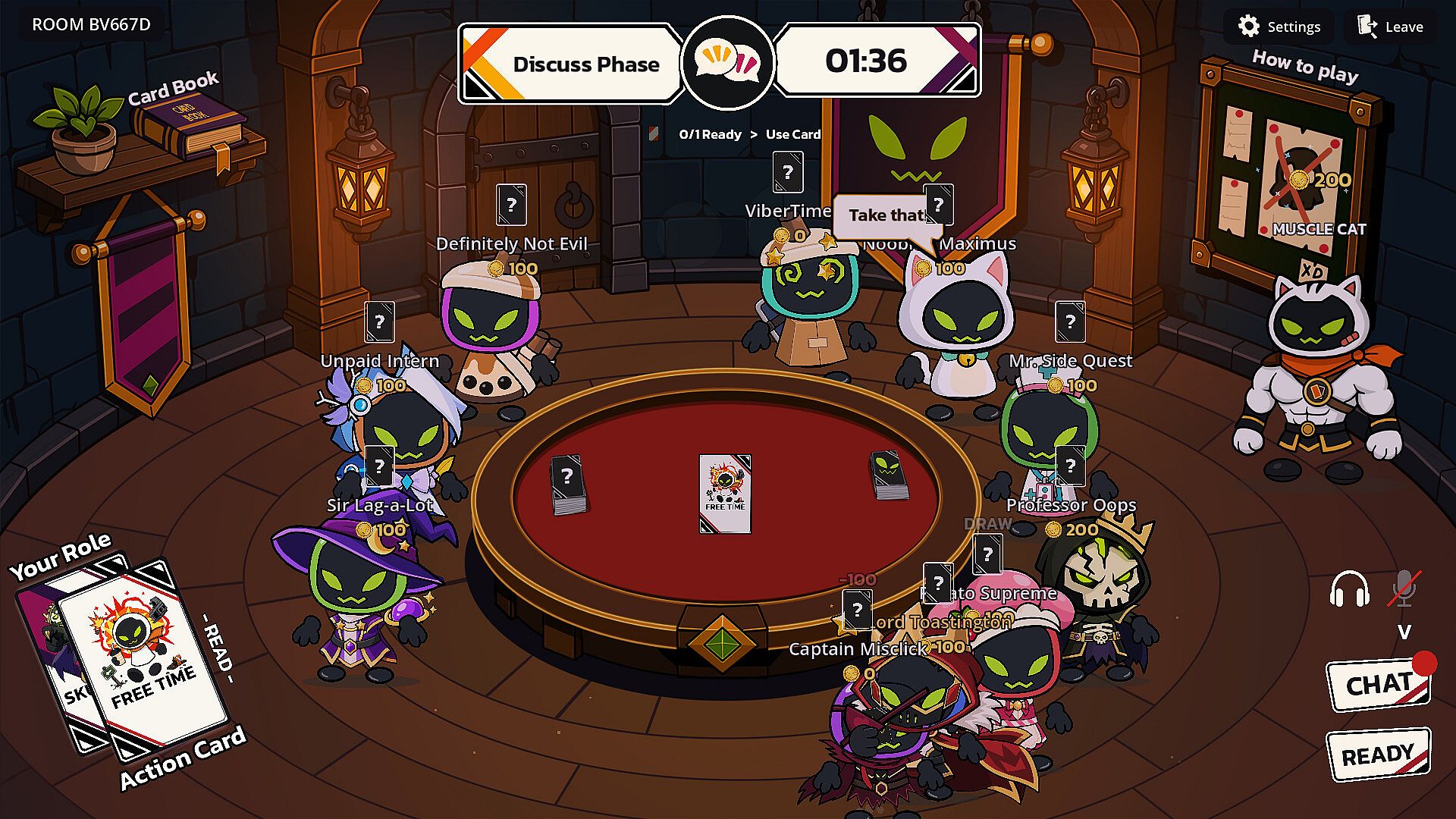

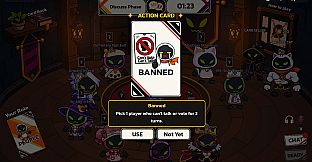
Chaos Table is a social deduction strategy game for PC that blends indie and casual elements into tense multiplayer sessions. Players join matches of 6 to 10 participants where secret roles drive every decision, and no one starts with full knowledge of who stands as ally or opponent.
Gameplay
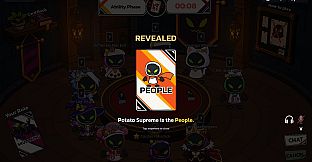
The core loop centers on discussion, deception, and calculated risks. Participants receive hidden roles at the start and must talk through voice or text chat to identify threats while protecting their own interests. Roles shift unpredictably during play, forcing constant reevaluation of alliances and suspicions. Death does not remove a player from the match, as eliminated participants return in new forms and continue influencing events from the sidelines.
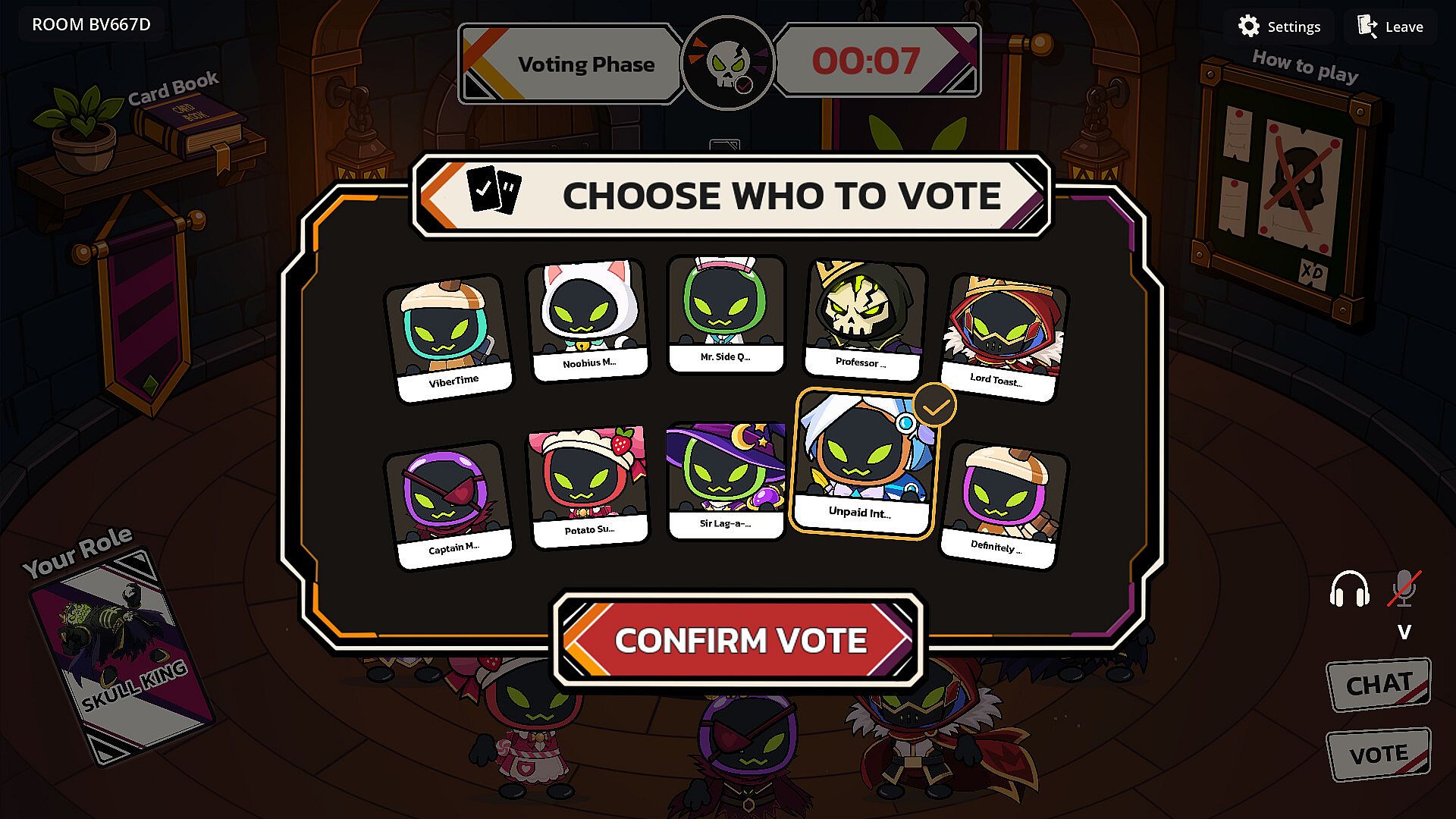
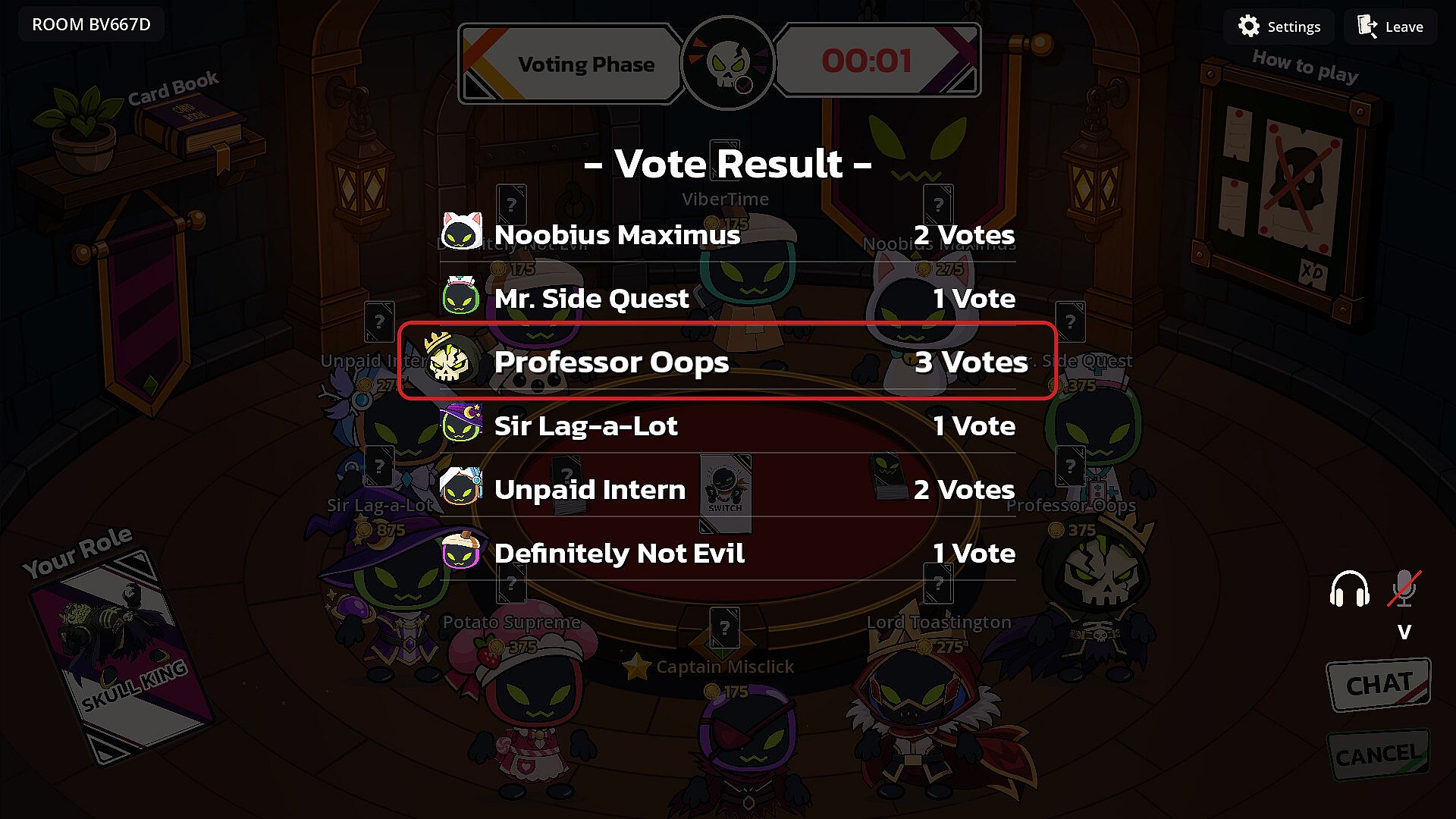
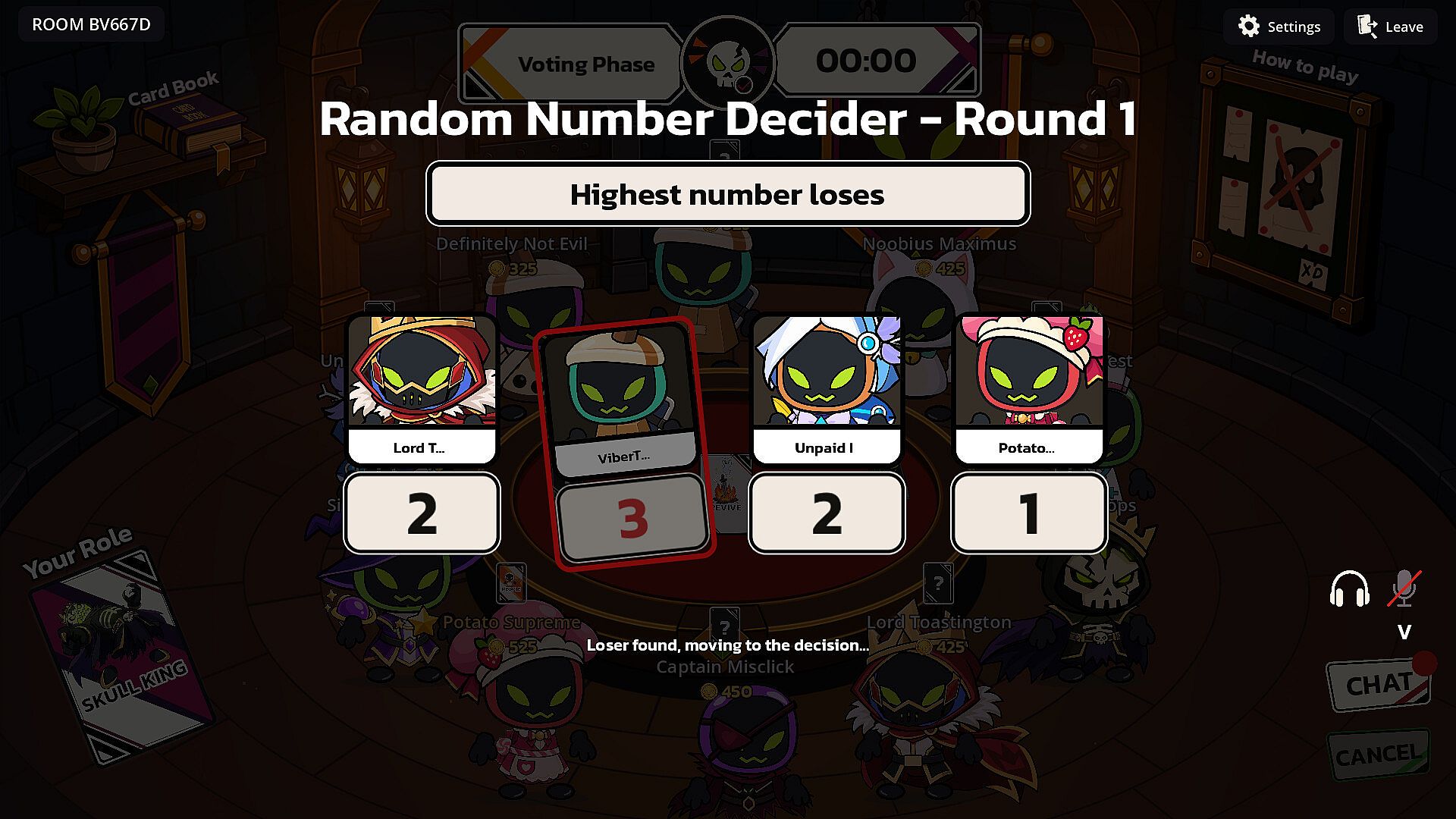
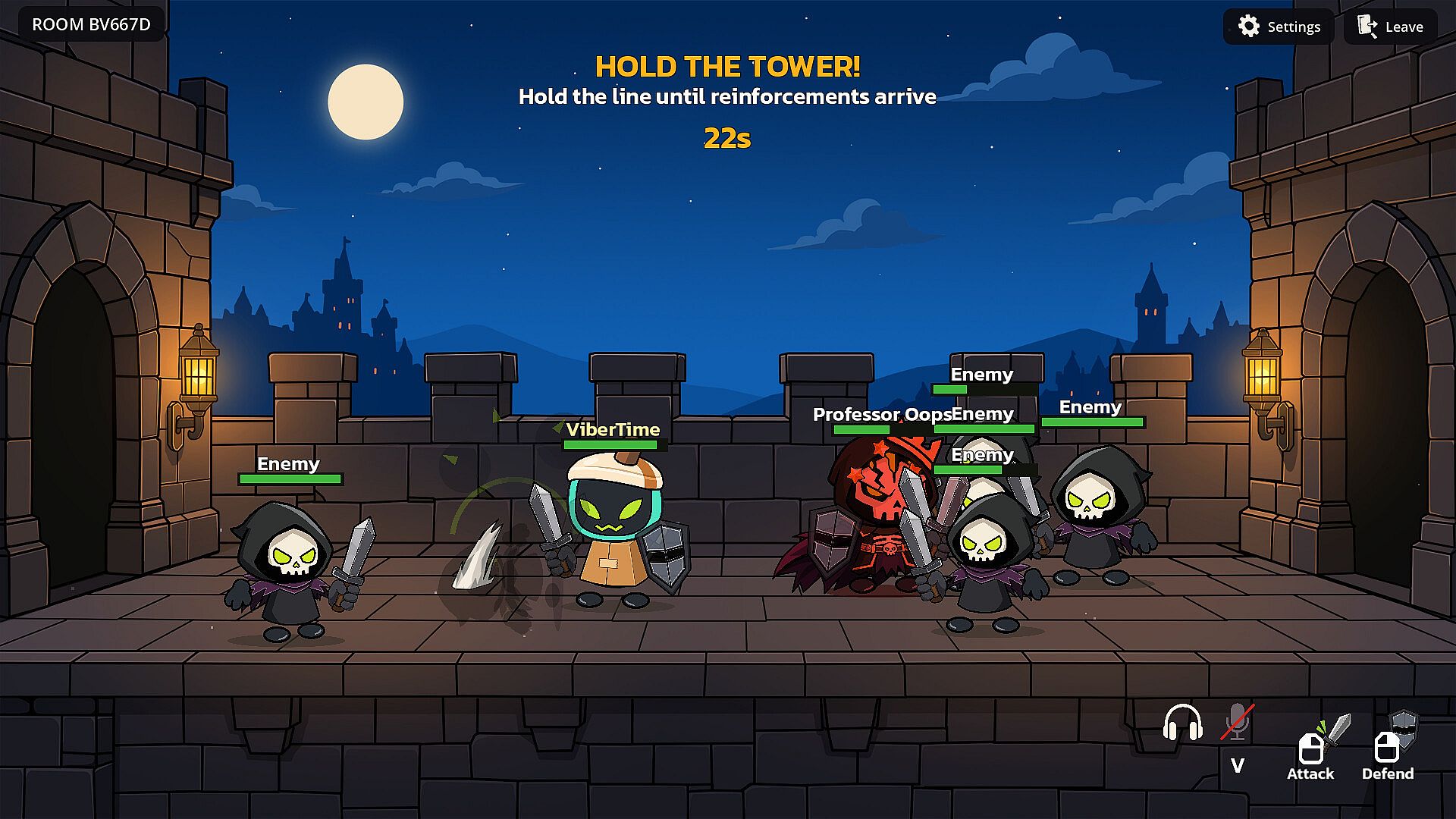
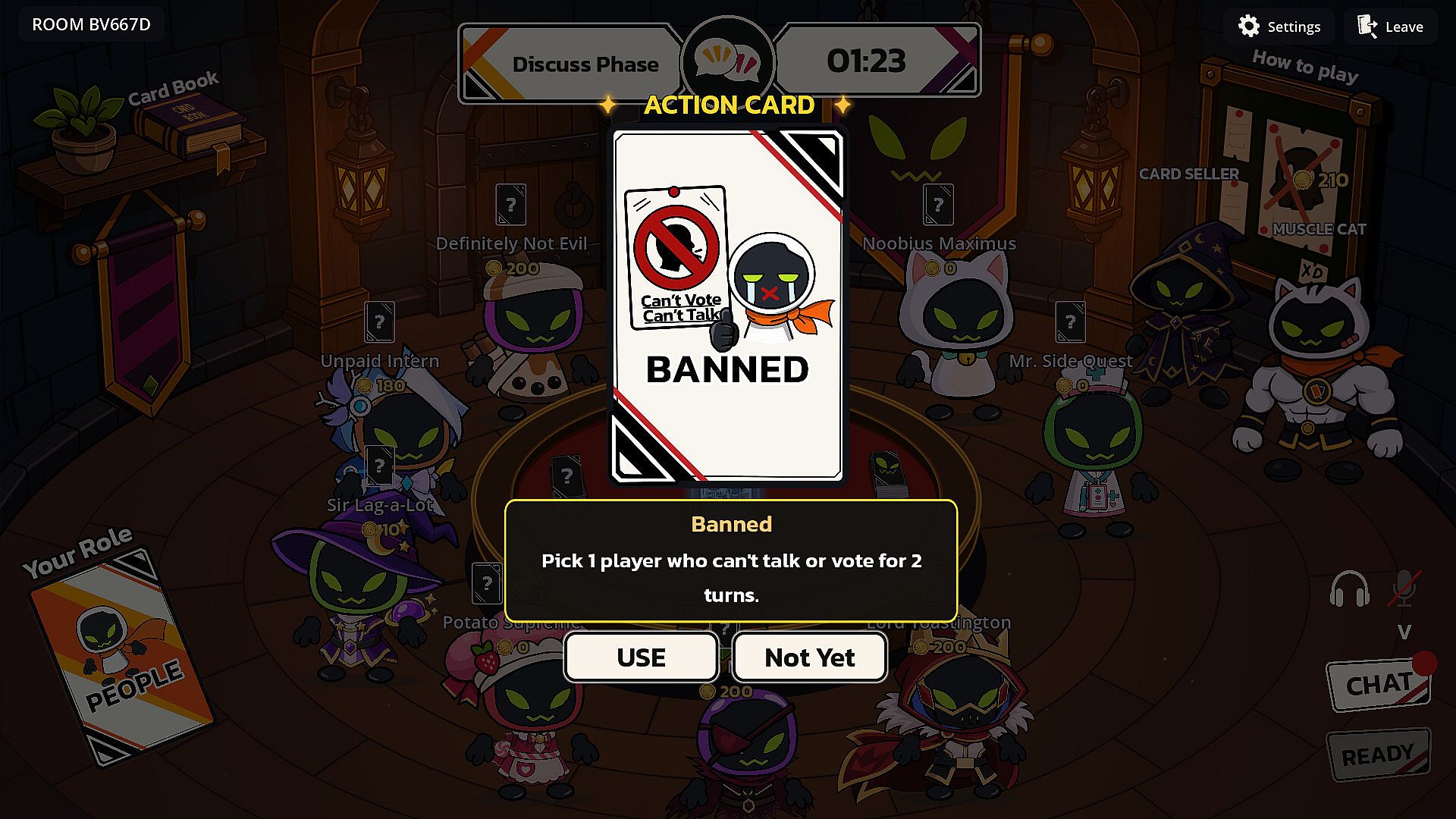
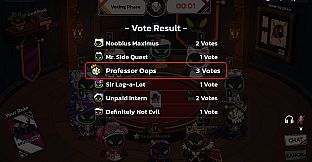
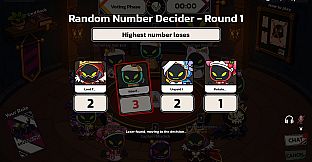
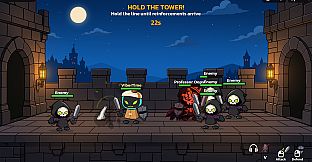
Each round begins with drawing an action card that offers options such as eliminating another player, uncovering information, swapping roles, or assisting a teammate. Conversation follows, where accusations, defenses, and bluffs shape the group dynamic. Voting then determines who faces elimination, though certain roles trigger powerful effects upon death that can alter the entire table. Tactic cards add another layer by enhancing action cards, stealing resources, or disrupting opponents. Additional elements like uninvited guests and sudden war events introduce external pressures that require temporary cooperation, even among rivals.
Game Modes
Matches unfold in a single primary format that supports 6 to 10 players online, with bots available to fill any empty seats. Every session feels distinct because role, action, and tactic cards combine differently each time. The variable card draws and mid-game role changes ensure no two rounds play out the same way, emphasizing adaptability over fixed strategies.
Dead players remain active as ghosts, placing bets on future eliminations, drawing cards to create further disruption, or attempting revival with a fresh role. This ongoing participation keeps everyone engaged until the final moments. Character skins provide visual variety without altering core mechanics.
Key Mechanics
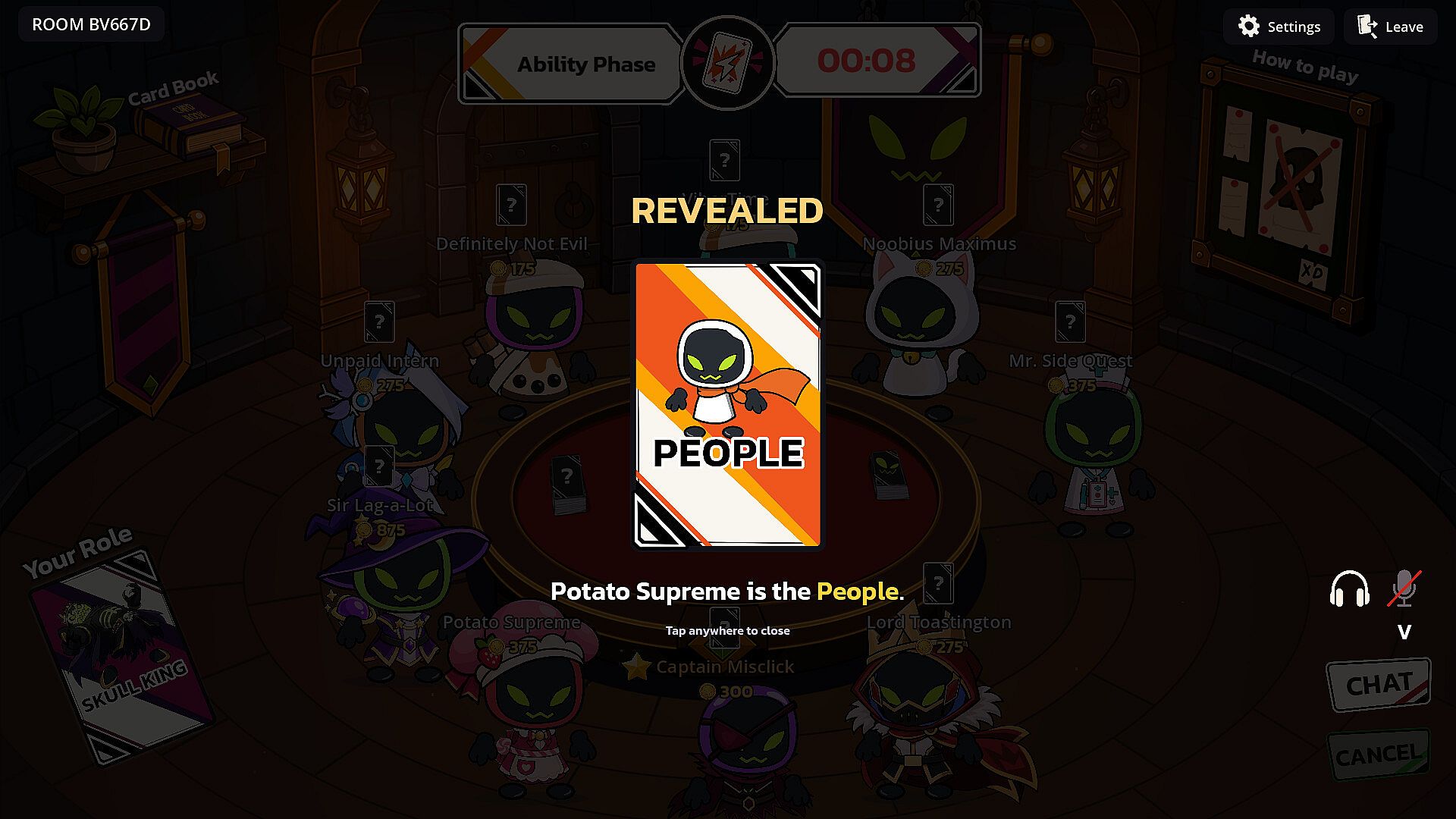
Secret roles form the foundation, with revelation occurring only upon death. Swaps can occur at any moment, turning trusted allies into unknowns and vice versa. Action cards deliver immediate effects while tactic cards provide longer-term advantages or counters. The presence of external threats, such as card sellers, muscle cats, or thieves, and invading enemies during war phases, forces groups to balance internal suspicion with collective defense.
Revival mechanics allow eliminated players to reenter with new identities, extending the deduction element across the full duration of a match. Ghost actions further complicate outcomes by letting sidelined participants influence votes or card draws indirectly.
Is It Worth Playing?
Chaos Table suits players who enjoy social deduction experiences with added layers of unpredictability and persistence after elimination. The combination of role swapping, ghost participation, and variable card effects creates repeated tension without relying on standard elimination-only formats. Online play with bot support makes sessions accessible even when full groups are unavailable. Those who value reading opponents, adapting to sudden changes, and maintaining engagement throughout longer matches will find the systems rewarding. The indie casual approach keeps rules approachable while the strategy depth rewards careful observation and creative bluffing.