


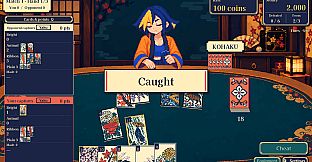

Cheat Koi-Koi is a single-player roguelite strategy game that blends the traditional Japanese card game hanafuda with risk-reward decision making and opponent deception. Players sit across from AI opponents in a nighttime gambling den, reading tells, selecting tricks, and managing stakes to progress toward the owner Ririka. The core loop centers on matching cards by month to form scoring combinations called yaku, deciding whether to claim points immediately or risk calling koi-koi for a stronger hand, all while watching for opportunities to cheat without getting caught.
Gameplay
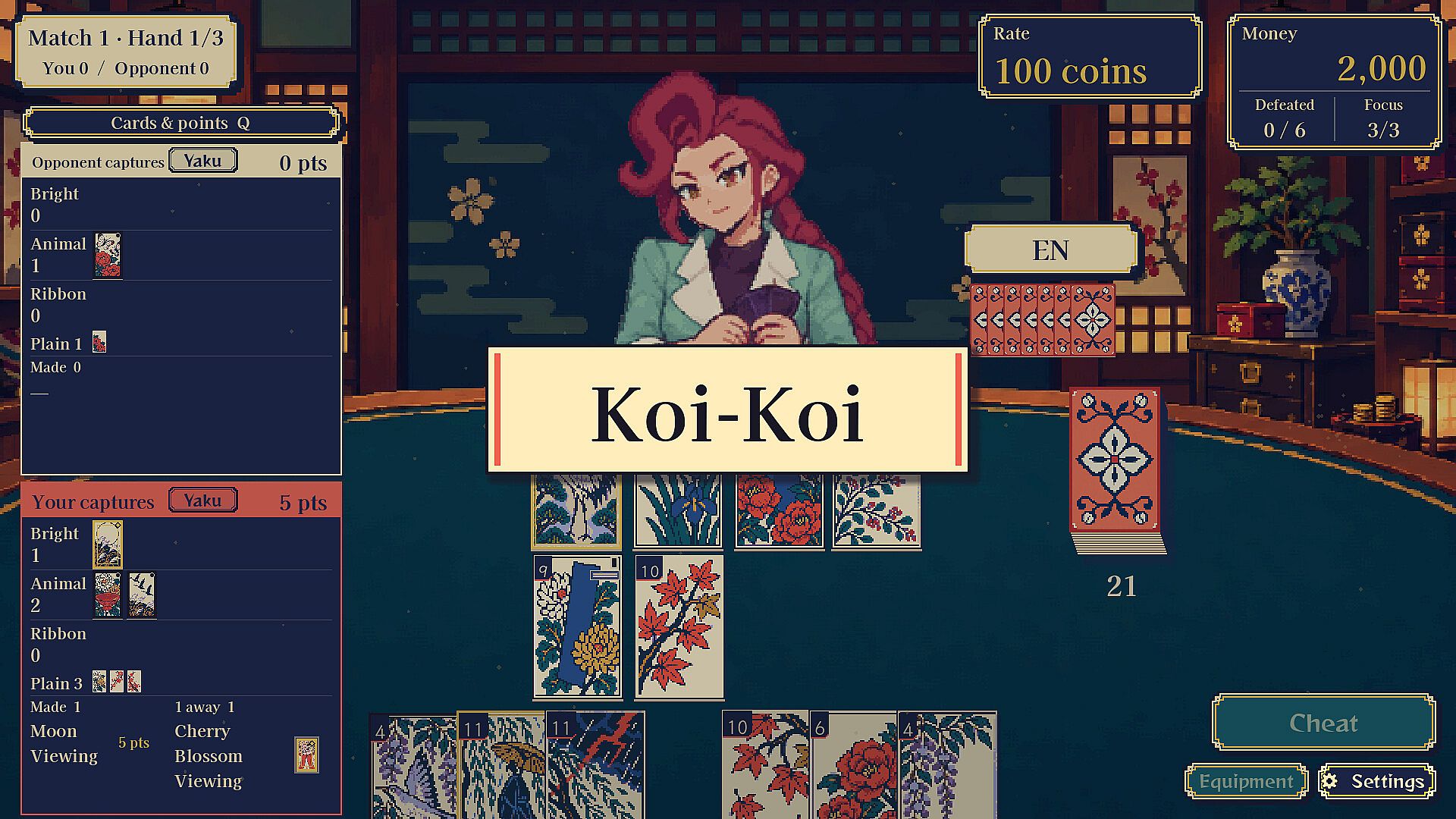
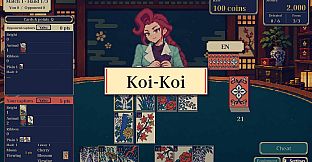
Matches unfold over multiple rounds where players compete for total points. On each turn, participants play cards from their hand to match those on the table, collecting pairs that contribute to yaku such as specific seasonal sets or high-value combinations. After forming a yaku, the player can stop to secure the points or call koi-koi to continue for potentially greater rewards. If the opponent forms a yaku first after a koi-koi call, the round yields nothing. This creates tense moments where risk tolerance determines outcomes.
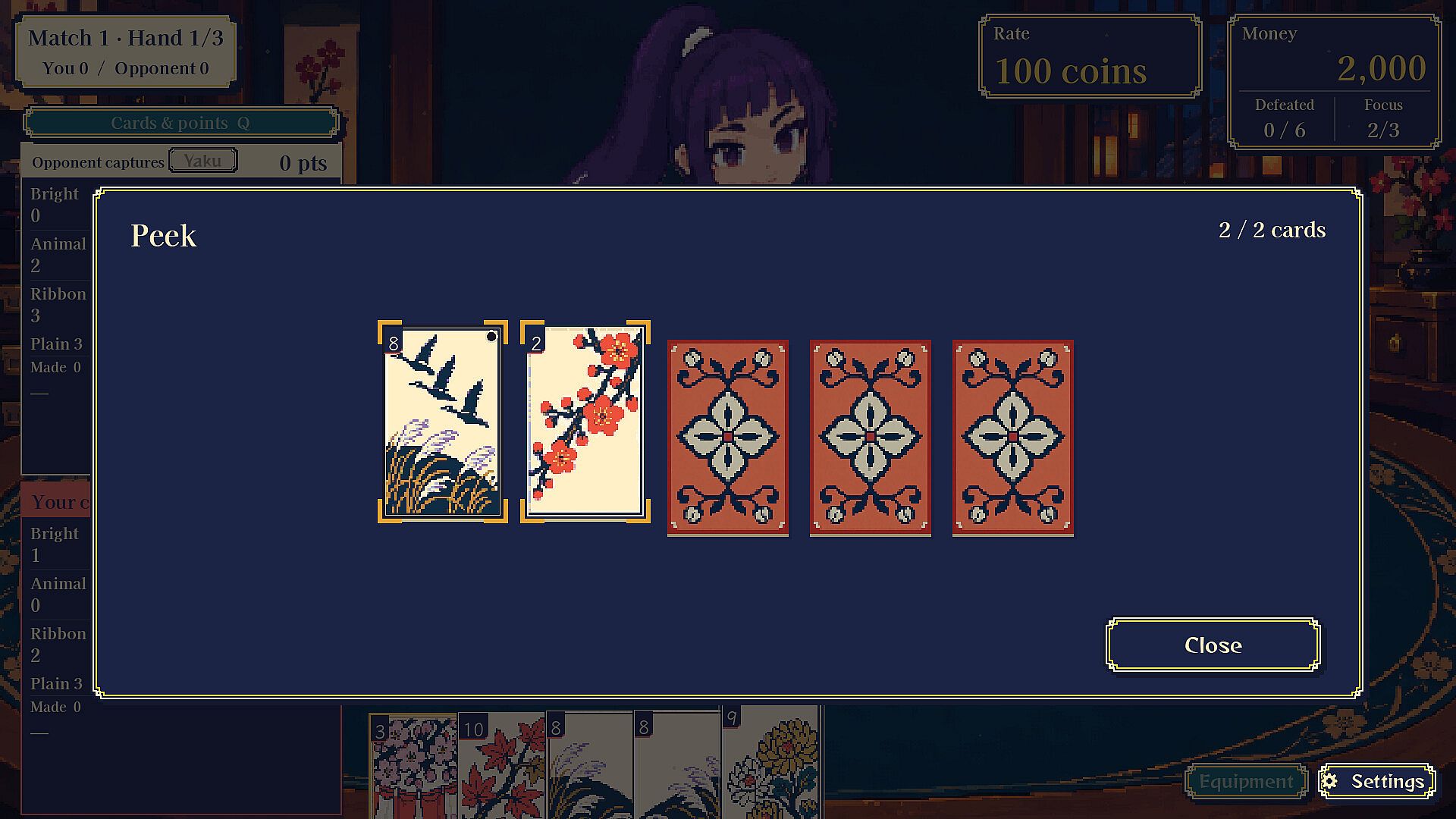
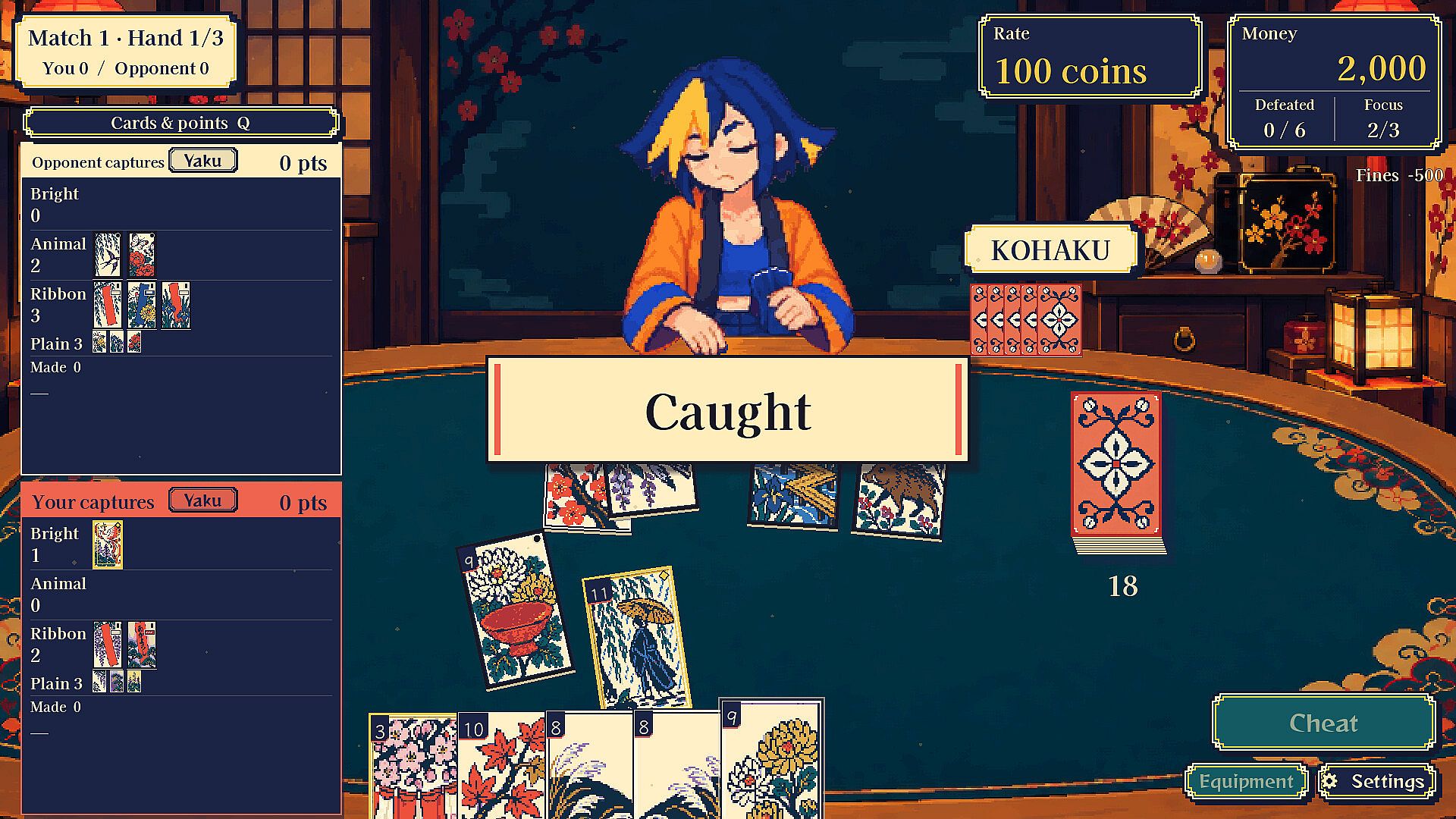
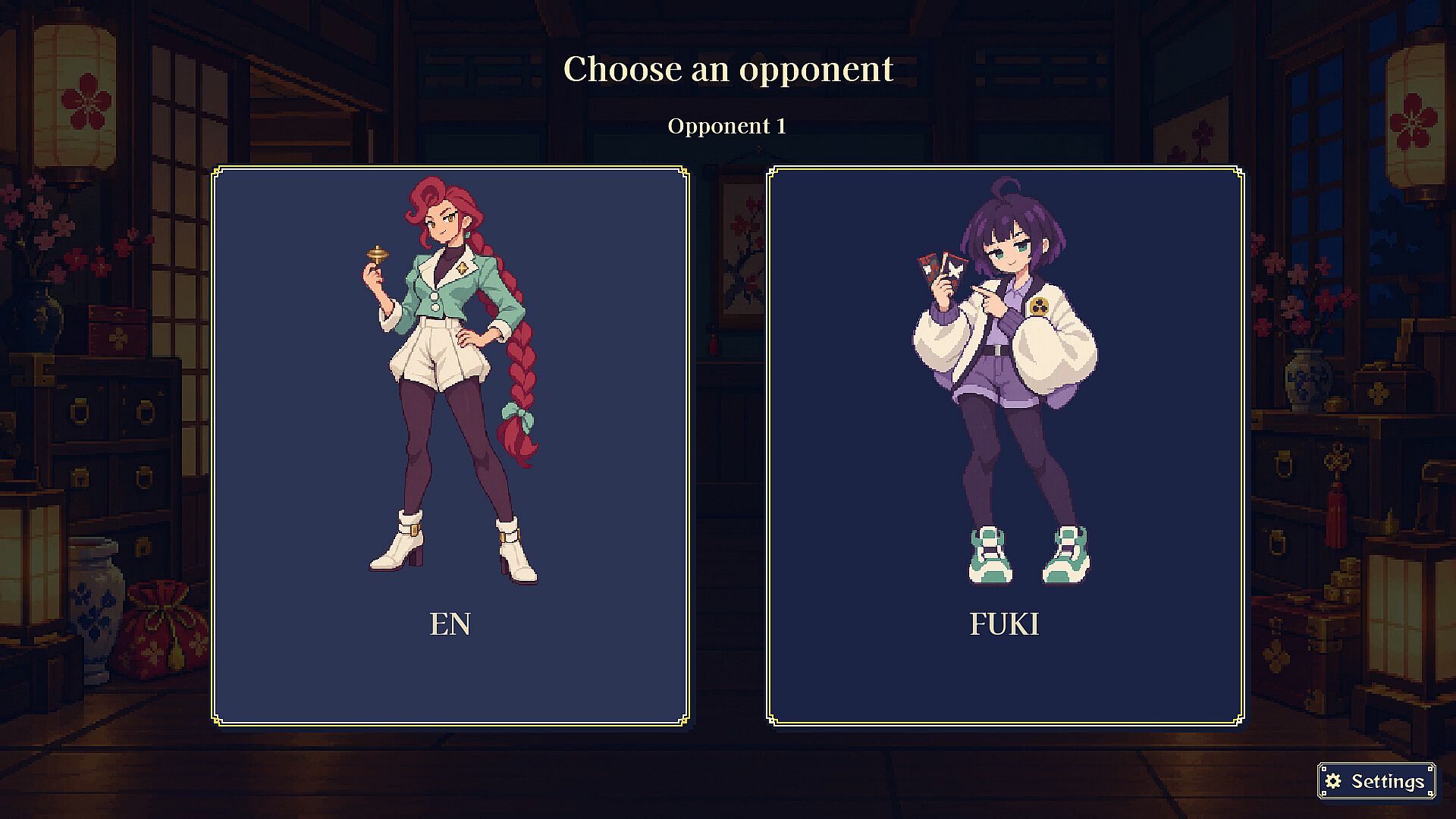
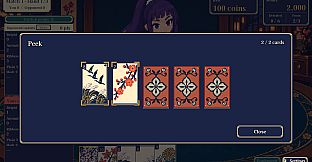
Cheating adds a layer of tension and strategy. Available tricks include peeking at hidden cards, swapping cards in hand, or observing opponent movements to time interventions. Opponents employ similar tactics, requiring constant attention to both the cards and facial cues. Getting caught results in a fine and temporary loss of that trick. Between matches, players choose the next opponent and set stakes that affect money flow after each round. Running out of money or losing a match ends the current run.
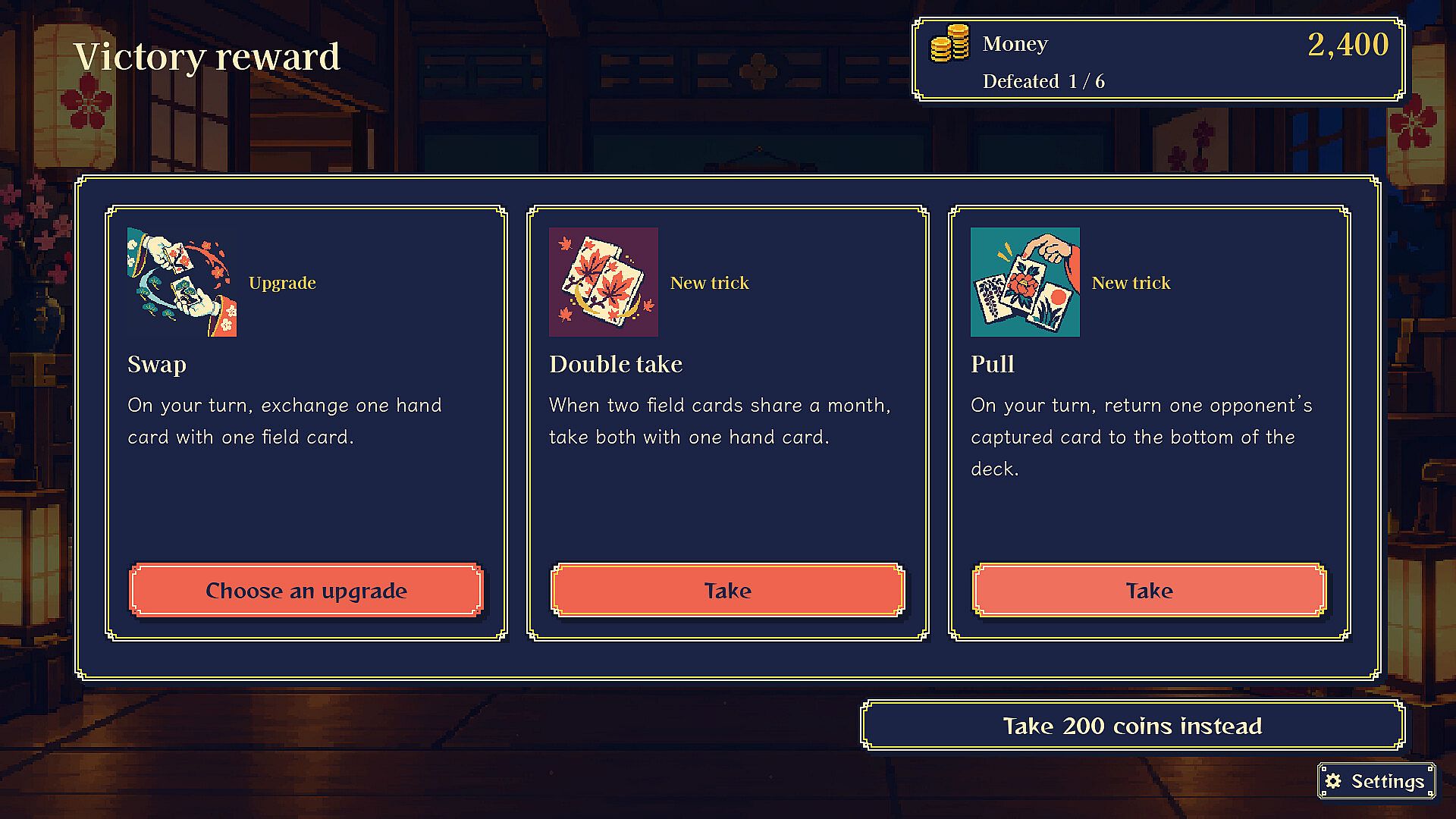
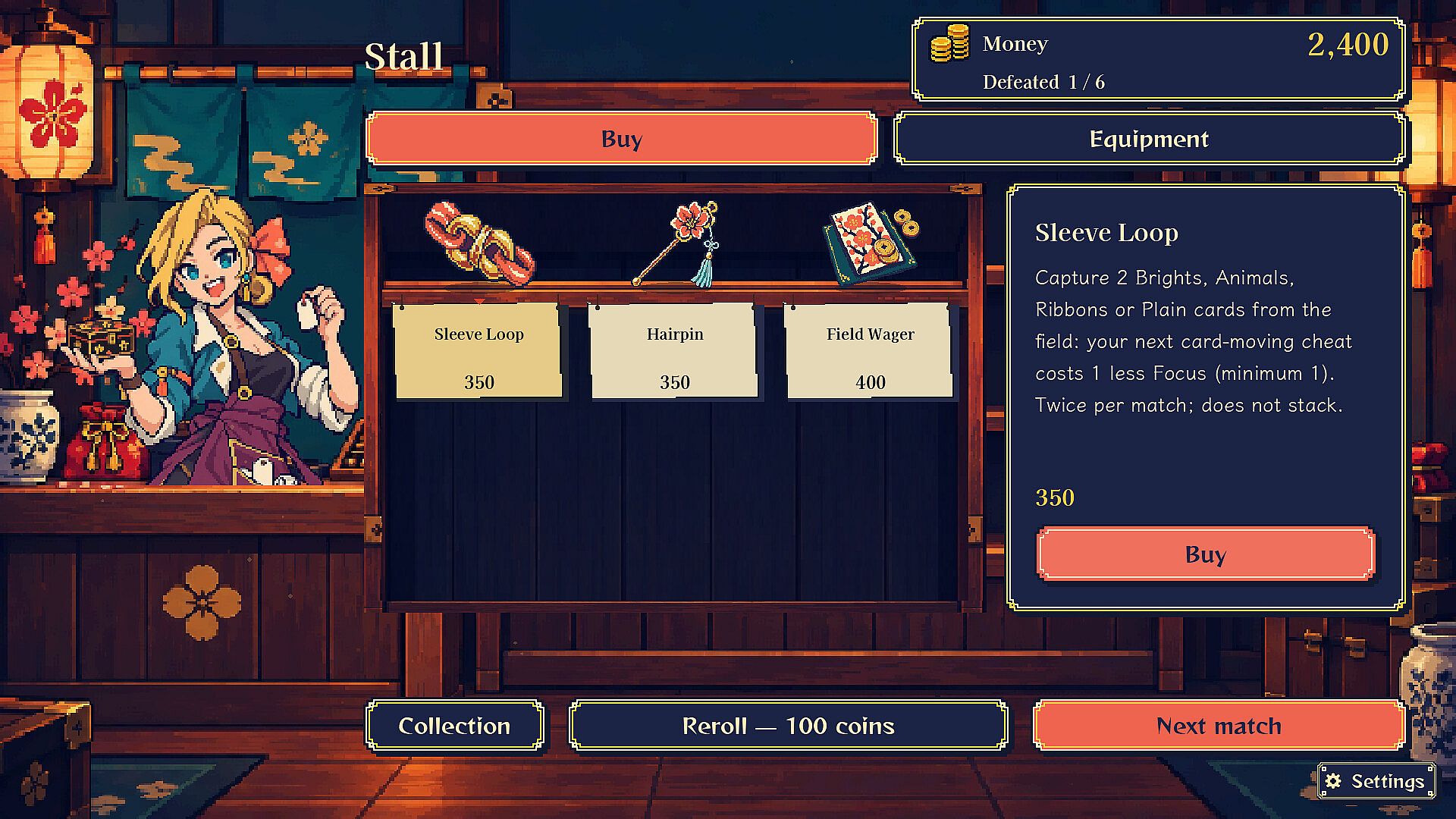
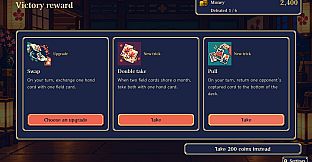
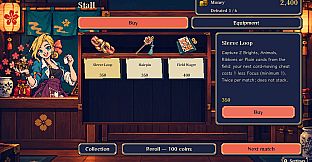
Tricks and tools form the roguelite backbone. Each run begins with a selection from random trick options. Victories between opponents grant new tricks or upgrades, with the option to skip for cash instead. A stall offers tools for purchase, limited by kit size, encouraging choices between information gathering, card manipulation, or defensive measures. Money spent on tools cannot carry forward, adding resource management depth.
Game Modes
The primary experience follows a structured progression through the den, with matches decided by cumulative points across rounds and tiebreakers. Runs emphasize short-term decisions within each table while building toward the final confrontation with Ririka. Progress carries across attempts through remaining money, collection records, and achievements.
Defeating opponents for the first time unlocks their secret tricks. The first victory against Ririka grants access to Endless mode, where players can continue indefinitely under altered rulesets. Higher dan levels introduce tougher opponents and modified conditions for greater challenge. A built-in how-to-play guide on the title screen covers hanafuda basics, including card taking and yaku formation, making the game approachable for newcomers.
Additional challenges modify core rules after the initial Ririka win, providing variety without altering the fundamental hanafuda structure. These modes test adaptability in reading opponents and managing limited resources over extended sessions.
Progression and Systems
Persistent elements reward repeated play. Collection records track yaku completions and other milestones that persist between runs. The wholesaler allows unlocking new tools, expanding inventory slots, or restocking the stall for future visits. This meta-progression supports experimentation with different trick combinations and tool loadouts across multiple attempts.
Stakes and fines directly influence post-round finances, tying every decision to long-term survival in the den. Players must balance aggressive play for bigger payouts against the risk of fines from detected cheats or failed koi-koi calls. The limited kit forces prioritization, whether focusing on offensive swaps, defensive peeks, or passive observation tools.
Is It Worth Playing?
Cheat Koi-Koi suits players who enjoy strategic card games with roguelite progression and elements of bluffing or hidden information. The hanafuda foundation provides a fresh ruleset compared to standard decks, while the cheating mechanics introduce unique tension absent from pure versions of the game. Single-player focus means no reliance on online opponents, and the English and Japanese support broadens accessibility.
Those drawn to risk assessment, opponent reading, and building adaptable loadouts will find repeated runs engaging through varied trick selections and escalating dan challenges. The game rewards careful observation and measured aggression without requiring prior hanafuda knowledge thanks to the integrated guide. For fans of indie strategy titles that layer modern mechanics onto traditional games, it delivers a focused experience centered on one core loop.