




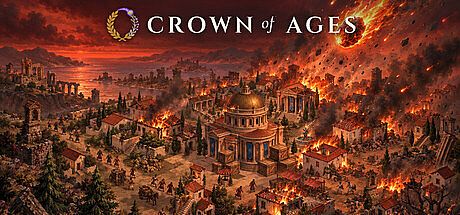


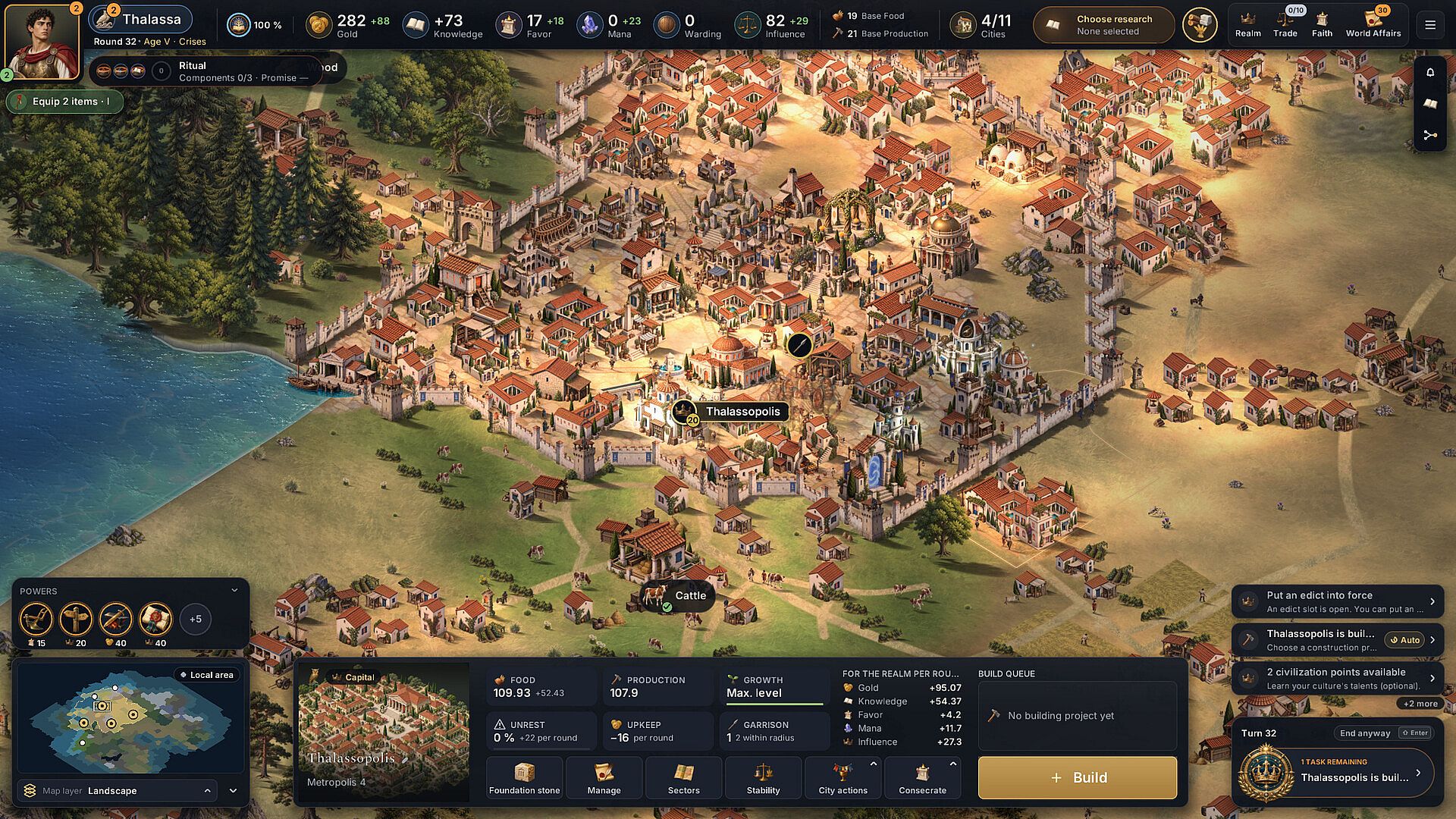
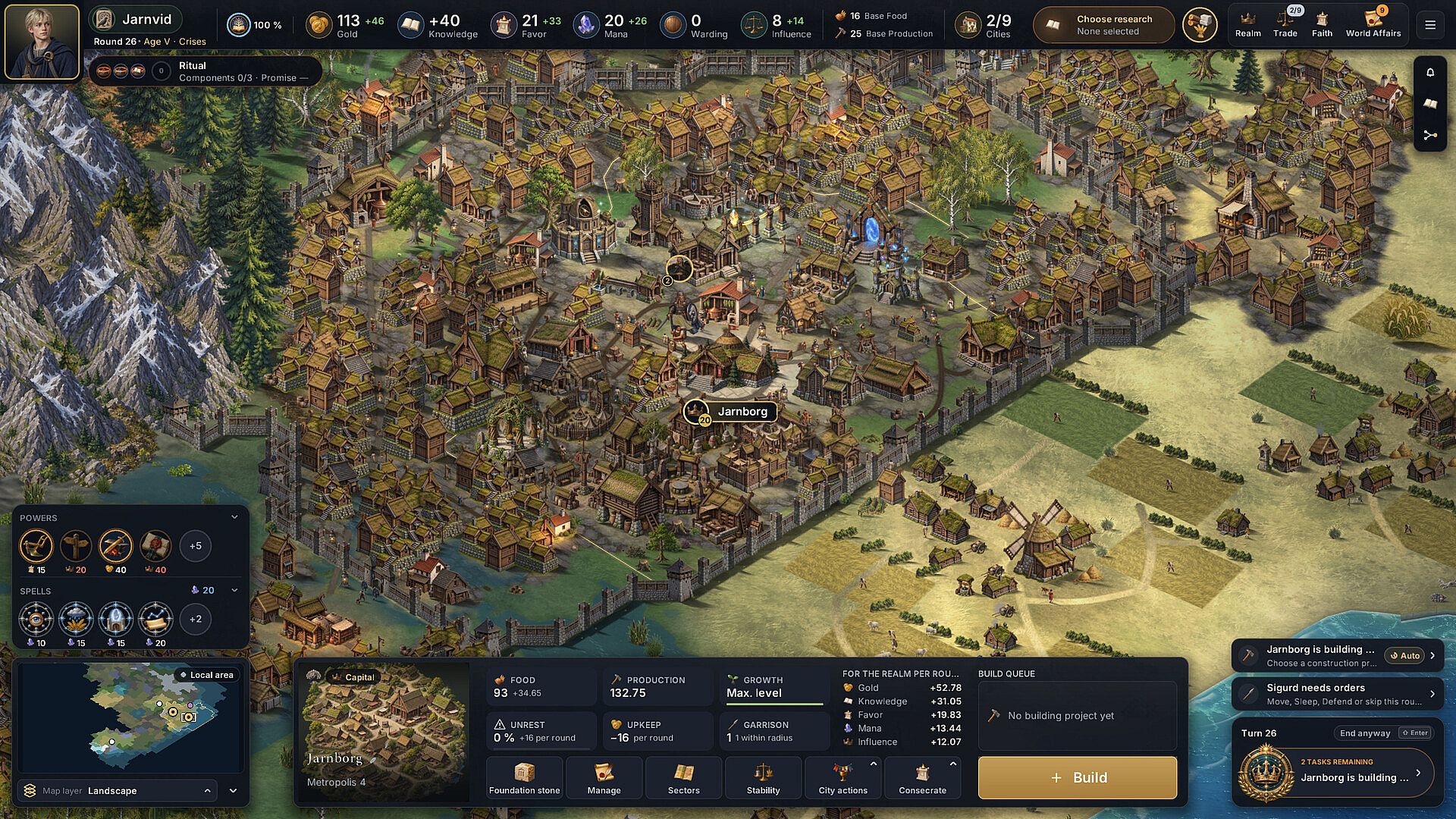
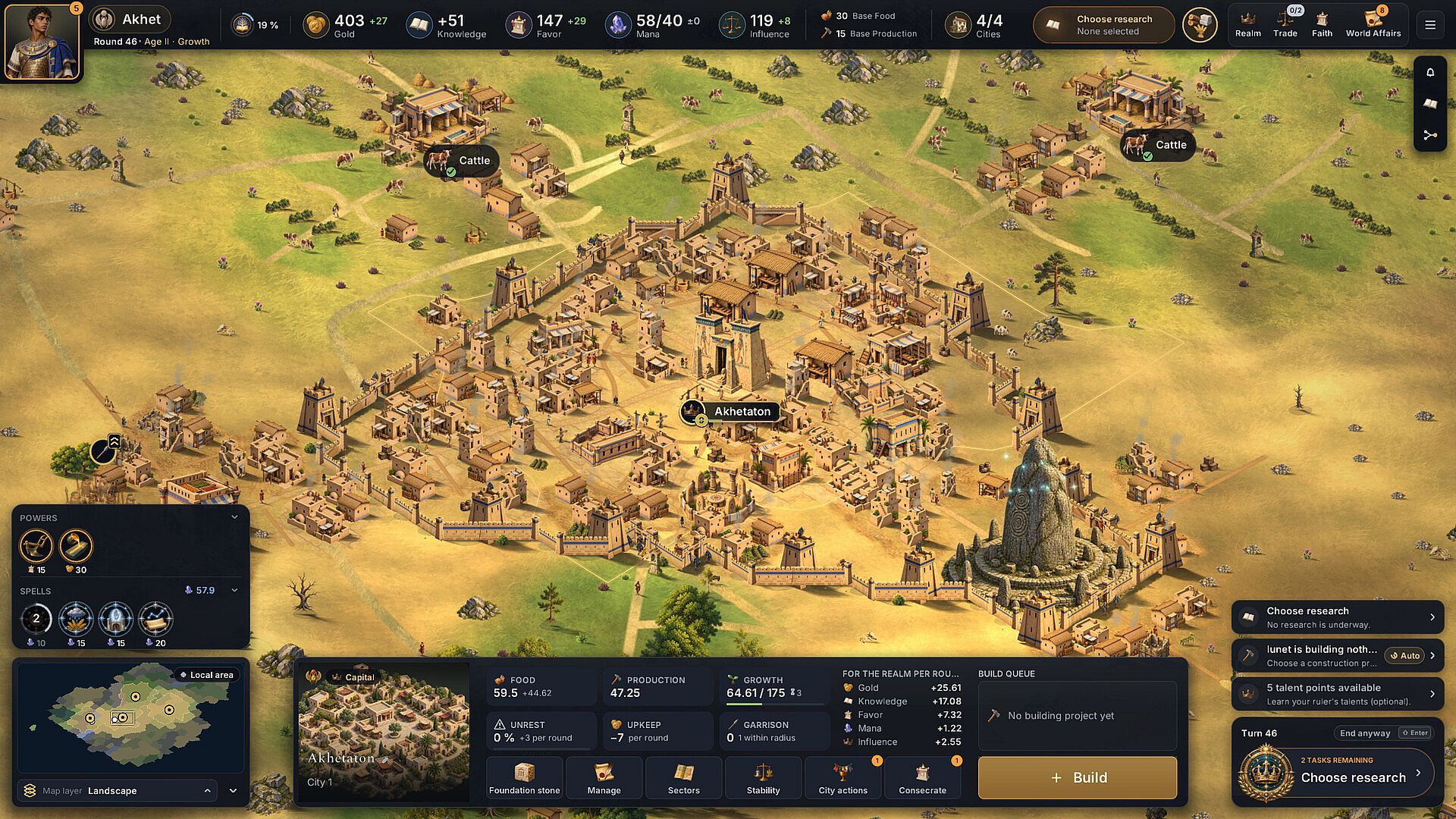
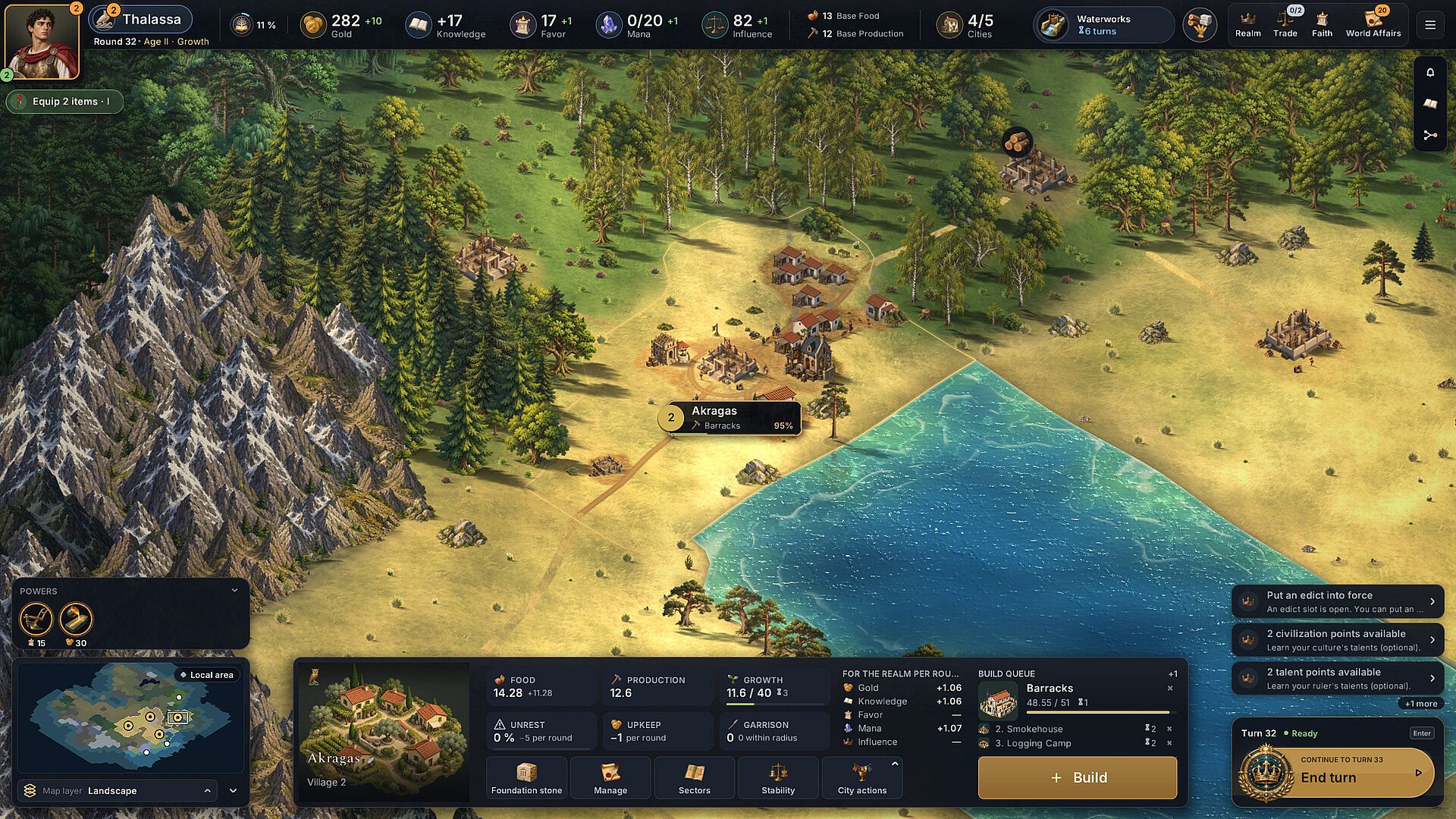
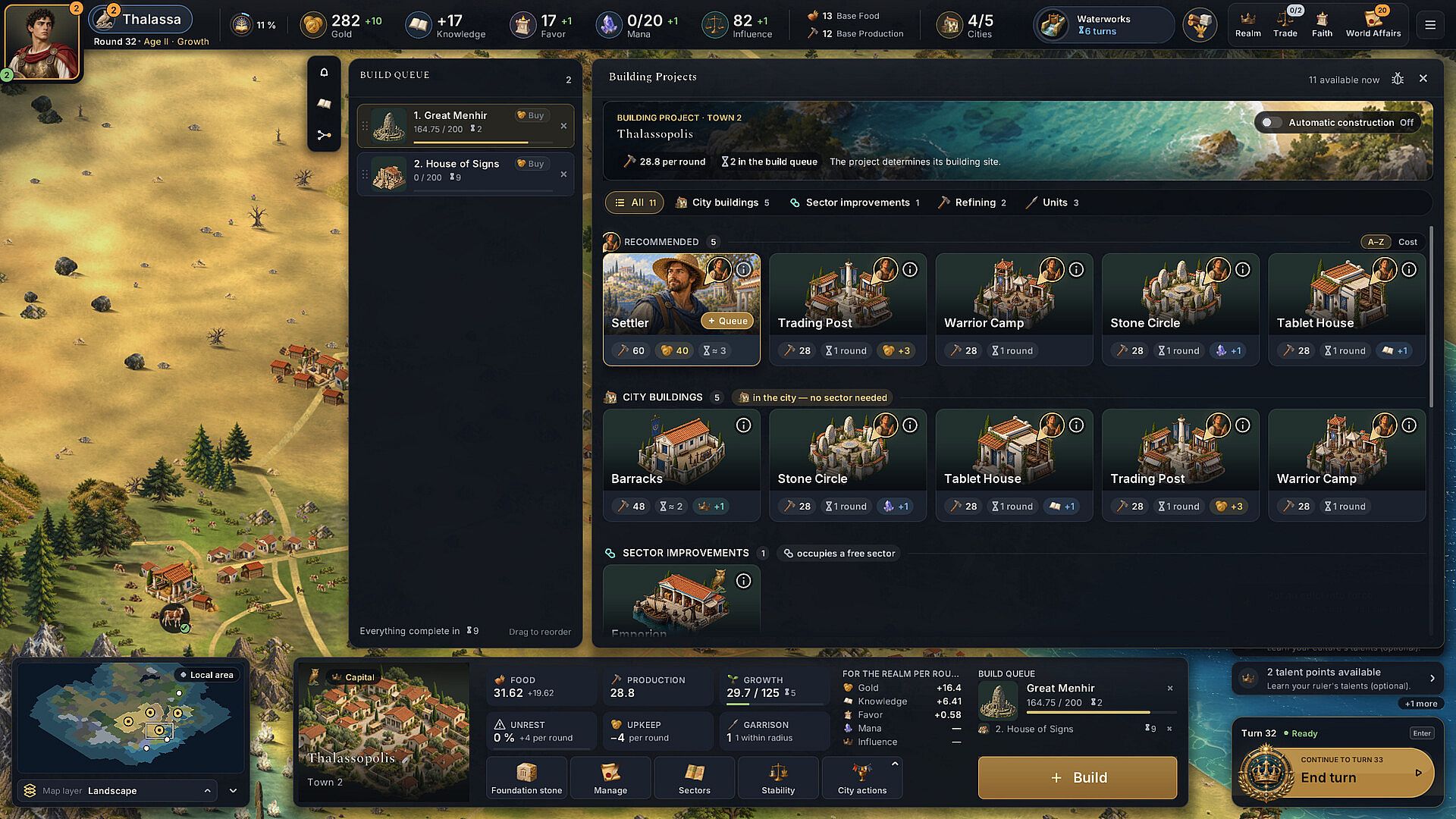
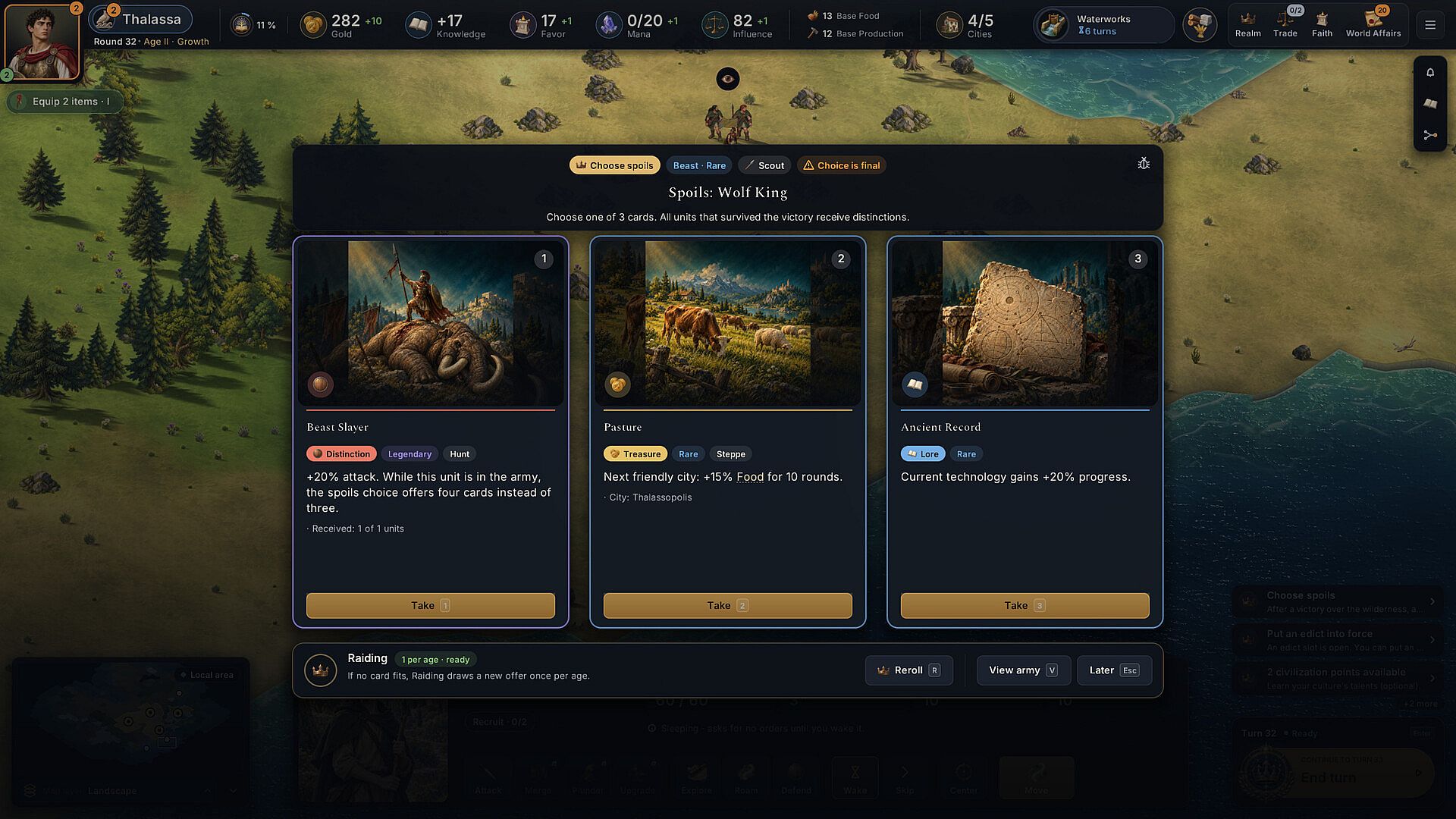
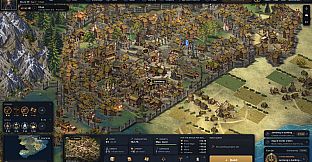
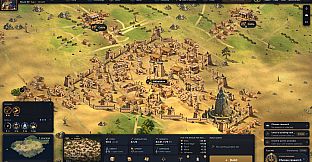
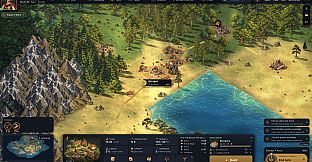
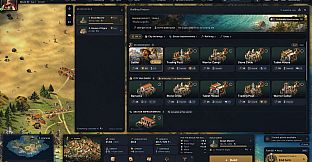
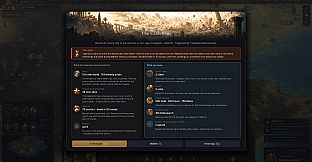
Crown of Ages is a turn-based 4X strategy game set in a hand-painted ancient fantasy world. Players lead one of three civilizations through seven ages of expansion, research, and conflict on a map divided into organic sectors rather than a grid. Each sector features unique terrain, limited deposits, and buildings that integrate directly into the landscape to form living scenes.
Gameplay
The core loop centers on exploration, city founding, and empire development across distinct ages. Players select from three civilizations at the start: Thalassa draws from Greek and Roman influences with emphasis on administration, influence, research through councils and academies, and phalanx units for territorial control. Akhet reflects ancient Egyptian roots, favoring river-based city growth, monuments, faith systems, and advantages in wonder construction. Jarnvid takes inspiration from Norse cultures, prioritizing scouting, ruin exploration, raids for wealth, berserker units, and longship capabilities.
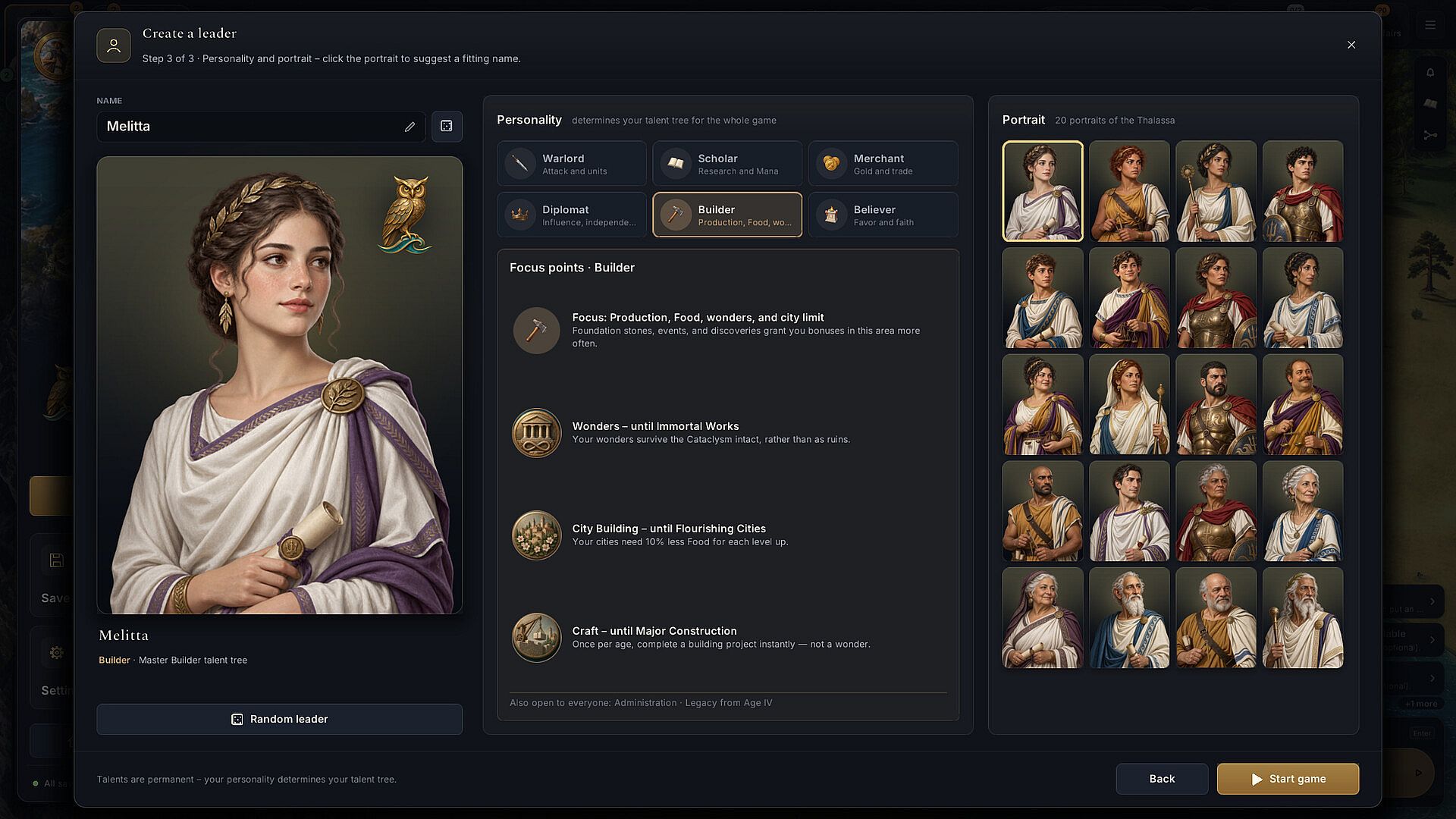
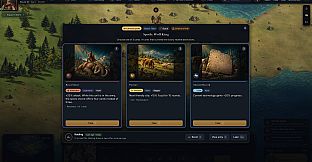
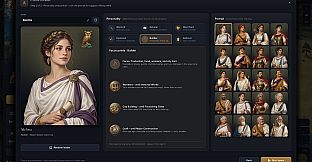
Ruler selection adds another layer of customization. Options include Warlord, Scholar, Merchant, Diplomat, Builder, or Believer, each with a dedicated talent tree that influences event likelihood and discovery types. Cities gain permanent foundation stones at each rank increase, chosen from three options that lock in strengths such as growth, production, or knowledge contribution. These choices compound across runs in a roguelite manner.
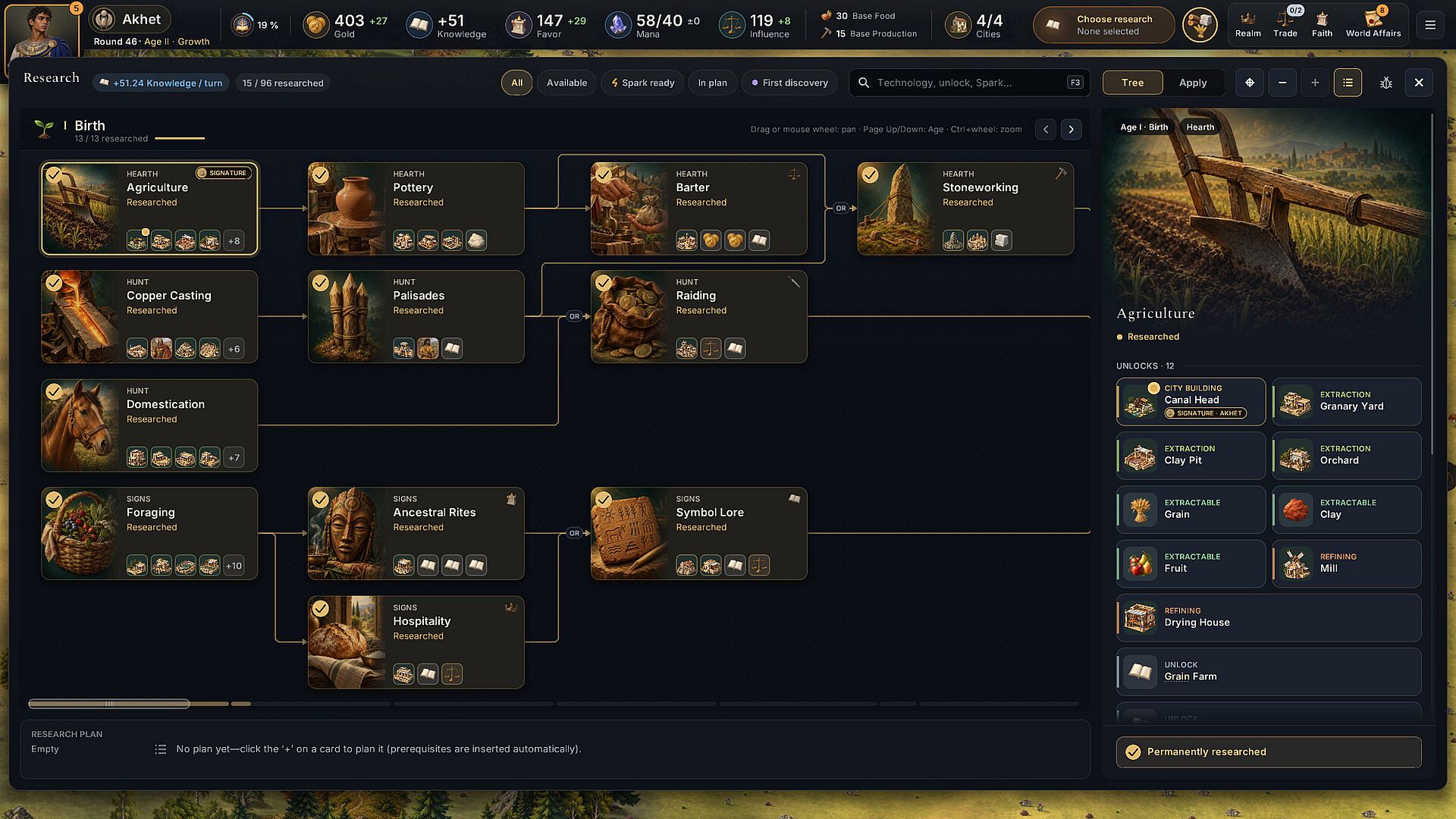
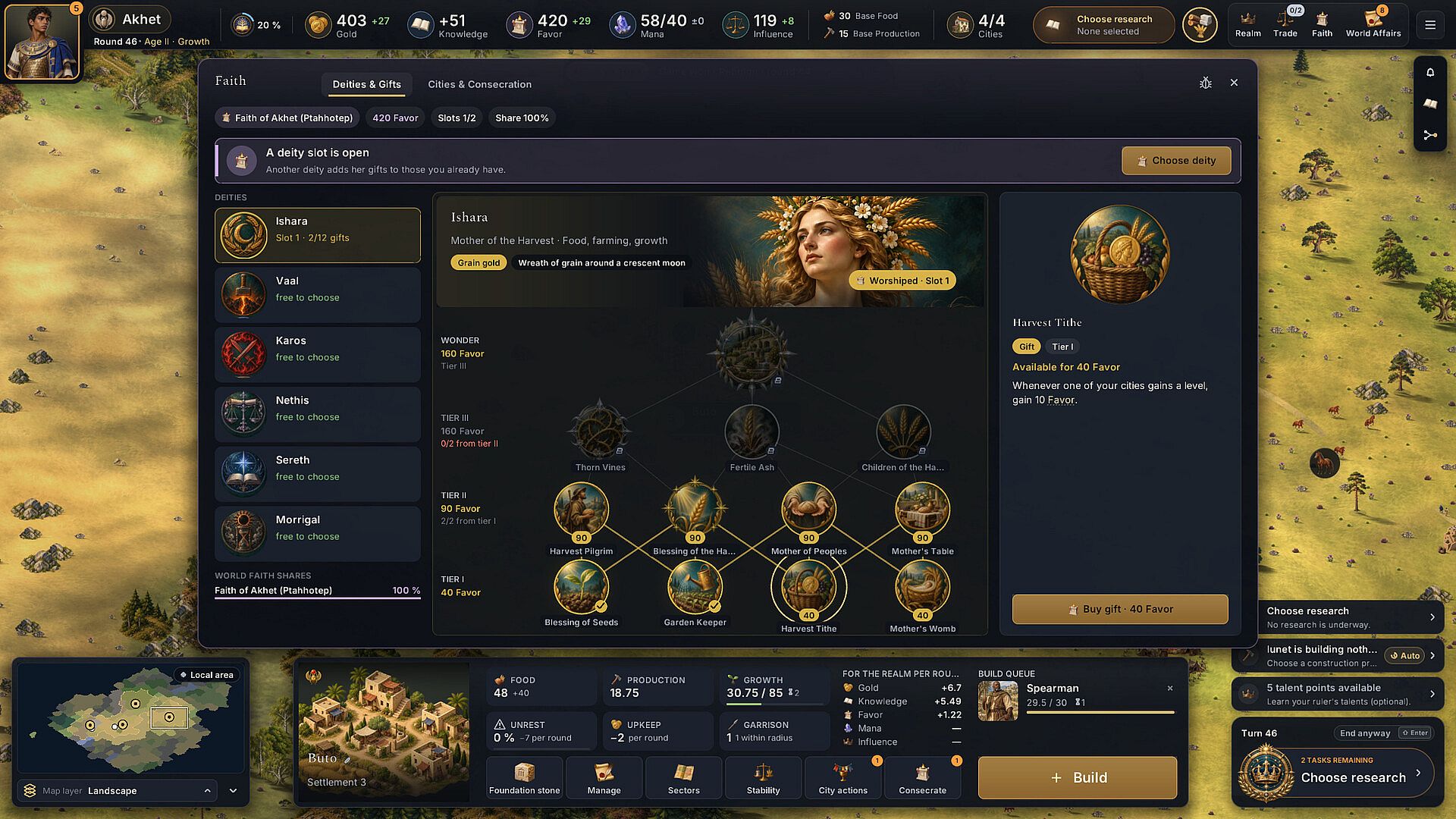
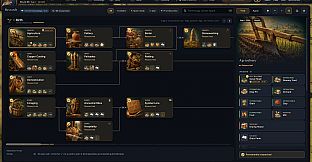
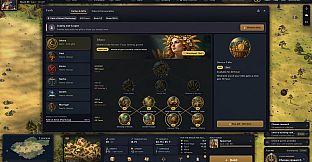
Empire management involves an open research tree available from the beginning, production chains tied to resource deposits, ruler equipment, divine favor, spells affecting economy or combat, and interactions with independent factions. Location on the organic map matters for tapping deposits and routing supplies. Victory paths include knowledge accumulation, religious dominance, trade networks, diplomatic alliances, wonder construction, or military conquest.
Game Modes
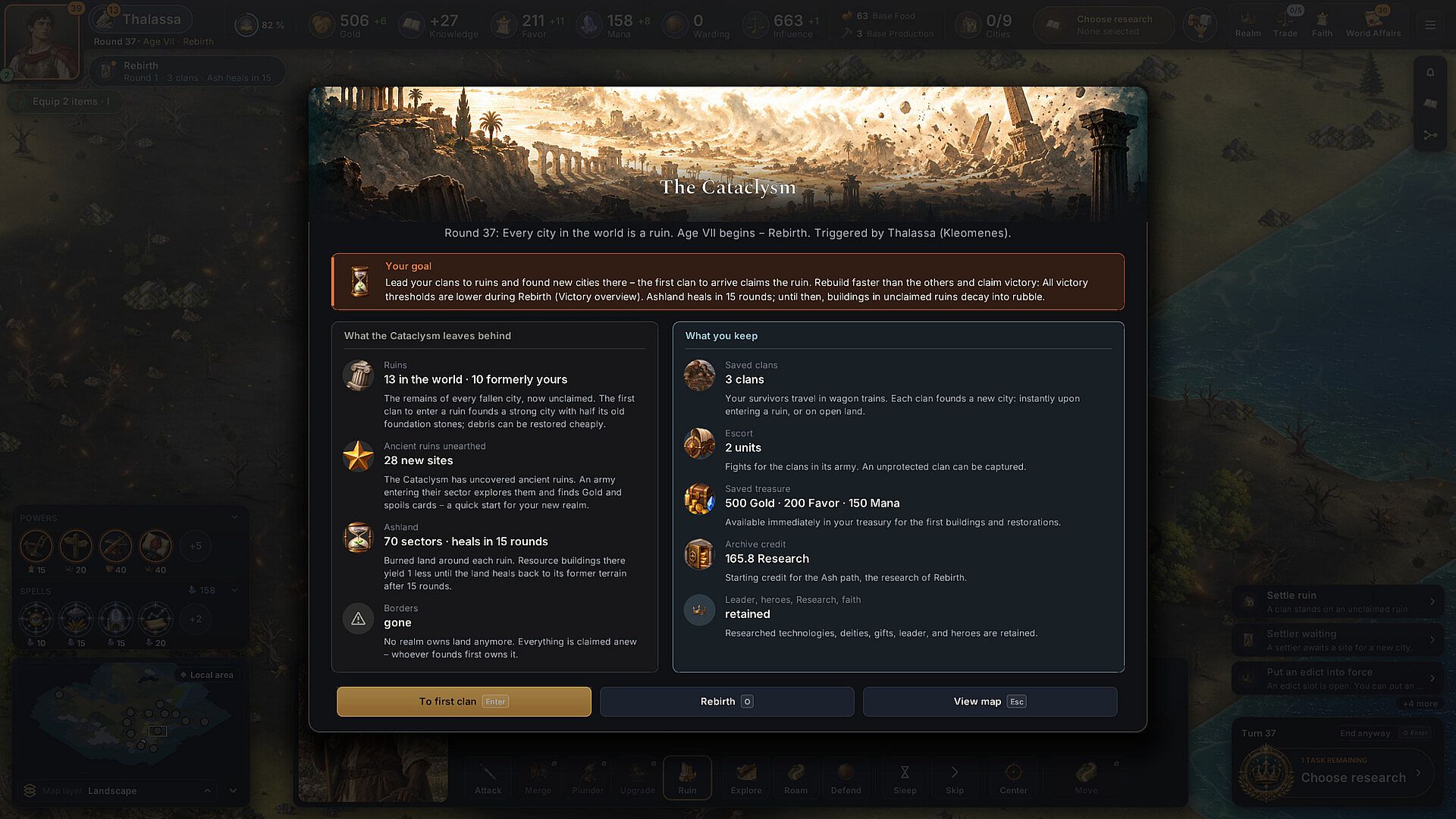
Standard play proceeds through the seven ages toward one of several victory conditions. A distinct Rebirth option allows players to trigger an apocalypse ritual that resets the world while preserving elements of prior progress. Survivors inherit foundation stones from ruins, salvage materials, or carry over knowledge archives and arks built in preparation. This continues the campaign in the same world with altered starting conditions based on earlier decisions.
Multiplayer support includes online and LAN options alongside the primary single-player experience. No additional named modes appear in current details beyond these core structures and the rebirth continuation.
Civilizations and Strategic Depth
Each civilization alters map priorities and growth patterns. Thalassa players pursue wide influence and research synergies. Akhet emphasizes fertile zones and enduring monuments. Jarnvid favors mobile scouting and opportunistic raids. The open research system lets players prioritize supply improvements, new units, or age advancement based on immediate needs and long-term plans. Production chains emerge from deposits and workshops, while spells and faction diplomacy provide flexible tools for economic or military edges.
Foundation stone selections create lasting city identities that interact with later choices, encouraging different specializations in every session. Resource location drives expansion decisions, as missing goods push toward trade or new settlements while new deposits unlock unit options.
Is It Worth Playing?
Crown of Ages targets fans of deliberate 4X strategy who value map variety without hex constraints and persistent world changes through rebirth mechanics. The three civilizations and ruler archetypes support distinct playstyles within the same systems. Preparation for the apocalypse adds a high-stakes planning element that carries forward into subsequent play. With a planned release in Q1 2027 and no reviews available yet, the game suits those drawn to its described organic world and layered city progression rather than immediate multiplayer focus. Players seeking traditional grid-based 4X or faster-paced titles may prefer established alternatives until more details emerge.











