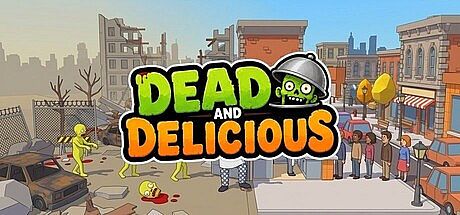


Dead & Delicious is a first-person co-op simulation game set in a burger joint during a zombie outbreak. Players handle orders at the counter while fending off the undead at the back door, turning the remains into fresh patties for customers who remain unaware of the source. Developed as an indie title for PC, the experience emphasizes chaotic multitasking in a stylized, cartoonish world where physics and dark humor drive the action.
Gameplay
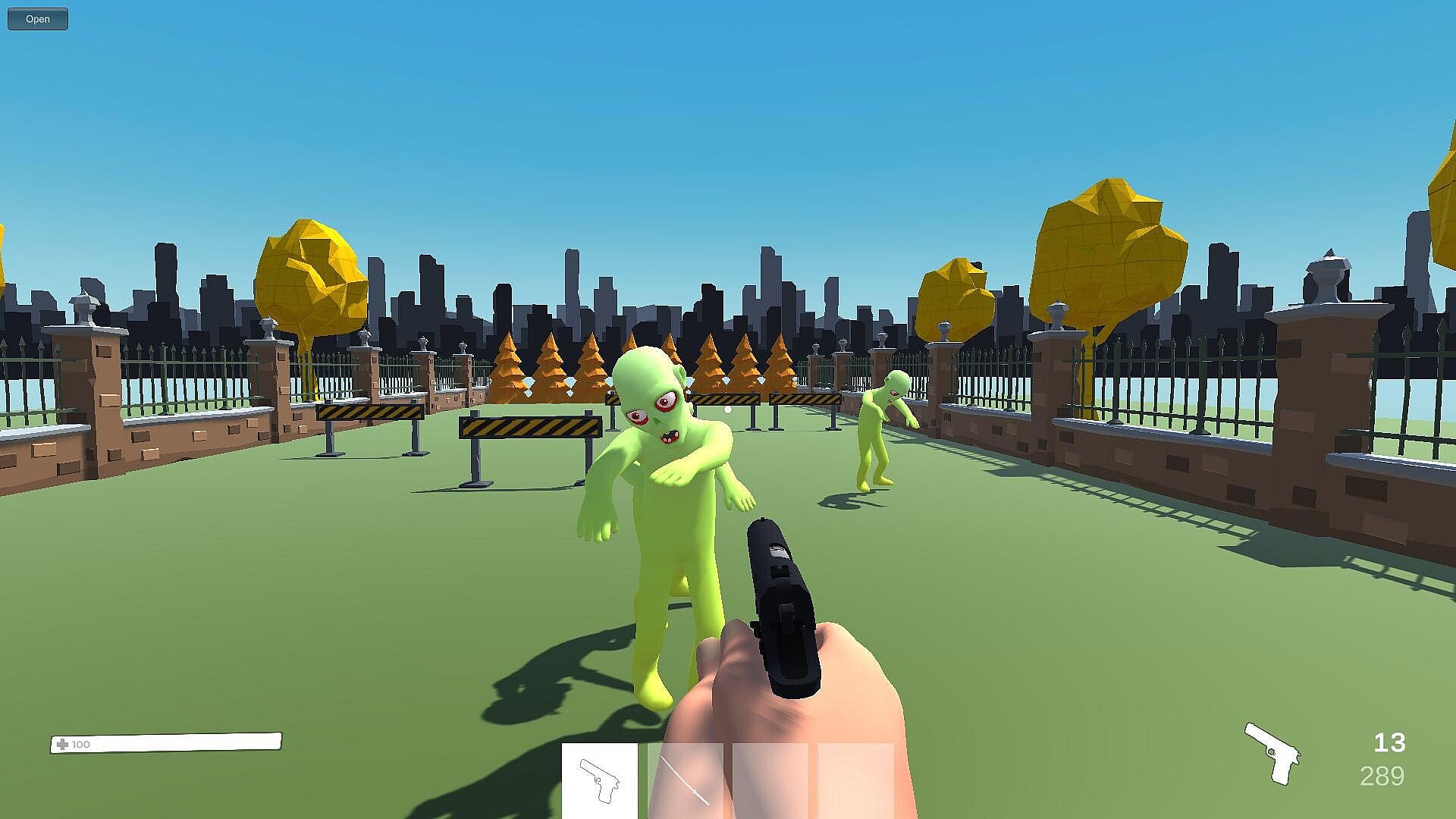
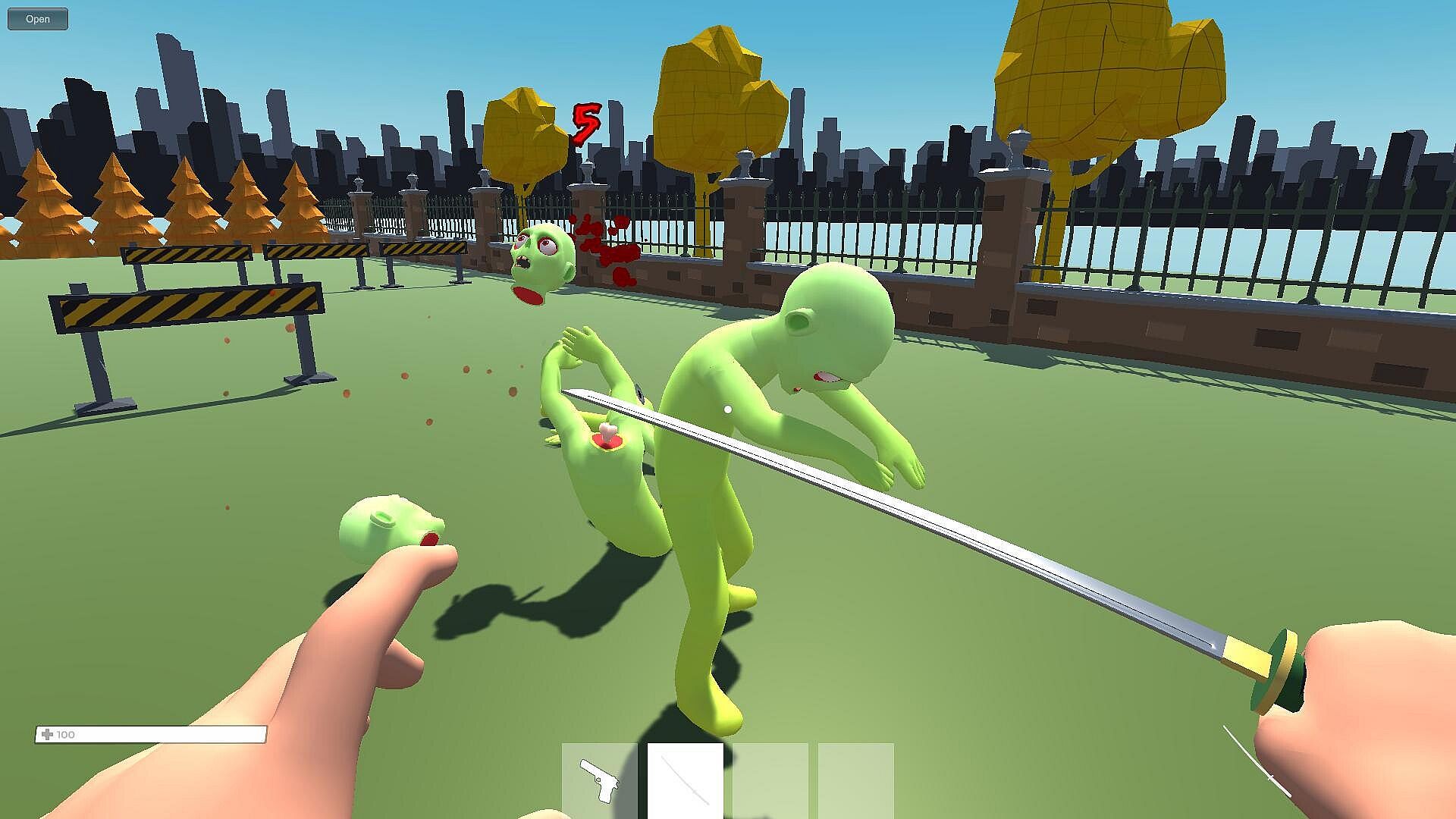
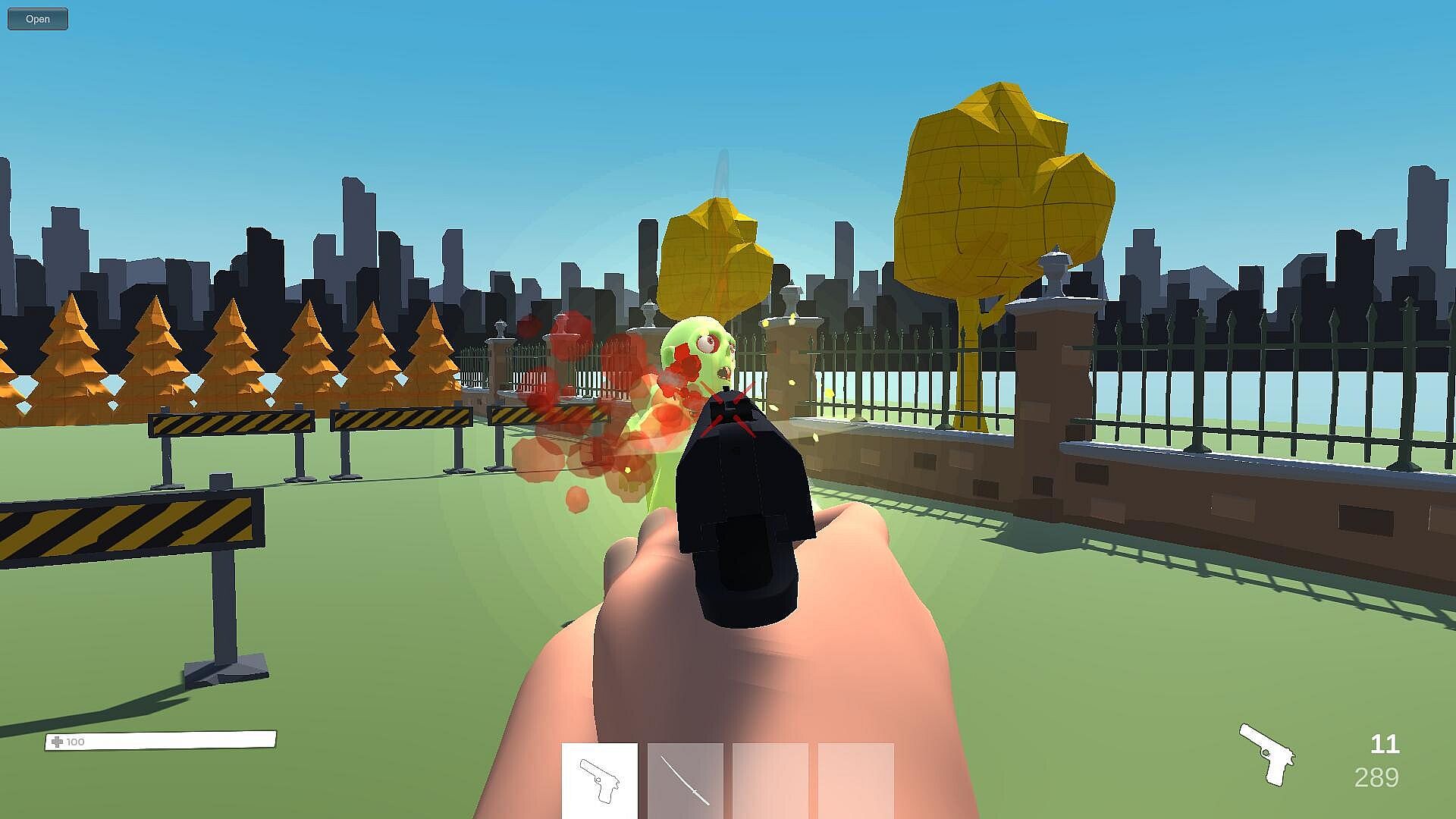
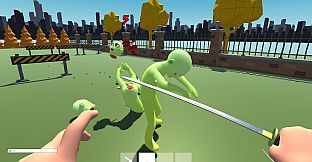
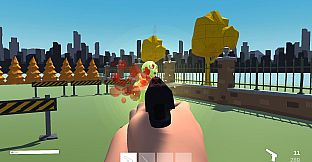
The core loop revolves around balancing service and survival in a single location. Customers arrive demanding burgers while zombies approach from outside, requiring immediate attention to both threats. Weapons include pistols, shotguns, and katanas for close-range combat, with location-based dismemberment allowing players to sever heads, arms, or legs depending on hit placement. Dismembered zombies continue moving toward the player in some cases, adding to the mess.
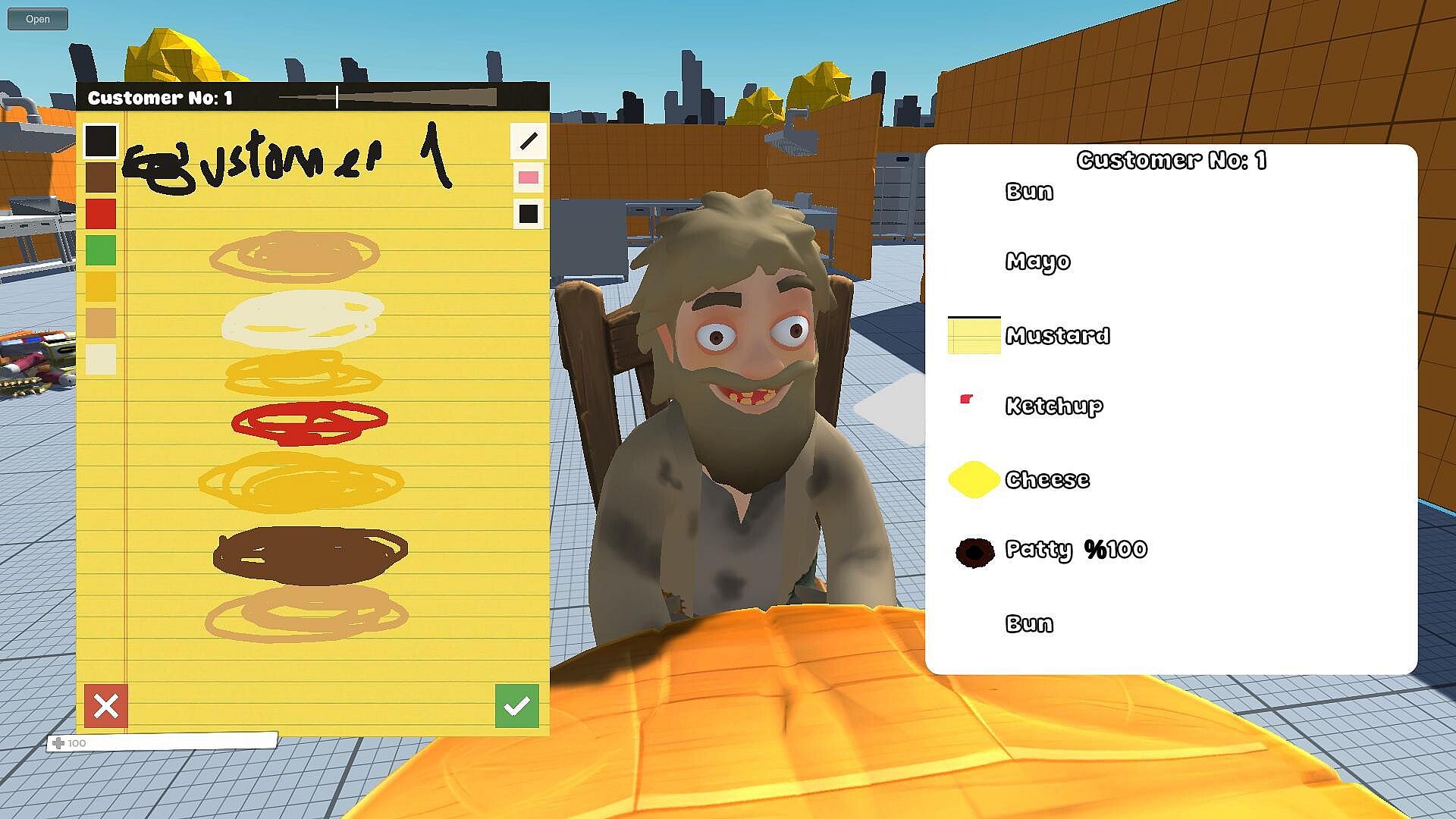
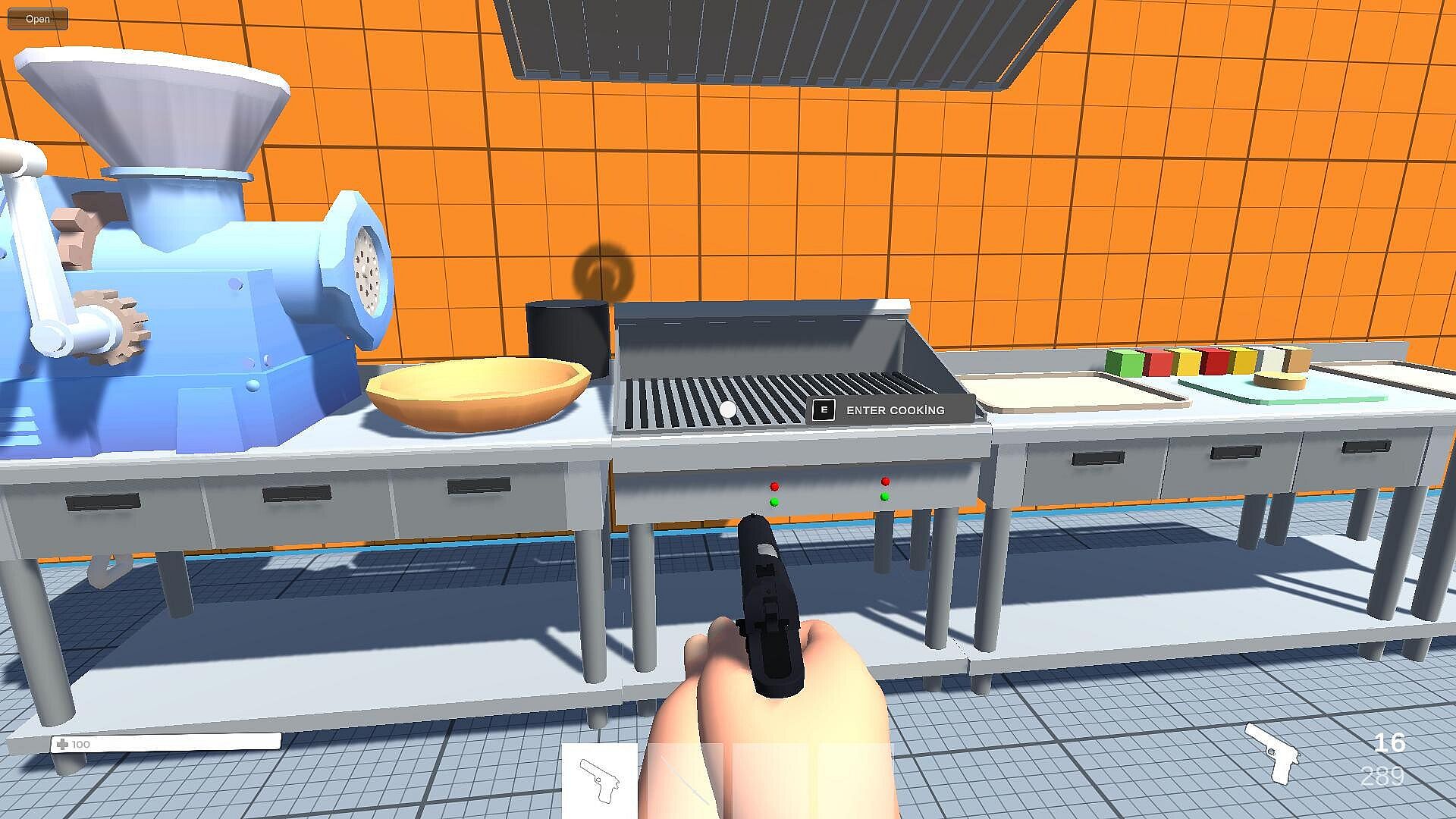
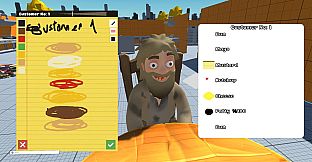
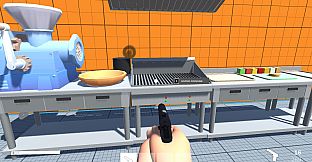
Body parts must be hauled inside for processing through a meat grinder to form patties, which are then cooked on the grill and assembled into orders. The pipeline demands coordination, as one player might manage the register while another grinds meat or defends the entrance. Ragdoll physics affect characters, zombies, and objects alike, leading to unpredictable falls and collisions during hectic moments. Upgrades purchased with earnings improve weapons, shop layout, and equipment to ease subsequent shifts.
Stylized visuals keep the tone light and unserious despite the gore, with exaggerated animations and colorful presentation. No classes or roles restrict actions, so any participant can switch between cooking, shooting, or serving as needed.
Game Modes
Play supports one to four participants through solo sessions or online co-op. In solo mode, a single player manages the full counter and defense duties simultaneously. With friends, the group divides tasks organically without forced assignments, allowing flexible approaches to each shift. The setup focuses on repeated runs where success depends on adapting to simultaneous customer and zombie waves in the same space.
No separate competitive or story-driven modes appear in the available details. The emphasis stays on the shared restaurant environment, where teamwork emerges from necessity rather than predefined structures. Sessions build around surviving waves while fulfilling orders, with progression tied to earnings spent on shop improvements.
Core Mechanics and Progression
Progression comes through repeated shifts that yield money for upgrades. Better gear reduces the difficulty of holding the back door, while shop expansions create more efficient workflows for grinding, cooking, and serving. The meat pipeline remains central, requiring players to collect pieces, operate the grinder, form patties, grill them correctly, and deliver complete burgers.
Physics interactions extend to every element, from wobbling player movement during runs to objects knocked around by teammates. This creates emergent moments where a misplaced item or ragdolling zombie disrupts an order. The absence of rigid roles encourages experimentation, as players discover effective pairings of weapons and tasks on the fly.
Is It Worth Playing?
Dead & Delicious targets players who enjoy chaotic co-op simulations that blend cooking management with action elements. The premise of running a business amid constant threats suits those comfortable with multitasking under pressure and laughing at the resulting disorder. With support for solo or small-group online sessions and no role restrictions, it appeals to groups seeking lighthearted, physics-driven experiences rather than structured campaigns.
The game remains in development with a planned release in Q4 2026 and currently lacks user reviews or completed updates. Its stylized approach to violence and premise as dark comedy may attract fans of indie titles that prioritize humor and improvisation over realism. Those drawn to the combination of burger assembly and zombie defense in a shared space will find the verified systems align closely with that interest, though the final experience depends on post-launch refinements.