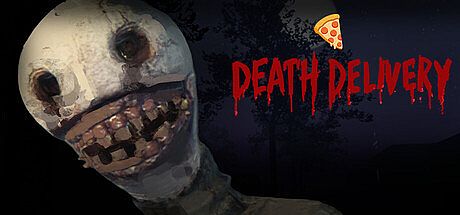


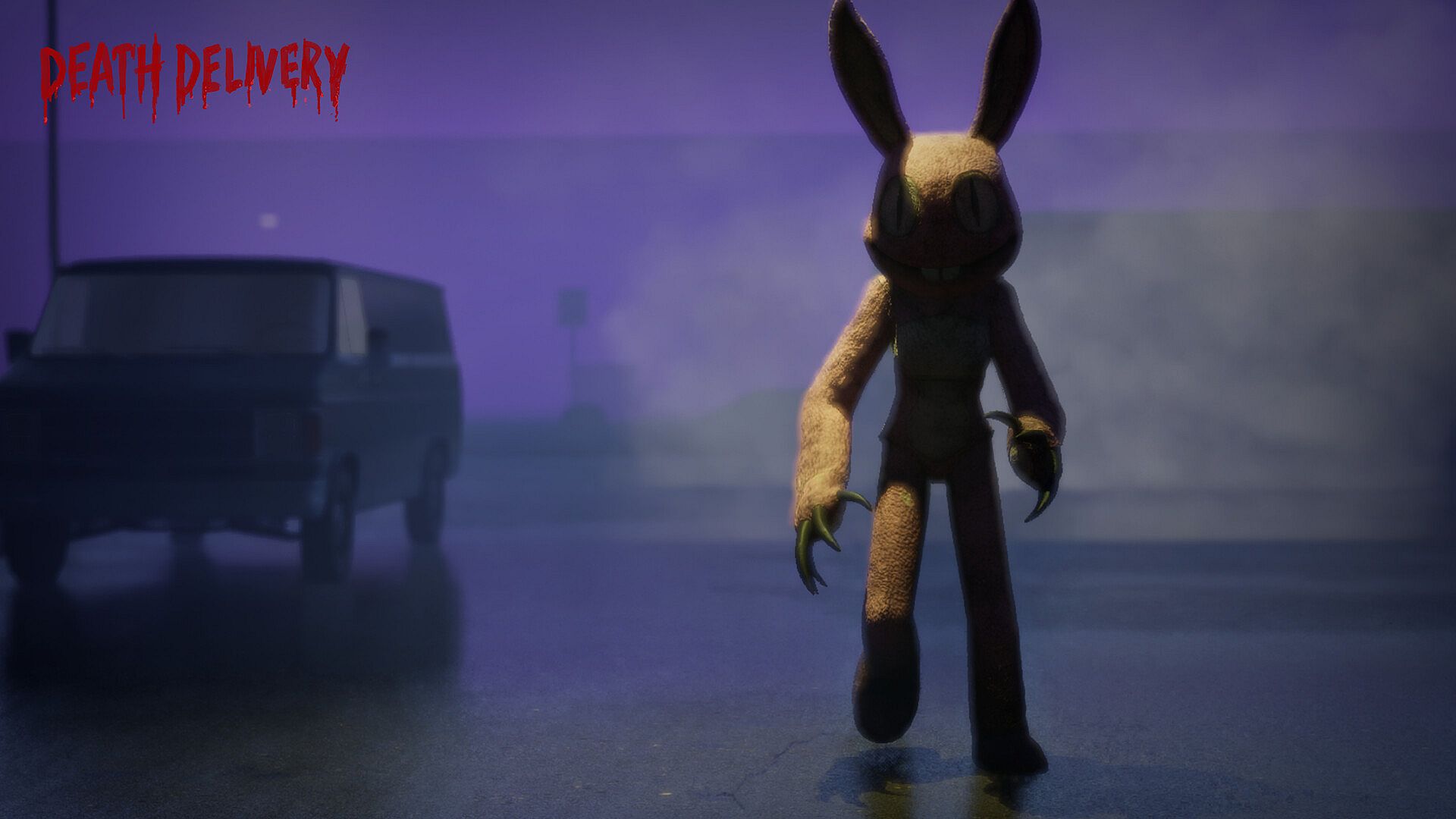

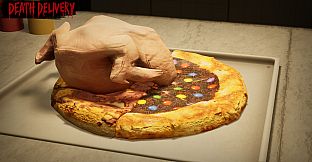

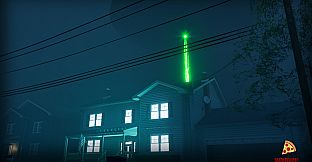
Death Delivery is an indie horror game in early access on PC that blends pizza delivery with tense survival elements. Players take on the role of a delivery driver navigating routes while evading a relentless killer who can appear at any moment. The experience emphasizes quick thinking, tool use, and careful investigation amid the pressure of timely deliveries.
Gameplay
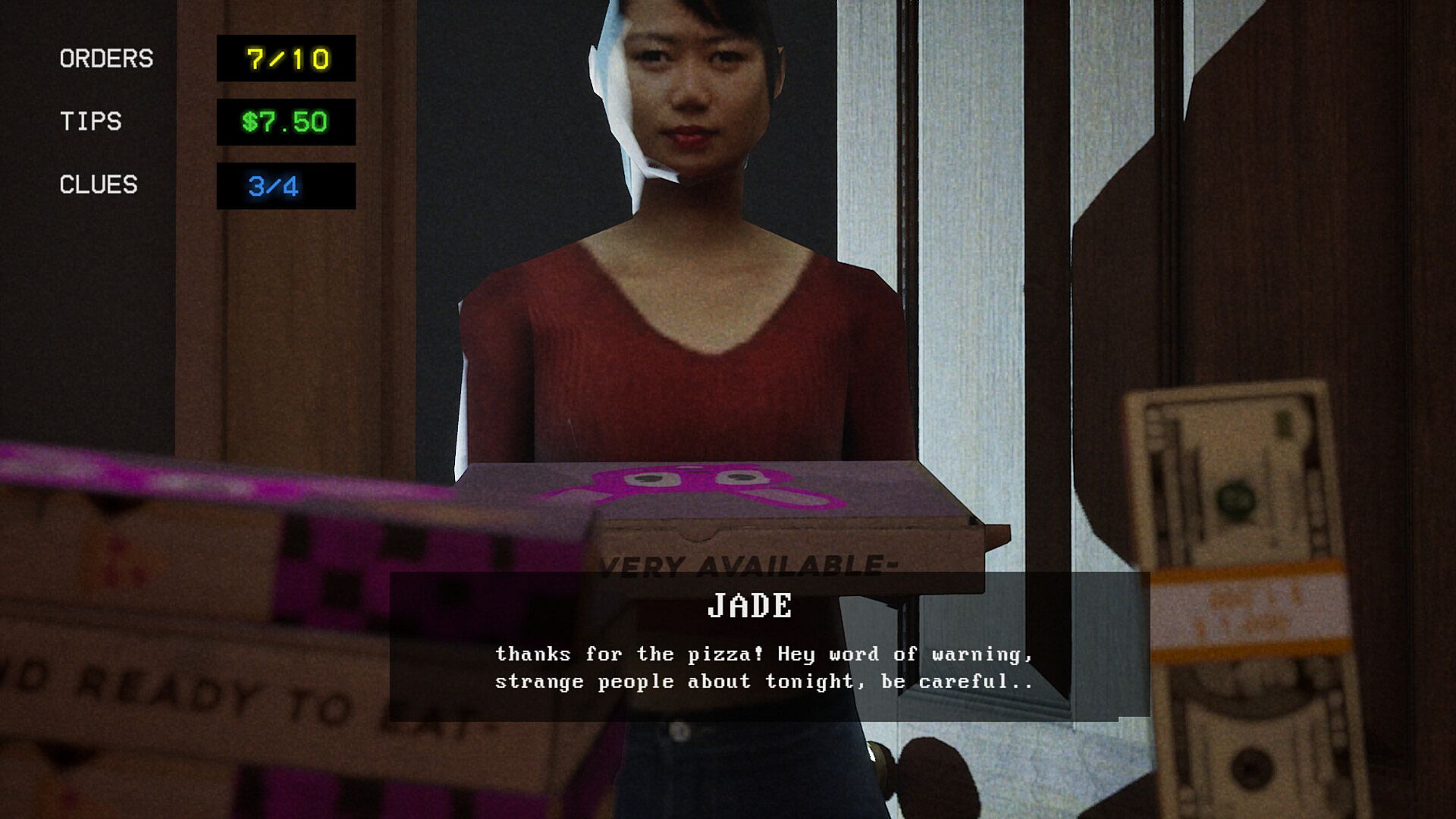
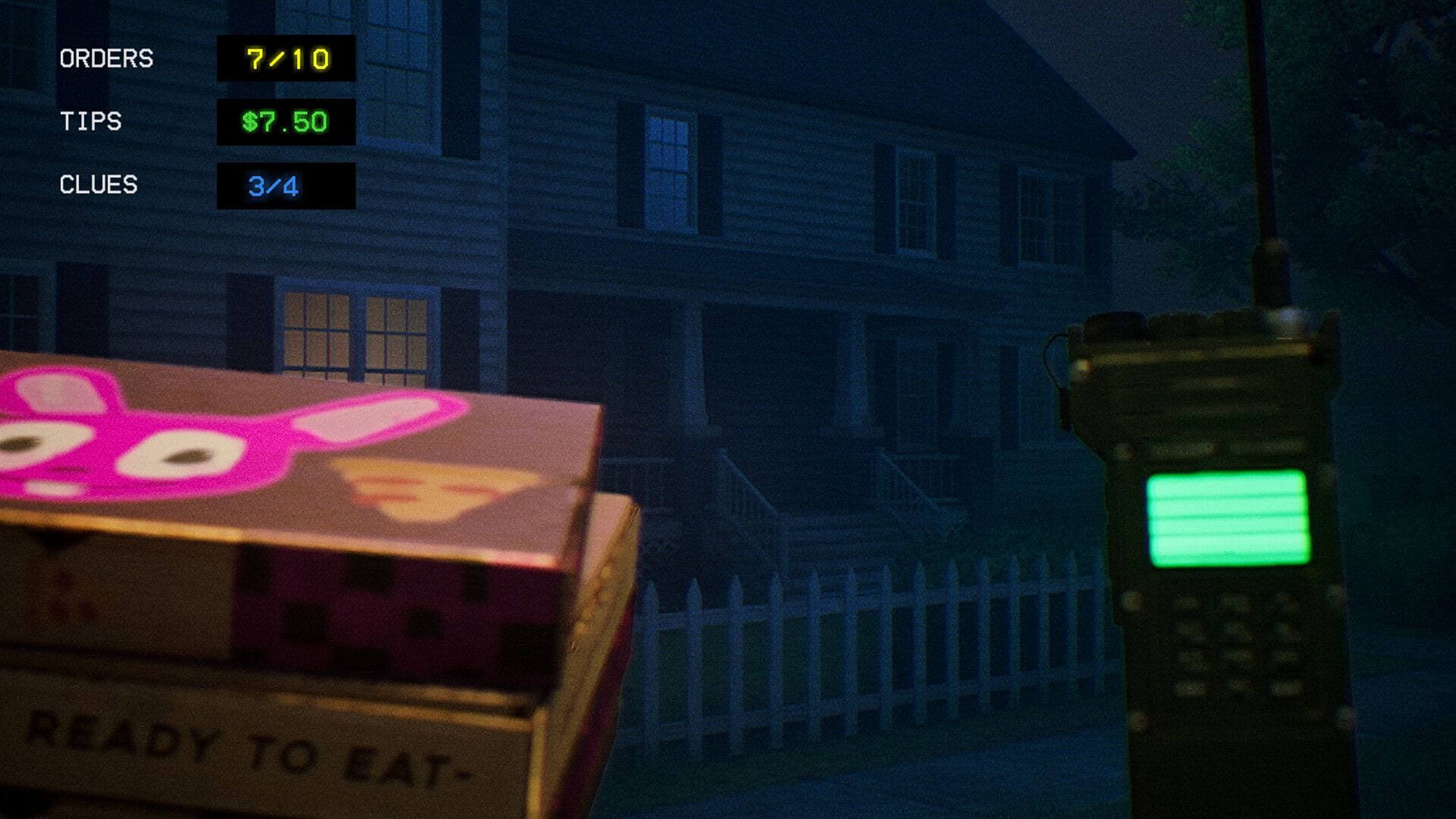
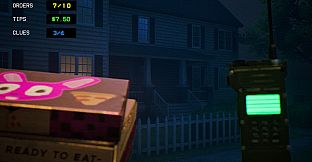
The core loop centers on completing pizza deliveries to customers while managing encounters with the pursuing killer. Drivers use a range of tools including box carriers, heaters, and receipt scanners to handle orders efficiently and earn tips. These tools support upgrades purchased with earnings, allowing improvements in delivery speed, order accuracy, and defensive capabilities during chases.
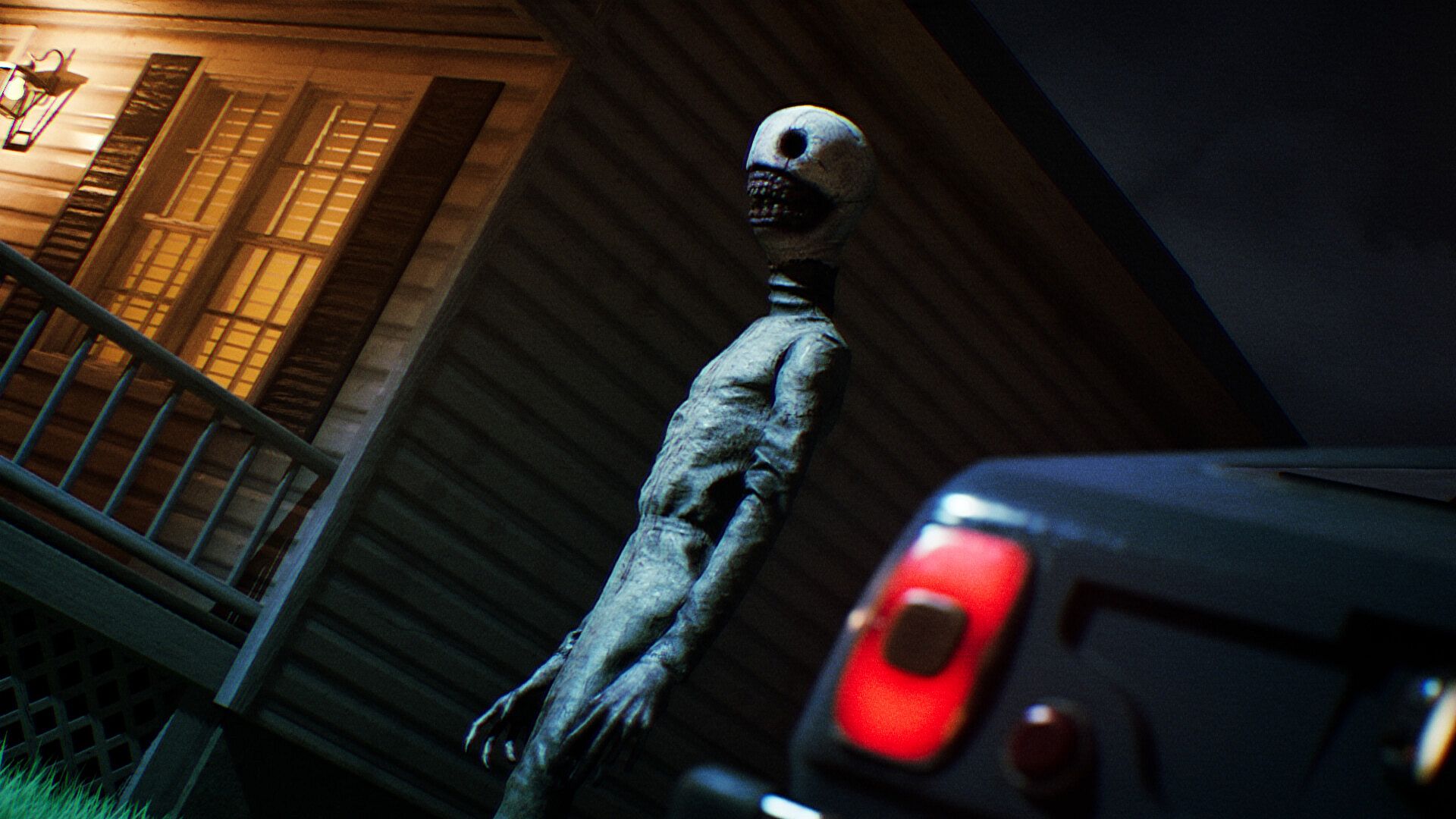
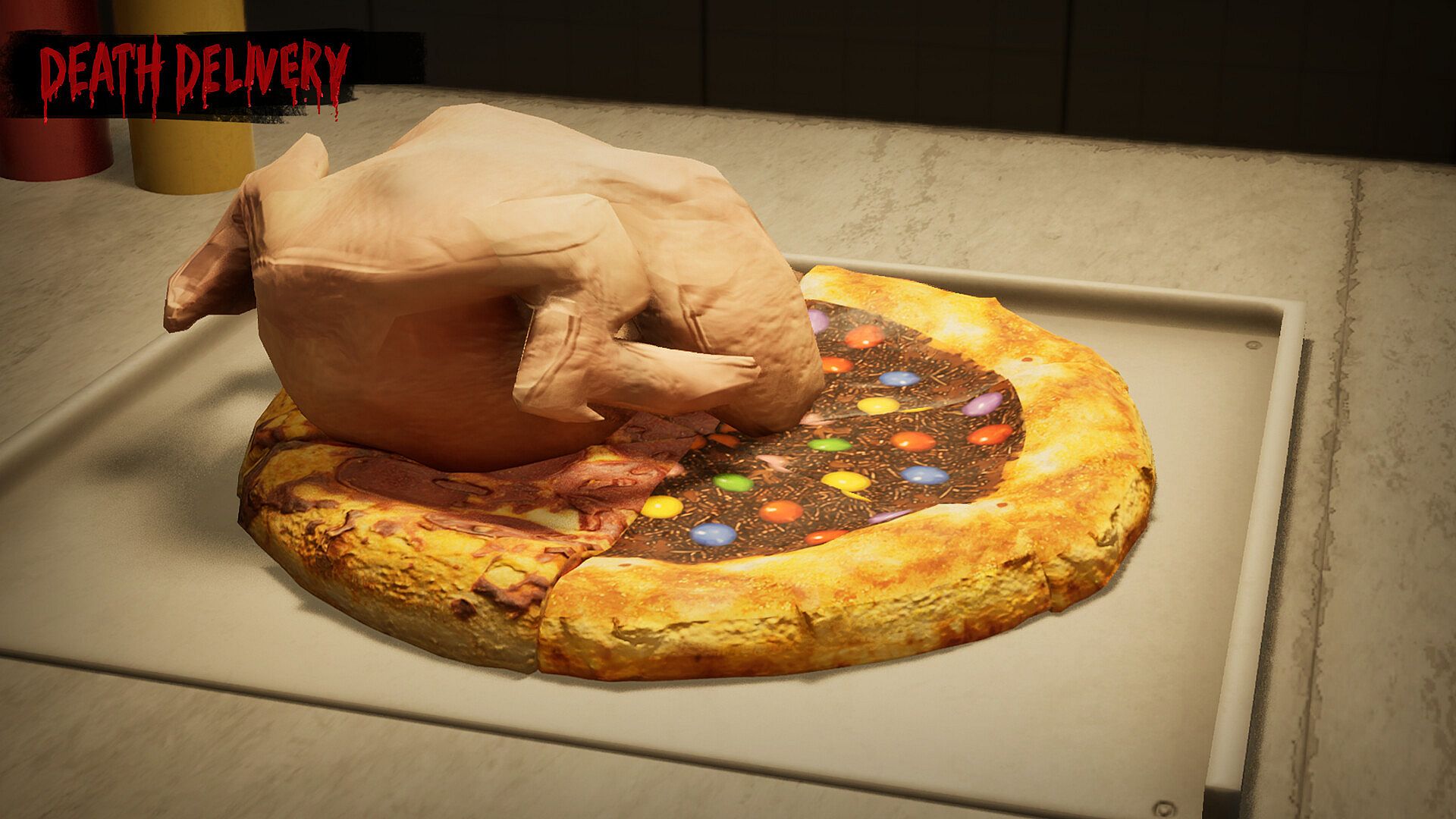
Stealth and evasion form key survival tactics. The killer strikes unpredictably, forcing players to hide, maneuver through environments, or deploy tools creatively to escape. Attention to detail matters for order fulfillment, such as selecting deluxe options, extra cheese, or pineapple toppings to match customer requests precisely and maximize rewards.
Investigation adds depth through clue collection scattered across delivery areas. Evidence from previous incidents can be combined to predict the killer's next moves, turning routine routes into strategic planning sessions. This system encourages repeated playthroughs as new clues emerge and patterns shift.
Game Modes
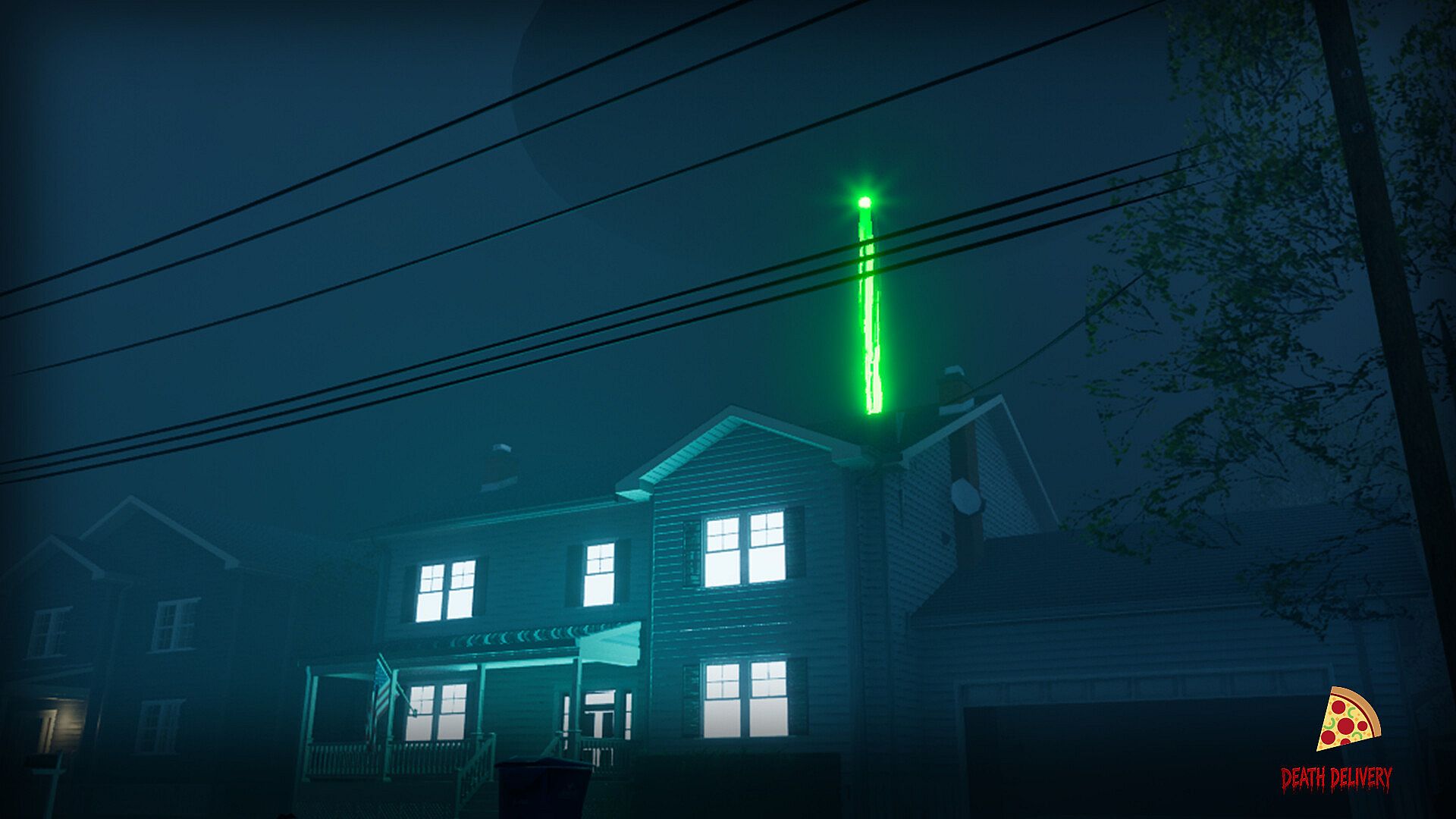
Death Delivery operates as a single-player experience with strong replayability built into its structure. Each session presents a fresh killer with unique behaviors, altered delivery locations, and varying clue placements. This procedural variation keeps routes unpredictable and demands adaptation of stealth techniques and tool strategies.
Progression ties directly to performance across runs. Tips accumulated from successful deliveries fund tool upgrades that carry forward, enhancing effectiveness in subsequent sessions. Players test mastery of delivery precision, evasion maneuvers, and investigative deduction without fixed mission structures or competitive elements.
Key Mechanics and Features
Tool management drives much of the gameplay variety. Basic items start limited but scale through upgrades that boost reliability under pressure, whether for faster handoffs or improvised defenses. Order accuracy directly impacts tip income, creating a risk-reward balance between speed and precision during high-stakes moments.
The killer's presence transforms standard delivery tasks into survival challenges. Encounters reward quick decisions on when to engage tools, when to hide, and when to exploit discovered weaknesses. Clue combination mechanics reward thorough exploration, revealing potential strike points and allowing proactive route adjustments.
Replay sessions highlight the game's design focus on variety. Different killers alter threat levels and patterns, while house layouts and evidence change to prevent repetition. This setup suits players who enjoy short, intense loops that build skill through trial and adaptation rather than lengthy campaigns.
Is It Worth Playing?
Death Delivery suits fans of indie horror titles that mix everyday tasks with sudden tension. Its short session length and emphasis on replay with new threats make it accessible for quick plays, while the upgrade and investigation systems provide ongoing progression for those who return frequently.
Player reception has been mostly positive, with reviews highlighting the satisfying loop of deliveries under threat and the clever integration of tools into both work and survival. The early access status means the game continues to evolve based on feedback, with core mechanics already stable and polished.
Those who appreciate single-player experiences focused on resource management, evasion, and deduction will find strong value here. The combination of precise delivery goals and unpredictable horror creates a distinctive niche that rewards careful play and experimentation across multiple runs.