




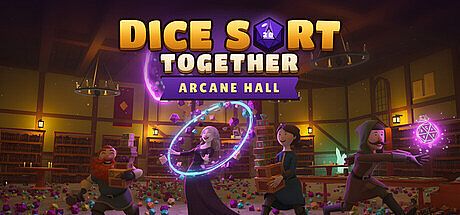


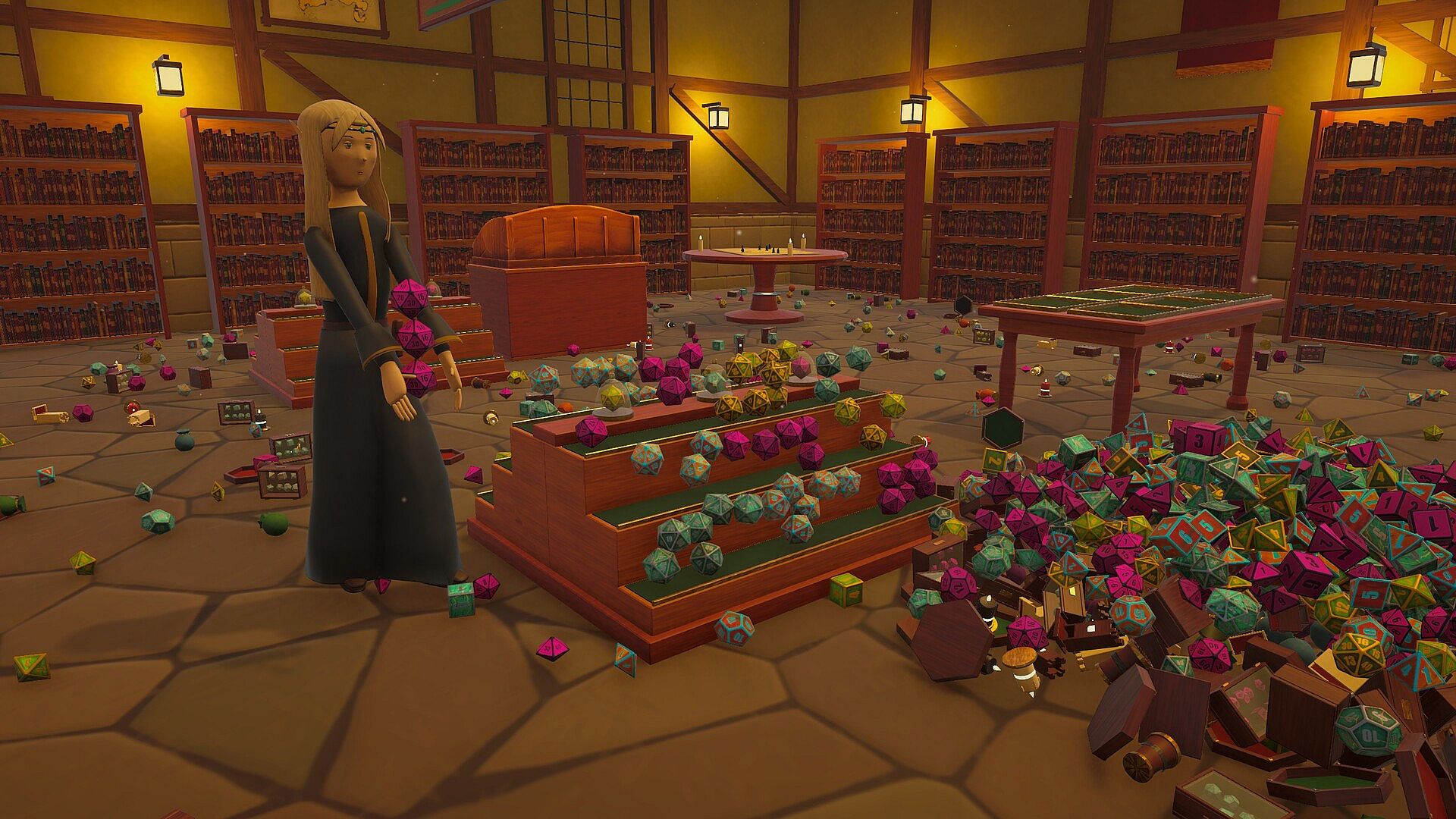
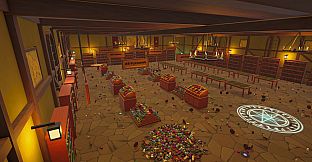
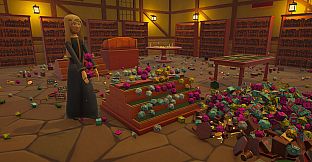
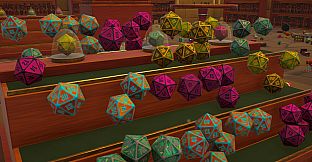
Dice Sort Together: Arcane Hall is a cozy first-person organizing simulator built around sorting thousands of dice and tabletop pieces in a magical hall. Players restore order to nine departments filled with over 4,400 scattered items using a set of magical abilities that grow through a shared skill tree. The experience emphasizes satisfying physical interactions, clear visual guidance, and a low-pressure pace that suits both solo sessions and group play.
Gameplay
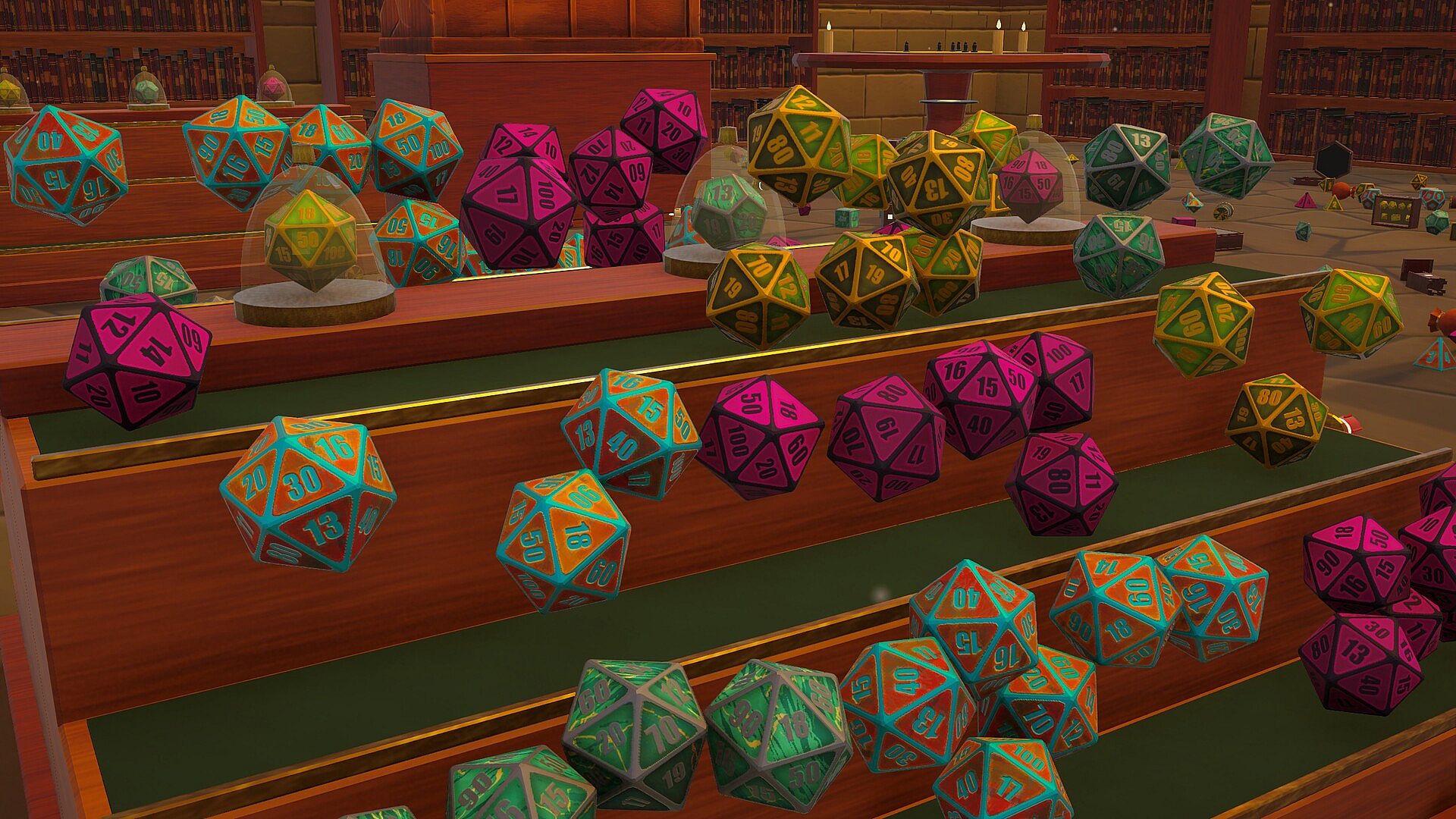
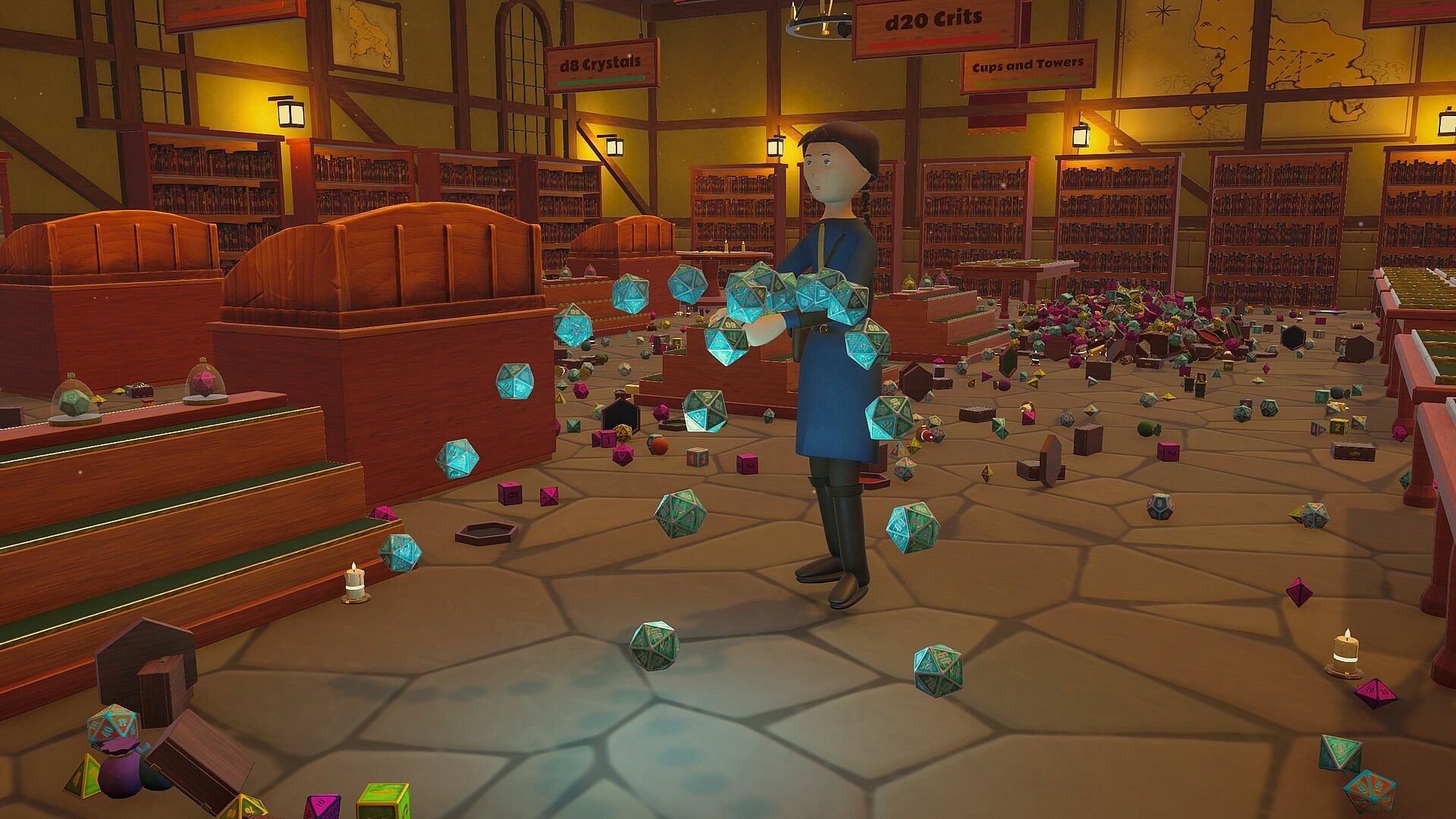
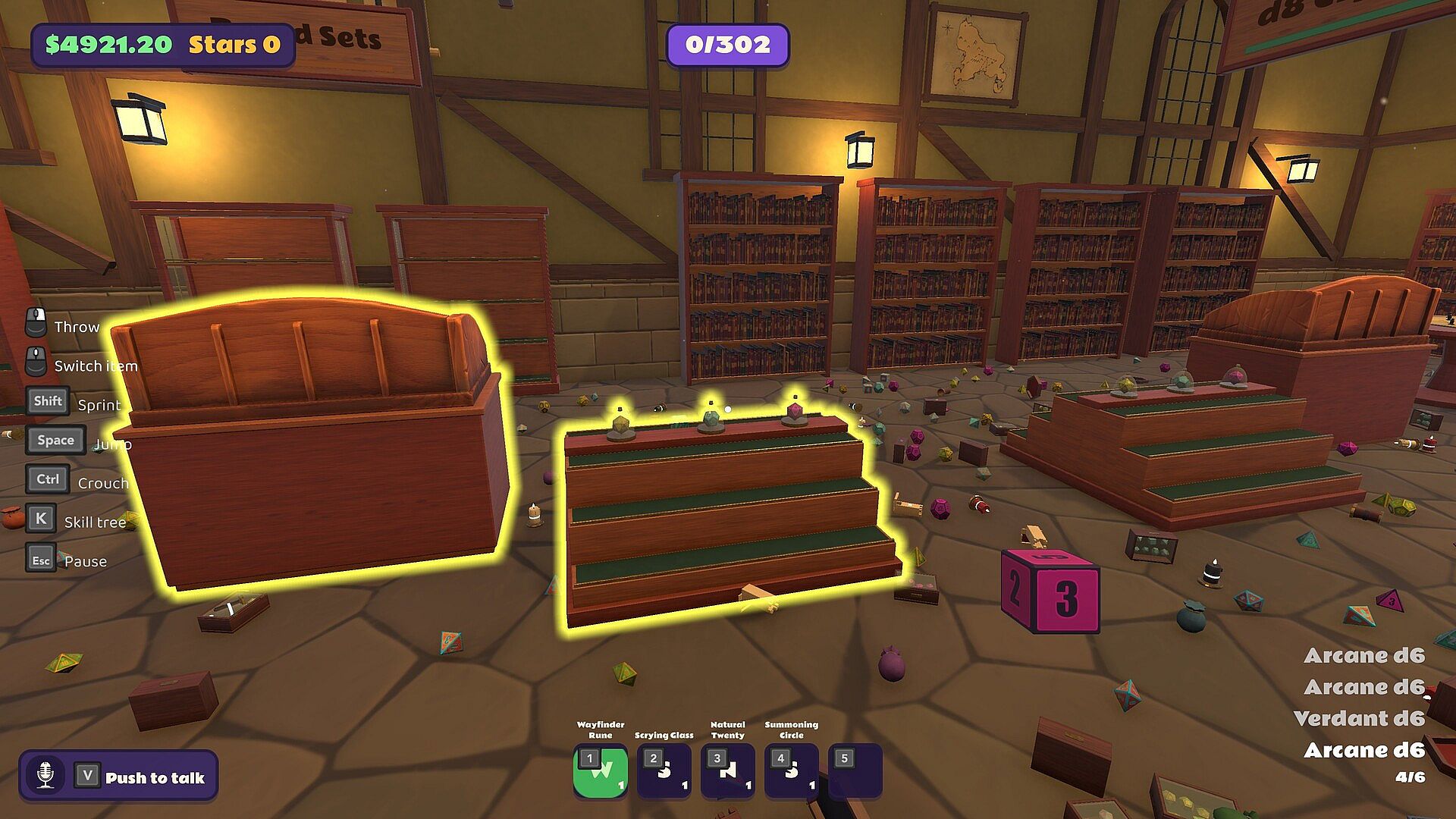
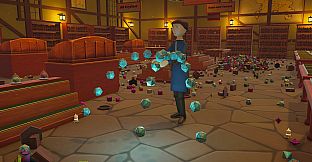
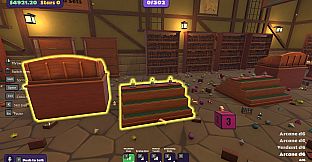
The core loop centers on locating dice and trinkets scattered across the floor, identifying their correct shelves, and returning them to their places. A first-person perspective lets players raise a hand to activate the Pull ability, drawing items toward them in a spiraling motion accompanied by realistic clack and rattle sounds. When a piece is in hand, ShelfCheck highlights its proper location with a glowing outline, removing any need for guesswork or menus.
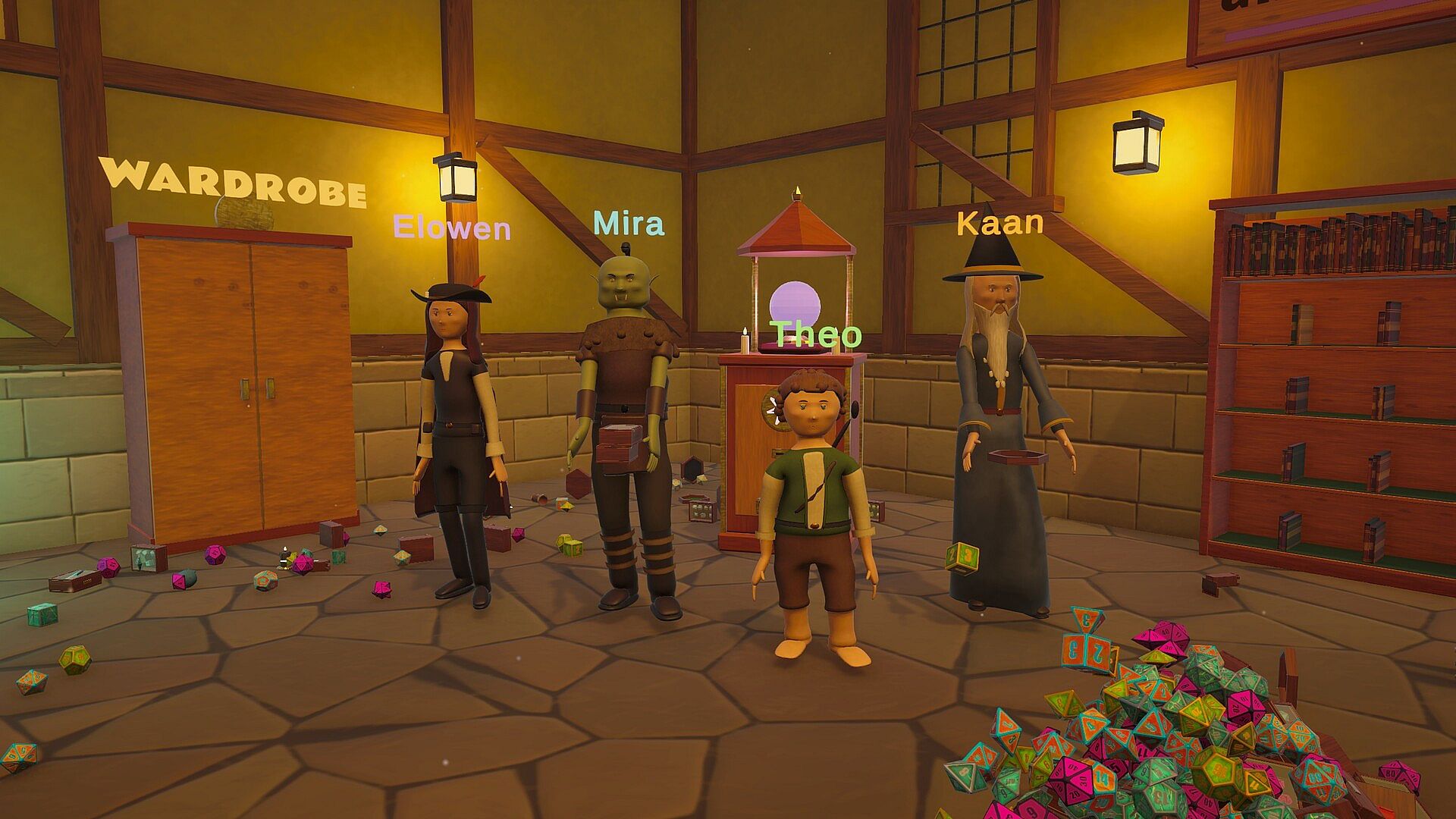
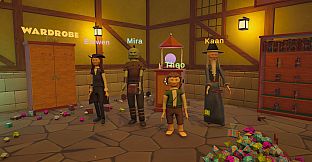
Progression comes through a shared magic skill tree that unlocks upgrades such as Search for locating specific items, Sort for automatic grouping, and AutoShelve for launching dice across the room so they land precisely in their slots. These abilities improve with use, turning simple pickup-and-place actions into efficient, visually striking throws that trail glowing magic. Four visual themes-Arcane, Ember, Frost, and Verdant-alter the hall's lighting and atmosphere while keeping the same sorting tasks. Ten fantasy keepers, each wearing a distinct hat, provide cosmetic variety without changing mechanics.
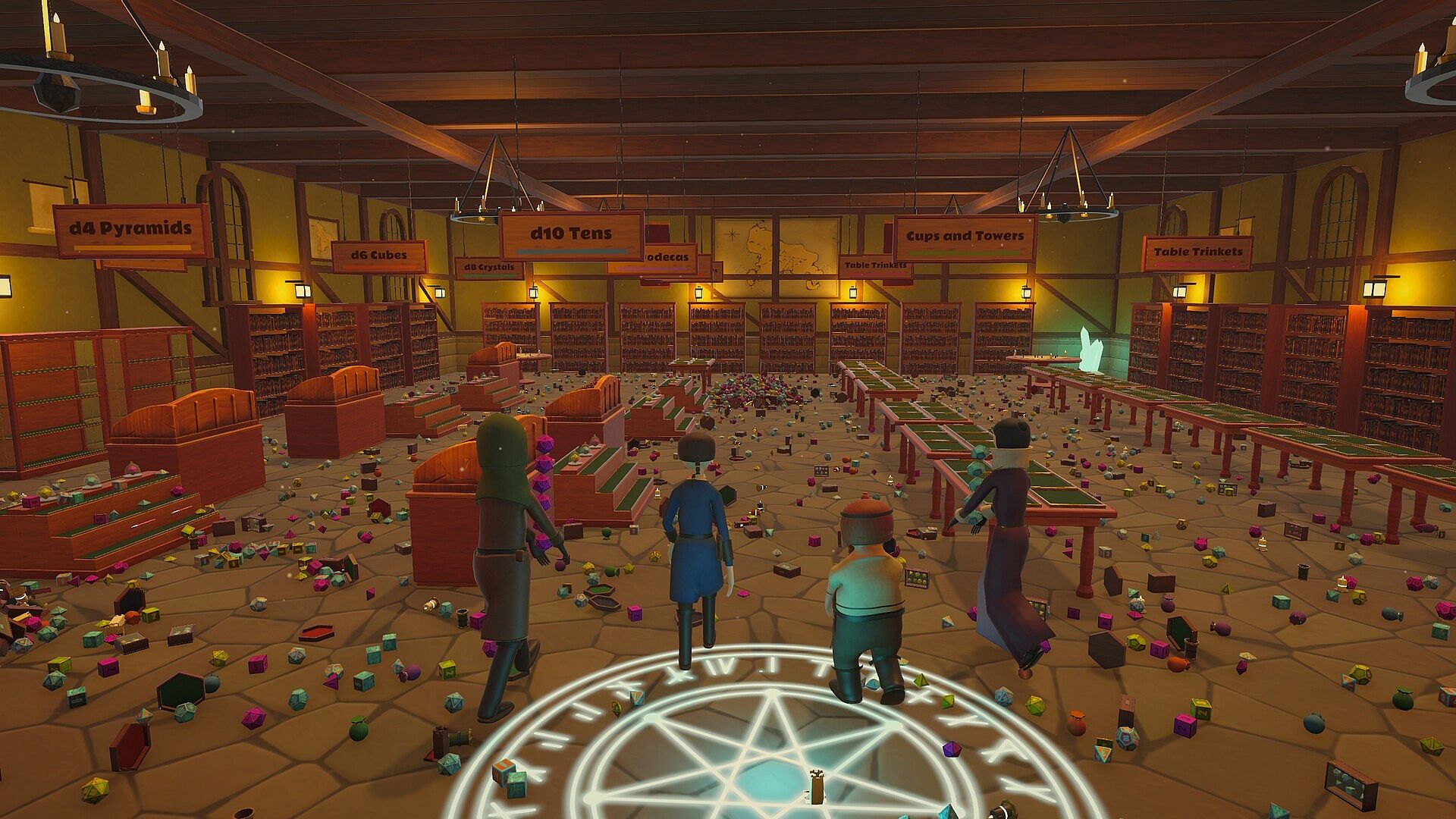
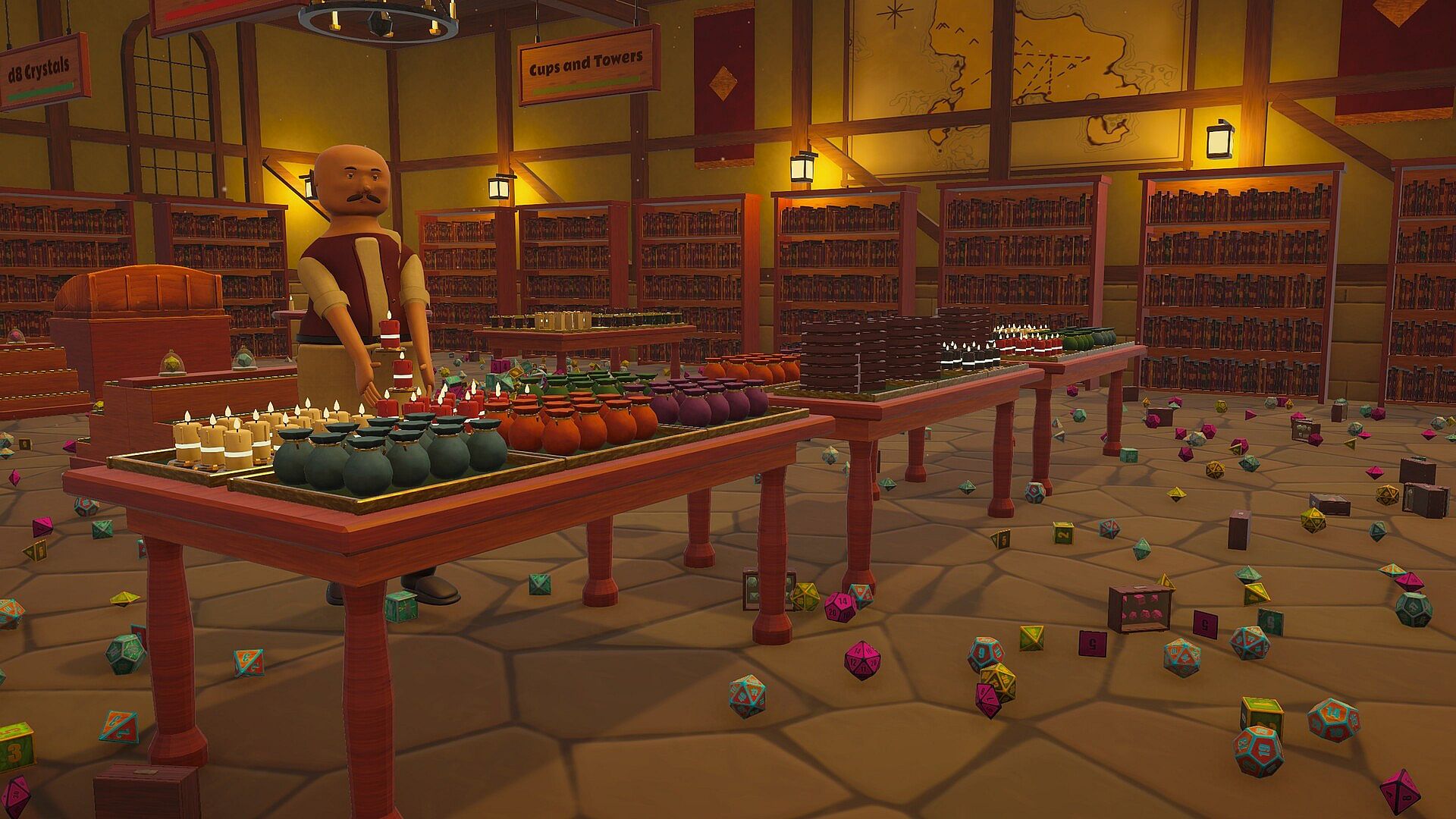
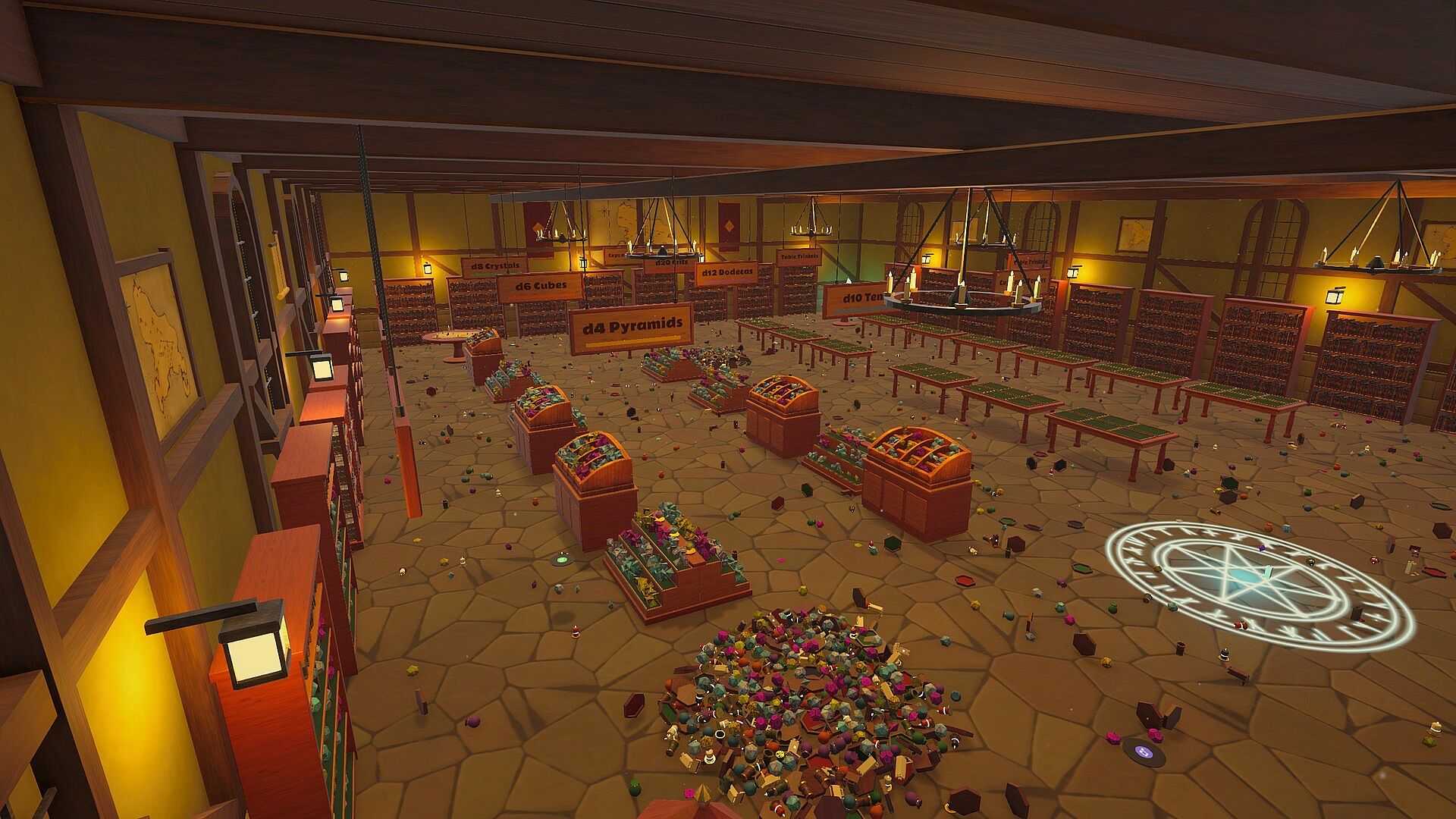
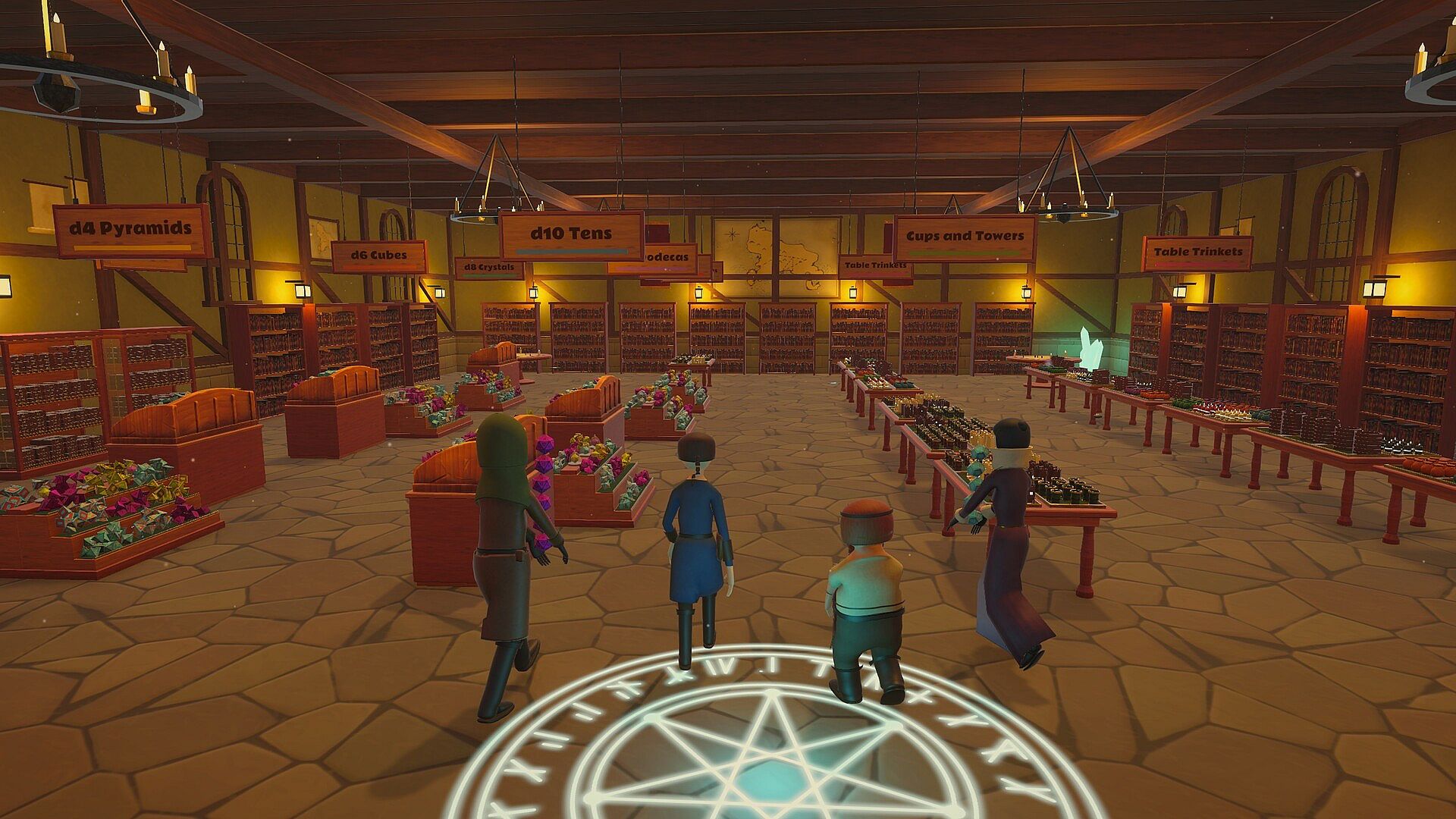
Sound design plays a major role, with every interaction producing distinct ASMR-style audio from individual dice rolls to larger cascades when multiple pieces settle into place. The nine departments cover standard polyhedral dice from D4 through D20, plus dedicated areas for complete sets, cups, towers, and assorted table trinkets. No timers or failure states exist, allowing players to work at whatever speed feels comfortable.
Game Modes
Two primary ways to play exist: solo sessions and online co-op supporting up to four players total. In solo mode the full hall and all departments remain available, with the skill tree advancing based on individual progress. Co-op sessions place everyone inside the same shared space where actions from any participant contribute to overall completion. The skill tree remains shared across the group, so upgrades unlocked by one player benefit everyone immediately.
Co-op emphasizes collaborative tidying rather than competition. Friends can divide departments, coordinate throws, or simply work side by side while the hall gradually returns to order. Save systems support multiple slots, making it easy to switch between solo runs and group sessions without losing progress. The absence of time limits or score systems keeps both modes relaxed and focused on the satisfaction of steady organization.
Atmosphere and Progression
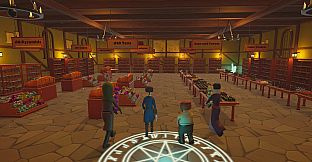
The Arcane Hall setting creates an immersive backdrop with wooden floors, ornate shelves, and a mystical portal that explains the initial chaos. Original soundtrack pieces performed on a minstrel organ underscore the calm, deliberate pace. Nine Oracle Cabinet perks further customize the keeper experience by offering passive improvements that complement the core abilities.
Progress feels tangible as departments fill one shelf at a time. Each completed section contributes to the larger goal of restoring the entire hall, and the shared skill tree ensures steady advancement whether playing alone or with others. The four glowing themes provide visual variety for repeated visits without altering the underlying sorting challenges.
Is It Worth Playing?
This title suits players who enjoy cozy simulation games centered on organization and gentle progression. The combination of precise magical tools, realistic dice audio, and optional co-op creates a relaxing loop that rewards patience and attention to detail. Those who prefer low-stakes tidy-up experiences or want a shared activity with friends will find the mechanics consistent and satisfying.
Because the game remains in early access with ongoing updates and a public demo available, interested players can test the core sorting systems before committing. The verified features-shared skill progression, department-based sorting, and up to four-player co-op-deliver exactly the calm, methodical gameplay described, making it a strong choice for anyone seeking a peaceful alternative to more intense titles.











