



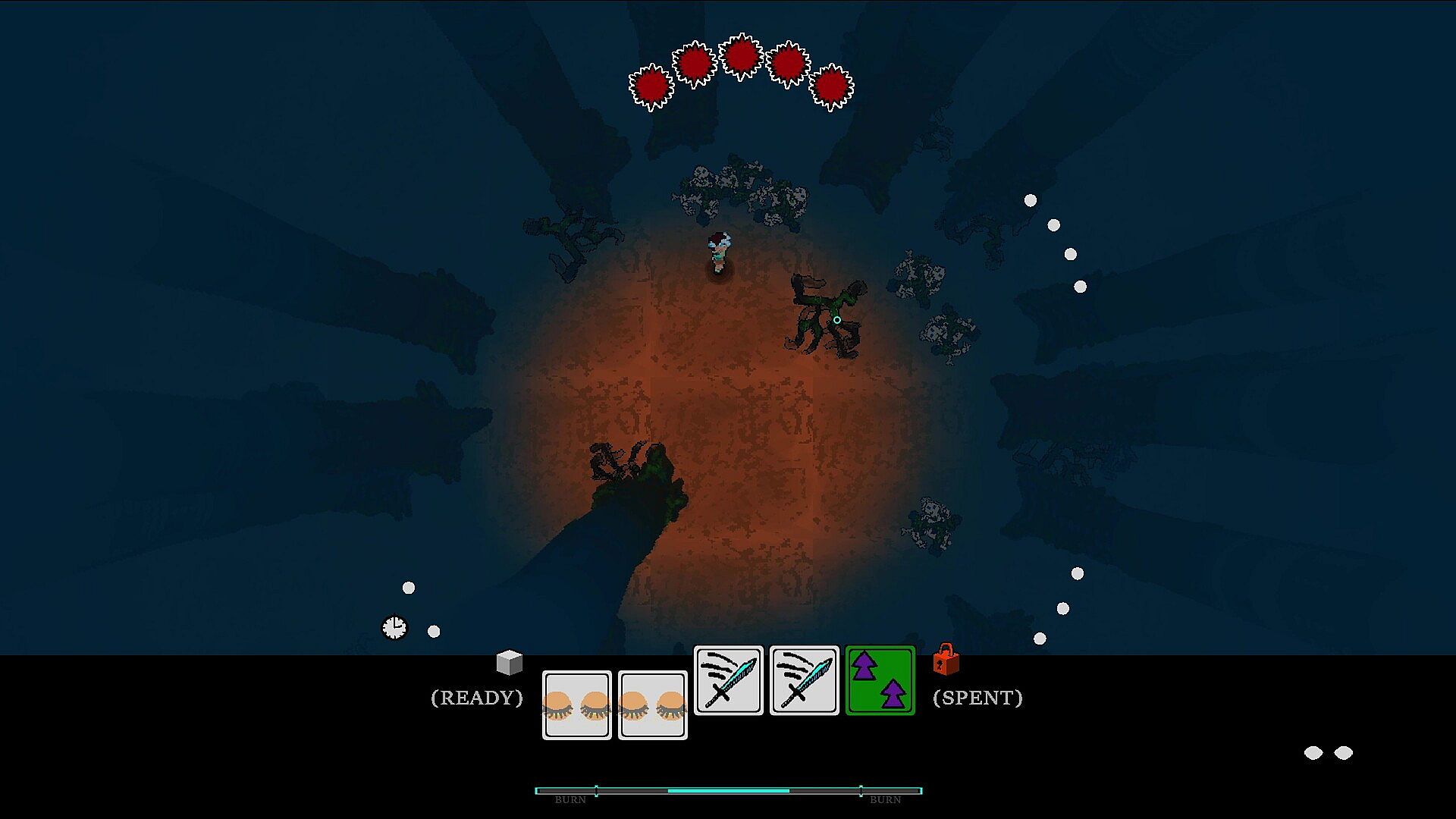
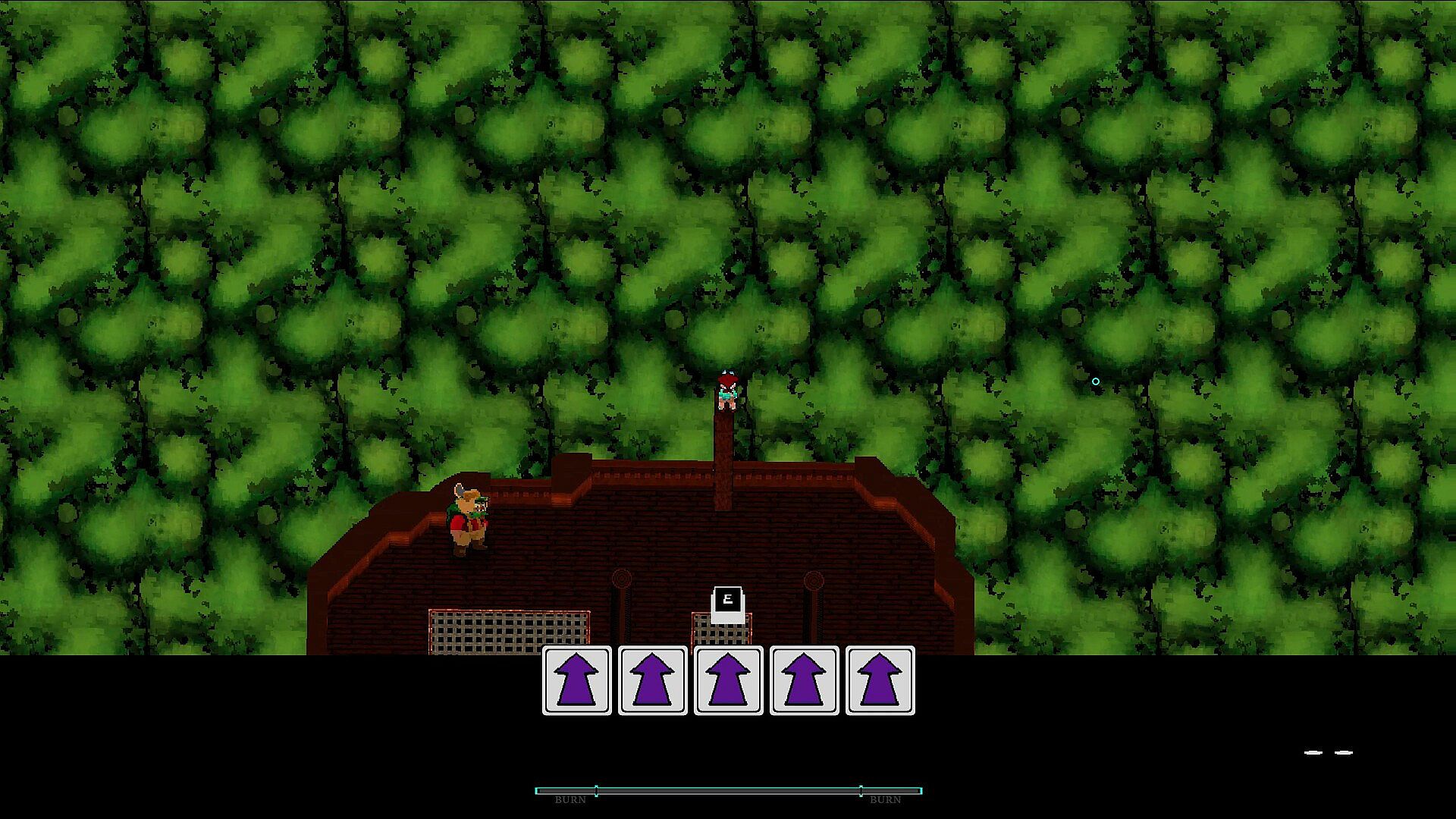
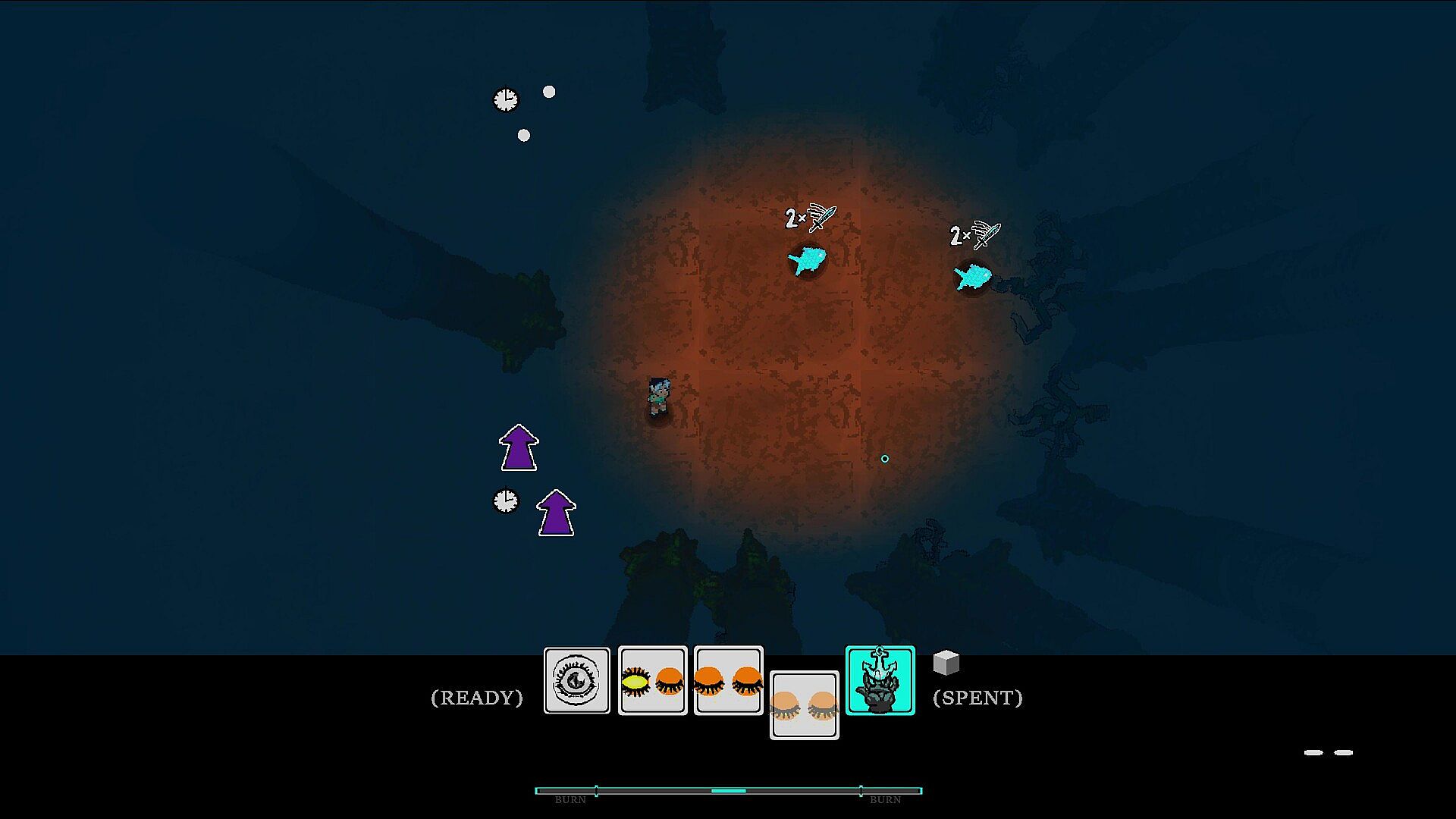
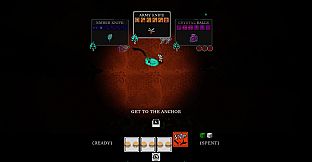
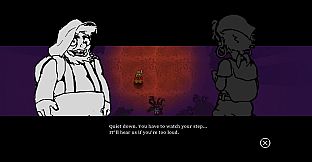
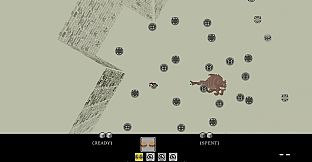
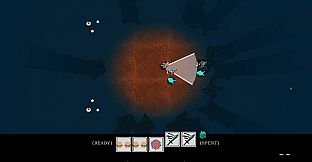

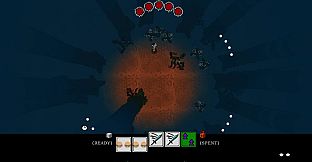
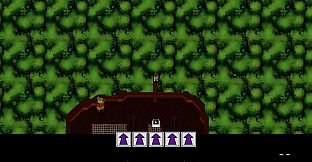
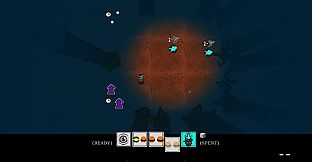
Die Diver is a single-player roguelite strategy game that blends dice mechanics with deck-building elements in a fantasy setting. Players build and manage a pool of dice to navigate runs through a cursed forest that swallows the world and claims the dead. The core loop centers on rolling dice to resolve challenges, manage resources, and survive repeated attempts in a high-tension environment built around the theme of death and the afterlife.
Gameplay
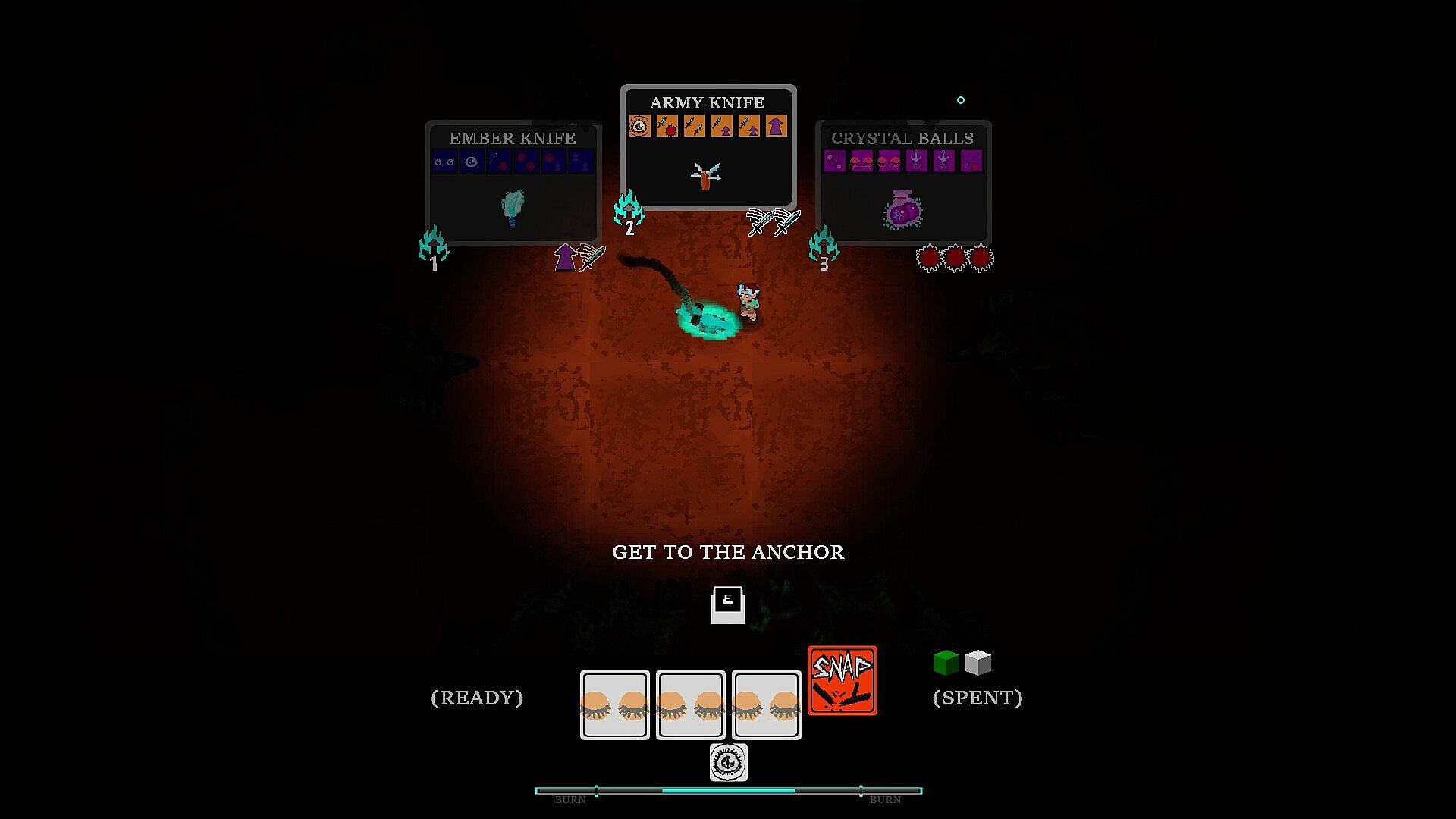
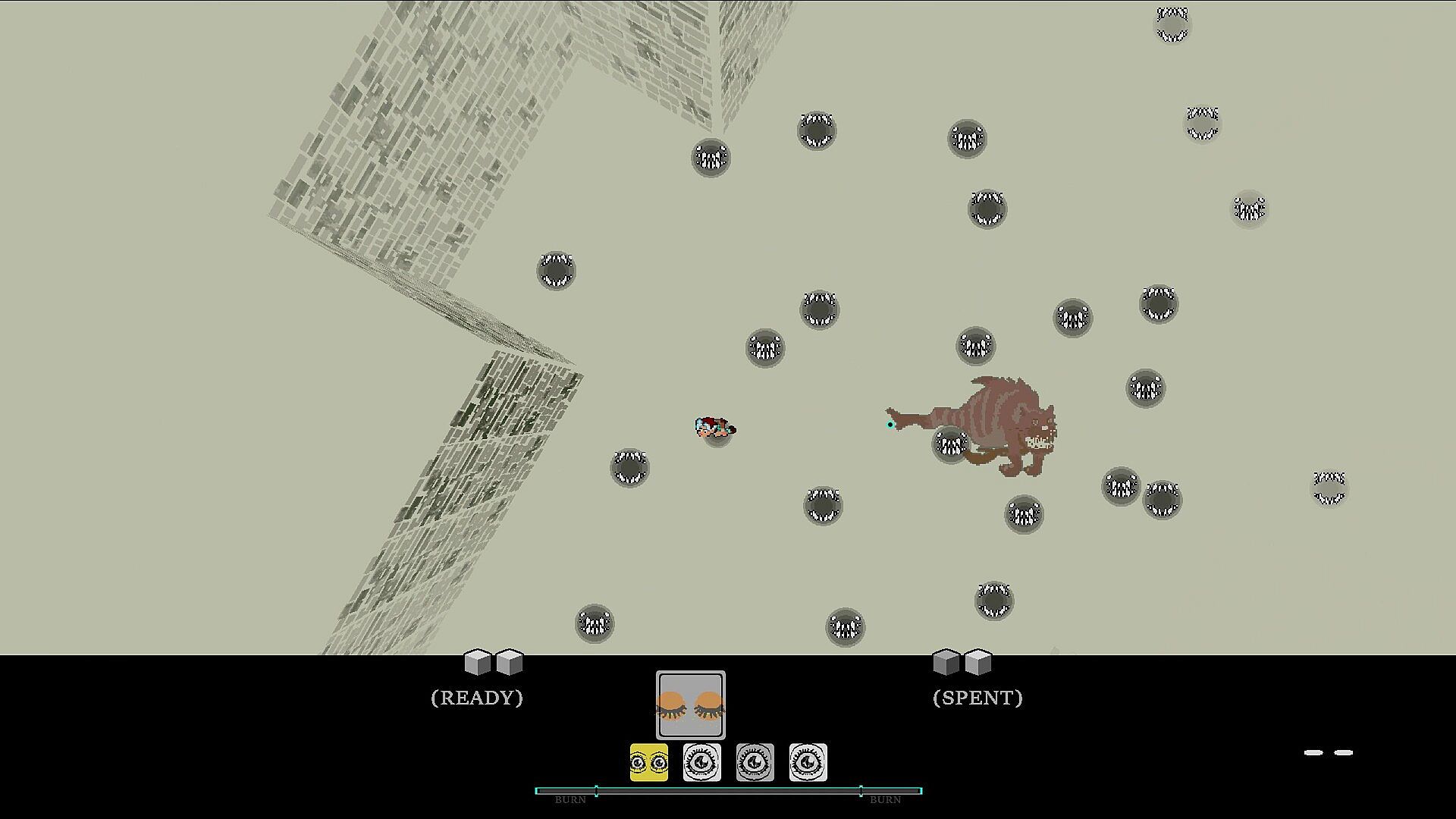
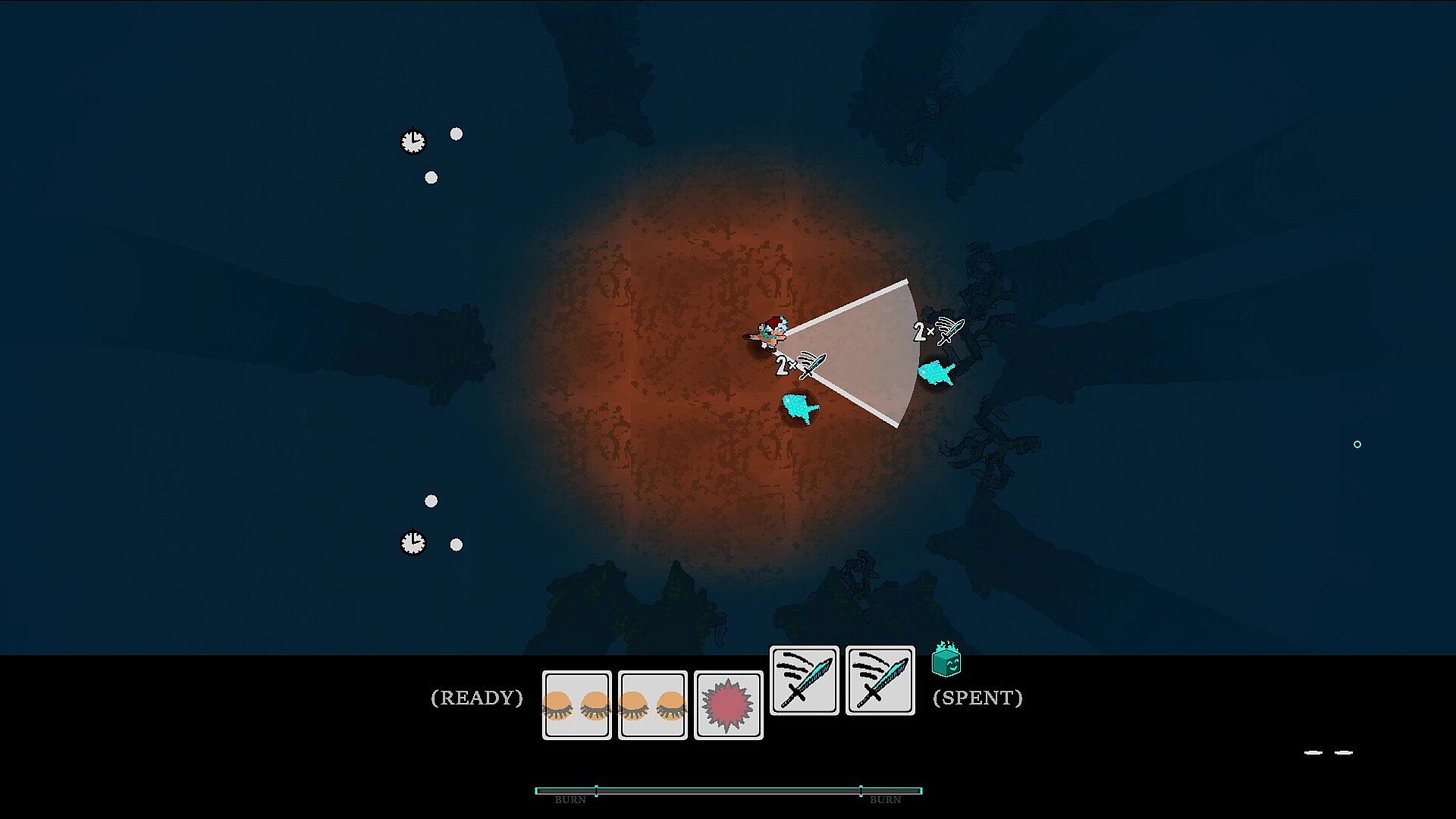
The experience revolves around constructing a dice pool and using it within a deck-building framework. Each run sends the player beneath the endless canopy of the Forest of the Dead, where decisions about which dice to roll and how to combine them determine progress and survival. The roguelite structure means failure ends the current attempt, but successful elements carry forward to strengthen future dives. This setup rewards careful planning around probability and resource allocation rather than direct combat or exploration in the traditional sense.
Mechanics emphasize tension through limited dice resources and the need to adapt pools on the fly. The fantasy world incorporates themes of death, with the forest itself acting as both setting and antagonist. As a university experiment, the design focuses on testing these dice-driven systems in a compact indie package, keeping the scope tight while exploring how rolling mechanics can drive roguelite progression.
Game Modes
Die Diver operates as a single-player title with no additional modes confirmed at this stage. The primary structure consists of roguelite runs that test dice-pool management against the forest's hazards. Players engage in repeated attempts that build on prior successes, aligning with the deck-builder focus on refining strategies over multiple sessions. The absence of multiplayer or separate campaign variants keeps the emphasis on the core dice and deck systems.
Core Mechanics and Setting
The cursed Forest of the Dead serves as the central location, rising to engulf everything beneath its canopy. Players enter this realm explicitly tied to the concept of dying, using dice rolls to overcome obstacles and advance. Deck-building integrates directly with the dice pool, allowing customization that influences how each dive unfolds. The indie scale and experimental nature mean the game prioritizes these interconnected systems over expansive content or additional layers.
Strategy elements emerge from managing dice probabilities and deck composition to handle the forest's challenges. Adventure aspects come through the narrative framing of the afterlife and the encroaching trees, though the focus remains mechanical rather than story-heavy. Free-to-play availability positions it as an accessible entry point for those interested in dice-based roguelites.
Is It Worth Playing?
Die Diver remains in a pre-release state with no user reviews available yet. Its status as a small university experiment suggests a focused prototype rather than a polished full release, which may appeal to players who enjoy testing early dice-pool and roguelite concepts. The single-player format and emphasis on rolling mechanics suit those seeking a niche strategy experience without broader multiplayer elements or seasonal updates confirmed at present.
Potential players should consider their interest in deck-building combined with dice resolution in a roguelite wrapper. The game's compact scope and thematic tie to death provide a distinct hook, though the experimental origins mean expectations should align with an indie project still in development. Availability on PC supports easy access once it launches, but current information limits deeper assessment of long-term engagement or balance.