






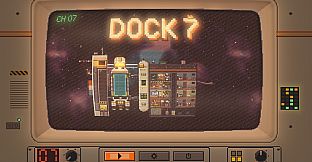
Dock 7 is an indie casual simulation game set on a small salvage station where players take on the role of a freelance shipbreaker. The experience centers on a quiet life shared with one cat, with each day spent selecting a wreck from a board, heading out in a salvage ship, and returning with useful materials. There are no timers, no accumulating debt, and no risk of failure, allowing players to work at their own pace in a zero-pressure environment.
Gameplay
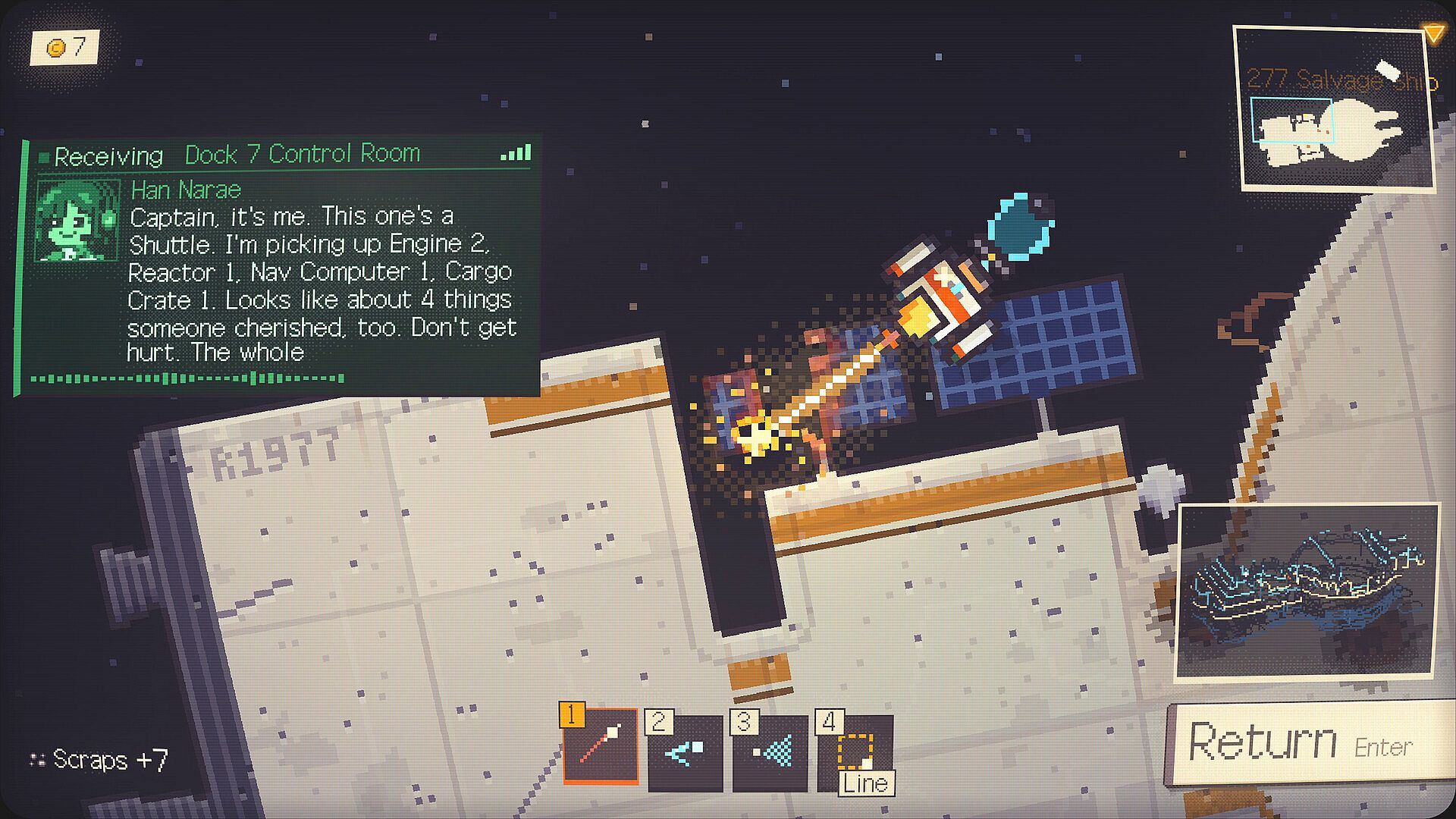
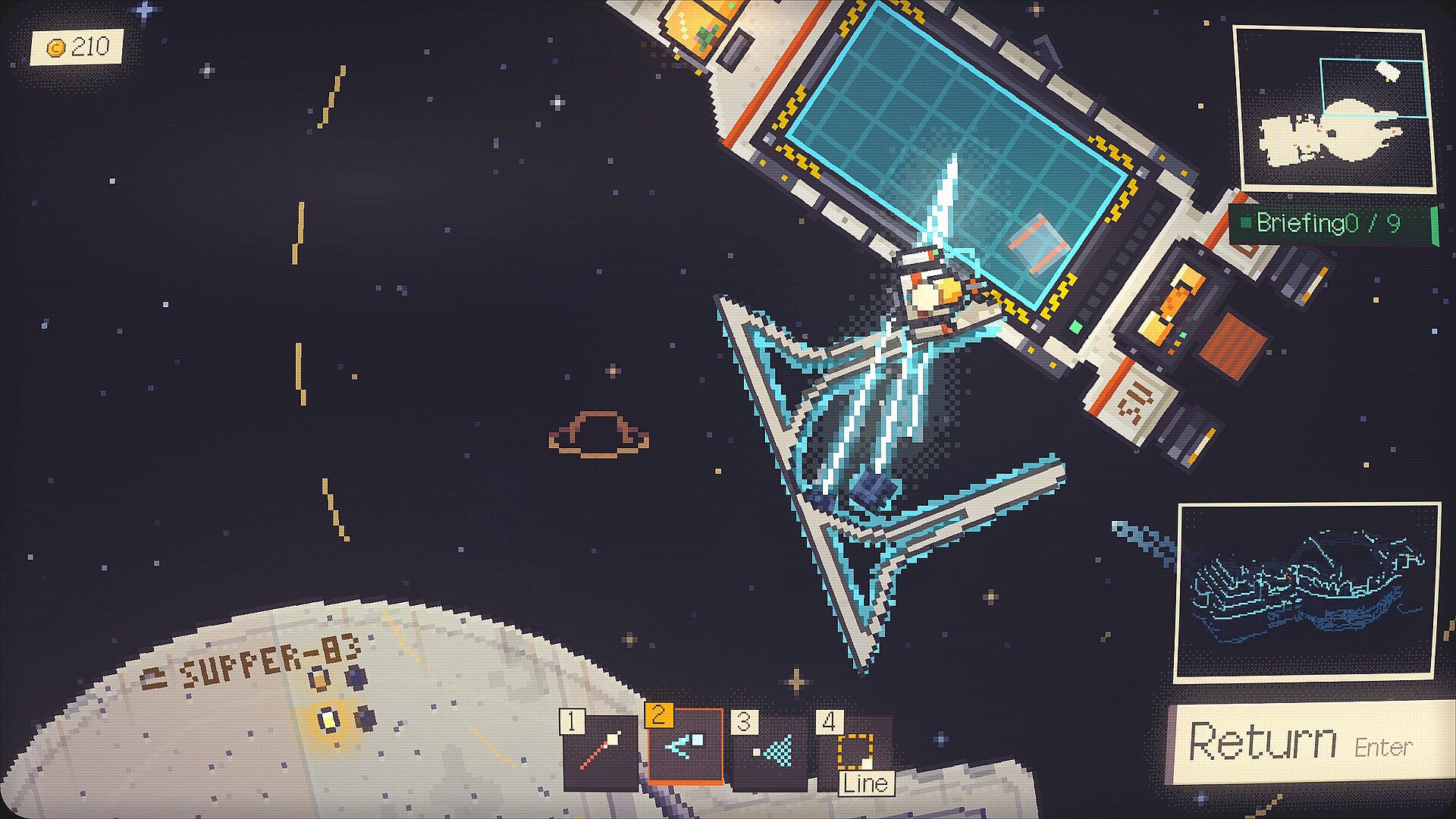
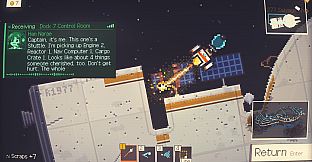
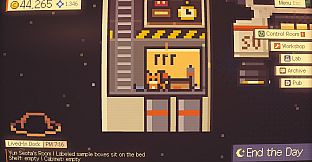
The core loop involves drifting alongside derelict vessels in a compact work pod. A laser cutter melts through hull plating one layer at a time, allowing precise cuts that release plates without damaging deeper structures. Wiring, machinery, and living quarters reveal themselves gradually as layers come away. A tractor beam pulls loose components into a tow net that expands with each addition, and the collected items transfer to transparent storage bays back at the main ship. Progress shows itself through the growing shape of the pile rather than numerical scores.
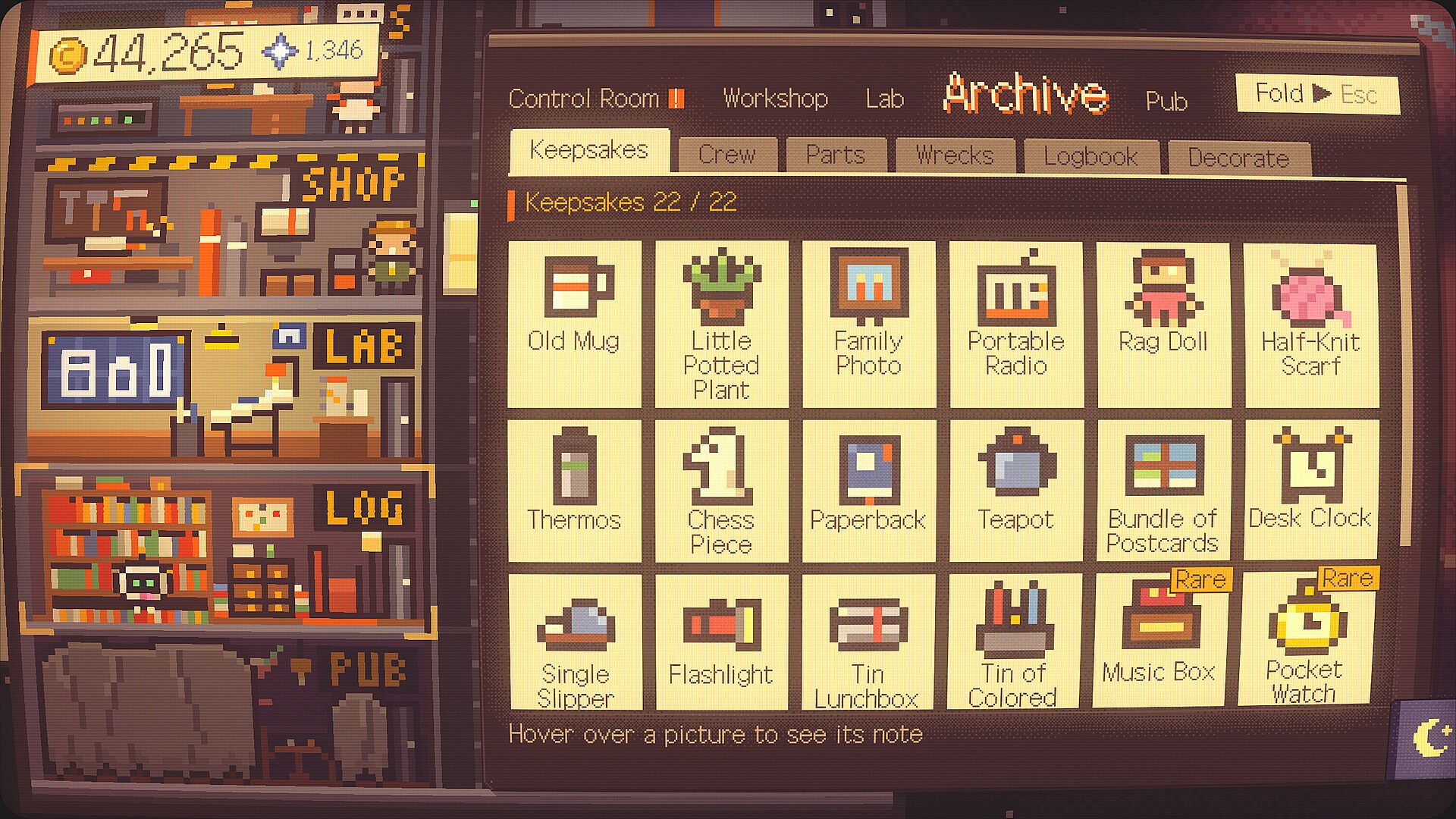
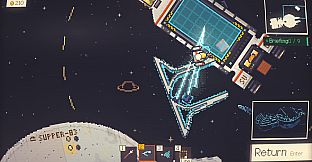
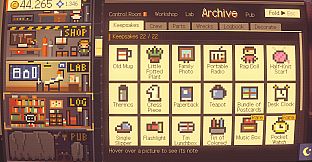
A scanner reveals hidden details through the hull, highlighting valuable parts alongside personal mementos left by previous owners. These keepsakes, such as an old mug or a half-knit scarf, stay on a display shelf instead of being sold. Some items affect the station over time, like a potted plant that grows and blooms or a portable radio that unlocks new audio channels. Each wreck carries traces of its past through scorched sections, overwritten names, or small details like a table set for two, encouraging players to piece together stories without explicit narration.
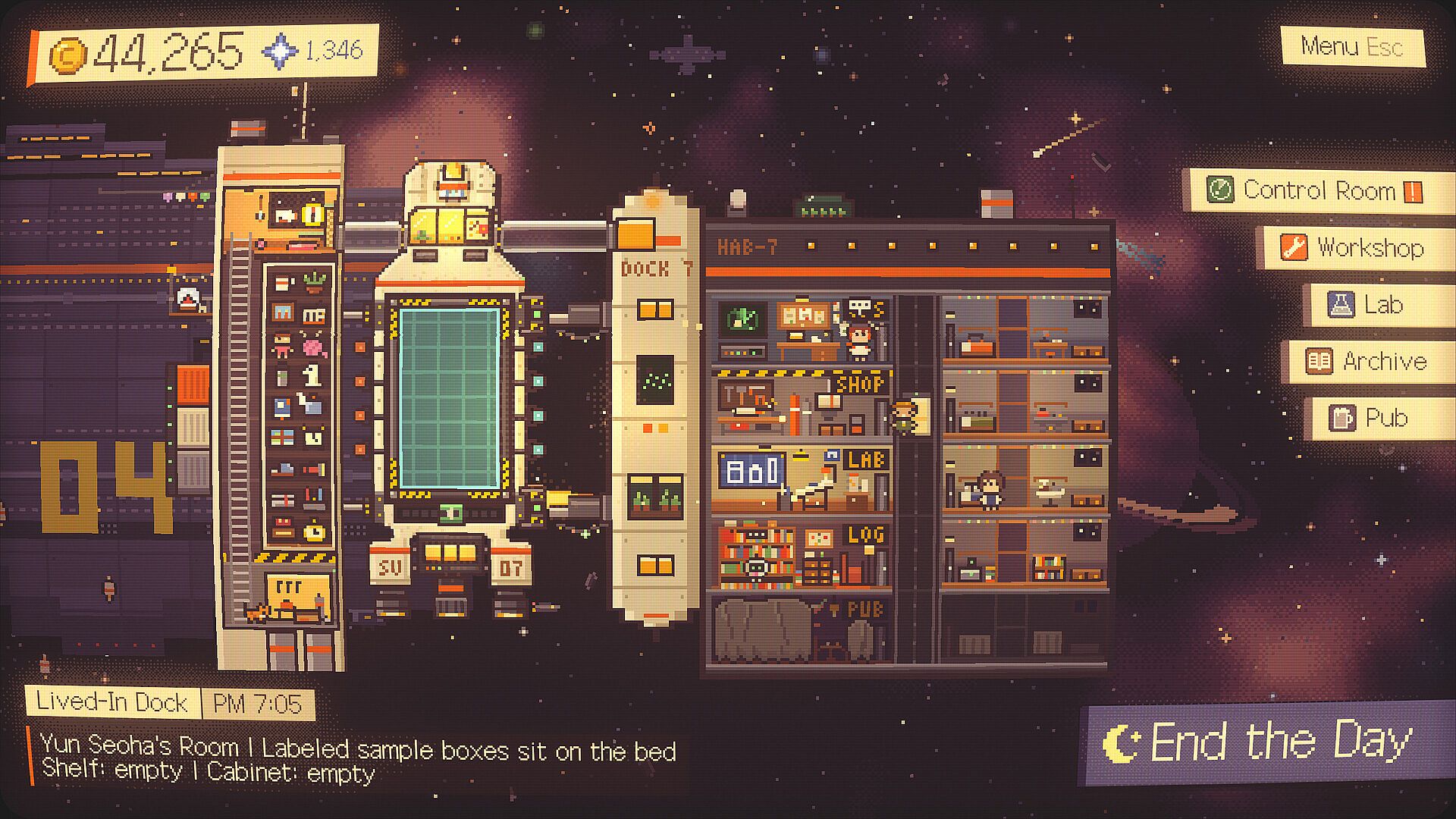
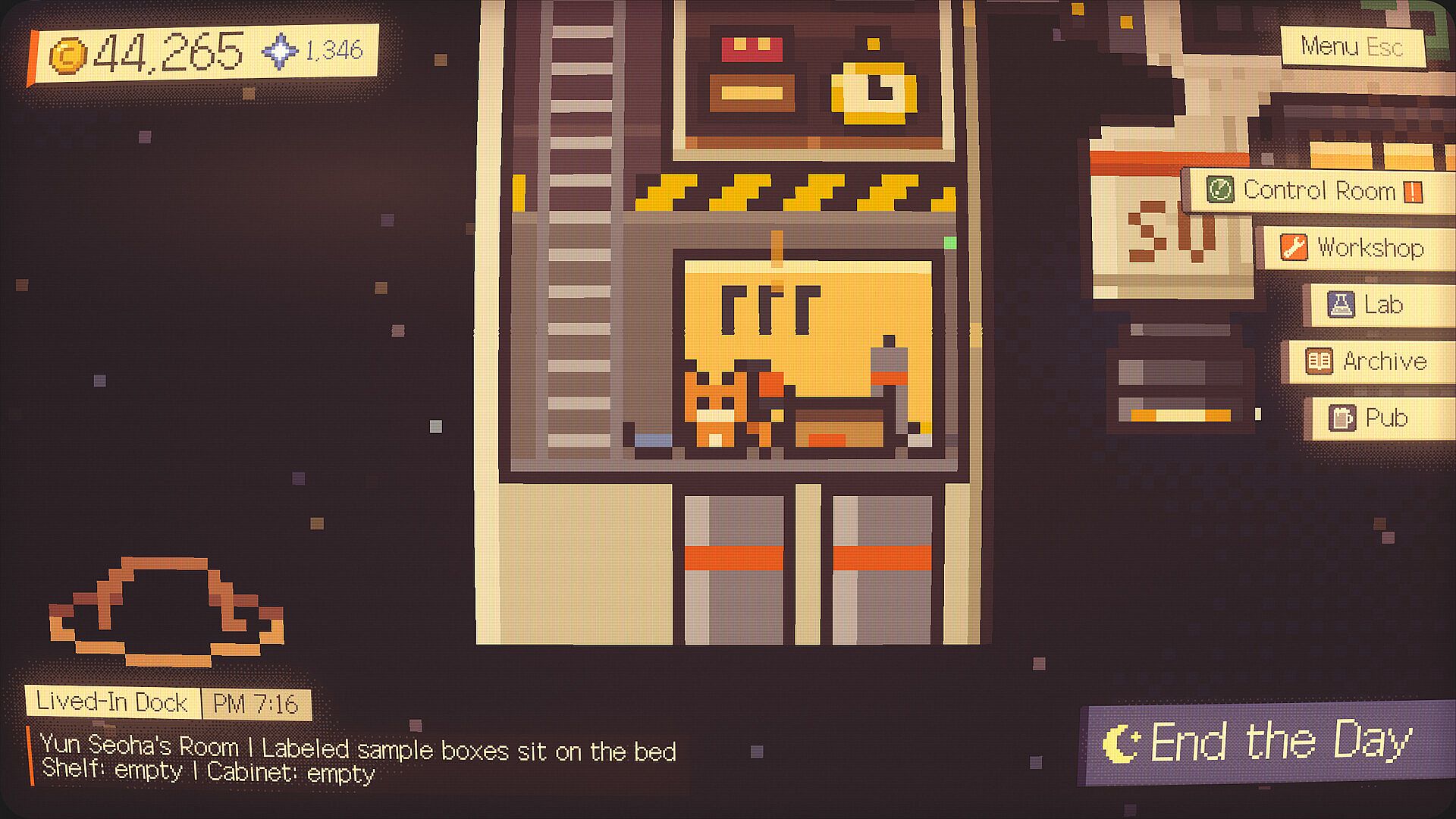
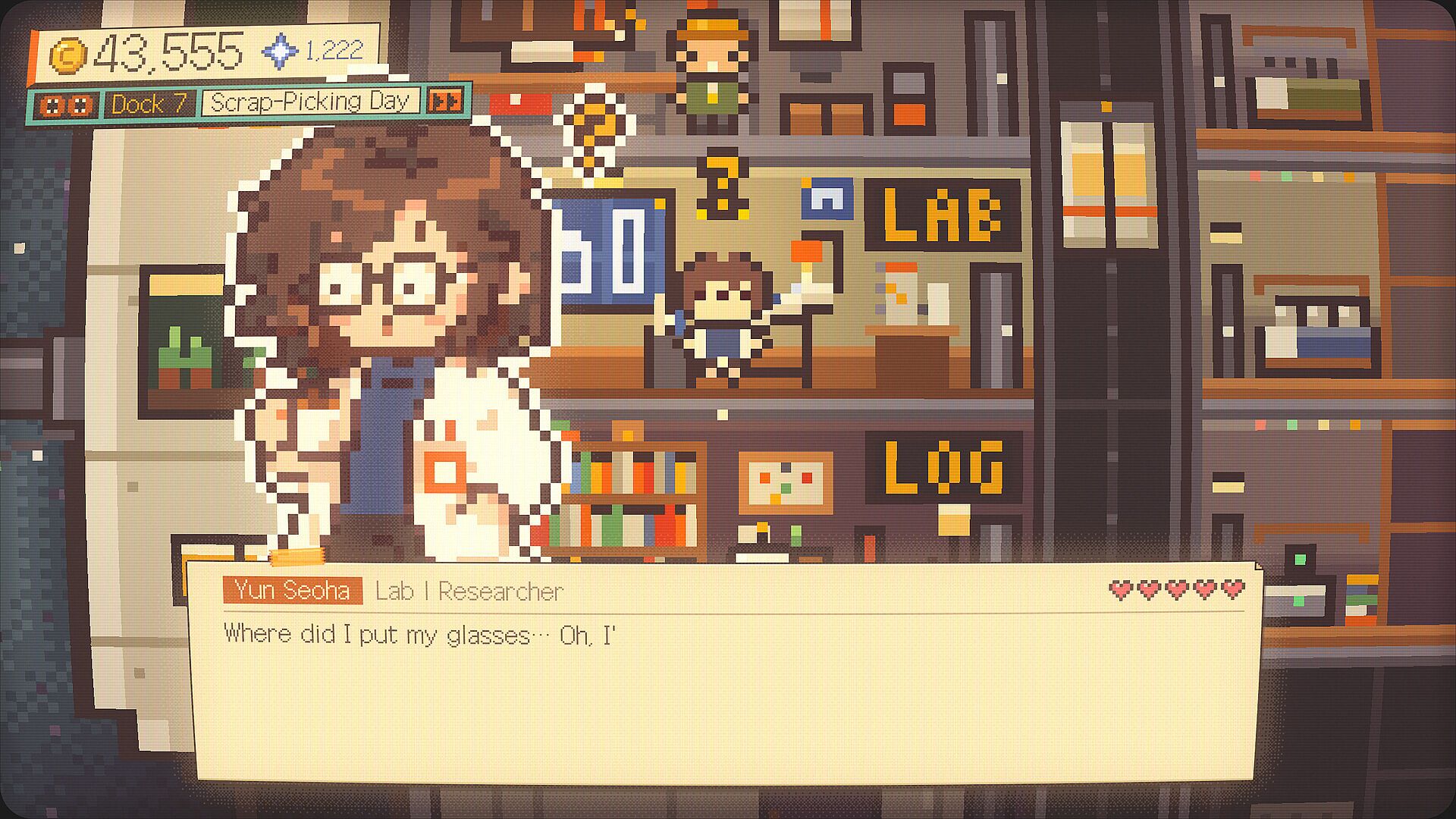
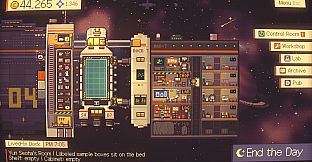
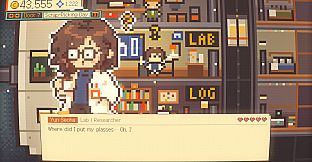
Evenings at the dock involve receiving payment for salvaged goods, then spending time customizing rooms with new walls, lanterns, and string lights built from hauled materials. Keepsakes can be rearranged on windowsills, and the station expands as rescued crew members from distress signals occupy their own spaces and contribute skills like workshop access or radio programming. A personal tape collection grows with closer relationships. Upgrades to the work pod and new tools come from the workshop, but none alter core stats, focusing instead on making the station feel lived-in.
Game Modes
Play revolves around a contract system where each job generates a unique wreck with its own layered history and contents. Players choose from available wrecks on the station board and complete salvage runs that build toward station growth. There is no separate competitive or time-limited mode, keeping the focus on methodical, repeatable exploration of individual vessels at a relaxed pace. The single-player structure emphasizes personal discovery and incremental home-building over structured challenges or multiplayer elements.
Exploration and Discovery
Every contract produces a fresh wreck, ensuring variety across sessions. The laser respects depth, so freehand drawing on the outer hull never risks interior damage. Scanned objects range from practical salvage to sentimental items that populate the codex and personal collection. Distress signals occasionally appear, leading to rescue capsules that add new residents and expand available activities at the dock. These additions bring narrative flavor through their rooms and contributions without altering the fundamental salvage process.
Photo mode supports capturing moments anywhere in the environment, while a simple horn provides occasional lighthearted interaction. The cat remains a constant, passive presence whose name players choose at the start, adding a personal touch to the station without mechanical impact.
Is It Worth Playing?
Dock 7 suits players seeking a low-stakes simulation focused on deliberate shipbreaking, personal customization, and quiet storytelling through environmental details. Its early access status means the core systems of layered cutting, keepsake collection, and station expansion are available, with room for further refinements. Those who enjoy methodical tasks, building a sense of home through collected items, and uncovering subtle narratives in wrecks will find a consistent, unhurried experience. The absence of failure states or pressure makes it approachable for casual sessions, while the variety of wrecks and growing family of residents provide ongoing reasons to return. If the described loop of salvage, scanning, and gentle progression aligns with your preferences, it offers a distinctive take on the genre worth considering.











