


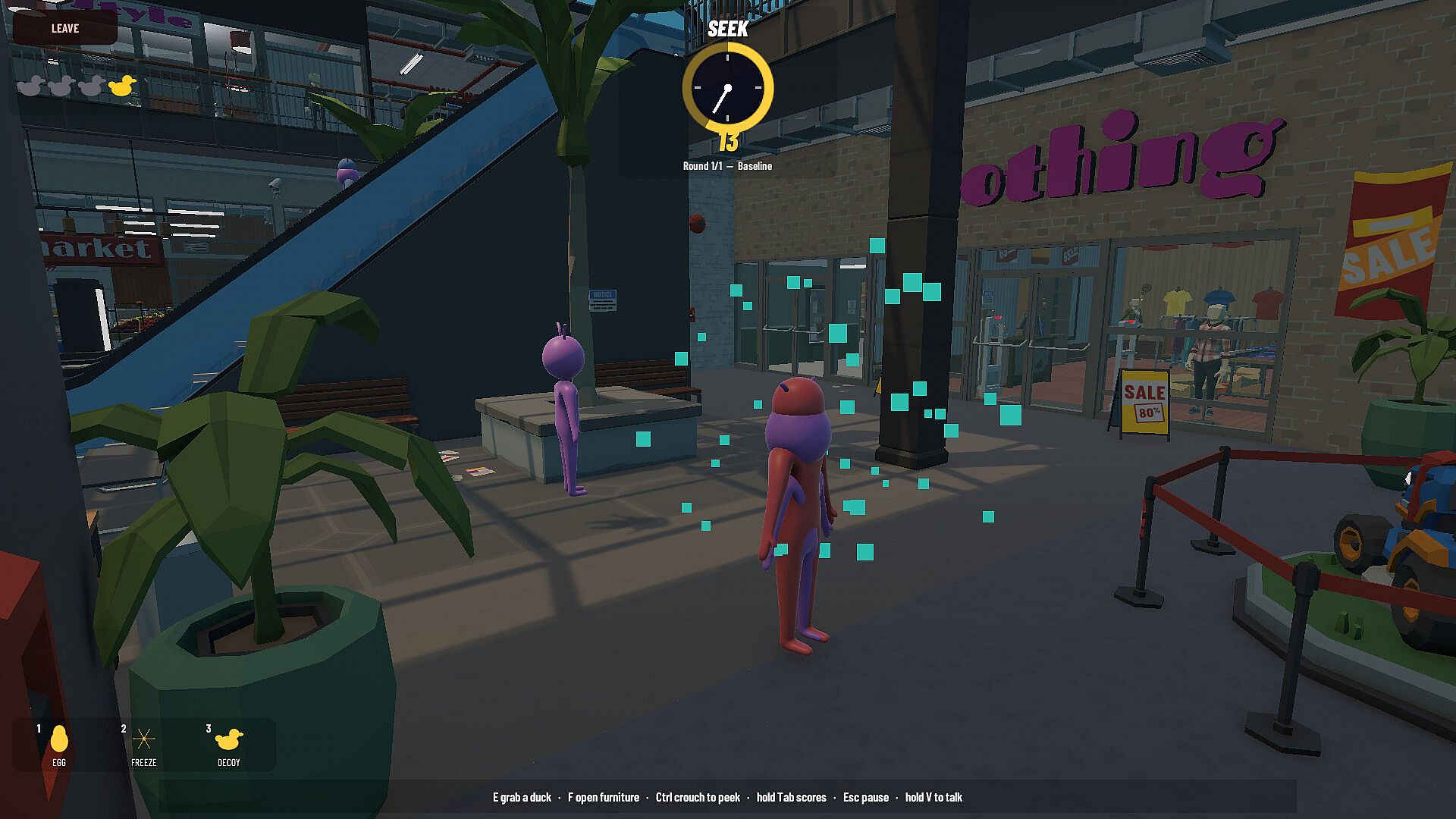



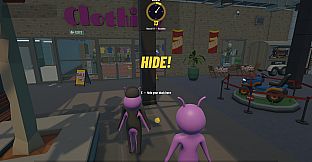
Duck Duck Gone ist ein lockeres Multiplayer-Spiel für den PC, bei dem bis zu acht Spieler in einem gemeinsamen Raum nach einem Gummienten suchen. Die Runden verbinden kreatives Verstecken mit Echtzeit-Suche und nutzen Proximity-Voice-Chat sowie einmalig einsetzbare Fähigkeiten.
Gameplay
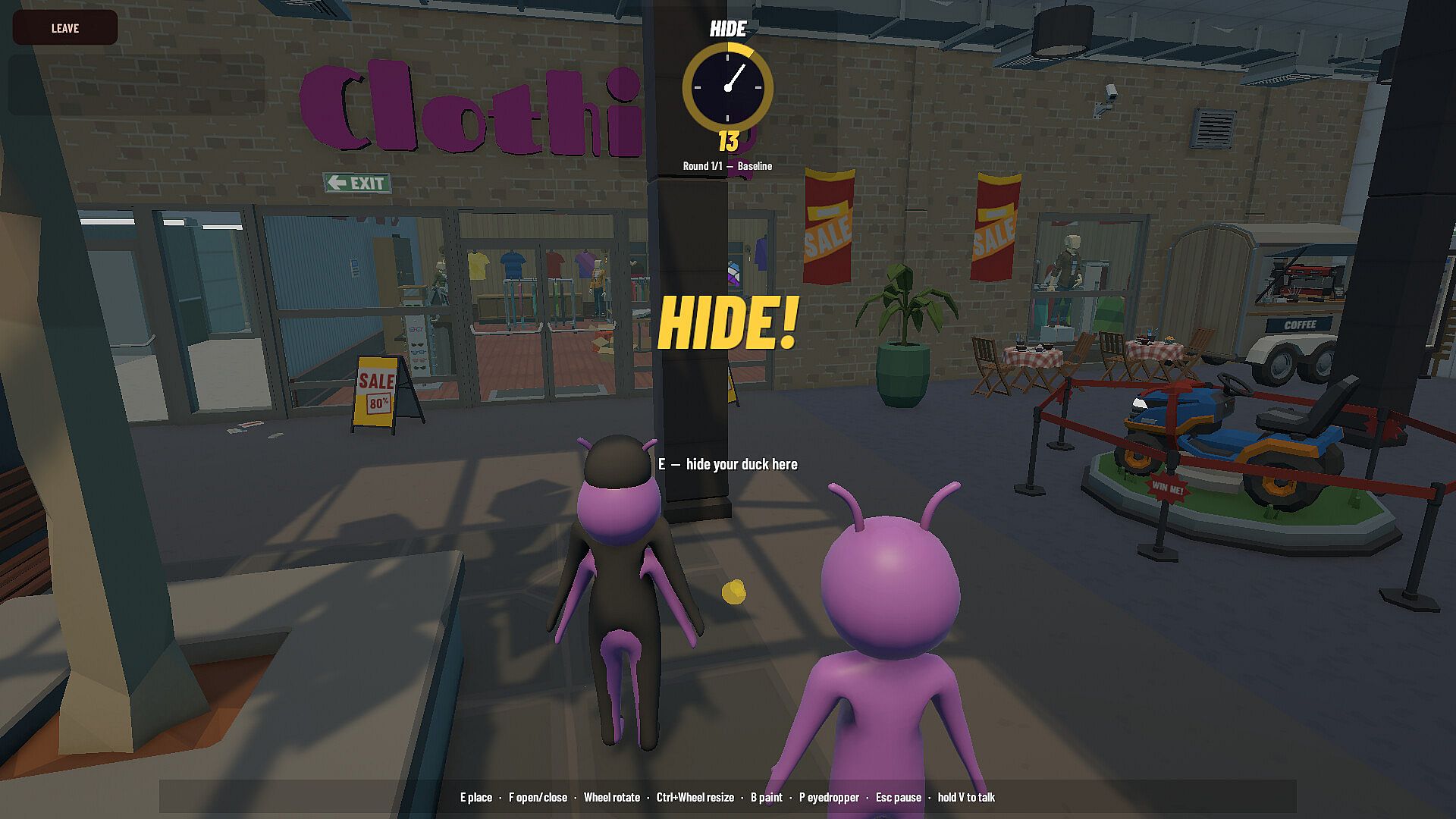
Das Spiel teilt sich in zwei Phasen. In der privaten Versteckphase erhält jeder Spieler eine identische Gummiente und muss sie allein im Raum tarnen. Mit Farbe lässt sich die Ente an die Umgebung anpassen, die Größe verändern oder sie in Ecken, auf Regalen, hinter Gegenständen oder offen platzieren. Ziel ist eine Stelle, die schwer zu entdecken, später aber noch erreichbar ist.
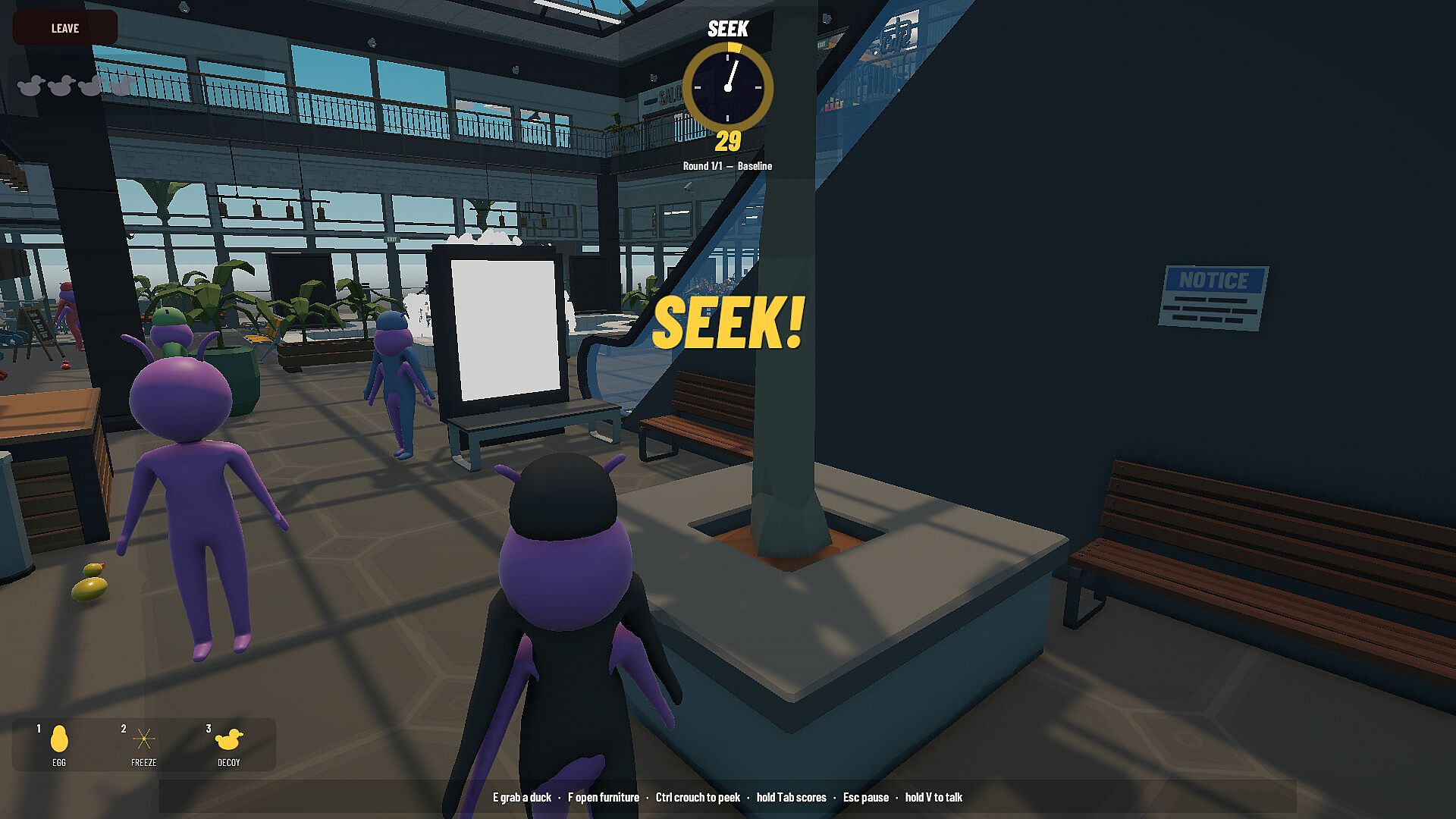
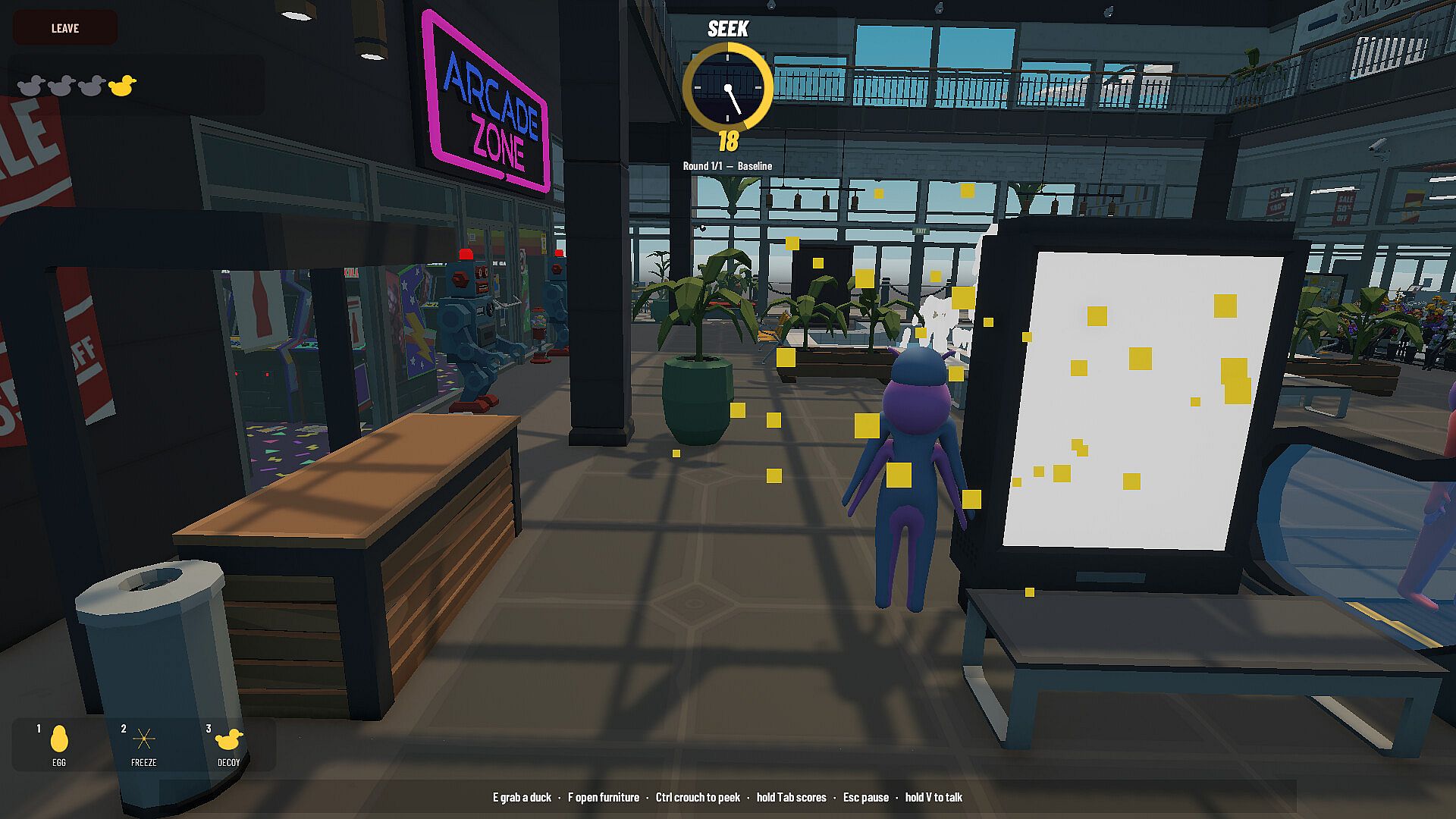
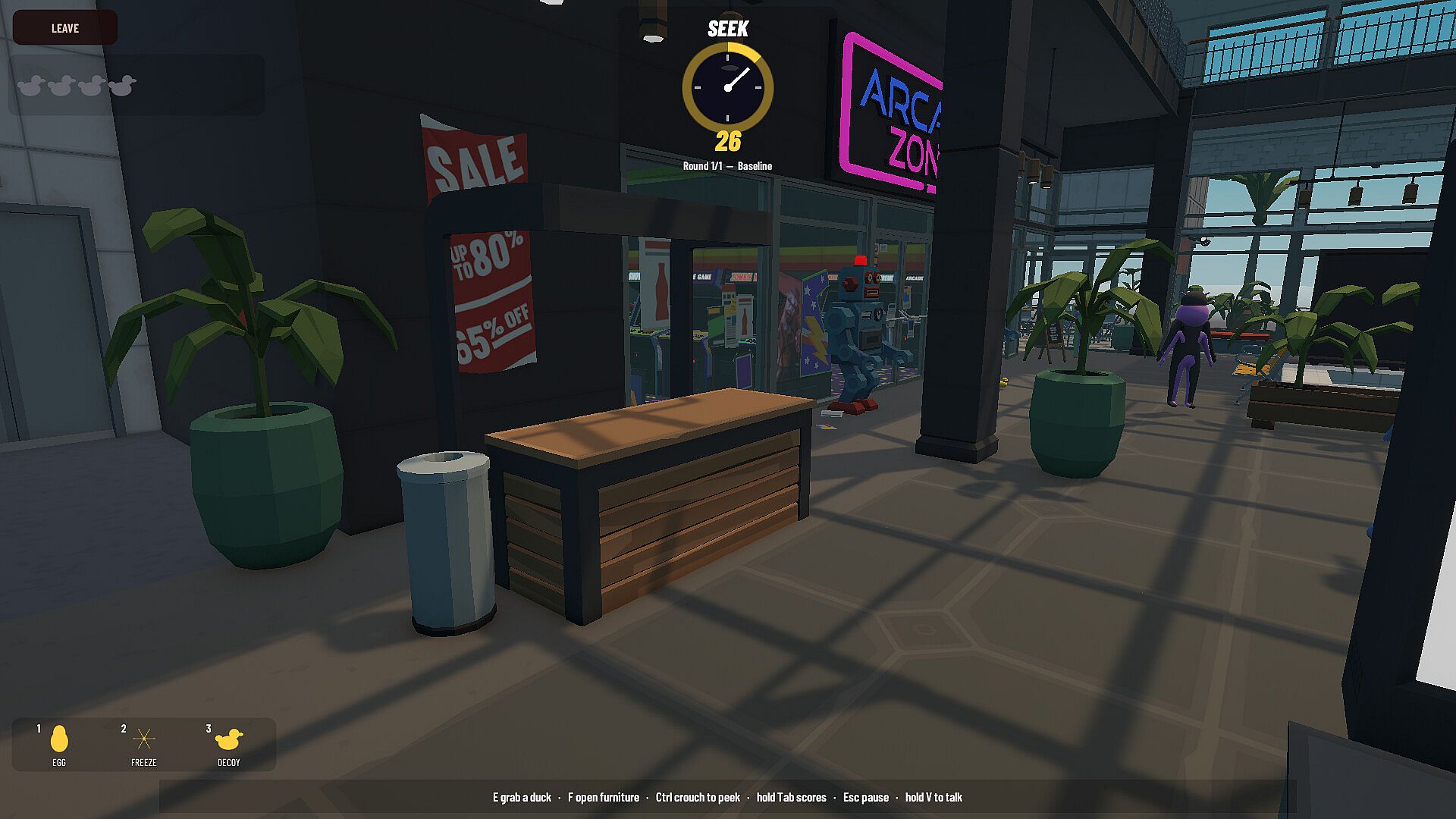
Nach Ablauf der Versteckphase suchen alle gleichzeitig. Türen öffnen, Möbel untersuchen und mögliche Verstecke prüfen gehören dazu. Punkte gibt es für gefundene Enten der Gegner, während das eigene Versteck über die Zeit zusätzliche Belohnungen bringt. Bei Annäherung schaltet sich Proximity-Voice-Chat ein und ermöglicht verbale Täuschungen oder Anschuldigungen.
Drei Fähigkeiten stehen während der Suchphase zur Verfügung. „Egg" spritzt einen Gegner an und stört dessen Fortschritt. „Freeze" hält einen Spieler kurz in der Nähe eines vermuteten Verstecks an. „Decoy" legt eine falsche Ente aus, um andere Sucher in die Irre zu führen. Jede Fähigkeit kann nur einmal pro Partie genutzt werden.
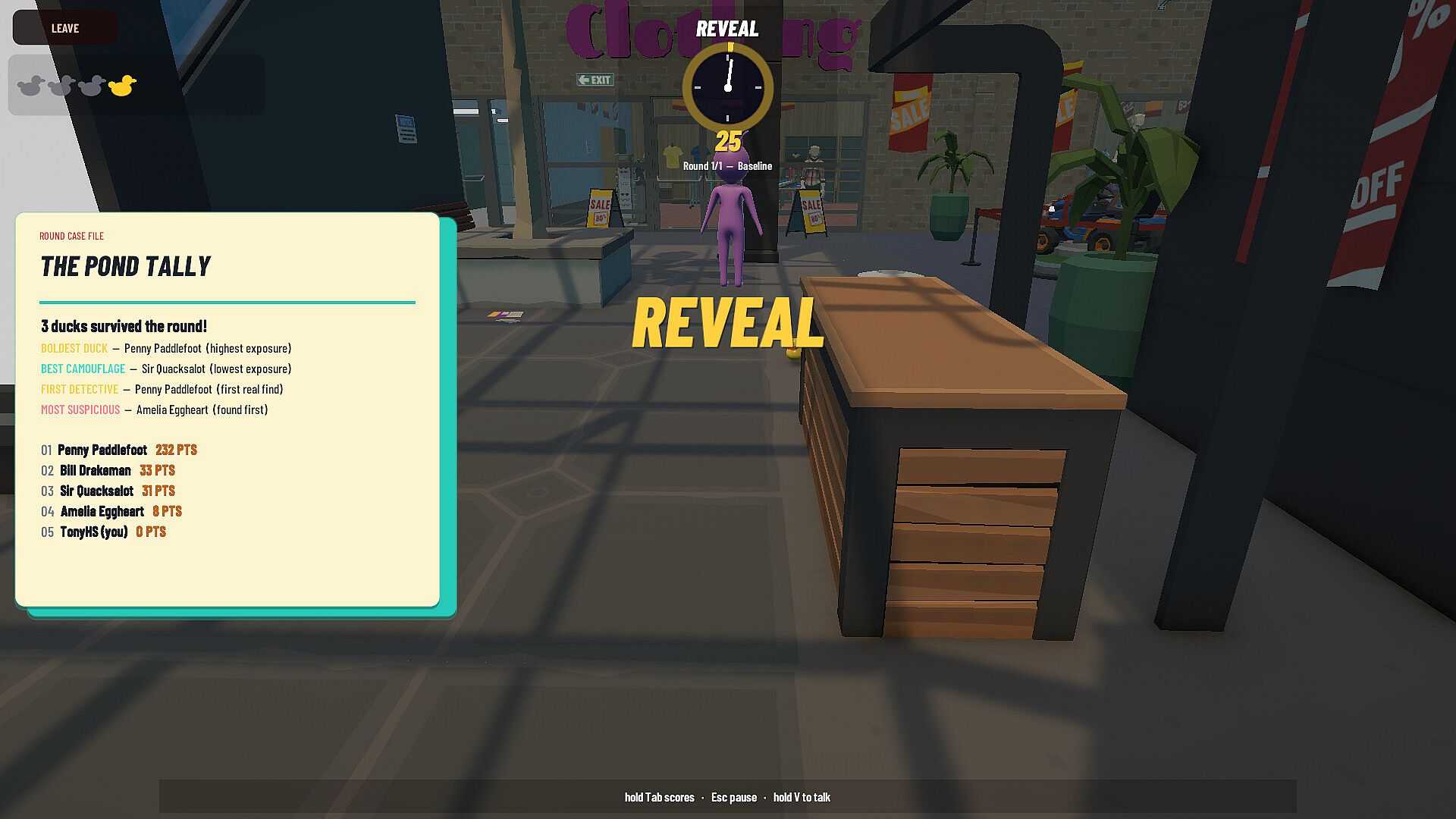
Am Ende jeder Runde schwenkt eine filmische Kamera durch den Raum und zeigt alle Entenpositionen, sodass gelungene und offensichtliche Verstecke für alle sichtbar werden.
Spielmodi
Im Classic-Modus treten alle Spieler in einem Free-for-All gegeneinander an und sammeln individuelle Punkte. 2v2 Teams teilt die Teilnehmer in Paare, die ihre Verstecke und Suchaktionen abstimmen, um das gegnerische Team zu übertreffen. King of the Hill führt ein zentrales Zielgebiet ein, in dem Spieler Schlüsselpositionen kontrollieren und gleichzeitig ihre Enten verwalten müssen.
Bots füllen freie Plätze oder ermöglichen Solo-Übung in allen Modi. Mehrere farbenfrohe Karten mit unterschiedlichen Möbeln, Pflanzen und architektonischen Details bieten abwechslungsreiche Versteckstrategien.
Multiplayer-Erfahrung
Online-Matches unterstützen bis zu acht Spieler; private Runden sind für kleinere Gruppen möglich. Die Kombination aus gleichzeitiger Suche und Proximity-Voice-Chat schafft Raum für Täuschung und spontane Reaktionen. Die Karten nutzen vertikale und horizontale Räume, sodass Sichtlinien und Laufwege bei der Platzierung eine Rolle spielen.
Family-Sharing wird unterstützt, sodass mehrere Haushaltsmitglieder Zugriff erhalten. Das Spiel läuft ab Windows 10 mit moderaten Hardware-Anforderungen; für die Sprachfunktionen wird ein Headset empfohlen.
Lohnt sich das Spiel?
Duck Duck Gone richtet sich an Gruppen, die kurze, wiederholbare Sessions mit Kreativität und leichtem Wettbewerb suchen. Das Versteck-und-Such-Prinzip belohnt Experimente mit Platzierung und Timing, während die Enthüllungsphase regelmäßig für gemeinsame Lacher sorgt. Die begrenzten Fähigkeiten und Voice-Elemente bringen Taktik, ohne die Komplexität zu überladen.
Da das Spiel noch nicht veröffentlicht ist und für 2026 geplant ist, liegen bisher keine Spielerbewertungen vor. Wer lockere Party-Spiele mit asymmetrischen Rollen und kurzen Runden mag, findet hier passende, bereits bestätigte Mechaniken. Bots sorgen dafür, dass auch unvollständige Lobbys spielbar bleiben, und die drei Modi bieten Abwechslung für mehrmaliges Spielen.