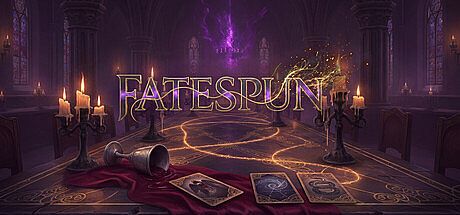


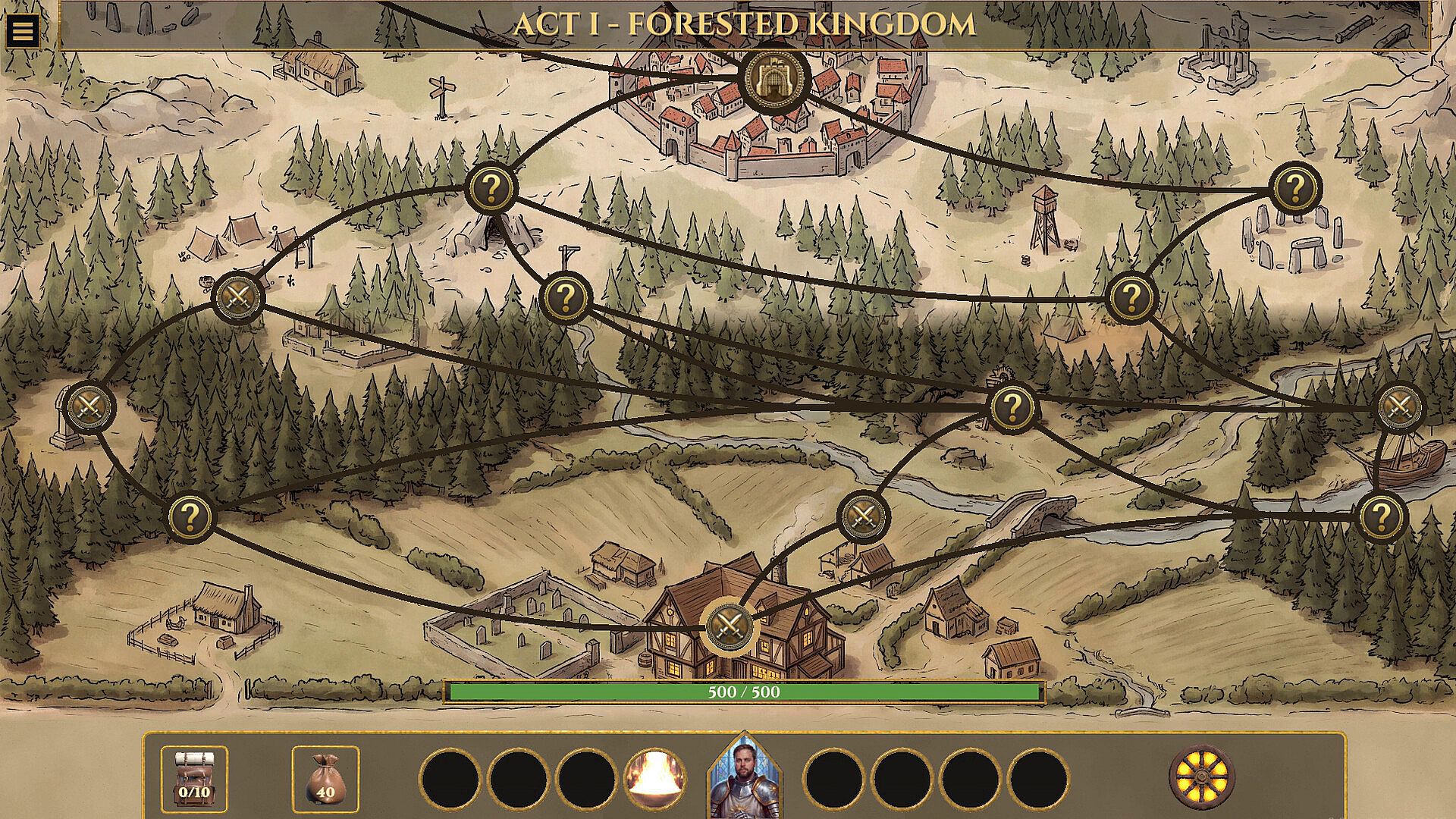
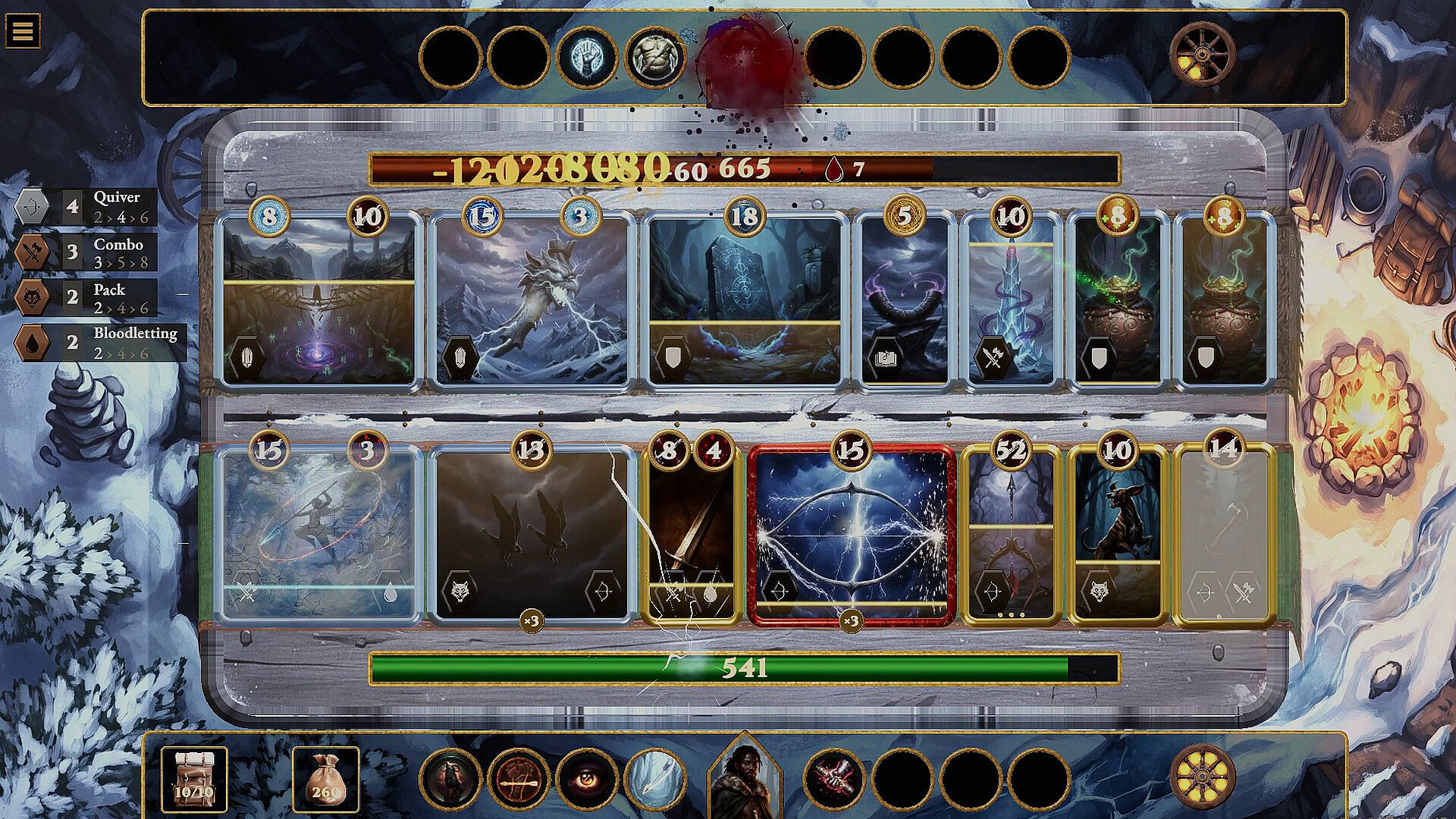
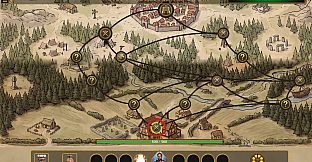
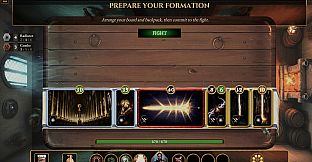
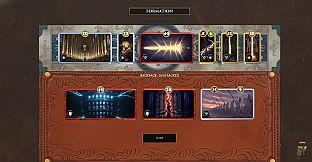
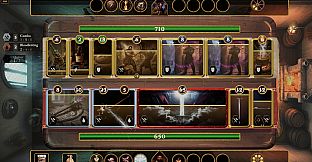
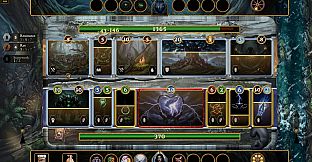
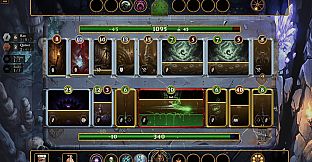
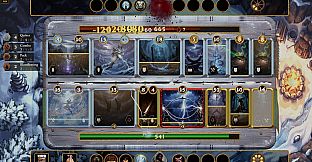
Fatespun is a strategy RPG adventure card roguelite set in a dark romantic high fantasy world. Players select one of six heroes and navigate seeded acts on a painted map, making choices at taverns, merchants, and events before watching formations of cards resolve fights automatically.
Gameplay
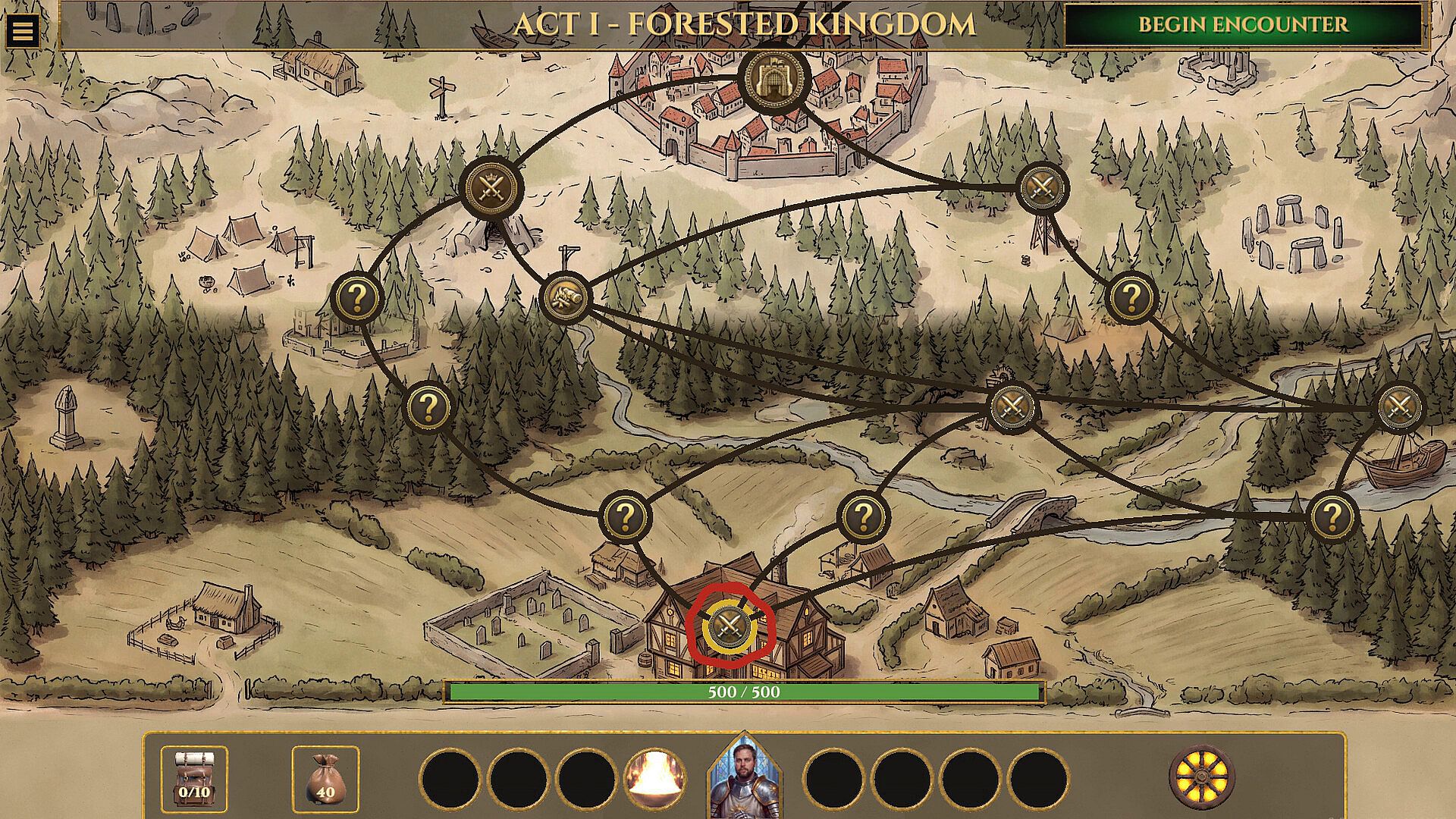
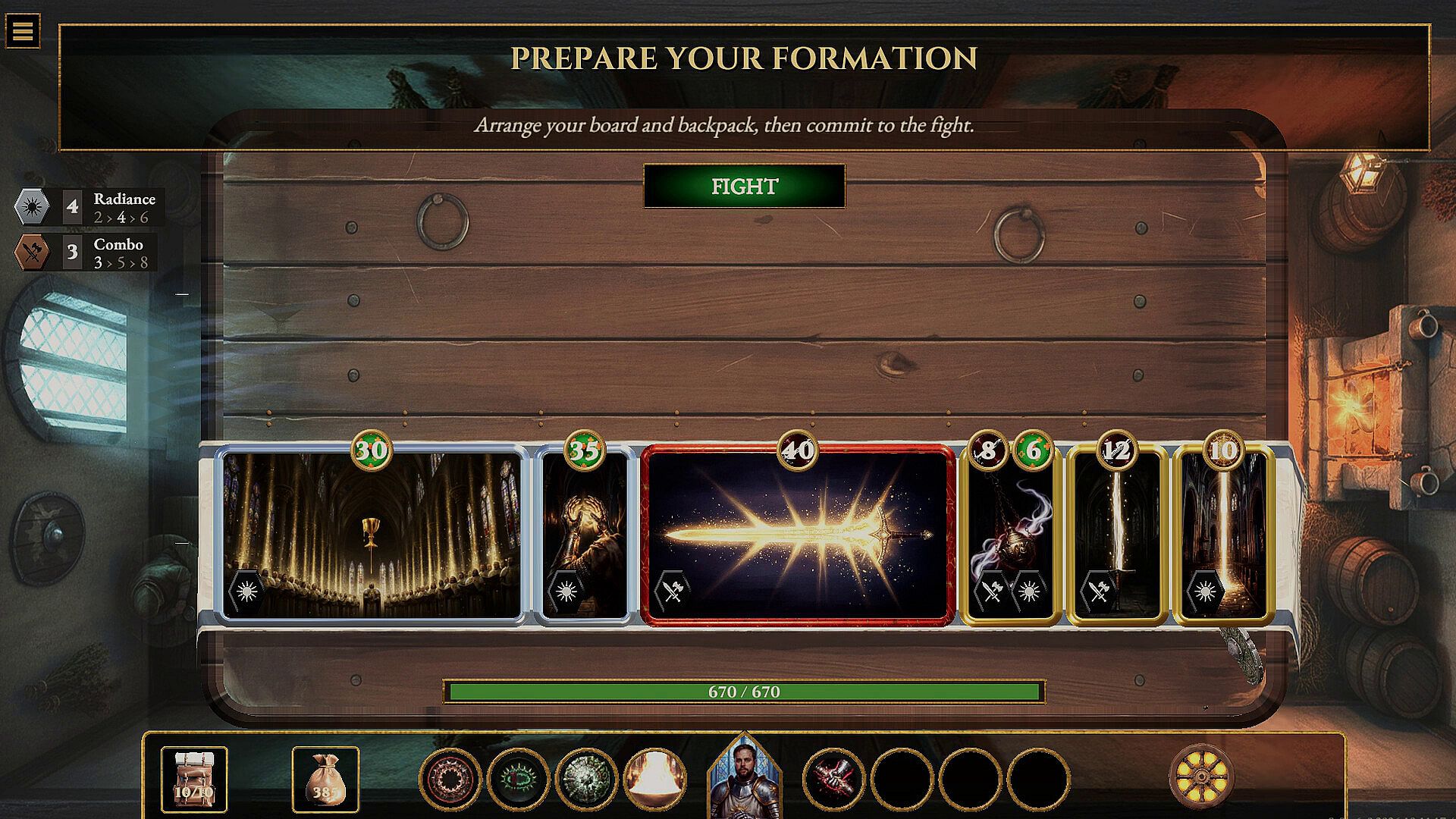
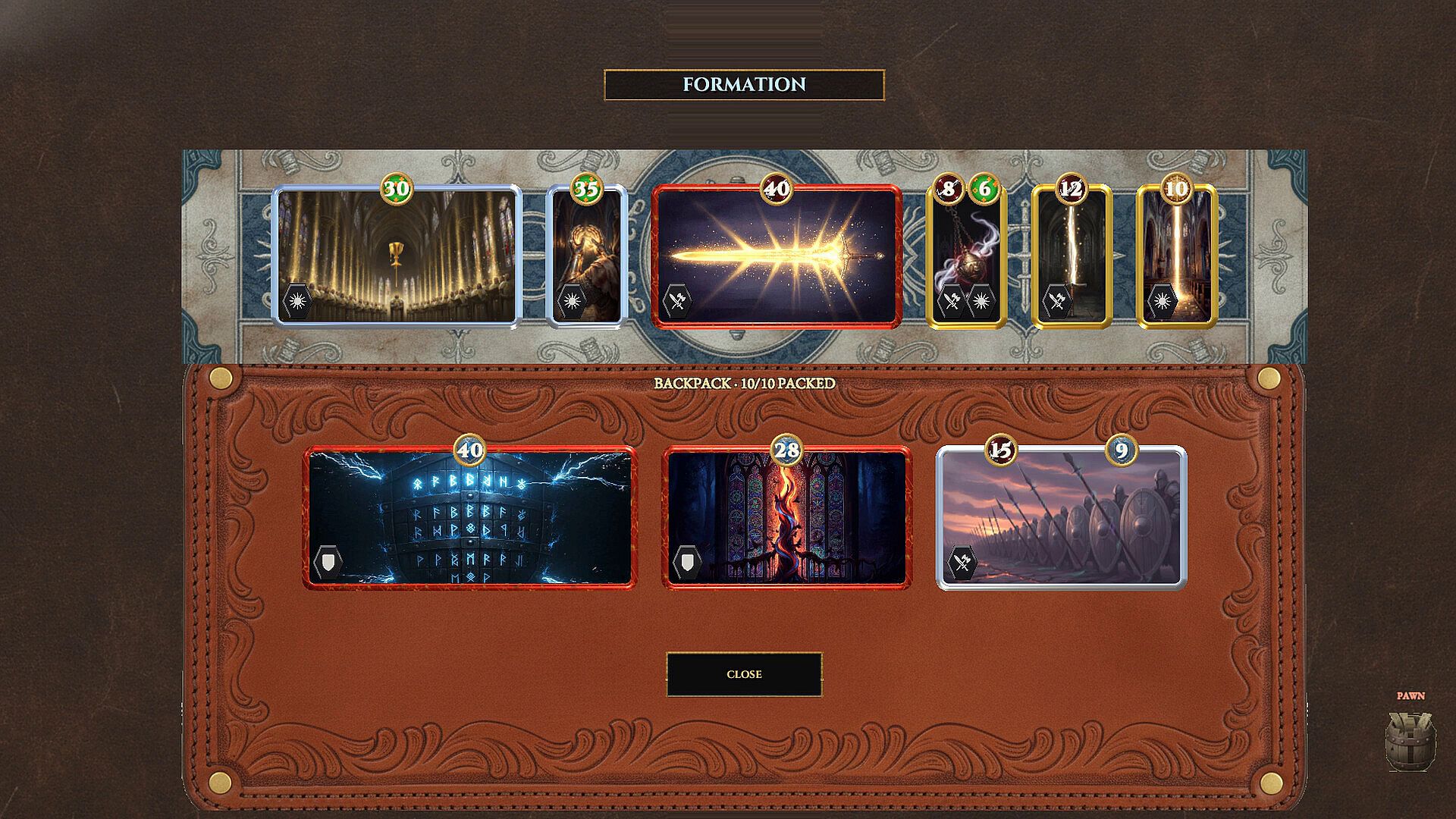
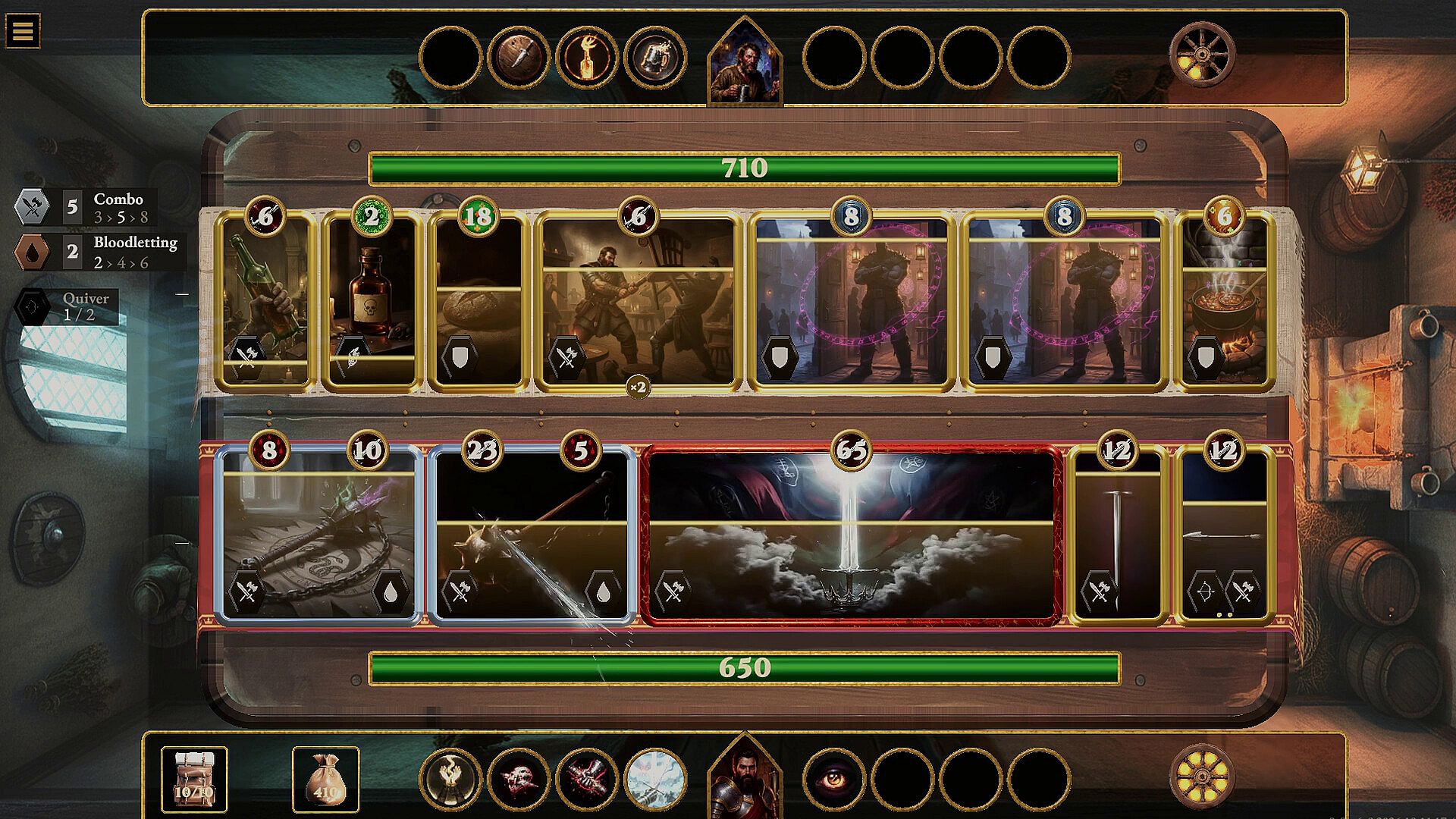
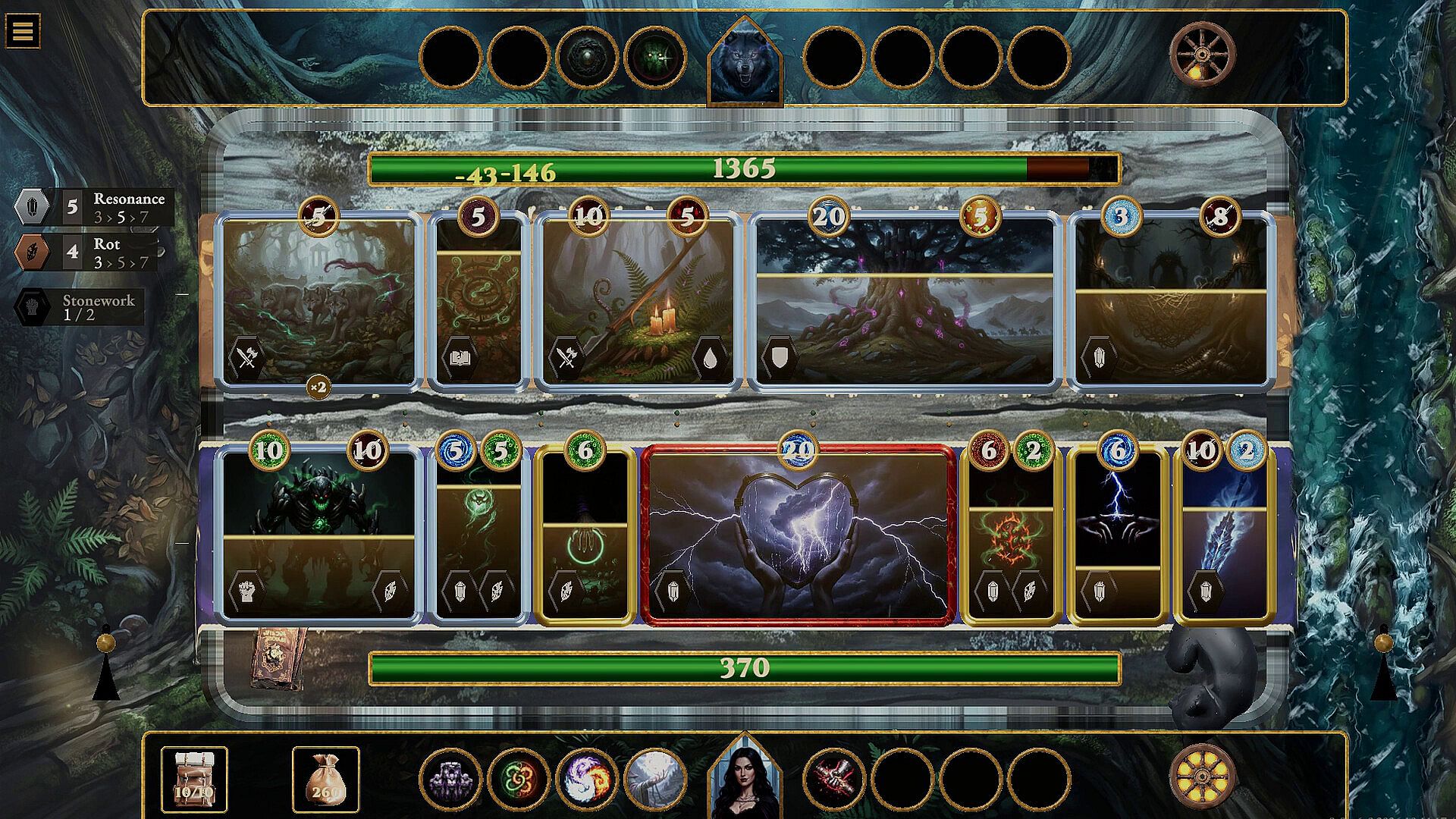
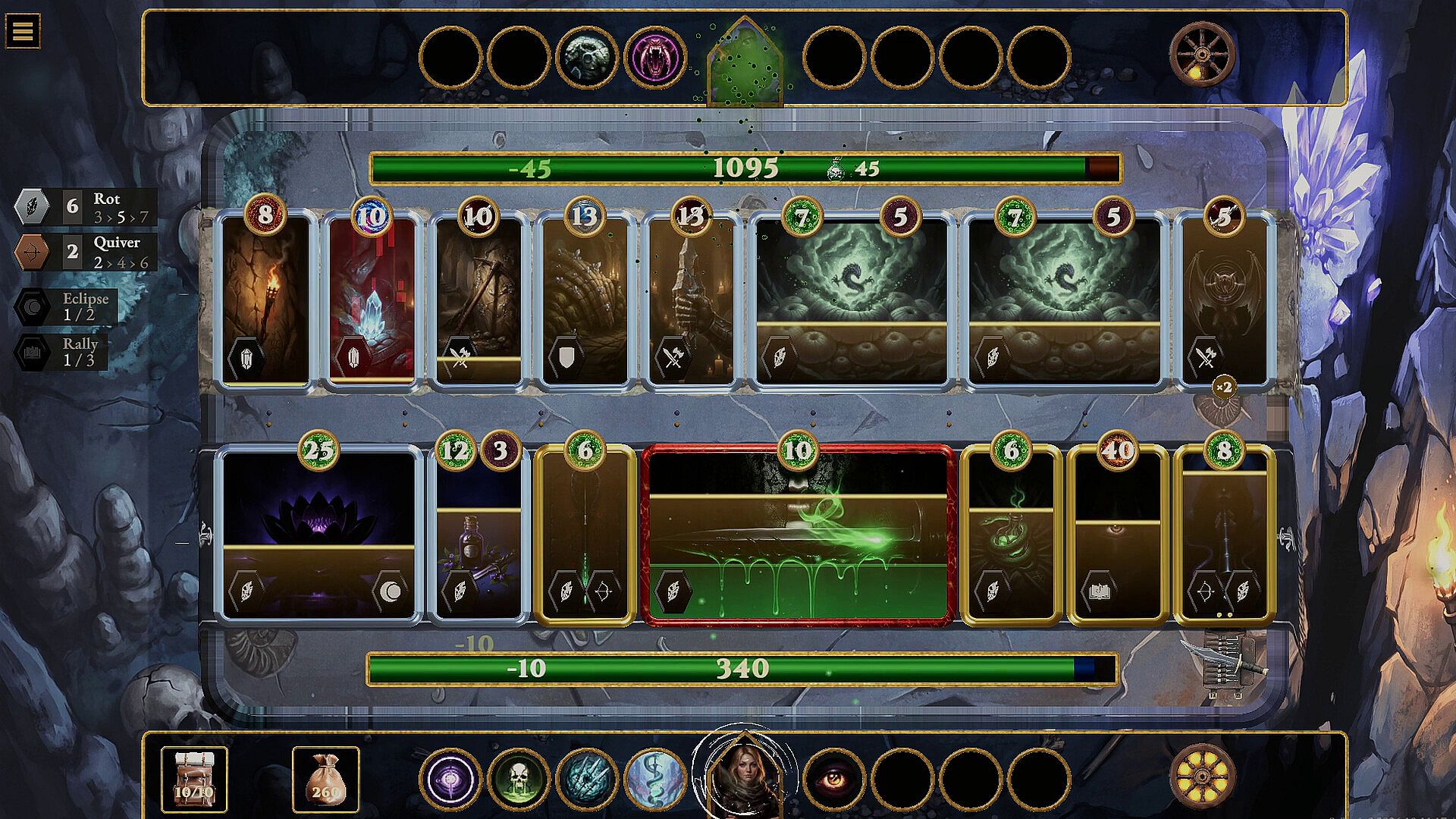
The core loop centers on route planning through each act and careful assembly of a formation. Position and traits determine card value, with variable width allowing different arrangements to suit the chosen hero. Gold and Resolve serve as resources spent between encounters to strengthen the setup. Fights play out without further input once the formation is set, shifting focus entirely to pre-battle decisions.
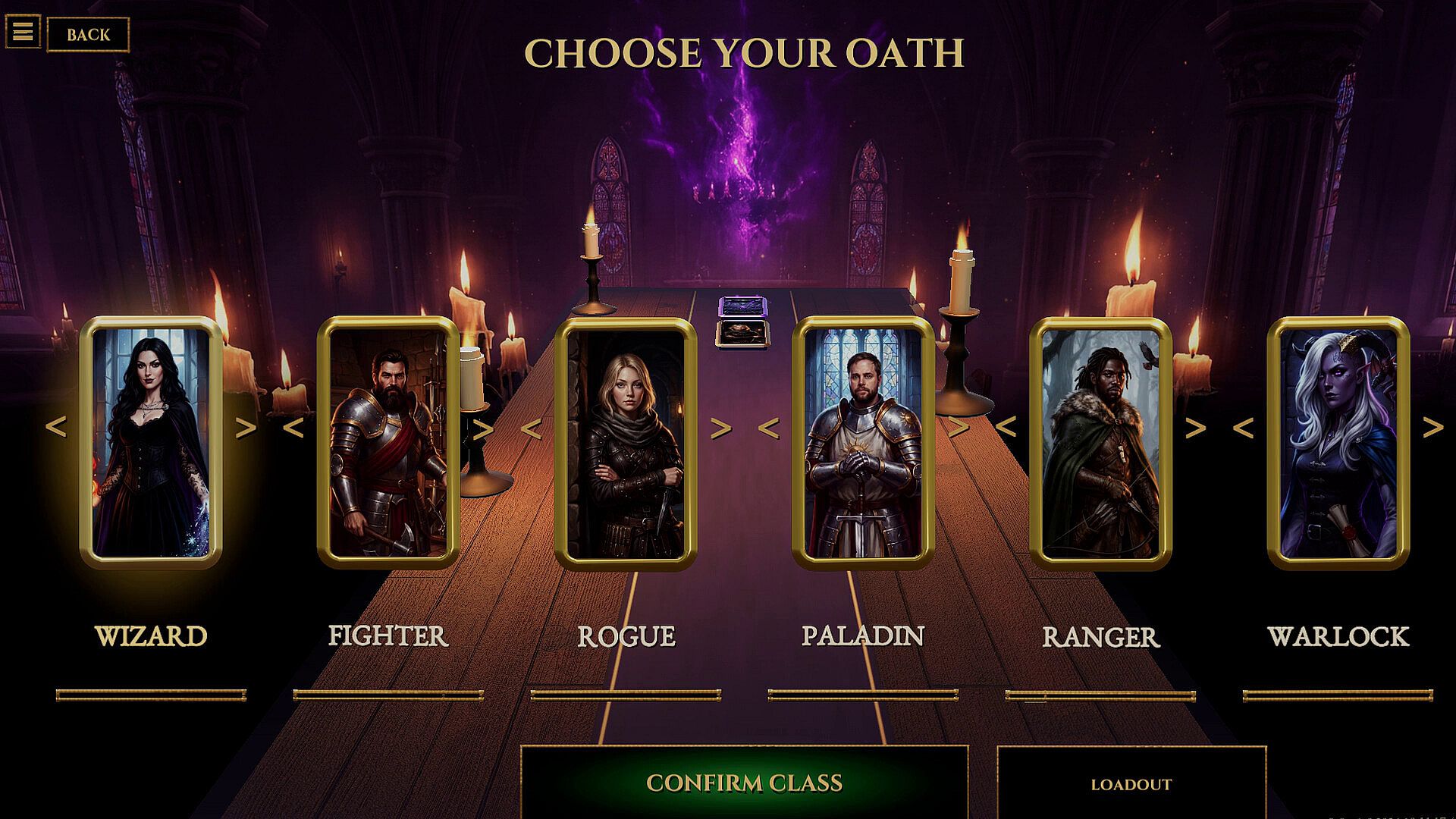
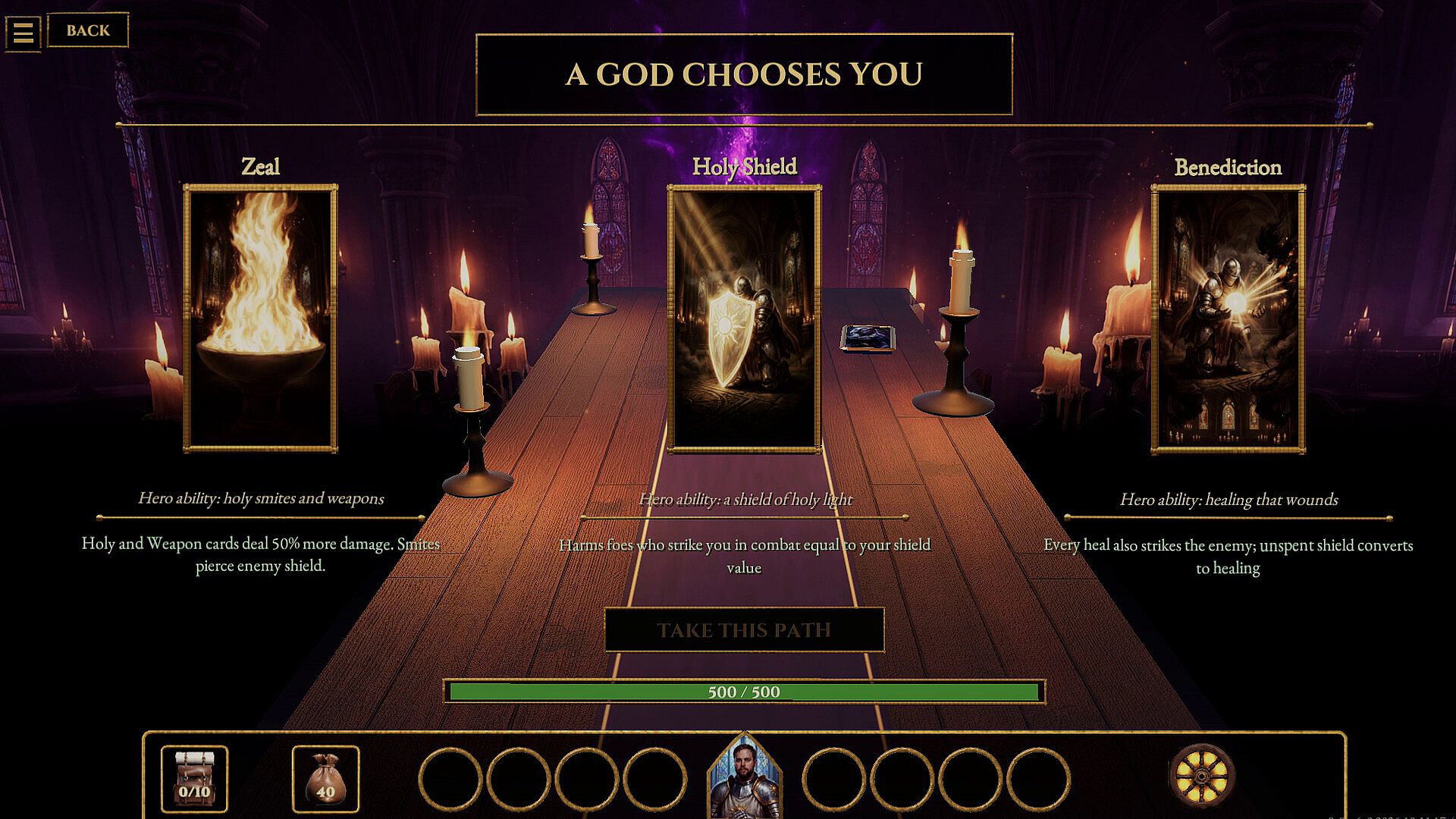
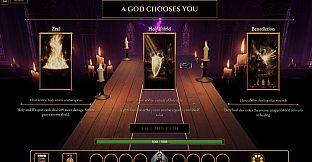
Each hero alters the experience through distinct traits and endings. The Wizard, Fighter, Rogue, Paladin, Ranger, and Warlock draw from separate pools, encouraging players to adapt builds around class preferences rather than forcing a single approach across runs. Legendary rewards after bosses provide permanent options that carry forward in the progression track.
Runs follow a consistent structure of map navigation, resource management, and formation building. Three rival gates test the current setup against boards saved by other players before the act boss appears. The automatic combat system means outcomes depend on earlier choices in card selection, placement, and event resolutions.
Game Modes
The primary experience consists of single-player runs through three acts, each ending with a boss encounter and a choice of legendary reward. Rival battles integrate player-saved formations as gate challenges within these runs, adding a competitive layer without requiring real-time matches.
Class progression tracks offer a separate layer of advancement, with cosmetic rewards tied to performance across multiple runs. The system supports repeated attempts at the same act or hero to refine strategies and unlock further options.
Early Access includes the full core loop of acts, classes, bosses, and rival elements, with plans for additional cards, events, and a post-final-boss champion fight against winning player boards in the complete version.
Hero Classes and Build Variety
Six distinct classes shape every aspect of a run. Each pulls unique traits that influence card effectiveness and dictate viable endings. Players learn the preferences of the Wizard through spell-focused formations, the Fighter through durable frontline setups, or the Rogue through positioning that rewards flanking traits.
Builds evolve around these differences. A Paladin run might emphasize defensive traits and healing synergies, while a Warlock approach leans into riskier, high-reward combinations. The Ranger and others follow similar patterns, creating replayability through class-specific paths rather than identical decks.
Events and merchants introduce further variation by altering card behavior for the remainder of a run. These temporary changes reward experimentation within the fixed formation rules.
Is It Worth Playing?
Fatespun enters Early Access on November 2, 2026, with the core game already playable end to end across all six classes and three acts. The solo developer intends regular updates based on player feedback to refine balance and add content over up to a year.
The game suits players who enjoy card roguelites where preparation and positioning matter more than moment-to-moment execution. Automatic fights reward thoughtful formation design and route choices over reflexes. Those drawn to high-fantasy themes with a darker tone and multiple hero paths will find the structure aligns with repeated runs to test different classes.
Early Access pricing remains lower than the planned full release, and optional in-game purchases do not affect gameplay. The current version delivers complete runs with rival integration and class progression, making it accessible for those interested in shaping development through feedback on the built-in systems.