


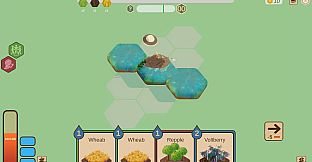

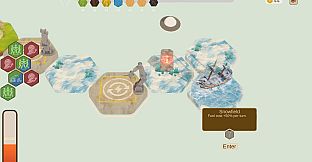
Good Dirt is a strategy indie game on PC that puts players in the role of a botanist stranded on Earth after a UFO crash. The core challenge involves splicing local plants into fast-growing crops to produce enough fuel for the journey home. This hex-grid roguelike deckbuilder centers on planting crops across fields to meet harvest goals while managing limited fuel supplies that deplete with each day spent in a field or step taken across the map.
Gameplay
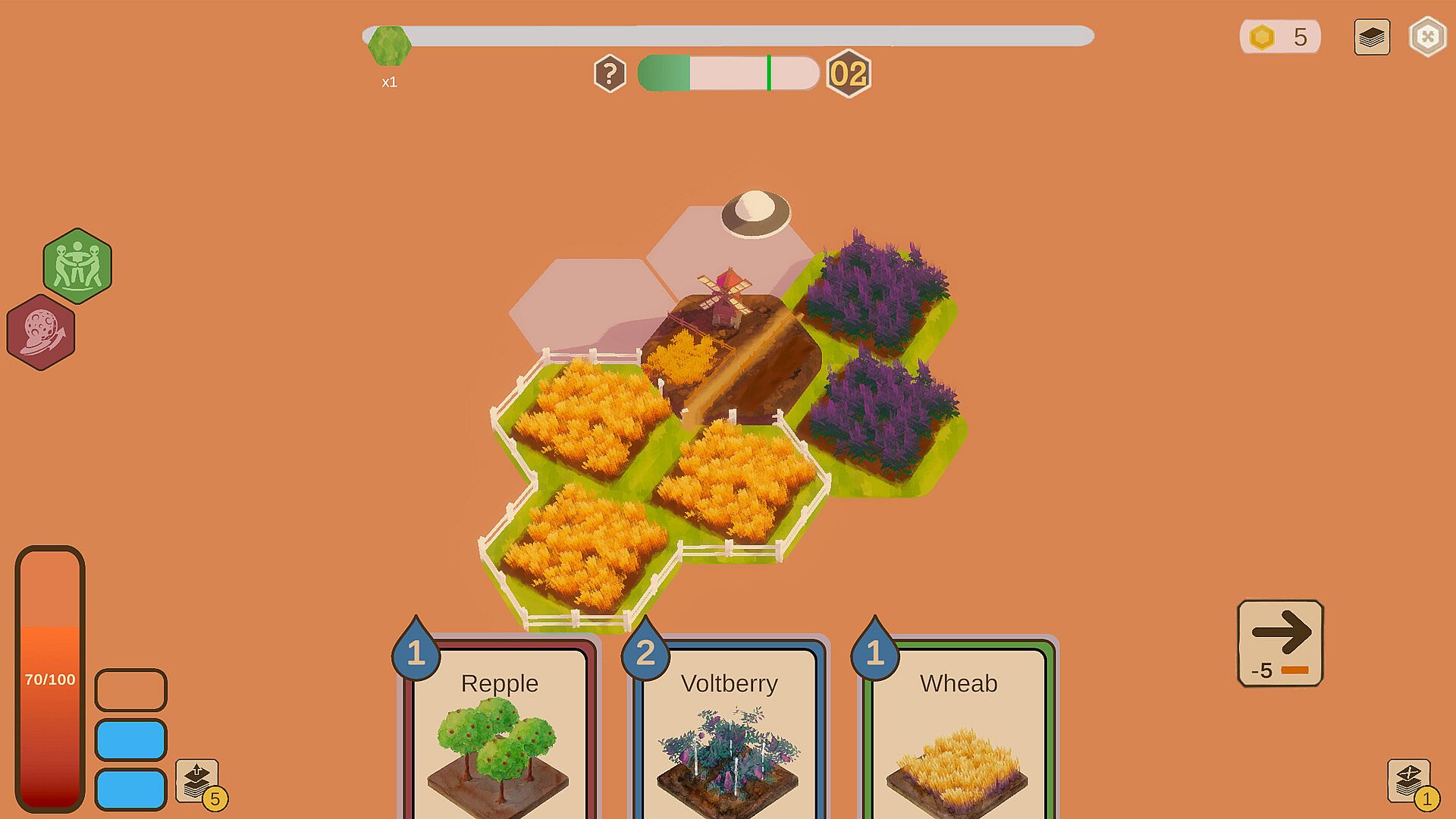
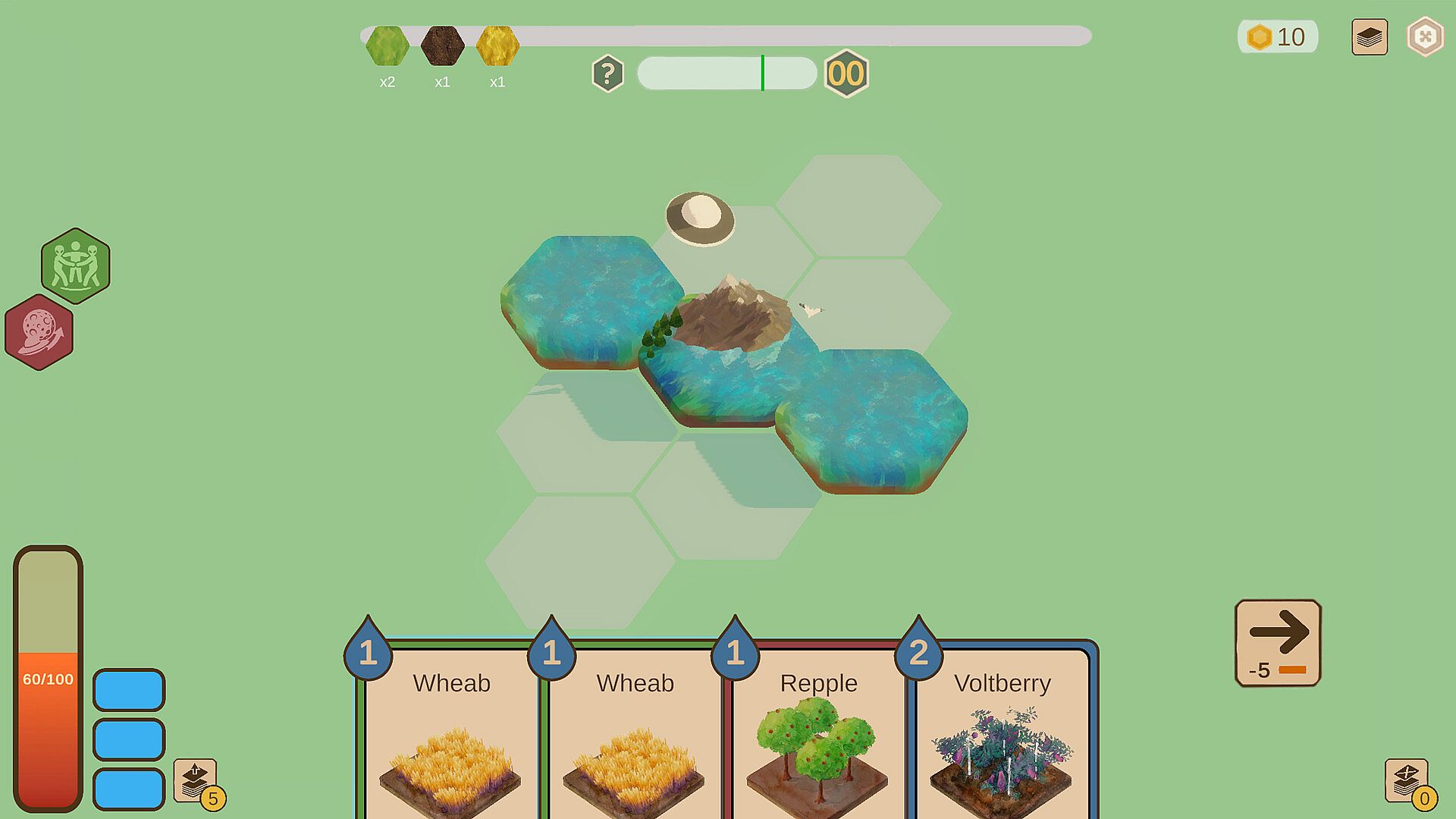
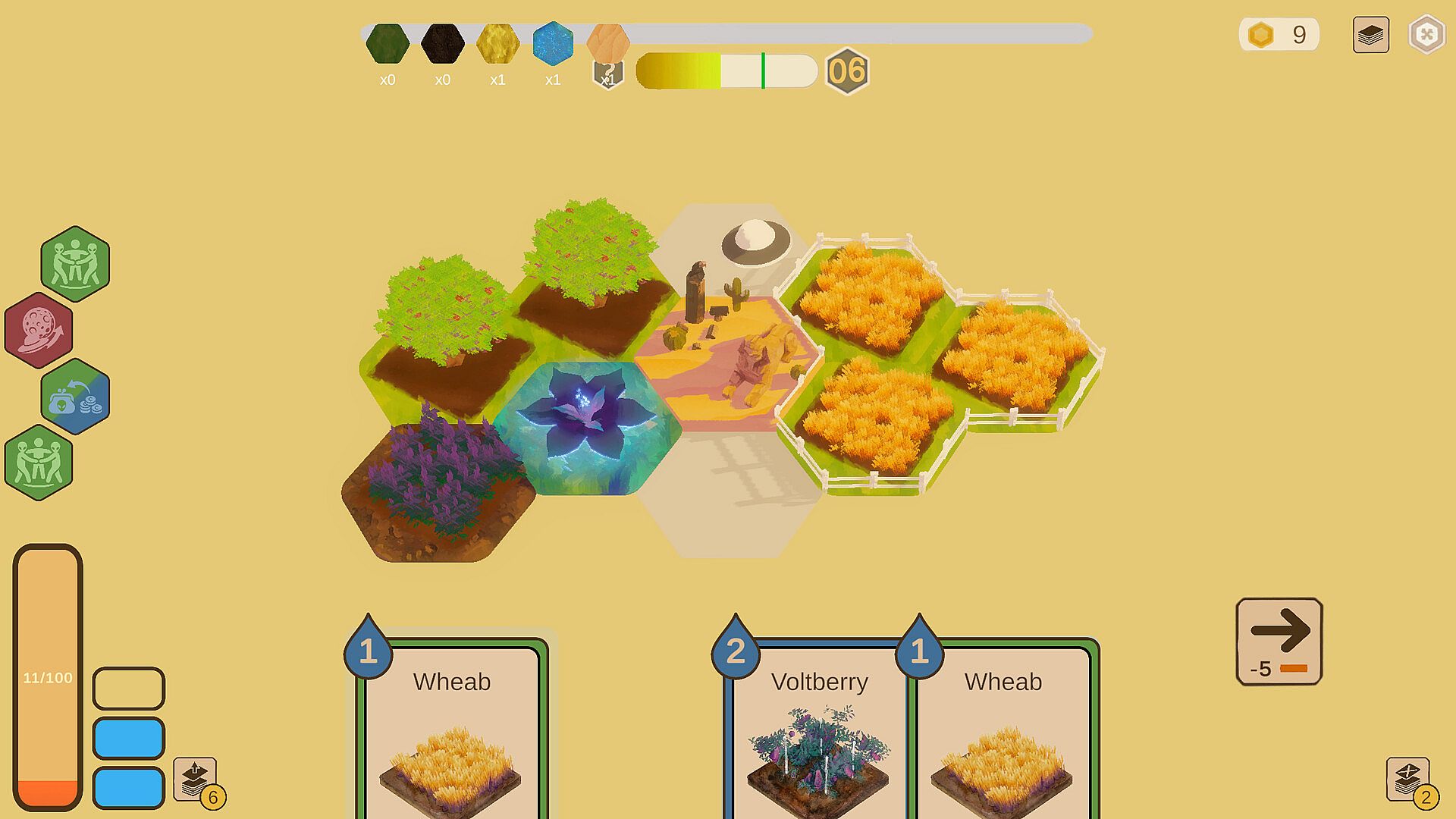
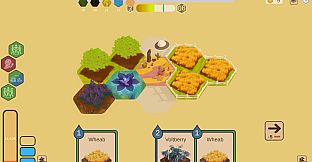
The gameplay revolves around building fields on a hex grid where each tile represents a spot for crops drawn from a deck. Players spend water to place crops and then resolve the board in one go, with no waiting periods for growth. Placement matters because neighboring crops interact, feeding one another and stacking family bonuses that alter final scores based on positioning. The same set of crops can produce wildly different results depending on arrangement, turning each field into a spatial puzzle focused on planning rather than timing.
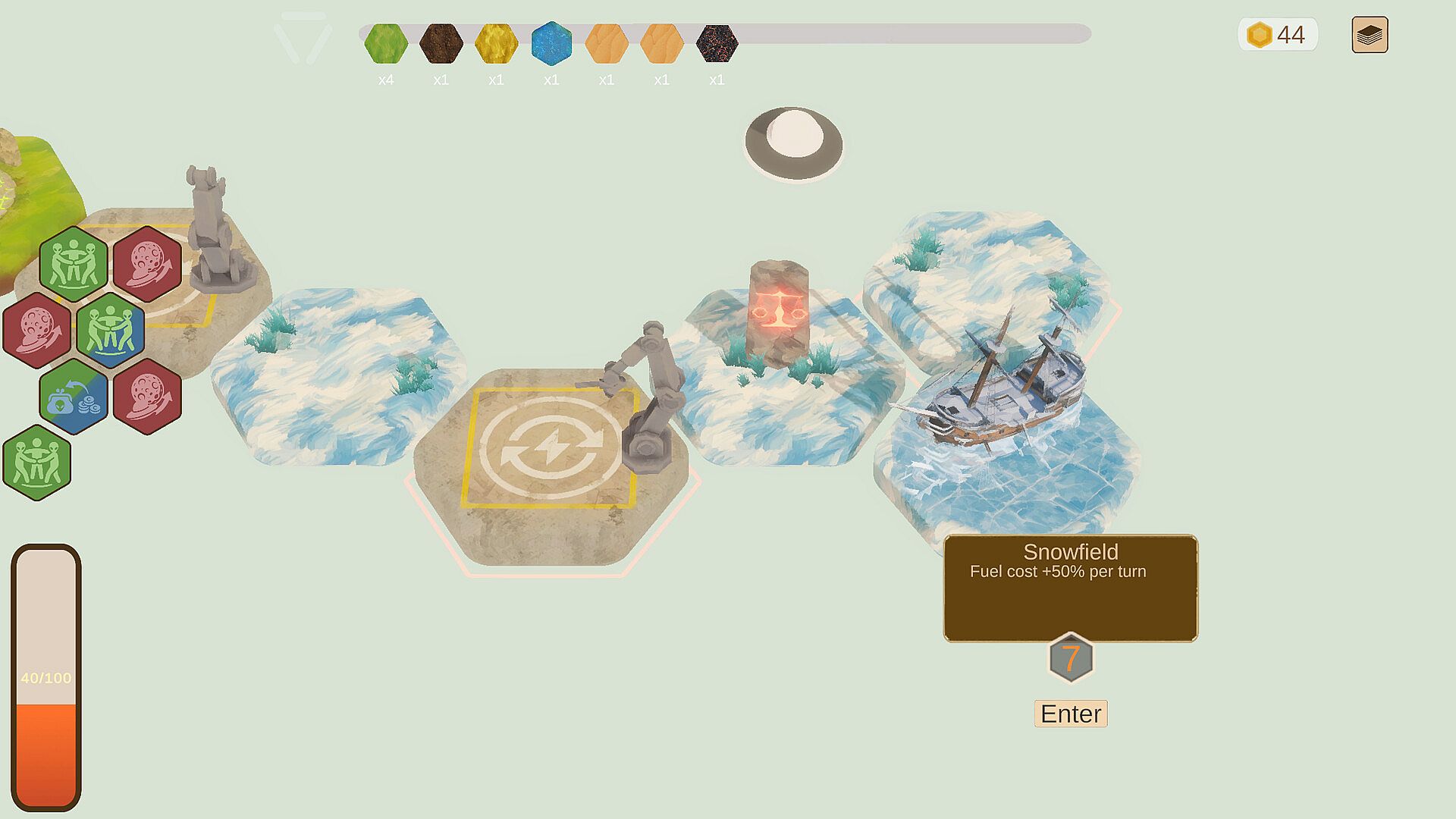
Fuel serves as the central resource that creates tension between safety and progress. Spending too many days in a field burns fuel and ends the run if the harvest goal is missed. Crossing the map also consumes fuel, so distance must be purchased carefully. Overshooting the harvest goal converts surplus into extra fuel, rewarding aggressive plays that push farther outward. Soil from cleared plots gets banked permanently, expanding the hex grid available in future fields and allowing more complex layouts over time.
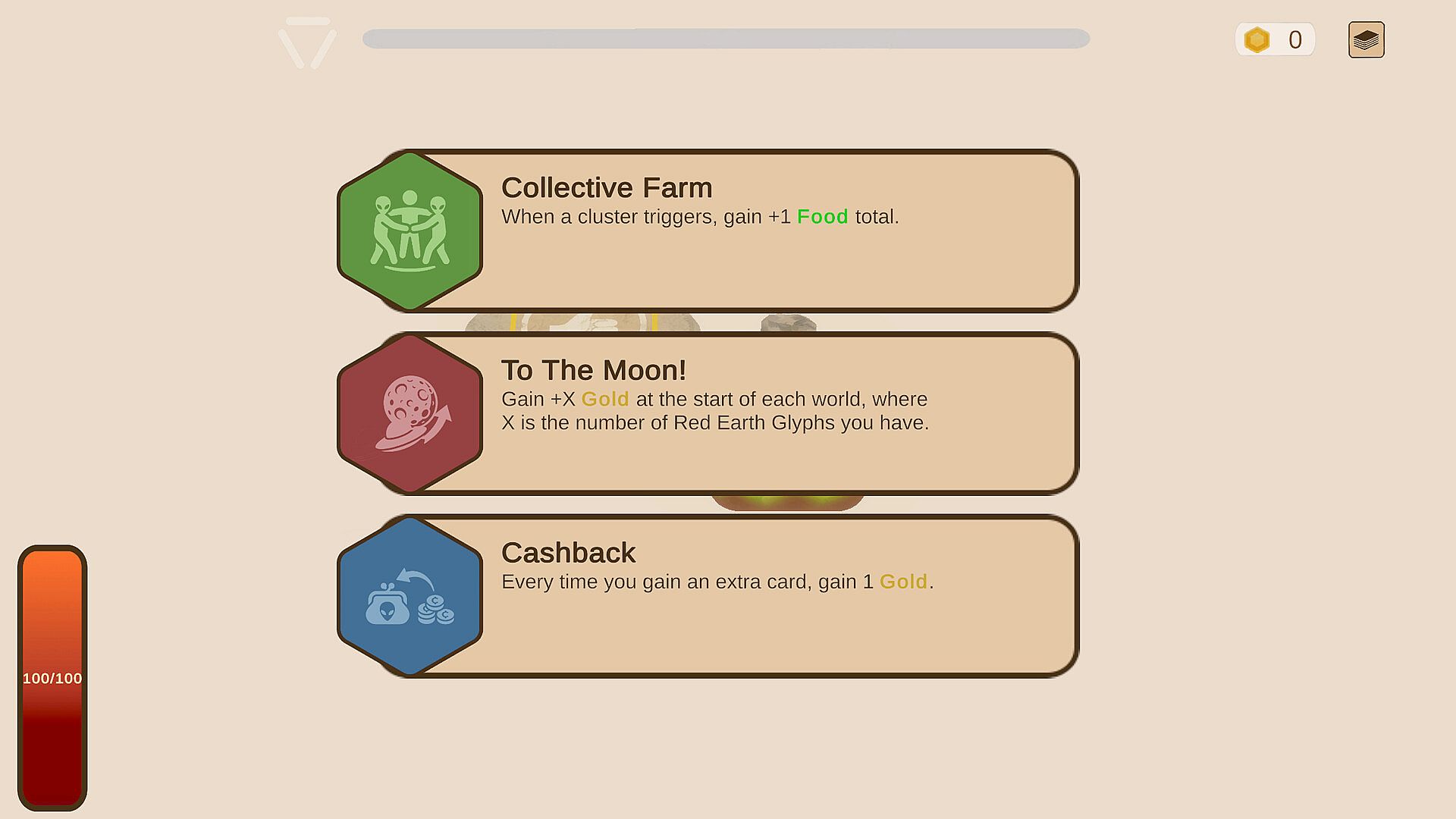
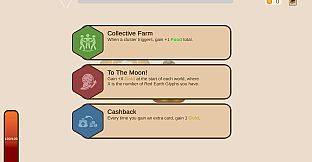
Glyph Stones add another layer once enough colored tiles are surveyed. These alien artifacts provide run-wide effects that modify crop scoring, soil behavior, or daily costs. Routing across the map determines which colors and glyphs become available, effectively turning exploration into an extension of deck building. Boss victories unlock cross-color legend glyphs that can reshape an entire run.
Game Modes
Good Dirt structures its experience around a continuous outward journey on a single hex world map that expands with exploration. Each run begins at the crash site on a six-hex starting grid and proceeds without backtracking or revisits. Players choose from small sets of options at each step, such as safe flatlands, hostile specialty fields, workshops for crop upgrades, or labs for splicing new combinations. Every choice carries a fuel cost, forcing decisions about affordability and long-term value.
The roguelike format means each attempt stands alone, with permanent soil gains carrying over only within a single run. Failure leaves the player stranded but ready for a new route rather than imposing penalties. This setup emphasizes thoughtful path selection and adaptation to the glyphs and crops encountered along the way.
Progression and Exploration
Progression builds through soil accumulation that unlocks larger grids and more placement options. Splicing crops in labs creates new deck entries, while workshops refine existing ones. The map grows outward as players advance, presenting fresh combinations of fields and upgrades that interact with the current deck and any decoded glyphs. Routing decisions influence which glyph colors appear, linking map navigation directly to strategic depth.
Exploration remains forward-only, with no second chances on a given path. This design keeps runs focused on forward momentum and resource trade-offs, where safe exact harvests sustain the player but greedy overshoots enable farther travel. The absence of external threats shifts emphasis entirely to internal planning and fuel economy.
Is It Worth Playing?
Good Dirt suits players who enjoy roguelike deckbuilders built around spatial puzzles and tight resource management. The hex-grid crop placement and neighbor interactions reward careful positioning, while fuel constraints add meaningful pressure to every decision. Those who appreciate runs that reward experimentation with deck composition and map routing will find consistent depth in how the same elements shift based on context.
The game offers a self-contained single-player experience without multiplayer elements or seasonal updates. Its focus on permanent soil progression within runs and glyph-driven variety supports replayability through different routes and splicing choices. Fans of deliberate planning over fast action or narrative-driven campaigns may find the mechanics engaging for multiple attempts.