




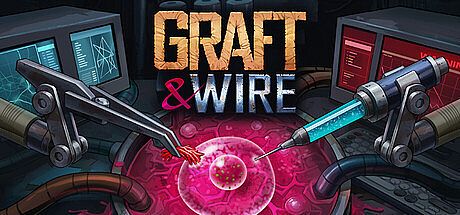


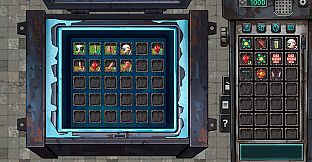
Graft & Wire ist ein Indie-Simulationsspiel in einer Cyberpunk-Welt, in dem Spieler eine geheime Biomaster-Werkstatt leiten. Im Mittelpunkt steht das Züchten synthetischer Organe aus Stammzellen, deren Umwandlung in funktionsfähige Cyber-Implantate, der Handel mit Ressourcen und die Abwicklung von Kundenaufträgen unter wechselnden Marktlagen.
Gameplay
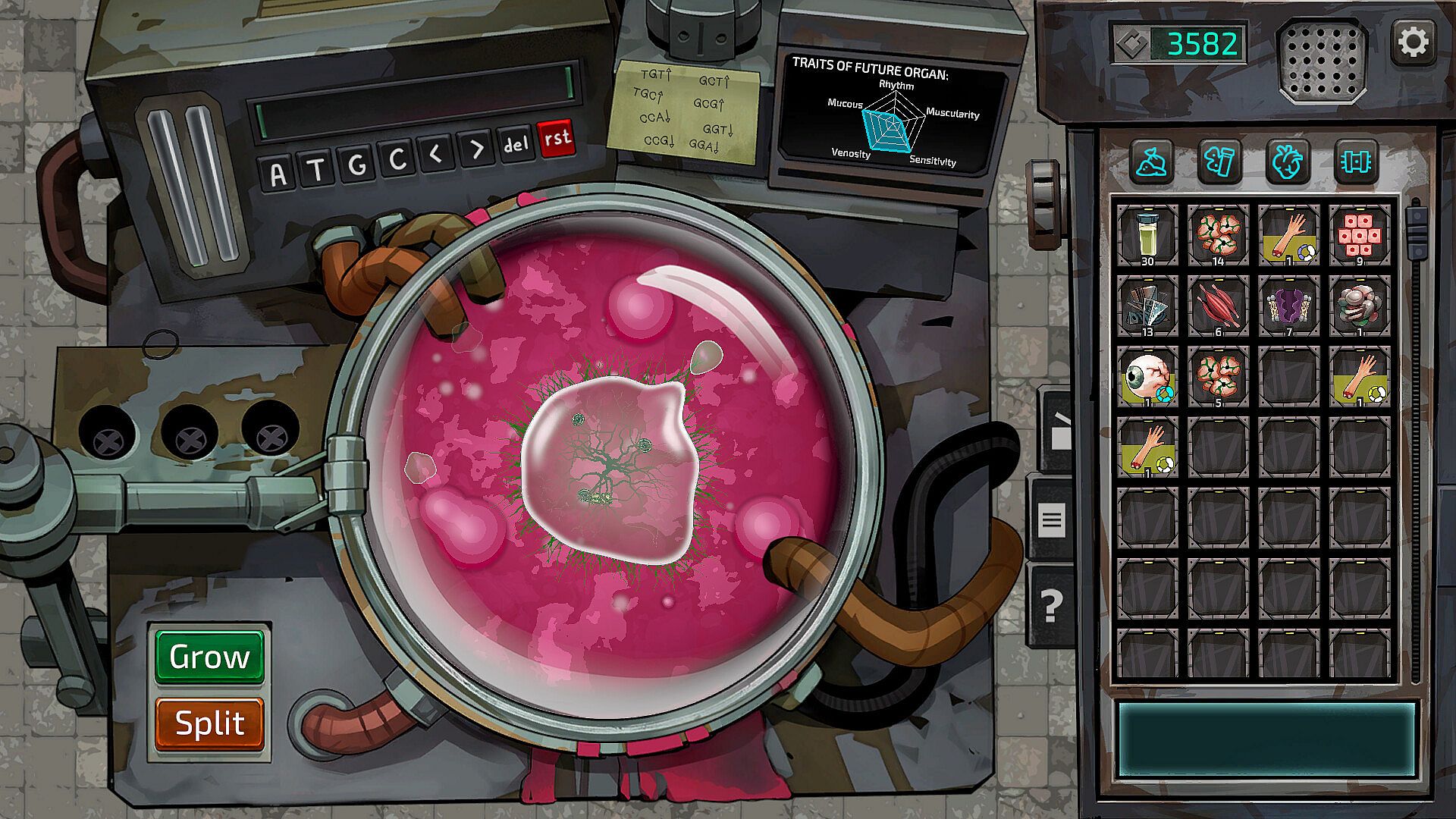
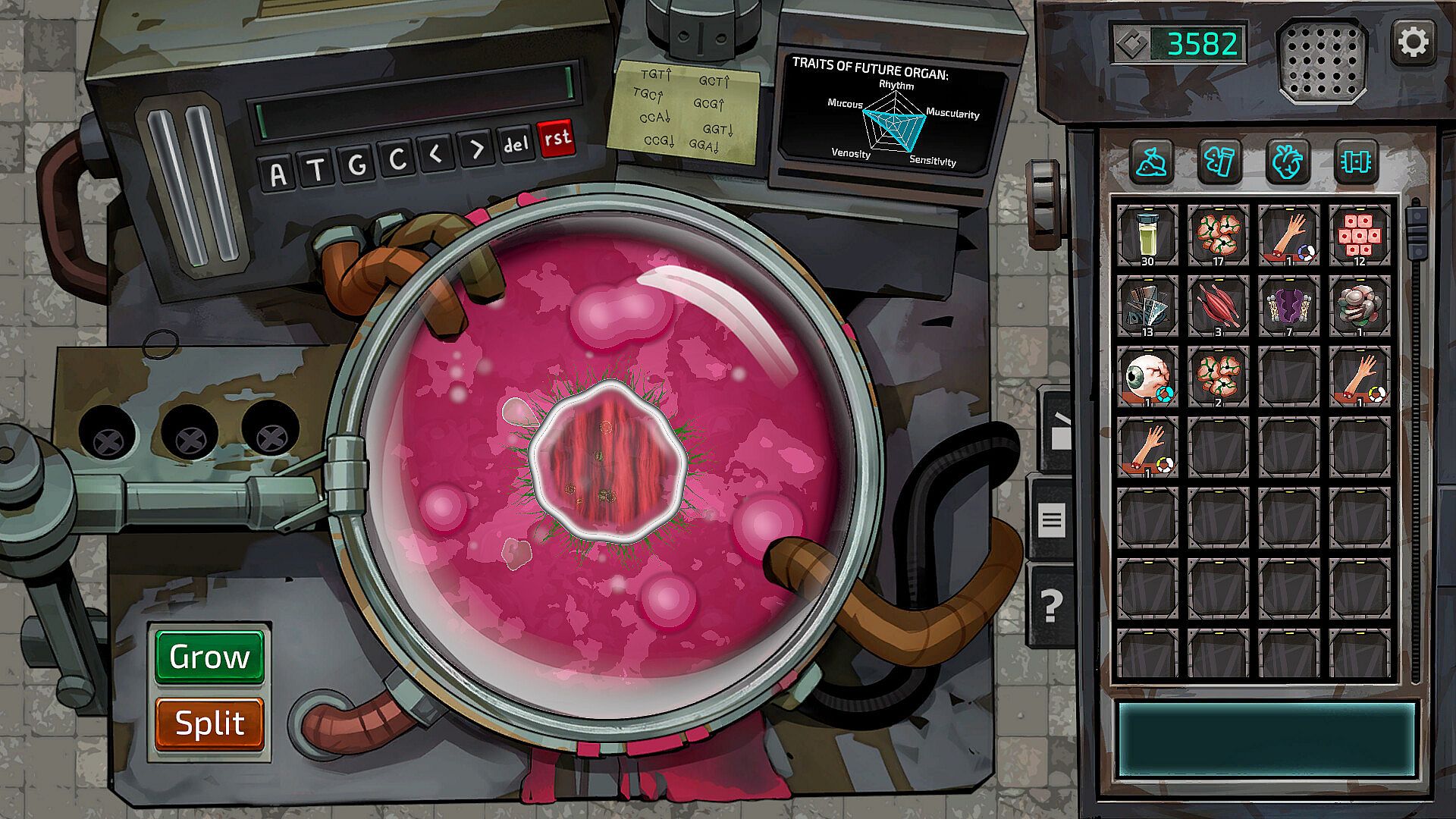
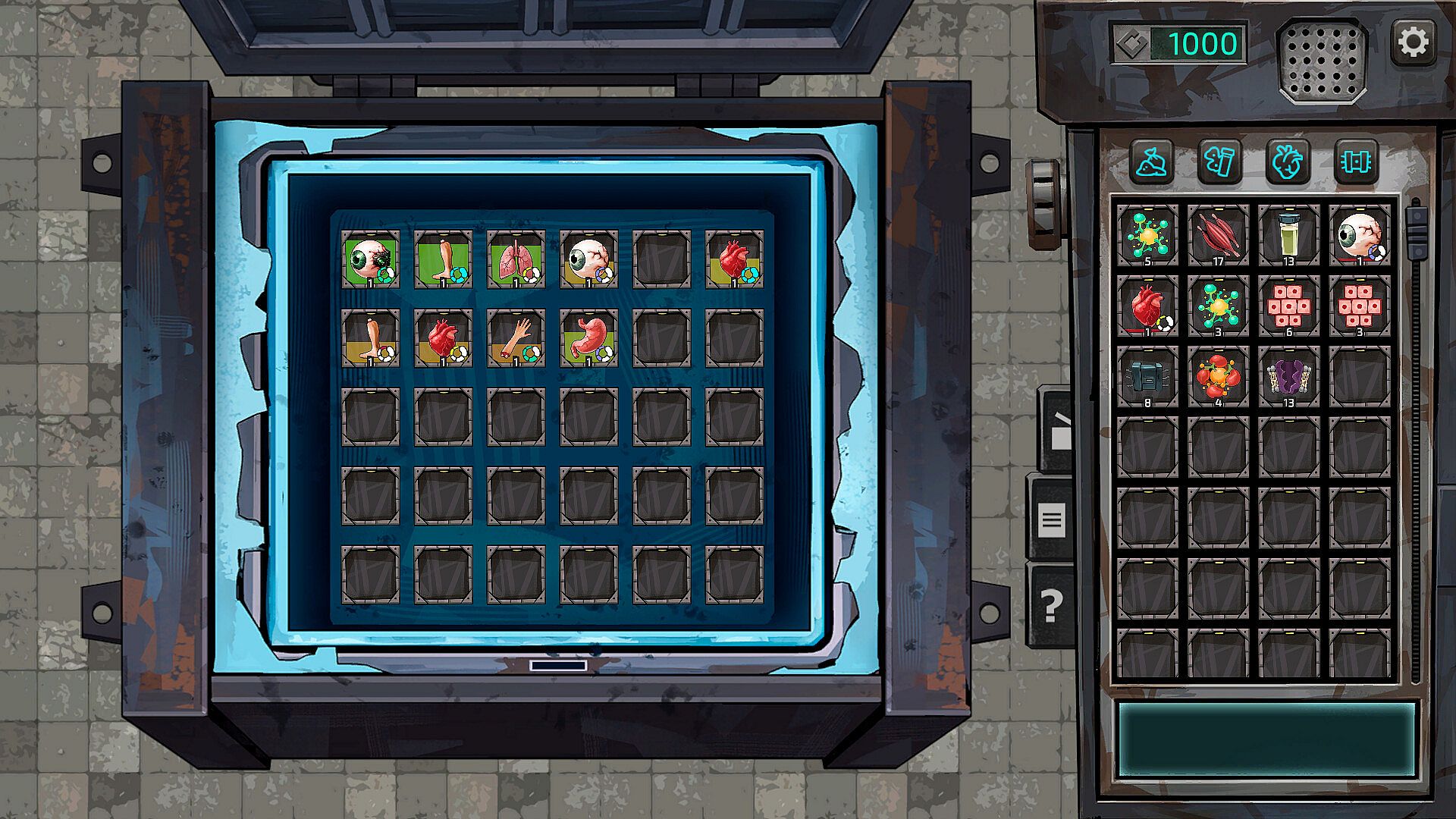
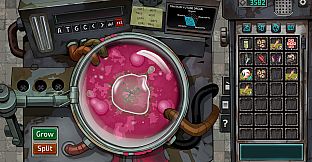
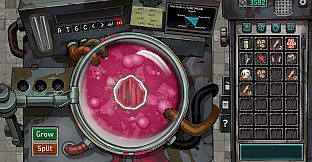
Zu Beginn wählen Spieler eine Stammzelle und setzen gezielt Nährstoffe ein, die die Entwicklung des Organs beeinflussen. Die Kombination der Nährstoffe bestimmt Eigenschaften, Qualität und Marktwert des fertigen Organs. Verfügbar sind Auge, Arm, Bein, Lunge, Magen und Herz, die jeweils unterschiedlich auf dieselben Eingaben reagieren.
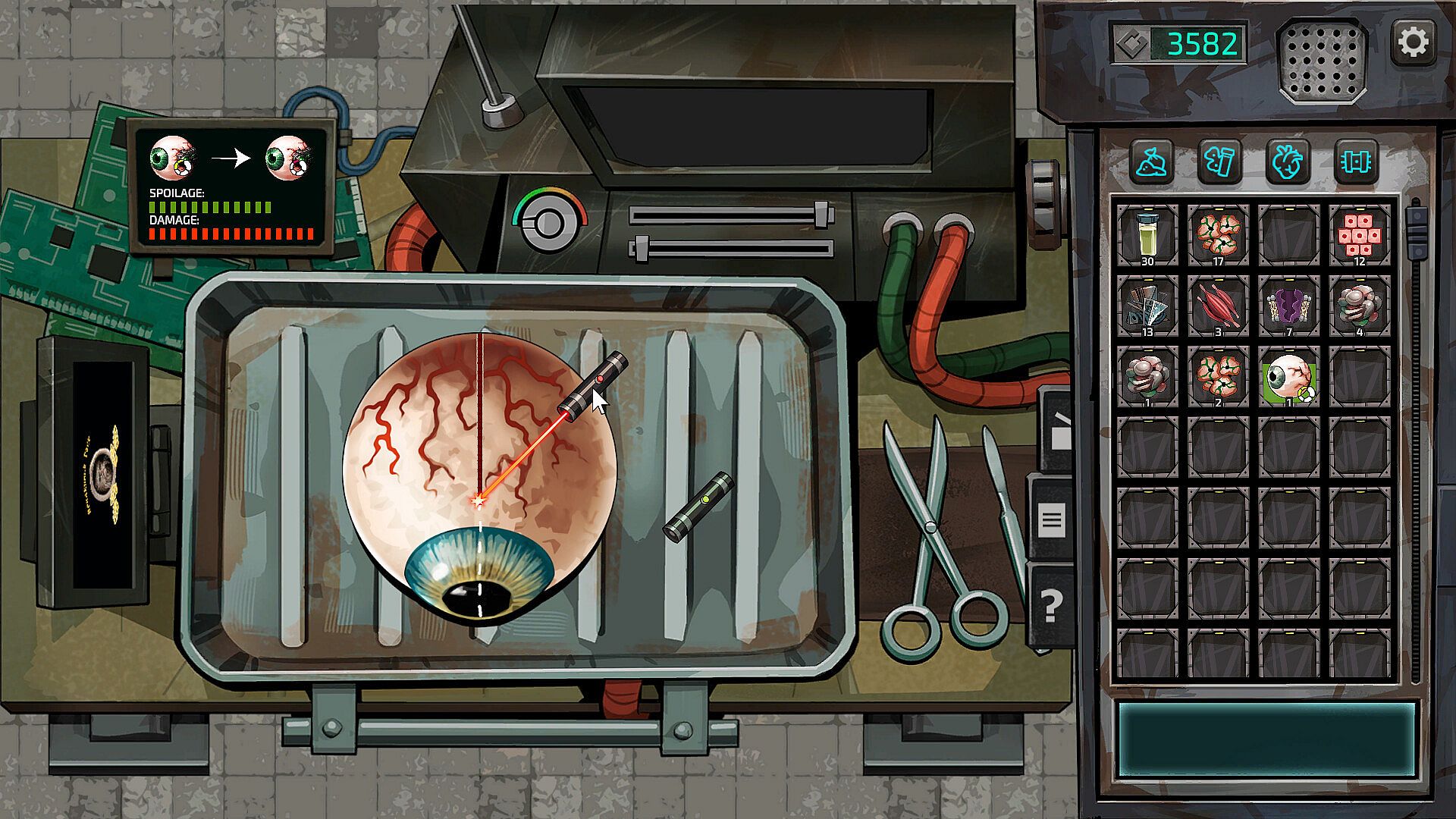
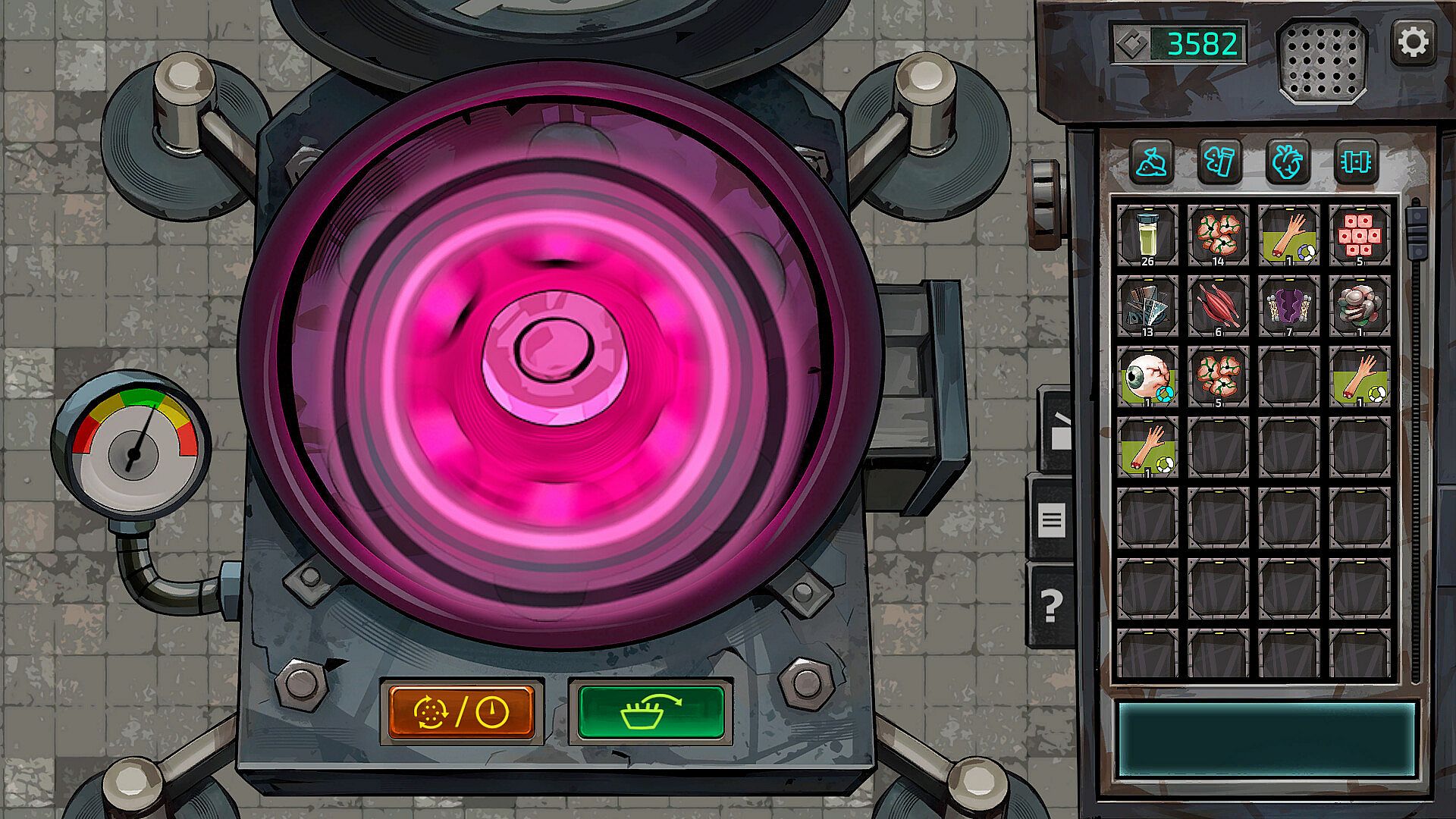
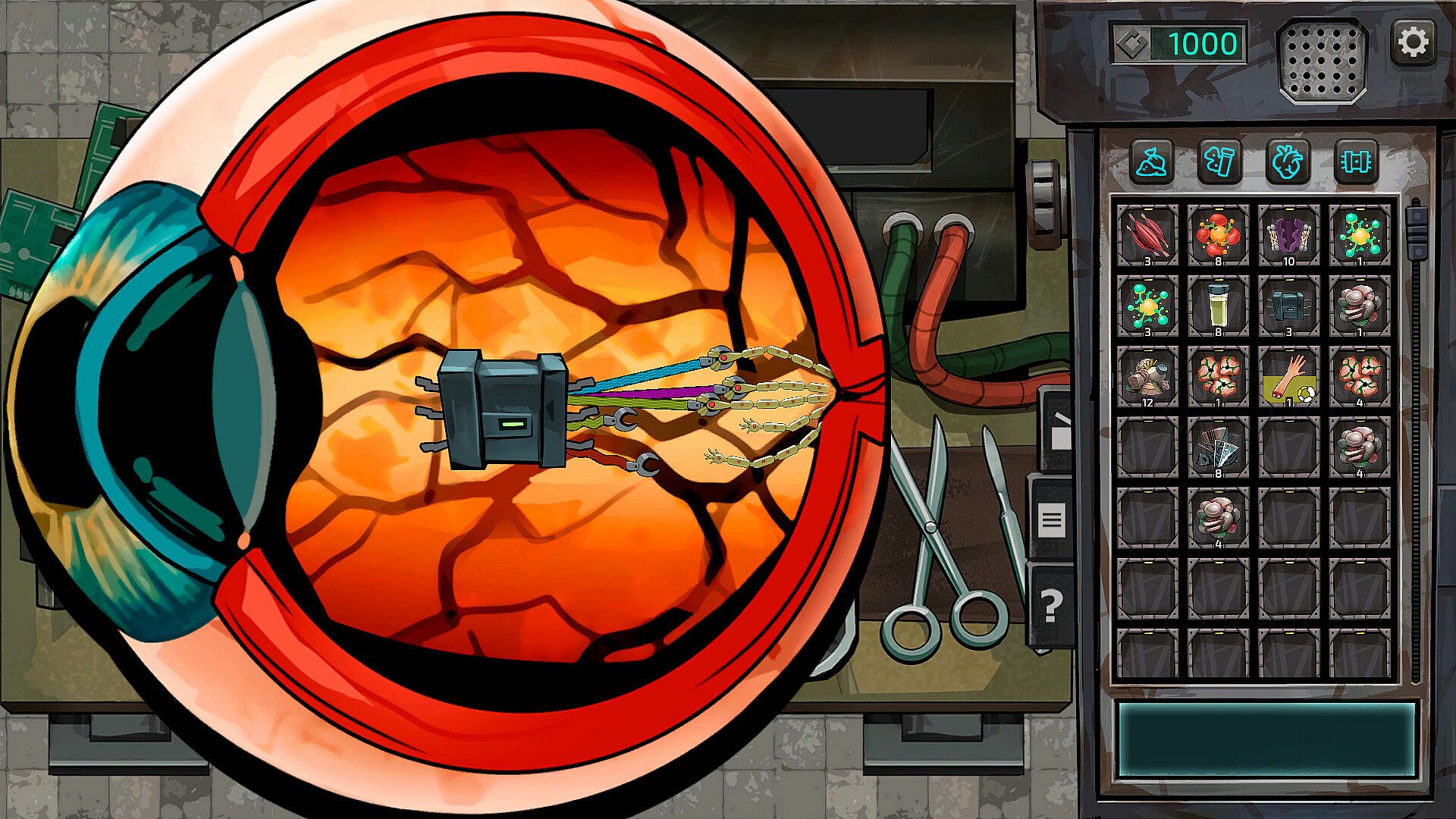
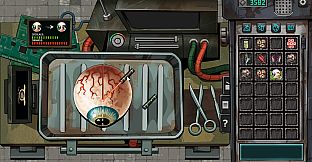
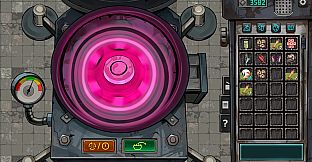
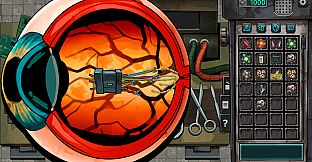
Nach der Wachstumsphase folgt die Montage der Cyberware. Hier werden Module eingesetzt, Nerven und Leitungen verlegt sowie Kalibrierungen vorgenommen, um die geforderten Leistungswerte zu erreichen. Die Sorgfalt bei diesen Schritten entscheidet über Preis und Zuverlässigkeit des Endprodukts.
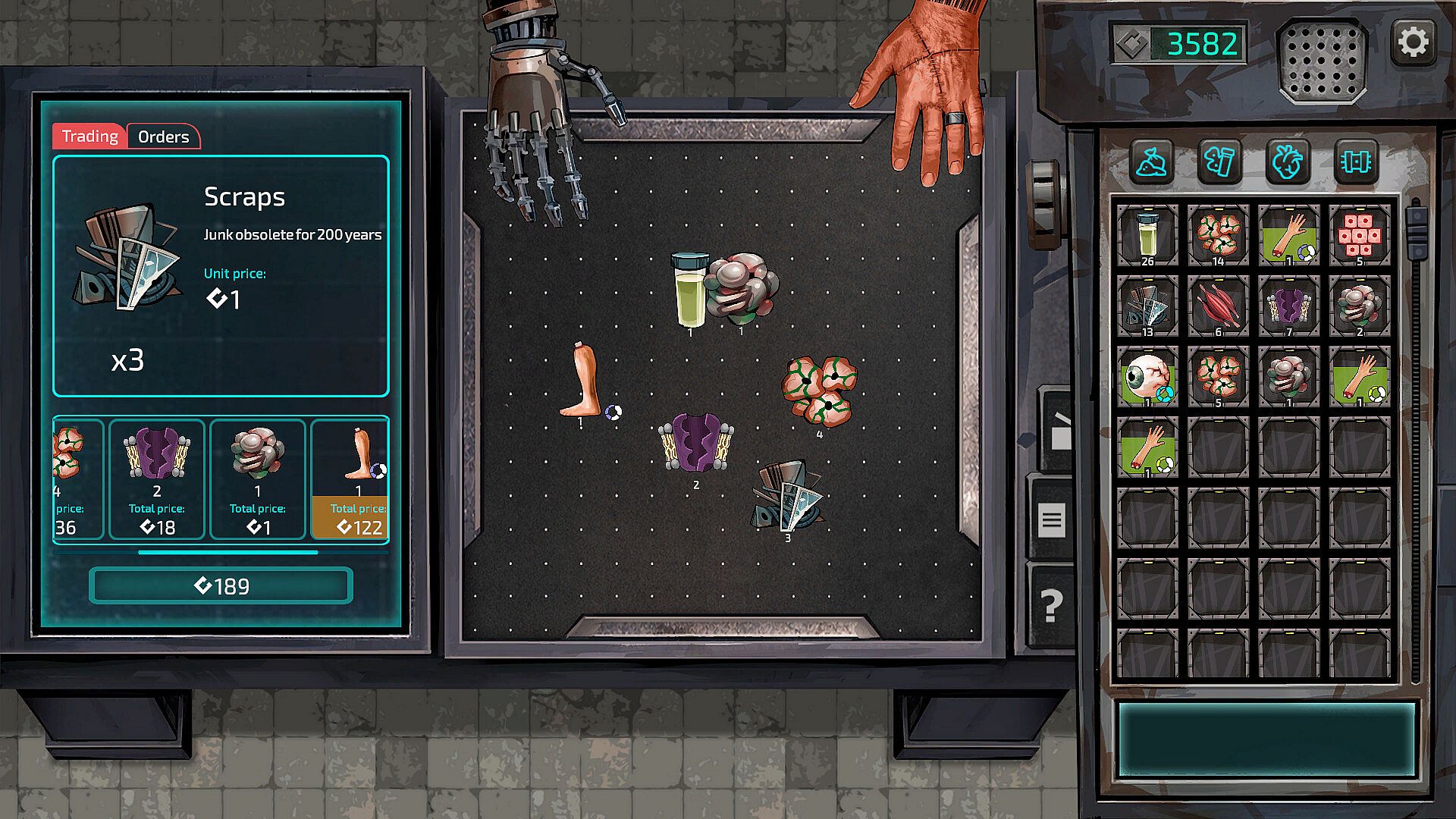
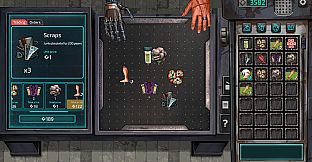
Das Ressourcenmanagement läuft über einen Mittler, der Materialien liefert, fertige Ware ankauft und Aufträge vergibt. Die Marktlage ändert sich im Laufe der Zeit und eröffnet Möglichkeiten, überschüssige Bestände zu verkaufen, seltene Komponenten zu erwerben oder eilige Anfragen zu erfüllen. Spieler müssen Ausgaben für Qualitätsverbesserungen gegen den laufenden Kapitalbedarf abwägen.
Spielmodi
Das Spiel ist eine reine Einzelspieler-Simulation mit Fokus auf Werkstattmanagement. Alle Tätigkeiten - Organzucht, Cyberware-Anpassung, Handelsentscheidungen und Auftragsabwicklung - laufen in einer durchgehenden Erfahrung ab.
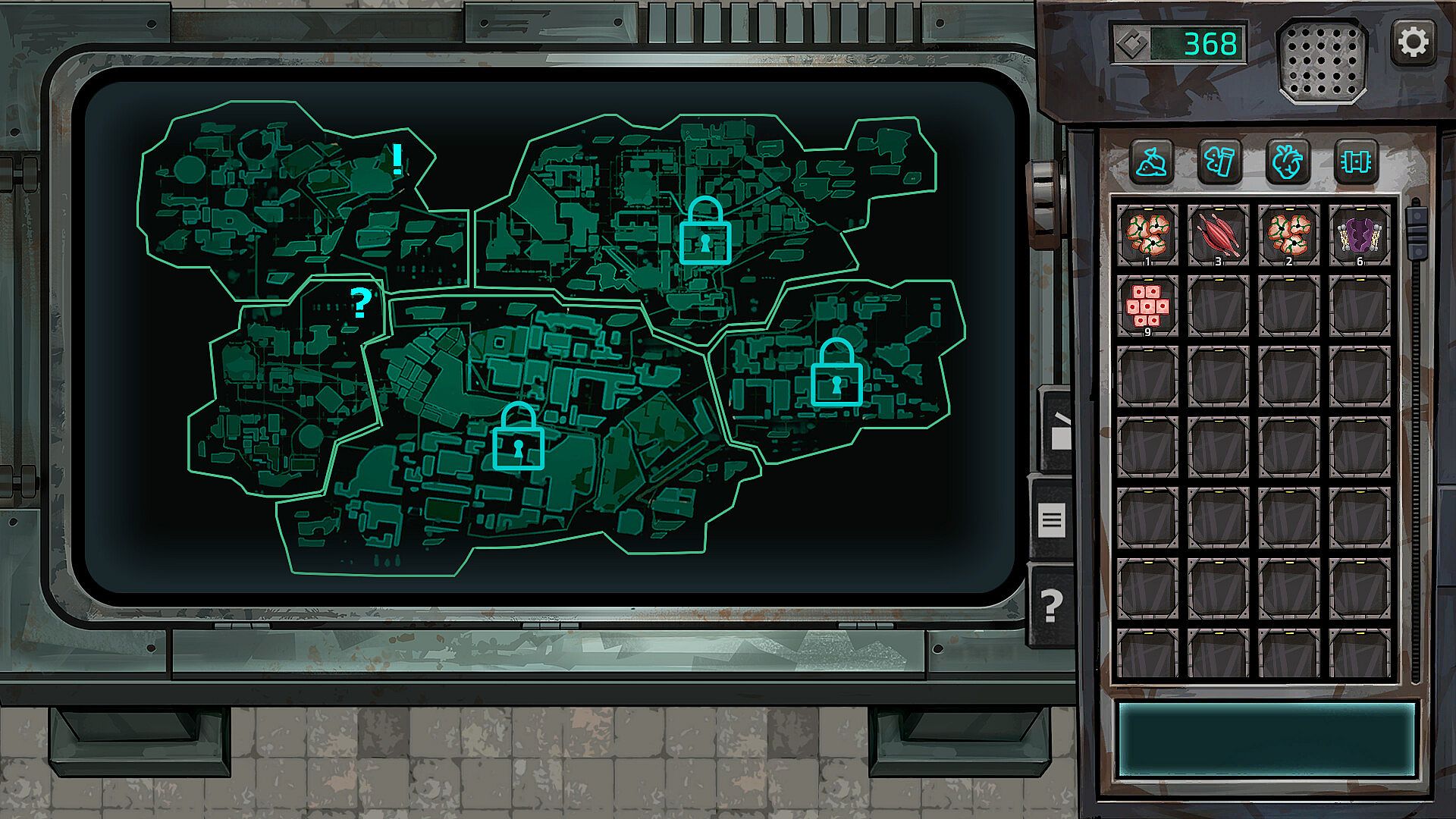
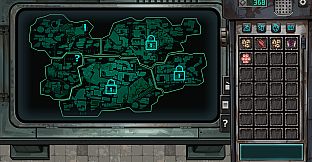
Die Erfüllung von Aufträgen ist ein wiederkehrendes Element. Kunden verlangen mal einfache Organe mit kurzer Lieferzeit, mal hochmodifizierte Implantate mit bestimmten Verbesserungen. Spieler prüfen jede Anfrage auf Machbarkeit und entscheiden, welche Aufträge zum aktuellen Stand der Werkstatt und den angestrebten Gewinnen passen.
Handelssitzungen bringen Abwechslung durch wechselnde Angebote und Lagerbestände des Mittlers. Spieler müssen Preise beobachten, Nachfrageverschiebungen antizipieren und entscheiden, wann sie Materialien horten oder Vermögenswerte liquidieren, um bei künftigen Aufträgen bessere Margen zu erzielen.
Kernmechaniken und Fortschritt
Die Auswahl der Nährstoffe führt während des Organwachstums zu verzweigten Ergebnissen und lädt zum Experimentieren ein, um Kombinationen mit höherem Wert zu finden. Der Vorgang wiederholt sich über mehrere Organe und bildet einen Arbeitsablauf, der mit steigenden Guthaben und freigeschalteten Optionen skaliert.
Die Cyberware-Montage erweitert die Entscheidungsvielfalt durch Modulplatzierung und Kalibrierung. Gelungene Konfigurationen erzielen Premium-Preise, während hastige oder ungenaue Arbeit den Wert mindert und Ablehnungen riskiert.
Der Ressourcenhandel verknüpft die Systeme. Spieler verkaufen fertige Ware, um neue Wachstumszyklen und Modulkäufe zu finanzieren, und schaffen so eine Schleife, in der die Effizienz der Werkstatt über die langfristige Tragfähigkeit im Schwarzmarkt entscheidet.
Lohnt sich das Spiel?
Graft & Wire richtet sich an Spieler, die detaillierte Management-Simulationen mit Cyberpunk-Setting schätzen. Das Einzelspieler-Format legt den Schwerpunkt auf sorgfältige Planung von Nährstoffwahl, Montageschritten und Markttiming, nicht auf Action oder verzweigte Handlungsstränge.
Da sich das Spiel noch in der Entwicklung befindet, ein Veröffentlichungstermin noch aussteht und bisher keine Nutzerbewertungen vorliegen, hängt sein Reiz von den beschriebenen Systemen der Organkultivierung und Cyberware-Produktion ab. Interessenten an Indie-Titeln, die Ressourcenmanagement mit Anpassungsmechaniken verbinden, könnten den Werkstattzyklus nach dem Release als lohnend empfinden.
Das Spiel eignet sich für alle, die eine fokussierte Simulation ohne Multiplayer-Elemente oder zusätzliche Modi suchen. Die Verfügbarkeit auf dem PC über gängige digitale Plattformen bestimmt den Zugang nach Erscheinen der Vollversion.











