





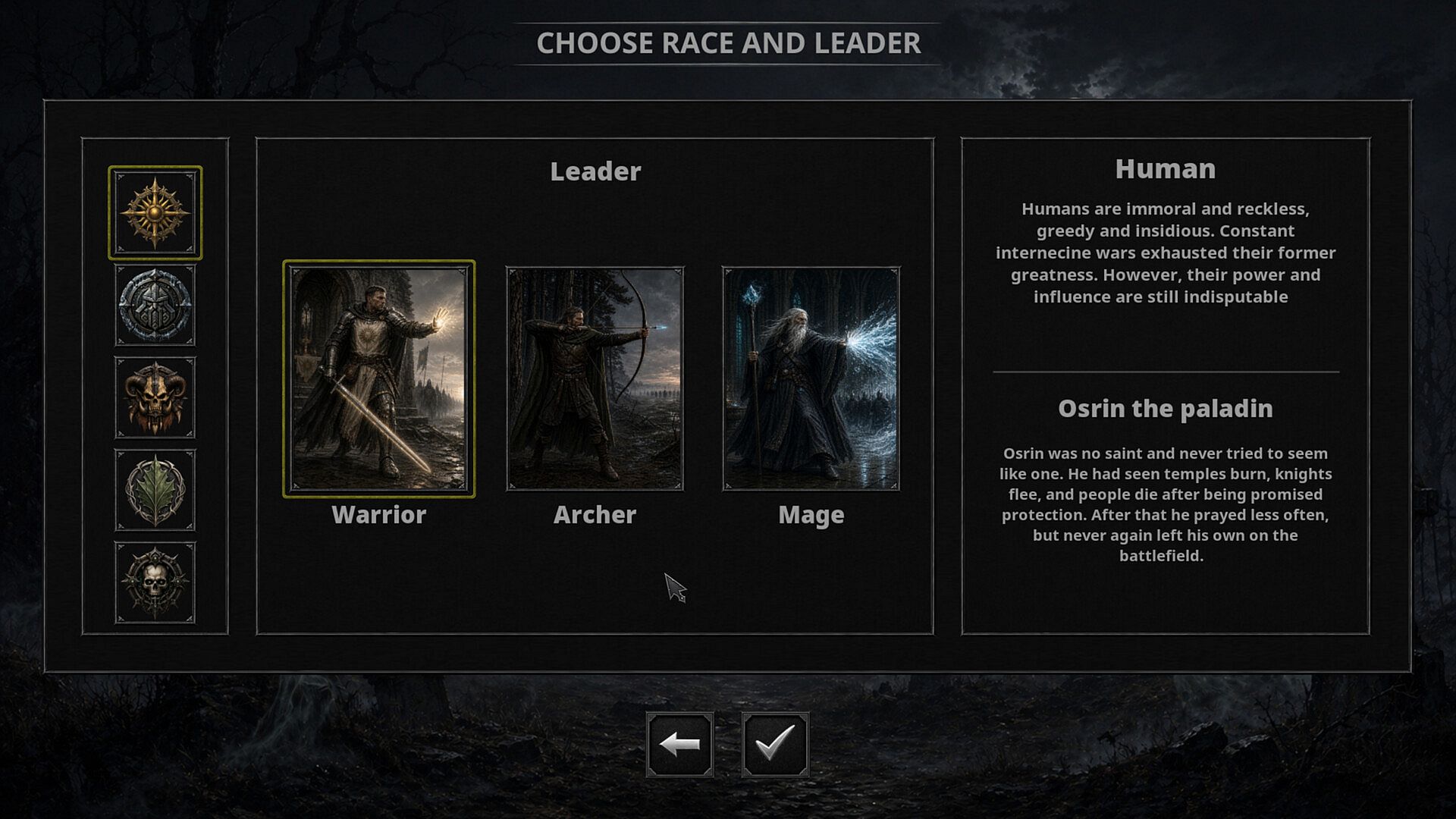
Grim Wanderings Reborn is an indie turn-based tactical RPG and adventure title developed for PC. Players take on the role of a leader who selects a race and hero, then builds a warband to cross a map filled with hidden dangers and opportunities in a dying land.
Gameplay
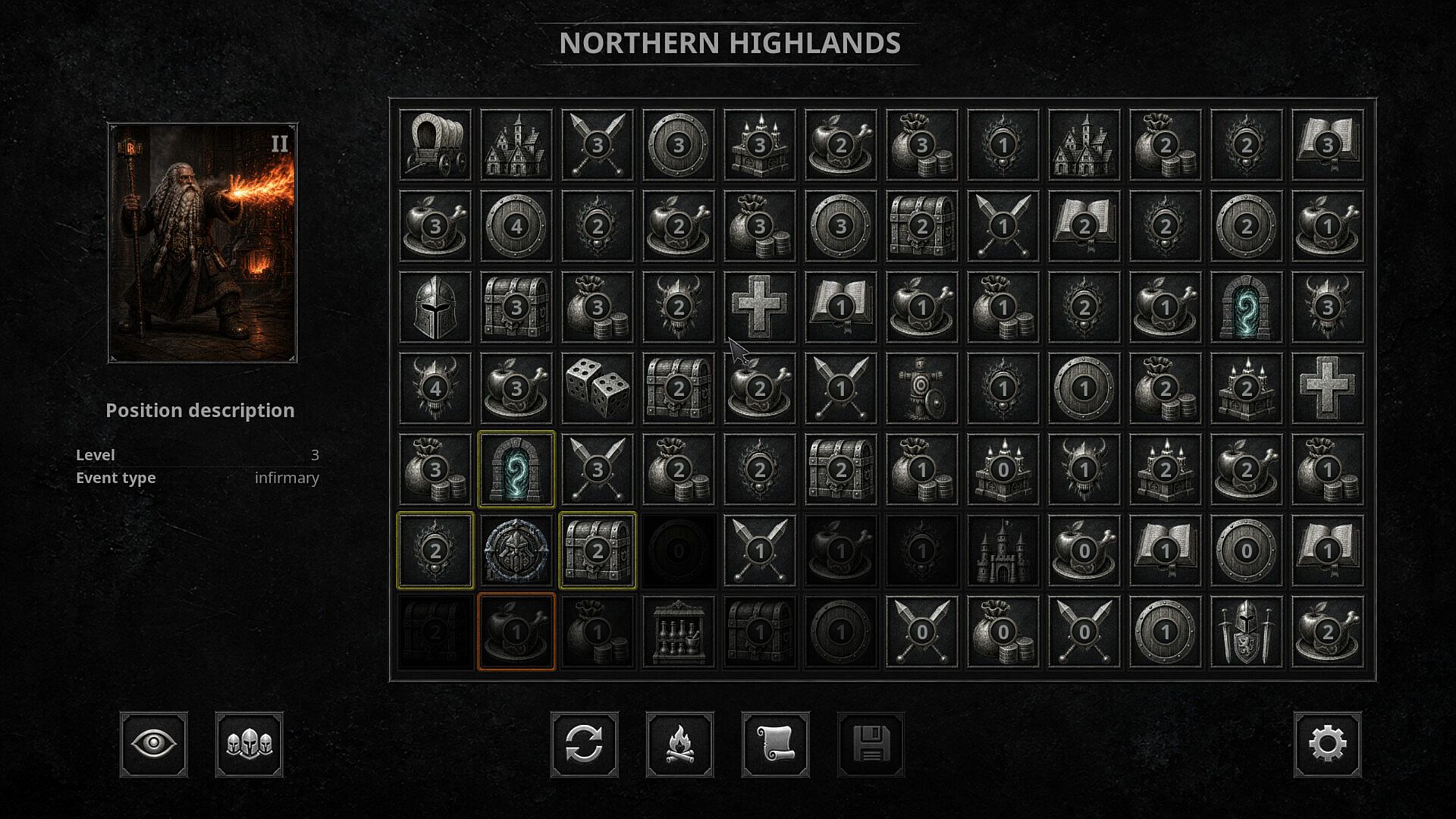
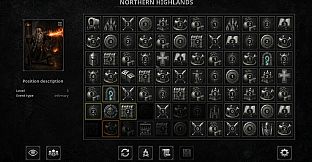
The core loop centers on exploration across a tile-based map where each space can trigger a battle, merchant visit, shrine interaction, ruin discovery, or encounter with a stranger. These moments shape the journey through combat and decision making.
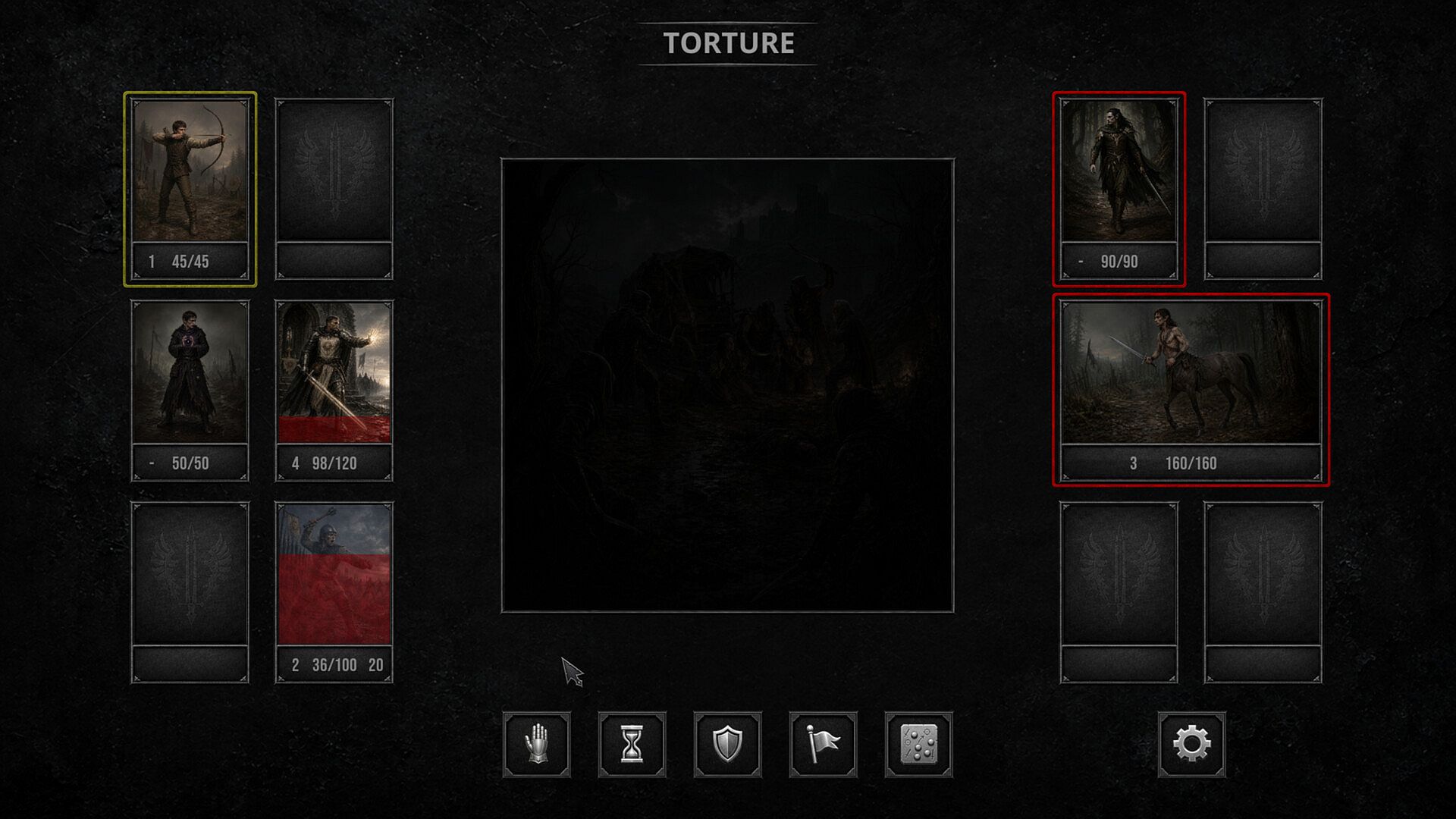
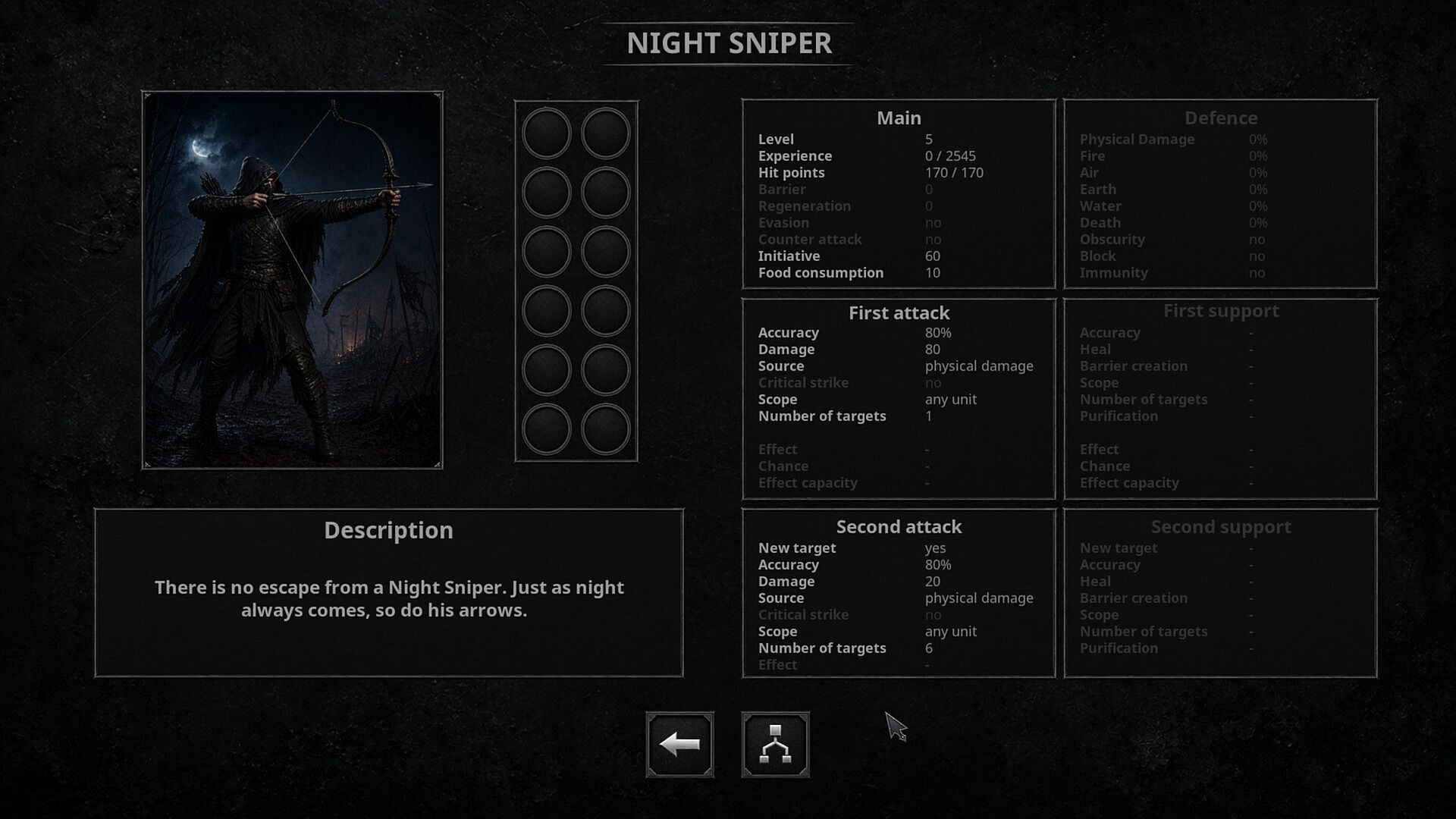
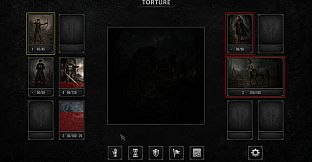
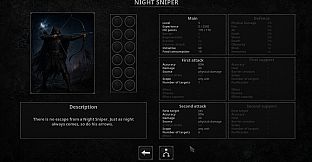
Turn-based tactical battles form the heart of progression. Units from a pool exceeding 400 engage in fights that demand careful positioning and strategy. Heroes equip artifacts drawn from more than 70 options to gain advantages in combat and outside it.
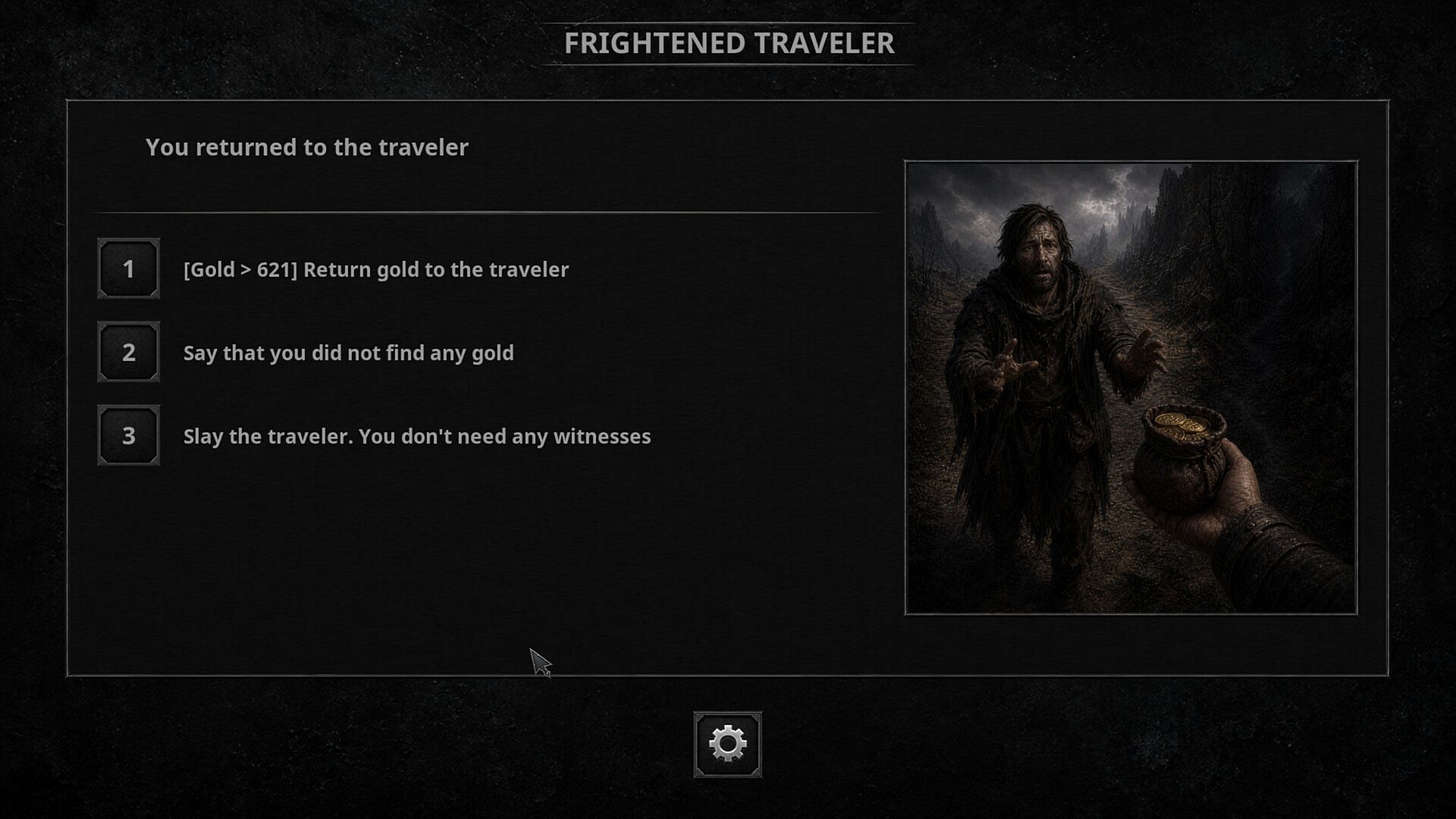
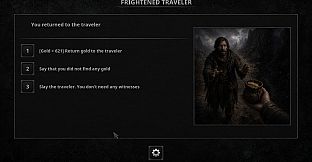
Events number around 200 and adapt based on the party's level, chosen race, reputation level, and carried items. This reactivity ensures that repeated playthroughs diverge in meaningful ways rather than repeating identical sequences.
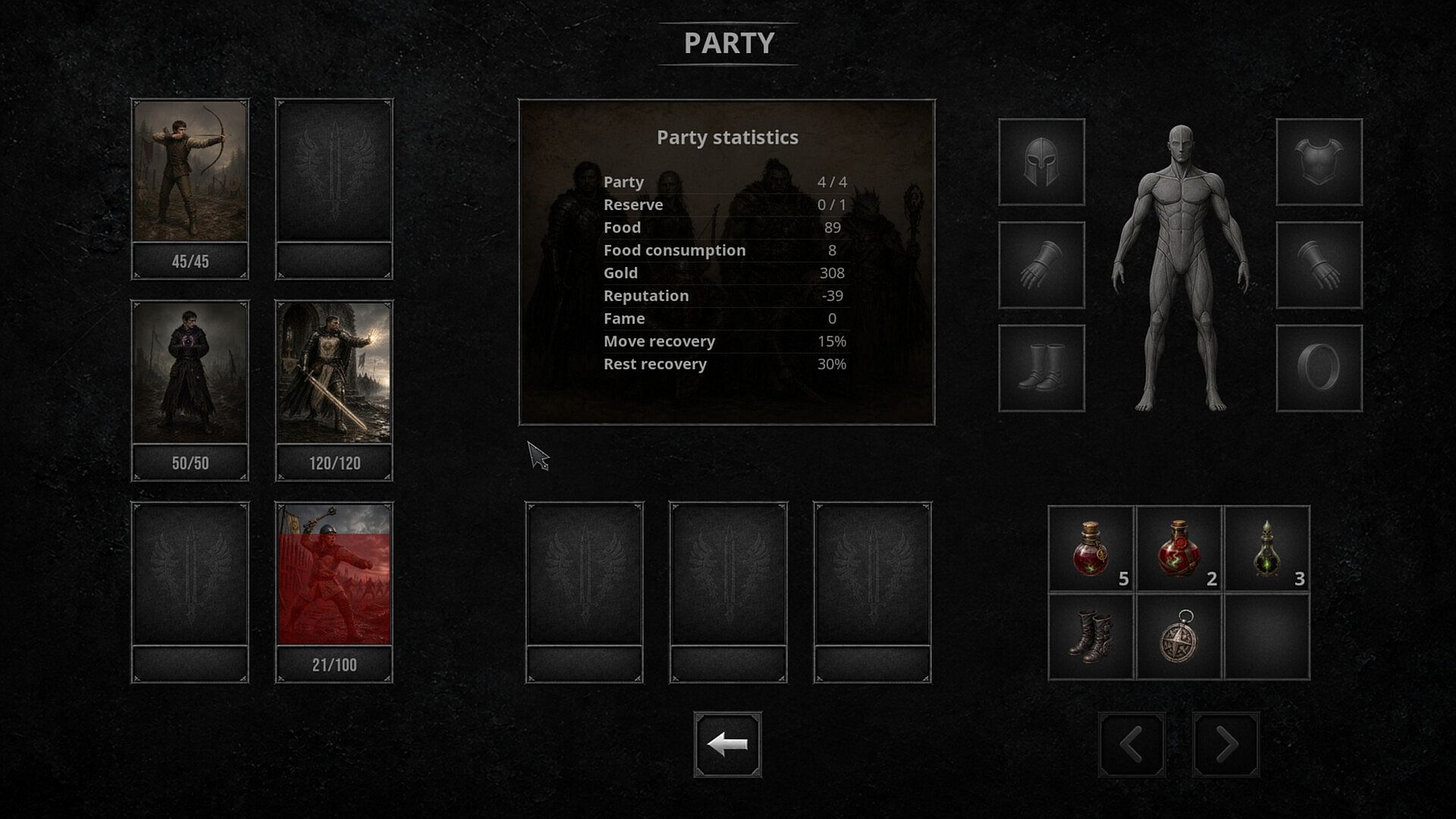
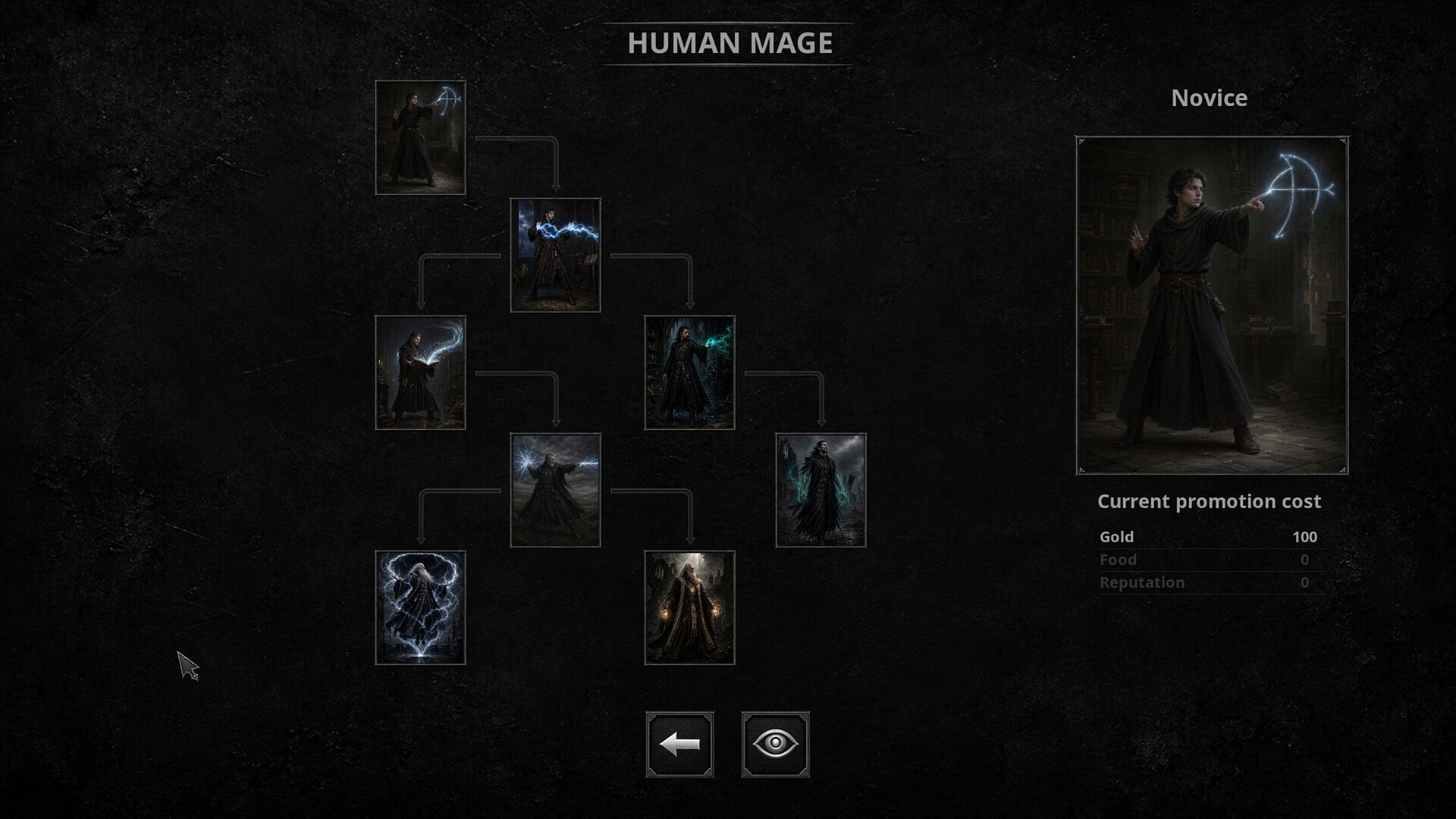
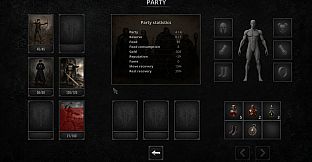
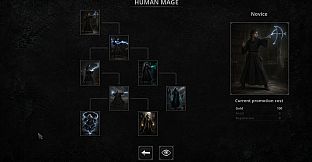
Customization extends to race and hero selection at the start, followed by ongoing warband management. Upgrades and equipment choices influence both combat effectiveness and how the world responds to the group.
Game Modes
A standard campaign provides structure through a series of quests that guide players across the map while building toward larger objectives. Completion of these quests marks steady advancement in a directed narrative path.
Endless mode removes quest constraints and allows continued travel across the map without a fixed endpoint. This format emphasizes ongoing encounters and long-term party development in an open-ended format.
Both modes draw from the same pool of encounters and systems, yet the campaign adds directed goals while endless mode prioritizes sustained exploration and survival.
Exploration and Content Depth
The map design places variety in every tile, encouraging players to weigh risks when moving into unknown areas. Battles, trades, and random meetings all contribute to reputation shifts and resource management.
Artifacts and units offer layers of strategic choice. Selecting the right combination affects not only fight outcomes but also how events unfold based on what the party carries.
Reactivity in the event system ties directly to player actions and character details. A high reputation might open peaceful options, while certain items could provoke hostile responses or unique opportunities.
Is It Worth Playing?
Grim Wanderings Reborn targets players who enjoy single-player tactical RPGs that combine map exploration with reactive events and party building. The extensive library of units, events, and artifacts supports multiple distinct runs through the same systems.
The campaign suits those who prefer quest-driven progression, while endless mode appeals to players seeking extended sessions without a conclusion. Both formats rely on the same core mechanics of tile discovery and adaptive encounters.
As an upcoming release with no user reviews available yet, the game presents a focused indie experience built around procedural variation and tactical combat. Fans of deliberate strategy and replayable content libraries will find the described systems align with that preference.