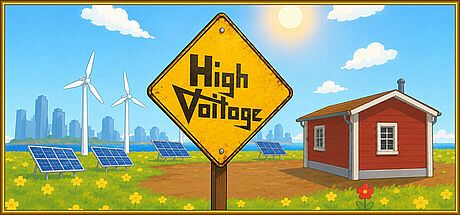


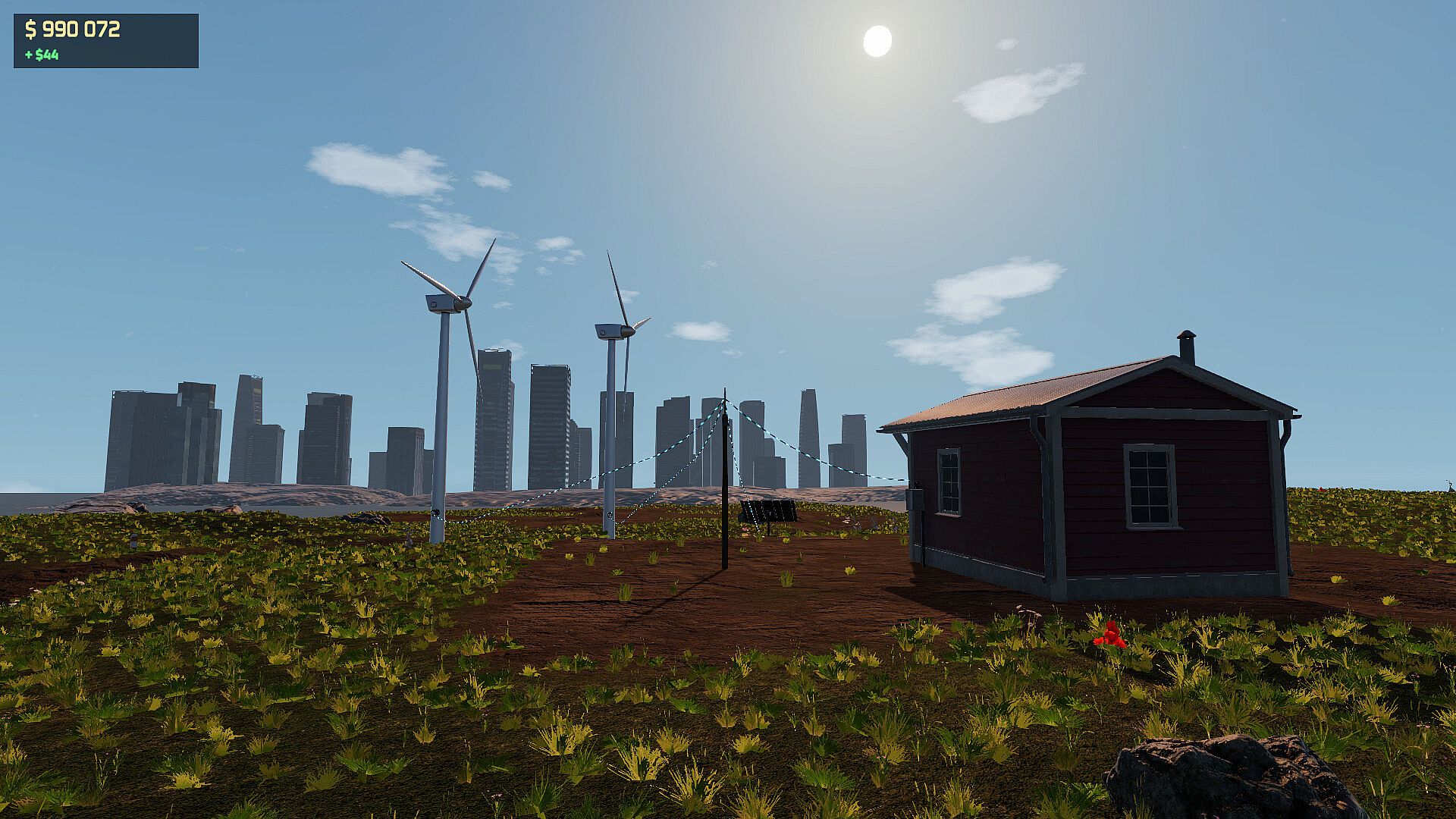
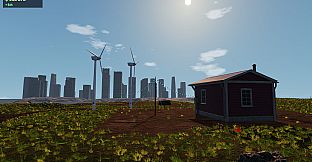
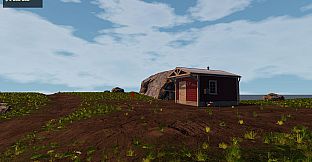
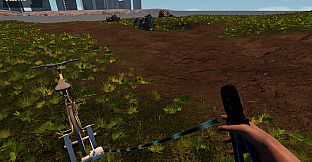
High Voltage is a first-person 3D incremental simulation game in the indie casual simulation genre available on PC. Players build and expand an electrical grid across a Nordic-inspired island, starting from basic generators and growing into a large interconnected network that supplies power to a distant city.
Gameplay
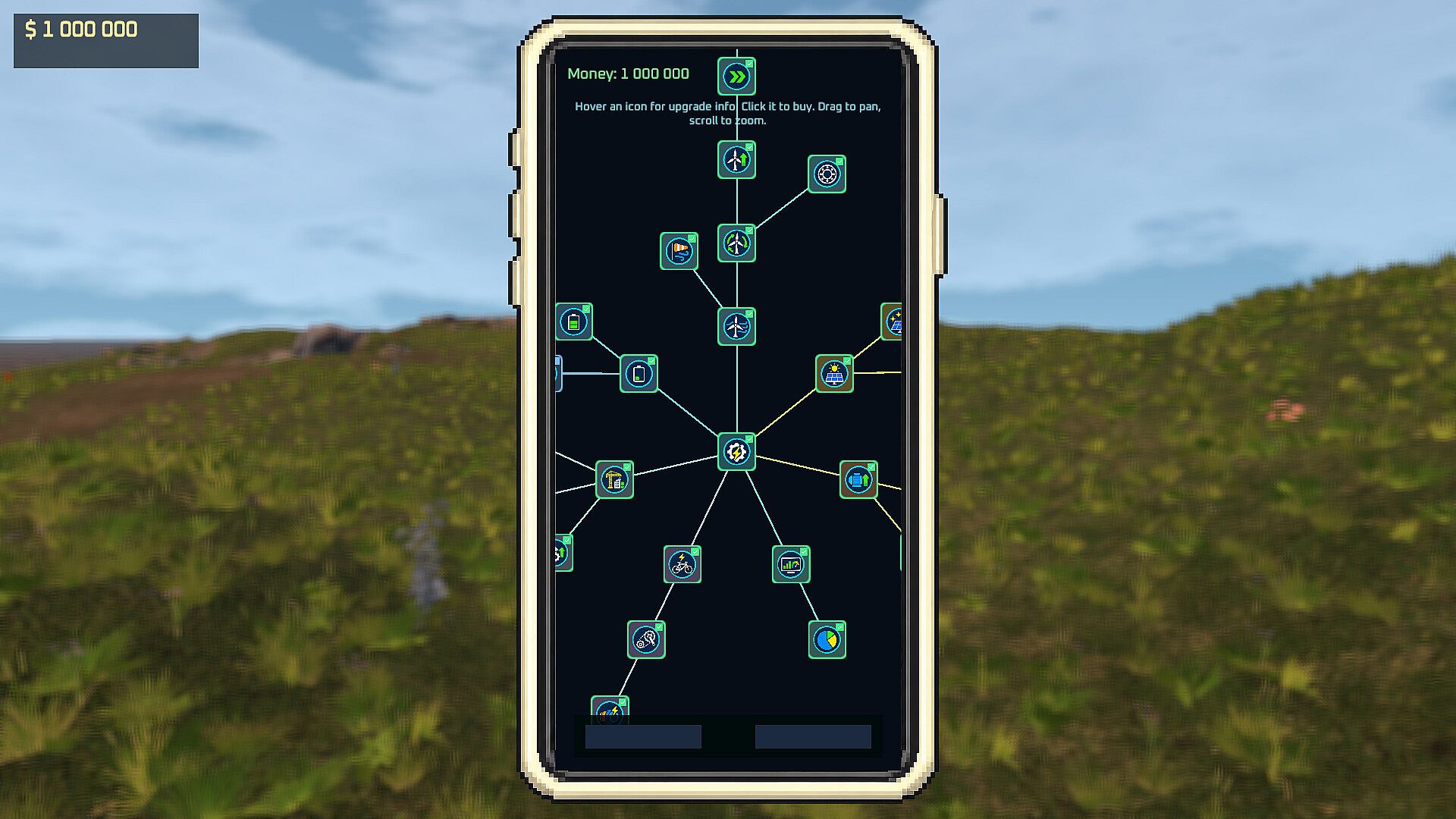
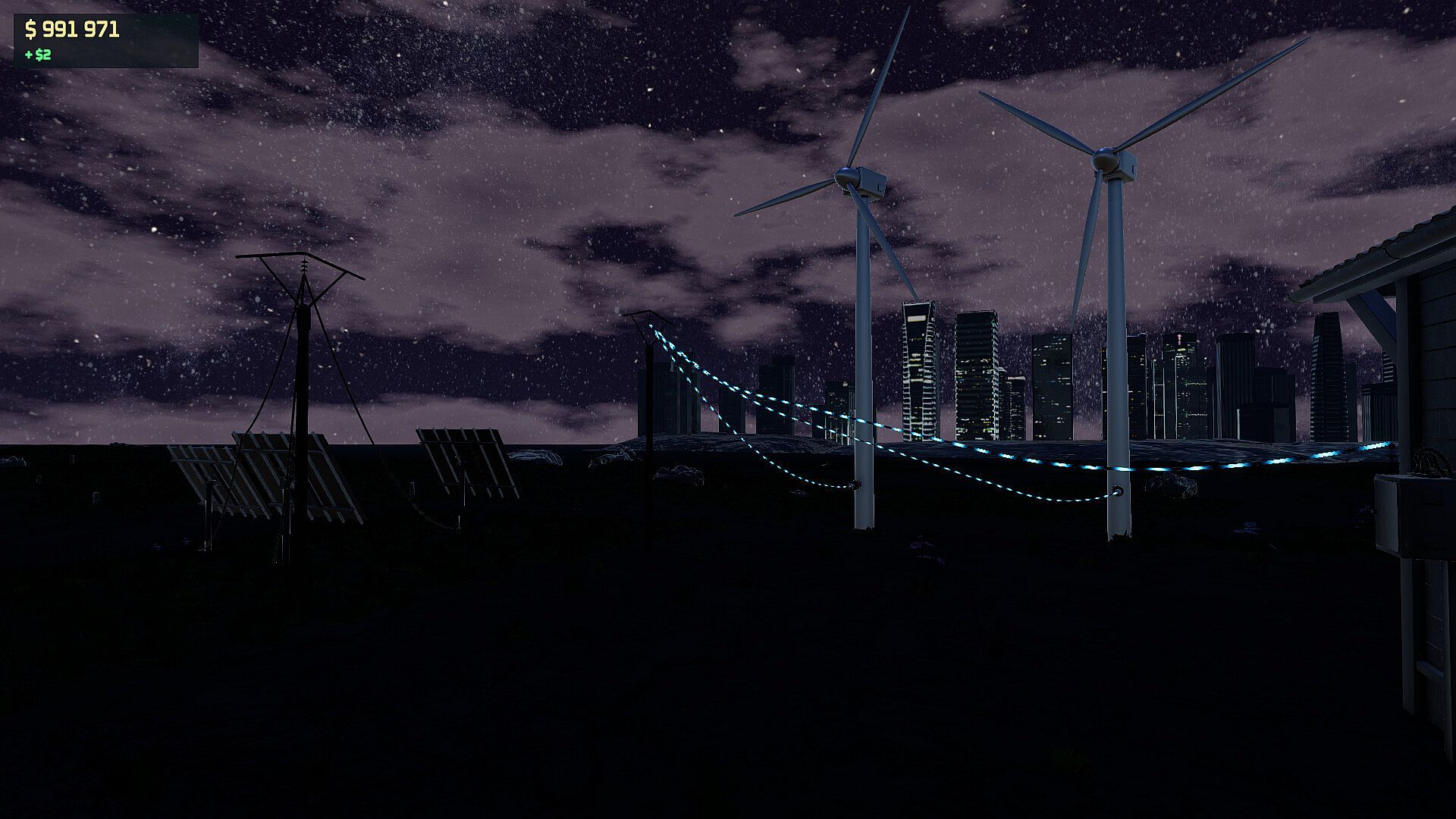
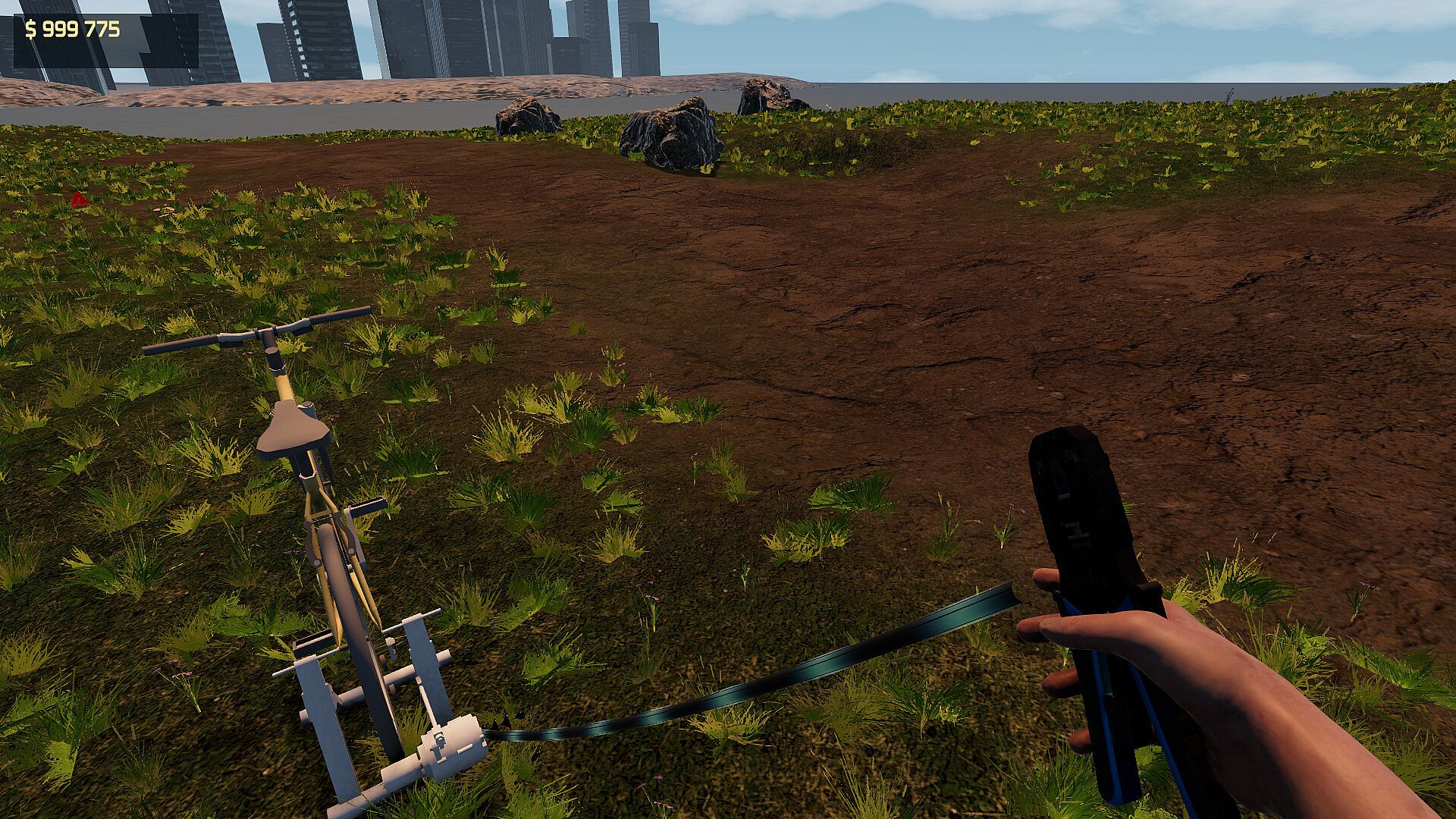
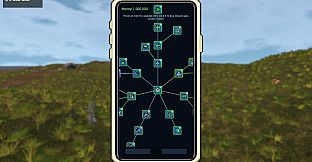
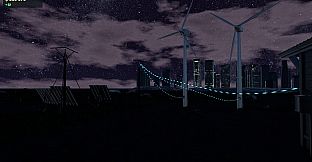
The core loop centers on incremental expansion of a power network. Players begin with limited resources and a small electricity source, then place generators, run cables between power poles, add substations and batteries, and route electricity toward the city. Each successful delivery generates income that funds upgrades and new infrastructure. The process emphasizes physical placement and connection in a realistic environment rather than abstract menus. Upgrades improve generator output, cable capacity, storage, and construction options, allowing the grid to scale from a handful of units to an island-spanning system. Technology research unlocks better equipment and efficiency improvements over time. The island itself serves as the play space, with forests, rocky terrain, open areas, and changing weather providing context for layout decisions. Electricity reaching the city produces visible changes, with more lights and activity appearing as supply increases. Progression remains open-ended, focused on steady growth and optimization without timers or external threats.
Game Modes
High Voltage offers a single continuous experience built around sandbox construction and incremental advancement. There are no separate competitive, cooperative, or story-driven modes. Players manage the entire process from one persistent world, deciding the pace of expansion, experimenting with layouts, and refining the network as resources and technology allow. The design supports both methodical planning of connections and broad, rapid coverage of the island landscape.
Building and Expanding the Grid
Network design remains entirely player-driven. Generators can be positioned anywhere suitable, poles erected to bridge distances, and cables strung to form functional paths. Batteries and substations help manage supply fluctuations and extend reach. As the grid grows, new sections of the island become accessible for further development. Income from delivered power supports purchases that increase production capacity, connection strength, and storage limits. Technology unlocks introduce specialized generators that better suit different terrain or scale requirements, along with tools that simplify large-scale builds. The system rewards consistent expansion while allowing players to pause and adjust existing infrastructure at any point.
Environment and Progression
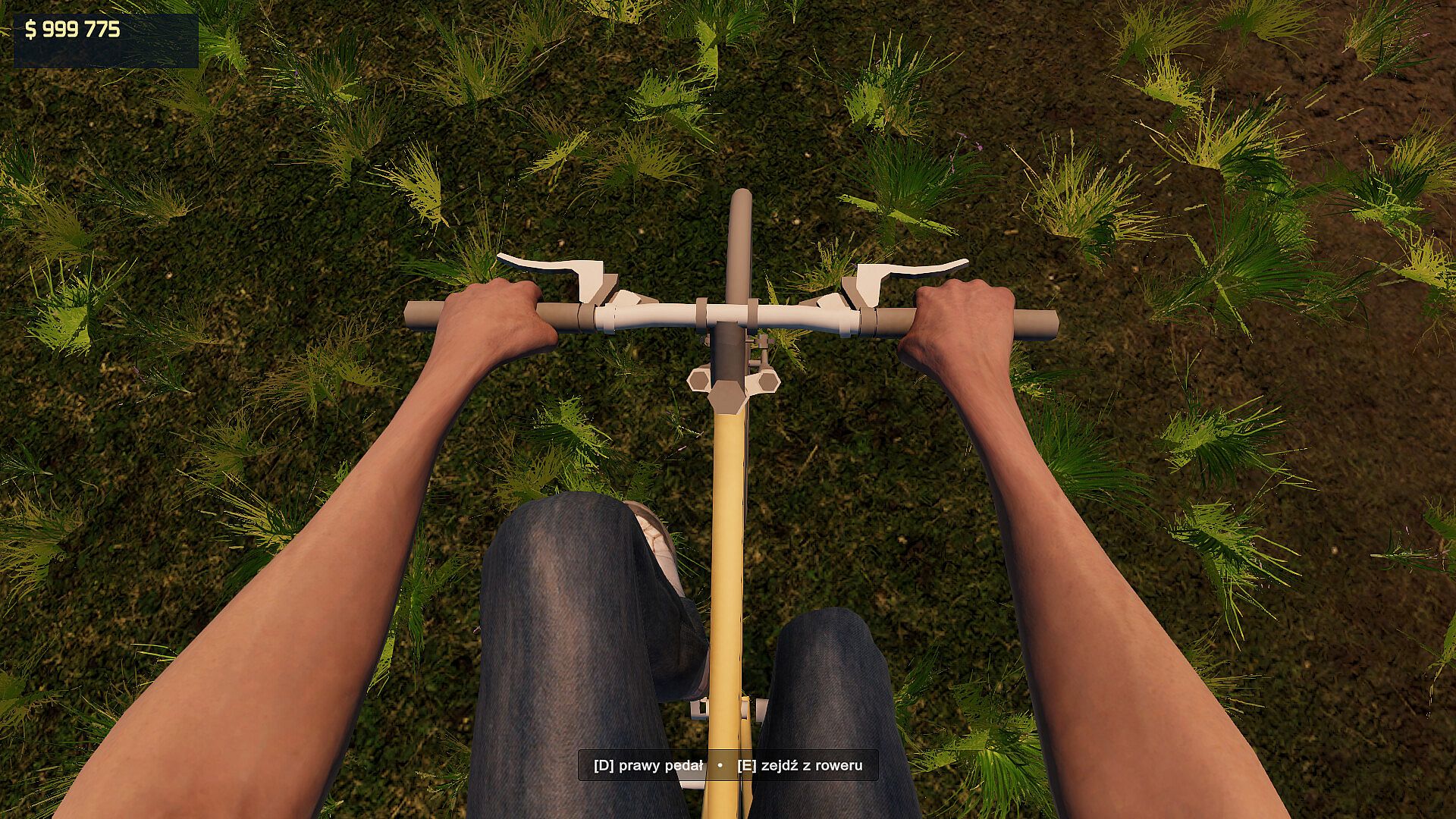
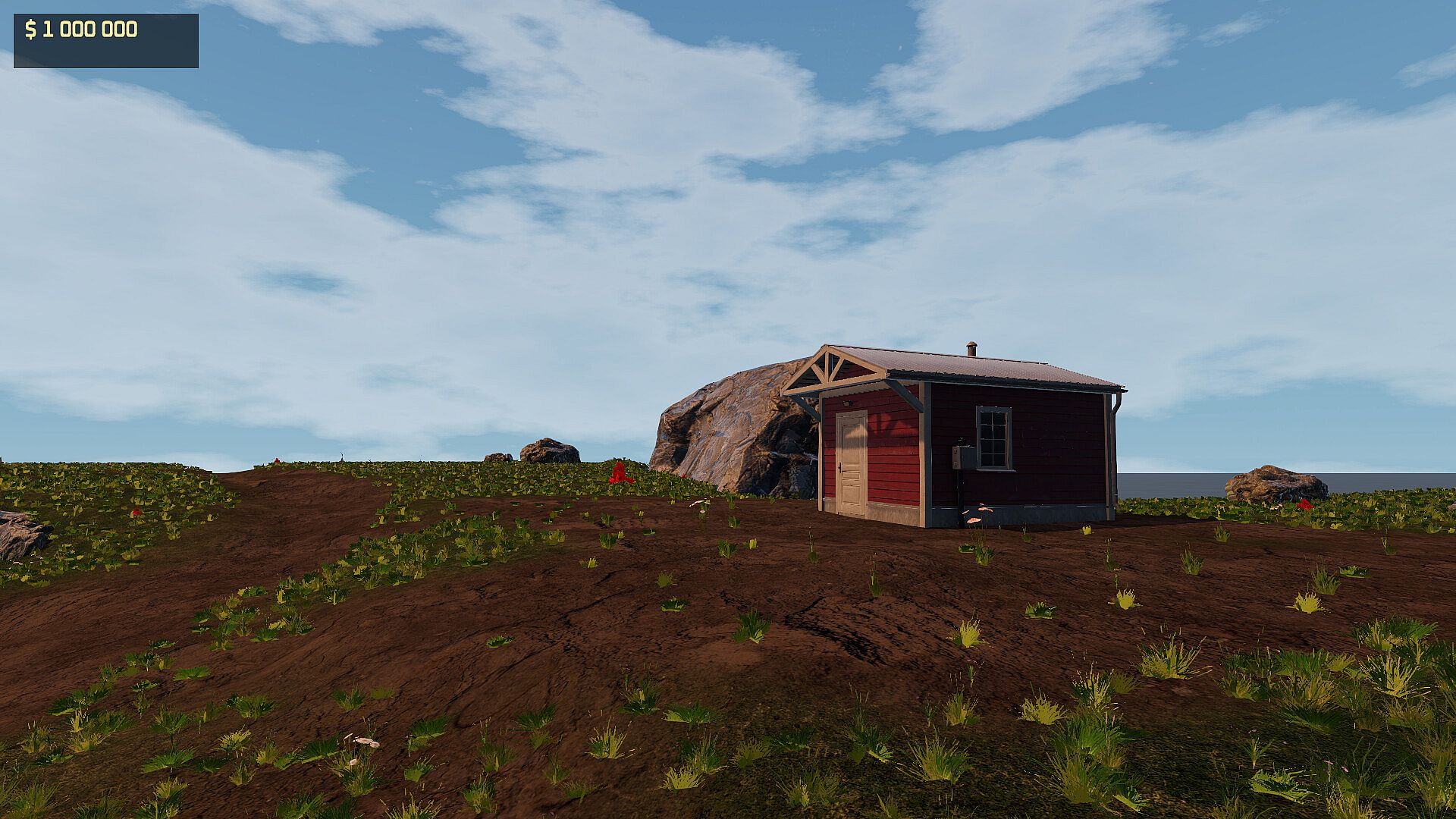
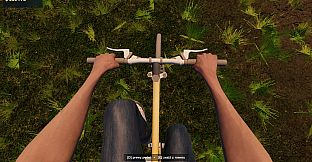
The setting is a detailed Nordic island that players explore on foot in first person. Walking among turbines, tracing cable routes, and viewing the distant city provide direct feedback on progress. Weather and terrain influence placement choices without adding restrictive mechanics. Growth follows a clear but flexible path: small setups generate initial funds, which enable larger installations, which in turn unlock advanced options. The city reacts visibly to increased supply, turning the abstract goal of higher numbers into observable environmental change. This loop continues indefinitely, with no fixed endpoint, encouraging players to keep optimizing and extending the network.
Is It Worth Playing?
High Voltage suits players who enjoy relaxed, self-paced simulation and construction games. The first-person perspective and focus on physical grid building distinguish it from top-down management titles, while the incremental upgrades and visible city feedback create steady motivation. Those seeking competitive elements, time pressure, or complex resource chains may find the experience too straightforward. The game supports extended sessions of exploration and experimentation on a single island map, with progression that scales naturally from modest beginnings to extensive infrastructure. Availability on PC makes it accessible for casual play without additional hardware requirements.