

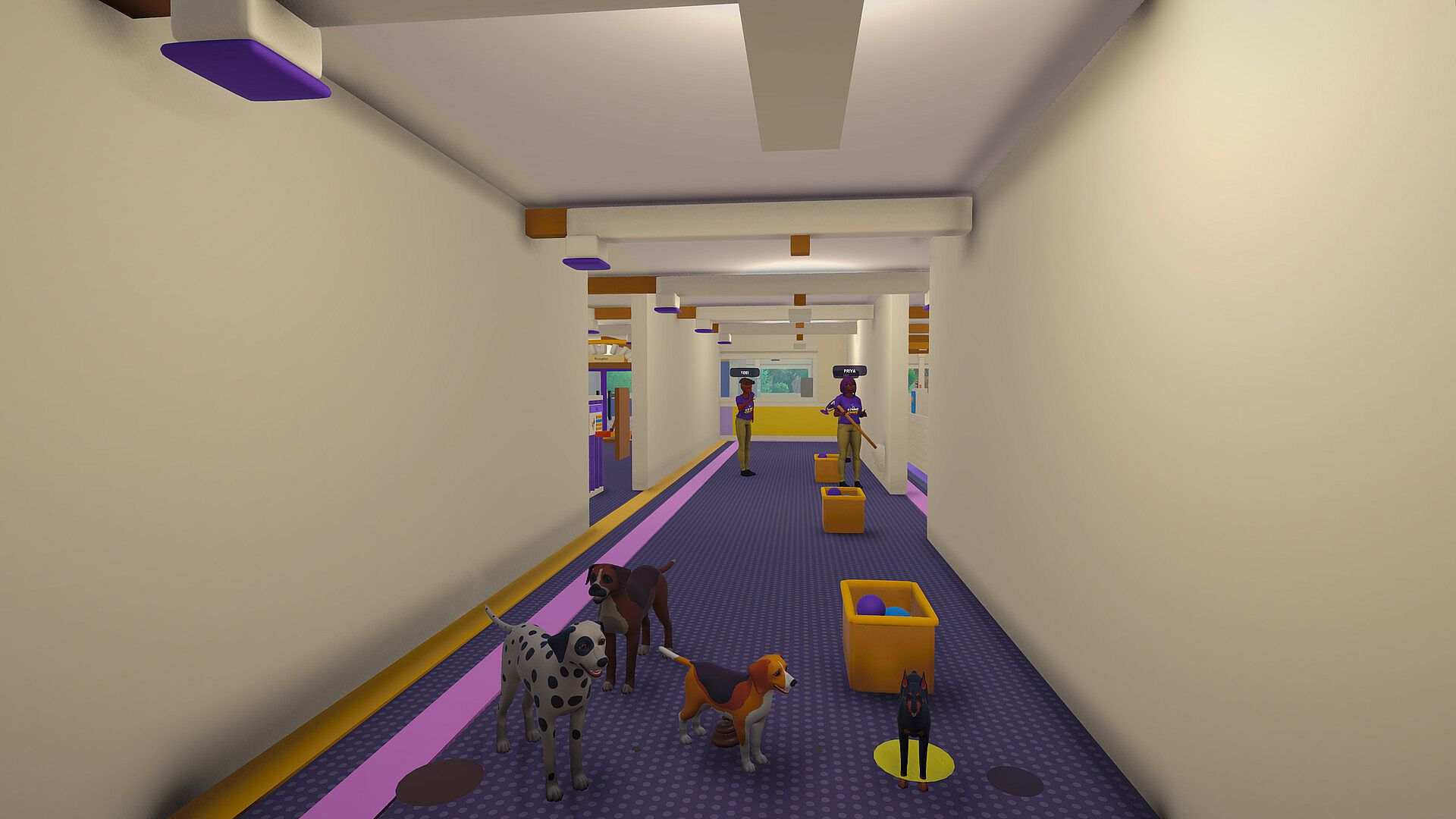
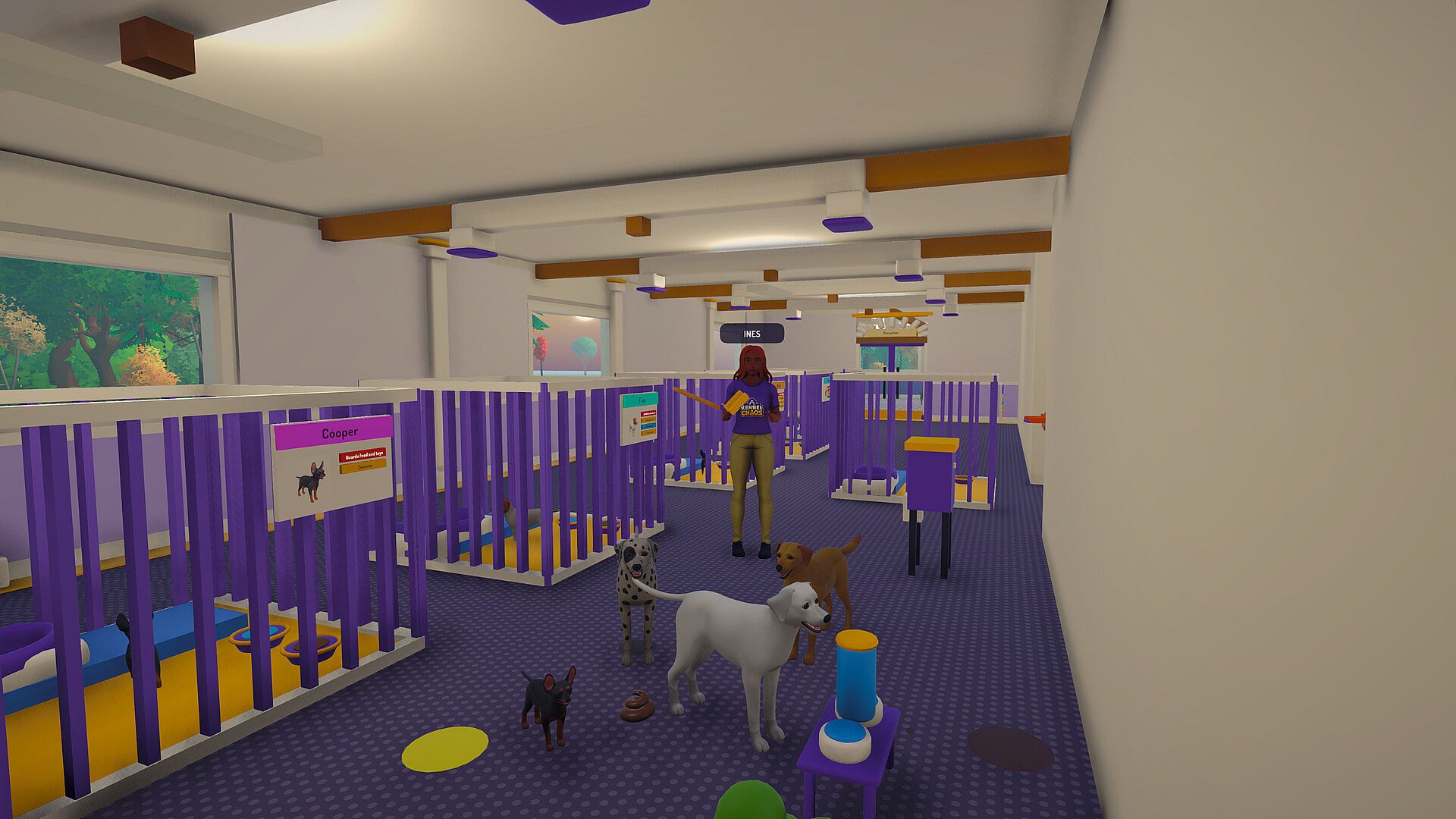
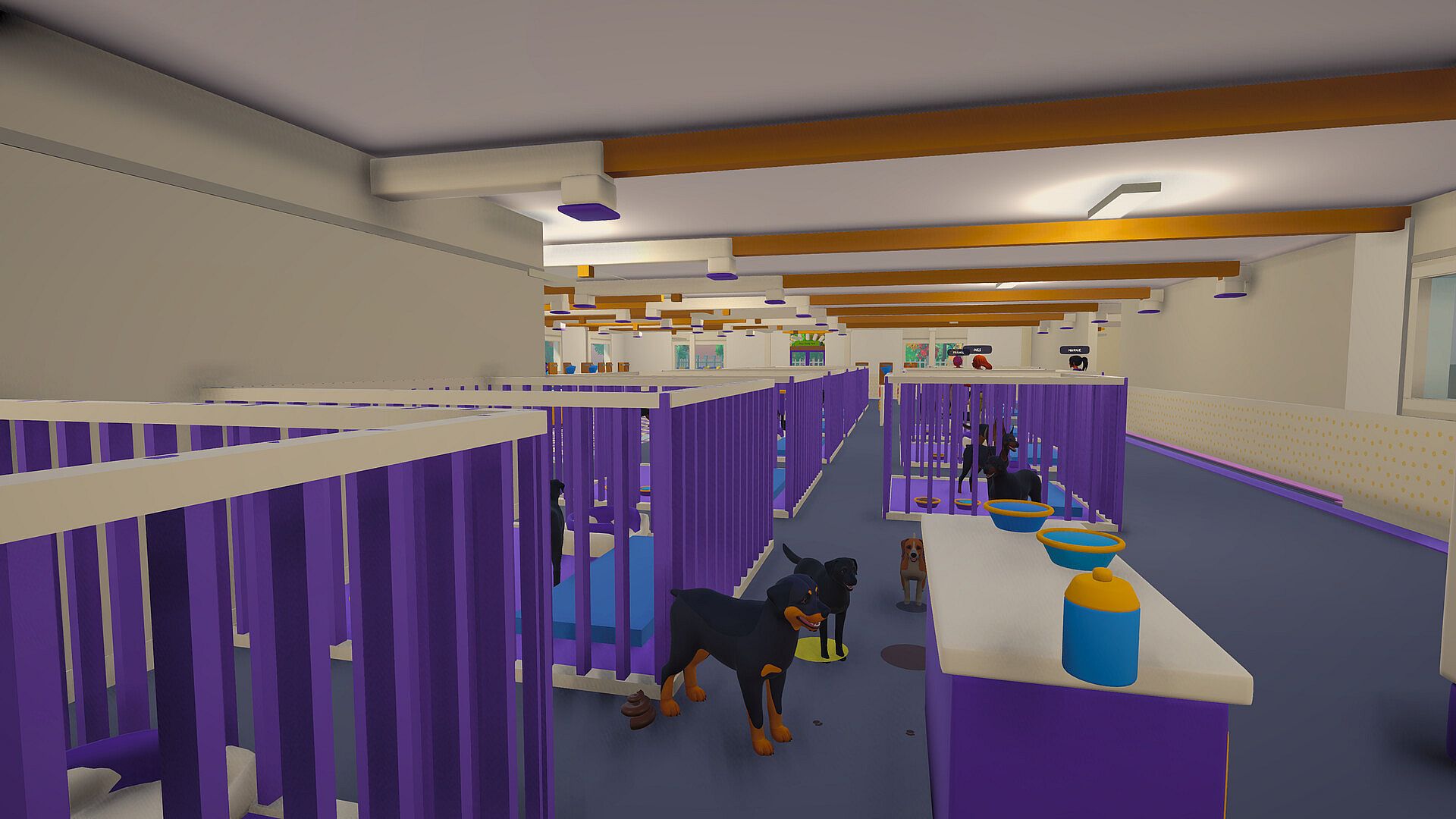
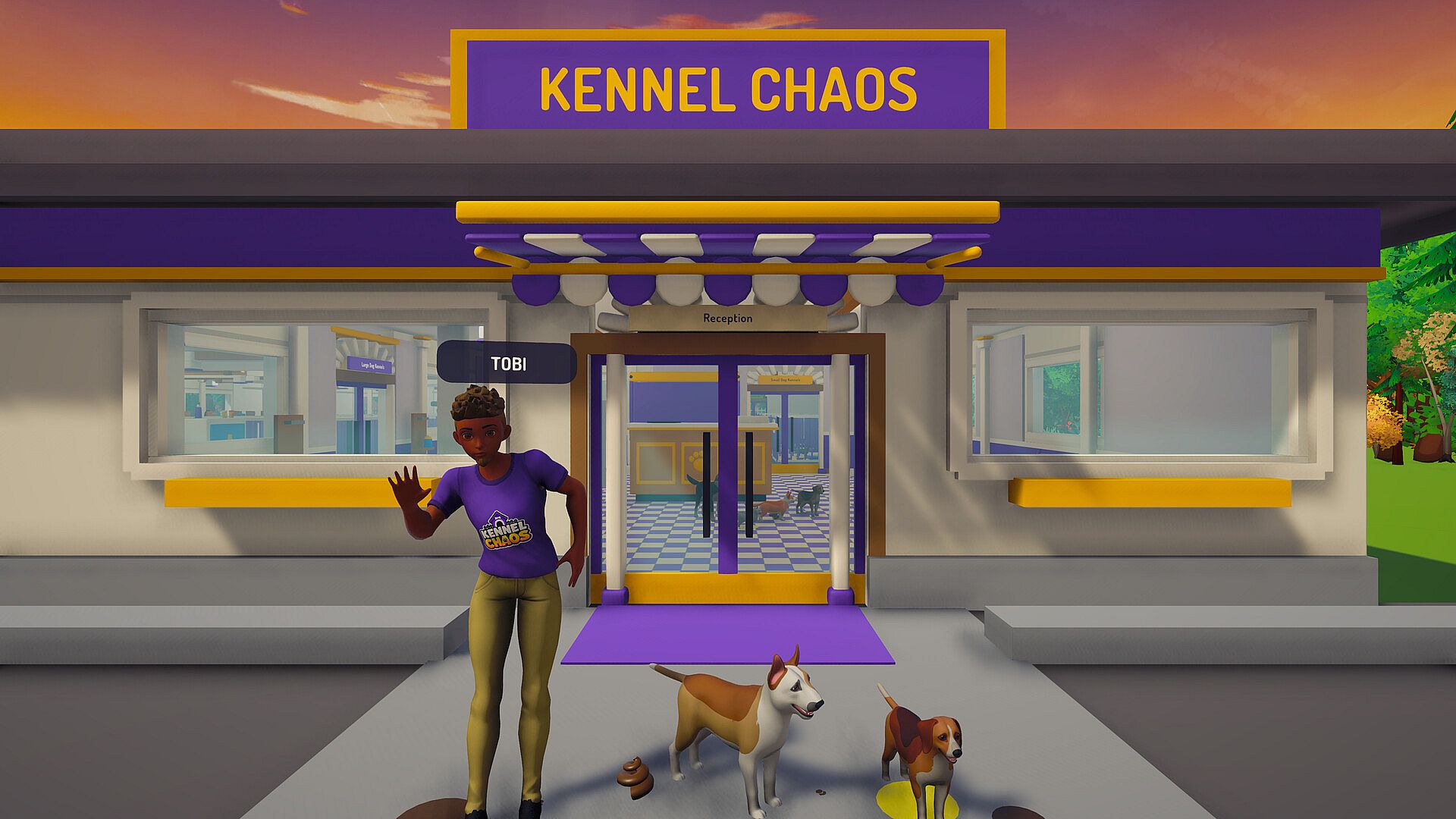
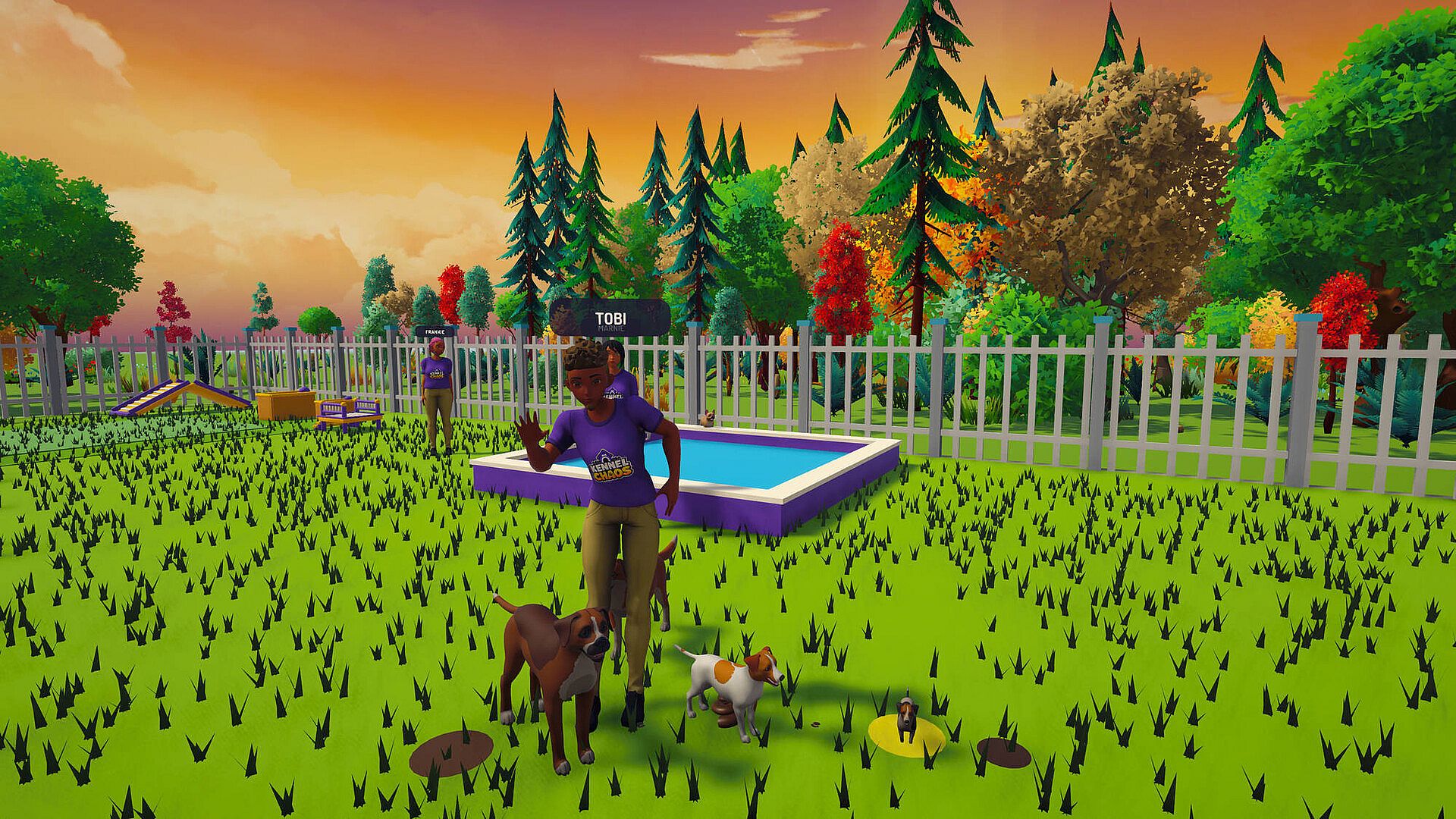
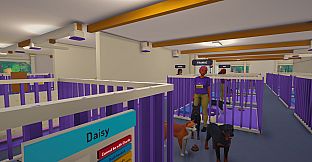
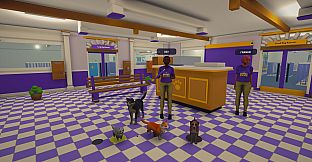
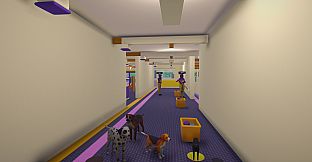
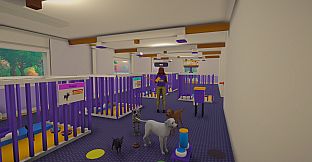
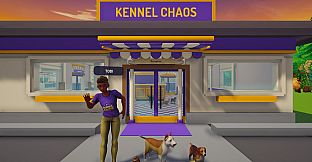
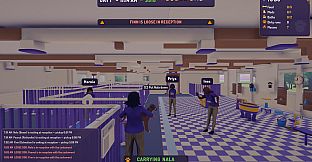
Kennel Chaos is an indie casual simulation game set in a dog daycare where players handle every task themselves. The experience centers on managing a growing facility filled with dogs that have distinct behaviors, all while coordinating with others in a first-person view. It emphasizes practical work like carrying items one at a time, cleaning messes that spread if ignored, and making layout decisions that affect daily operations.
Gameplay
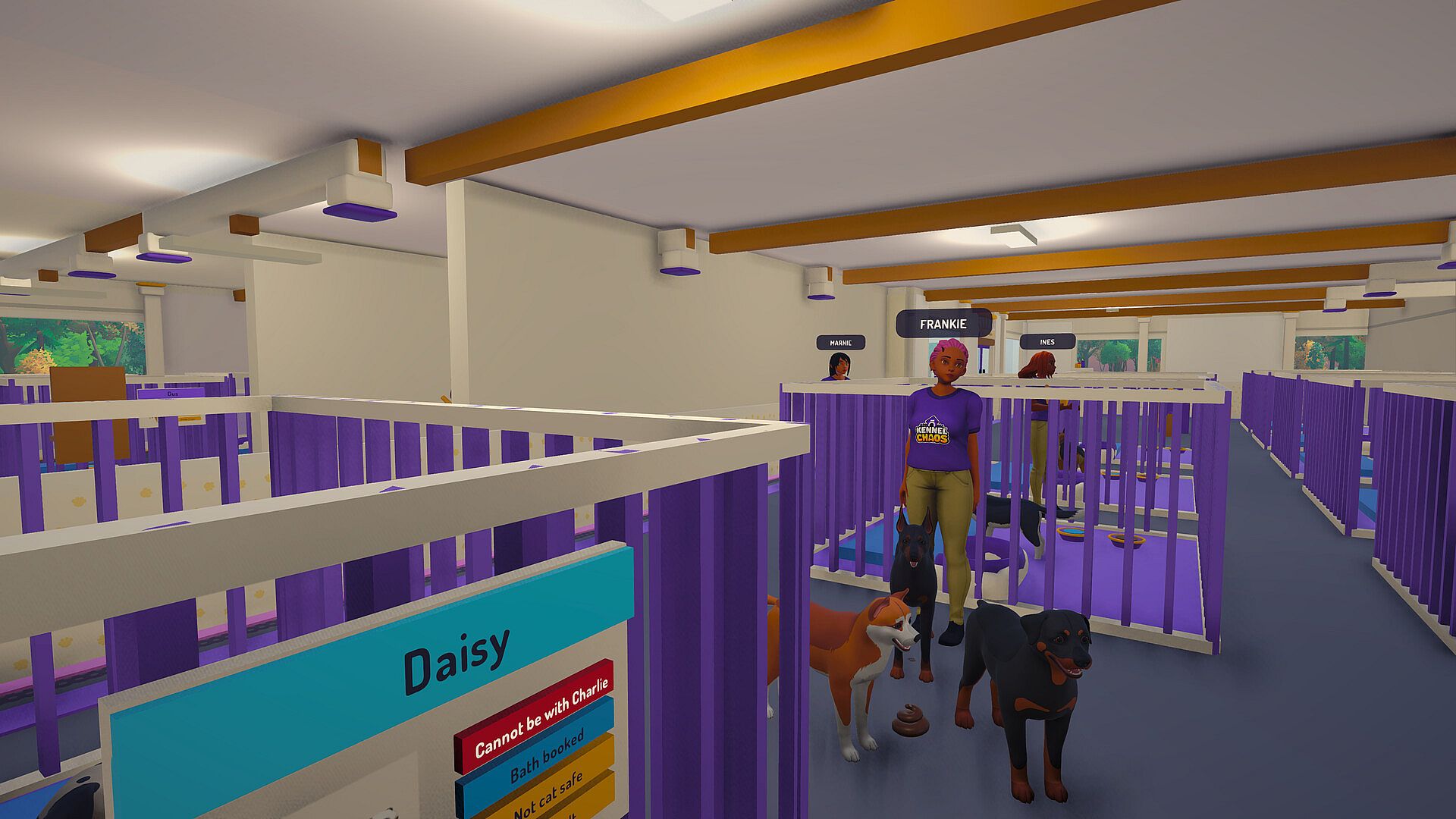
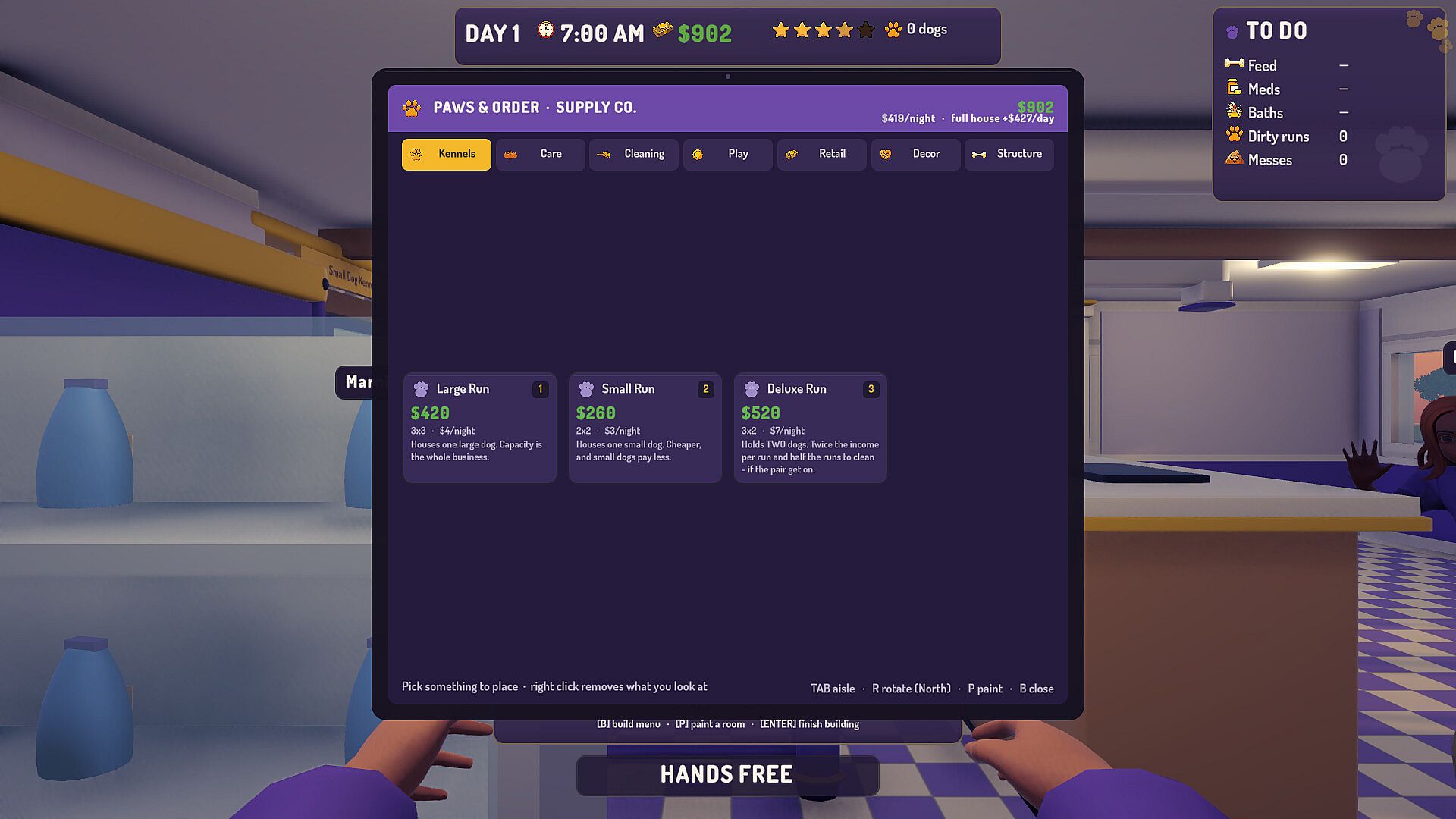
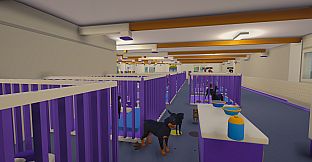
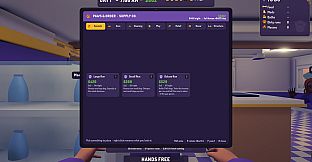
The core loop involves starting with an empty building and limited funds to purchase runs, tubs, grooming tables, and play equipment. Players paint walls, hang wallpaper, and position furniture before opening for business. Once dogs arrive, each one follows a care card that outlines specific needs, and success depends on meeting those requirements to earn stars and revenue.
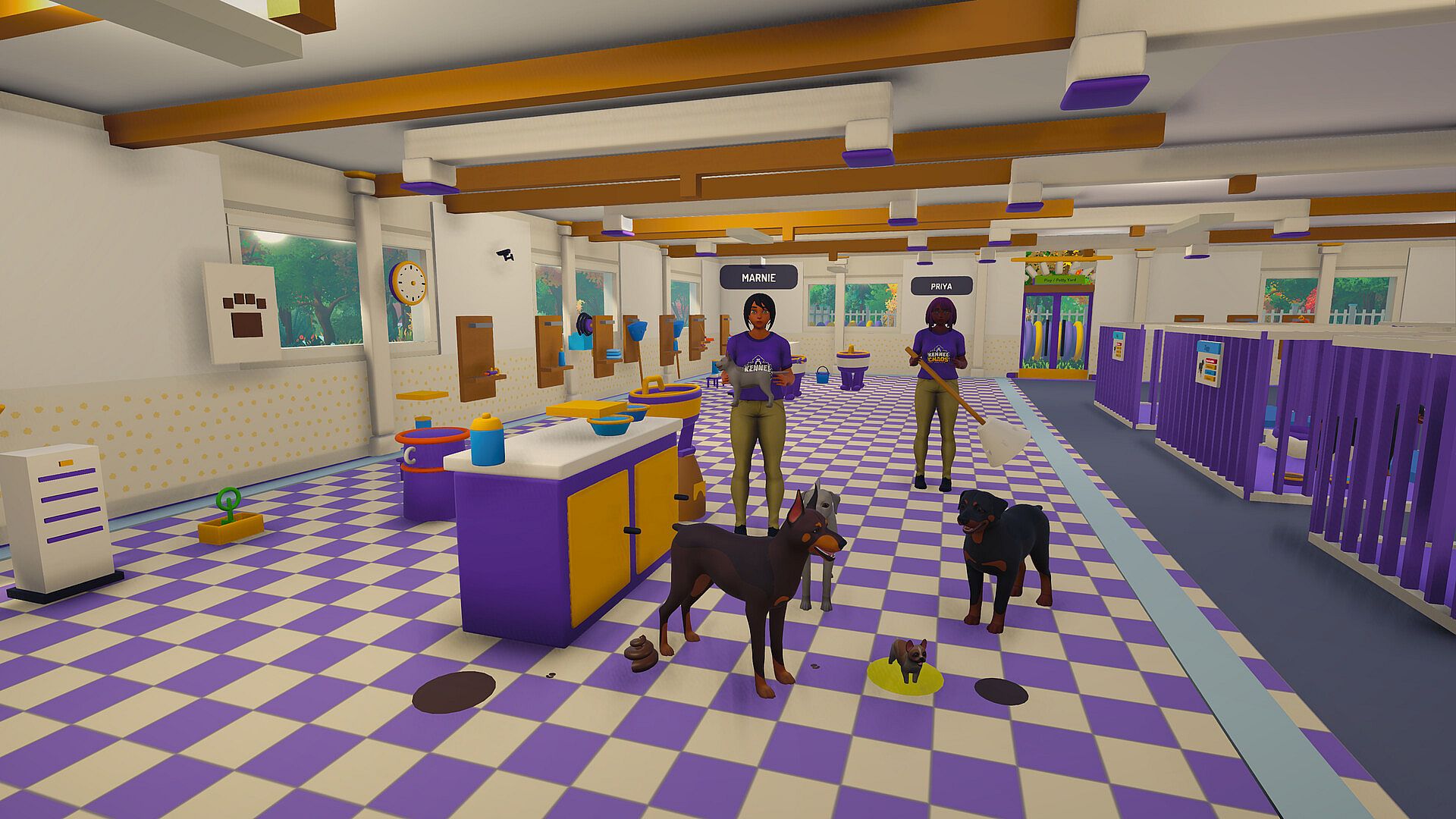
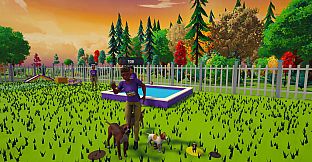
Dogs introduce constant challenges through their individual habits. Twenty-one breeds each bring unique traits that force adjustments in routine. One breed tests gates repeatedly, another waits to make a mess when backs are turned, and others shake water everywhere or roll in messes just cleaned. These behaviors turn simple jobs into ongoing problems that compound quickly.
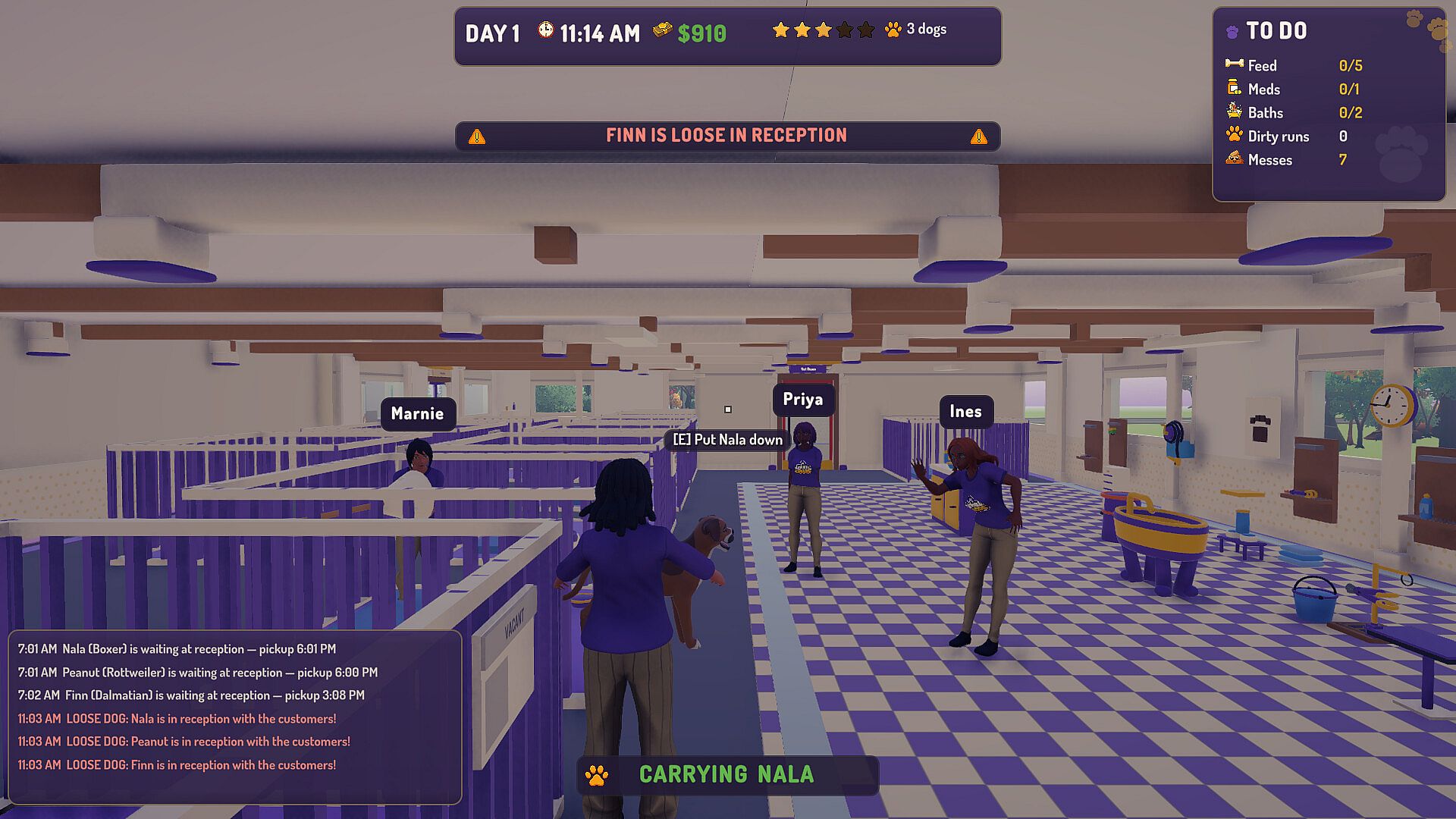
Carrying mechanics add another layer of decision making. Players can hold either a dog or a single tool at a time, requiring trips back to racks for equipment. Fresh messes take seconds to handle, but stepping through them creates tracks that dry into harder-to-clean problems. This system rewards quick responses and good organization across the space.
Building choices matter immediately. Placing tools in convenient spots saves time during busy periods, while poor layouts lead to repeated long runs across the facility. Upkeep costs come out of daily takings, and leftover money can fund expansions or improvements for the next day.
Game Modes
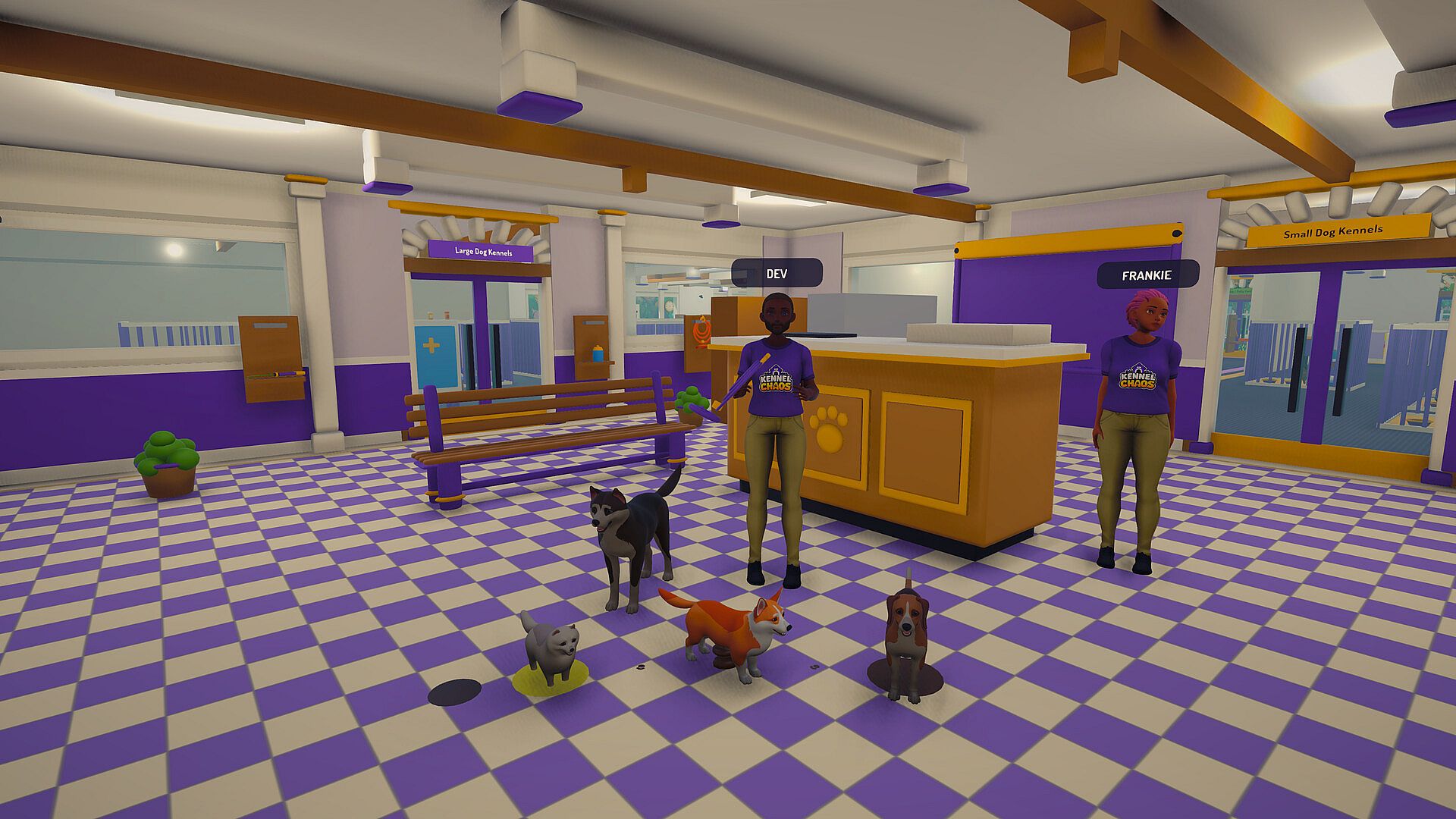
The game supports online co-op for one to eight players. Working together allows splitting tasks such as scooping, bathing, feeding, and supervising different areas at once. Friends can divide responsibilities based on the dogs present, making the workload more manageable than solo play.
Co-op highlights the humor in shared chaos, as players react in real time to dogs escaping, tracking messes, or creating new problems while others focus elsewhere. The setup encourages communication about priorities like which dog needs attention first or where to position new equipment.
Progression ties directly to daily operations. Each session starts with preparations in the built space, followed by handling arrivals, completing care tasks, and closing out with financial reviews. The loop repeats with more dogs and potential upgrades, building on previous decisions without separate named modes.
Building and Management Systems
Customization extends beyond basic purchases. Players arrange runs and stations room by room while considering traffic flow and dog movement patterns. Adding clocks or decorative elements contributes to the overall environment, though the focus remains on functional placement that supports efficient work.
The mess progression creates natural tension. Ignoring a fresh issue leads to paw prints, then dried residue that requires scrubbing. This chain reaction turns small oversights into larger cleanups that affect the entire facility and customer satisfaction ratings.
Financial balance requires attention to both income from satisfied clients and ongoing expenses. Stars reflect how well each dog's needs were met, influencing future earnings and the ability to expand. Spending decisions at the end of each day shape the next session's capabilities.
Is It Worth Playing?
Kennel Chaos suits players who enjoy hands-on simulation experiences with a focus on teamwork and problem solving. The co-op emphasis makes it particularly engaging for groups looking for lighthearted yet demanding sessions where coordination prevents total disorder.
Those who prefer relaxed single-player management may find the constant dog behaviors and physical carrying limits more intense than expected. The game rewards attention to detail and quick adaptation rather than passive oversight.
Its indie casual simulation style appeals to fans of practical task management without menus handling the work. The combination of building freedom, breed-specific challenges, and consequence-driven cleaning creates a distinctive loop that stands out in the genre for its direct control and group dynamics.