

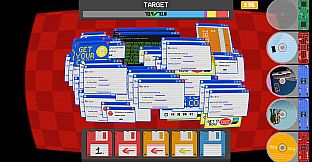
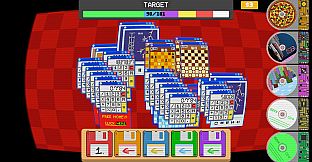
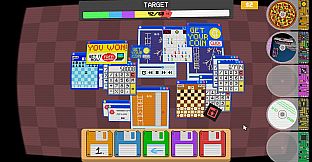
Memory Leak is a single-player roguelike deckbuilder developed for PC that places players inside the interface of a failing retro desktop computer. The core loop revolves around building and executing combinations of floppy discs to open windows, generate scores, and deliberately overload the system until it crashes. Genres include strategy, indie, and casual, with the experience centered on careful planning of triggers and effects rather than fast reflexes or large-scale multiplayer elements.
Gameplay
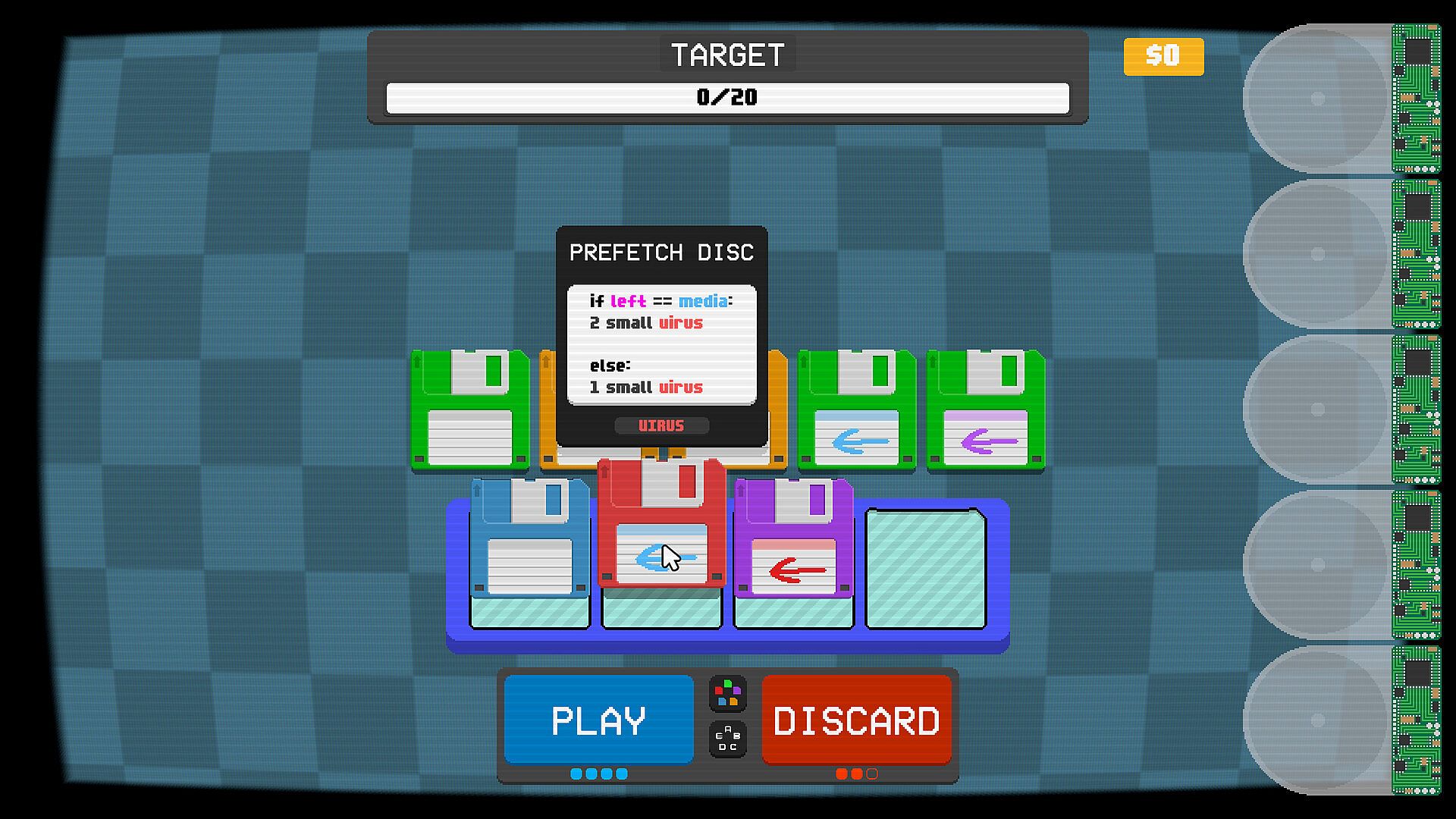
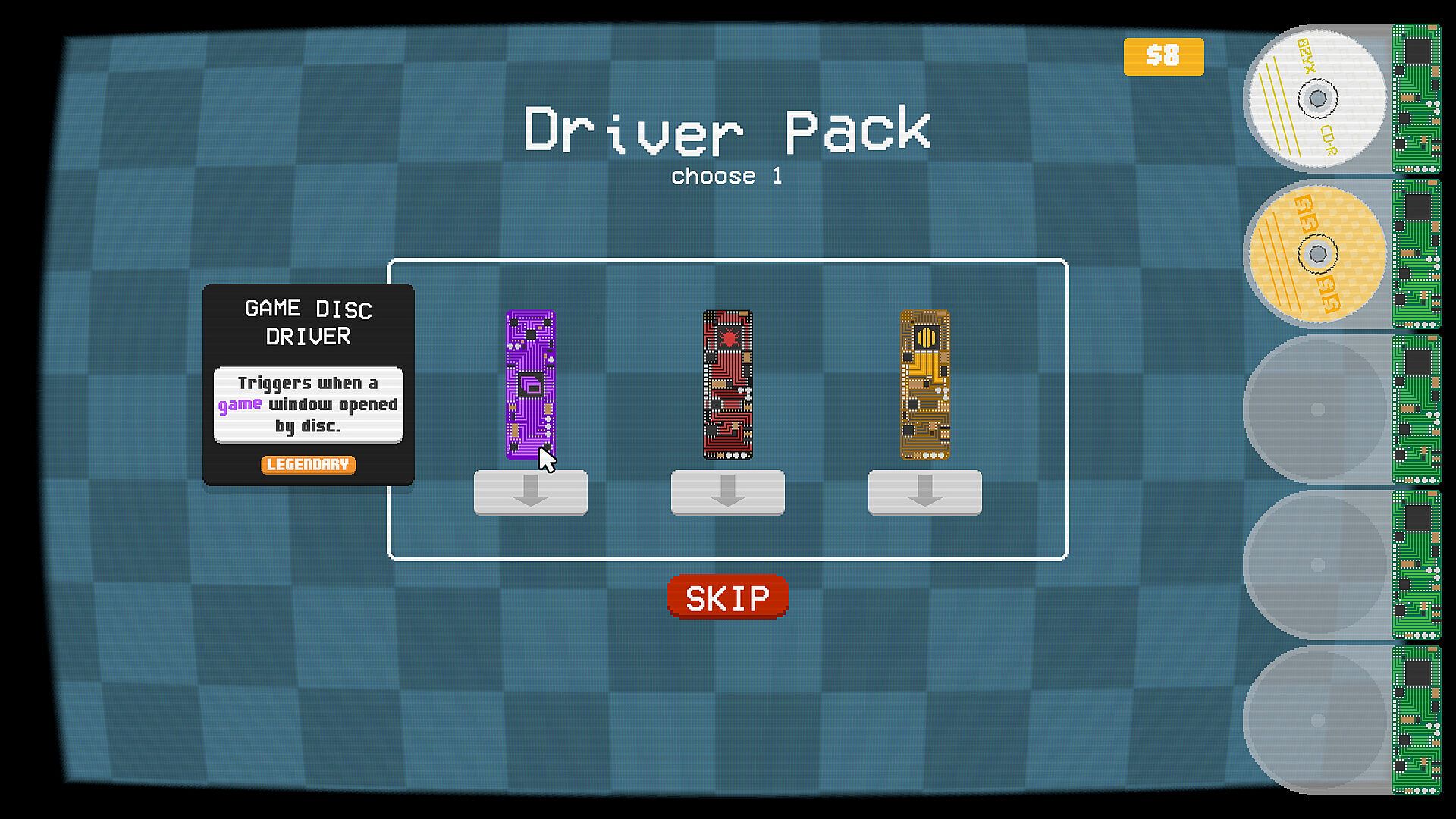
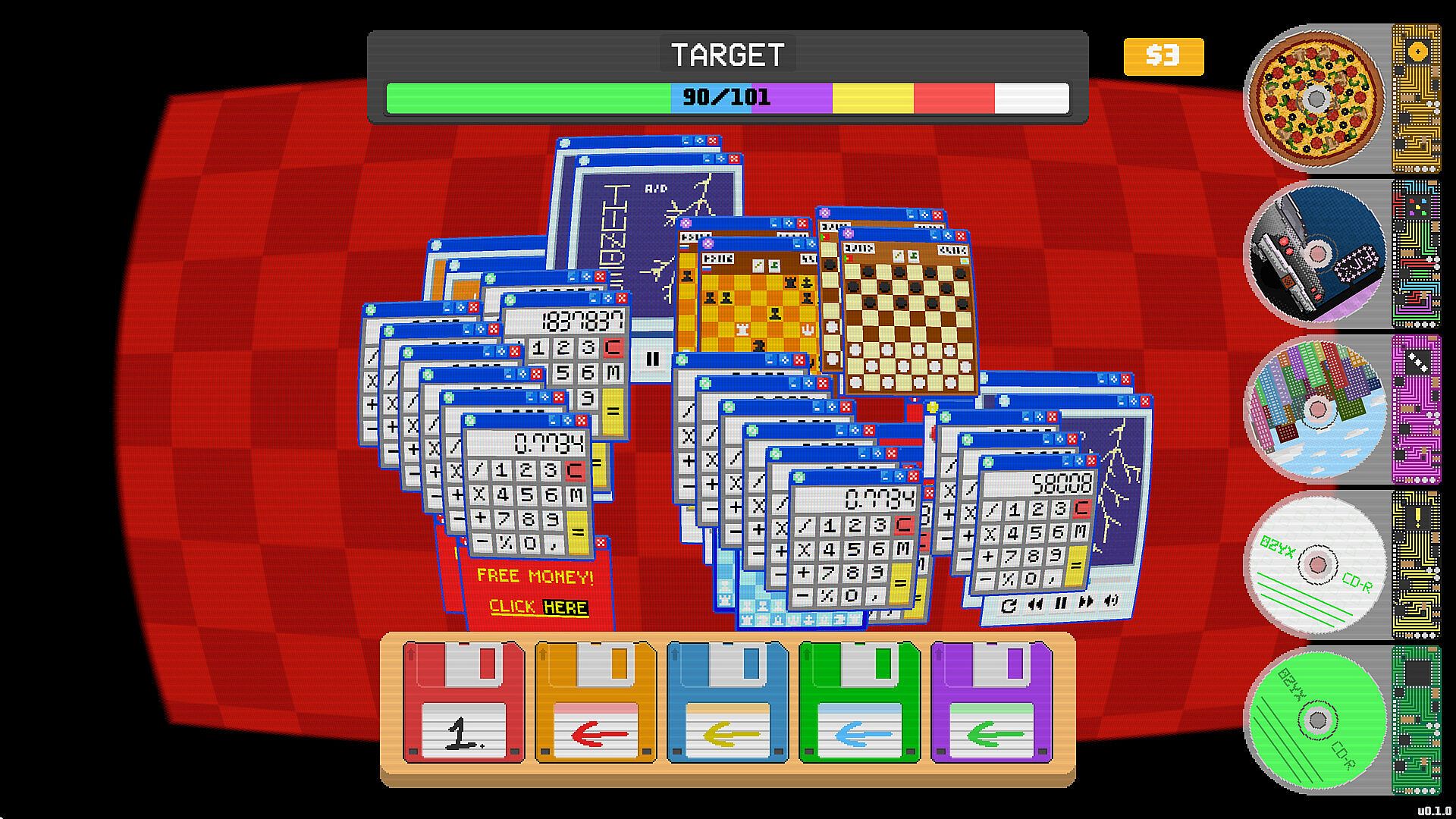
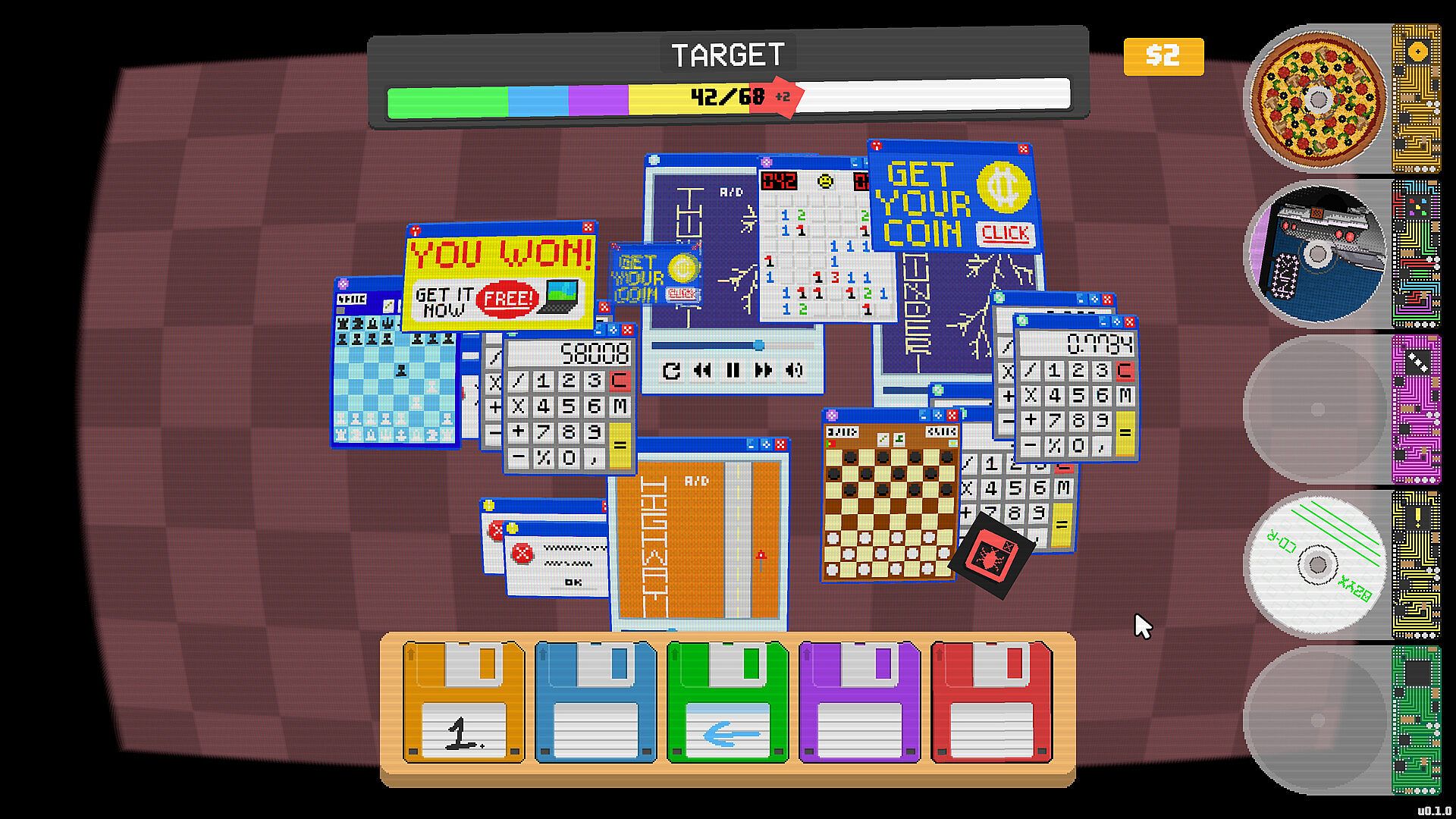
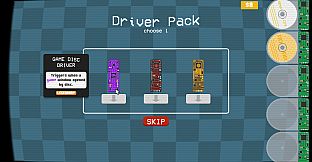
The deck consists of floppy discs divided into five types. Each disc opens a window when played, and larger windows deliver higher scores. Players upgrade, duplicate, or expand discs, then arrange them on a board where the sequence determines how the entire hand resolves. Drivers serve as triggers without built-in effects, while CDs provide effects without triggers. Combining one driver with one CD creates an automated rule that activates on its own during play.
Boards selected before each round impose specific rules on disc activation. Examples include setups with five slots that fire once each or three slots that repeat four times when all discs match a condition. One board variant rewrites the second disc played into a copy of the first. These choices directly influence which deck composition works best for a given run. The system encourages chaining actions so that one hand continues firing after the initial play, with drivers feeding CDs, CDs reopening windows, and windows activating further drivers.
Game Modes
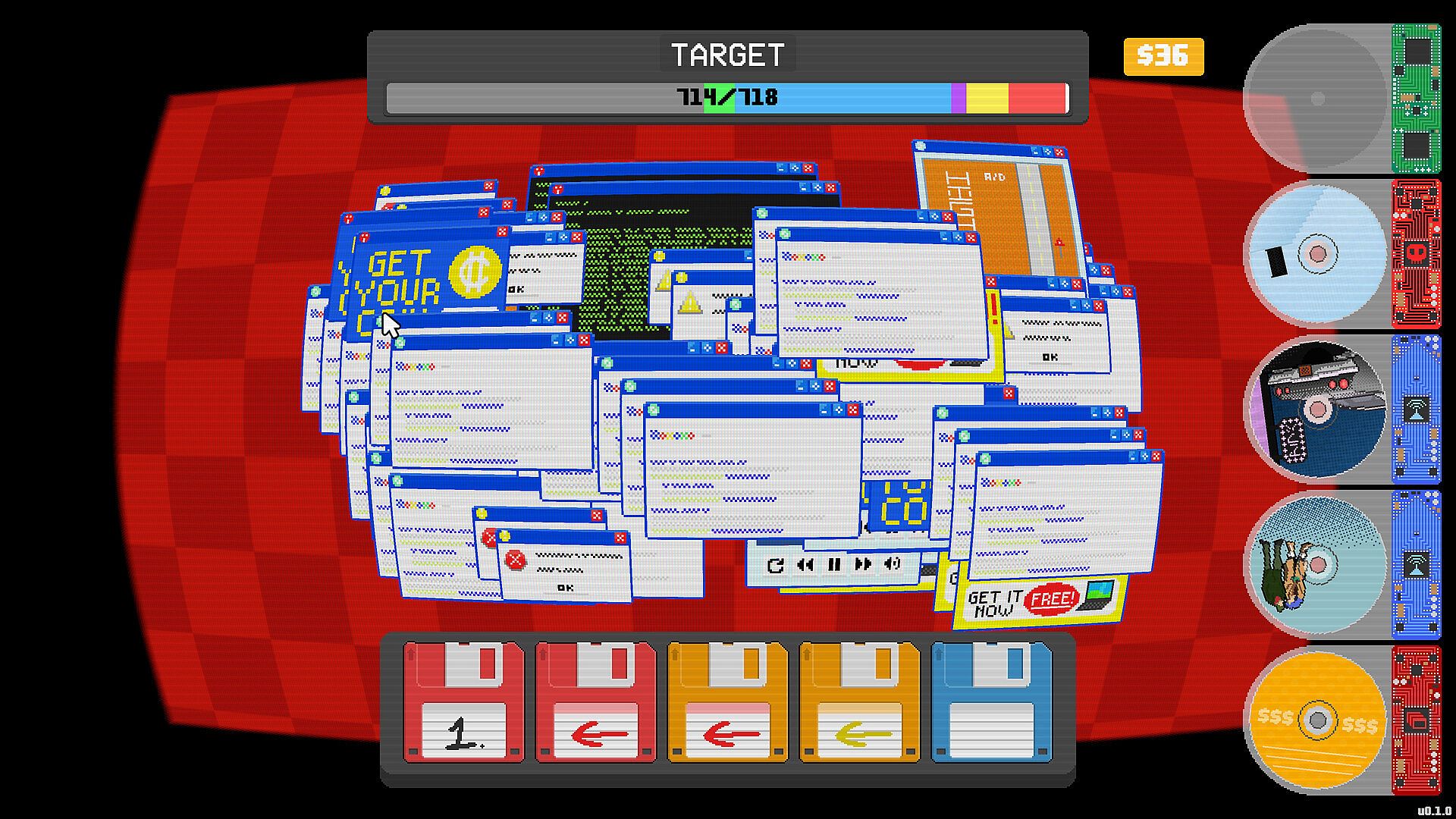
Play proceeds through successive rounds that increase the score target each time. Before every round, players select from three available boards that dictate activation rules for the hand. Standard rounds focus on building toward the target through repeated disc plays and window generation. Boss rounds introduce altered rules that change how discs interact or how scoring functions, requiring adaptation of the current deck and board choice.
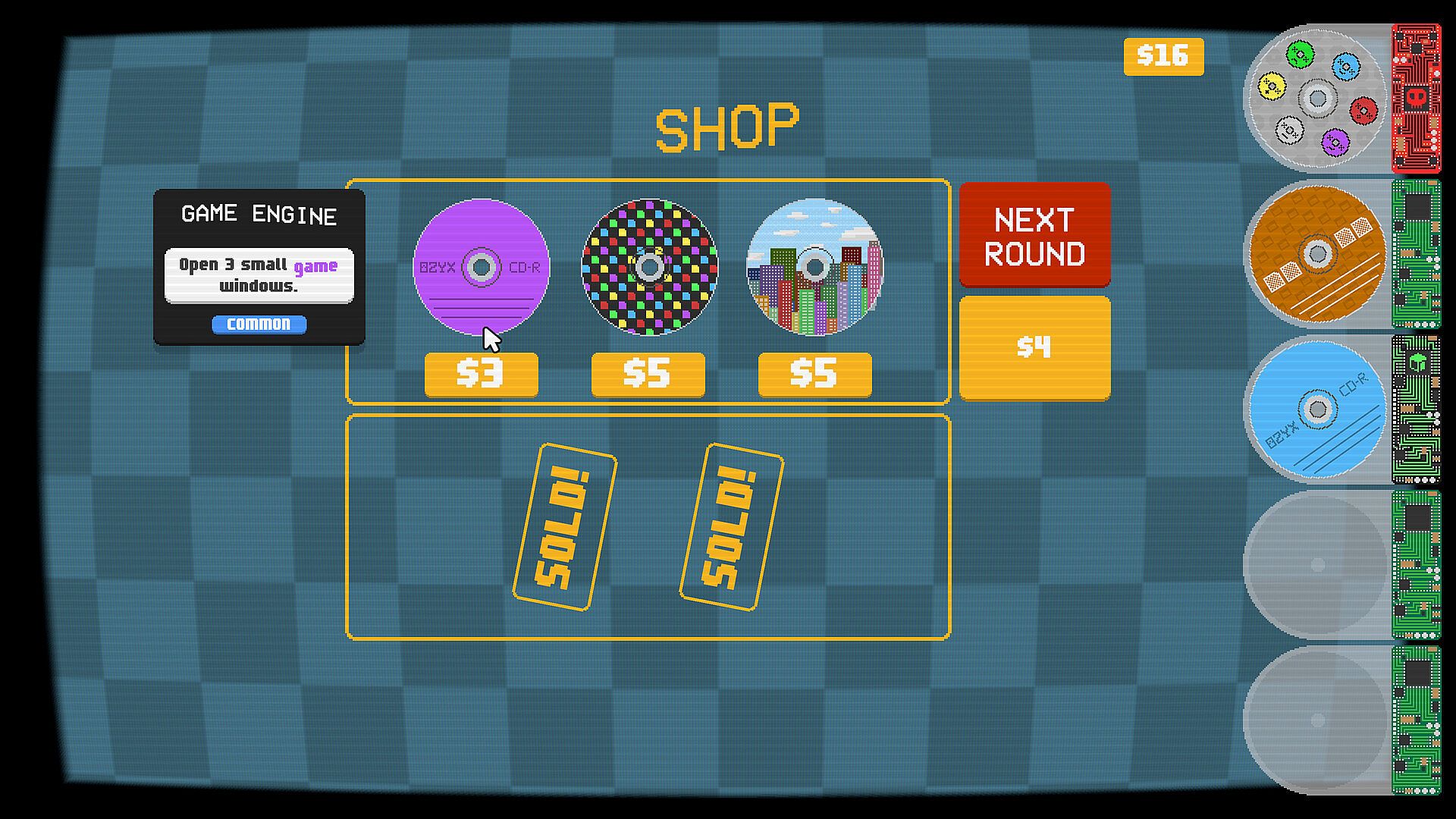
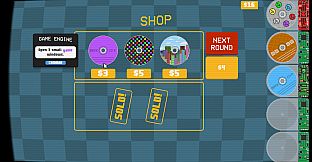
Between rounds, earned resources allow purchases of new drivers and CDs from a shop, opening packs for selections of three options, rerolling unwanted offerings, and selling underperforming items. This progression loop supports refining the deck over multiple runs while the escalating targets and boss encounters test the stability of chosen combinations.
Progression and Deck Building
Each run starts with a basic set of discs that expands through shop interactions and pack openings. Upgrades improve individual discs, while duplication and expansion mechanics allow scaling of successful effects. The order of play on the board becomes critical because it determines the resolution order of all triggers and payloads in a single hand. Successful strategies often involve creating self-sustaining loops that continue scoring even after the player stops actively selecting discs.
The five disc types provide variety in window generation and interaction potential. Players experiment with different pairings of drivers and CDs to discover combinations that maximize window size and frequency. The retro desktop theme reinforces the central idea that system overload equals higher performance, turning crashes into the intended outcome rather than failure states.
Is It Worth Playing?
Memory Leak targets players who enjoy roguelike deckbuilders with unconventional mechanics and single-player strategy sessions. The combination of trigger-effect pairing, board selection, and deliberate system overload creates a distinct loop focused on optimization and chaining rather than traditional combat or exploration. Because the game remains in development with a planned release in 2026 and currently has no user reviews available, interested players can follow its progress through official channels to assess fit with personal preferences for indie strategy titles.
The experience suits those comfortable with iterative deck refinement and adapting to changing round conditions, including boss encounters that modify core rules. Its casual accessibility in short sessions pairs with deeper strategic layers for longer play, making it a potential draw for fans of the genre seeking fresh presentation on PC.