


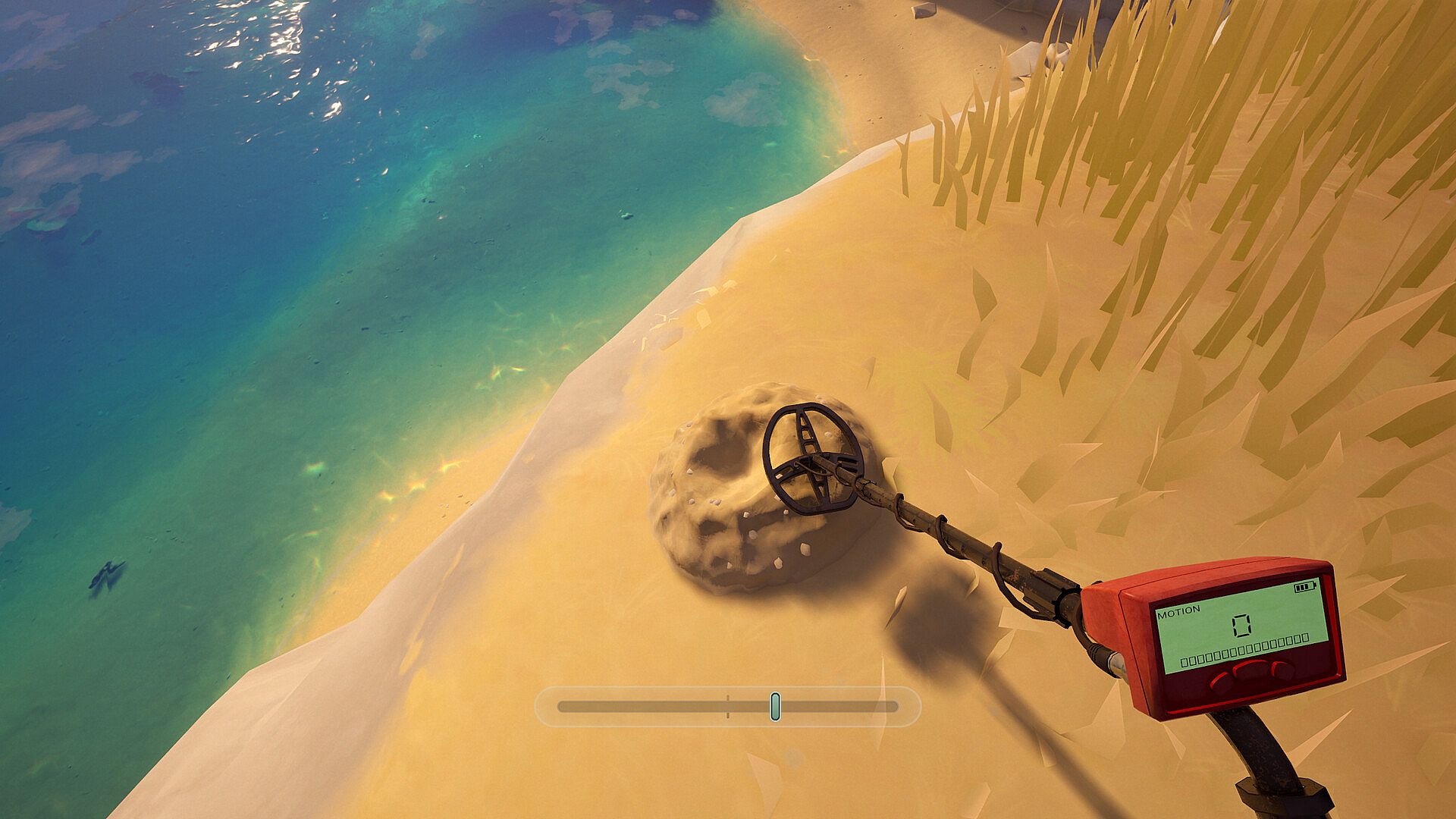
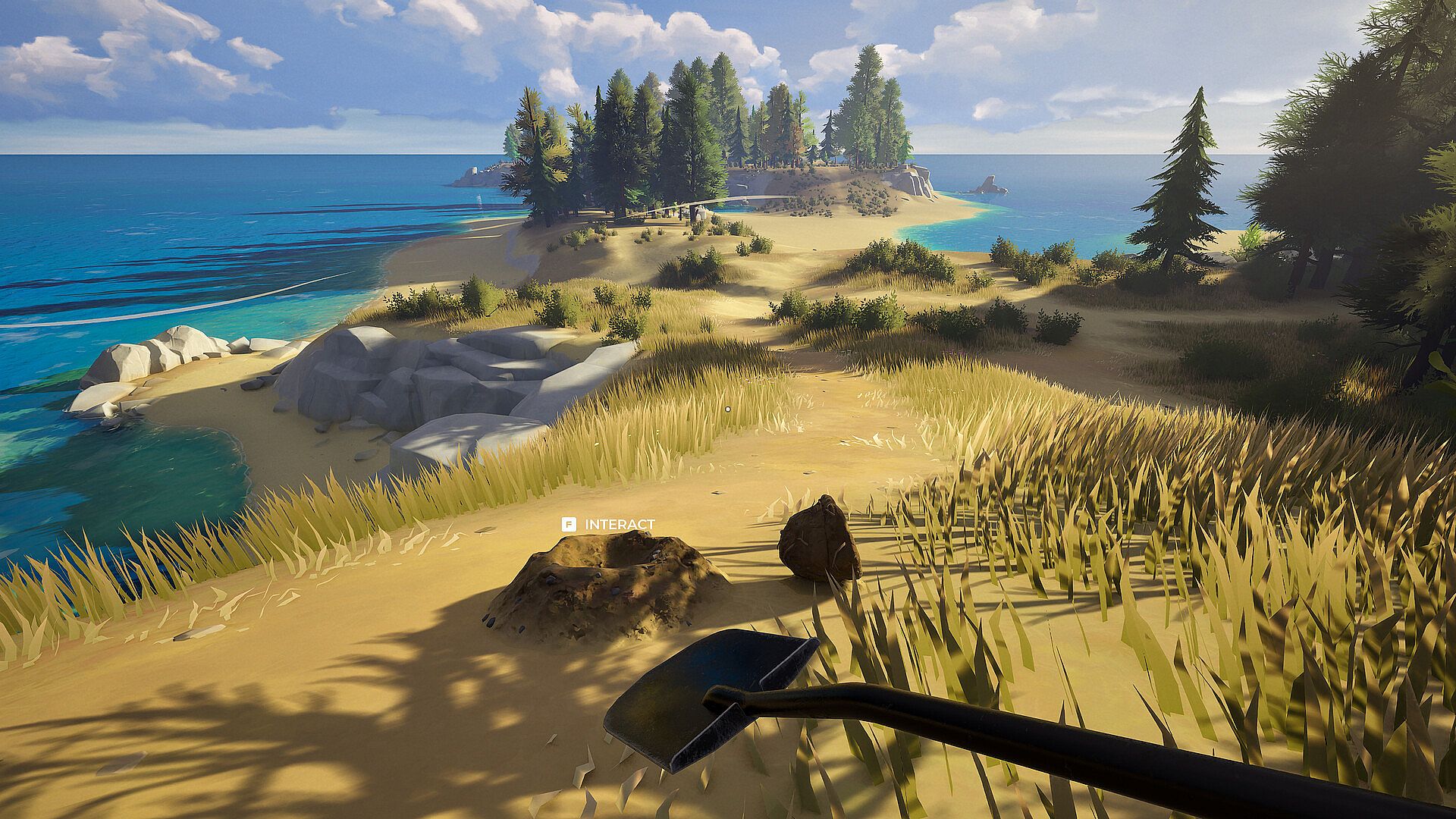


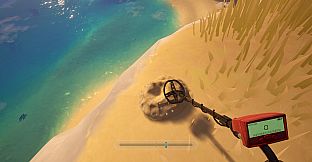
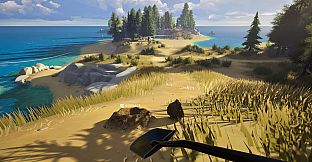



Metal Detecting Days is a casual simulation adventure game that puts players in the role of a dedicated hobbyist exploring the hobby of metal detecting. Set on PC, this indie title emphasizes a slow, thoughtful pace where the focus stays on the process of sweeping a detector across the ground, listening for signals, and uncovering items from the past. The experience draws directly from real-world metal detecting practices, offering a peaceful alternative to fast-paced action games.
Gameplay
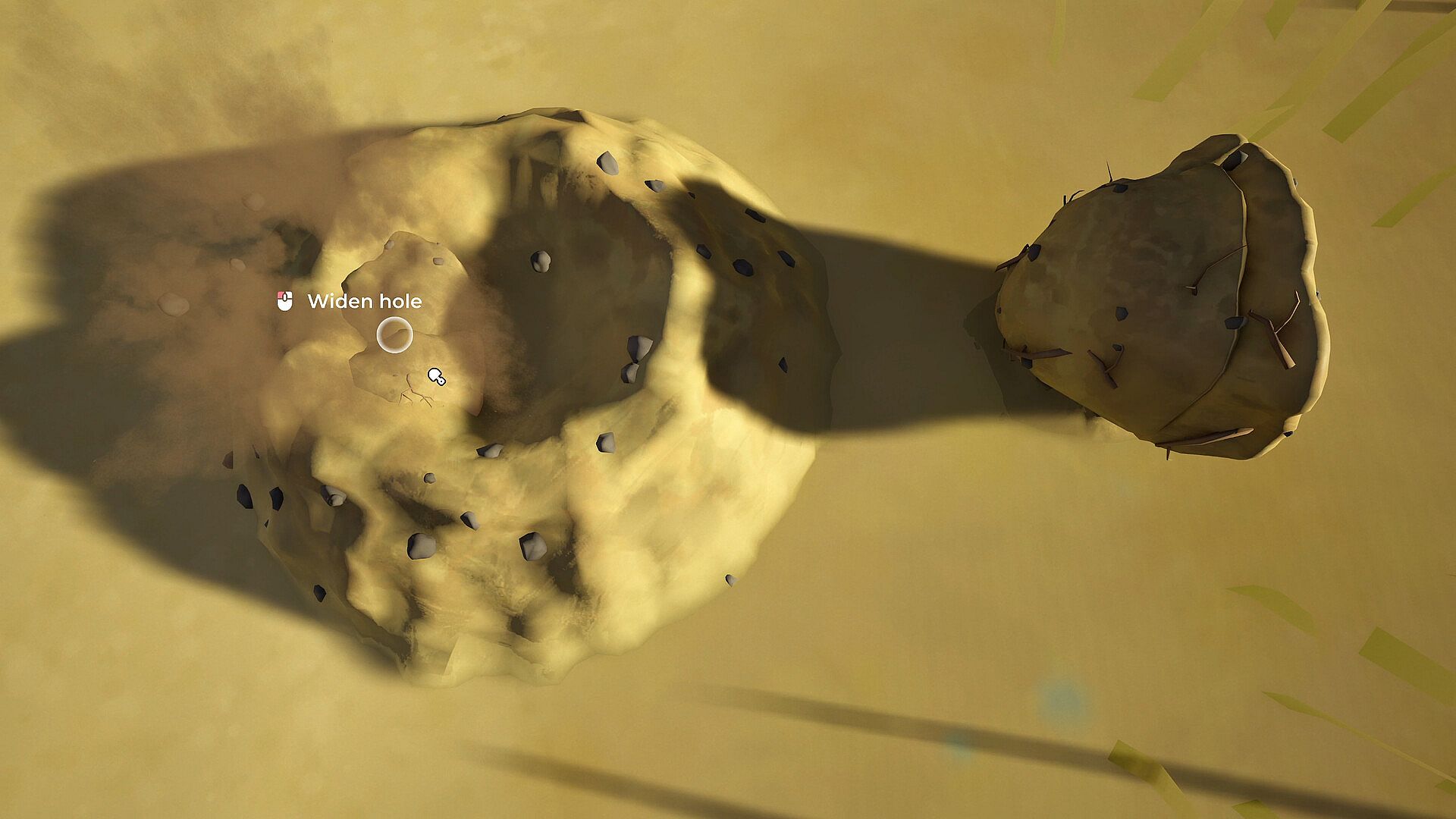
The core loop centers on manual coil sweeping and signal interpretation drawn from realistic detector behavior. Iron produces a rough grunt while silver delivers a clear ring, with material, size, shape, and depth all influencing the audio feedback and the decision to dig. Players move at their own speed through hand-crafted environments, pausing to analyze tones and decide whether a signal warrants further investigation.
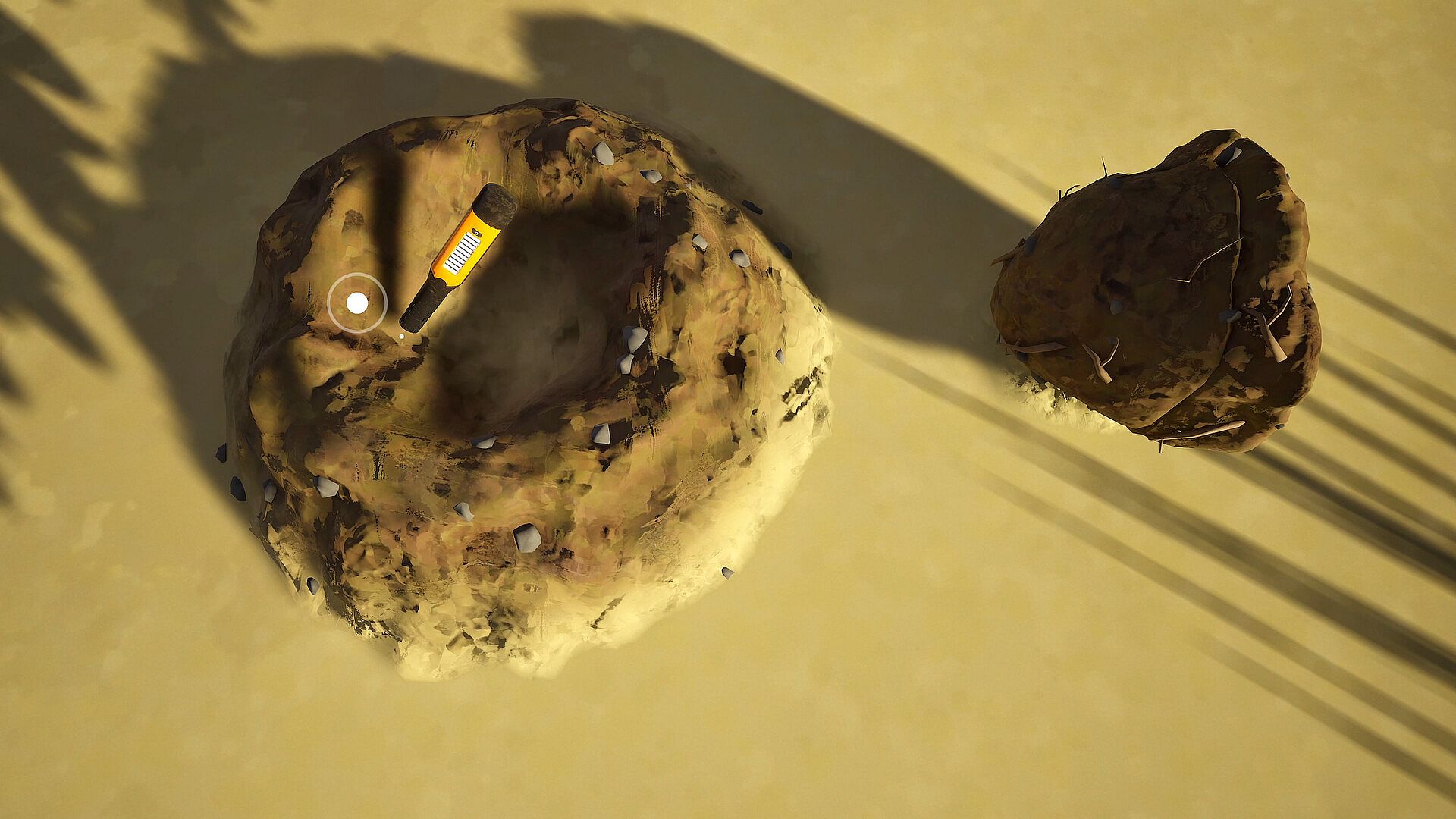
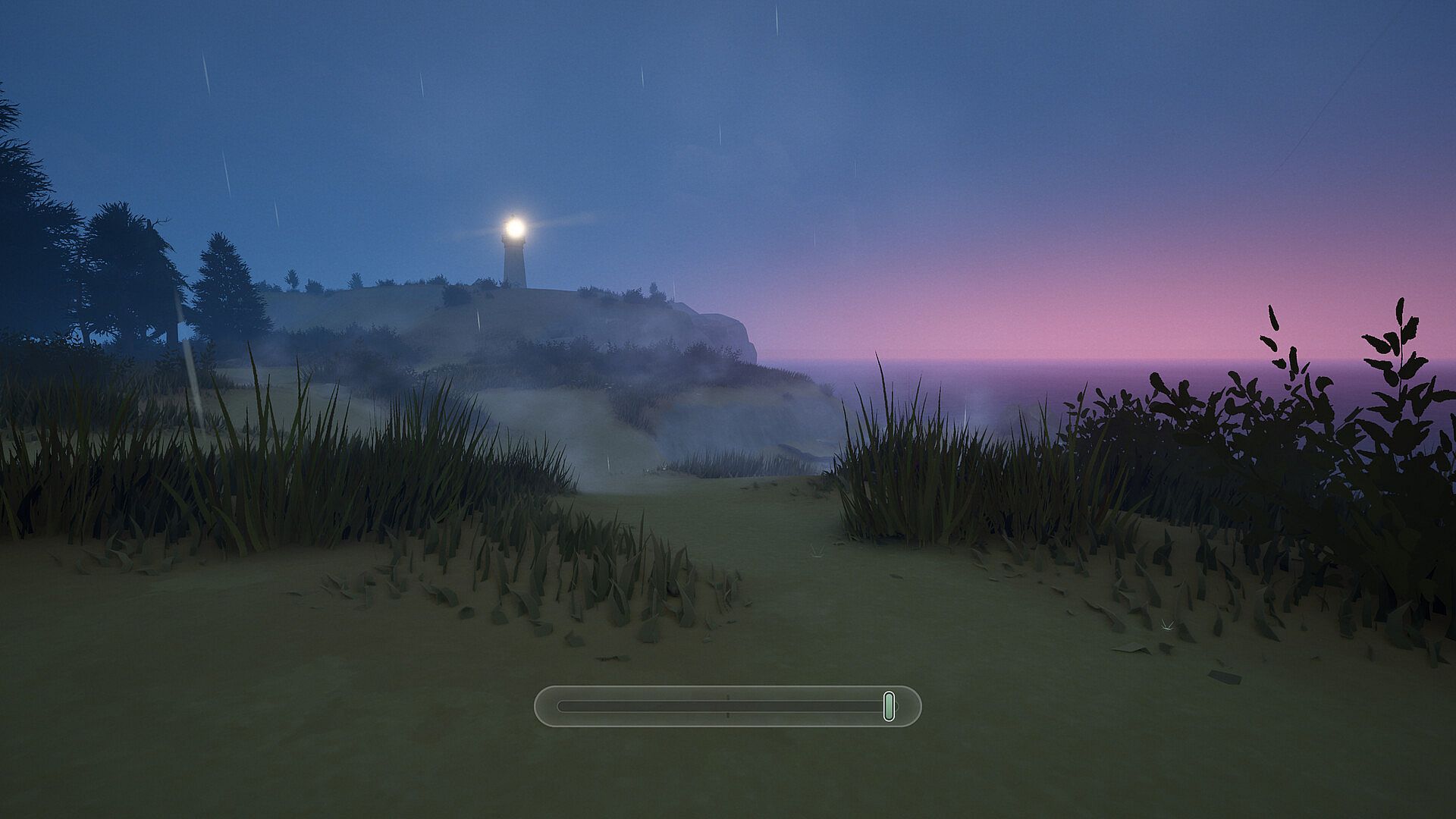
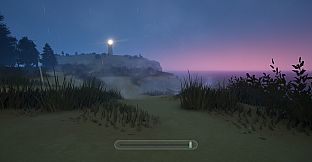
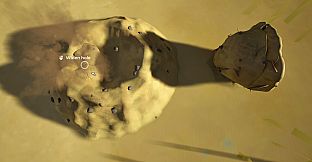
Exploration takes place across peaceful, distinct locations, each carrying its own atmosphere and buried history. The game rewards patience rather than speed, allowing time to appreciate the quiet setting while chasing promising signals. Every dig adds to a growing sense of discovery as the player uncovers coins, jewelry, relics, and other curiosities that span centuries.
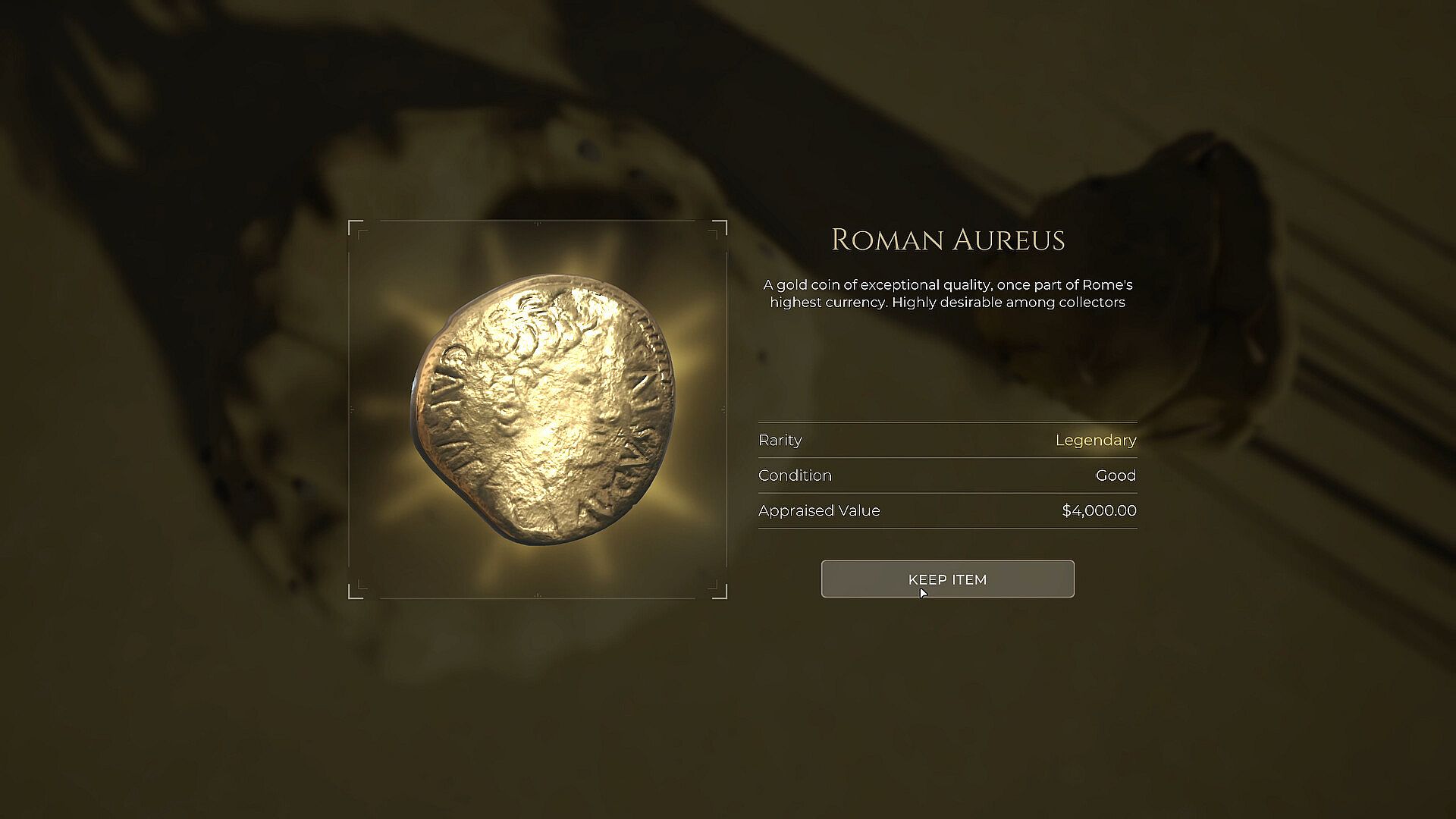
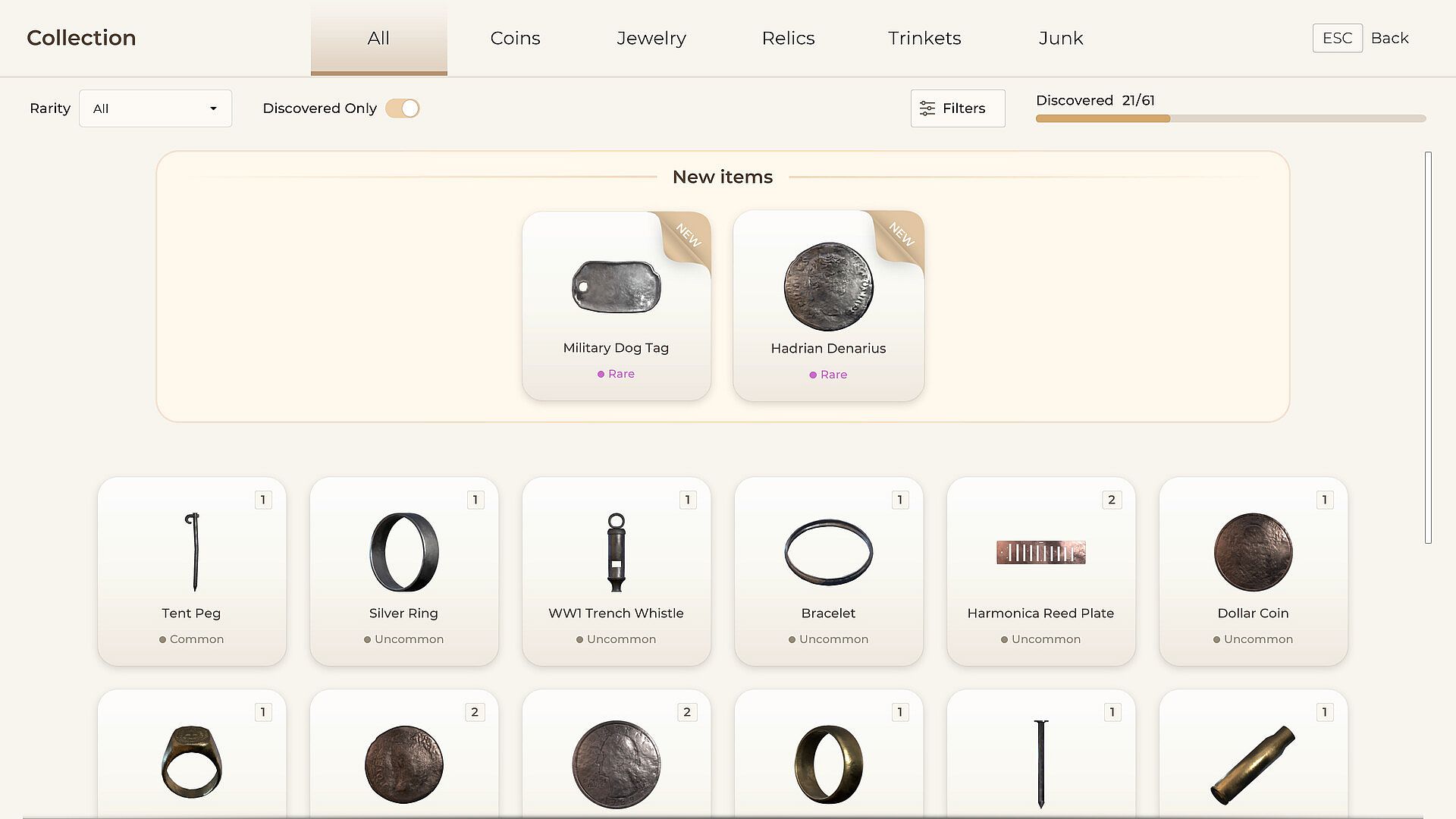
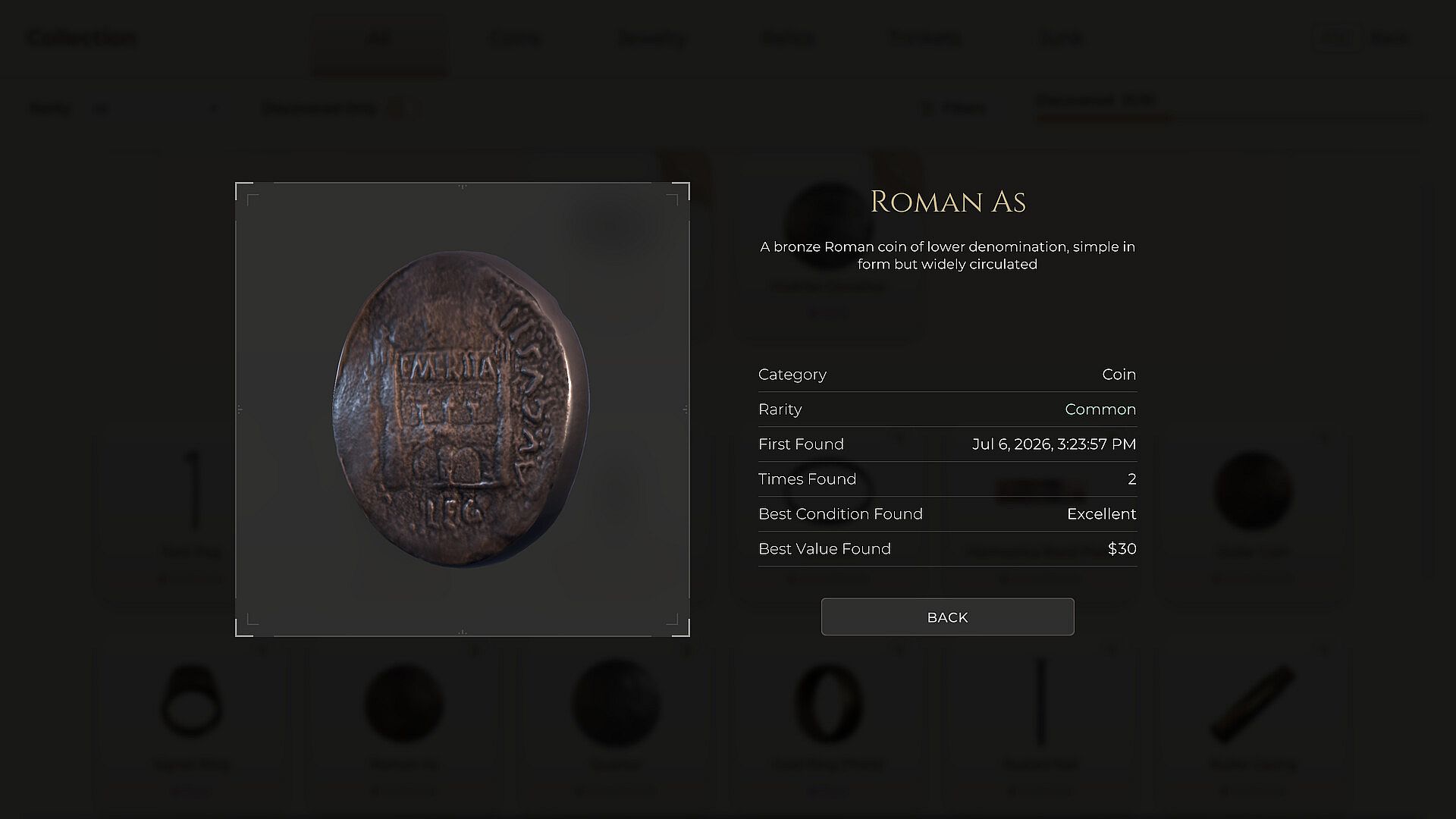
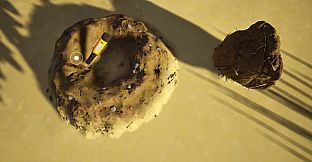
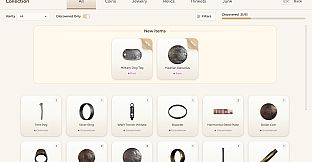
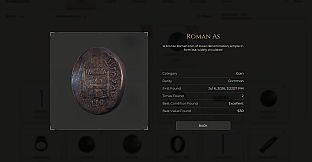
Finds appear as detailed three-dimensional objects that can be examined closely after recovery. A dynamic condition and material system ensures variety, with some items arriving worn or corroded and others in near-mint condition. This variation turns collecting into a pursuit of quality specimens rather than simple quantity.
Game Modes
Metal Detecting Days operates as a single-player experience without separate competitive or multiplayer modes. The structure revolves around free-form exploration of the available locations, where progress comes from repeated visits to the same areas in search of new or higher-quality items. There are no timed challenges, story-driven campaigns, or faction-based systems; the emphasis remains on personal pacing and incremental improvement through equipment upgrades.
Players return to previously visited sites with better gear to access deeper or more subtle signals, expanding the range of possible discoveries over time. This creates a natural progression loop built around collection and refinement rather than linear objectives or separate game modes.
Locations and Discoveries
Each hand-crafted area offers a unique backdrop and set of potential finds, from everyday modern discards to historical pieces such as Roman coins or artifacts linked to later periods including the Second World War. The variety encourages multiple passes through the same terrain as upgrades improve detection capabilities.
Every recovered item joins a personal collection that tracks discoveries and highlights favorites. Condition plays a direct role in the appeal of each piece, motivating players to keep searching for pristine examples amid the more common worn specimens.
Progression and Equipment
Upgrades form a meaningful part of advancement. Players acquire better detectors and supporting tools piece by piece, each addition expanding the types of signals that can be detected and the depths that become reachable. These improvements feel tangible because they directly affect what appears on the ground during a session.
The system avoids overwhelming complexity, keeping the focus on steady, satisfying growth that matches the relaxed tone of the simulation. New equipment opens fresh possibilities without requiring mastery of unrelated systems.
Is It Worth Playing?
Metal Detecting Days suits players who enjoy deliberate, low-pressure simulation experiences centered on a real-world hobby. The combination of realistic audio cues, varied finds, and incremental upgrades creates a steady sense of accomplishment through collection and exploration. Those looking for a quiet, self-directed activity on PC will find the gameplay loop consistent with the described mechanics of manual sweeping and signal reading.
The title appeals most to fans of casual indie simulations who appreciate atmospheric locations and the satisfaction of building a personal archive of recovered items. Because it stays focused on single-player progression without additional modes or external competition, it delivers a consistent experience for anyone drawn to the core concept of metal detecting as a relaxing pursuit.